

Why did widows once wear black for months or even years after a husband’s death?
In the 19th century, mourning was more than a personal choice. Detailed customs made a woman’s grief and changed social status visible to the people around her.
Here is how those rules worked, what Queen Victoria had to do with them, and why the custom eventually faded.
Why Was Black Expected?
Black clothing told others that the wearer was grieving. The fabric, trim, and amount of color could also indicate which stage of mourning she had reached.
The Metropolitan Museum of Art calls mourning dress one of the era’s “most codified of etiquettes.” Elaborate standards set by royalty spread across class lines through fashion magazines, giving families a widely recognized model to follow.
For widows, mourning clothes made a private loss publicly visible. Following the accepted dress customs could signal respect for the person who had died while also helping others recognize that the wearer was moving through a prescribed period of grief.

What Did Full Mourning Look Like?
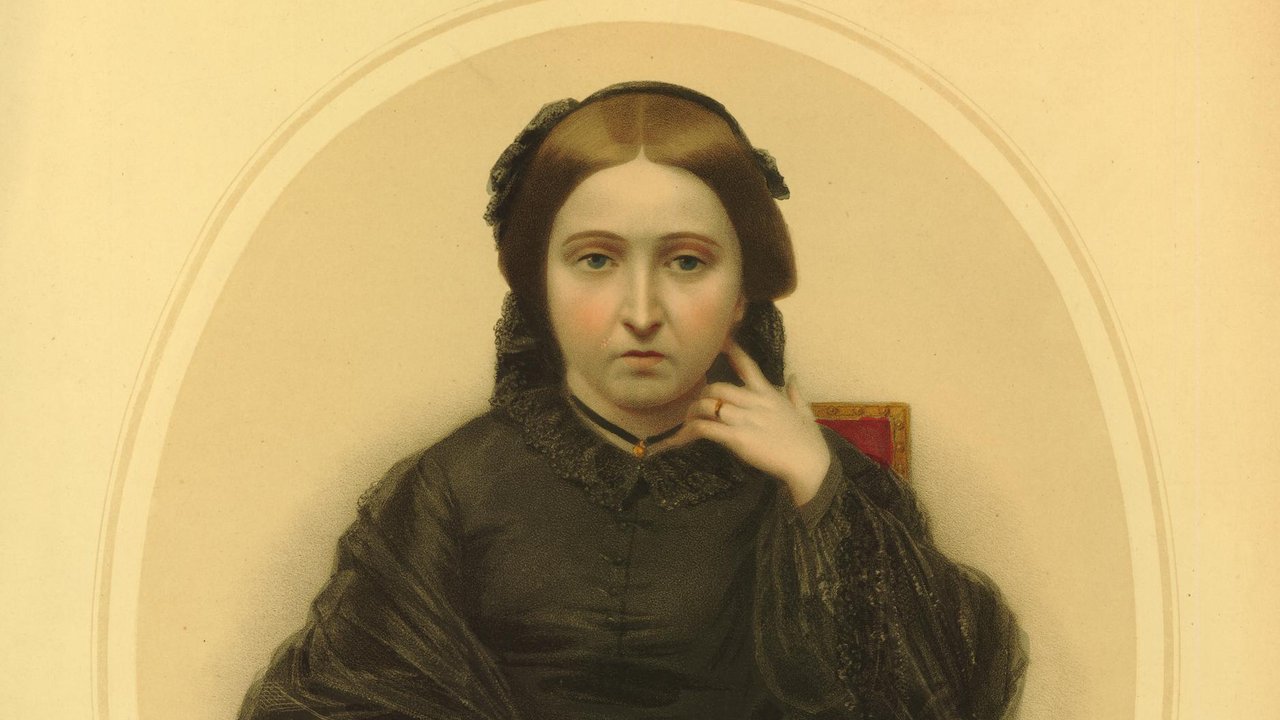
The first stage was commonly called first, full, or deep mourning. The Smithsonian’s National Museum of American History says a woman in first mourning wore black crepe. Full-mourning ensembles were solid black.
A bonnet could form part of the outfit. One example displayed by The Met was a type worn exclusively by widows, showing how even individual accessories could carry a specific meaning.
The result was an outfit that communicated mourning at a glance. It was not simply a favorite black dress pulled from a wardrobe; the clothing belonged to an established system with recognizable materials, garments, and stages.
How Long Did Widows Wear Black?
There was no single timetable for every death. According to The Met, wearing black could be a social requirement for anywhere from three months to two and a half years.
The duration of each stage depended on the mourner’s relationship to the person who had died. Widows were expected to wear mourning longer than other mourners, so the death of a husband could bring an especially lengthy period of prescribed dress.
The stages offered a gradual return to ordinary clothing. Half mourning allowed a small amount of white or purple, while later mourning could include gray, violet, purple, mauve, and white. These muted colors eased the transition away from solid black.
How Did Queen Victoria Influence the Custom?
Queen Victoria did not invent formal mourning dress. The Met notes that the practice was already growing when she became queen in 1837.
Prince Albert died in December 1861. After his death, Victoria adopted black gowns as a public expression of her grief. The Royal Collection Trust describes the period that followed as Queen Victoria’s “40 years of mourning.”
Her example mattered because the royal family helped set visible standards that others encountered through portraits, public appearances, and fashion coverage. Victoria became closely associated with the image of the devoted widow in black, reinforcing customs that had already taken hold.
Why Did the Custom Fade?
World War I was a major turning point. The Australian Museum says the war ended elaborate Victorian-style funeral and Christian mourning rituals across the British Commonwealth.
Daily life also made extended mourning customs harder to maintain. Many women worked outside the home during the war and could not withdraw from society for a long mourning period, according to France’s Musée de la Grande Guerre.
As the elaborate system receded, mourning became less dependent on a fixed public timetable. People could still choose black clothing to show respect, but widows faced less pressure to make it their entire wardrobe for months or years.
Did Every Culture Mourn in Black?
Black has never been a universal color of grief. In Chinese culture, white has long carried mourning associations. In its discussion of objects from the Ming court, the Smithsonian’s National Museum of Asian Art says white symbolizes “mourning and filial piety.”
The contrast is a reminder that the meaning of a color comes from cultural traditions, not from a single rule shared around the world. Clothing can communicate grief only when the people who see it understand the custom behind it.
The desire to honor someone who died did not disappear when Victorian dress codes faded. What changed was the expectation that a widow’s clothing should display her grief according to a formal public calendar.
Those old rules are gone, but clothing can still give grief a visible place when words feel too small. Does your family remember a time when widows wore black for months or years?
Follow Lilyon on MSN for more stories like this.
Sources: