

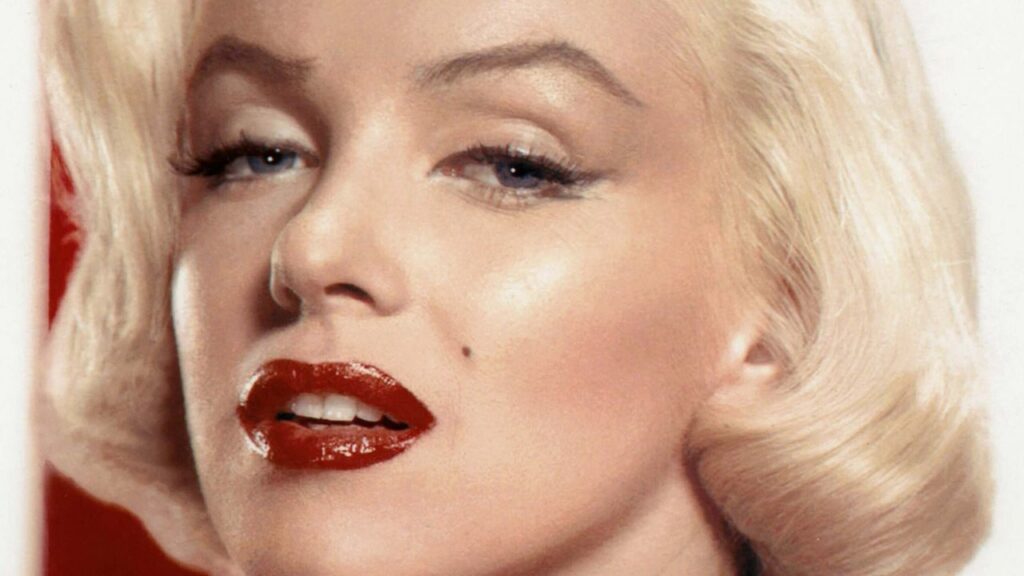

These hairstyles can bring back more than fashion. They recall salon dryers, bedroom mirrors, bobby pins, and the familiar ritual of getting ready.
The slides move roughly year by year, from close early-decade sets to fuller late-decade shapes. Historical context comes from museum collections and fashion histories, and each look is paired with a period portrait of the featured star.
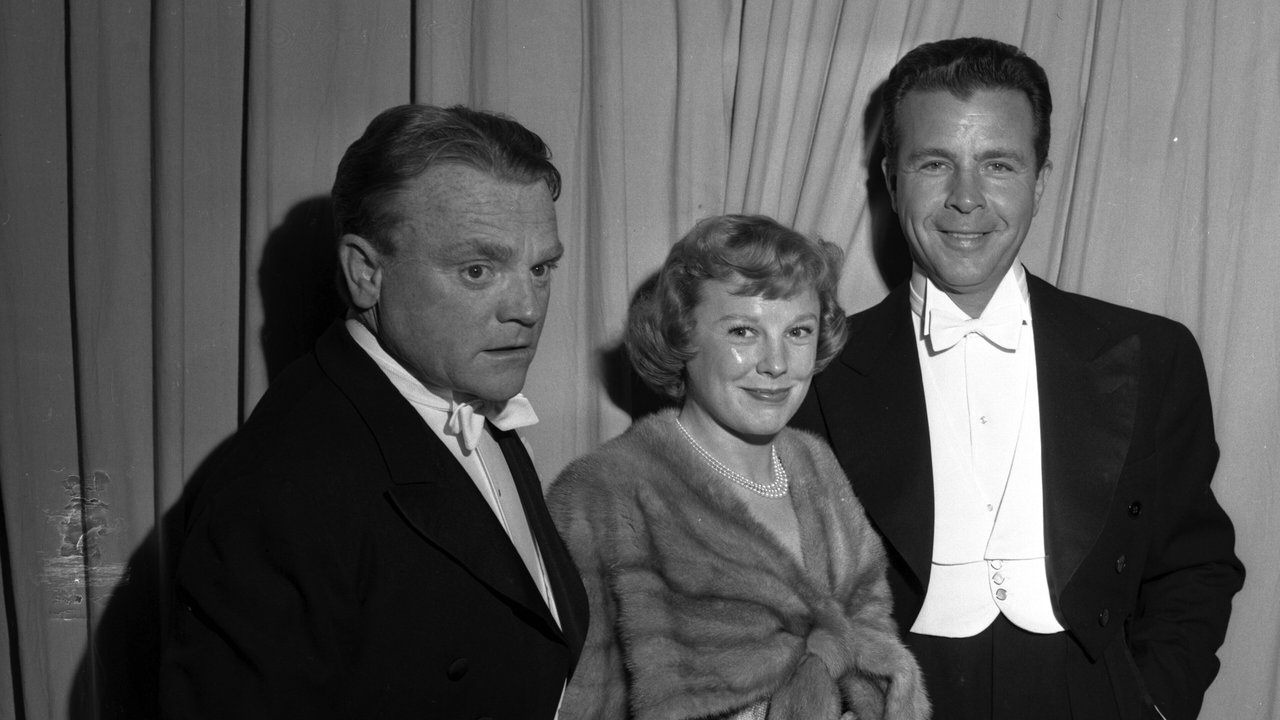

1950: June Allyson’s Soft Side-Parted Set
June Allyson’s short, side-parted set sits close to the head, with a gentle roll at the ends. It represents the practical polish seen at the opening of the decade: neat enough for an evening out, yet soft enough to look approachable. The restrained shape lets her face, earrings, and neckline take center stage.
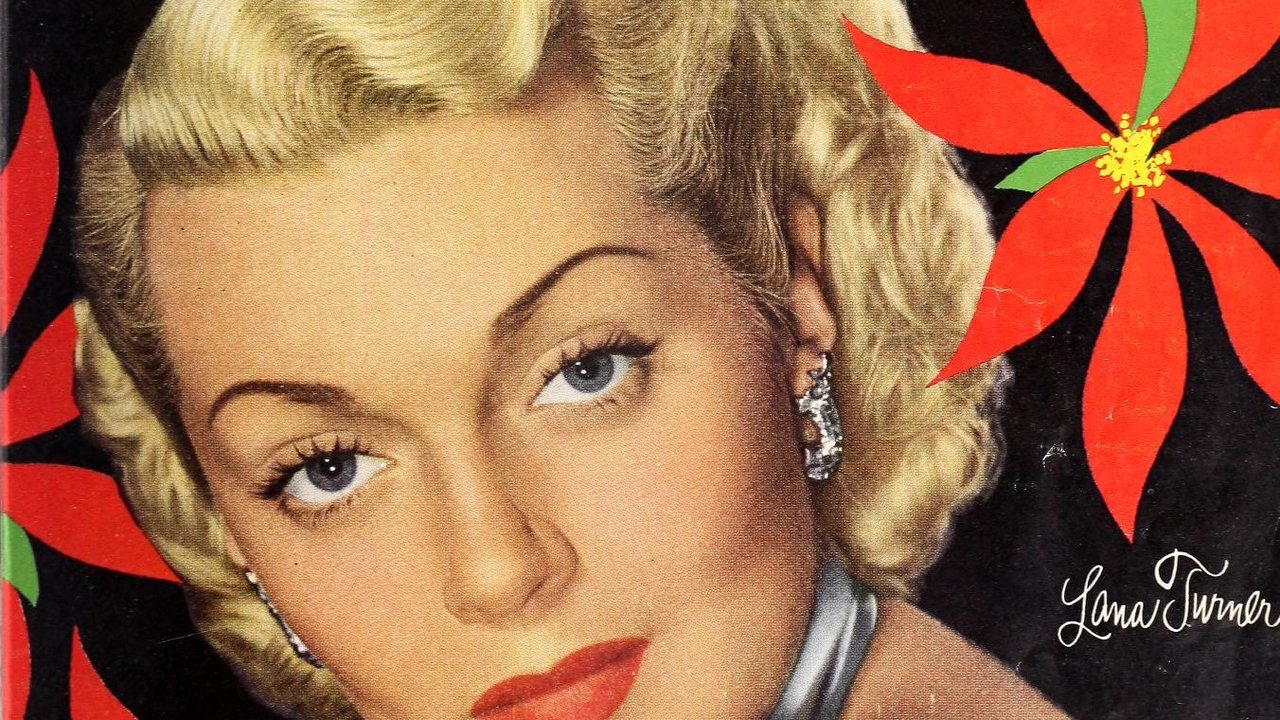

1950: Lana Turner’s Rolled-Under Bob
On Lana Turner, the rolled-under bob looks smooth, controlled, and unmistakably camera-ready. The deep side part gives the front a graceful sweep, while the curved ends frame the jaw. This tidy silhouette called for careful setting, patient drying, and final brushing, but the result appears effortless and refined.
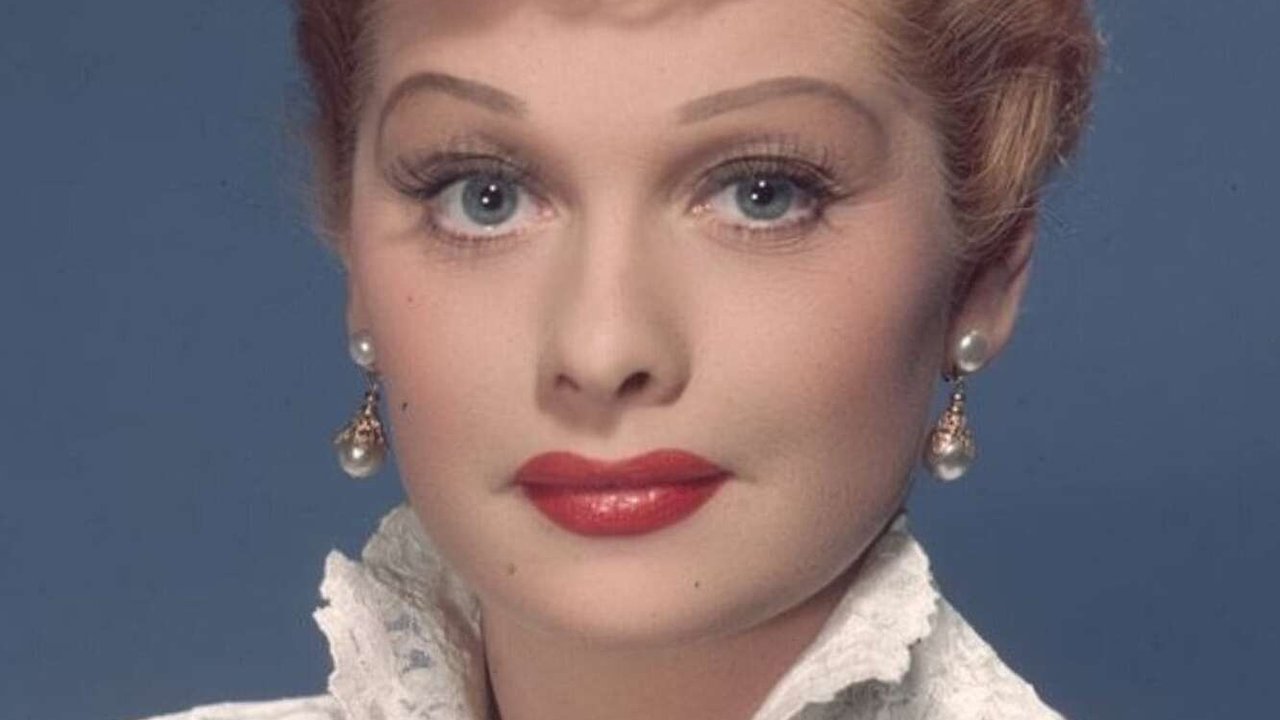

1951: Lucille Ball’s Poodle Cut
Lucille Ball made the poodle cut unforgettable. Tight curls gather high on her head, creating movement without requiring long hair. The style was playful, expressive, and wonderfully suited to her animated face. It also reflected the popularity of permanent-wave products and the era’s fondness for short, carefully controlled curls.
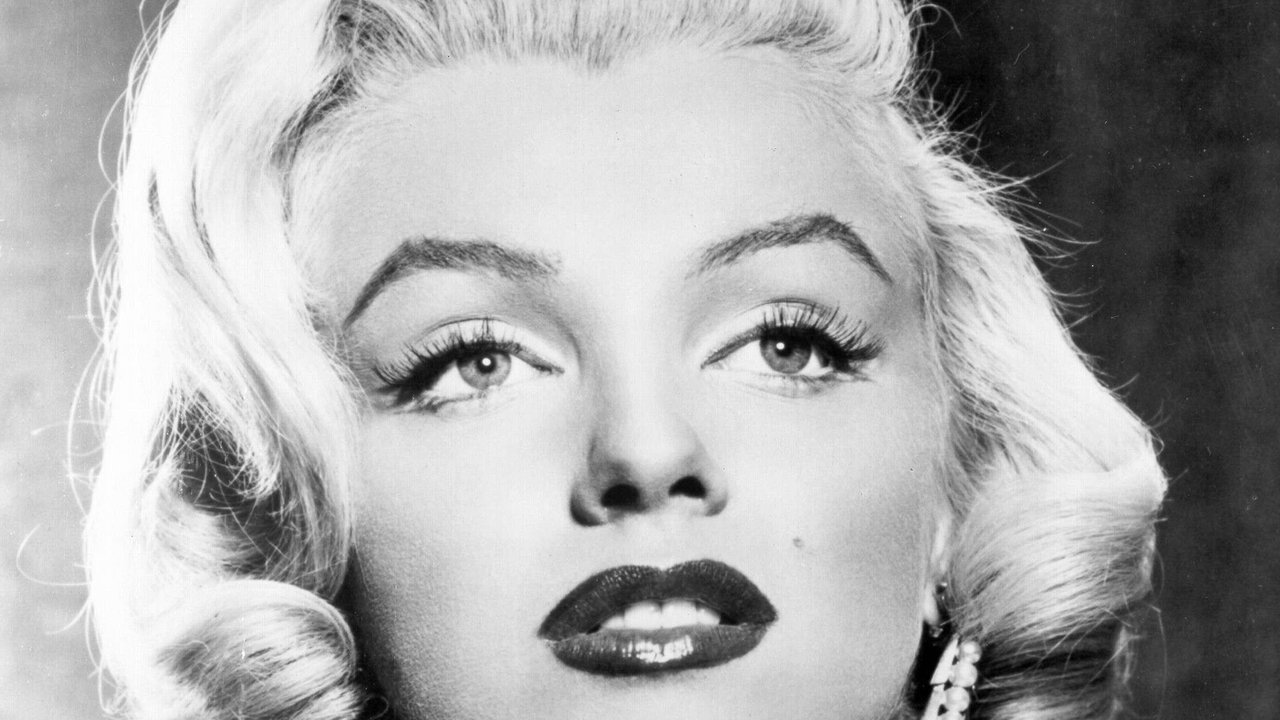

1953: Marilyn Monroe’s Brushed-Out Curls
Marilyn Monroe’s short curls look airy and touchable, although the finish depended on careful preparation. Setting lotion could be used to form pin curls before the hair was dried and brushed. Each curl appears relaxed, yet the complete outline remains balanced, polished, and controlled rather than stiff or untidy.
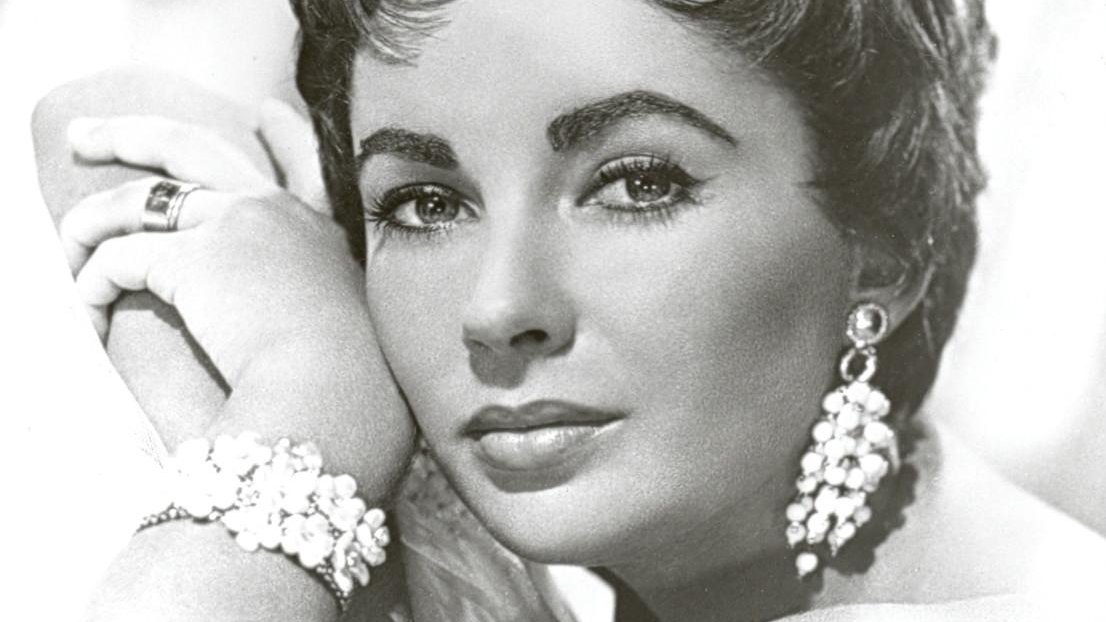

1953: Elizabeth Taylor’s Curled Bob
Elizabeth Taylor’s curled bob combines a smooth crown with fuller movement around the sides. The side part keeps the front elegant, while rounded curls soften the jawline. It is a useful reminder that a short set did not have to look severe. Careful brushing could turn firm curls into a polished frame.
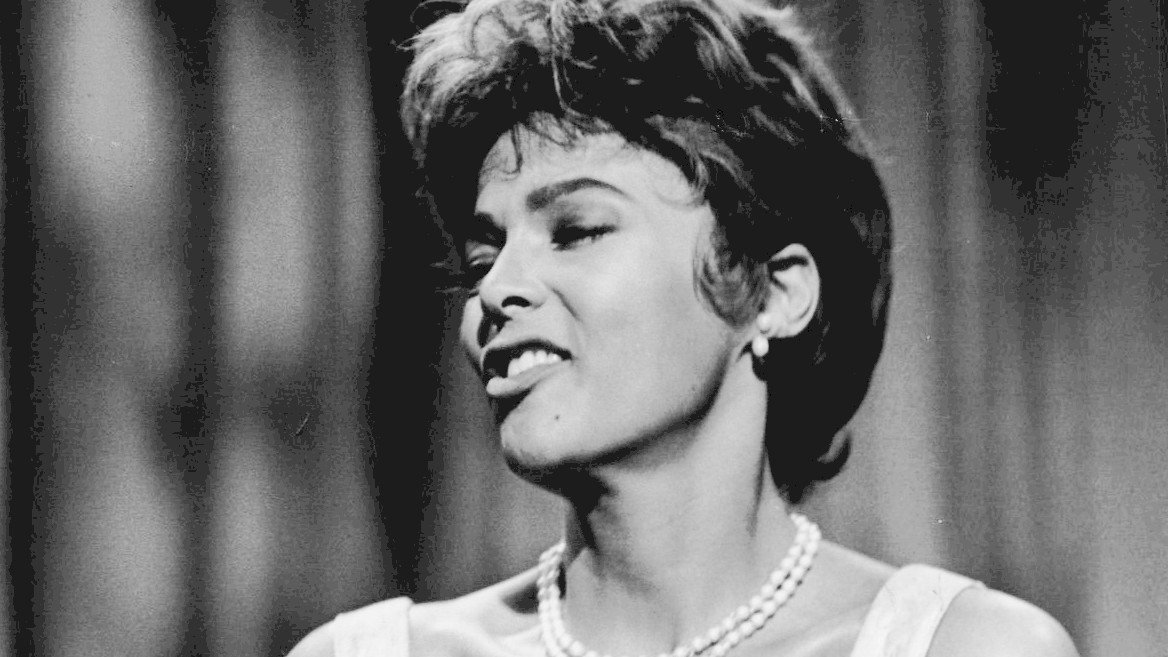

1954: Dorothy Dandridge’s Italian Cut
Dorothy Dandridge’s short, tousled curls capture the lively spirit of the Italian cut. Unlike the tight curls of a poodle cut, this shape uses looser, face-framing movement. The small waves appear artfully free while preserving a deliberate outline, making the style a glamorous choice for short hair with energy and softness.
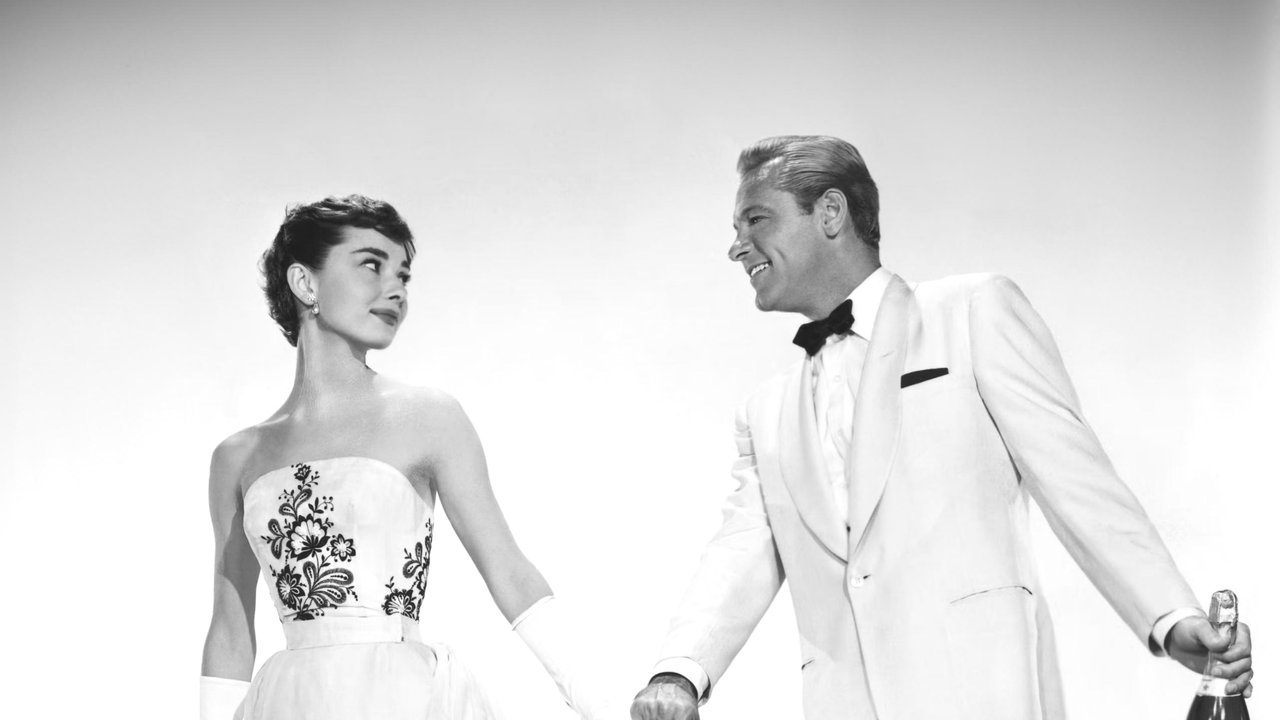

1954: Audrey Hepburn’s Sabrina Pixie
Audrey Hepburn’s Sabrina-era pixie offered a striking alternative to abundant curls. Her hair is cropped close, with a light fringe and small pieces framing the forehead. Its appeal comes from simplicity: her eyes and brows become the focus. The cut still feels fresh because it depends on a clean shape rather than elaborate decoration.
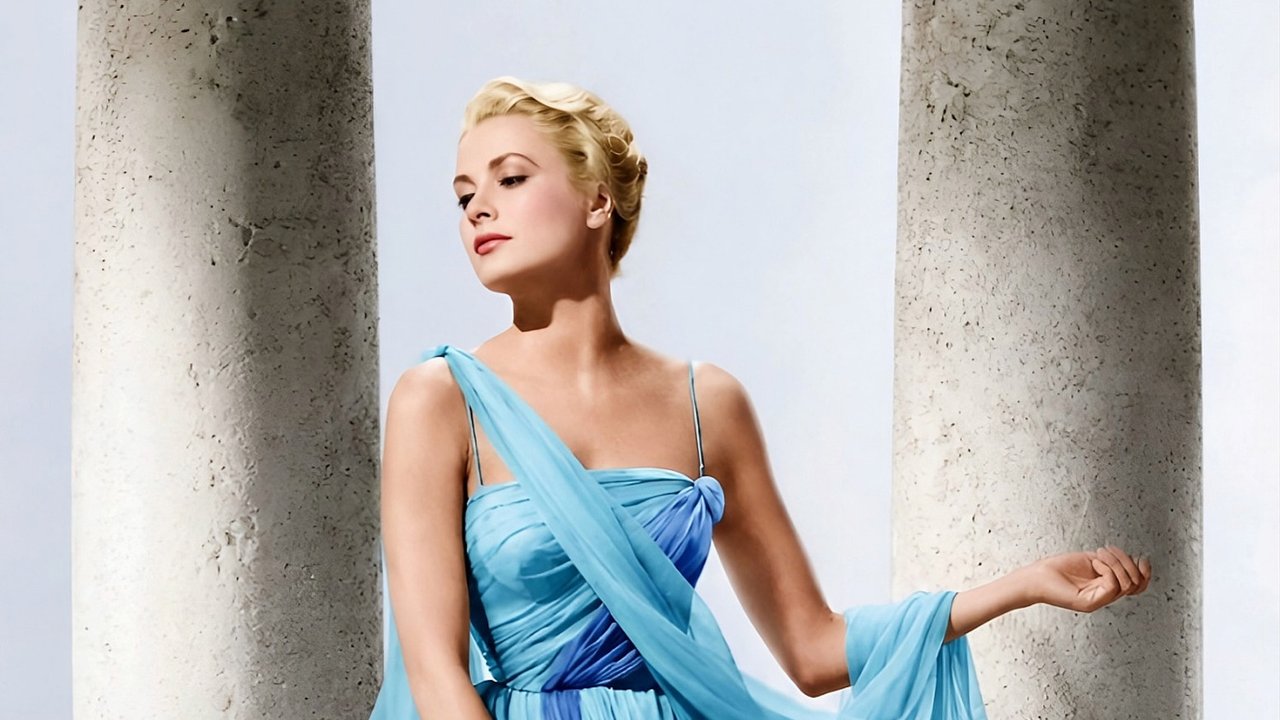

1954: Grace Kelly’s Swept-Back Style
Grace Kelly shows the quieter side of formal hair. The front is swept smoothly away from her face, while the volume remains controlled rather than towering. The arrangement creates a secure, graceful outline suited to an evening gown and jewelry. Nothing competes with the calm symmetry or lustrous surface of the finished look.
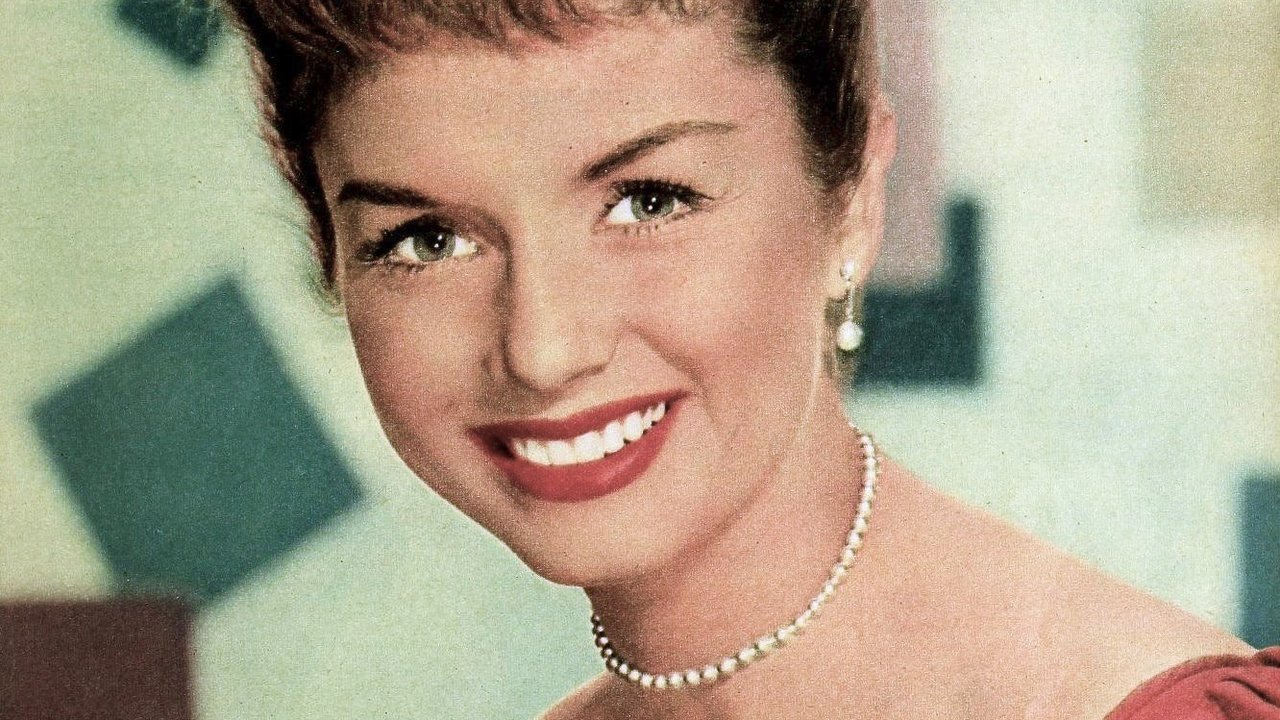

1954: Debbie Reynolds’s Bouncy Short Set
Debbie Reynolds’s short set has a youthful bounce that keeps the decade’s polish from feeling overly formal. Small curls lift the sides, and a gently shaped fringe opens her face. This approachable style could be dressed up with pearls or worn more casually, adding to the enduring charm of neatly set short hair.
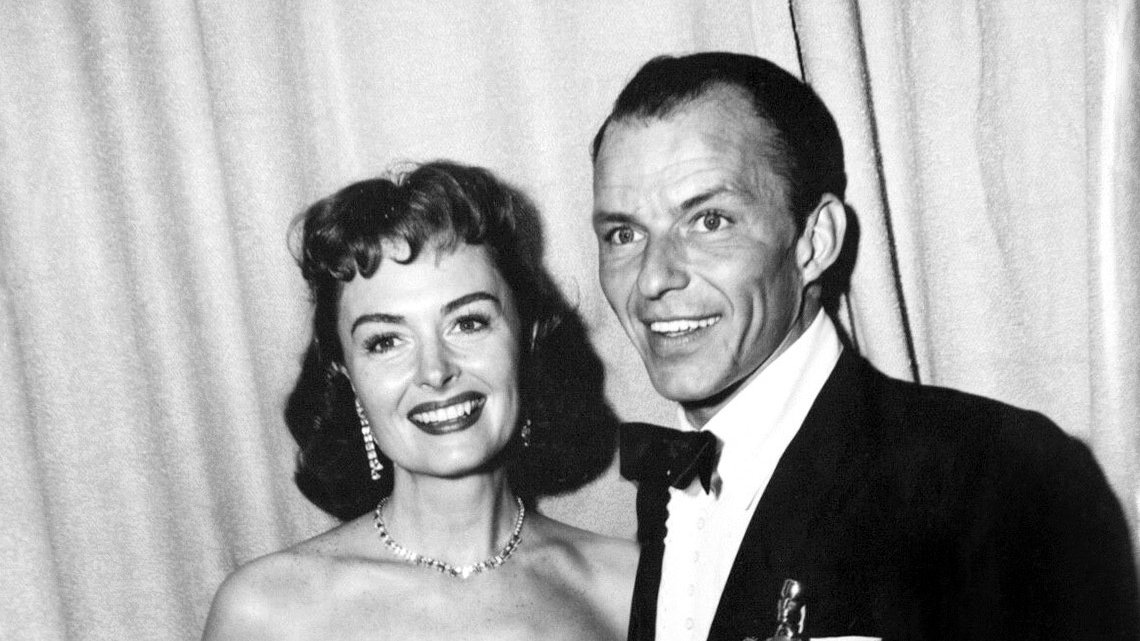

1954: Donna Reed’s Tidy Curled Bob
Donna Reed’s softly curled bob looks familiar in the most comforting way. The ends are shaped inward, the crown remains smooth, and the side part gives the front a little height. It recalls a dependable weekly set: carefully arranged, easy to accessorize, and polished without looking as theatrical as a screen siren’s waves.
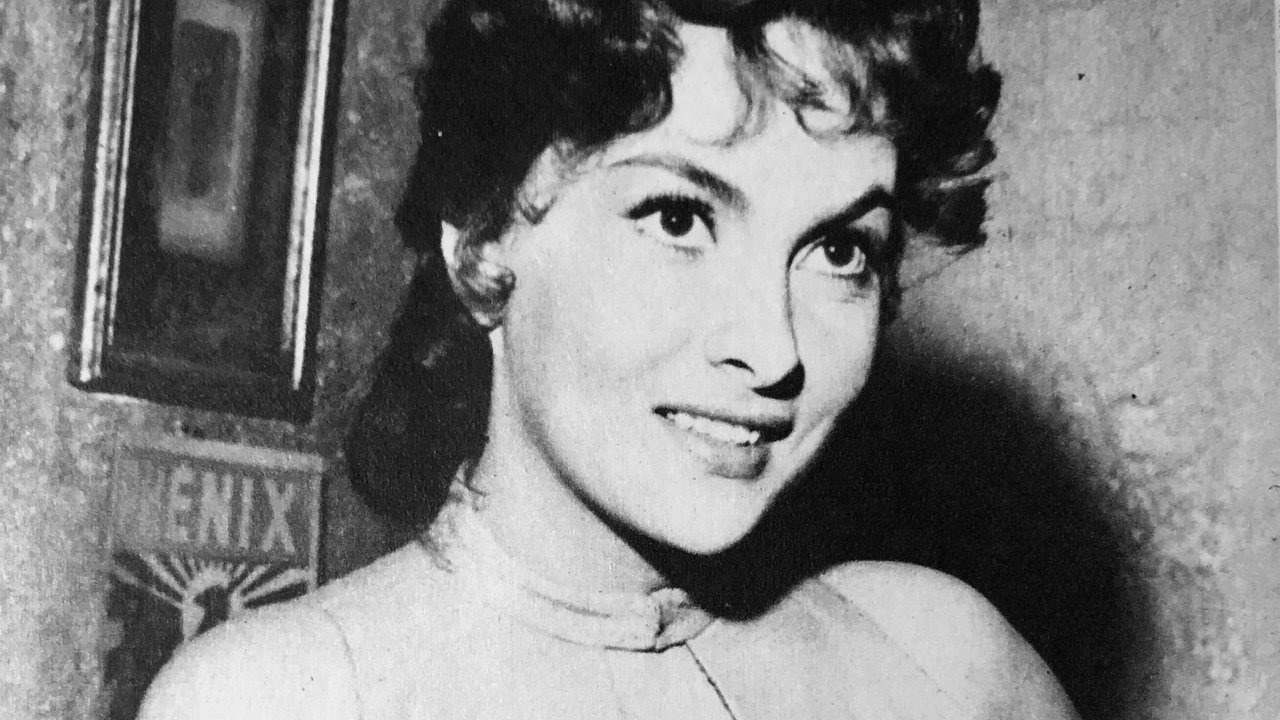

1954: Gina Lollobrigida’s Full Poodle Cut
Gina Lollobrigida made the tightly curled poodle cut look bold and glamorous. Her thick curls frame the face instead of forming one perfectly smooth surface, and their lively texture gives the short style a strong presence. An Associated Press obituary credited Lollobrigida with starting the 1950s hairstyle craze known as the poodle cut.
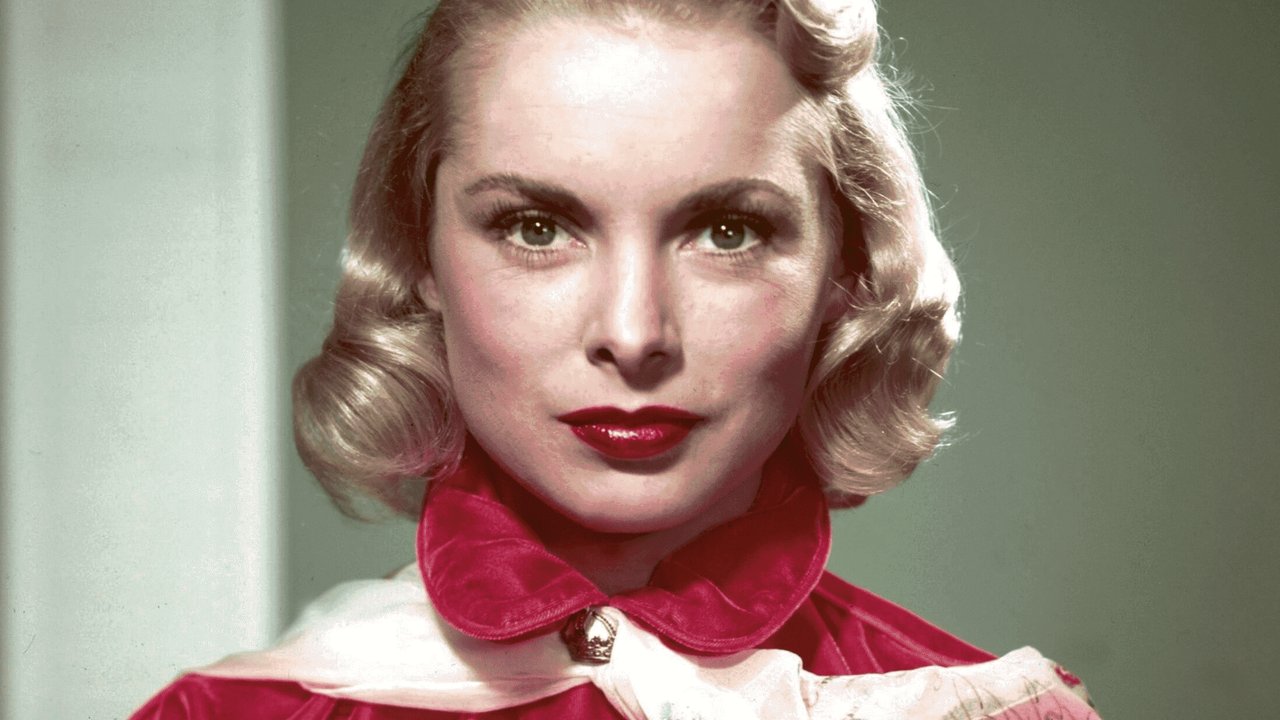

1955: Janet Leigh’s Neat Layered Crop
Janet Leigh’s layered crop uses short, curved sections instead of a single heavy outline. A side-swept front adds softness, while the tapered shape keeps the neck clear. The set creates movement without excessive height, producing a composed, modern appearance that feels noticeably lighter than long, densely arranged waves.
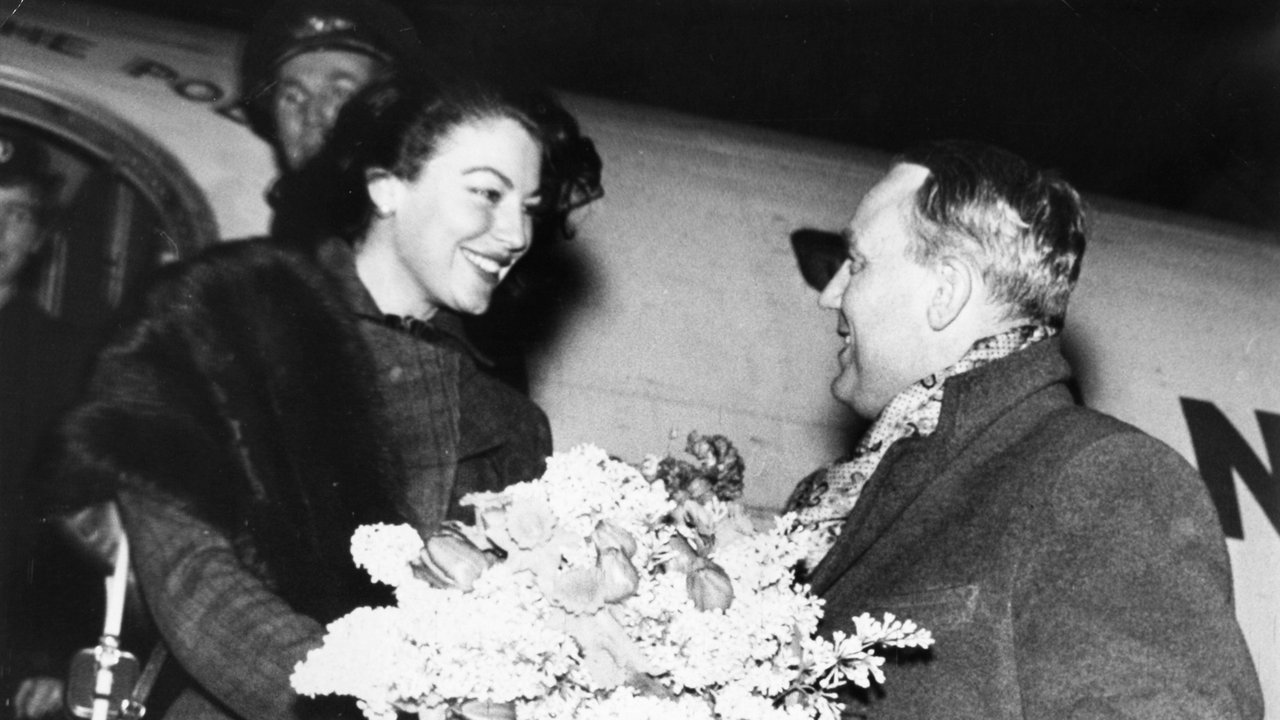

1955: Ava Gardner’s Deep Side-Parted Waves
Ava Gardner’s waves begin with a decisive side part and unfold in broad, glossy curves. The silhouette stays close at the crown before widening near the cheek and jaw. This balance gives the style its drama. The abundant waves are undeniably glamorous, but their controlled shape keeps them from overwhelming her features.
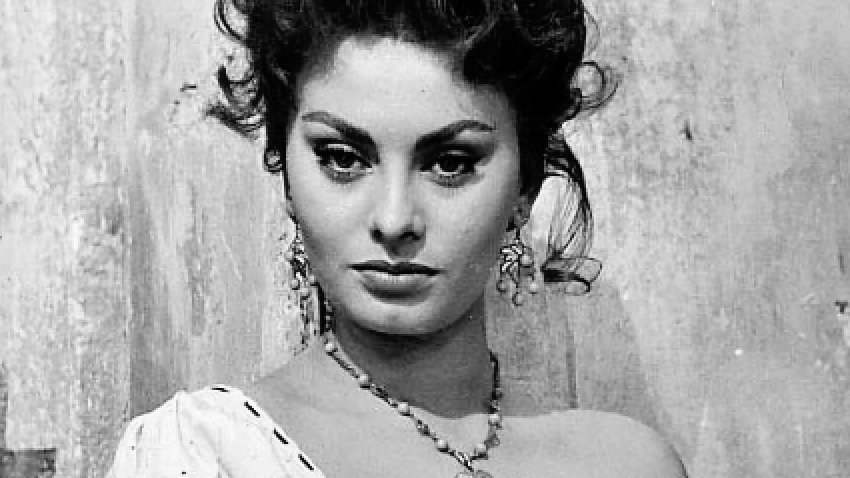

1955: Sophia Loren’s Tousled Italian Cut
Sophia Loren’s Italian cut favors movement over perfect uniformity. Short curls turn in different directions, creating a lively frame around her face. The tousled finish may look spontaneous, yet the overall shape remains carefully considered. This combination of polish and freedom distinguishes the cut from tighter, more rounded short styles.
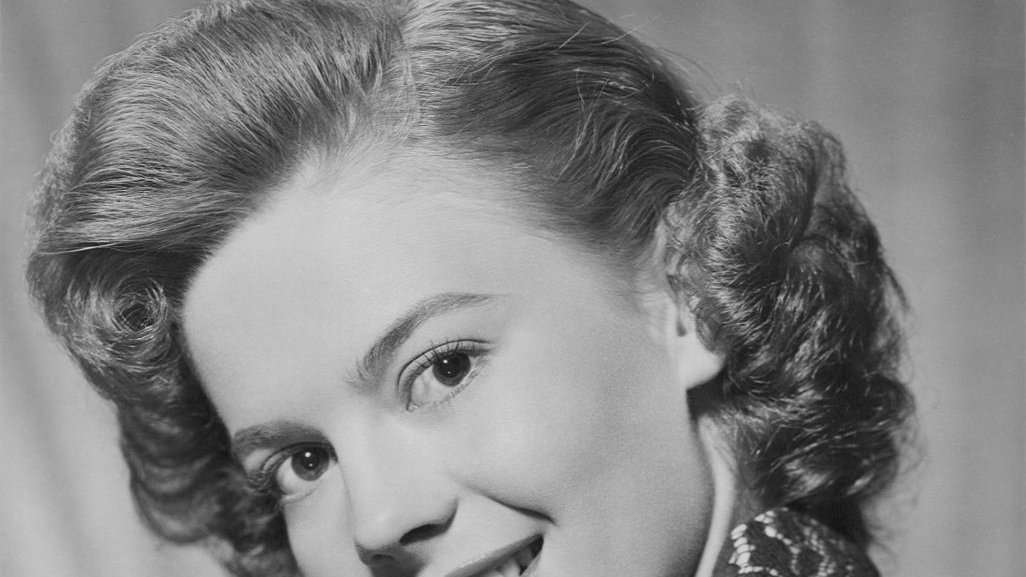

1955: Natalie Wood’s Soft Rebel Curls
Natalie Wood’s softly curled style has an easy, youthful mood. The crown stays smooth while light curls gather around the sides and neckline, drawing attention to her face. It feels less formal than a heavily sculpted salon set, yet it remains carefully shaped. That balance between neatness and ease gives the look lasting appeal.
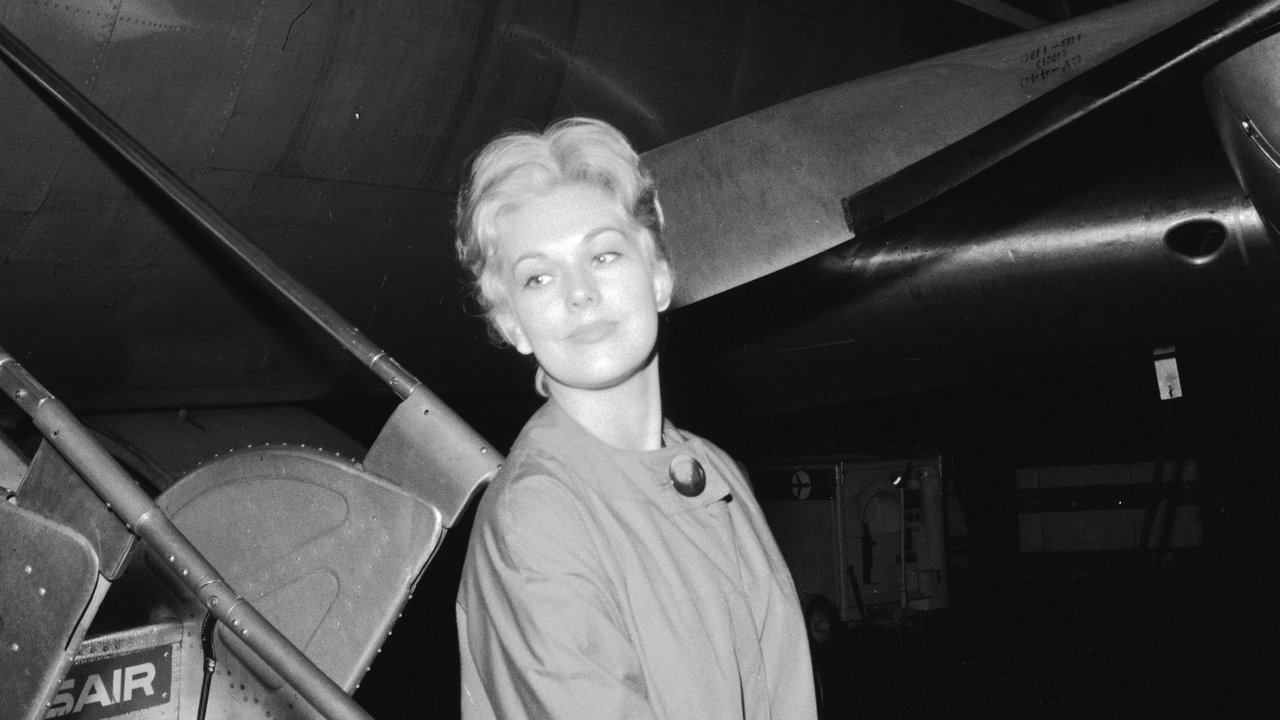

1959: Kim Novak’s Smooth Sculpted Bob
Kim Novak’s smooth bob shows how sculptural late-decade hair could become. The surface is controlled, the ends curve inward, and the crown carries subtle height. Rather than relying on many visible curls, the style creates one continuous shape. It is restrained beside a full bouffant, yet it still embraces greater volume.
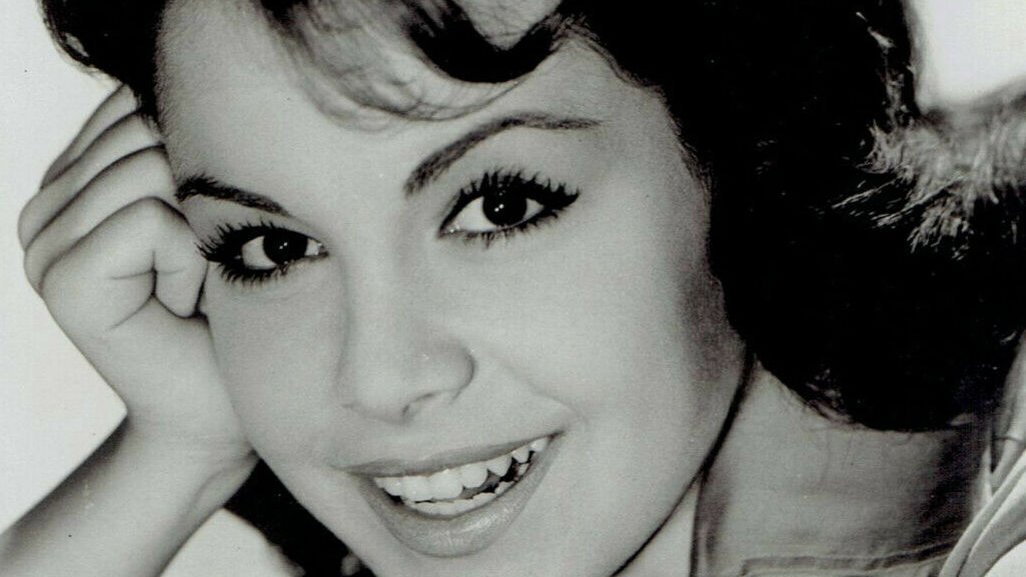

1959: Annette Funicello’s Youthful Ponytail
Annette Funicello wears one of the decade’s most approachable styles: the ponytail. Period guidance recommended curling the hair under before pulling it back, which gave the ends a smooth, buoyant shape. A ribbon could add color and charm, while a tidy front kept the complete look polished, practical, and youthful.
These carefully set styles still carry the confidence and care of a memorable decade. Which one do you remember wearing, asking for, or seeing at home?
Follow Lilyon on MSN for more stories like this.
Sources: