

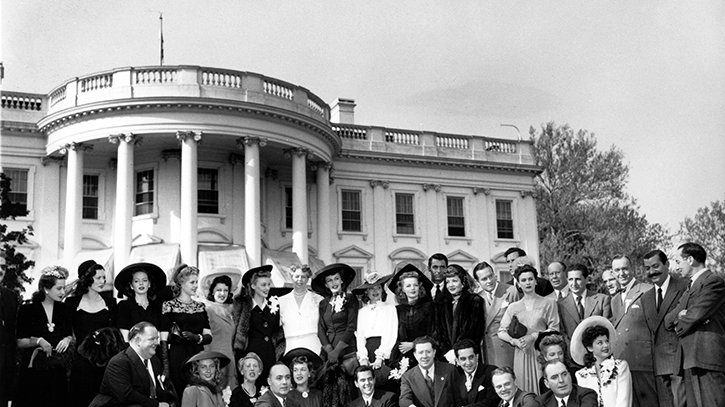

Some of the best-known figures in film, music, books, and baseball performed wartime work that looked nothing like their later public lives.
These slides move roughly by when each documented role began. Official archives, military histories, museum research, and personal testimony help distinguish confirmed service from stories that have grown in the retelling.


Audrey Hepburn Remembers Postwar Relief
Audrey Hepburn said that she received food and medical relief after World War II. The statement appears in UNICEF’s account of her work as a goodwill ambassador. It preserves a direct memory of receiving help as a child, years before she became one of the world’s most familiar film stars.
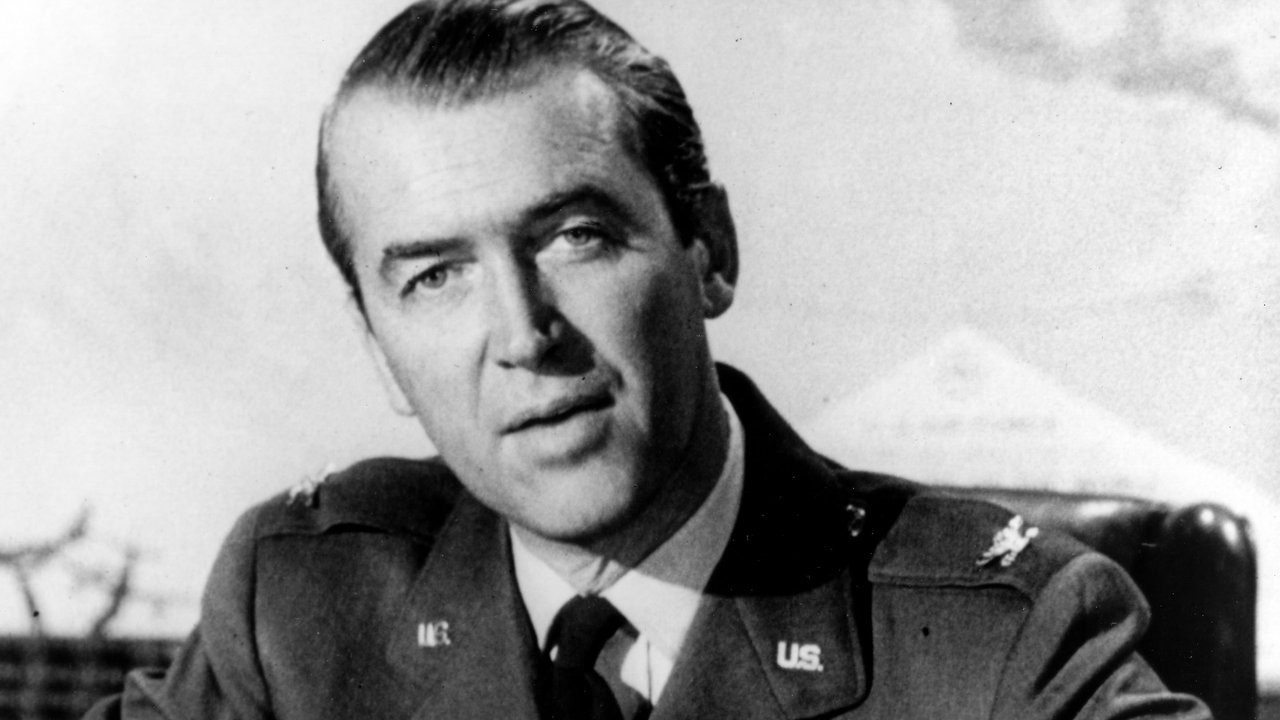

Jimmy Stewart Commands a Bomber Squadron
Jimmy Stewart’s screen career did not keep him behind a desk. In the fall of 1943, he went to England as commander of the 703rd Bomb Squadron, which flew B-24s. He then began flying combat missions, placing one of Hollywood’s most recognizable leading men directly into the air war.
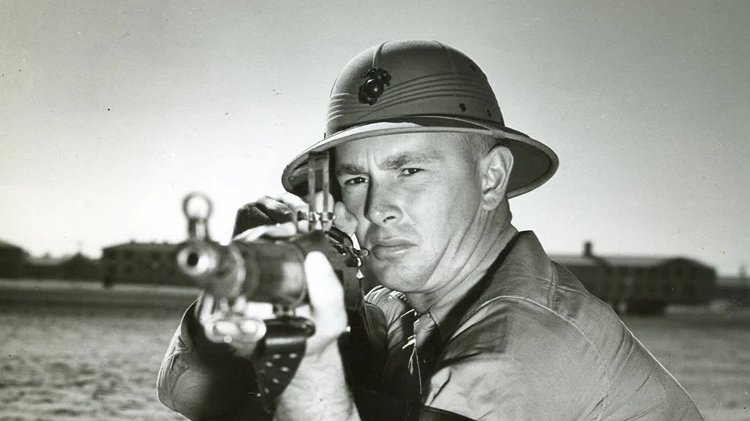

Sterling Hayden Serves Under Another Name
Actor and sailor Sterling Hayden left the Marine Corps to join the Office of Strategic Services anonymously. He served under the name John Hamilton, separating his OSS identity from his Hollywood name. His National Archives entry also records that he received a Silver Star for his wartime service.
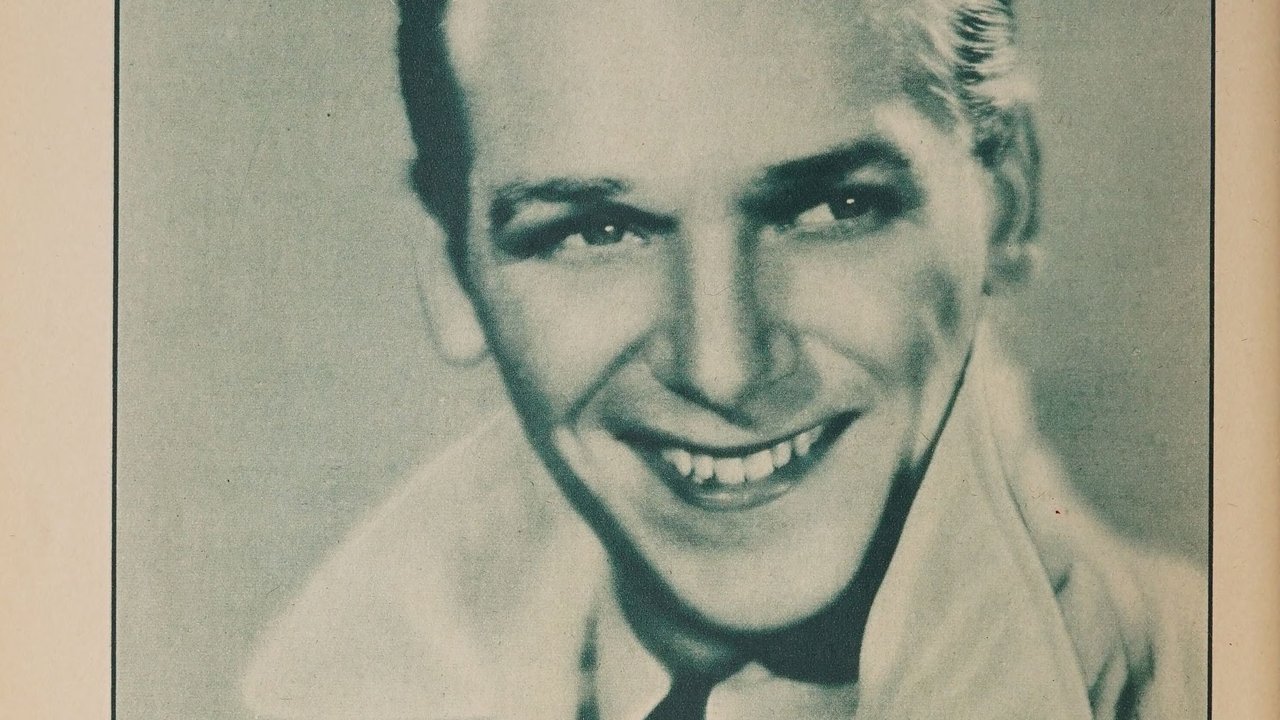

Douglas Fairbanks Jr. Leads From the Front
Douglas Fairbanks Jr. brought more than a swashbuckling screen image to wartime naval service. According to his official Navy biography, he led a landing party ashore, established important picket positions, and remained exposed to enemy rifle fire. The account places his courage firmly in the military record.
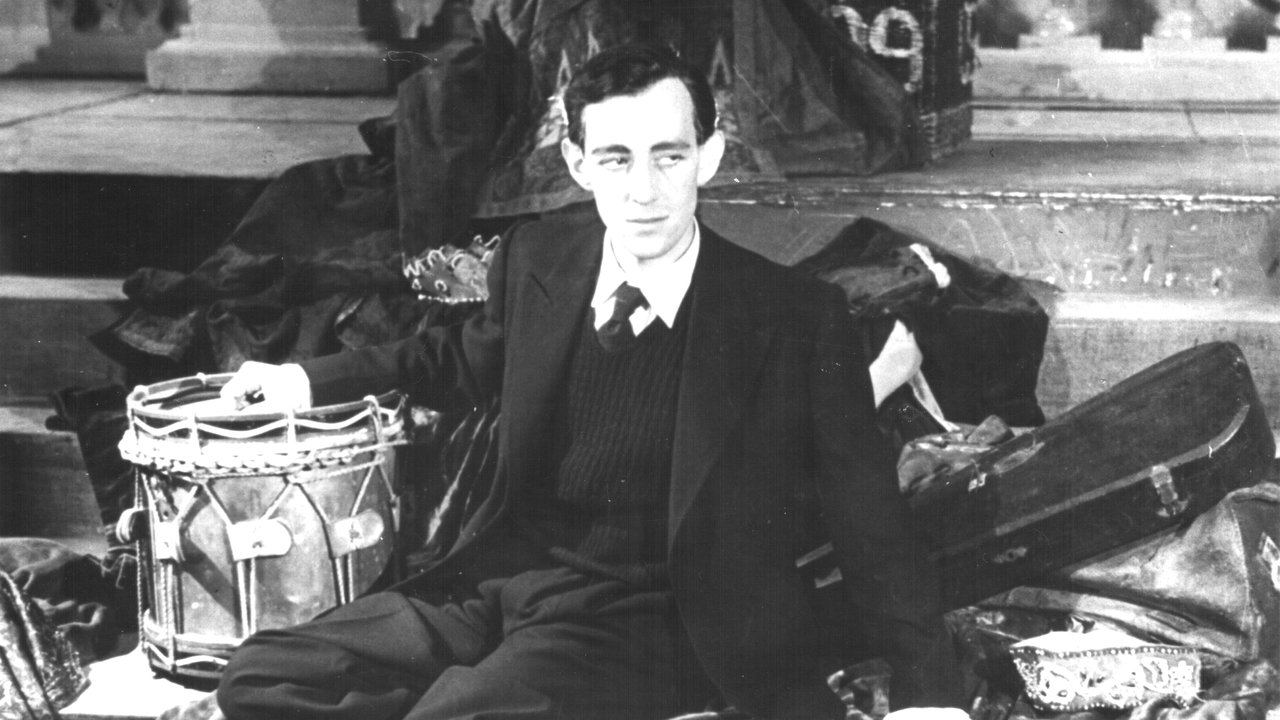
Alec Guinness Commands a Landing Craft
Long before audiences knew Alec Guinness from celebrated dramas and space adventures, he commanded a Royal Navy landing craft during the invasion of Sicily. The brief official record reveals a demanding responsibility far removed from acting and adds an unexpected chapter to the future star’s life.
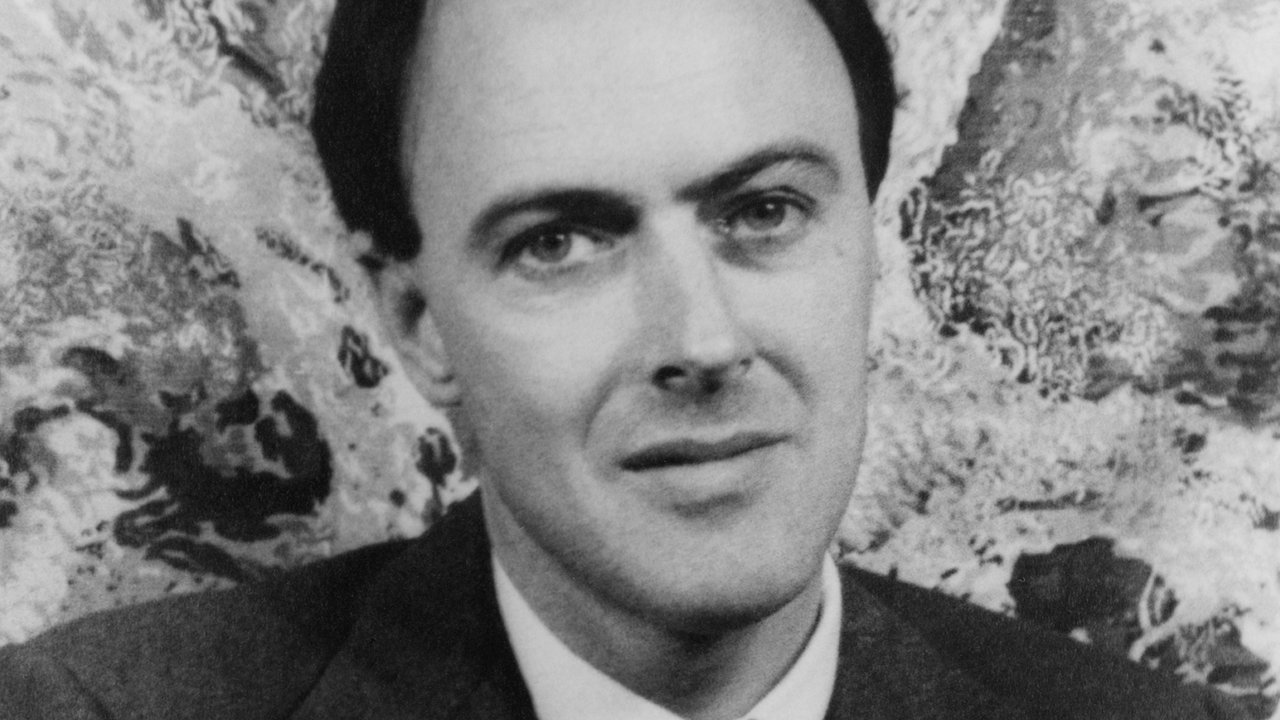

Roald Dahl’s Spy Reputation Gets a Correction
Roald Dahl acquired a colorful reputation for wartime espionage, but a CIA-hosted review offered a more restrained conclusion. After considering the available record, the reviewer described Dahl as only peripherally involved. It is a useful reminder that a memorable story can become broader and bolder with repeated telling.
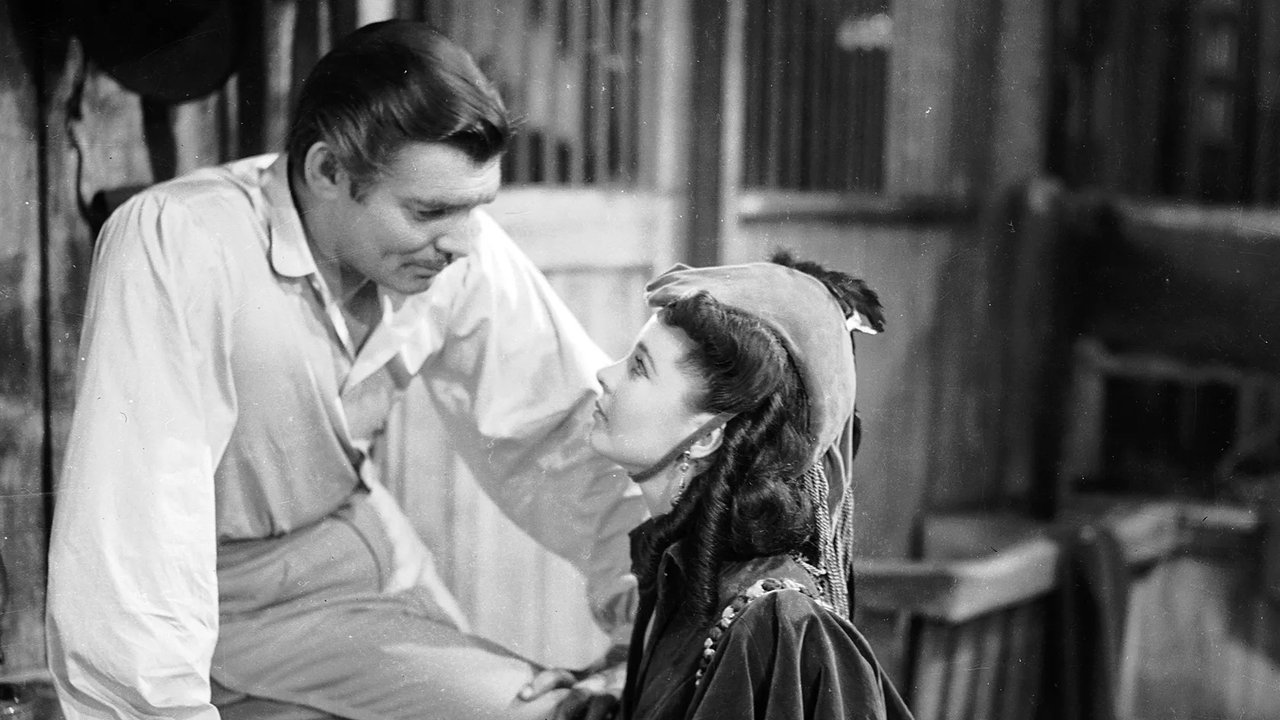

Clark Gable Films From a B-17
Clark Gable flew operational missions over Europe in B-17s to obtain combat film footage. The Air Force museum notes that these missions were neither ordered nor expected, but Gable believed the footage was necessary. Once the aircraft took off, his Hollywood fame could offer no protection from wartime danger.
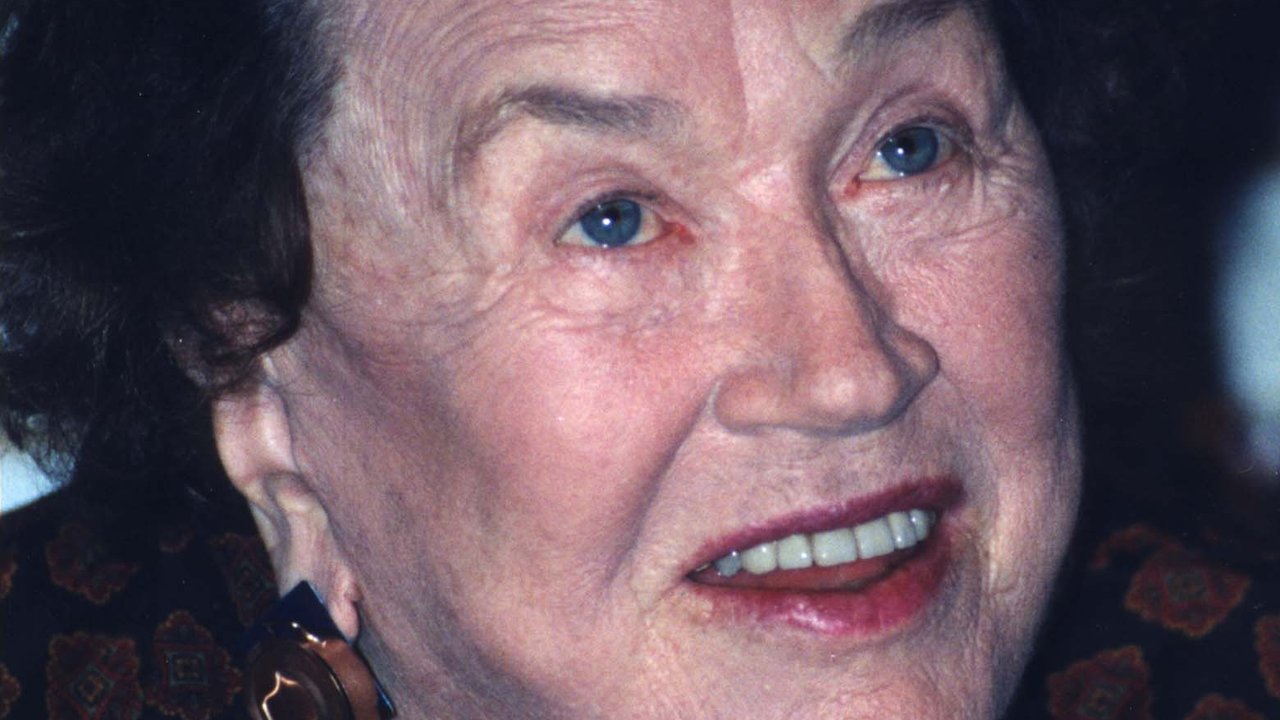

Julia Child Works for the OSS
Before cookbooks and television kitchens made Julia Child a household name, she served as a research assistant with the Office of Strategic Services. Her National Archives personnel entry documents that intelligence work and connects the future culinary star to an organization that operated across the world during World War II.
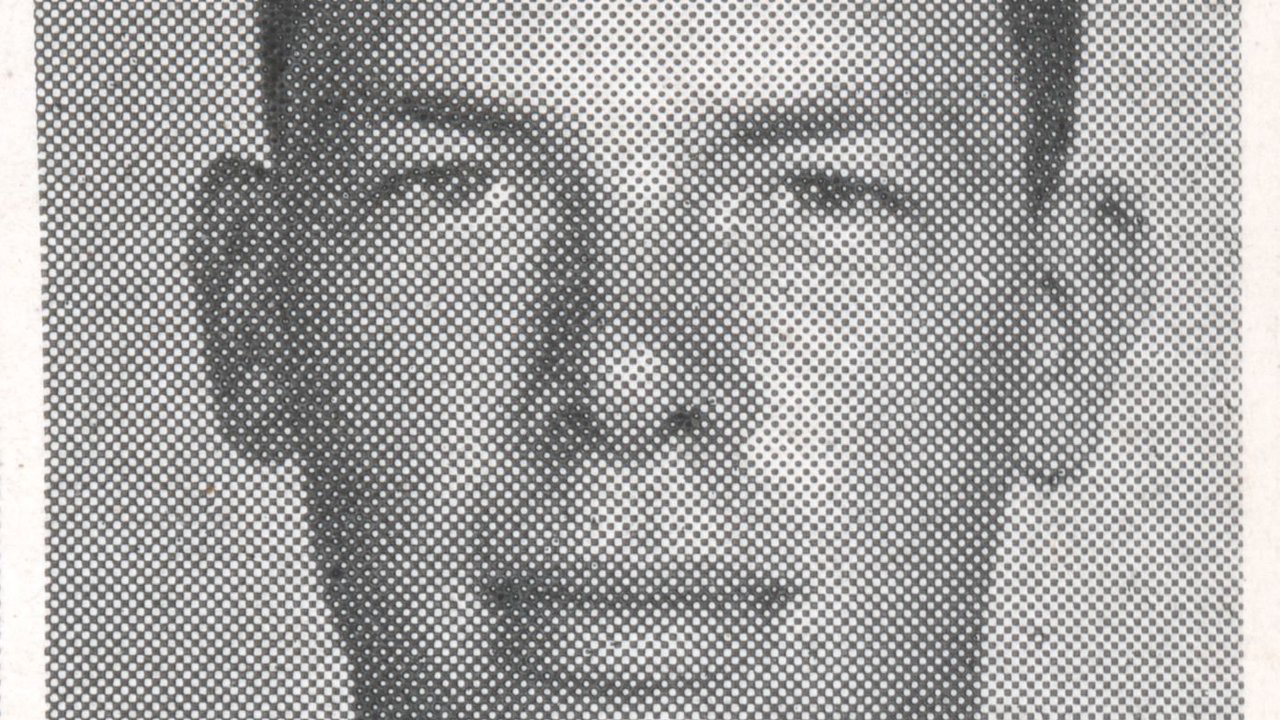

Lee Marvin Is Wounded on Saipan
Lee Marvin’s later authority in military roles drew added weight from firsthand experience. An official Marine Corps history identifies him as a private first class who fought in the Marshall Islands and was wounded in action on Saipan in June 1944. His service came years before his familiar screen career.
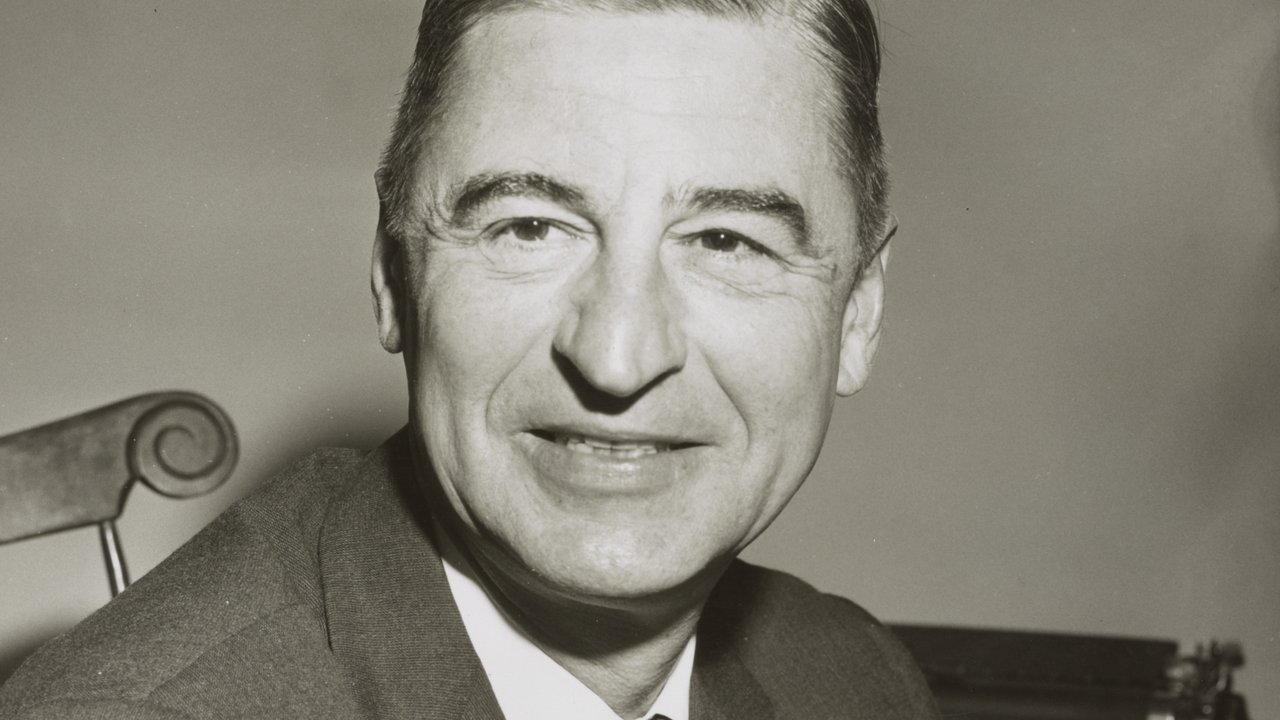

Dr. Seuss Writes for the Army
Theodor Geisel was not yet universally known as Dr. Seuss when he brought his writing skills into military service. National Archives records identify him as an Army writer and film unit supervisor. The role placed the future children’s author inside the American military’s extensive wartime filmmaking operation.
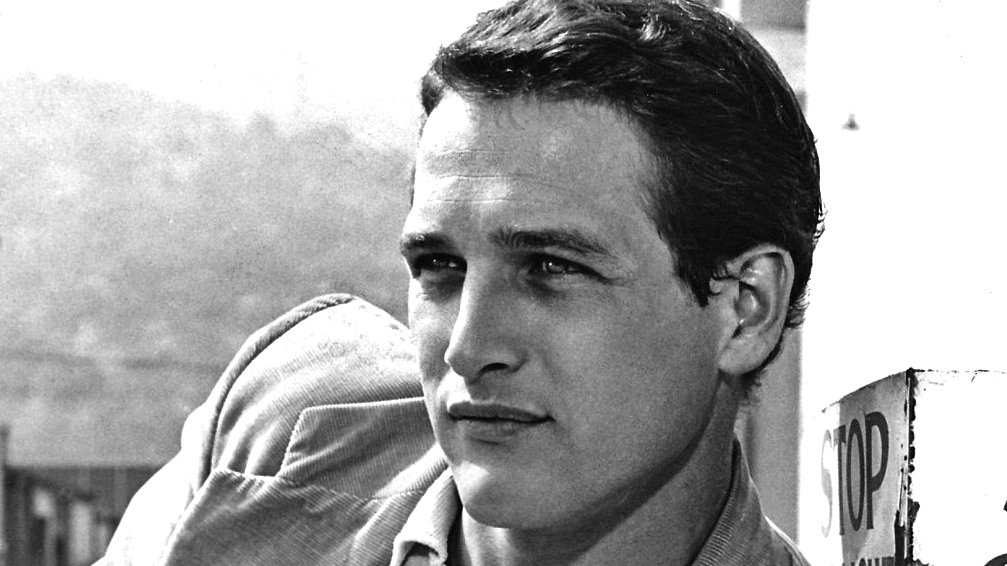

Paul Newman Trains as an Aviation Gunner
Paul Newman qualified as a rear-seat aviation radioman and gunner in torpedo bombers during his Navy service. In 1944, the future actor was sent to Barber’s Point, Hawaii, as an aviation radioman third class. The assignment combined communications and weapons duties years before his film career began.
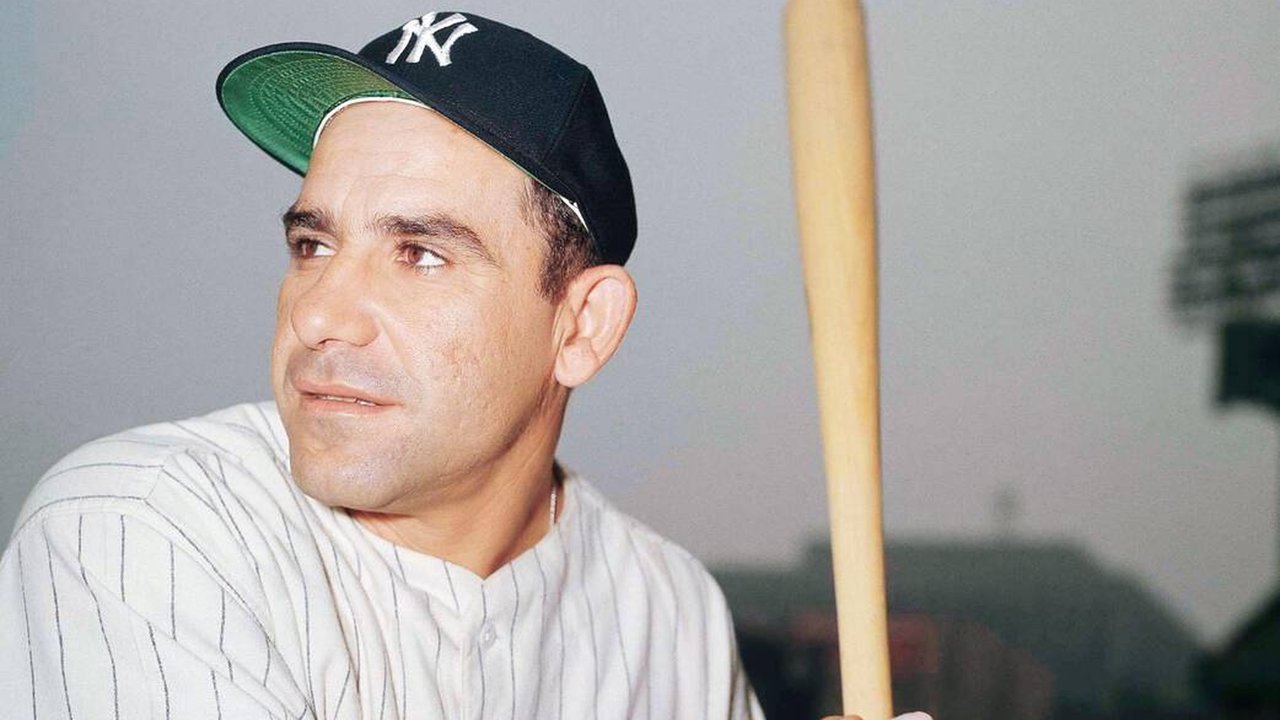

Yogi Berra Participates in D-Day
Yogi Berra was still years away from becoming a celebrated baseball figure when he served in the Navy. Naval History and Heritage Command records identify him as a gunner’s mate and a participant in the D-Day landings. That wartime chapter preceded the playing and managing career familiar to generations of fans.
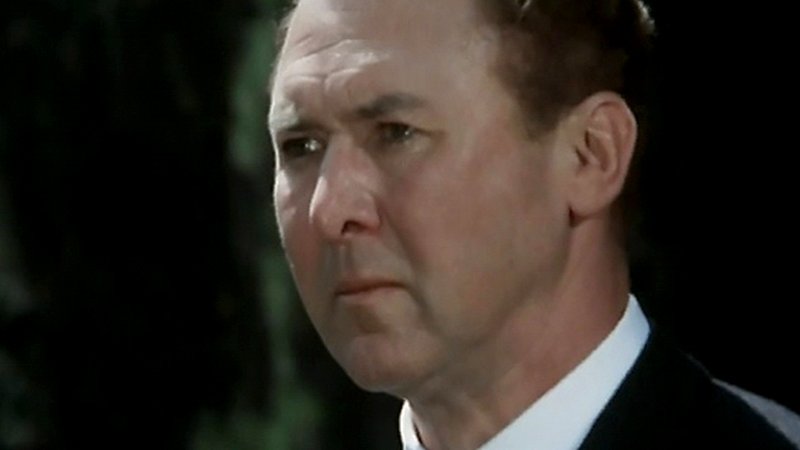

Anthony Quayle Joins Special Operations
Anthony Quayle later became known for commanding performances on stage and screen, but his wartime work carried genuine secrecy. Imperial War Museums records that he joined the Special Operations Executive and was deployed to Albania during World War II. The assignment gave the future actor direct experience inside a clandestine organization.
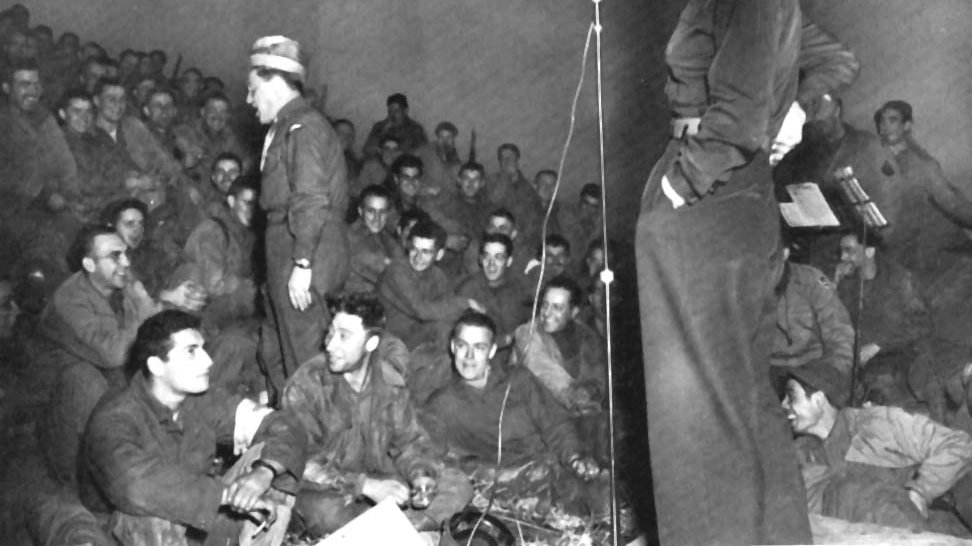

Marlene Dietrich Records Musical Propaganda
Marlene Dietrich used her performing skills for an Office of Strategic Services project during the war. Working with the agency’s Morale Operations Branch, she played a leading role in the Musak Project, an effort centered on musical propaganda. Her familiar voice became part of an intelligence operation rather than a commercial performance.
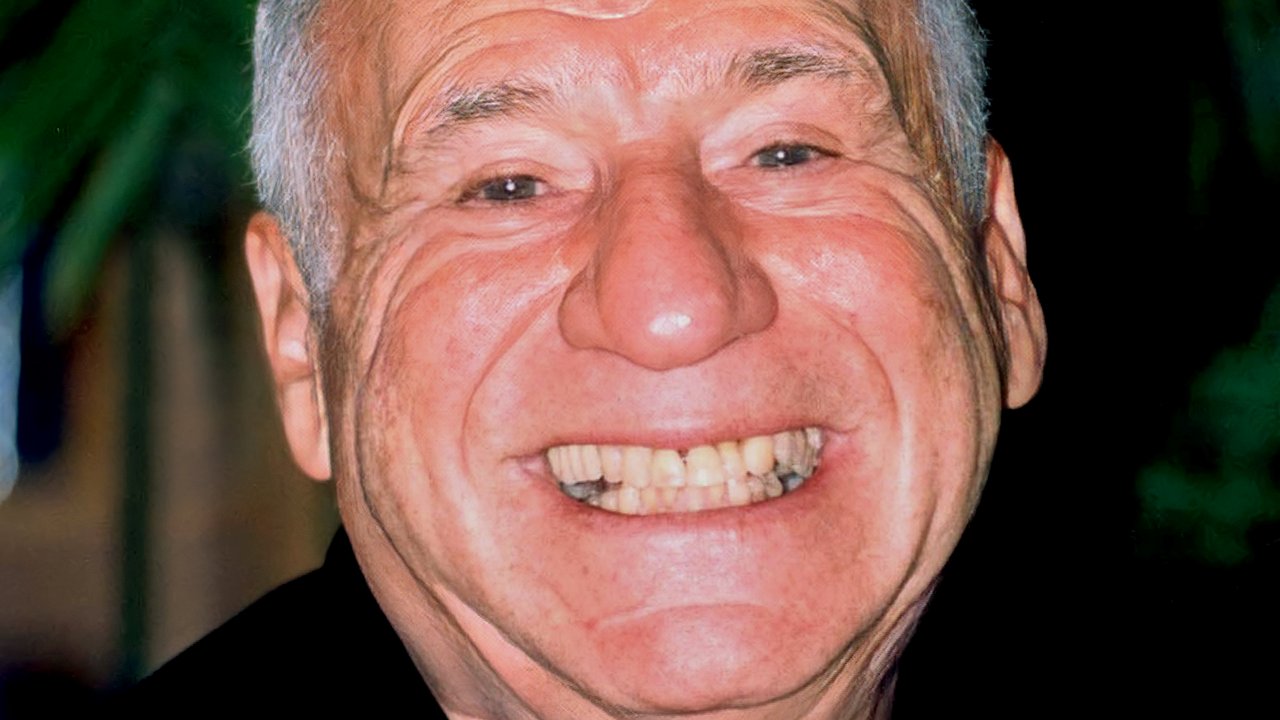

Mel Brooks Defuses Land Mines
Long before Mel Brooks built comedies from chaos, he faced the real thing as an Army combat engineer. He served as a corporal with the 1104th Engineer Combat Battalion and defused land mines as Allied forces advanced into Germany. It was dangerous, exacting work with no room for improvisation.
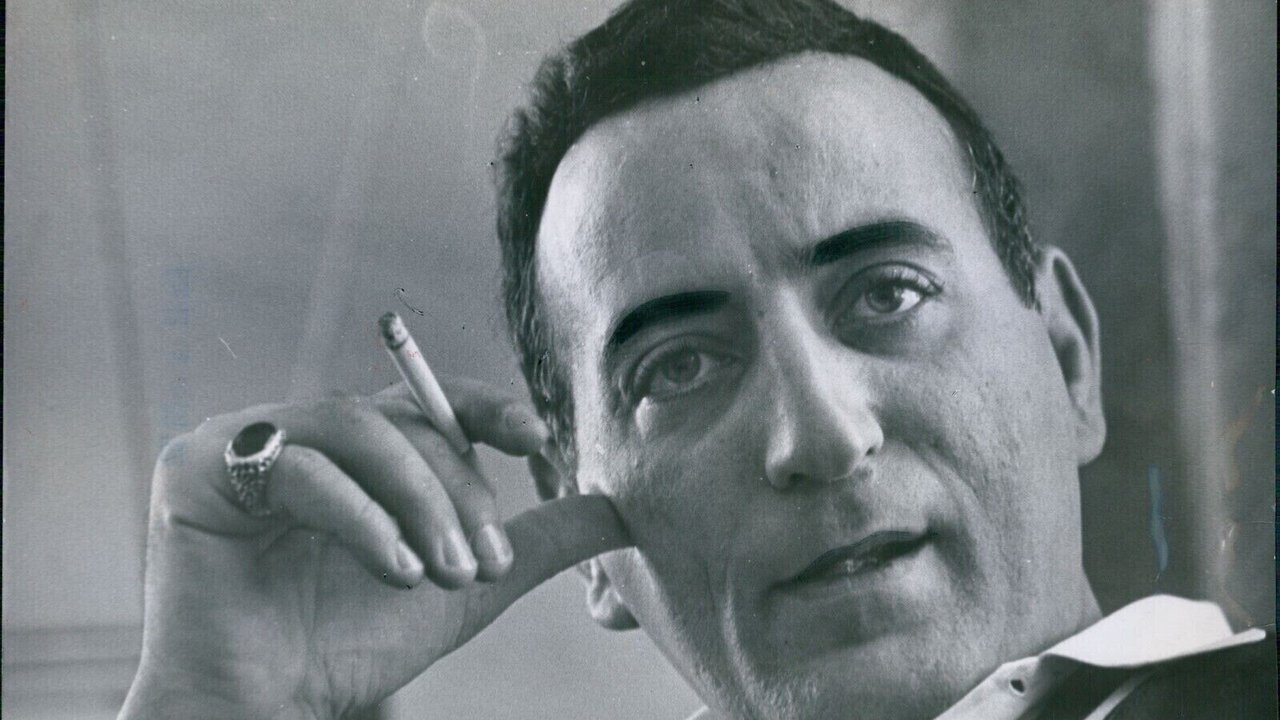

Tony Bennett Helps Liberate Kaufering
In late April 1945, Tony Bennett participated in the liberation of the Kaufering concentration camp in southern Germany. The documented experience belongs to a much earlier chapter than the elegant stage career that later made him famous. It also places the future singer at the scene of one of the war’s most solemn moments.
These records reveal demanding, surprising chapters in lives later defined by fame. Which wartime story surprised you most?
Follow Lilyon on MSN for more stories like this.
Sources: