

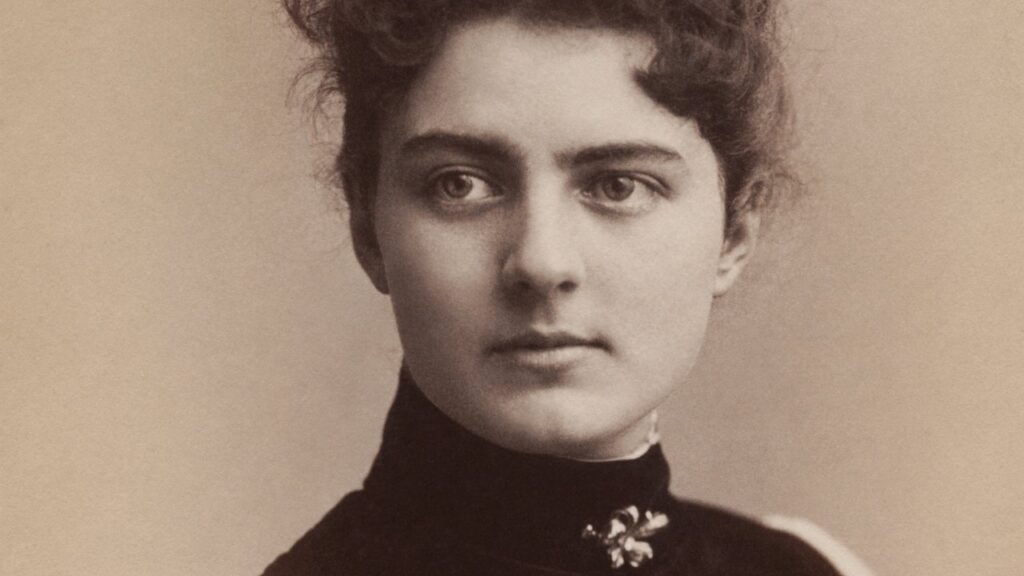

Before the White House, these women pursued education, work, art, family life, and other interests that shaped their early years.
The gallery follows the historical order in which they became first lady, offering a glimpse of the people they were before public life made them national figures.
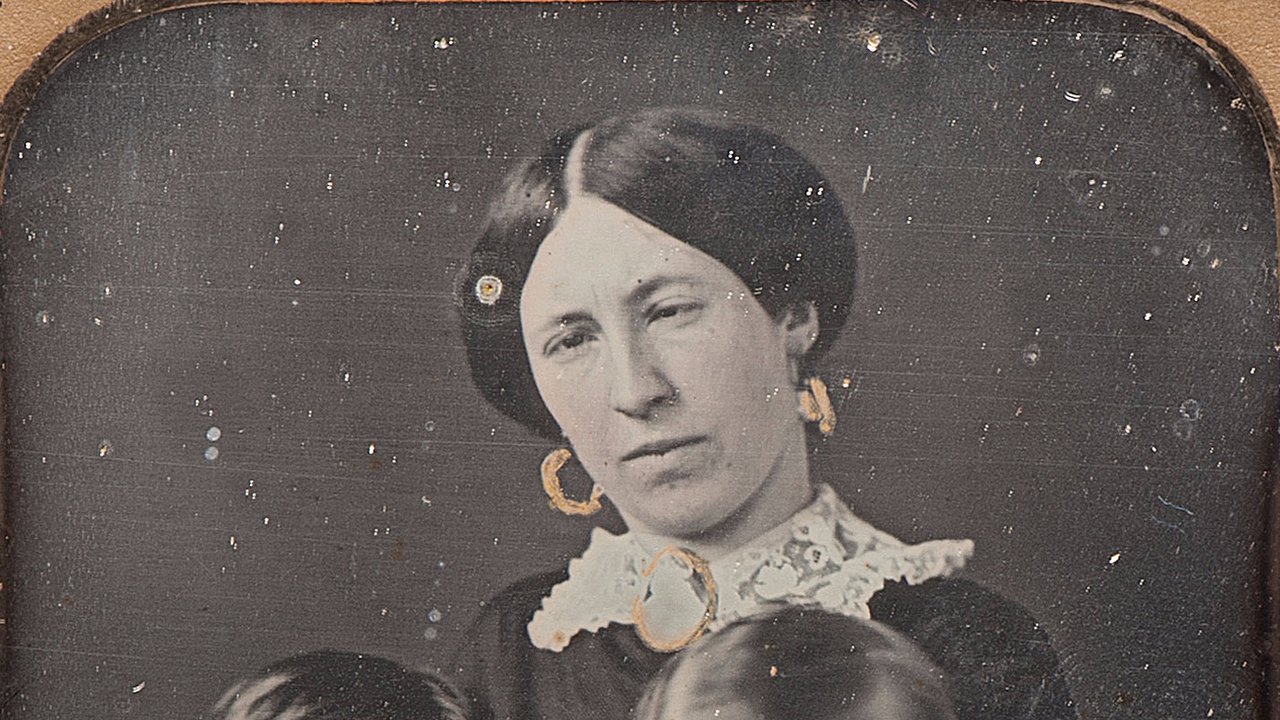

Julia Dent Grant
A 1854 daguerreotype shows Julia Dent Grant with her two older children, Frederick and Ulysses Jr. Their closely grouped figures give the image an intimate, domestic quality. Rather than presenting the formal public figure remembered from later years, the photograph preserves a quiet moment between a young mother and her sons.
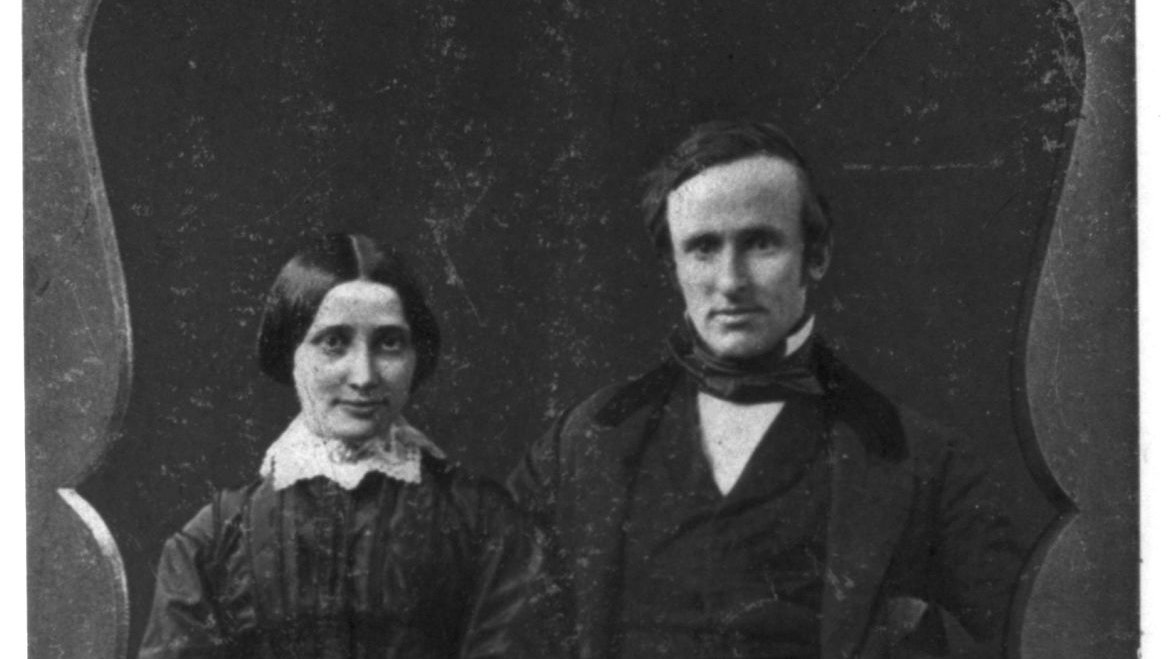

Lucy Webb Hayes
Lucy Webb graduated from Cincinnati Wesleyan Female College in 1850, becoming the first future first lady to graduate from college. Her education distinguishes this early chapter of her life and places her among the comparatively small number of American women able to complete college-level studies during the mid-19th century.
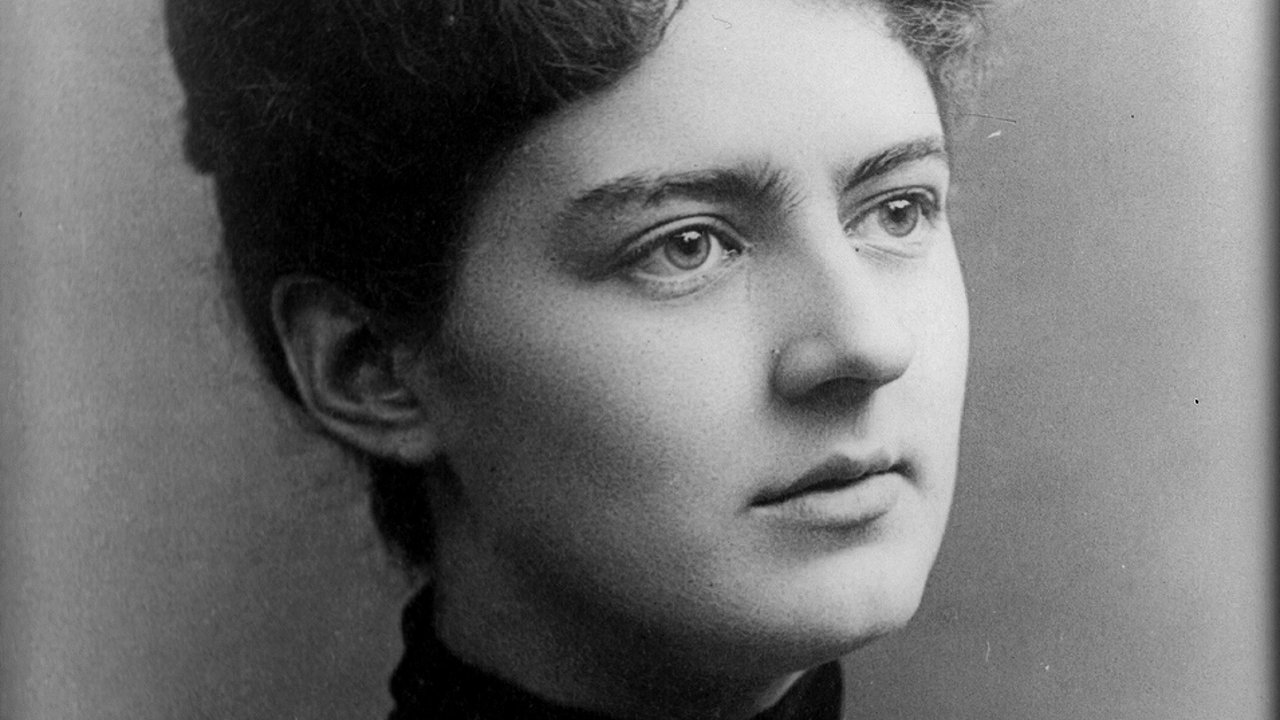

Frances Folsom Cleveland
Frances Folsom married President Grover Cleveland in the White House at age 21. She remains the youngest first lady in American history and the only one married in the Executive Mansion. Her extraordinary entry into public life made youth an unavoidable part of how Americans first came to know her.
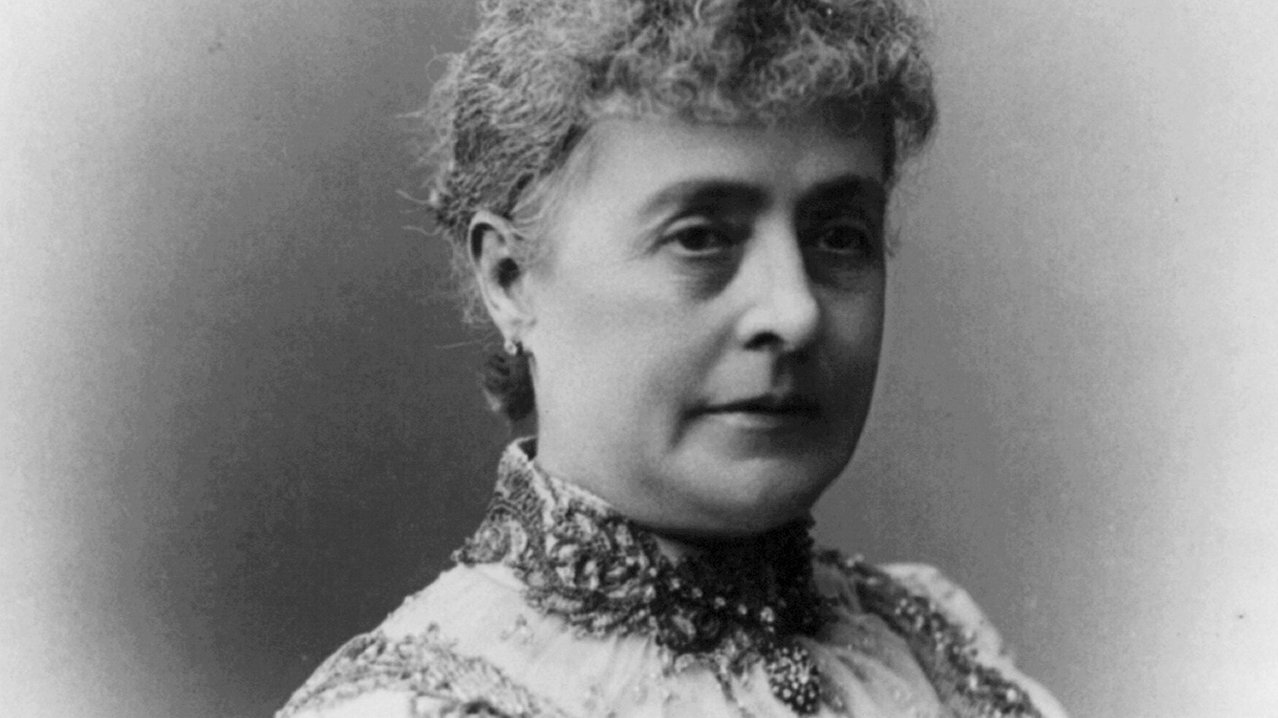

Caroline Scott Harrison
Art was part of Caroline Scott Harrison’s life from an early age and remained important to her throughout adulthood. Her interests later included china painting, but this portrait looks back toward the beginning of that lifelong creative path. It reveals a thoughtful young woman whose artistic identity developed well before the White House.
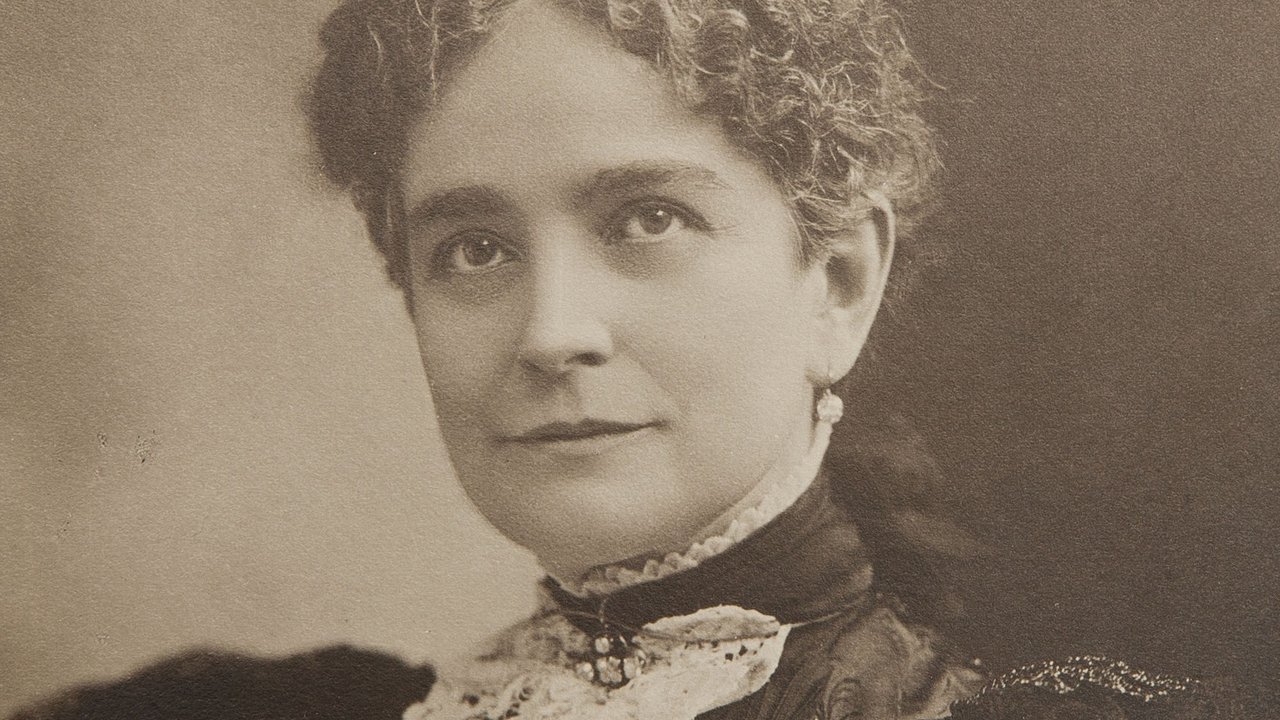

Ida Saxton McKinley
Ida Saxton’s father encouraged her to work in his bank, giving her professional experience at a time when such opportunities were uncommon for women. That practical chapter adds welcome depth to her early portrait. Before becoming a political spouse, she had already stepped beyond the social expectations surrounding a young woman from a prominent family.
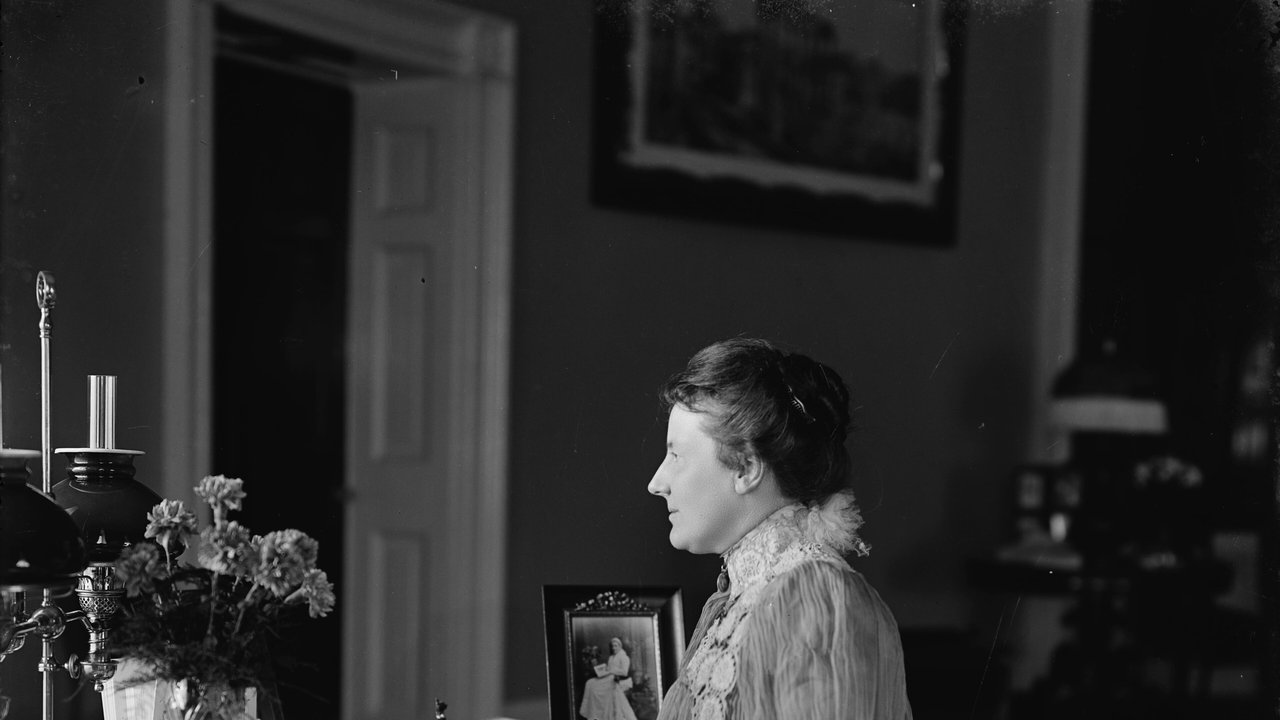

Edith Kermit Carow Roosevelt
Edith Kermit Carow and Theodore Roosevelt knew each other as childhood playmates and teenage sweethearts. That shared history began long before presidential politics entered their lives. An early portrait of Edith therefore captures more than a future first lady; it shows someone whose connection to Theodore reached back to their formative years in New York.
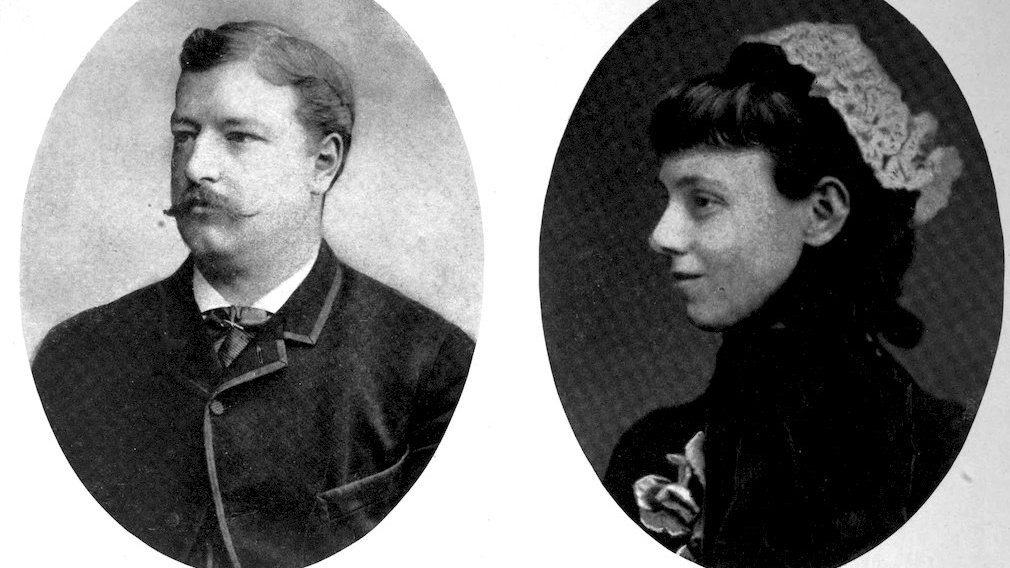

Helen Herron Taft
Helen Herron studied English literature and foreign languages at Miss Nourse School for Girls, where she also developed a love of music. Her broad education reflects the intellectual curiosity she carried into adulthood. In a youthful portrait, those interests provide a fuller picture of the woman widely known as Nellie long before her White House years.

Ellen Axson Wilson
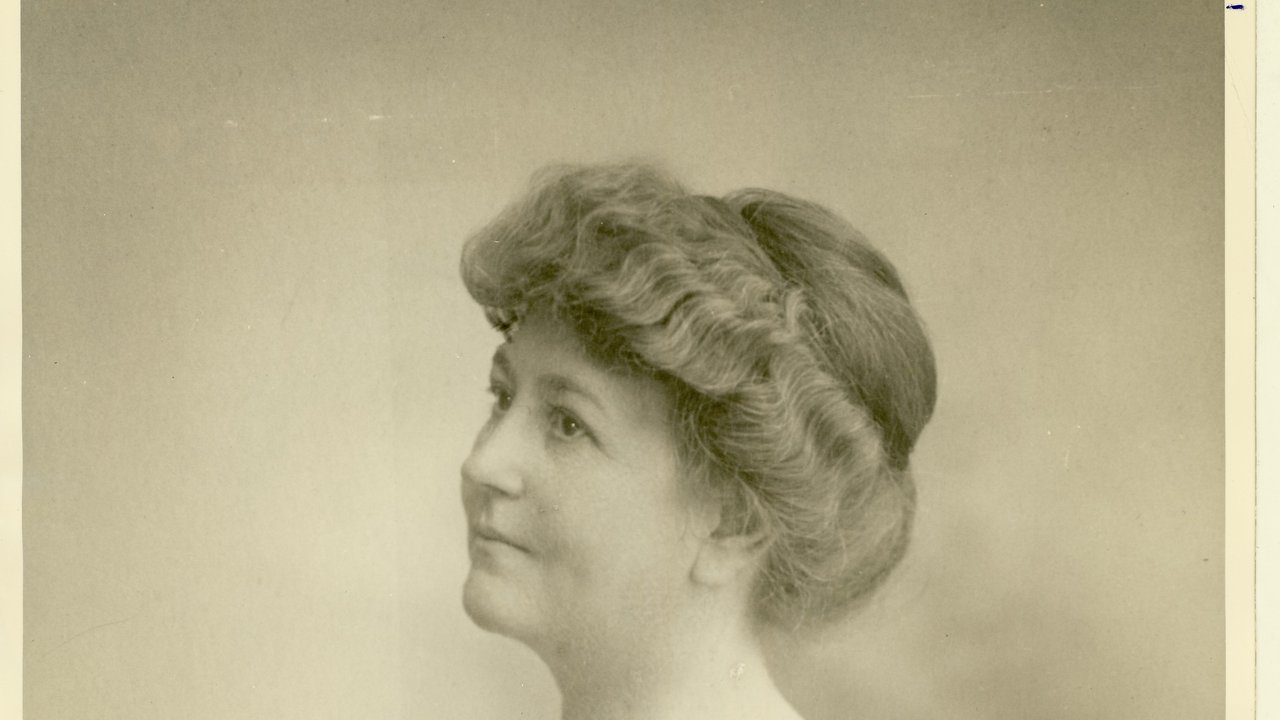
Ellen Axson enrolled at the Art Students League in New York City and continued developing her artistic skills there. Her studies were not a passing pastime but part of a serious commitment to art. An early portrait introduces a young woman building a creative identity that remained meaningful through marriage, motherhood, and public life.

Edith Bolling Wilson
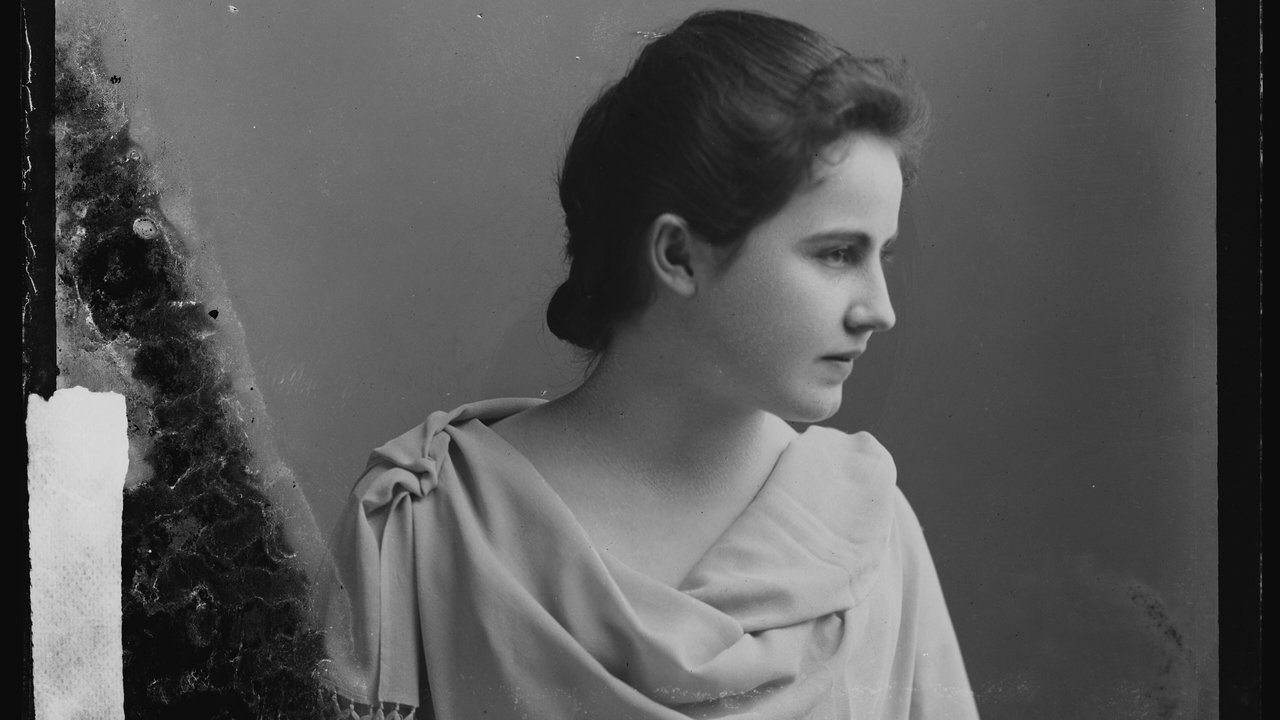
In 1887, 15-year-old Edith Bolling began attending Martha Washington College for Young Ladies in Abingdon, Virginia, where she studied music. The detail places her firmly in the world of a late-19th-century student. Her youthful image offers a striking contrast with the highly scrutinized public role she would assume decades later.

Florence Kling Harding
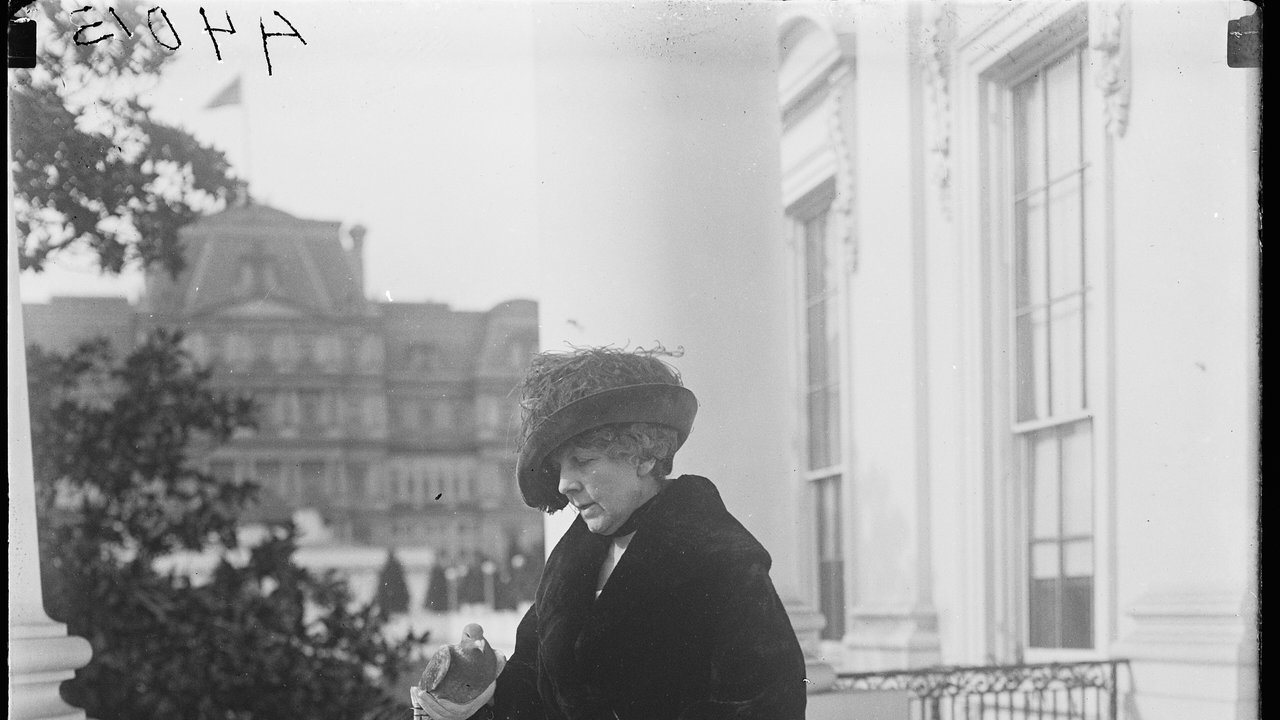
Florence Kling received an extensive education and had enough talent at the piano to enroll at the Cincinnati Conservatory of Music. Her musical training reveals a disciplined side of her early life. Long before politics defined her public image, she was developing the confidence and independence that would remain visible throughout her adulthood.

Grace Goodhue Coolidge
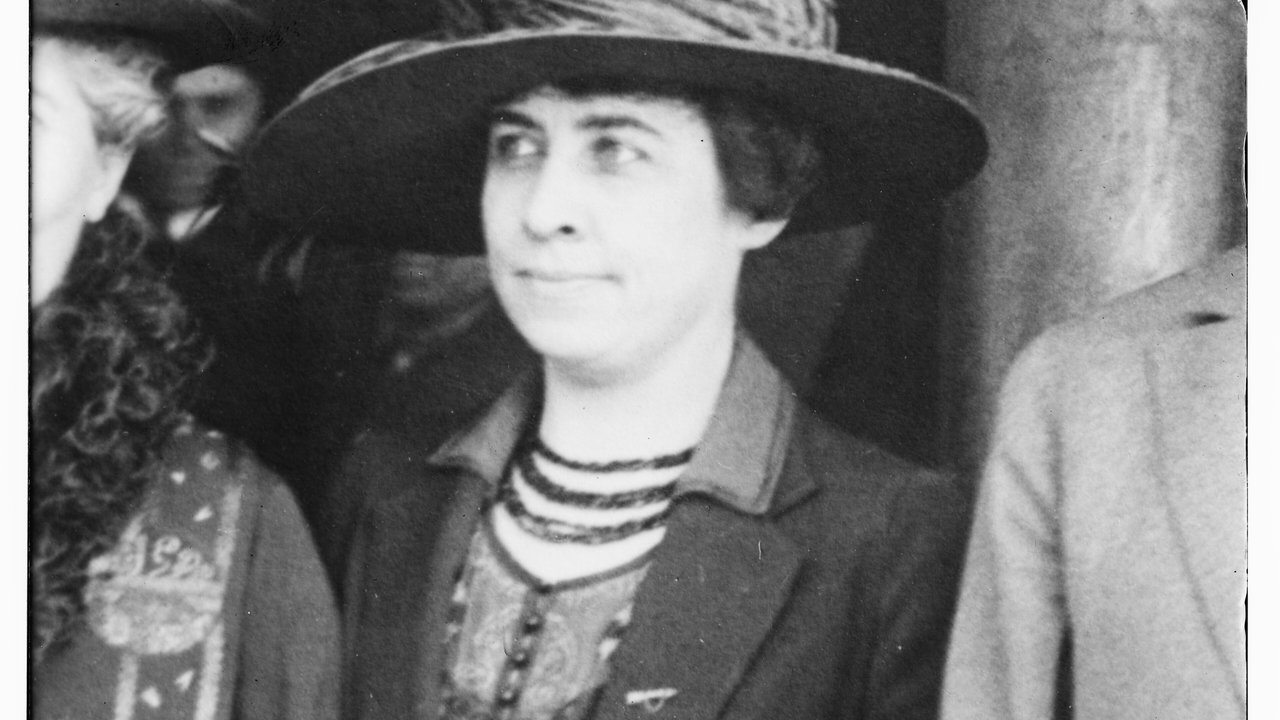
After graduating in 1902, Grace Goodhue entered training at the Clarke School for the Deaf in Northampton, Massachusetts. The choice reflects a purposeful start to adult life centered on communication and education. Her early experience offers a grounded introduction to the future first lady before national attention transformed her into a familiar public figure.
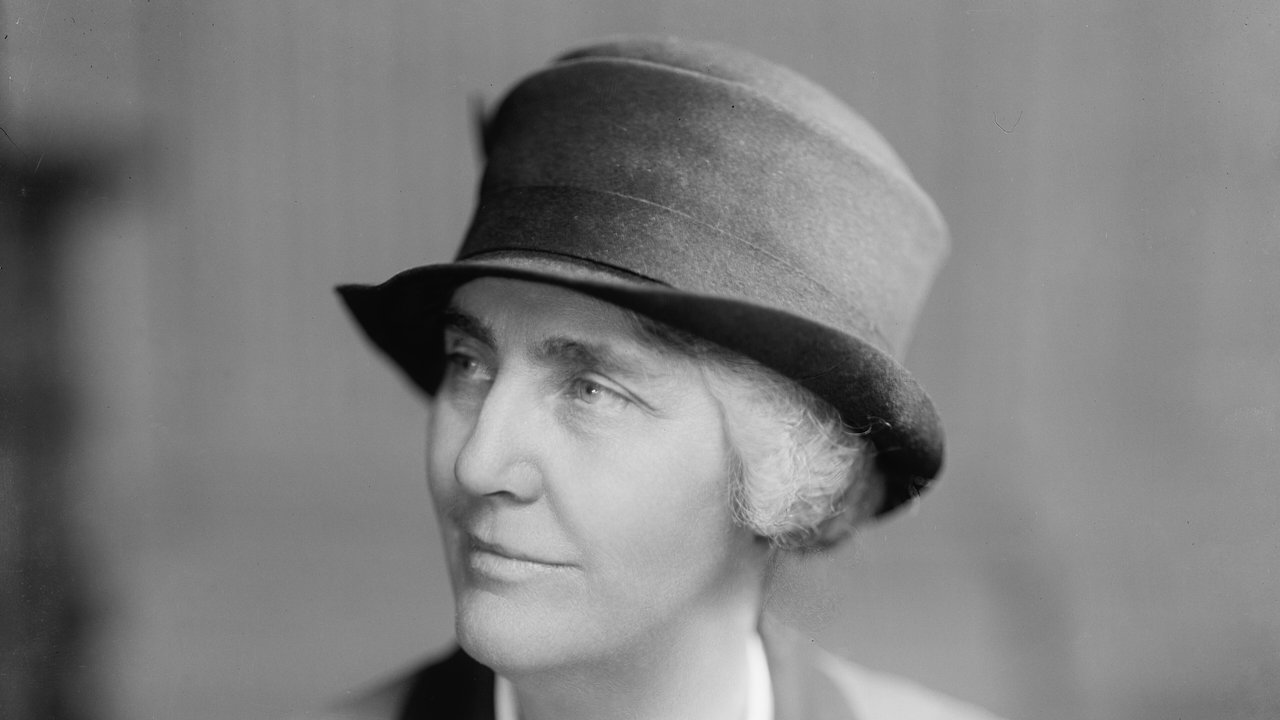

Lou Henry Hoover
Lou Henry was the only woman in her Stanford geology class and the first woman in the university’s history to graduate with a geology degree. That distinction captures her willingness to enter spaces where few women were represented. Her student years reveal the curiosity and determination behind the poised figure Americans later encountered in Washington.
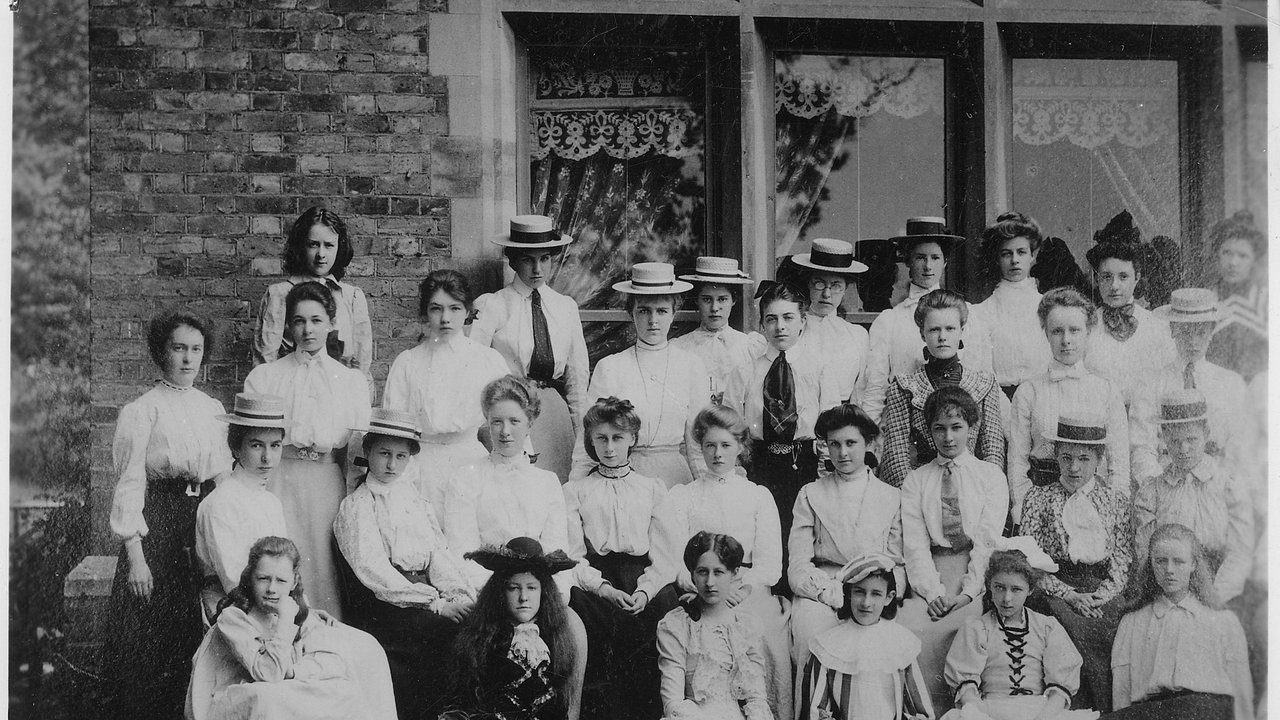

Eleanor Roosevelt
Eleanor Roosevelt was raised by her maternal grandmother, Mary Hall, and later attended Allenswood Academy, a private finishing school near London. That experience widened her world beyond the family circles of New York. Her school years form an important early chapter in the development of the independent, internationally minded woman she eventually became.
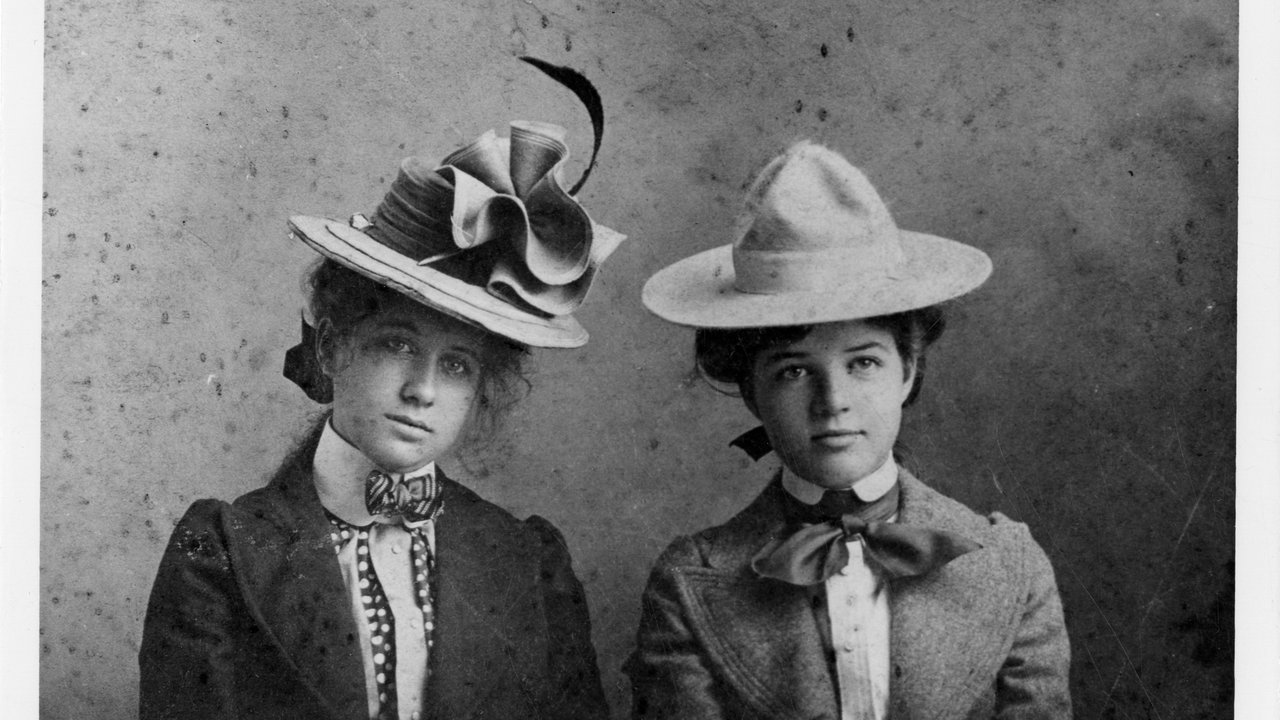

Bess Wallace Truman
As a student, Bess Wallace excelled in sports. After graduating from Independence High School, she attended finishing school at the Barstow School in Kansas City. These details reveal an energetic young woman whose early life was rooted in Missouri, long before the demands of Washington made her preference for privacy part of her public reputation.
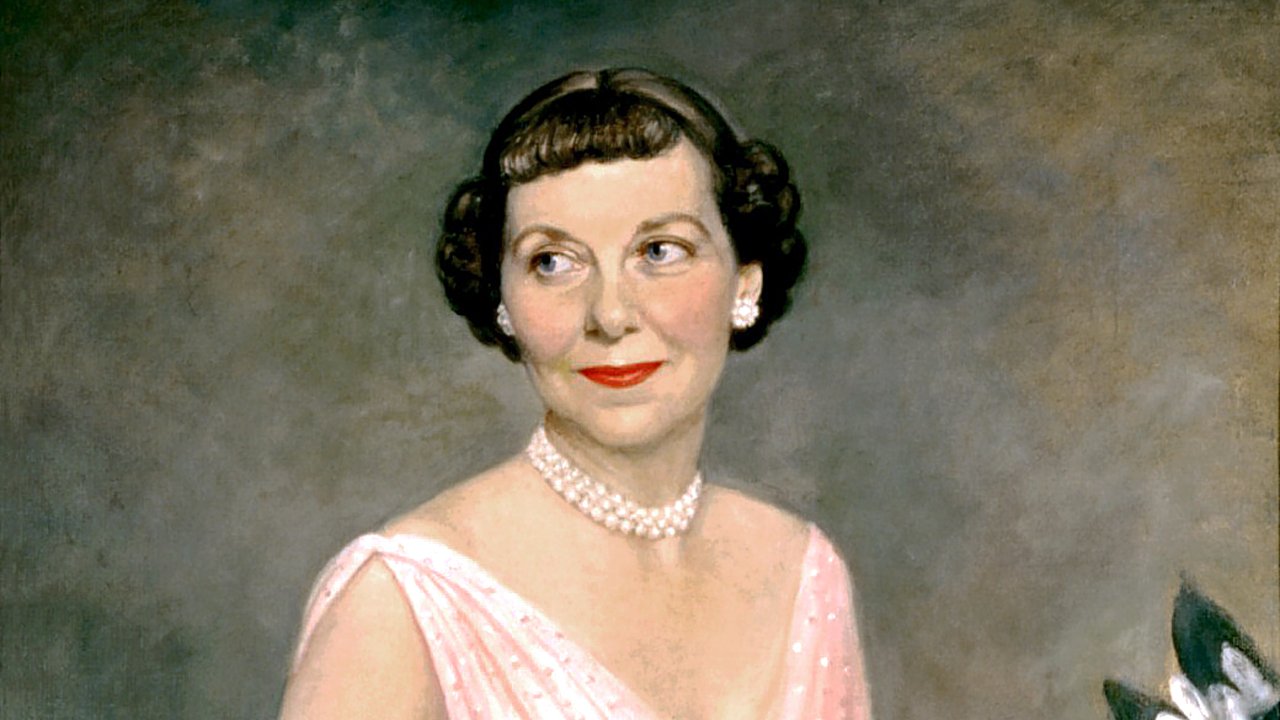

Mamie Doud Eisenhower
Mamie Doud graduated from Denver’s Wolcott School, a private school for girls, in 1915. The milestone marked the close of her formal education and the beginning of a dramatically different adult life. Her youthful photographs preserve the polished young woman she was before military life brought frequent moves and increasingly public responsibilities.
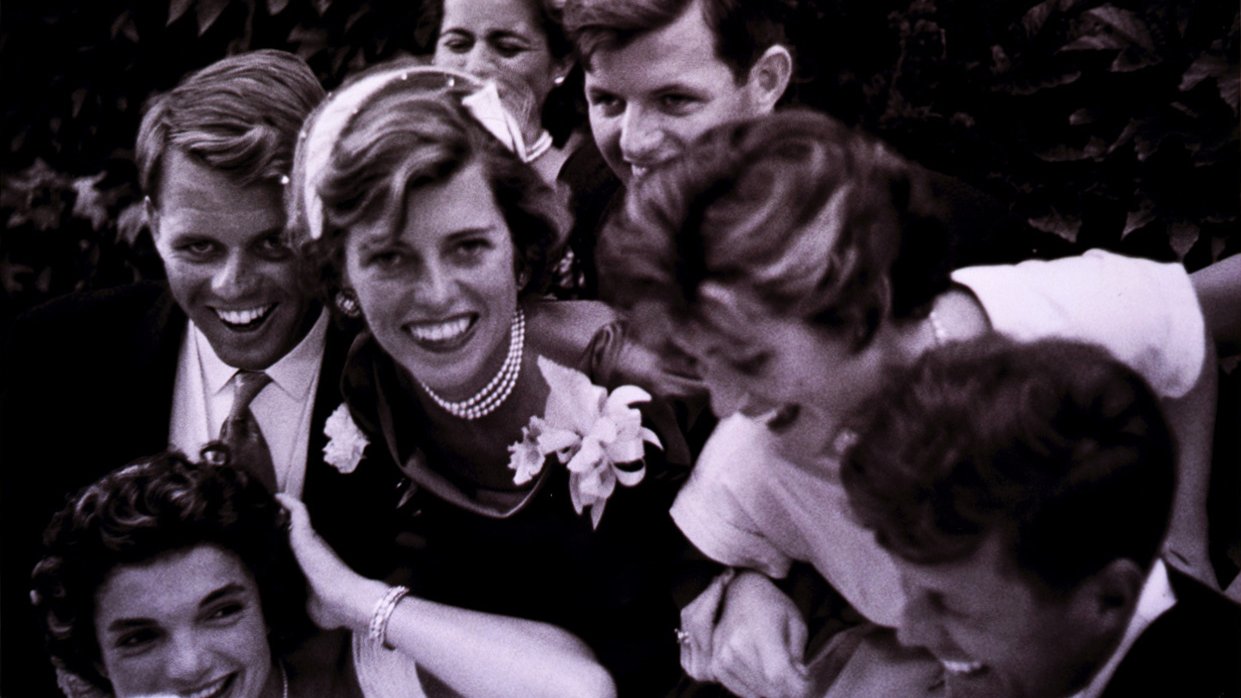

Jacqueline Bouvier Kennedy
After college, Jacqueline Bouvier worked as a photographer for the Washington Times-Herald. The job placed her behind the camera before she became one of the most photographed women in the world. Her early professional life already reflected the close attention to people, culture, composition, and history that later shaped her public work.
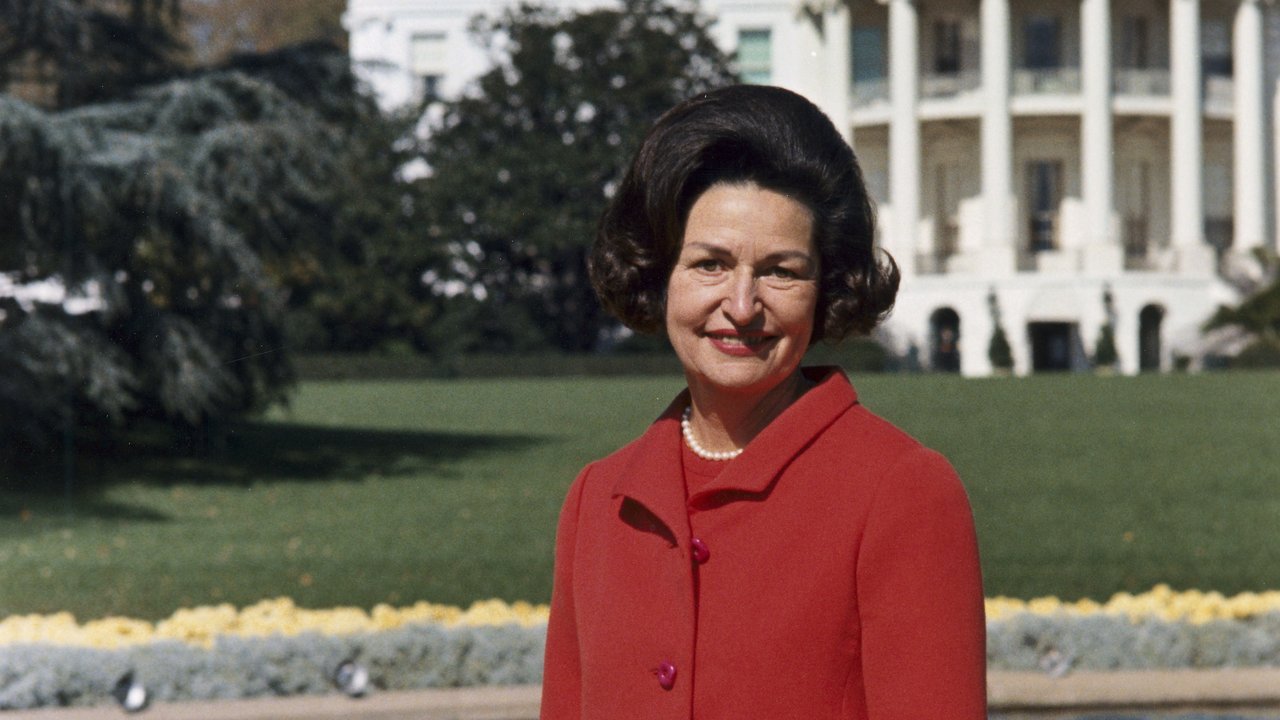

Lady Bird Taylor Johnson
At the University of Texas at Austin, Claudia Lady Bird Taylor earned a history degree in 1933 and a second degree in journalism in 1934. The combination joined an interest in the past with practical communication skills. Her student years reveal a focused young woman preparing for a life that would span business, politics, and public advocacy.
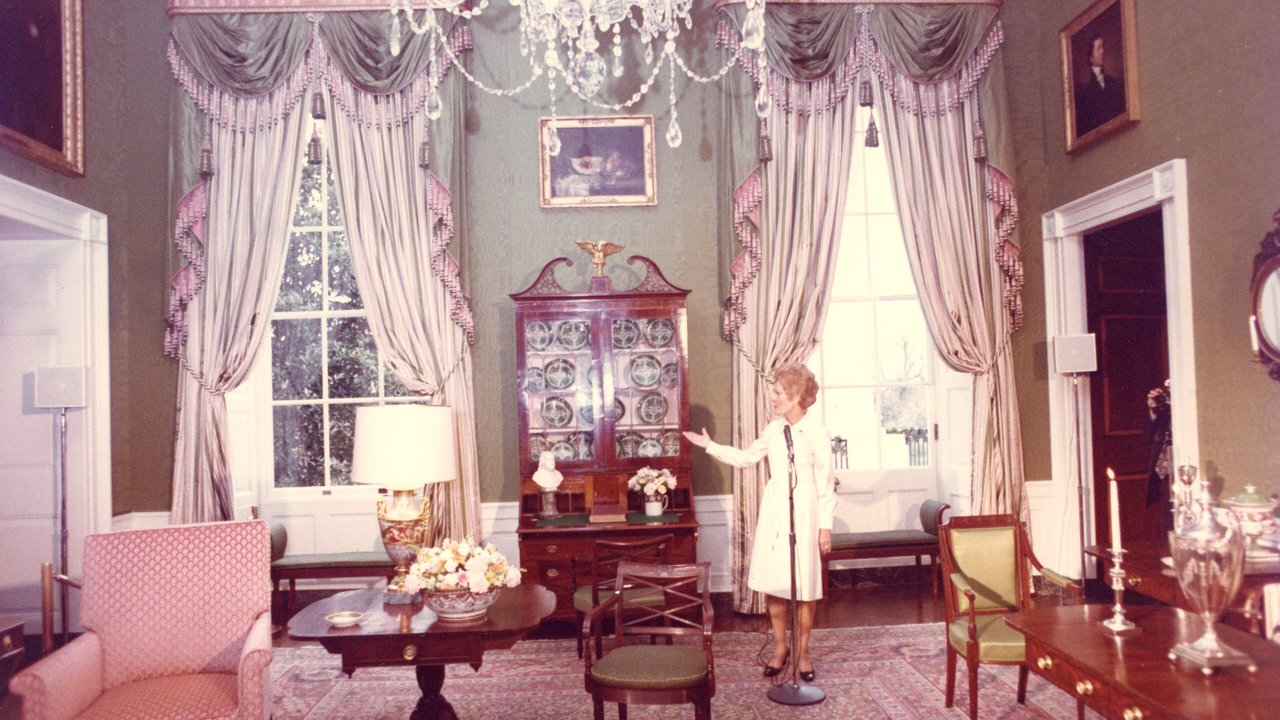

Pat Ryan Nixon
Pat Ryan graduated from the University of Southern California in 1937 with honors, earning a commerce degree and a teaching credential. She supported herself through demanding work while attending college. Her graduation portrait represents more than an academic achievement; it reflects the persistence and self-reliance that characterized her path into adult life.
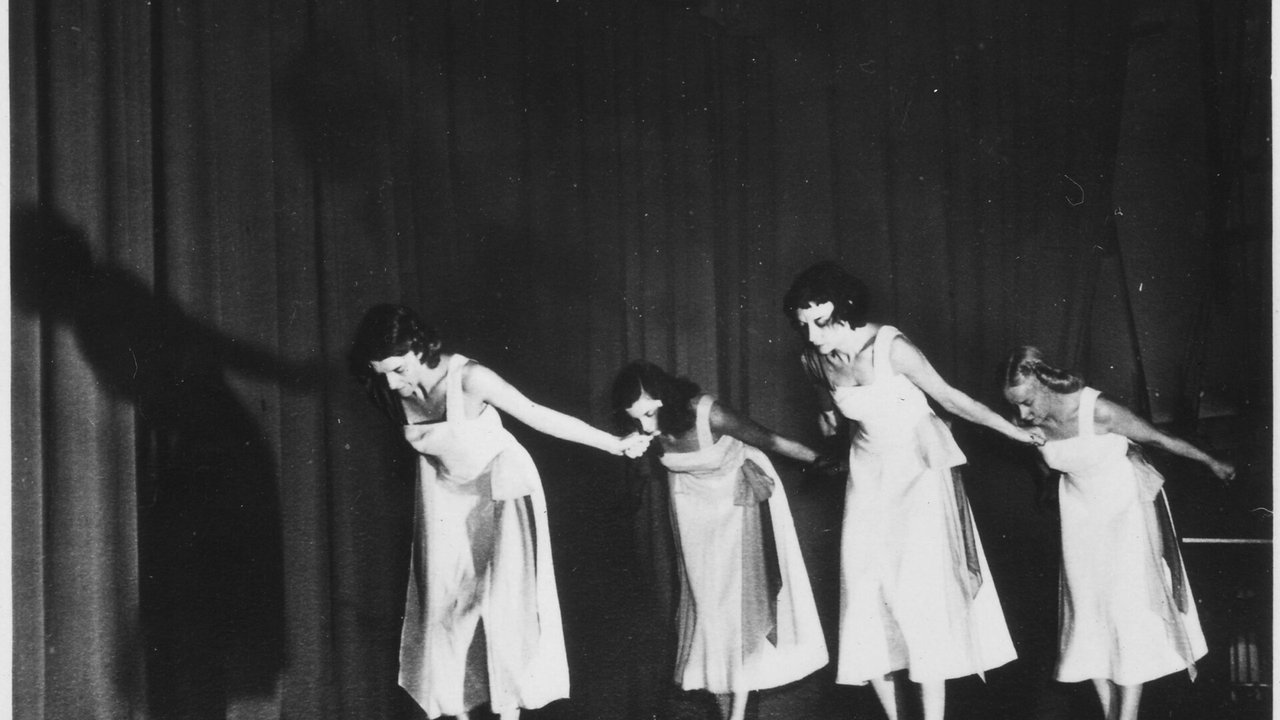
Betty Bloomer Ford
Betty Bloomer moved to Vermont to attend the Bennington School of Dance and later joined an auxiliary troupe led by Martha Graham. Dance was a serious pursuit, not merely a youthful hobby. Early photographs capture the discipline and expressiveness of a young performer whose candor would eventually become central to her public identity.
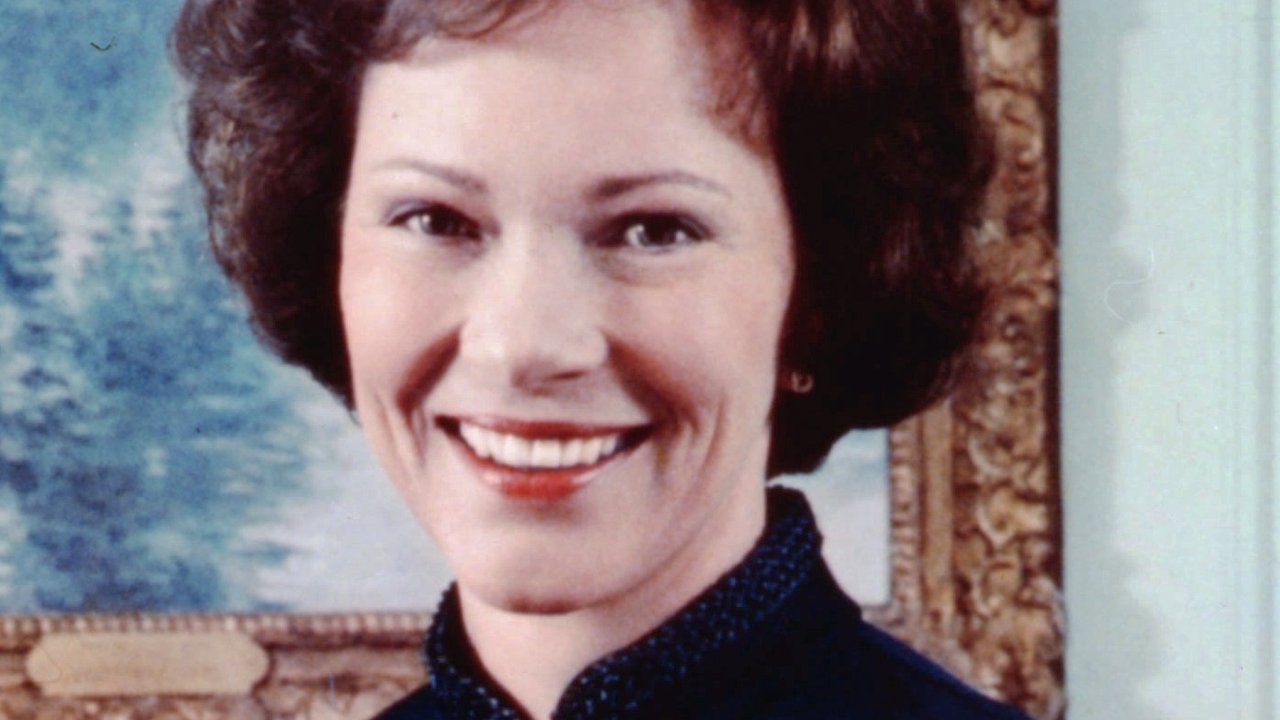

Rosalynn Smith Carter
Rosalynn Smith graduated as valedictorian of Plains High School in 1944 and completed Georgia Southwestern College in 1946. Those achievements reflect the discipline she brought to her education. Her early portrait shows a composed young woman whose careful preparation and attention to detail would remain evident throughout her years of public service.
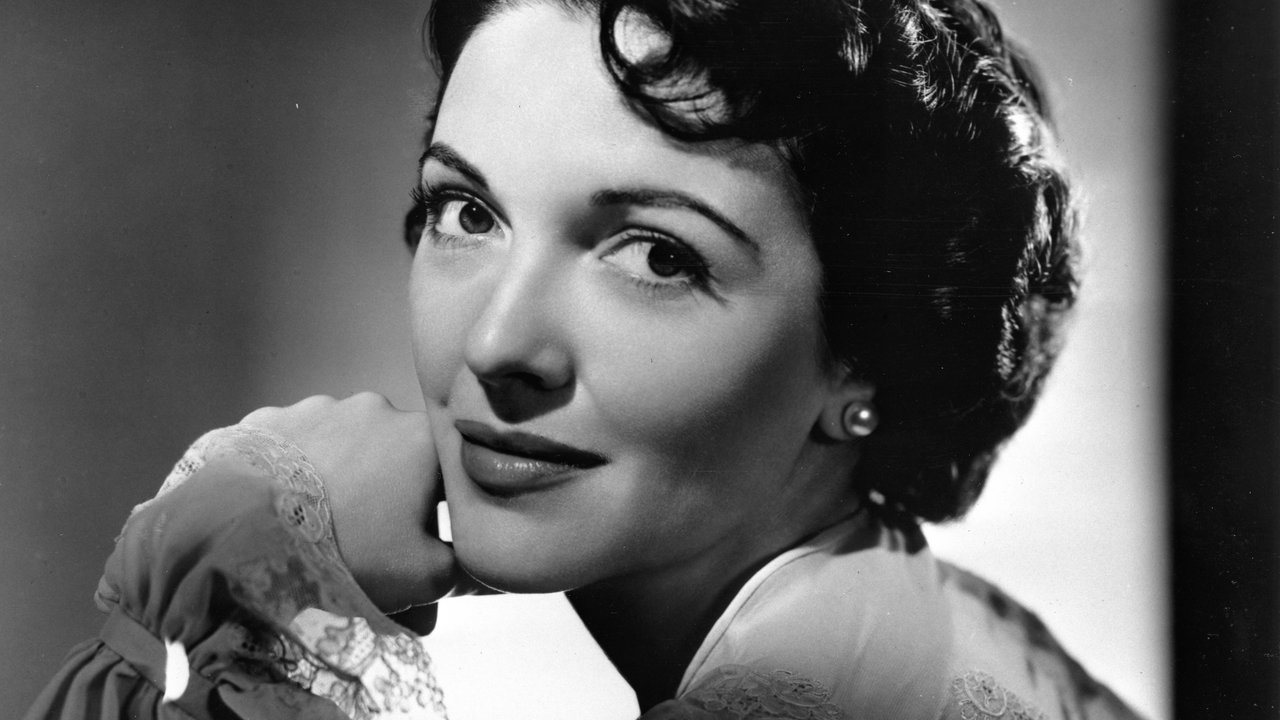

Nancy Davis Reagan
Nancy Davis earned her Smith College degree in 1943 and then pursued acting in theater, film, and television. The publicity portraits from her early career show someone already comfortable before a camera. They preserve a professional chapter that preceded political life and helped shape the polished public presence she later brought to Washington.
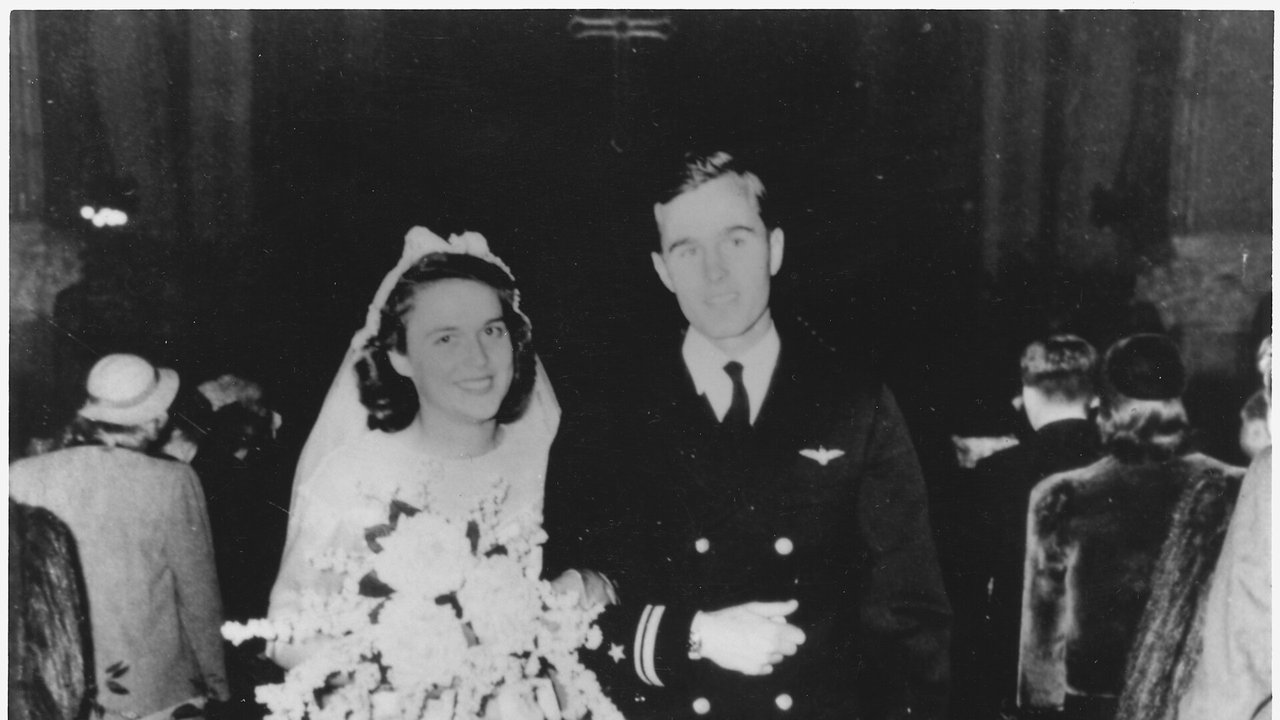
Barbara Pierce Bush
Barbara Pierce interrupted her studies at Smith College in 1944 while preparing to marry George H. W. Bush in Rye, New York, on January 6, 1945. Their wedding photograph captures a young couple beginning married life during wartime, decades before public service would make their family familiar to Americans across the country.
Taken together, these portraits preserve distinct personalities, interests, and ambitions that existed long before the White House defined them. Which young first lady surprised you most?
Follow Lilyon on MSN for more stories like this.
Sources: