

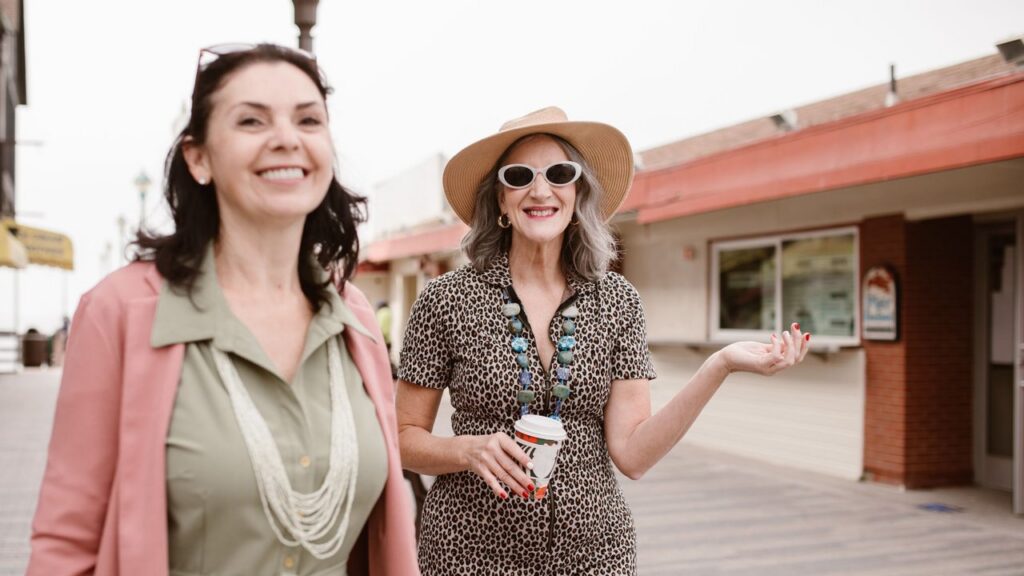
Have you ever wondered why a widow who had a loving marriage may have no wish to marry again?
For many women, the answer is simple: a full and meaningful life does not always require another marriage. Independence, friendship, family ties and an enduring bond with a late husband may offer all the connection she wants.
Surveys and published studies help explain this choice. Here’s what they reveal about the gender gap, caregiving, loyalty, money and companionship.
Do Widows Really Remarry Less Often?
Yes, the gender gap is real. Pew Research Center found that among adults whose first marriage ended in divorce or widowhood, 64% of men had remarried, compared with 52% of women. These figures cover divorced and widowed people together, so they should not be read as widow-only rates.
Research focused only on widowed people points in the same direction. One regional study included 249 widows and 101 widowers. At 25 months after the loss, 19% of women and 61% of men were remarried or involved in a new romance.
That older study combined dating with marriage, so it cannot provide a current national remarriage rate. What it does show is that the difference between widows and widowers is more than a familiar assumption about older women.
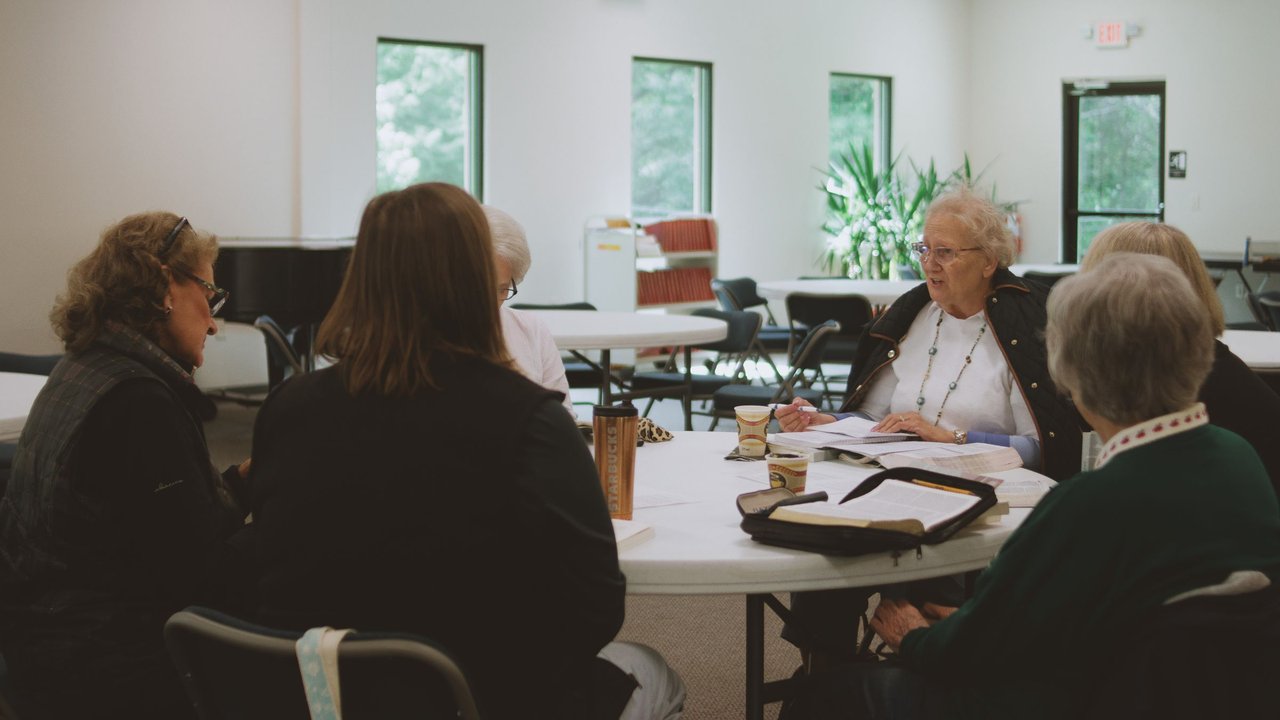
Can Independence Become Too Valuable to Give Up?
Freedom can be a powerful reason to remain unmarried. A British study interviewed 25 widows and 26 widowers over 65 who had not remarried and found sharply different feelings about life without a spouse.
The authors described widows’ “reluctance to relinquish a new-found freedom.” That freedom can be deeply practical: deciding when to travel, whom to visit and how to run the household without consulting a spouse.
Another study, based on 20 interviews with retired widows, found that life after loss could open opportunities beyond earlier gender expectations, including different forms of self-fulfillment. These small European studies do not speak for every American widow. They do show why single life can feel positive, satisfying and complete rather than like something is missing.
What Does Caregiving Have to Do With It?
A long history of caregiving can make a second marriage less inviting. In a national portrait based on Health and Retirement Study data, researchers said many older women “do not want to be a caregiver again.”
The analysis was descriptive, so it did not prove that caregiving caused any one woman’s decision. Still, the concern is easy to understand. A widow who has already spent years providing care may see protecting her time and energy as a practical boundary, not a rejection of affection or companionship.
The broader caregiving picture is heavily gendered. An AARP overview reported that women made up 61% of family caregivers. That figure covers many kinds of caregivers and is not limited to wives or widows, but it gives useful context for why another caregiving role may weigh on a woman’s mind.
Does Loyalty to a Late Husband Rule Out New Love?
Some widows see remaining unmarried as an expression of loyalty to the husband and marriage they had. A qualitative study in Spain found that some older widows followed moral rules such as “not allowing anyone to seize the place of their first husband.”
That feeling is personal, not a rule every widow follows. In interviews with 29 remarried Israeli military widows, “most of the women maintained continuing bonds with their deceased husbands.” Their experiences show that remembering a late husband and building a new marriage can coexist.

Why Do Family and Inheritance Questions Matter?
Marriage later in life can bring practical decisions about family, care and property. A peer-reviewed review of later-life families says remarriage and stepfamilies require older adults to negotiate complex questions such as inheritance and caregiving.
A widow may want to keep her estate plan clear for her children. She may also prefer a close relationship without combining households, finances and responsibilities. Choosing that arrangement does not mean the relationship matters less. It means she knows which commitments fit the life she has built.
Social Security is often misunderstood in this conversation. For readers over 65, the Social Security Administration says remarriage after age 60 does not prevent entitlement to benefits on a prior deceased spouse’s earnings record.
Can Friendship and Companionship Be Enough?
Not marrying again is not the same as being alone. In an AARP survey that included 1,086 solo agers and 536 other adults over 50, 94% of solo agers said they had enough friends. The participants had different life histories and were not all widows.
Friendship may also influence whether someone wants another marriage. A study of 210 older widowed people found that men’s interest in dating and remarriage depended partly on how much support they received from friends.
For some widows, friends, relatives, community groups and a companion who keeps a separate home provide the closeness they want while preserving independence. Others may welcome remarriage. The right choice is the one that fits a woman’s values, needs and hopes, not anyone else’s expectations or timetable.
A widow’s decision deserves respect and curiosity, not pressure or judgment. If you have lived through this choice, what mattered most to you?
Follow Lilyon on MSN for more stories like this.
Sources: