

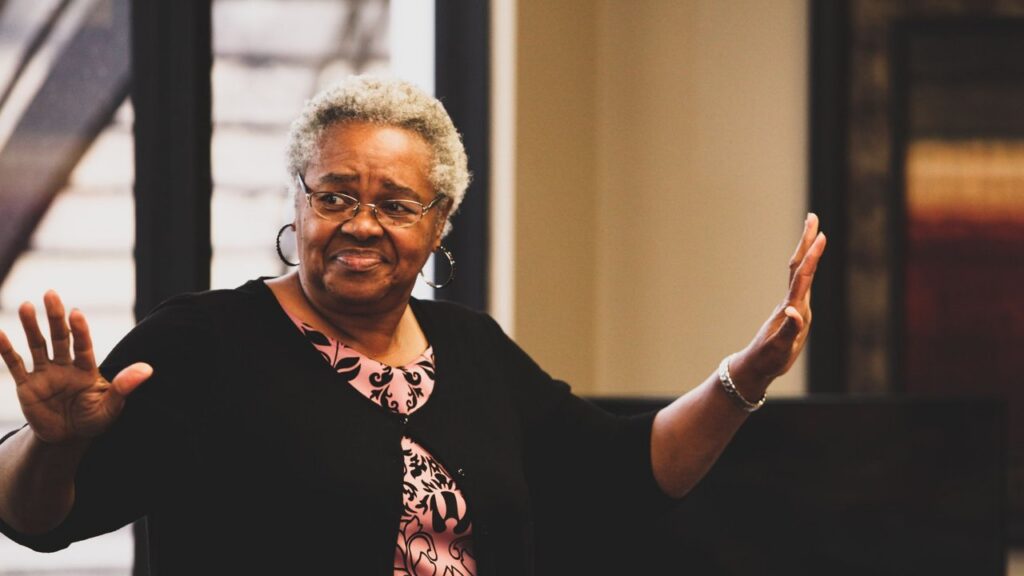
Have you noticed that your voice sounds softer, rougher, or simply different from the voice you remember?
Age may be part of the reason. Over time, changes in the vocal folds, lungs, and hormones can affect how your voice sounds.
Here is what happens to the aging voice, how you can reduce strain, and when a change deserves a doctor’s attention.
What Happens to Your Voice as You Age?
Your voice works like an air-powered instrument. Airflow and the vibration of two vocal folds in the voice box combine to produce sound.
Presbyphonia is the medical term for voice changes associated with anatomical and physiological aging of the larynx. ENT Health explains that “our vocal cords become thinner” with age and may also lose tone.
As the folds thin, they can bow and stop closing completely. This incomplete closure can make the voice sound weak, breathy, hoarse, or strained.
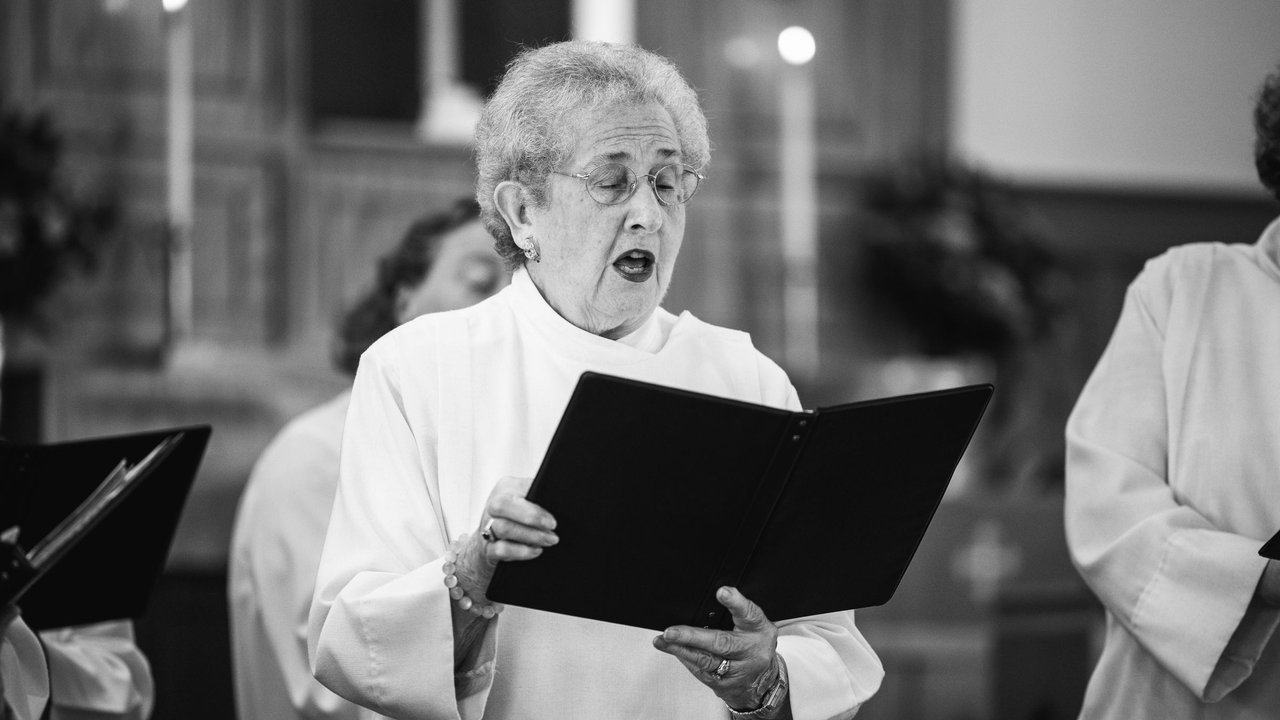
Why Do Women’s and Men’s Voices Change Differently?
Women’s voices often become lower after menopause. Estrogen levels fall while androgen levels become relatively more prominent. Reviews of voice research describe a lower fundamental frequency and deeper tone as a typical change after menopause.
Men often experience the opposite pattern. Aging male vocal folds tend to become thinner and make less complete contact, which may produce a higher, breathier voice.
These are broad patterns, not rules for every person. Cleveland Clinic notes that age-related voice changes are not universal, so one person’s experience may be quite different from another’s.
How Do Breathing and Dryness Affect the Voice?
The respiratory system supplies the airflow that powers speech. Cleveland Clinic says the lungs may become smaller, stiffer, and less pliable with age.
The vocal folds may also lose muscle tone, flexibility, and elasticity and become drier over time. These changes can affect the sound and feel of your voice.
Some medicines may dry the vocal folds. If you think a medication is affecting your voice, ask your doctor or pharmacist about it rather than stopping the medicine on your own.

What Can Help an Aging Voice?
A few practical habits can reduce unnecessary strain. If a voice change interferes with conversations or other daily activities, ask whether an evaluation or speech therapy might help.
- Drink plenty of fluids. Regular drinks can help you stay hydrated when your voice feels irritated.
- Build in breaks. The NIDCD advises, “Take vocal naps—rest your voice throughout the day.”
- Do not whisper. Speaking very loudly and whispering can both strain an already tired voice.
- Reduce background noise. Move closer to the person you are addressing or turn down the television instead of trying to speak over noise.
- Ask about speech therapy. Research on presbyphonia has found that speech therapy can improve voice performance.
A lasting change deserves attention because voice problems can have causes other than aging. A medical evaluation can help identify what is happening.
When Should Hoarseness Be Checked?
Do not dismiss a lasting voice change as simply part of getting older. Arrange a medical review if your voice has been hoarse for “more than three weeks.”
Most voice problems are not caused by cancer, but voice changes can result from several conditions. Seek care sooner if you cough up blood, have trouble swallowing, notice a lump in your neck, or develop difficulty breathing.
A doctor may refer you to an ear, nose, and throat specialist, who can examine the vocal folds with a flexible, lighted instrument. American Academy of Otolaryngology–Head and Neck Surgery guidance recommends laryngoscopy when hoarseness has not improved within four weeks, or sooner if a serious cause is suspected.
A familiar voice can change with age, but you do not have to ignore a change that makes speaking harder. This article is for general information and is not a substitute for medical advice. Have you noticed your own voice changing over the years?
This article is for general information and isn’t a substitute for advice from your doctor.
Follow Lilyon on MSN for more stories like this.
Sources: