

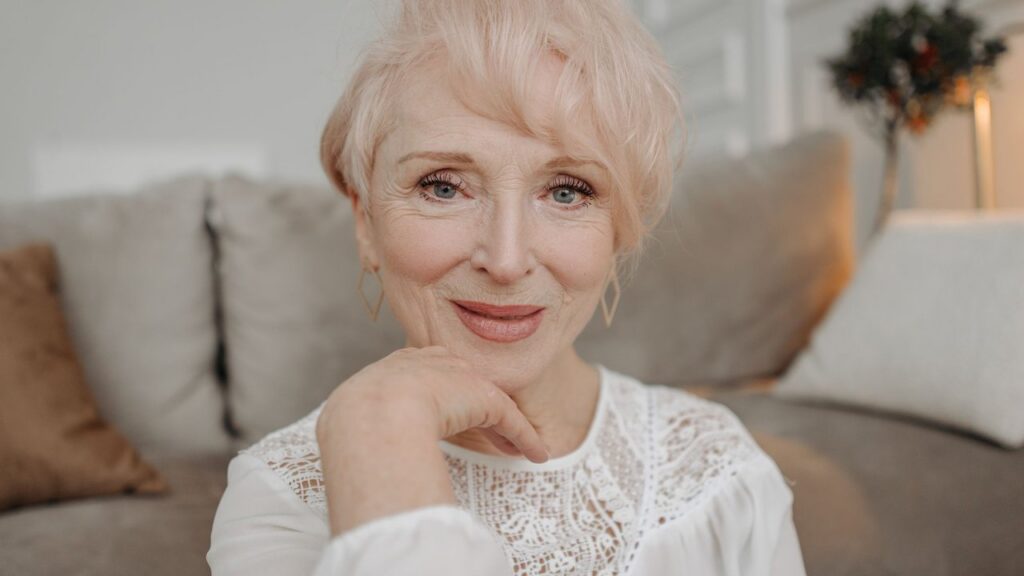
Have you ever wondered why so many women cut their hair short as they get older?
For many women, the answer comes down to changing hair, easier upkeep, and long-standing ideas about what looks “age-appropriate.” It is not because long hair suddenly becomes wrong after a certain birthday.
Here is how aging can affect hair, why a shorter cut may feel more manageable, and why the best length is still a personal choice.
How Does Hair Change With Age?
Hair often changes with age, though the timing and extent are different for everyone. The American Academy of Dermatology says most people notice some hair loss as they get older because hair growth slows.
Menopause can bring additional changes. “Hair can lose some of its shine and consistency during the menopause transition,” Cleveland Clinic menopause specialist Dr. Zubina Mawji says. Hair may also feel drier than it once did.
The American Academy of Dermatology notes that many women notice thinning scalp hair during menopause. A widening part may be the first sign.
These changes can make a shorter, shaped cut more appealing. Removing dry ends may give fine hair a cleaner, more defined outline. Still, cutting it short is a style choice, not something women are required to do as they age.
Why Can Short Hair Be Easier?
Sometimes the simplest answer is convenience. With less length to wash, dry, and style, a bob or crop may fit more comfortably into a busy morning or a low-maintenance routine.
In guidance for new mothers experiencing postpartum shedding, the American Academy of Dermatology notes, “Some haircuts make hair look fuller.” The same page says a short style can make hair look fuller and be easier to manage.
A fuller look is a visual effect. A haircut changes the length and shape of existing hair, while concerns about ongoing thinning or shedding may require a conversation with a clinician.
Short hair is not automatically effortless. A pixie cut may need regular trims or daily styling, while long hair may be easy for someone who prefers to tie it back. The most manageable choice depends on whether the hair is straight, wavy, curly, or tightly textured, as well as how much styling the person enjoys.
Did Old Beauty Rules Shape the Trend?
Hair choices are not purely practical. They can also reflect the messages women hear about beauty throughout their lives.
A peer-reviewed salon study describes older women as navigating “a range of conflicting social norms of age-appropriate appearance.” Women may feel pressure to look polished without seeming to try too hard or appear too young.
The study does not explain why any one woman chooses a particular haircut. It does show how an everyday style decision can sit within broader expectations about aging and appearance.
Those expectations are social customs, not rules anyone has to follow. A crop can be traditional, dramatic, or playful. Long silver hair can look equally deliberate and polished.
Is Long Hair Still a Good Choice?
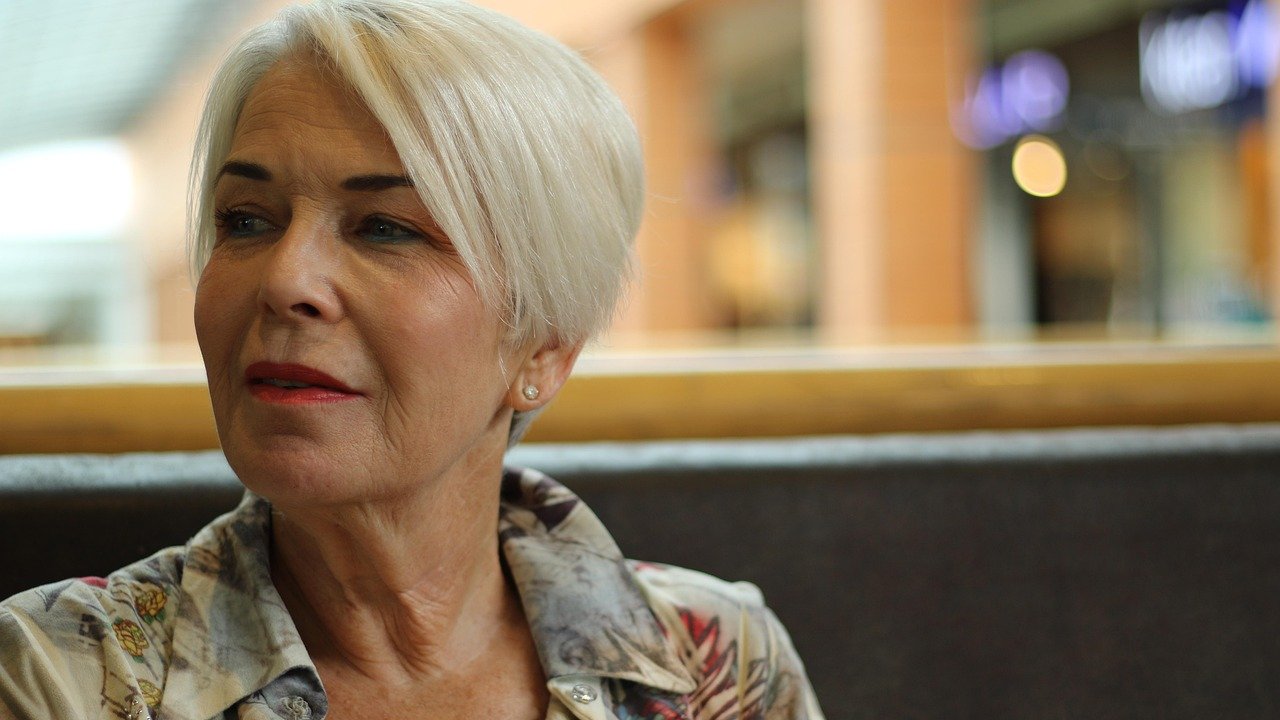
Yes. Age alone does not need to determine hair length. A woman who enjoys long hair can keep it, and someone who loves a pixie cut does not need to justify her choice.
Gentle handling can help hair look its best at every length.
- Wear it looser. Avoid repeatedly pulling hair into tight styles. The American Academy of Dermatology says pulling over time can lead to hair loss.
- Use less heat. Let hair partially air-dry before styling, and use a blow-dryer less often to help limit damage.
- Notice discomfort. If a hairstyle hurts or irritates your scalp, loosen it or choose a different style.
A stylist who understands your texture, preferred look, and daily routine can help you find a manageable cut without treating your age as the deciding factor.
When Should You Ask a Doctor?
Gradual changes are common with aging, but sudden hair loss deserves attention rather than simply a new haircut.
“Contact your health care provider if you have sudden hair loss,” MedlinePlus advises. Sudden loss can be a symptom of a health problem.
Hair loss has many possible causes, so the American Academy of Dermatology emphasizes the importance of an accurate diagnosis. A clinician can evaluate the change and discuss whether treatment is appropriate.
Once any health concern has been addressed, the haircut can remain what it should be: a personal decision about comfort, appearance, and how you want to present yourself.
The best hair length is the one that feels like you and works for the life you live now. If you notice sudden or troubling hair loss, speak with your health care provider. Do you prefer your hair short or long, and has that changed over the years?
Follow Lilyon on MSN for more stories like this.
Sources: