

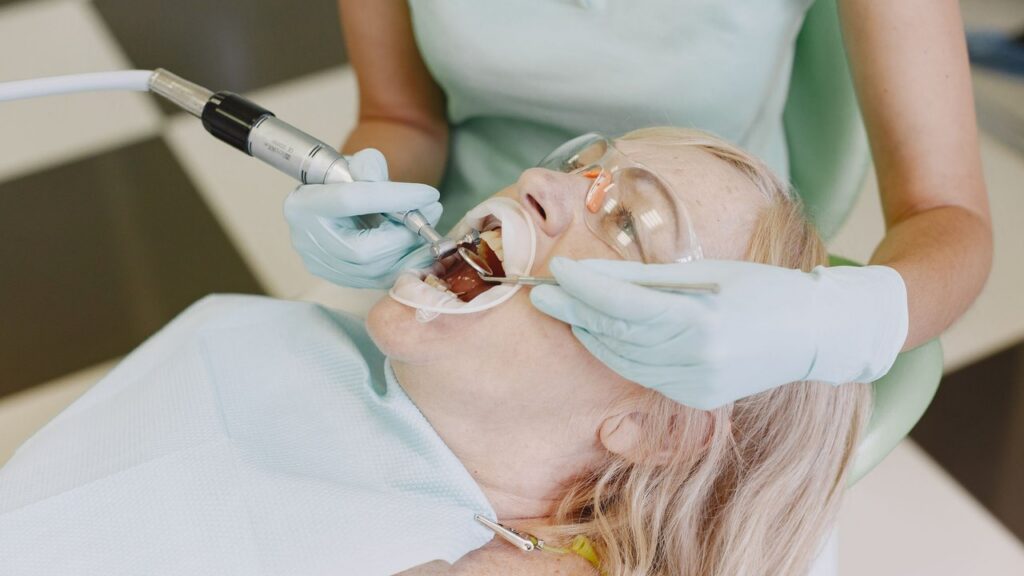
Why do many people lose teeth as they get older? The answer is not age alone.
Cavities and periodontitis, which is gum disease with associated bone loss, are the two leading oral diseases that cause tooth loss. Smoking is another leading cause.
The CDC says, “Tooth loss is largely preventable.” Here is what can put teeth at risk, which warning signs deserve attention, and what can help older adults protect their natural teeth.
What Actually Causes Tooth Loss?
Cavities and periodontitis can both lead to tooth loss. Periodontitis damages the tissues and bone that hold teeth in place. As that support weakens, a tooth can loosen and may eventually be lost. Smoking also contributes to tooth loss.
Several problems can work together. Dry mouth increases the risk of decay, gums that pull away can expose roots that may decay, and a chipped filling can allow plaque to collect underneath it. Steady home care and professional dental care help address these risks.

How Does Gum Disease Loosen Teeth?
Plaque and tartar contain bacteria that can trigger damaging inflammation around the teeth, according to the National Institute of Dental and Craniofacial Research. Tartar requires professional cleaning by a dentist or dental hygienist.
As periodontitis advances, it can destroy the gums, periodontal ligament, and alveolar bone that support a tooth. Eventually, a tooth may become loose or need to be removed.
Swollen, red, or bleeding gums are not merely an annoyance. They can signal that the tissues holding the teeth in place need attention.
Why Does Dry Mouth Matter?
Saliva moistens food, washes particles from the teeth and gums, and helps with swallowing. It also contains minerals that help keep teeth strong and fight decay. When the mouth does not produce enough saliva, the risk of decay and fungal infections rises.
Dry mouth is not a normal part of aging. Some medicines can cause it, including those used for high blood pressure, depression, and bladder-control issues. Identifying the cause can help a health care professional recommend an appropriate response.
Do not stop a prescribed medicine on your own. Tell the prescriber and dentist if your mouth stays dry. A doctor or dentist may consider adjusting a medicine or recommend products that help keep the mouth moist.
Can Older Fillings Put Teeth at Risk?
Fillings and crowns “do not last a lifetime,” according to NIDCR. Plaque can build up beneath a chipped filling and cause new decay. Gum recession can also expose tooth roots that may decay.
A silver-colored filling does not automatically need replacement. The American Dental Association says “existing amalgam fillings in good condition should not be removed or replaced unless it is considered medically necessary by a health care professional.”
Ask a dentist to examine older dental work instead of assuming it is damaged or still in perfect condition. A chipped filling and a sound filling do not call for the same response.
What Helps Older Adults Keep Their Teeth?
A consistent routine supports oral health and makes it easier to notice changes that need attention. Focus on a few practical habits:
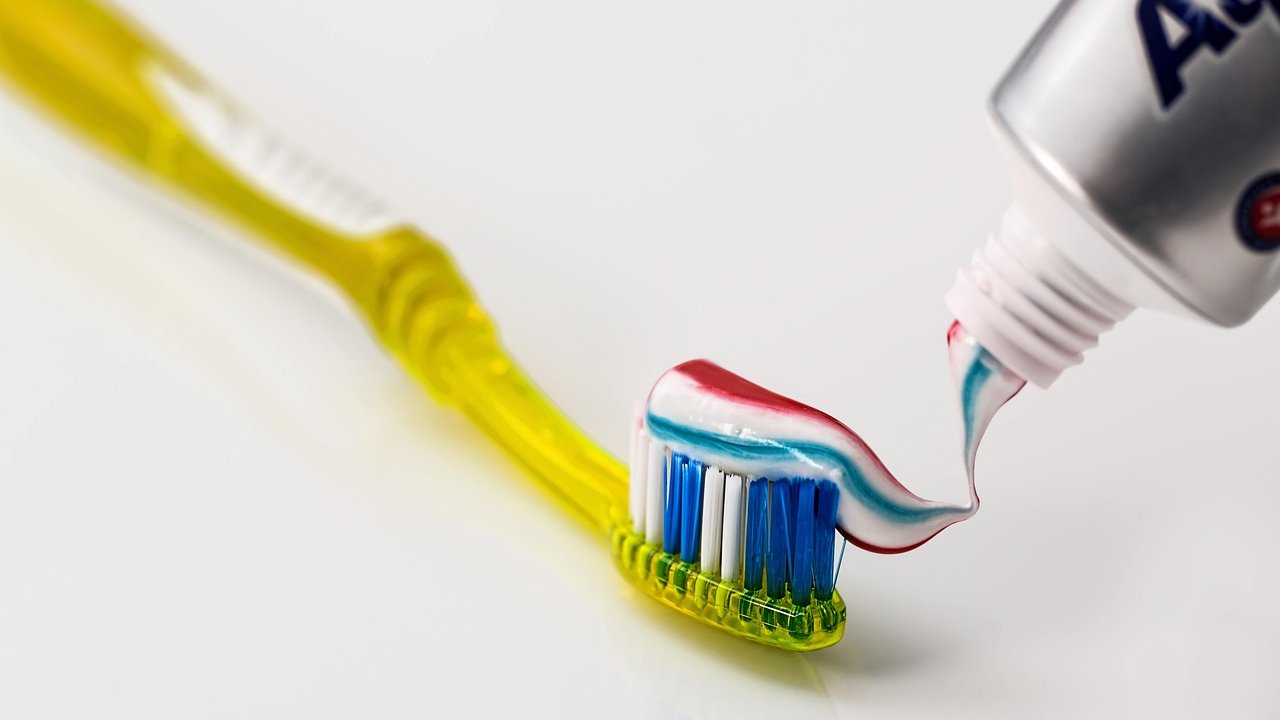
- Use Fluoride. Brush twice a day with fluoride toothpaste. Angle the bristles toward the gumline, and clean each tooth gently.
- Clean Between Teeth. Aim to floss or use an interdental cleaner once a day. Ask a dental professional which tool is easiest for you to handle.
- Ease Dry Mouth. Drink plenty of water, and try sugarless gum if chewing is comfortable.
- Keep Appointments. Have routine dental checkups, with your dentist advising how often you need to return.
- Reduce the Risks. Limit foods and drinks high in added sugar, and seek help to quit tobacco if you use it.
If daily cleaning or arranging appointments feels difficult, ask someone you trust for practical help. They might place supplies within easy reach, add a visit to the calendar, or provide a ride.
When Should You See a Dentist?
Arrange a dental examination if your gums bleed, become red or swollen, or begin pulling away from your teeth. Loose teeth and bad breath that persists also deserve attention.
Do not rely on pain as the first warning. Tooth decay may cause no symptoms at first. A dentist can examine your teeth, gums, and dental work and explain any changes.
If you notice a change in your teeth, gums, or mouth, make an appointment rather than trying to diagnose it yourself. This article provides general health information and is not a substitute for personal dental advice.
Tooth loss can often be prevented. Consistent cleaning, attention to dry mouth and dental work, and timely professional care can help protect natural teeth throughout life.
This article is for general information and isn’t a substitute for advice from your doctor.
Sources: