

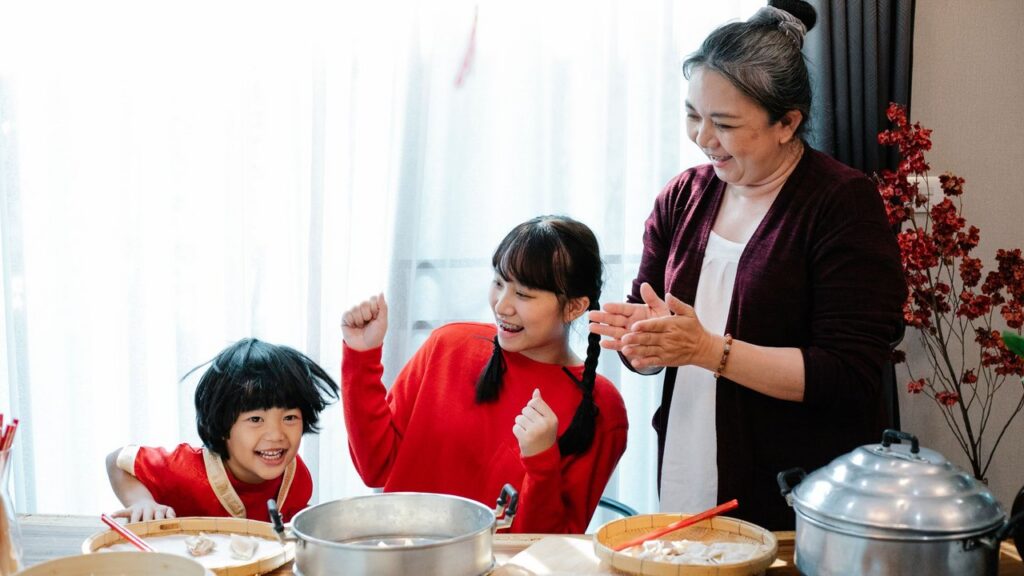
Why does Grandma seem certain that you need another helping, even after you say you are full?
The extra food may not be only about hunger. It can represent care, memory, and family identity served on a plate.
Research and recorded family histories offer clues about why the gesture matters and how families can preserve its warmth without pressure.
Is Food Her Way of Saying I Love You?
It can be. In an Australian study, grandparents described giving food treats as care and “a showing of love.”
A favorite meal gives a grandmother a direct way to create pleasure and connection. It says that she knows you, remembers what you like, and wants you to feel welcome in her home.
Food can also bring people together. In a study of childhood food memories, participants connected meals with care and family cohesion. One grandfather recalled, “we would always sit down as a family.”
That helps explain why refusing another serving may feel more meaningful to her than you intended. You may be answering a question about appetite while she is making a gesture of affection.
Did Hard Times Shape the Habit?
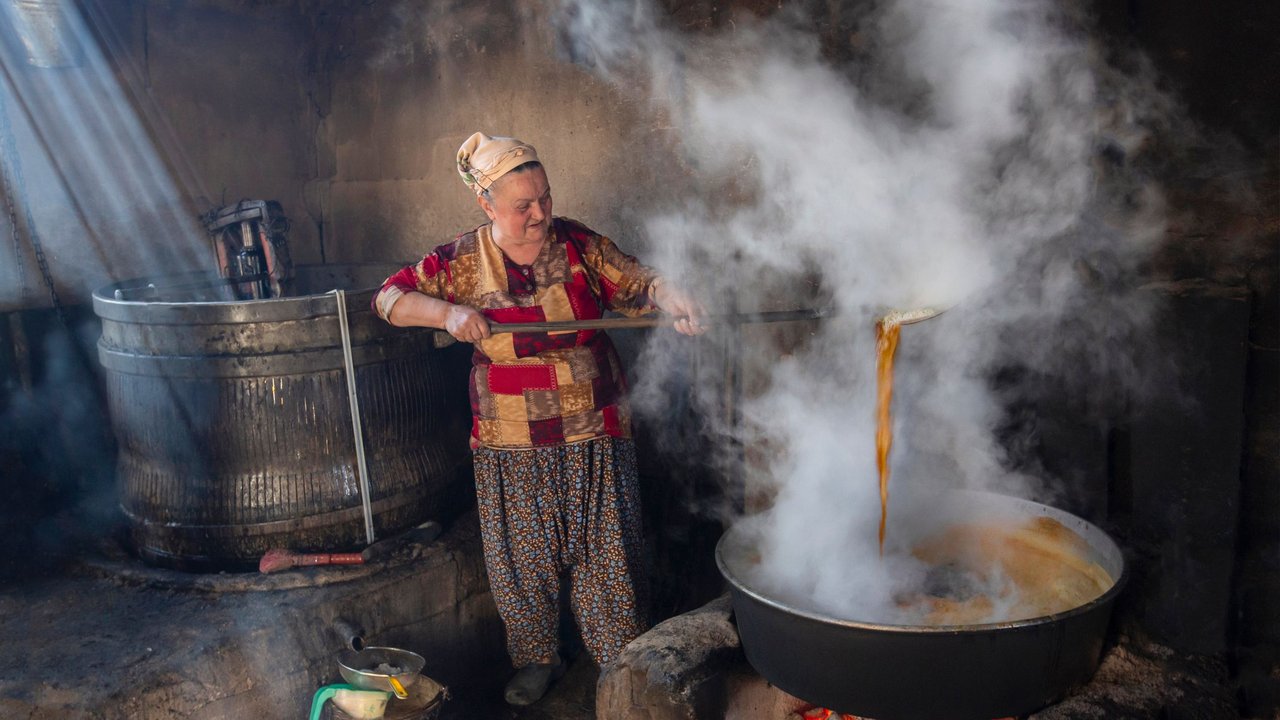
For some grandmothers, a crowded table may answer memories of an emptier one. That history can come from poverty, the Great Depression, wartime shortages, or stories passed down by parents.
A Library of Congress oral history preserves one family’s memory of Depression-era hardship. Douglas Perret Starr recalled that “there was no money and no food available.”
During World War II, federal rationing and price-control programs affected virtually every household in the United States, according to the National Archives. In Britain, rationing began in January 1940, and food rationing continued until 1954.
Not every grandmother experienced scarcity. However, a qualitative study of older adults in Spain found that memories of hunger and deprivation still shaped food practices more than 70 years later.
Against that background, stretching ingredients, filling plates, and encouraging relatives to eat may feel protective. Plenty at the table can become reassurance that loved ones will not go without.
Why Do Family Recipes Matter So Much?
A familiar dish can hold family history that is difficult to express in ordinary conversation. Serving it keeps old places, people, and occasions present at the table.
The Smithsonian records that Lidia Bastianich learned Italian cooking from her grandmother, Nonna Rosa. In a Library of Congress interview, Leslie Wiser described how her Jewish grandmother kept Hungarian, Polish, and German influences alive through cooking.
Another study identified cultural food tradition as a theme in grandparents’ perceived influence on younger generations’ food choices.
These examples do not define every grandmother. They show how recipes can carry identity across generations, whether the cook is called Grandma, Nana, Nonna, or something else. Asking for the recipe acknowledges that the dish carries more than flavor.
Why Does She Keep Offering?
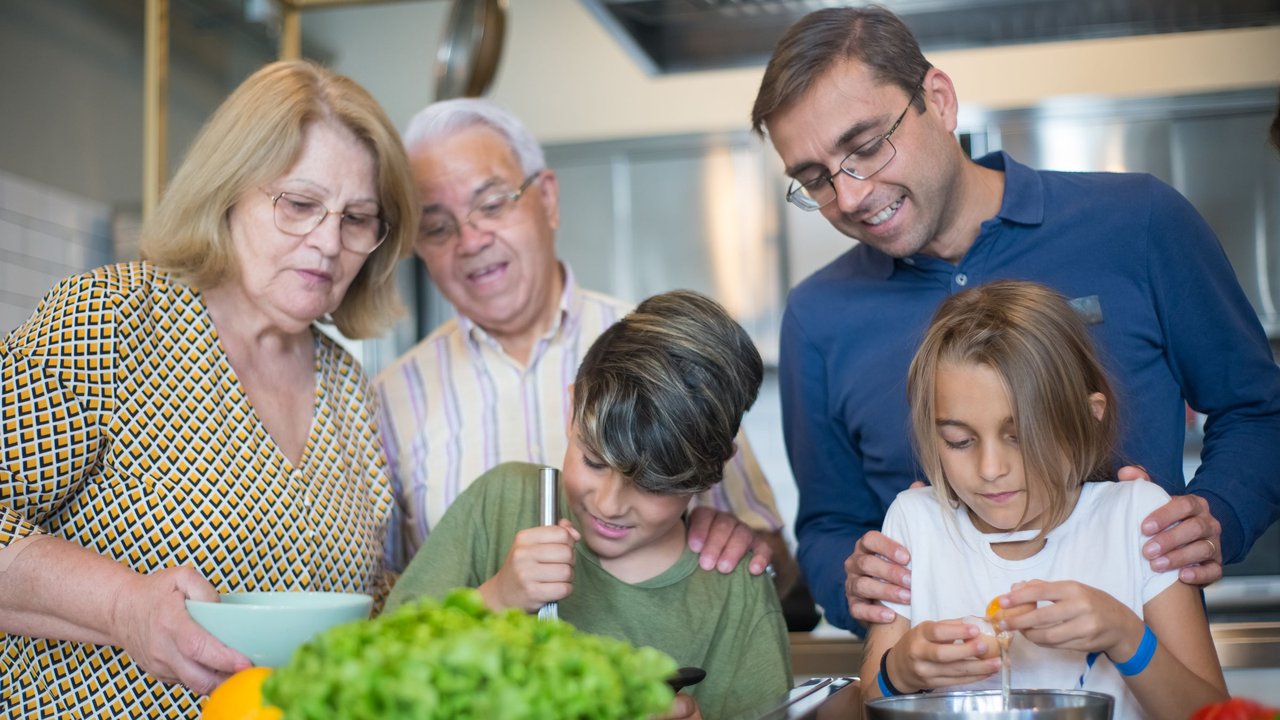
Grandmothers may value a role that feels different from everyday parenting. An Australian interview study identified maintaining family relationships and treating grandchildren with food as two major themes.
Offering food can become a family ritual. It gives a grandmother a familiar way to host, provide, and participate after children and grandchildren no longer need the practical care they once did.
Research describes broad patterns, not individual motives. One grandmother may be expressing affection, another may be following an old habit, and a third may simply have cooked enough for twelve people.
The meaning depends on the person, but the repeated offer can be her way of caring for everyone at the table.
How Can Families Keep the Warmth Without Pressure?
You can recognize the affection without eating past comfort. A few warm, clear responses can protect both the relationship and your appetite.
- Thank the cook. Mention a flavor or detail you enjoyed so that appreciation does not depend on accepting another full serving.
- Start small. Ask for a modest first portion, and take more only if you want it.
- Take some home. When practical, accepting leftovers lets the care continue without requiring you to eat more immediately.
- Learn the dish. Ask to watch, help, or write down the recipe, including the little steps that never made it onto the recipe card.
- Respect young appetites. For young grandchildren, follow the parents’ boundaries. The CDC advises, “Let your child decide how much to eat.”
These responses make the affection visible while leaving room for an honest no. The goal is to preserve the pleasure of sharing food without turning appetite into a test of gratitude.
One more helping may be Grandma’s way of keeping love, history, and reassurance at the table. Which dish did your grandmother always want you to eat more of?
Follow Lilyon on MSN for more stories like this.
Sources: