

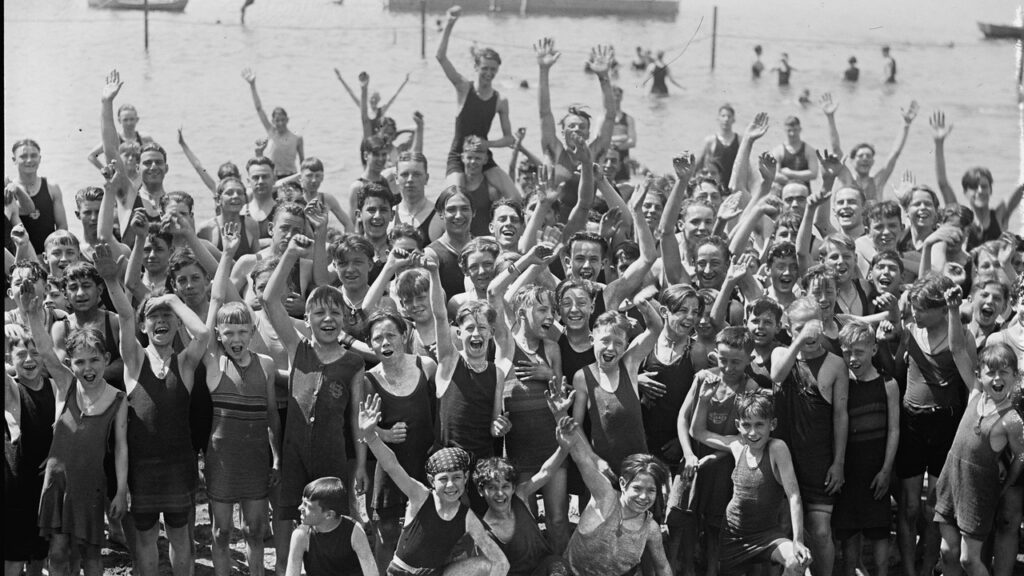

A century ago, Americans filled their free hours with ball games, beaches, radios, road trips, dances, movies, and some wonderfully eccentric contests. The clothing and settings feel distant, yet the pleasure of joining in remains familiar.
Arranged by year, this gallery draws chiefly from Library of Congress records, with added material from Smithsonian collections and public-domain images preserved on Wikimedia Commons.
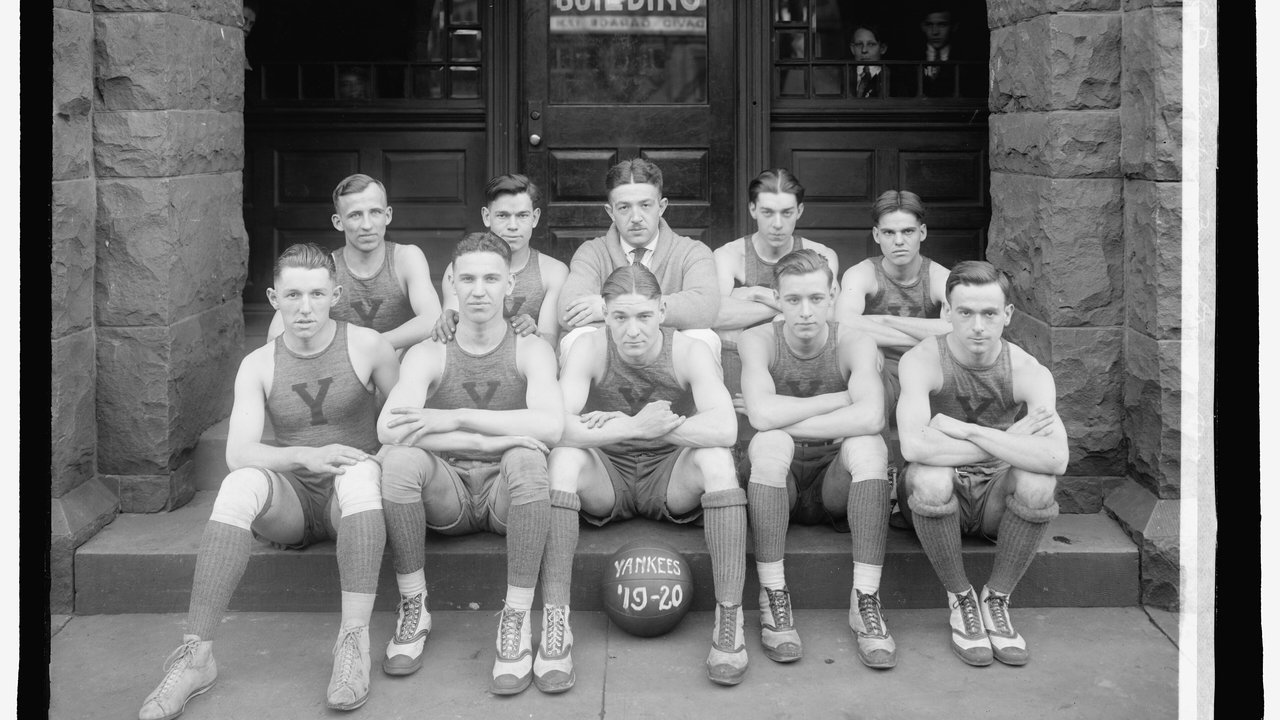

1920: Basketball Built Team Spirit
A Library of Congress image identifies this group as a YMCA basketball team from 1920. The uniforms, poses, and expressions belong to another era, but the team portrait still feels familiar. It captures one of recreation’s enduring rewards: gathering with friends and sharing the effort of a game.
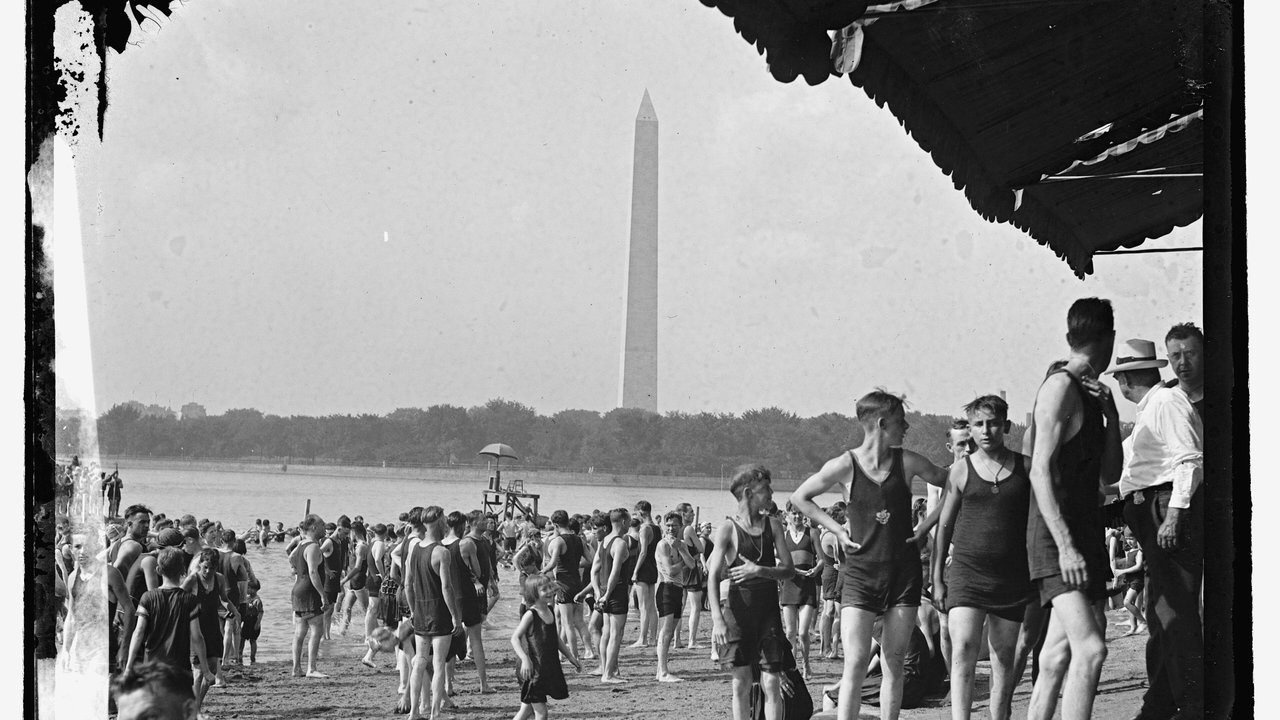

1920: Washington Opened Its Bathing Beach
Washington’s municipal bathing beach was photographed on May 29, 1920. On a warm day, the waterfront offered residents a place to swim, cool off, talk, and watch the passing scene. The picture preserves both a public recreation space and the easy sociability of an afternoon beside the water.
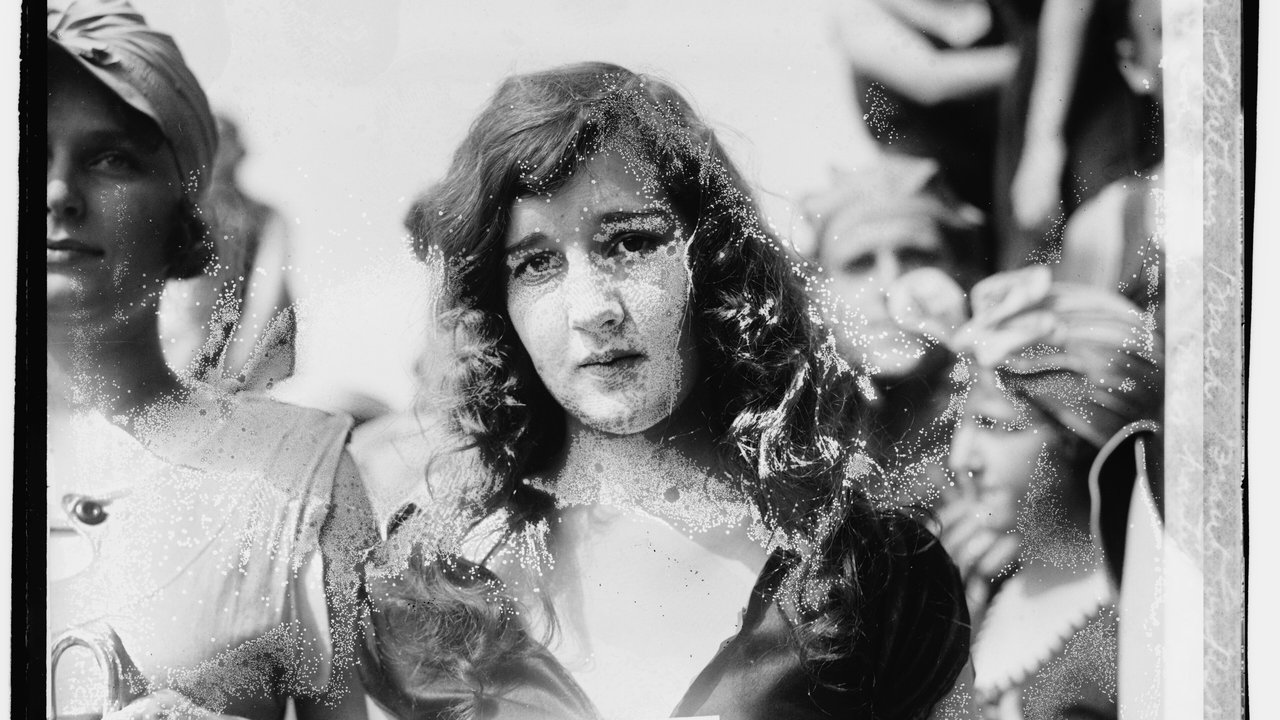
1920: Bathing Suits Became a Contest
The Library of Congress preserves a photograph labeled as a 1920 bathing-beach beauty contest. Contestants lined up in swimwear while the camera recorded a seaside diversion built around posing and presentation. Whatever the judging rules may have been, the gathering turned an ordinary beach visit into a public show.
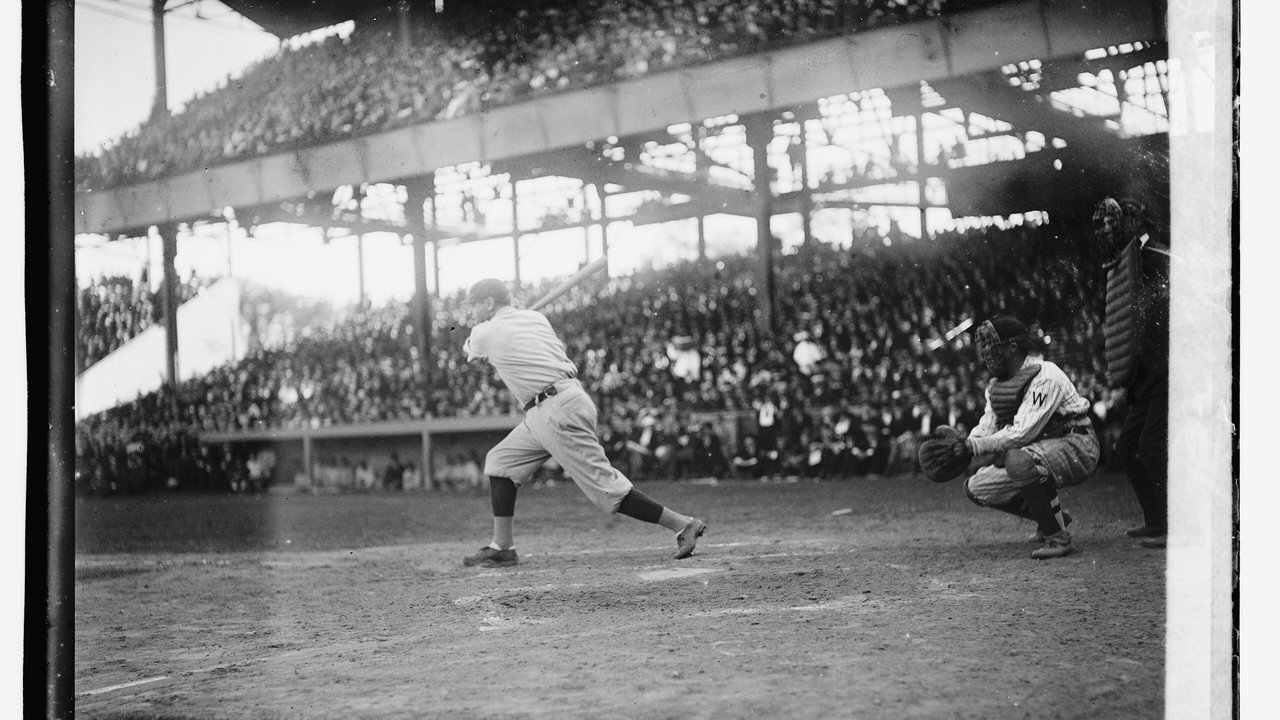

1921: Babe Ruth Drew Every Eye
The National Photo Company photographed Babe Ruth in 1921, preserving one of baseball’s most recognizable figures at the start of the decade. Fans did not need elaborate entertainment once the game began. A trip to the ballpark offered conversation, shared suspense, and the chance to watch a celebrated player in person.
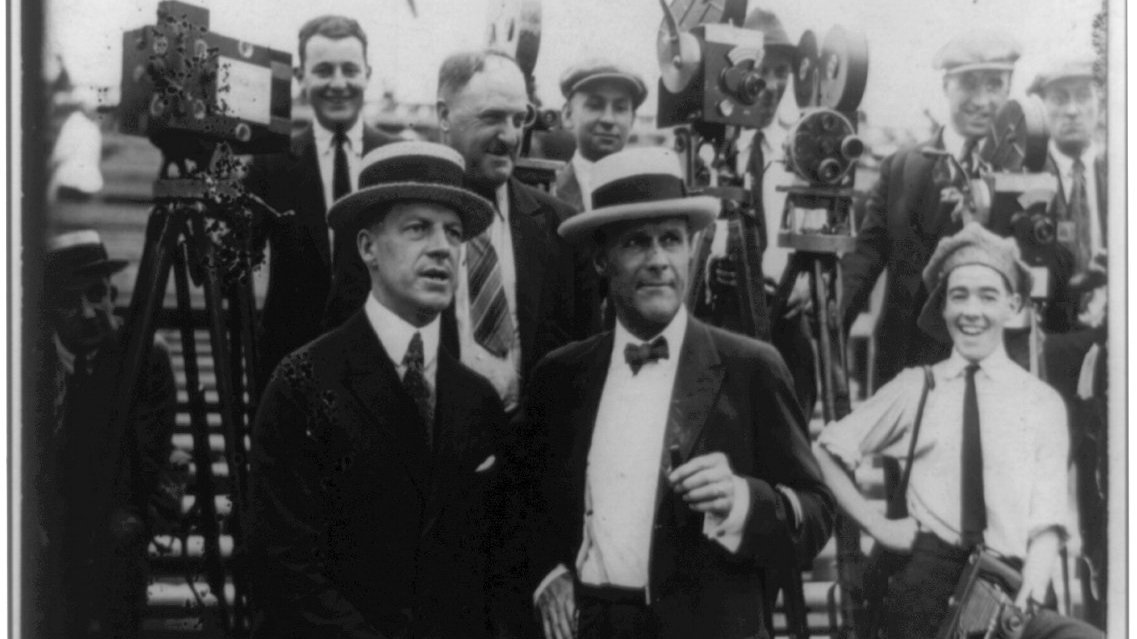

1921: Dempsey and Carpentier Met in the Ring
The Library of Congress dates its photograph of the Dempsey-Carpentier boxing match to approximately 1921. The fighters’ names, the ring, and the assembled spectators capture the anticipation surrounding a major bout. For those in attendance, watching the crowd and waiting for the opening bell were part of the experience.
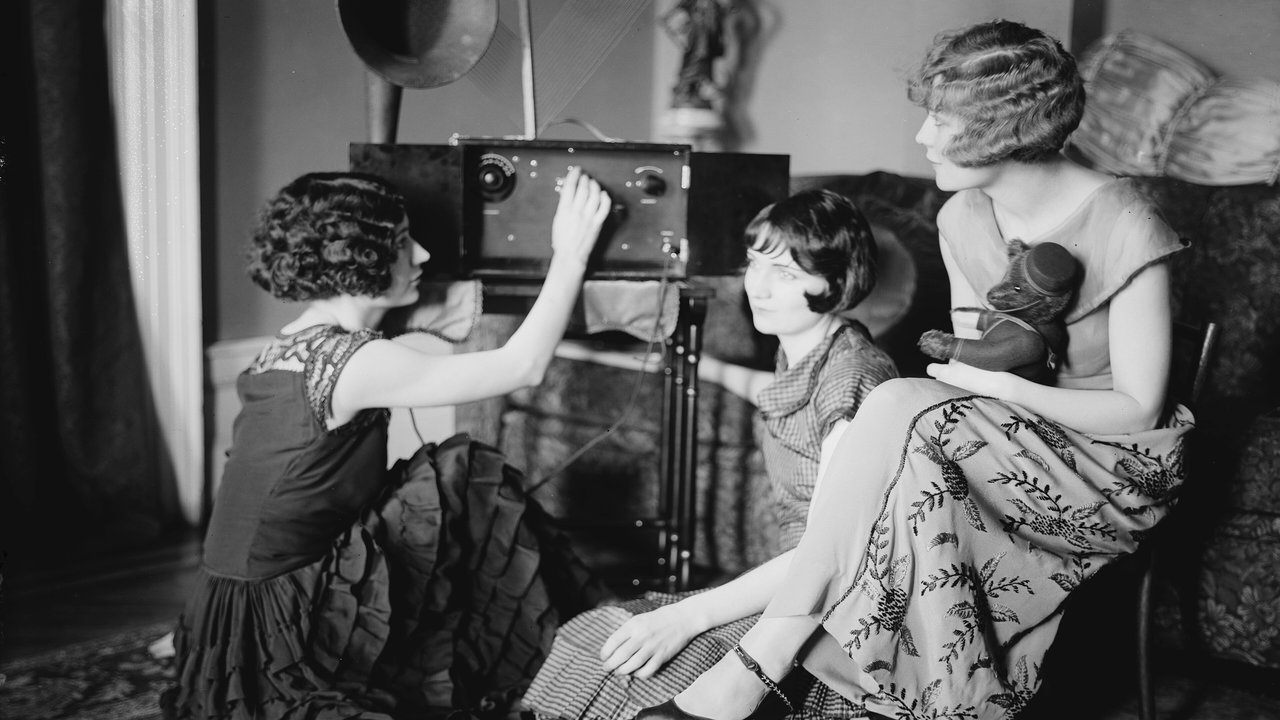

1922: The Radio Brought Entertainment Home
A 1920s Bain News Service photograph shows the Brox Sisters, a popular singing trio, gathered around a radio set at home. The receiver looks cumbersome now, but the scene captures a quiet form of leisure that remains recognizable: settle into a chair, tune in carefully, and let a distant voice fill the room.
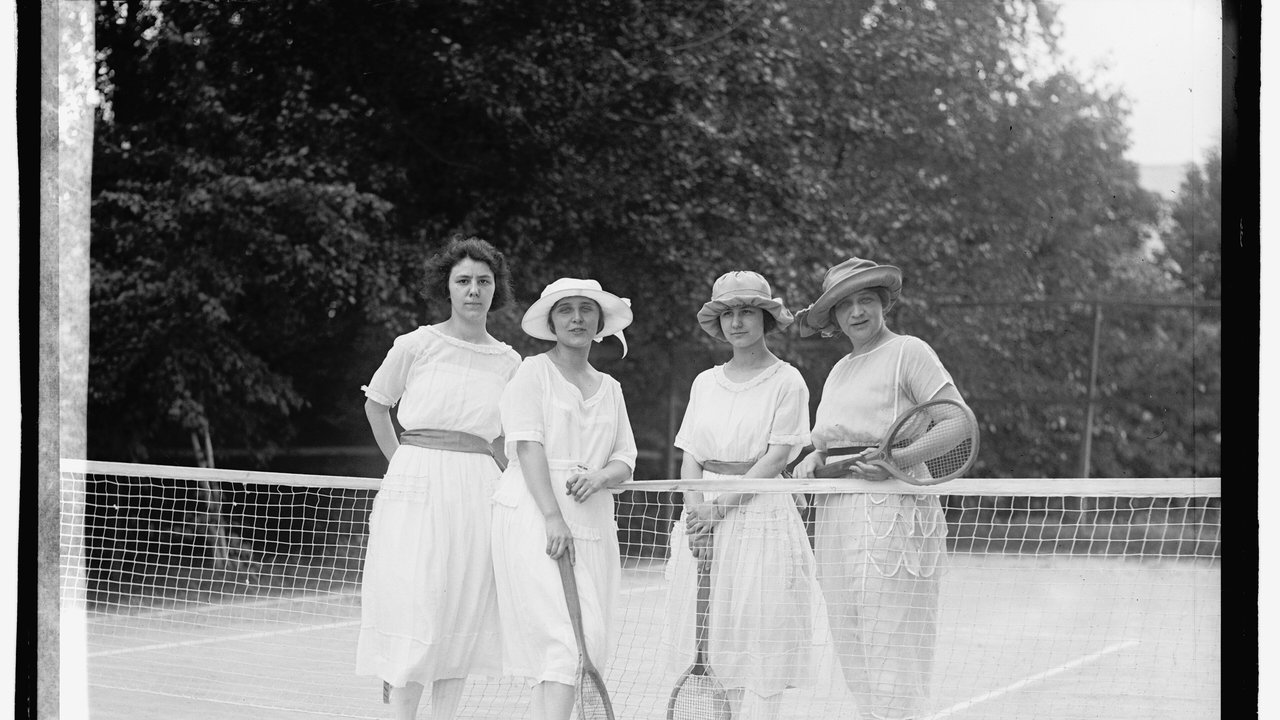
,_5-31-22_LOC_npcc.06492.jpg)
1922: Friends Met on the Tennis Court
Four women were photographed on a tennis court on May 31, 1922. Their gathering suggests an afternoon that could balance exercise with friendly company. Tennis needed no grandstand or championship stakes to be enjoyable; a court, four players, rackets, and a little competitive spirit were enough.
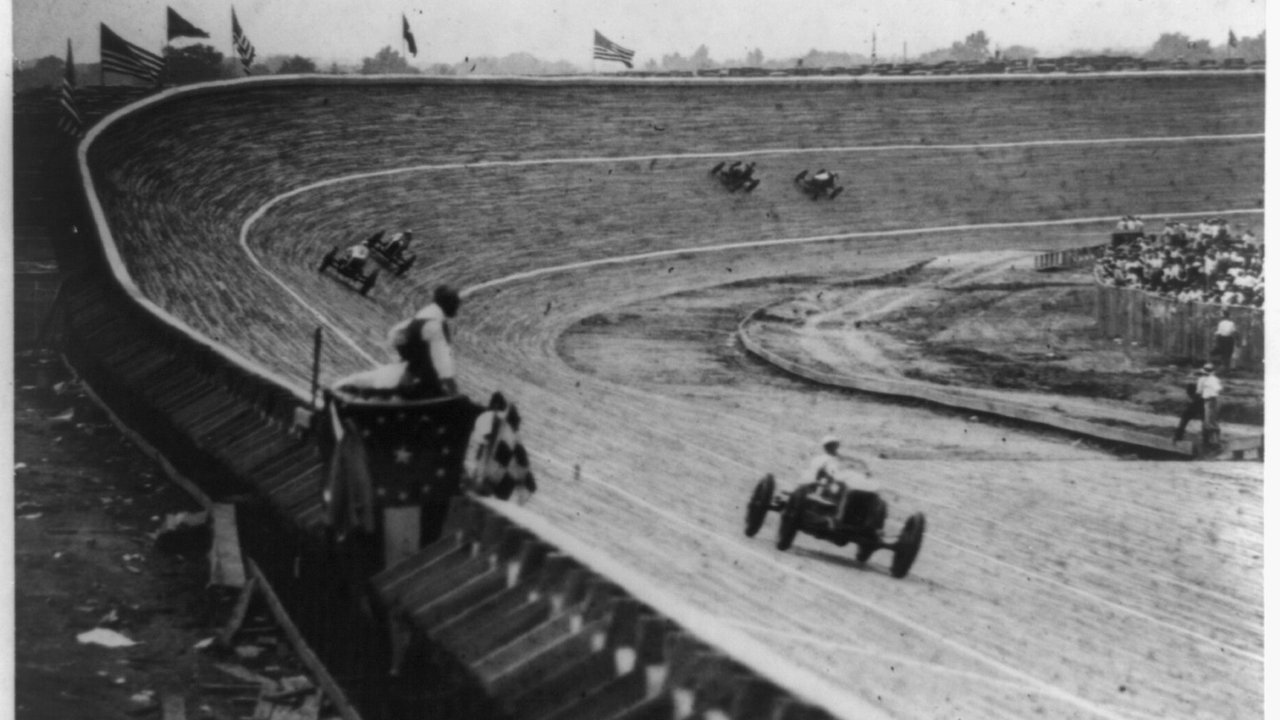

1922: Auto Racing Delivered Speed and Dust
The Library of Congress dates this automobile-racing scene from in or near Washington to approximately 1922. The spare-looking cars and open course placed drivers close to the dust and spectators close to the action. Speed, uncertainty, and the urge to see who finished first supplied the excitement.
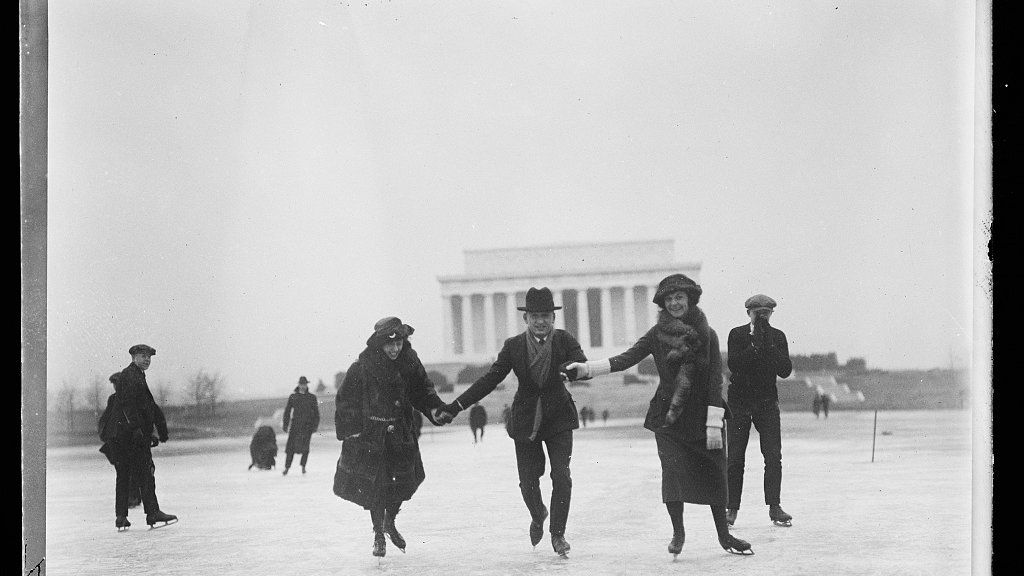

1922: Skaters Gathered at the Lincoln Memorial
A January 1922 photograph records ice skating at the Lincoln Memorial in Washington. The monumental setting became a winter playground as skaters took advantage of the cold. Gliding through such a familiar civic landscape must have made an ordinary outing feel unusually grand, even without formal races or organized entertainment.
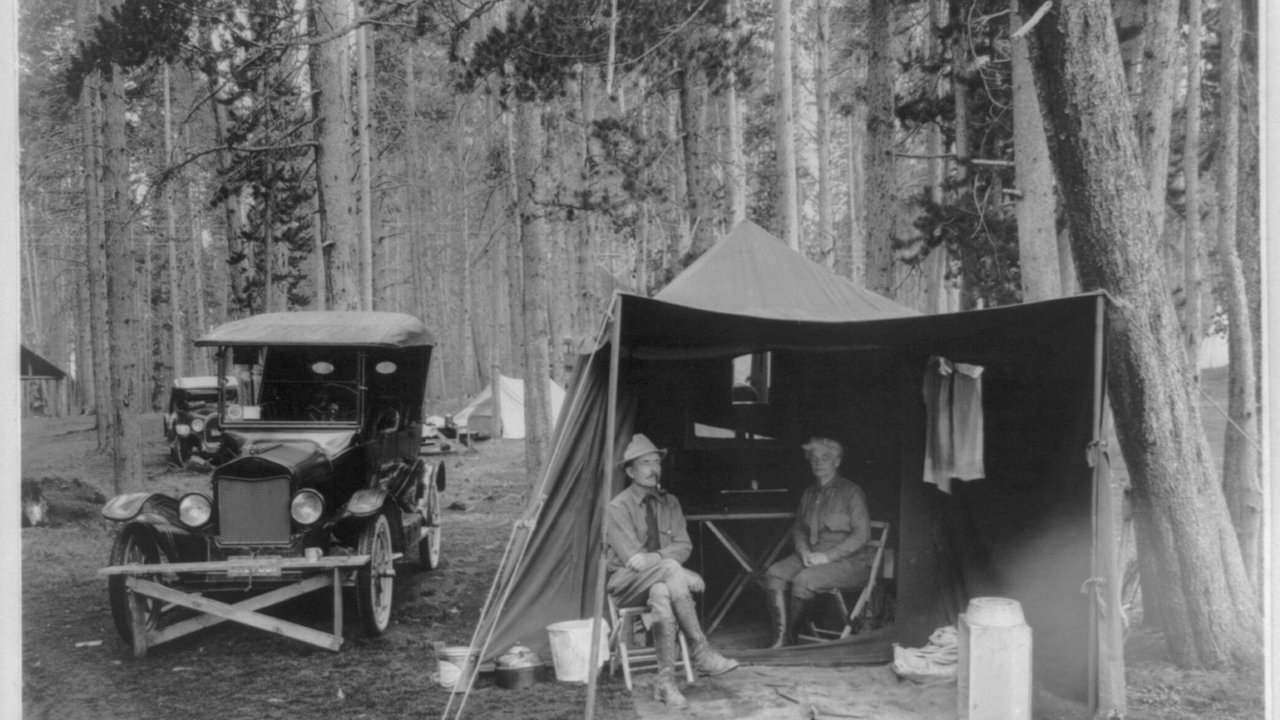

1923: Motorists Camped Near Yellowstone
A circa-1923 photograph shows a couple camping among trees, tents, and automobiles, probably in or near Yellowstone National Park. Auto camping combined travel with nights outdoors and time among fellow motorists. The setup appears basic, but it offered something road travelers still value: freedom to pause and enjoy the journey.
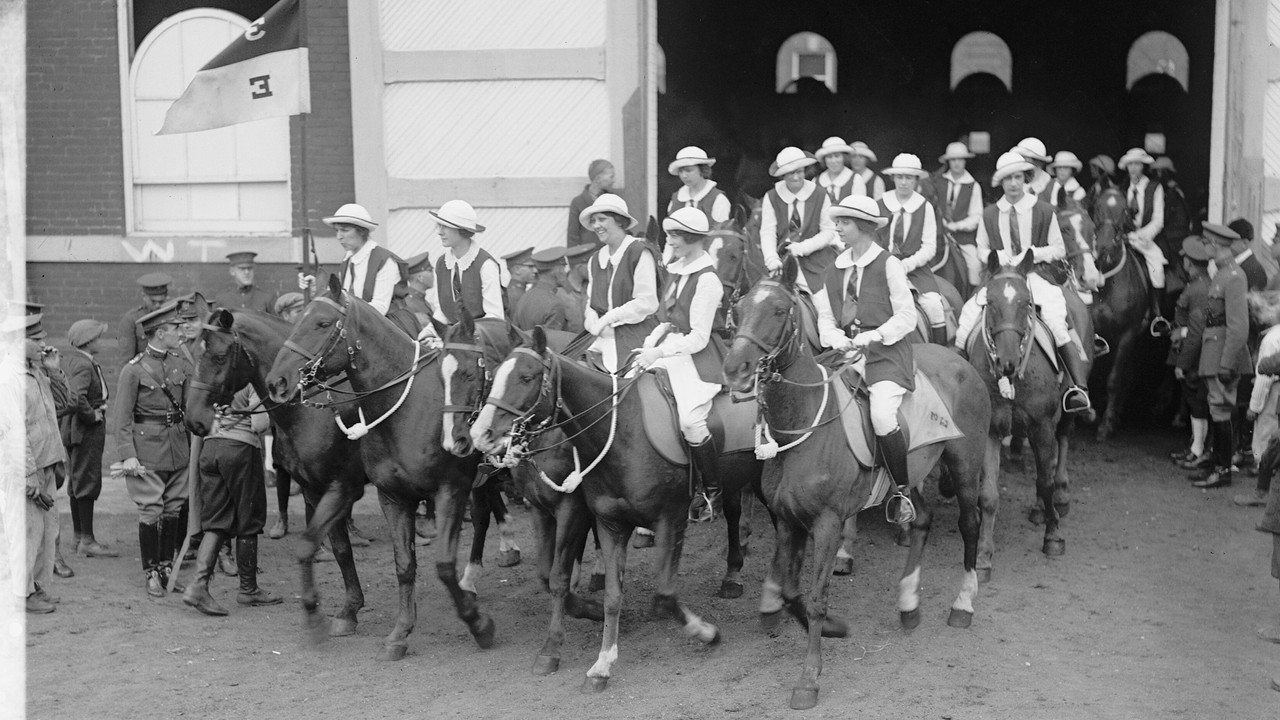

1923: Washington Staged a Society Circus
The National Photo Company photographed Washington’s Society Circus on April 4, 1923. Costumes, equestrian displays, and the prospect of live performance gave participants and spectators a break from routine. The circus theme supplied ready-made drama, while the community setting allowed local performers to become part of the spectacle.
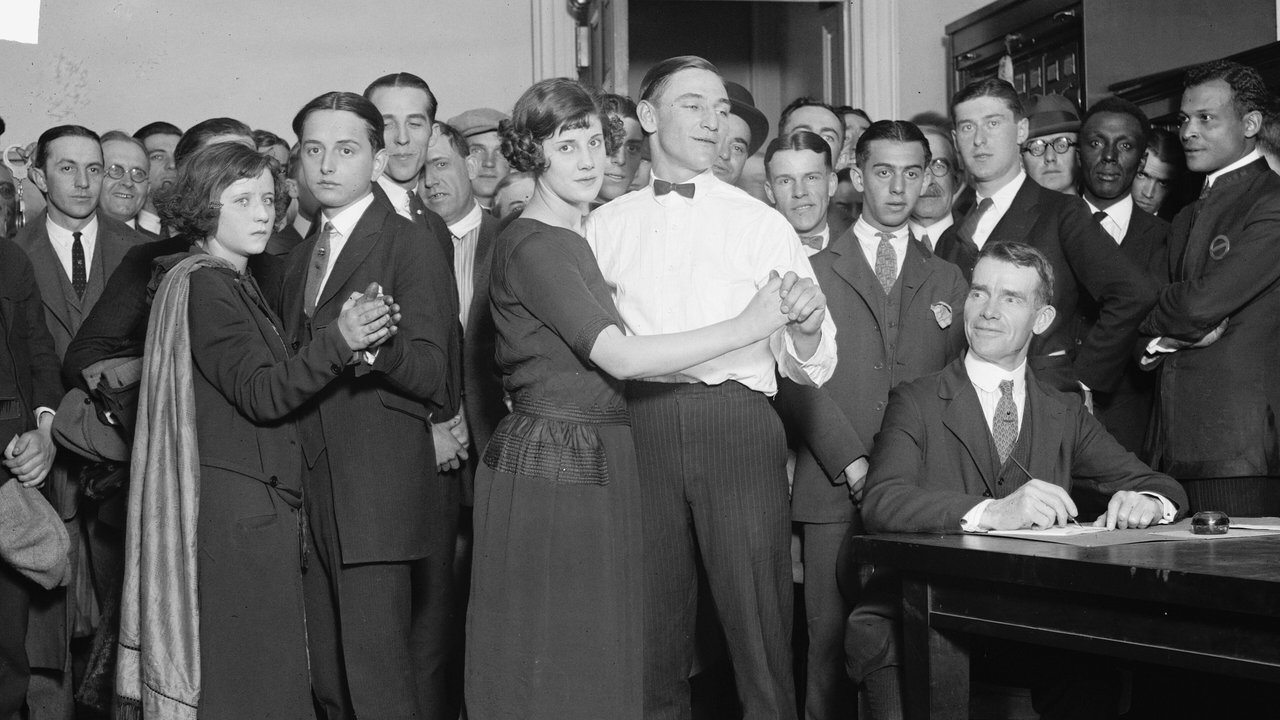

1923: Dance Marathons Tested Endurance
The National Photo Company photographed marathon dancers on May 10, 1923. The event turned a familiar social activity into a test of persistence, with couples continuing while spectators watched. Dancing remained the basic action, but the marathon format added suspense: how long could the participants keep moving?
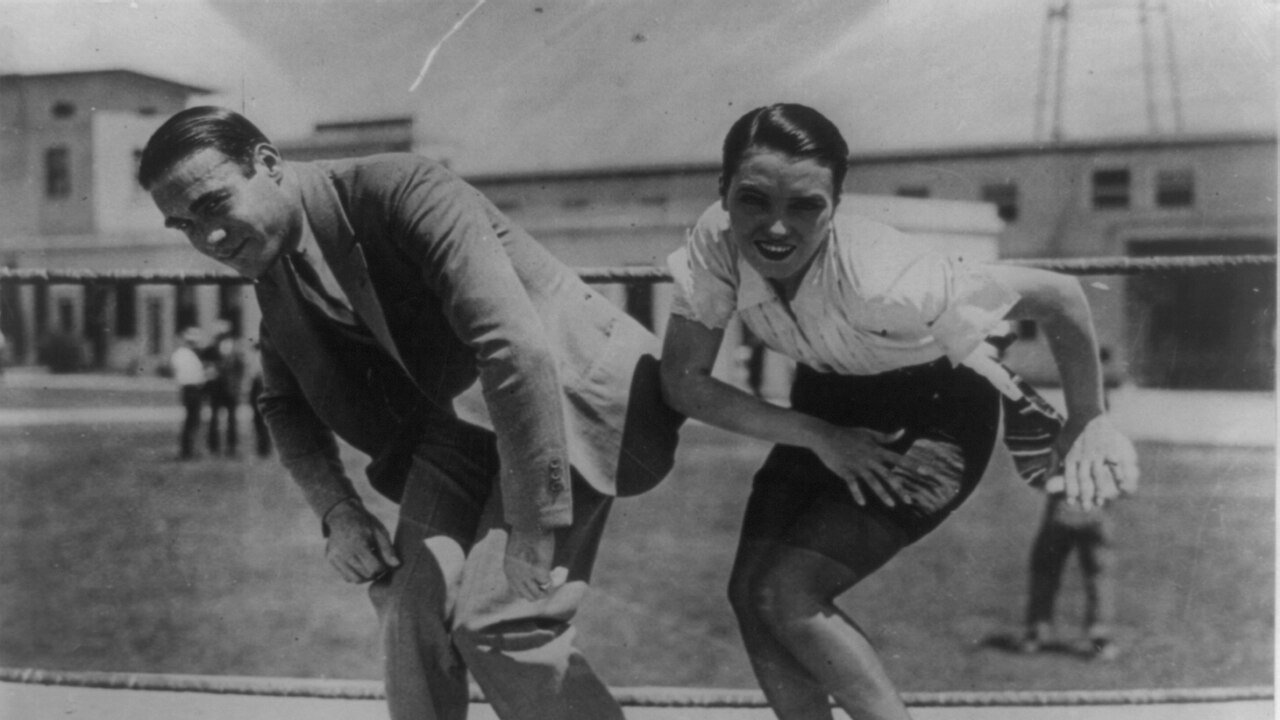
1923: The Charleston Reached the Stage
The Charleston was first performed onstage in the 1923 musical Runnin’ Wild. Its appearance in a theatrical production placed energetic dancing at the center of the show. By 1925 the dance was moving into the movies; in this photograph, instructor Frank Farnum coaches actress Pauline Starke.
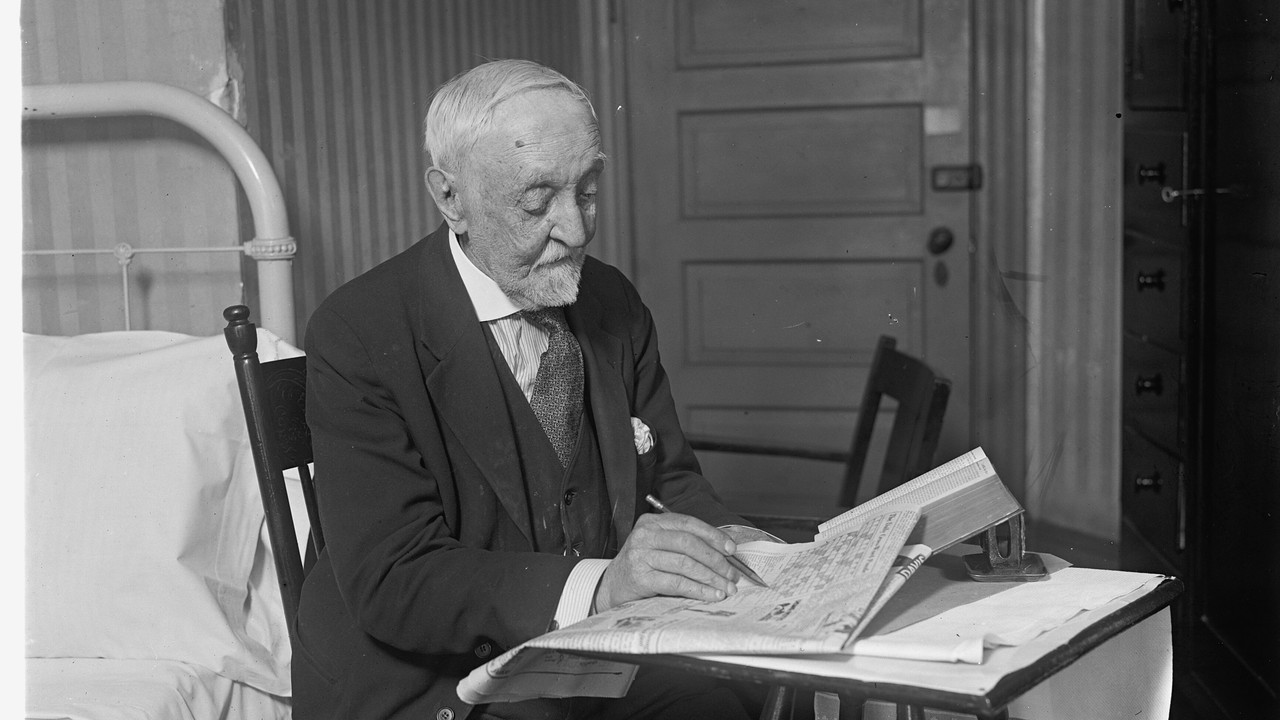

1924: Crosswords Filled Idle Hours
The Library of Congress holds Idle Hour Cross-Word Puzzler, published around 1924 and described as a pastime for everyone. A pencil, a grid, and a set of clues could turn a quiet break into a satisfying challenge. The portable book suited trains, porches, waiting rooms, and comfortable evenings at home.
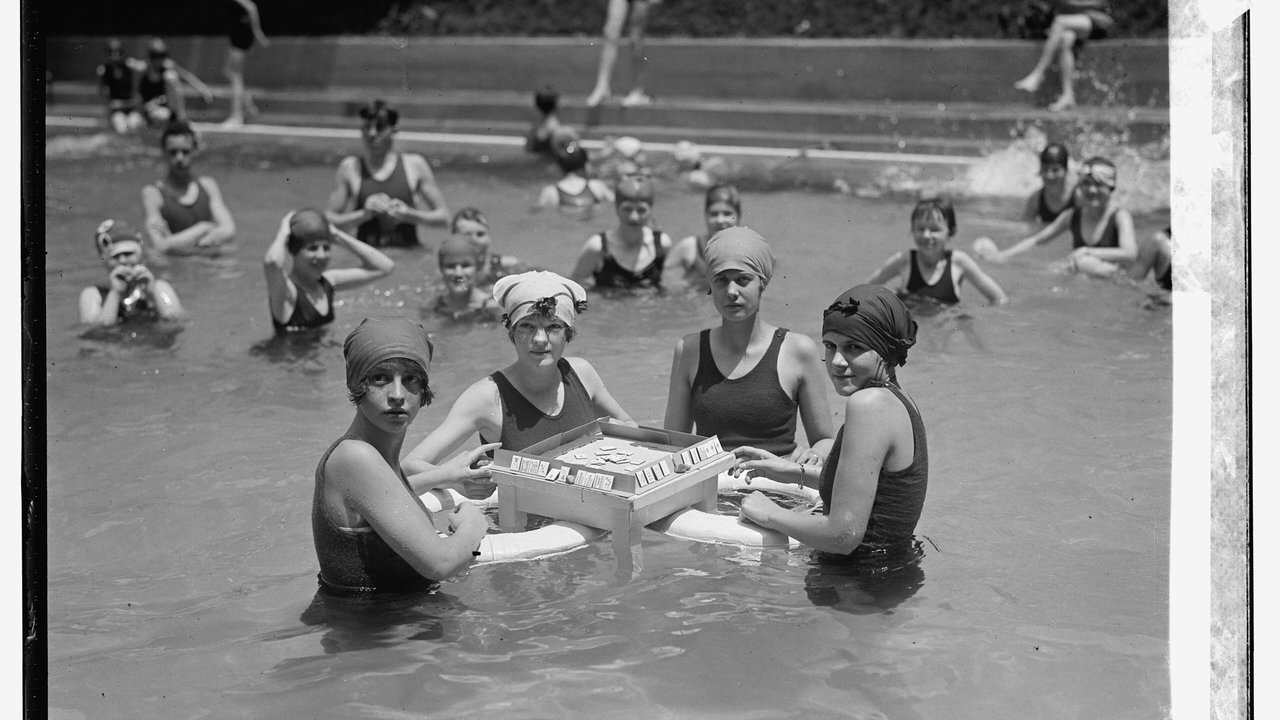

1924: Mah-Jong Reached the Bathing Beach
The National Photo Company photographed people playing Mah-Jong at a bathing beach on June 20, 1924. Tiles and a steady surface were enough to carry the parlor game outdoors. Beside the water, play could encourage conversation, concentration, and friendly rivalry between swims or while enjoying the summer air.
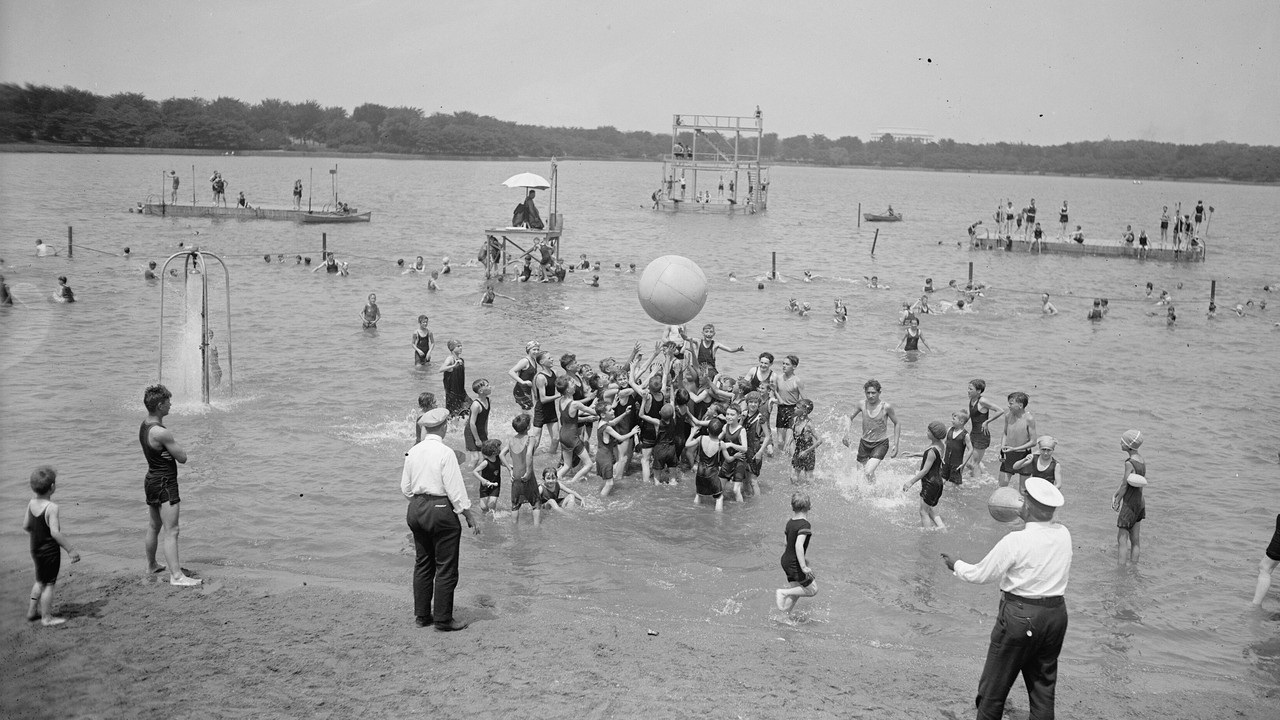

1924: Swimmers Tried Push Ball
A historic survey records swimmers playing push ball at Washington’s bathing beach in 1924. The oversized ball invited a group to push, scramble, and improvise in the water. It was the sort of game in which cooperation and confusion arrived together, making the struggle itself more memorable than the final score.
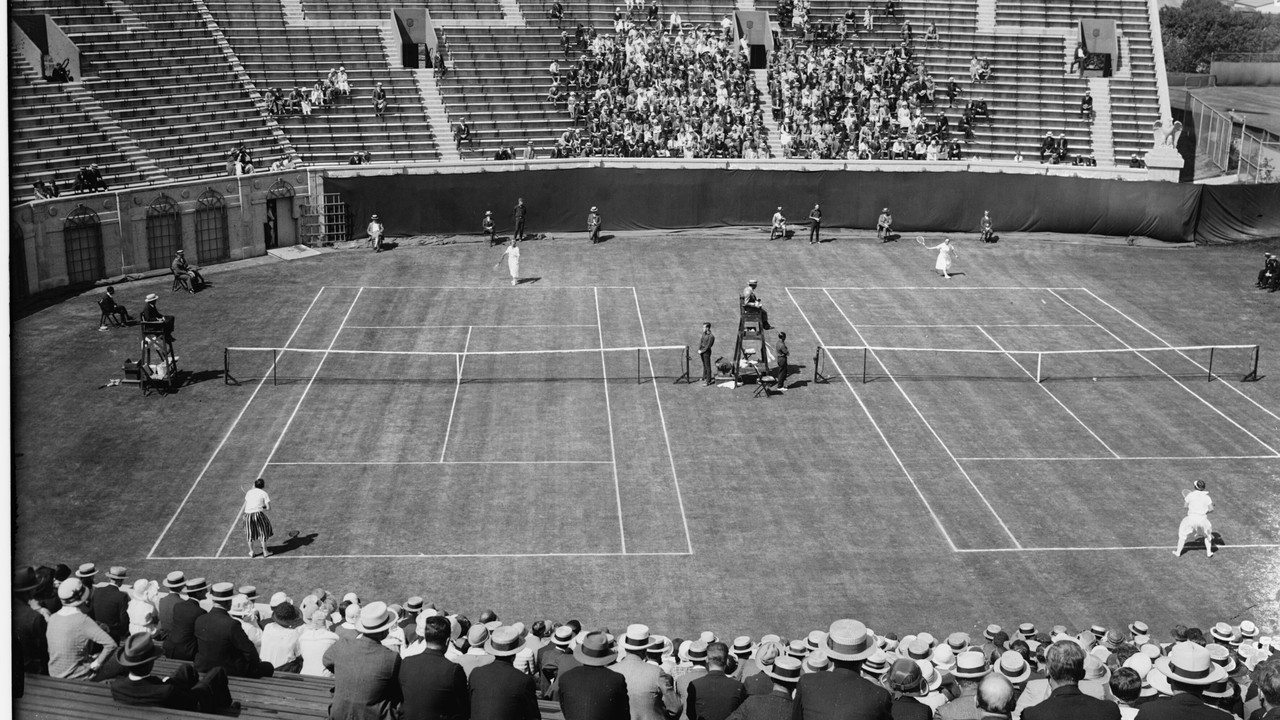

1924: Forest Hills Hosted Women’s Tennis
The Bain News Service photographed the Women’s Tennis Championship at Forest Hills in 1924. The image captures organized competition rather than a casual afternoon match. Spectators could follow favorite players, study their technique, and spend hours beside the courts as each point shifted the momentum of the contest.
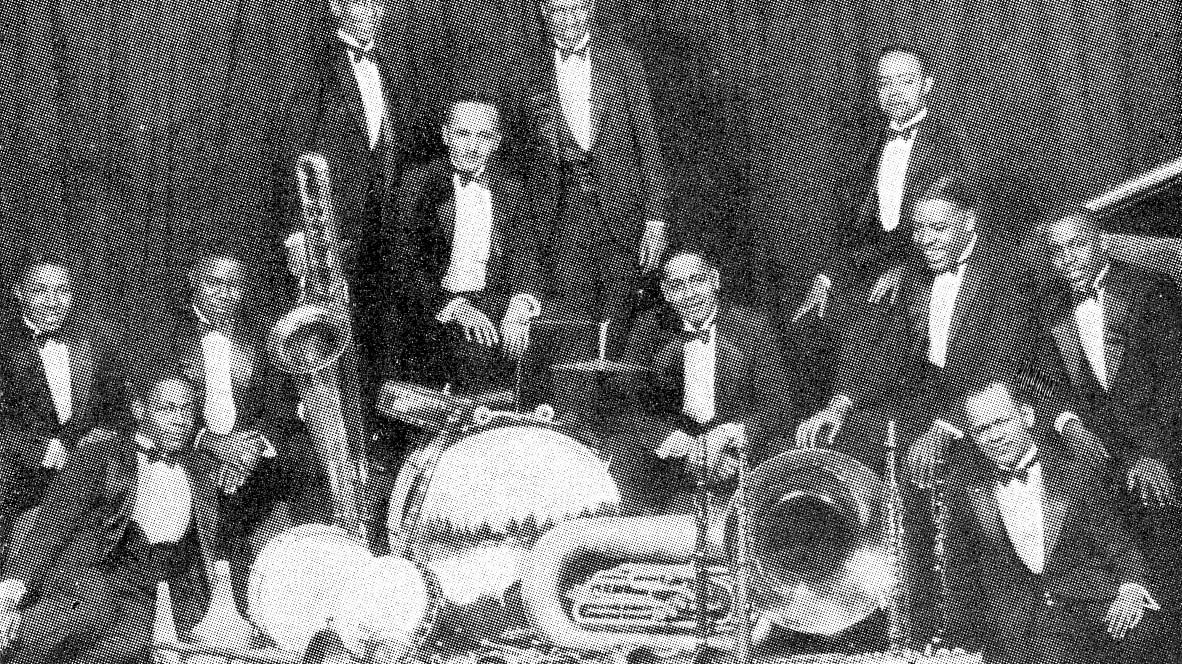

1925: Fletcher Henderson Set the Dance Tempo
Fletcher Henderson and His Orchestra had a best-selling record with Sugar Foot Stomp as early as 1925. For listeners, a successful recording could supply the soundtrack for an evening with friends. Put the record on, clear a little floor space, and the living room was ready for dancing.
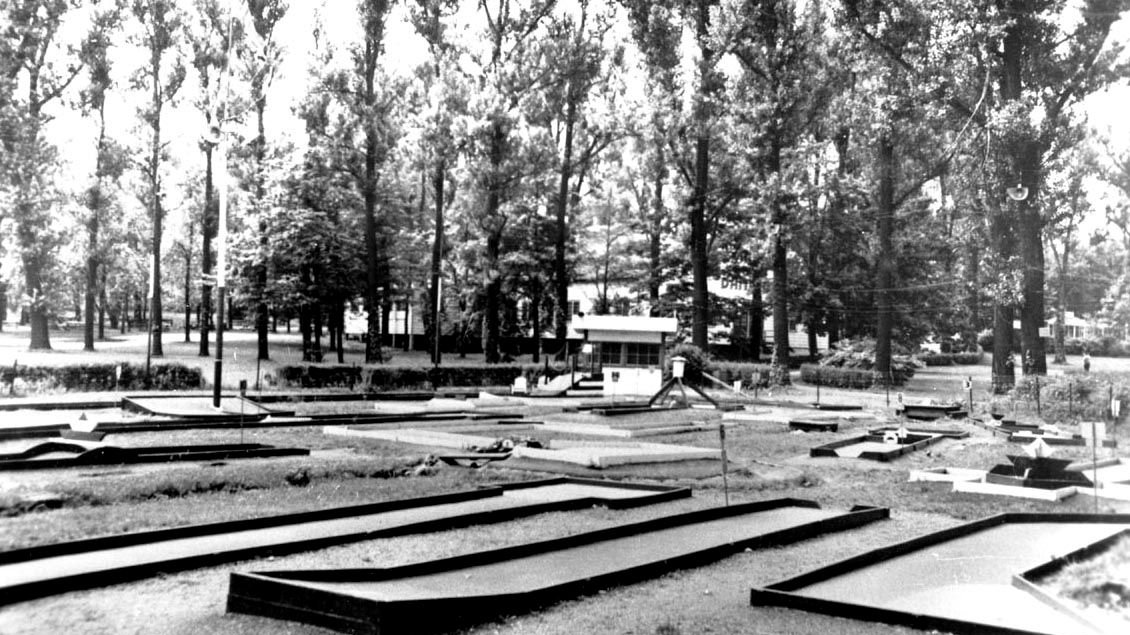

1925: Miniature Golf Was Photographed in Central Park
A public-domain photograph documents miniature golf at Central Park in Allentown, Pennsylvania, in 1925. The compact course offered a playful version of putting that friends could tackle together. Each small challenge created another chance for a careful shot, an unlucky bounce, or good-natured teasing from the group.
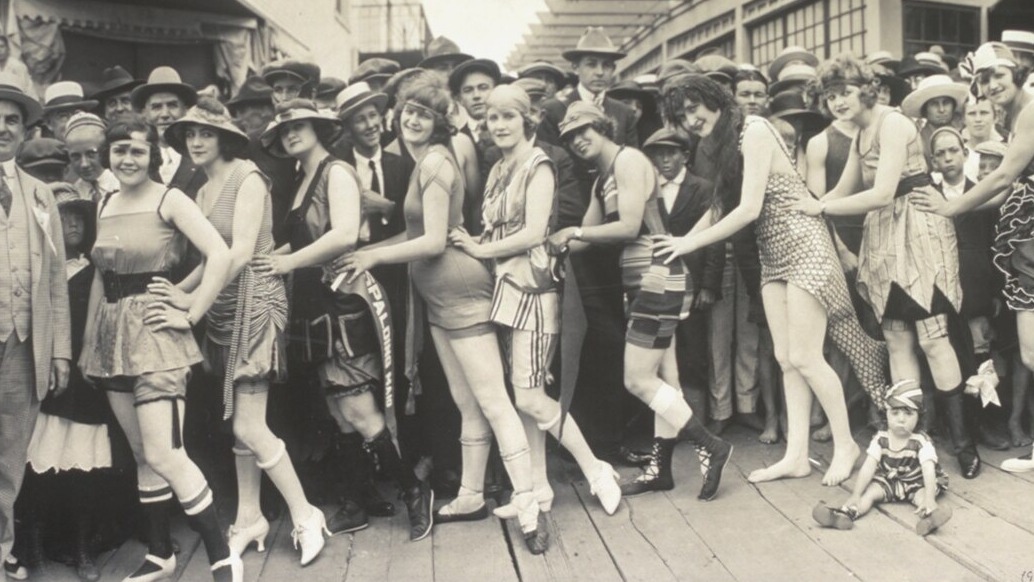
The 1920s: Bathing Girl Parades Drew Crowds
A Library of Congress panorama records a Bathing Girl Parade at Balboa Beach, California, on June 20, 1920. Lined up beside the water, the participants made swimwear and presentation part of the day’s entertainment, and the beach provided a naturally theatrical setting for a seaside pageant.
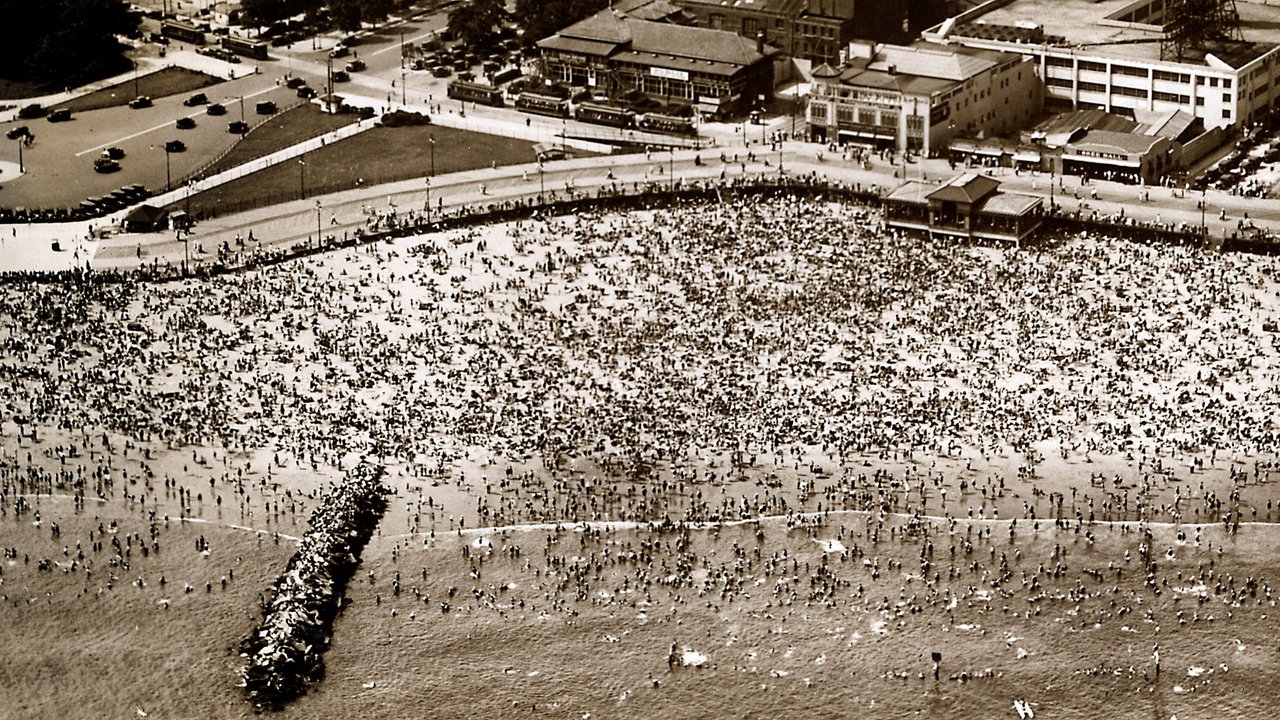

1925: Coney Island Packed the Beach
An aerial photograph from the late 1920s or early 1930s shows Coney Island’s beach packed with bathers. A beach day there meant sharing the shore with countless other visitors drawn by the ocean and surrounding attractions. Swimming, food, piers, and people-watching combined in one of New York’s best-known recreation districts.
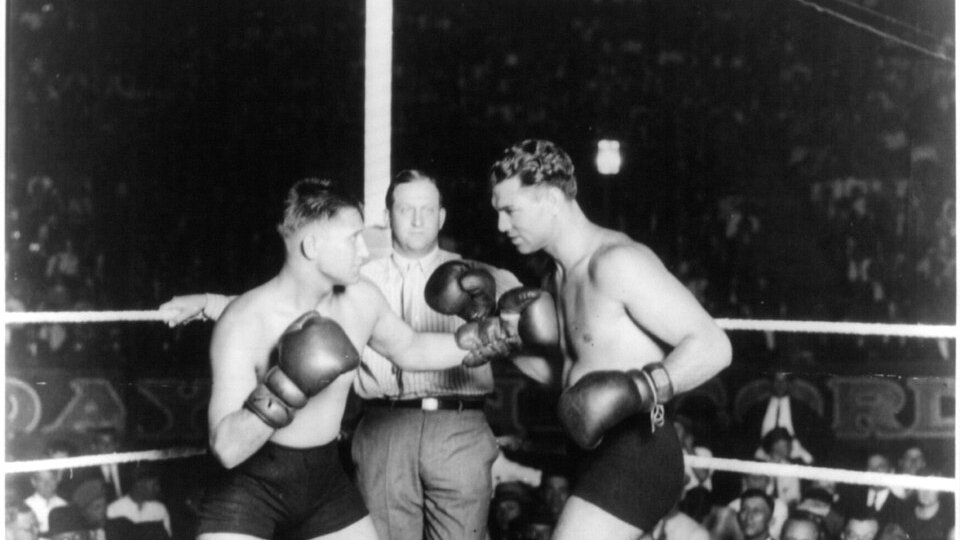
1925: Jack Dempsey Boxed Before a Crowd
A 1925 photograph shows Jack Dempsey preparing to exchange punches with Gus Wilson before a large San Antonio crowd as referee Ray Newman watches. The scene brings athletic skill, celebrity, and public excitement together around the ring. Even before a punch landed, the spectators had plenty to study.
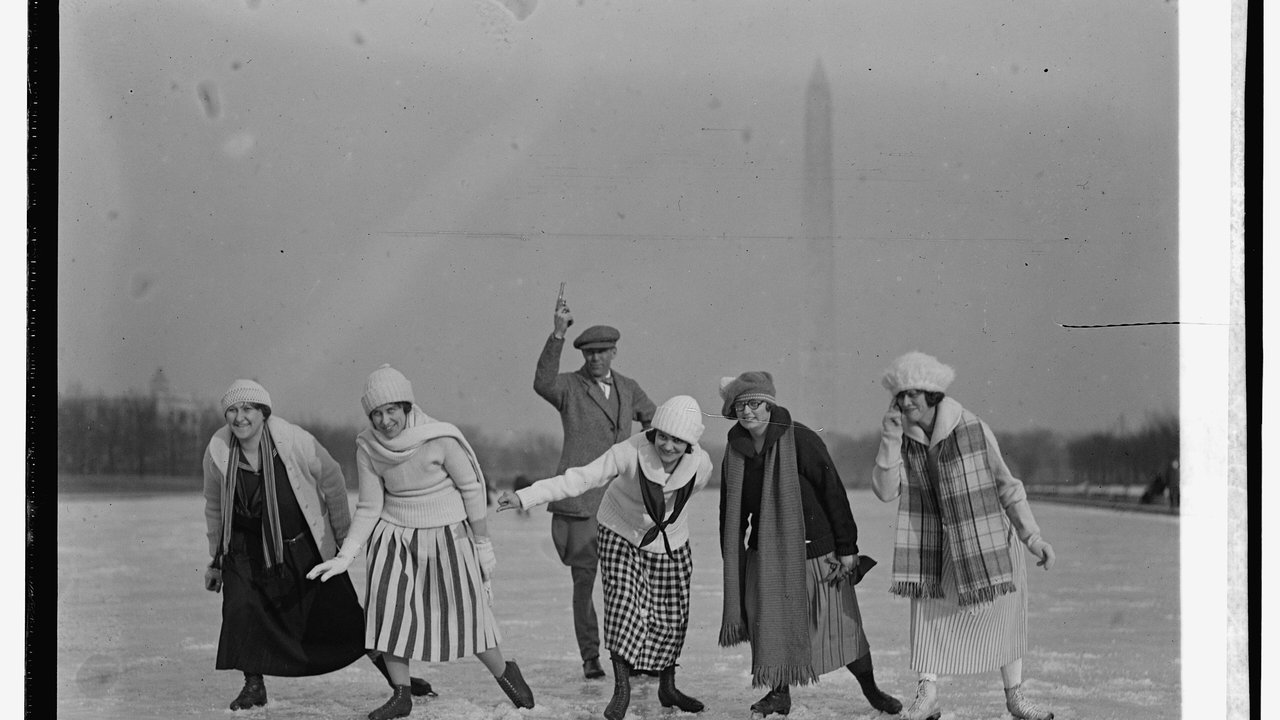

1925: An Ice Carnival Became Race Day
A girls’ race took place during an ice carnival on Washington’s Reflecting Pool on February 4, 1925. The organized start added competition to a winter gathering, while spectators watched from nearby. Cold weather briefly transformed a familiar public space into a track for skaters and a meeting place for neighbors.
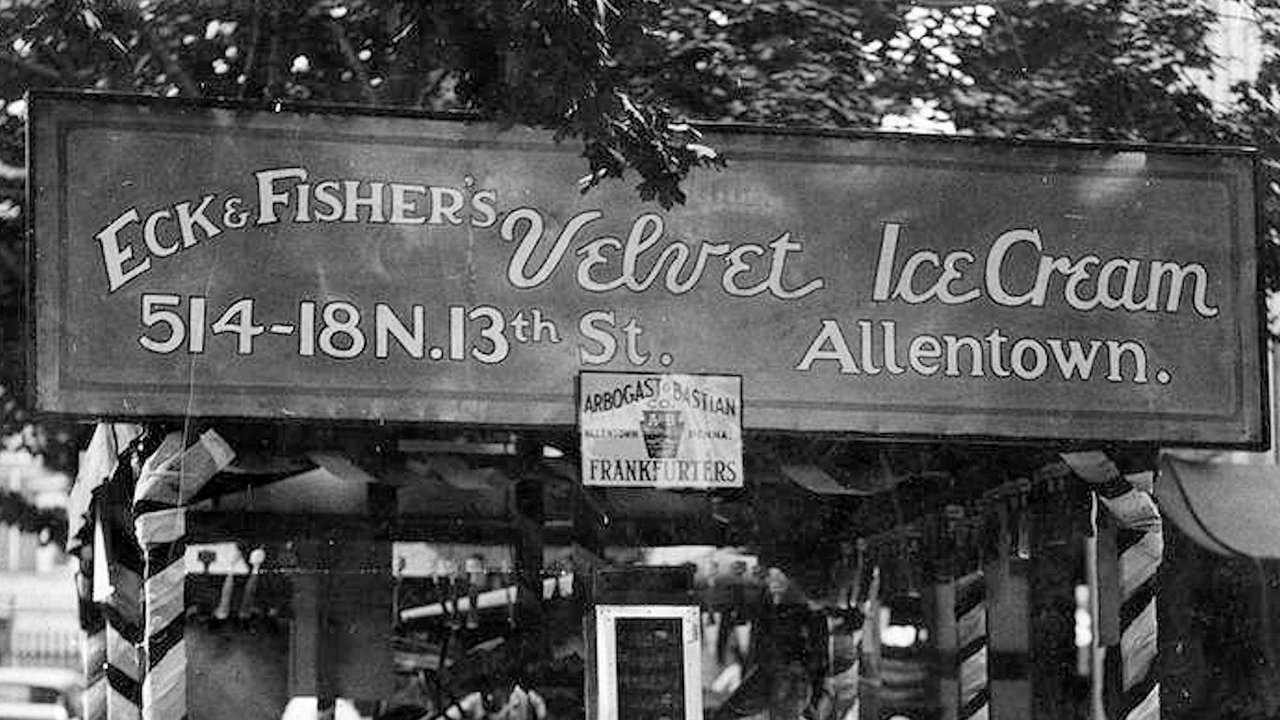

1925: Ice Cream Marked the Allentown Fair
A public-domain photograph shows the Eck and Fisher ice-cream stand at the Allentown Fair in 1925. The stand itself is the attraction here, offering a simple pleasure amid the bustle of a public event. A cold treat, a few companions, and somewhere lively to linger can make an outing memorable.
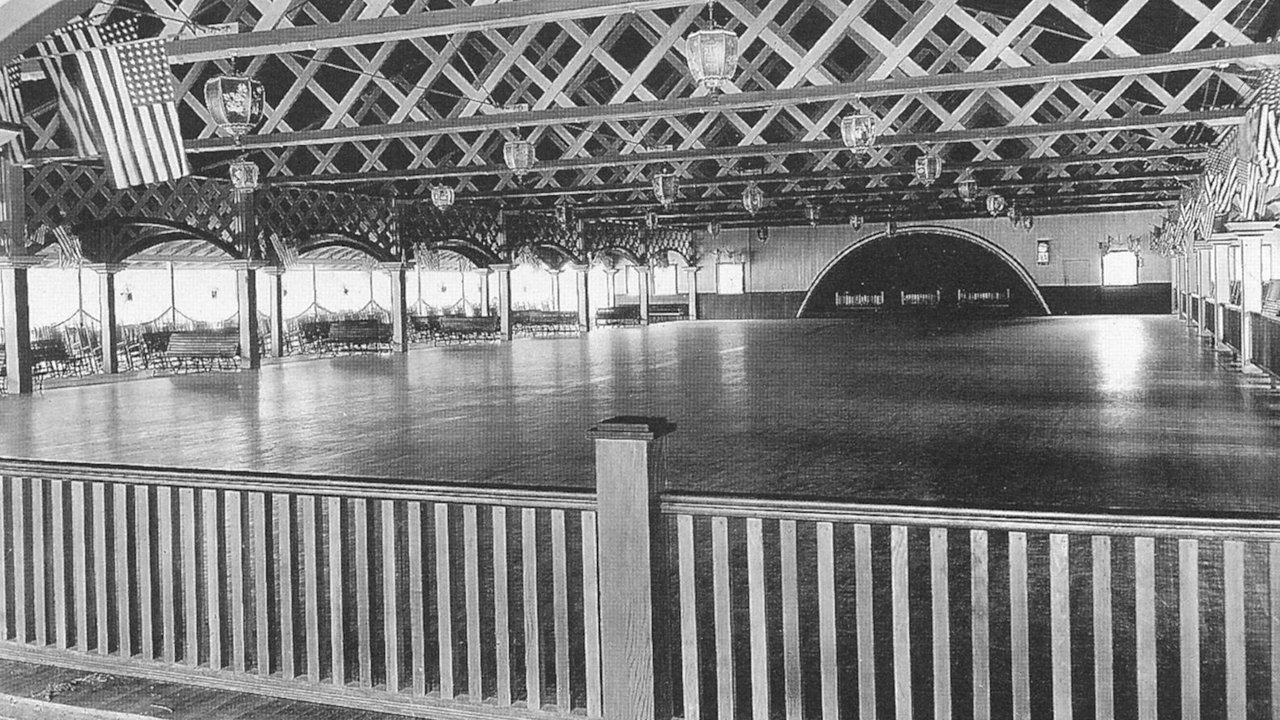

1926: Castle Garden’s Dance Floor Was Photographed
A 1926 photograph documents Castle Garden Ballroom at Dorney Park in Allentown, Pennsylvania. The large dance floor offered room for couples to turn, step, and follow the music together. A ballroom outing could include polished shoes, a favorite tune, and the pleasant uncertainty of who might ask for the next dance.
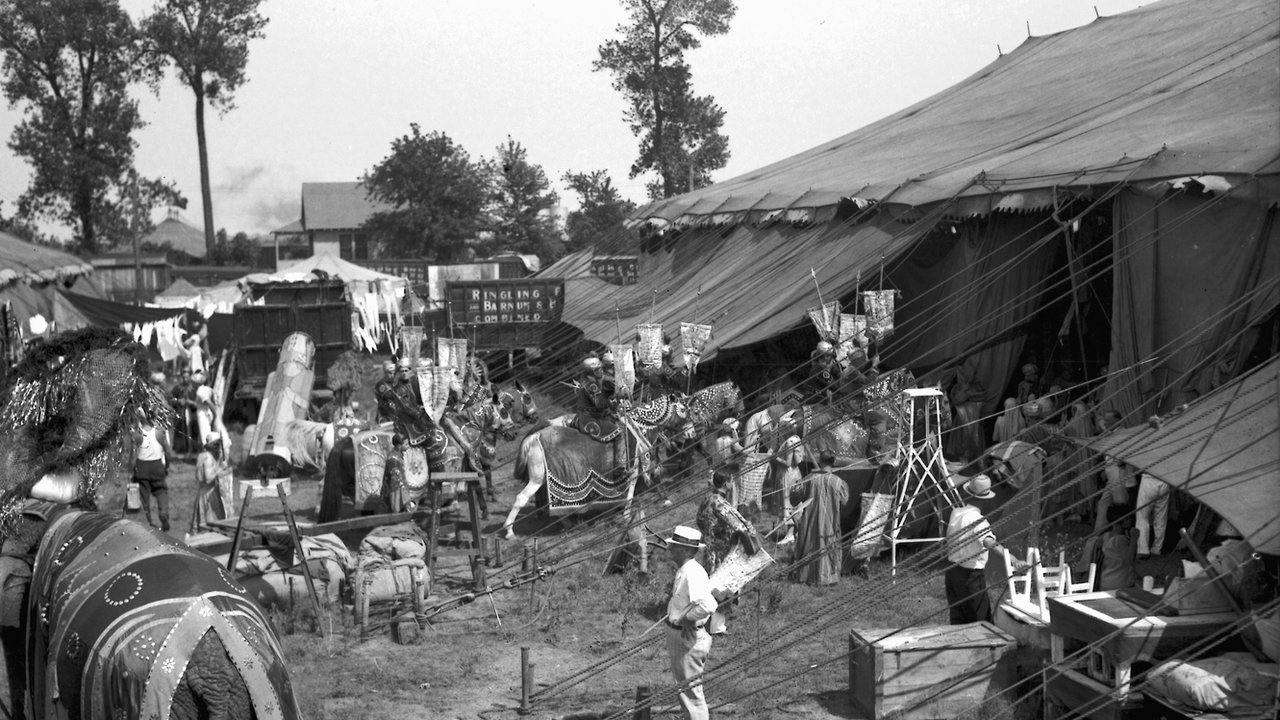

1928: The Circus Prepared Behind the Big Top
A 1928 photograph records a backyard scene at the Ringling Brothers and Barnum & Bailey circus shortly before a production number. Horses, elephants, costumes, and carefully coordinated movement helped create the spectacle audiences saw. Behind the apparent magic stood workers and performers preparing each detail before showtime.
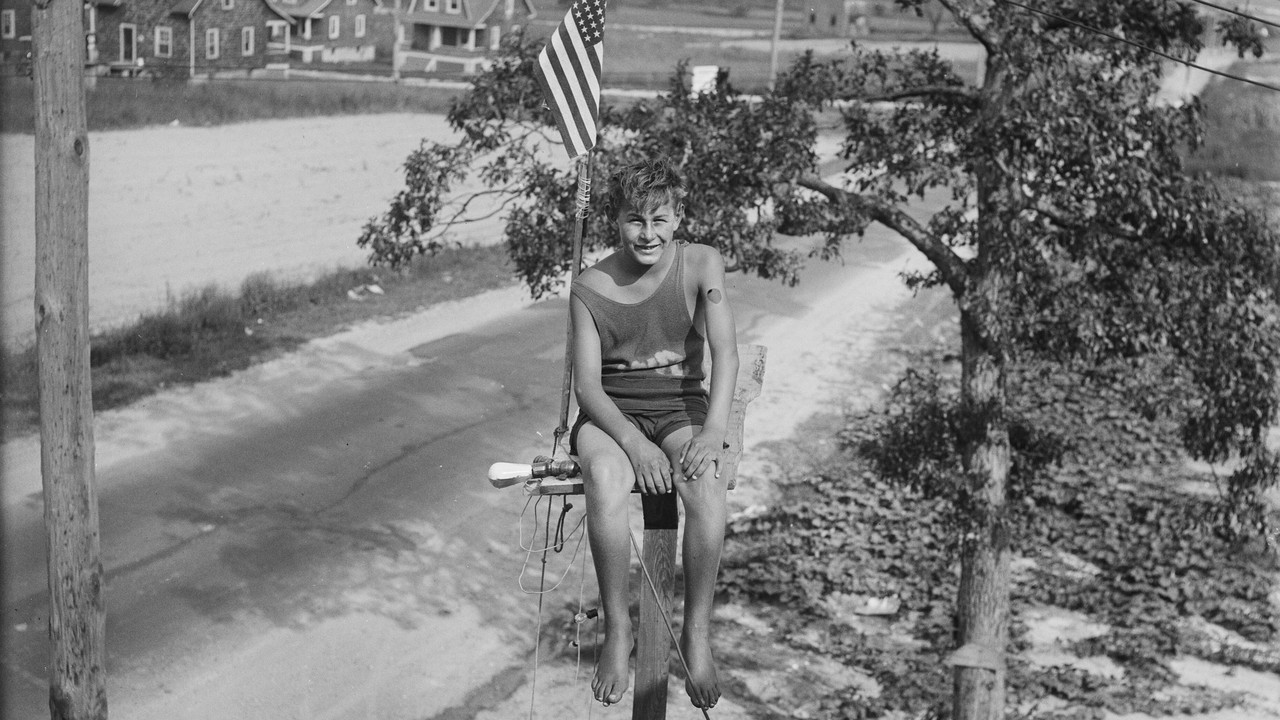

1929: William Ruppert Sat for a Record
In 1929, William Ruppert of Colgate, Maryland, was photographed atop a flagpole in his family’s yard after breaking a 23-day pole-sitting record. The feat required little visible action, yet its stubborn oddity made it hard to ignore. Neighbors did not need to travel far to follow the attempt.
These images show that a memorable day often began with good company, a little curiosity, and somewhere interesting to gather. Which of these pastimes would you most enjoy trying for a day?
Follow Lilyon on MSN for more stories like this.
Sources: