


Victorian life can look familiar until a concealed parent, wheeled bathing room, ghostly double exposure, or electrified face enters the frame. These images move roughly from the dawn of portrait photography to the arrival of X-rays.
The photographs and facts were checked against national libraries, museums, scientific collections, and historic archives. Together, they show genuine customs and experiments while separating documented history from stories that have grown stranger online.

A Selfie at Photography’s Dawn
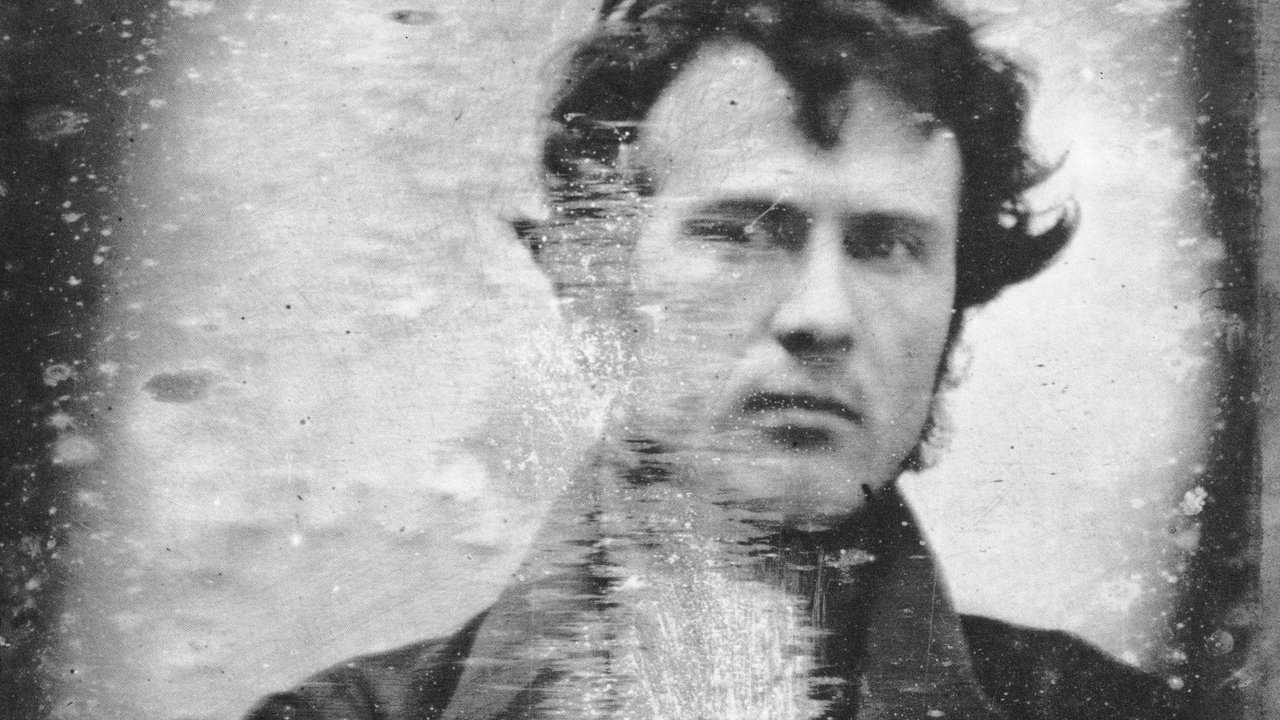
In 1839, Philadelphia photographer Robert Cornelius created an extraordinarily early self-portrait outdoors. Early daguerreotypes required exposures measured in minutes, so making one alone demanded careful preparation and remarkable stillness. His tousled hair and off-center pose feel surprisingly relaxed beside the formal portraits that soon filled Victorian albums.

Victorians Really Did Smile
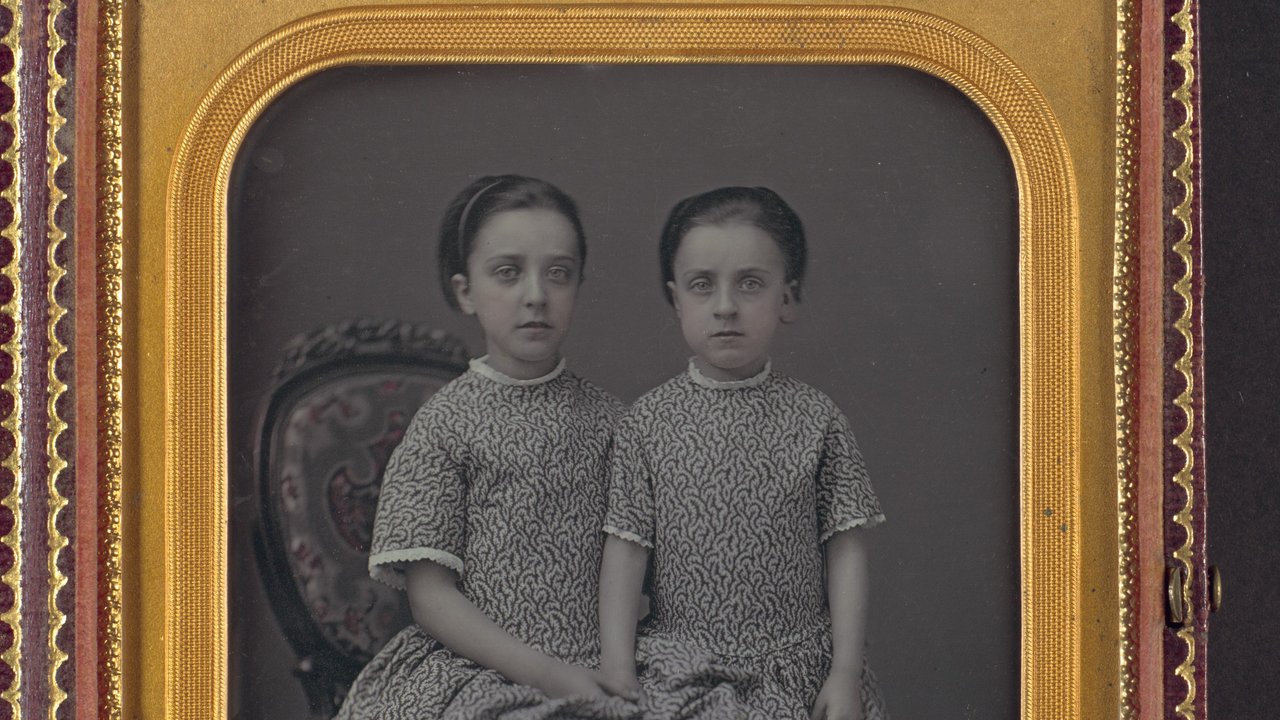
Victorian portraits are famous for stern faces, but the idea that nobody smiled is false. Early daguerreotypes could require exposures lasting three to fifteen minutes, which made holding any expression difficult. Surviving examples still show unmistakably smiling sitters, including two girls in matching dresses whose portrait directly contradicts the familiar myth.

Not Every Solemn Portrait Shows the Dead
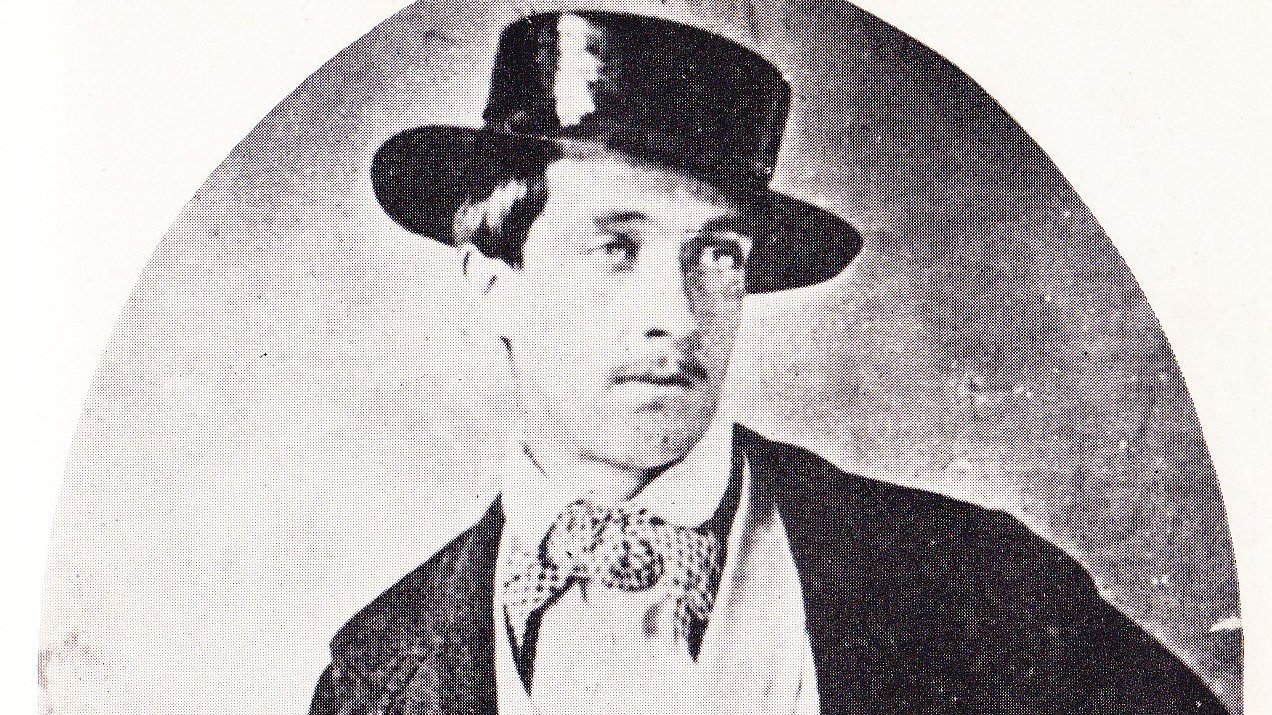
Victorian postmortem photography did exist as a way to memorialize loved ones. However, the internet has turned many ordinary, solemn portraits into supposed death pictures. One Smithsonian catalog entry explains that an image may look postmortem yet probably is not. A rigid pose or concealed support alone is not proof.
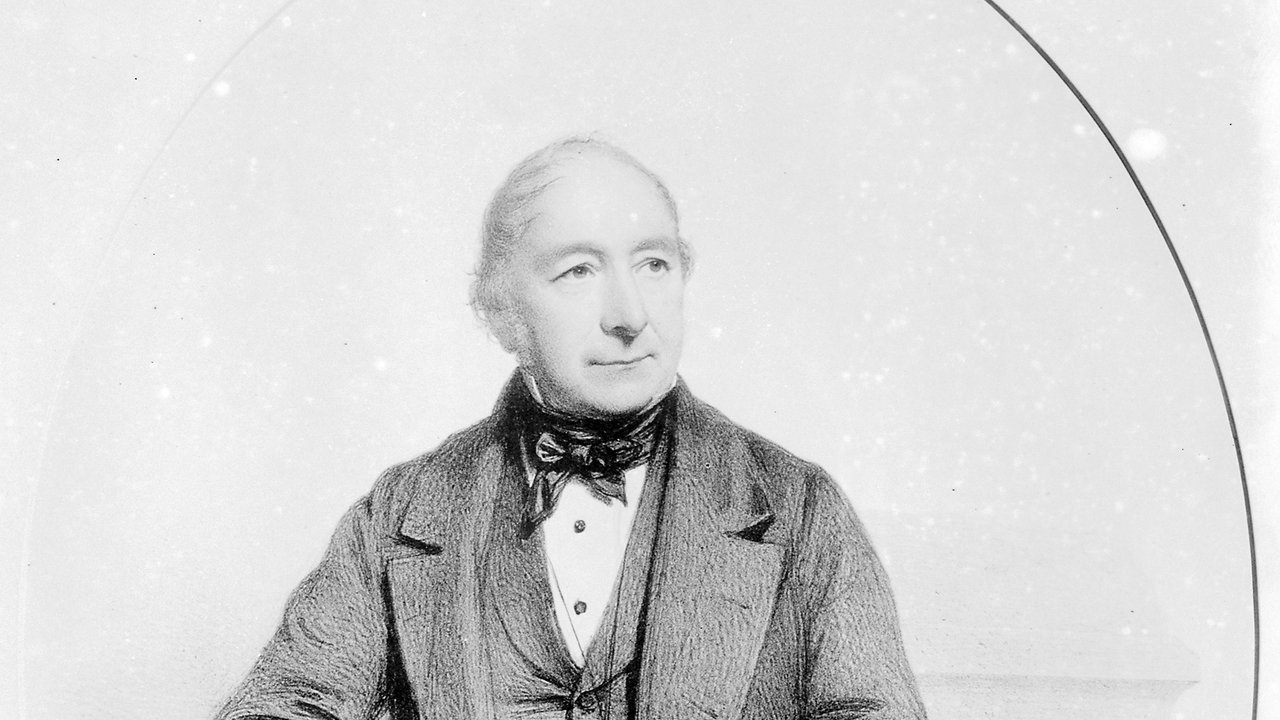

Mummies Were Unwrapped Before Audiences
Mummy unwrappings were real, although the popular image of constant private parlor parties oversimplifies them. Events ranged from investigation to public entertainment. Surgeon and antiquarian Thomas Pettigrew became known for unwrapping Egyptian human remains before Victorian audiences, a practice that destroyed information modern conservators would preserve.
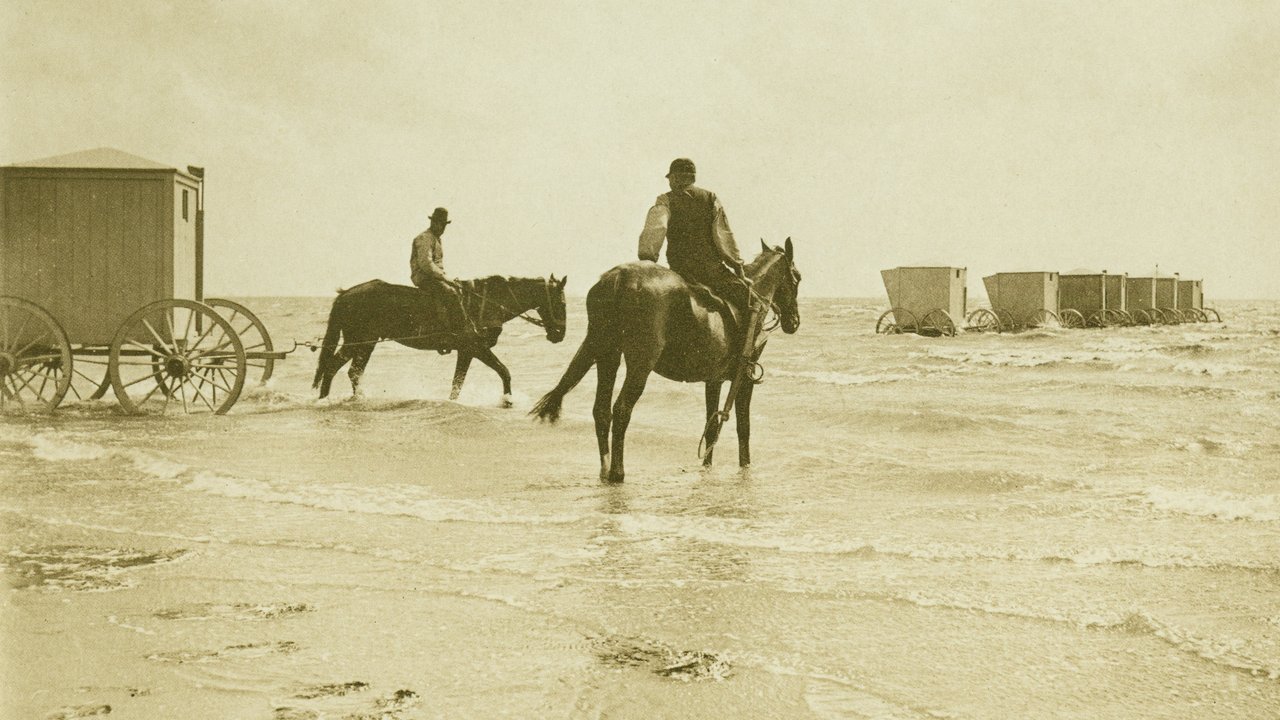

Changing Rooms Rolled Into the Sea
A bathing machine was a wooden changing room on wheels. A bather changed inside while horses pulled the cabin into the water, allowing a discreet entrance into the sea. The arrangement looks cumbersome now, but it combined Victorian ideas about modesty with the growing popularity of seaside recreation.
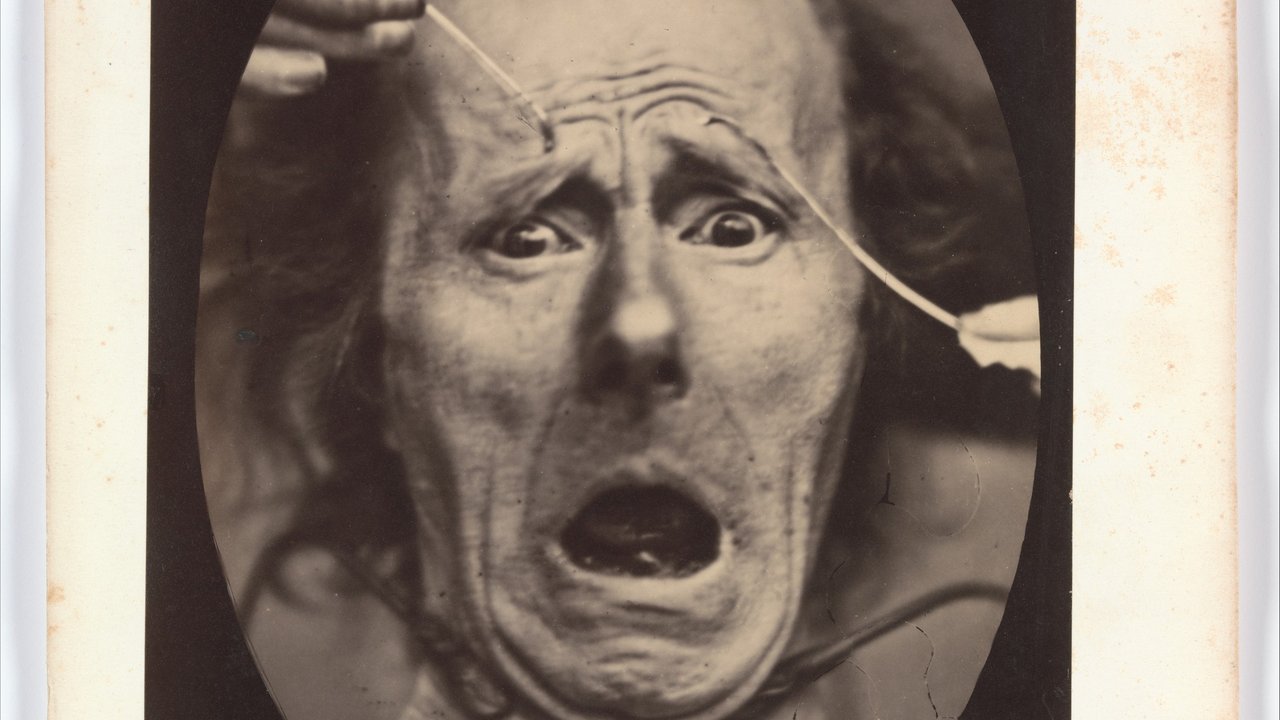

Faces Made by Electric Current
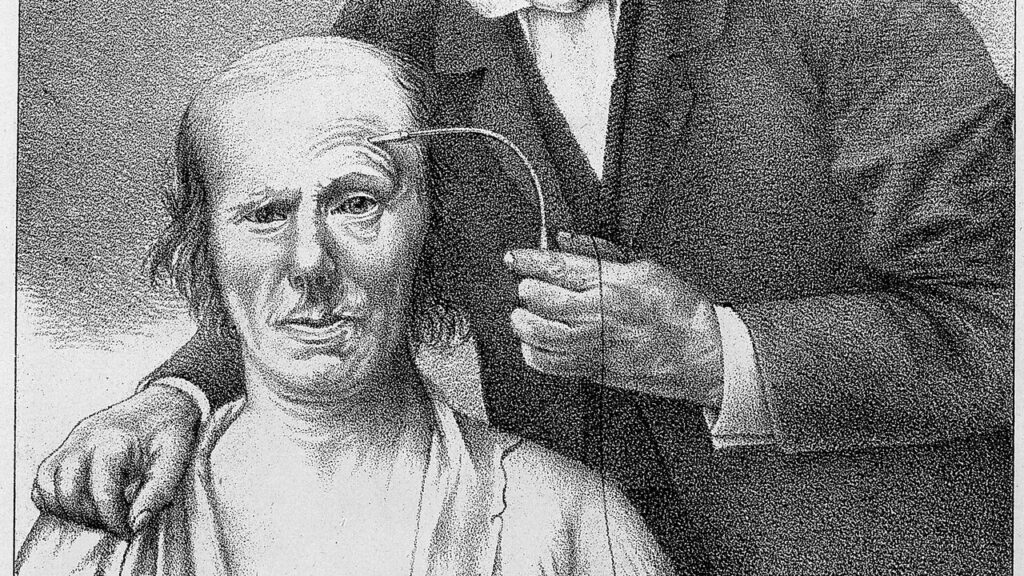
Duchenne de Boulogne applied electrical current to individual facial muscles, producing expressions that were recorded in startling photographs. He hoped to create a scientific guide to human emotion for artists. The resulting faces look theatrical, painful, and modern, sitting uneasily between medical research, portraiture, and performance.
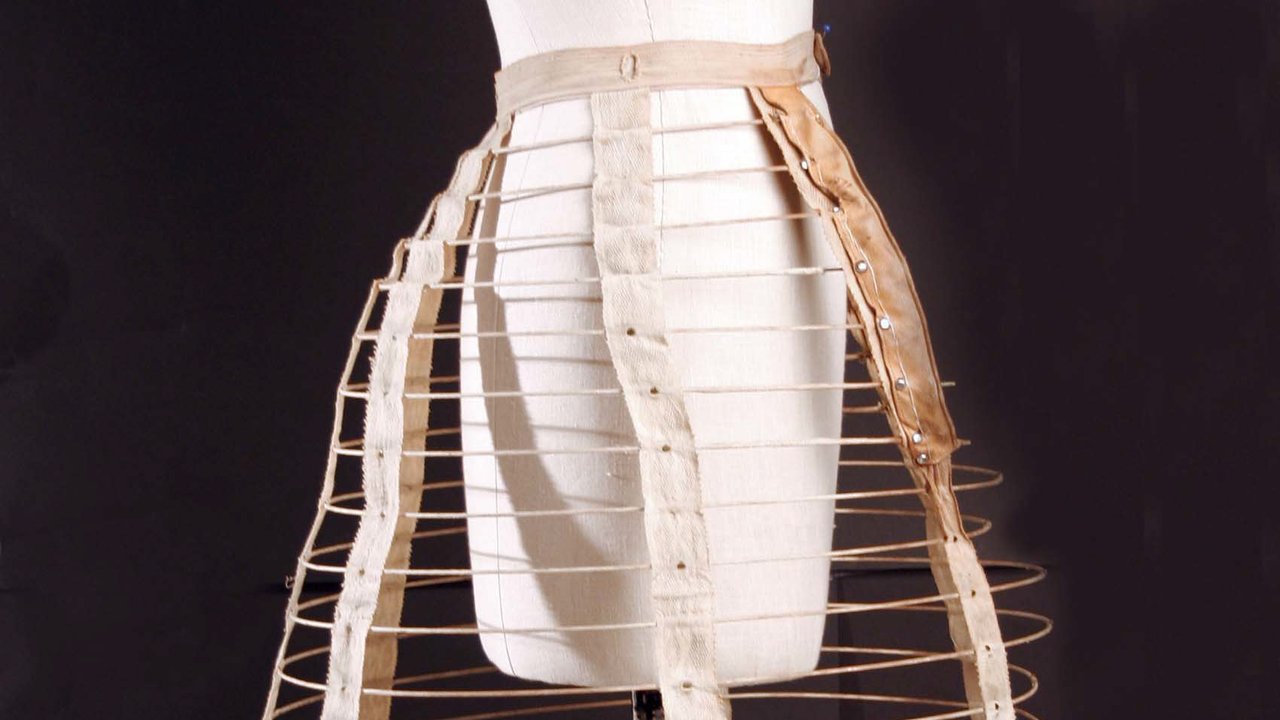

A Steel Cage Replaced Heavy Petticoats
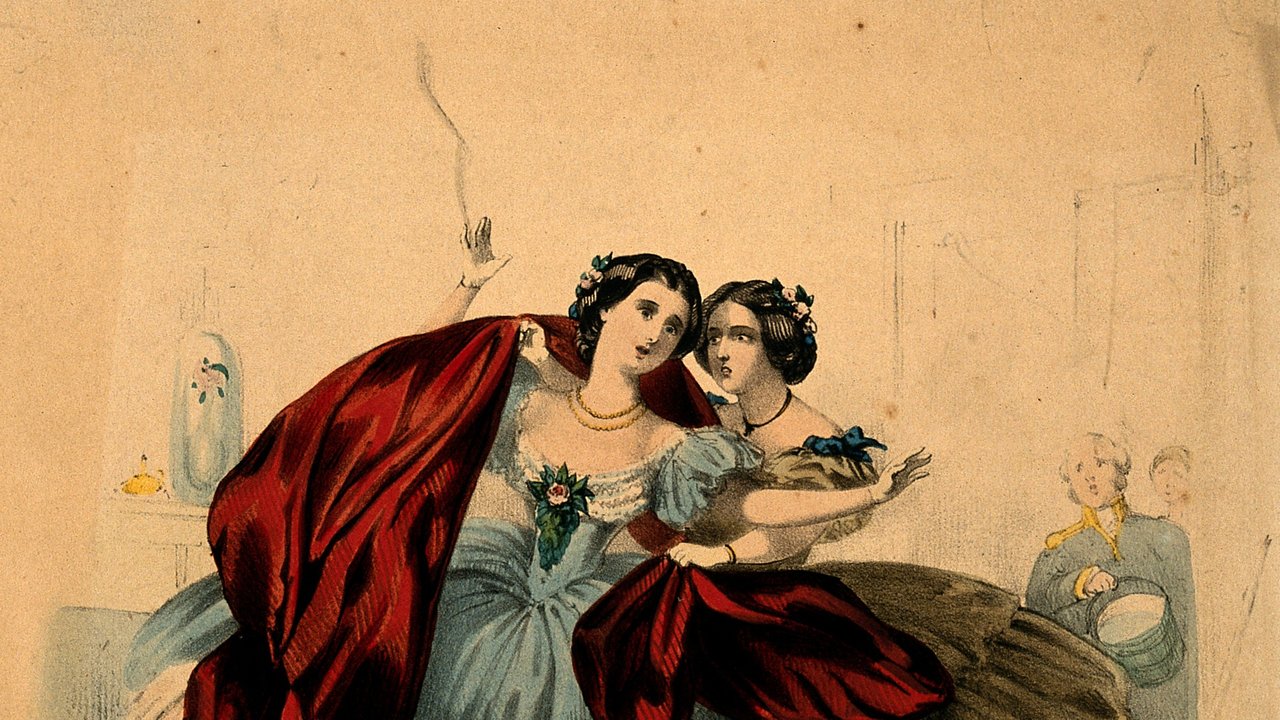
The cage crinoline used widening steel hoops to support enormous skirts. Introduced in 1856 as a practical alternative to layers of heavy petticoats, it created the fashionable silhouette with less weight underneath. The open cage could flex, but maneuvering its full width through narrow spaces still demanded care.

Crinolines Could Become Fire Traps
Wide skirts created a dangerous distance between a wearer and the dress’s outer edge. Near an open flame, highly flammable fabric could ignite before she realized it was close. Crinoline fires were not merely a later legend; the Victoria and Albert Museum links the fashionable cages with serious accidents around open fires.

Beautiful Green Wallpaper Contained Arsenic
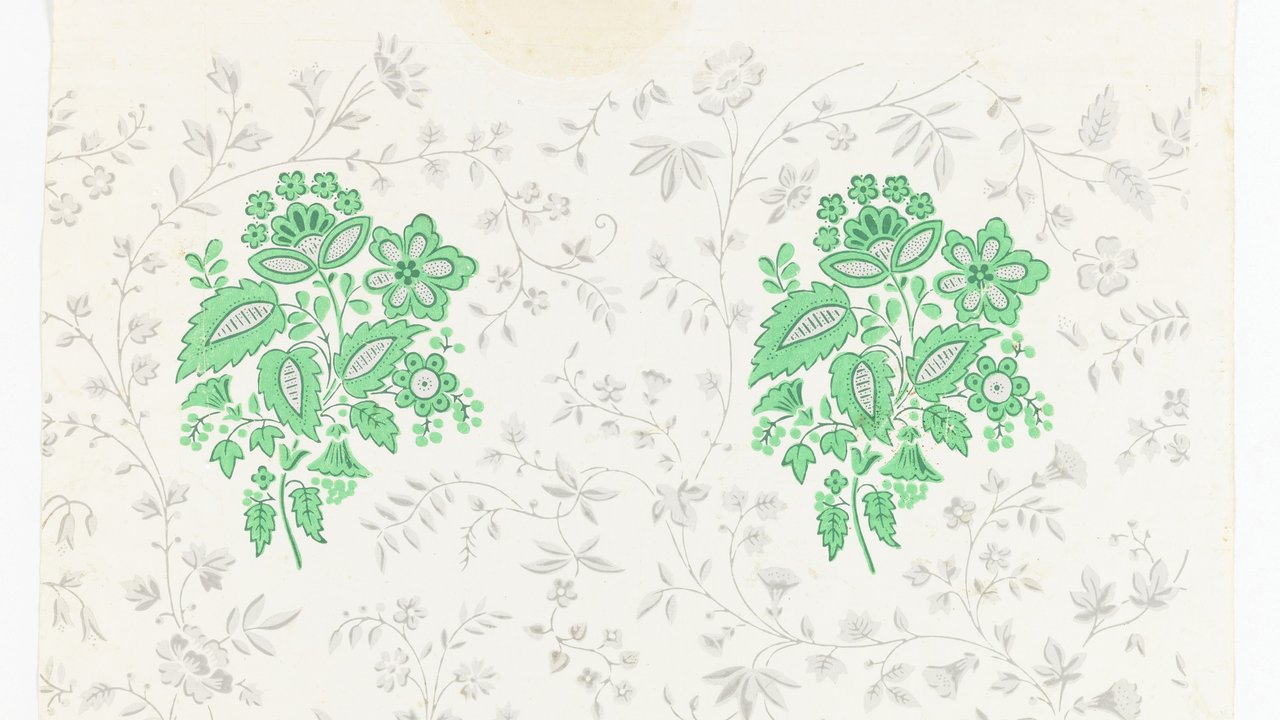
Scheele’s Green brought a vivid color to wallpapers, fabrics, and paint, but its pigment contained arsenic. Illnesses were blamed on heavily arsenical rooms, particularly when walls were damp. Not every dramatic poisoning story is true, yet surviving wallpaper has tested positive, and manufacturers eventually advertised safer, arsenic-free alternatives.

The Great Stink Forced London to Act
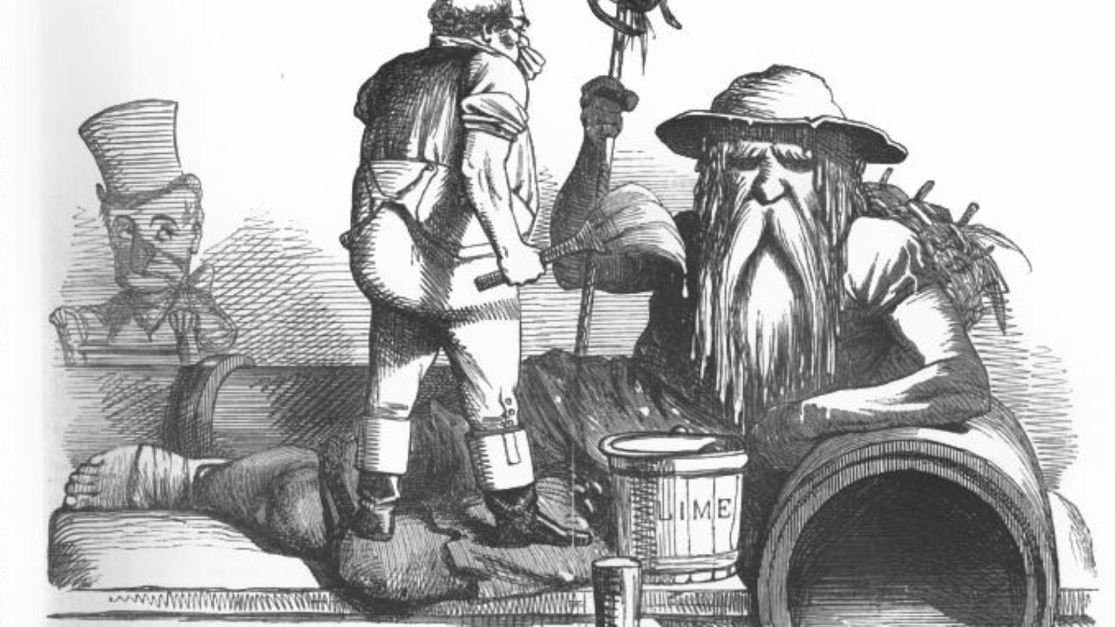
During the hot summer of 1858, sewage in the Thames produced the Great Stink. The unbearable odor helped push officials toward a vast new sewer system. Victorians often blamed foul air for cholera, but that explanation was wrong: contaminated water, not the smell itself, transmitted the disease.

Celebrity Portrait Cards Became a Craze
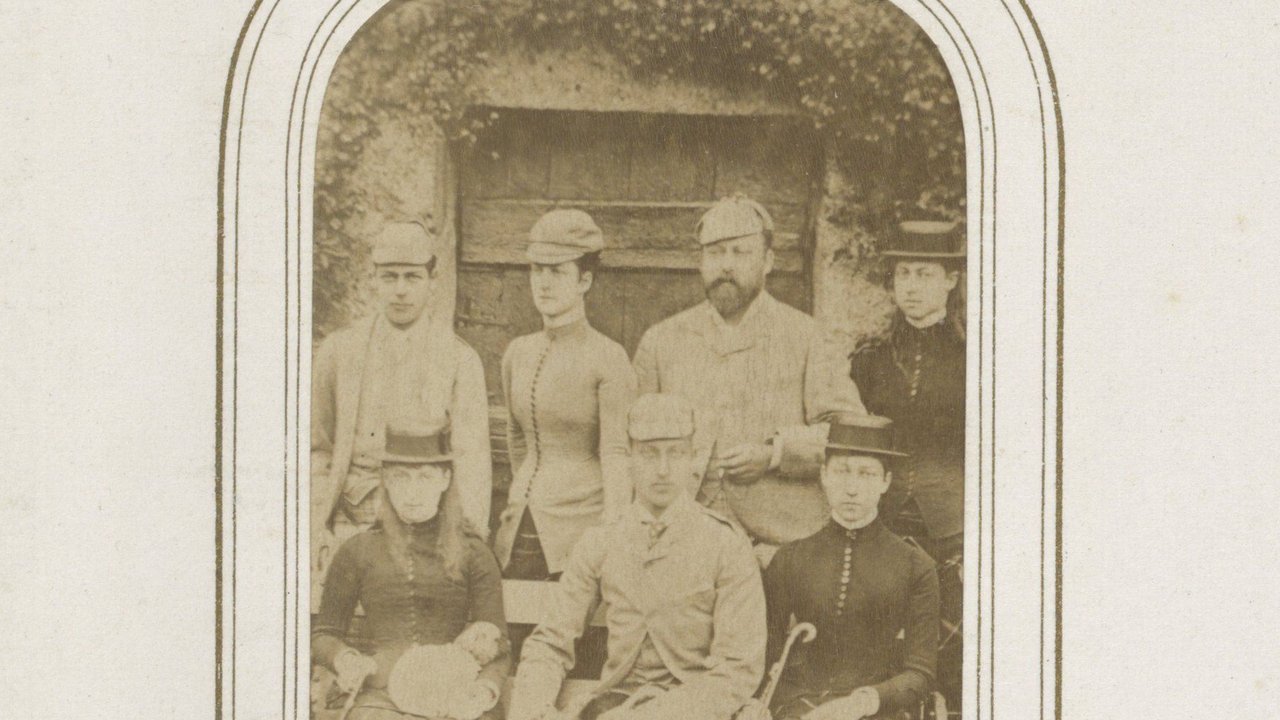
Small cartes de visite turned photographic portraits into collectible objects. After Queen Victoria, Prince Albert, and their children sat for cartes, demand surged. Families filled albums with relatives, friends, public figures, and celebrities, buying famous faces from stationery shops much as later generations bought picture postcards or trading cards.
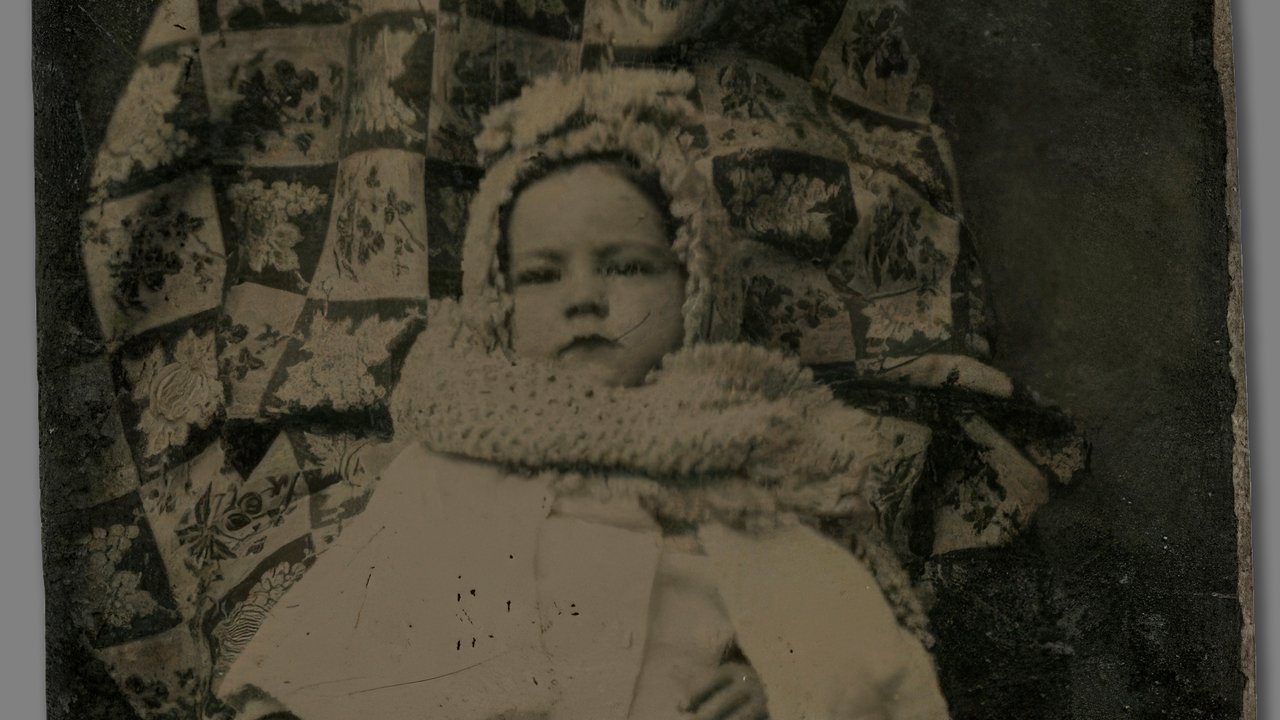

Mothers Hid Beneath Blankets
Young children were difficult to keep still during lengthy photographic sittings. A mother or caregiver sometimes supported the child while concealed beneath fabric, behind furniture, or within the backdrop. The adult was meant to disappear, yet visible hands and blanket-covered forms turned these practical portraits into some of the era’s eeriest images.
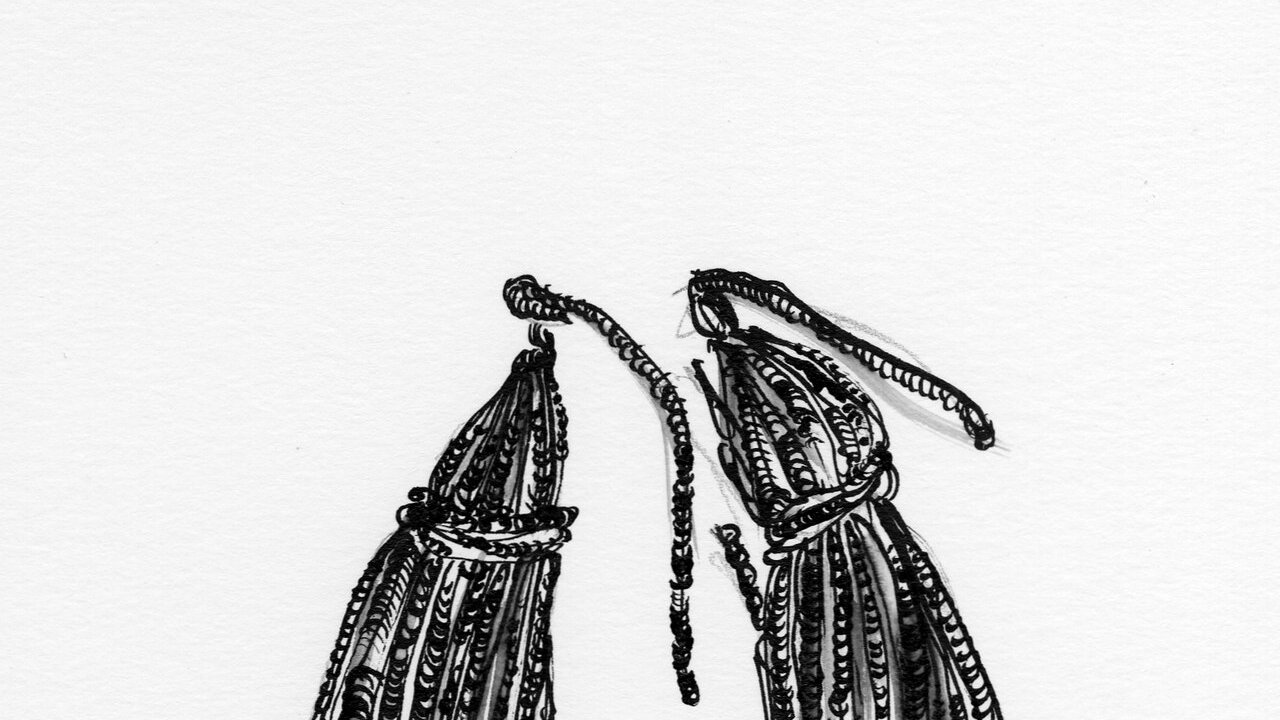
Human Hair Became Jewelry
Locks of hair were braided, arranged under glass, or worked into jewelry as lasting keepsakes. Many pieces memorialized someone who had died because hair remained after the body changed. Yet hair jewelry was not automatically mourning jewelry: friends and lovers also exchanged locks as affectionate tokens during life.

Prison Portraits Became Identification Tools
Albums created at Wandsworth Prison in 1872 and 1873 paired photographs with physical descriptions, offenses, sentences, and personal details. Officials believed a picture would help identify repeat offenders. The direct stares and numbered boards anticipate the modern mug shot, although standardized police photography was still developing.
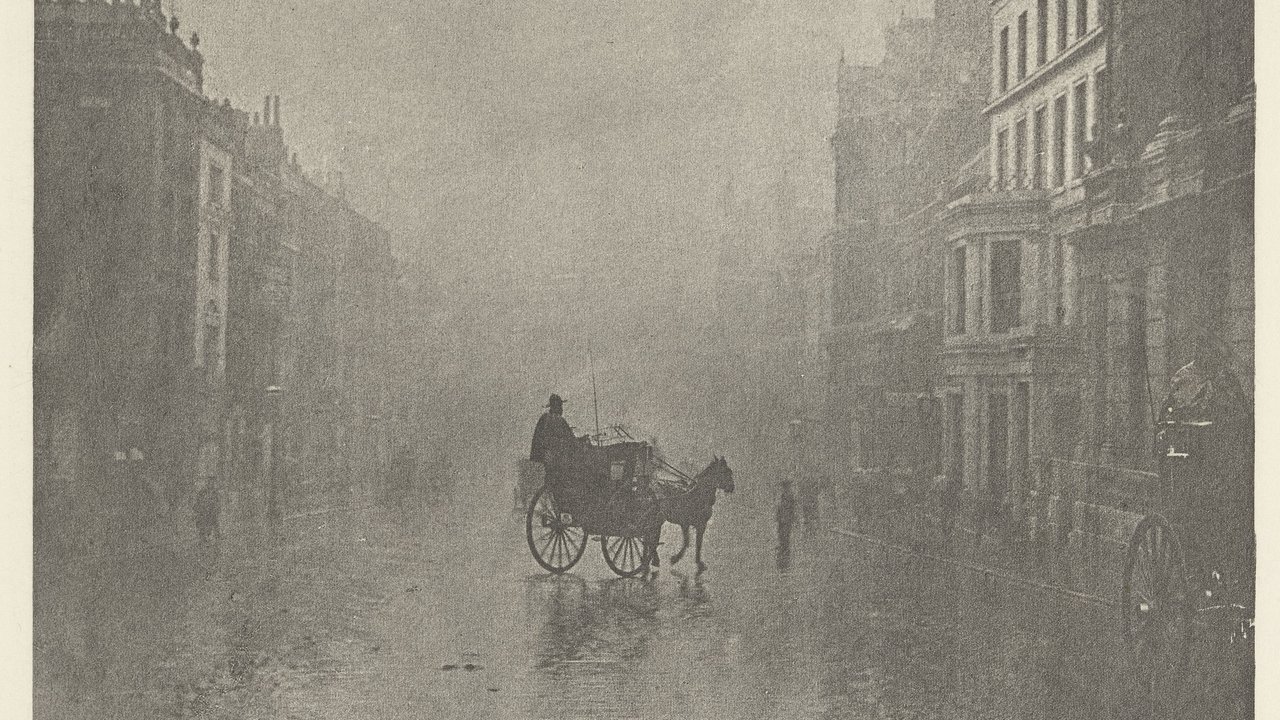

London’s Famous Fog Was Polluted Air
Victorian London’s dark fog was not harmless mist. Coal smoke and industrial pollution combined with moisture, sometimes trapping dirty air close to the ground. During a severe fog in December 1873, London’s death rate rose 40 percent above normal, decades before the city’s better-known modern smog disaster.
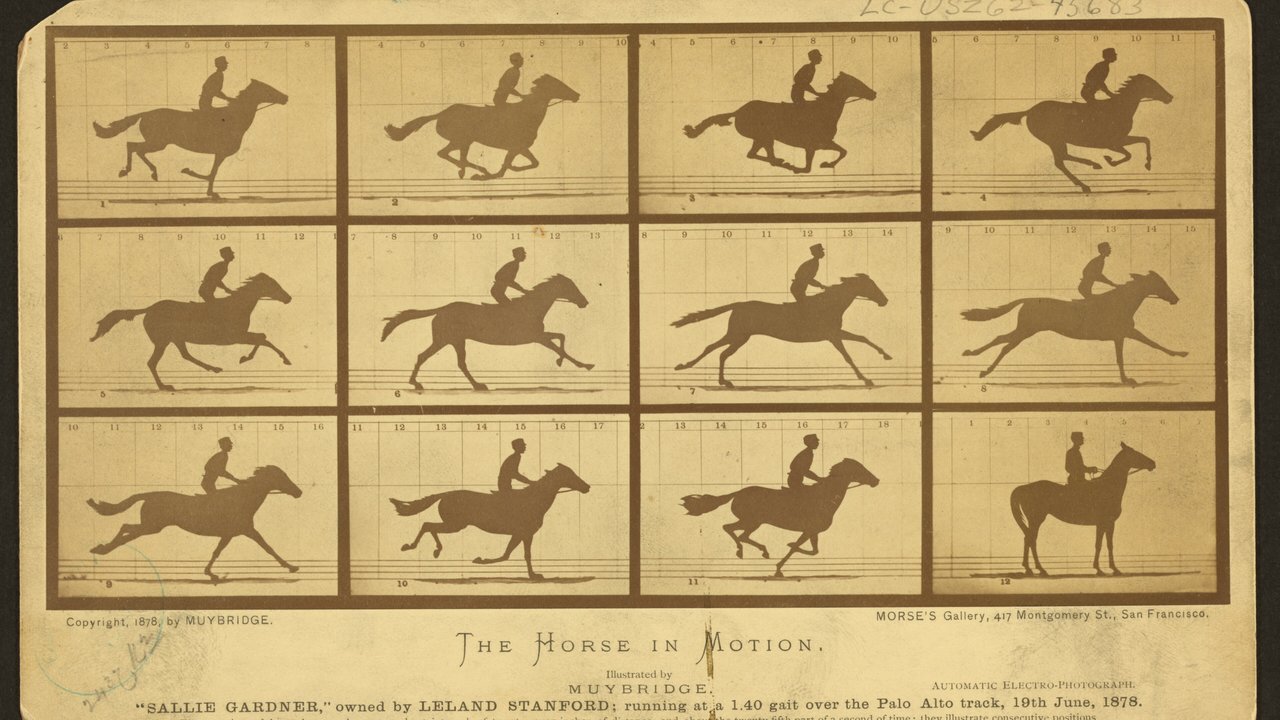
A Galloping Horse Settled a Debate
In 1878, Eadweard Muybridge used a sequence of cameras to freeze a horse in motion. The photographs showed a moment when every hoof left the ground, with the legs tucked beneath the animal. Positions too fast for human vision suddenly became individual pictures, helping open a path toward motion studies and cinema.
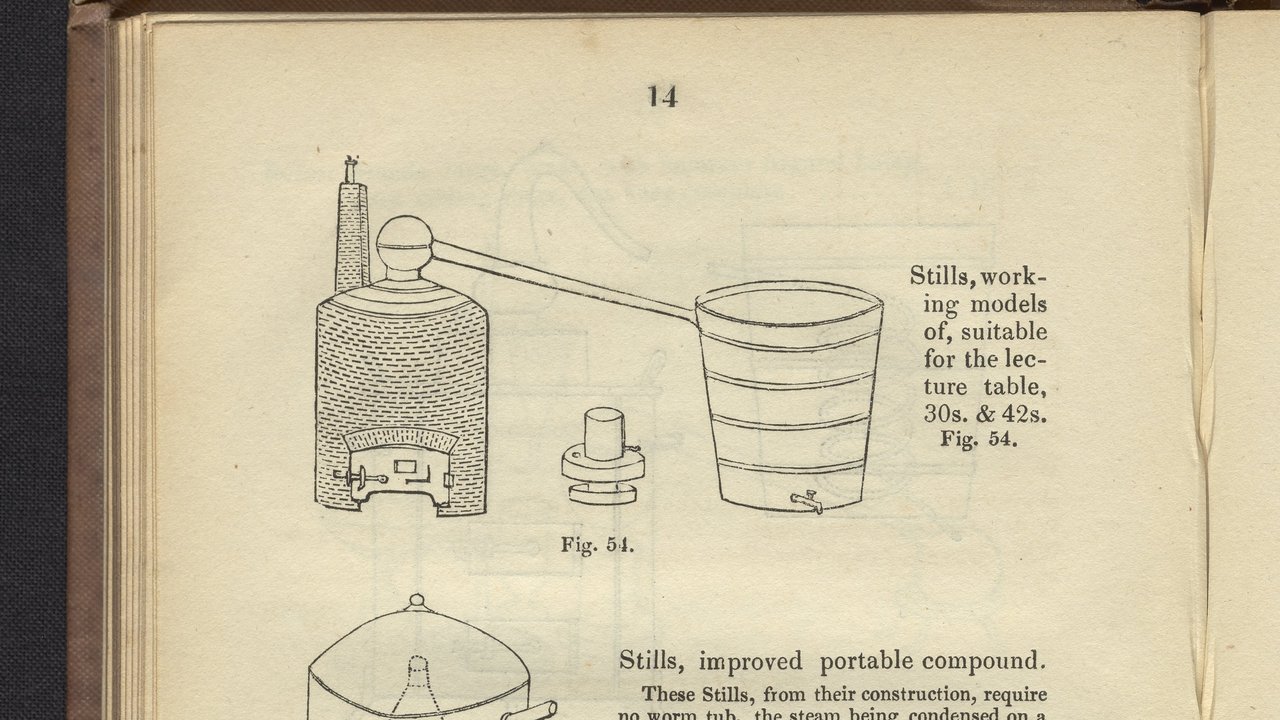

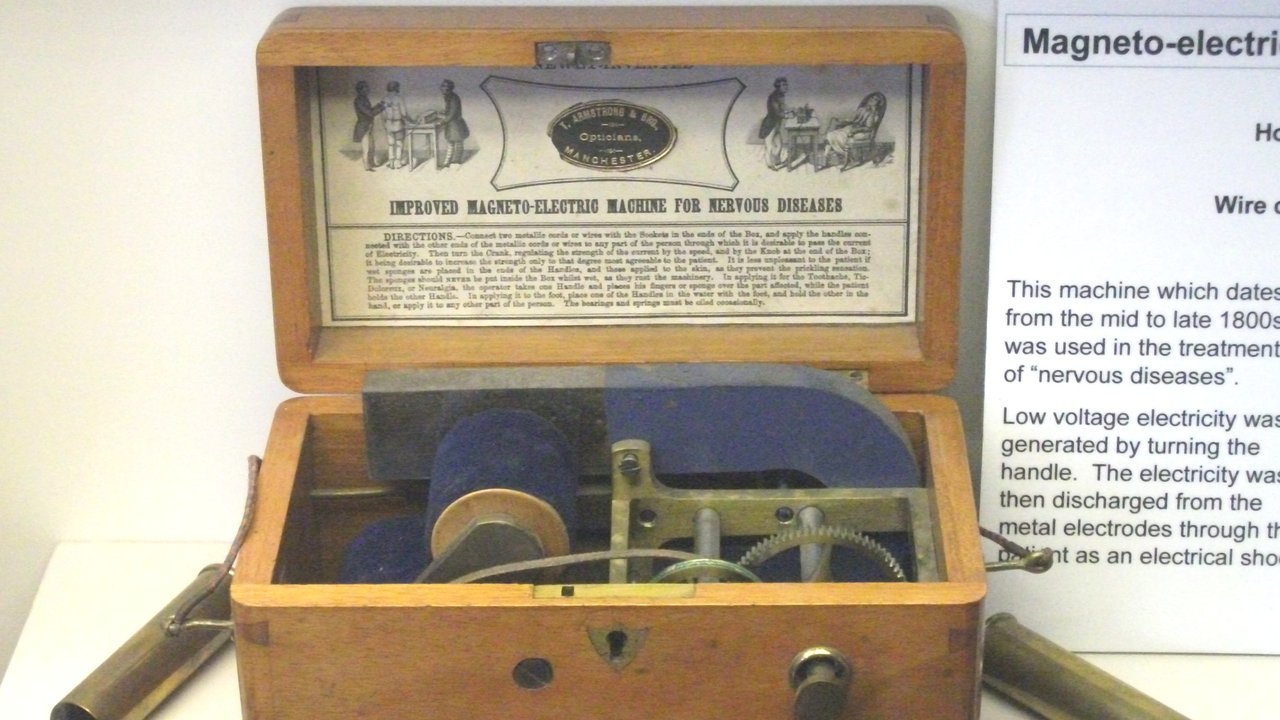
Hand-Cranked Machines Delivered Medical Shocks
Mild electric shocks became a popular Victorian treatment for aches, pains, and complaints associated with the nerves. Manufacturers produced handsome portable machines with cranks, magnets, electrodes, and polished wooden cases. Their appearance suggested scientific precision, although the Science Museum describes much of this trade as little more than medical quackery.
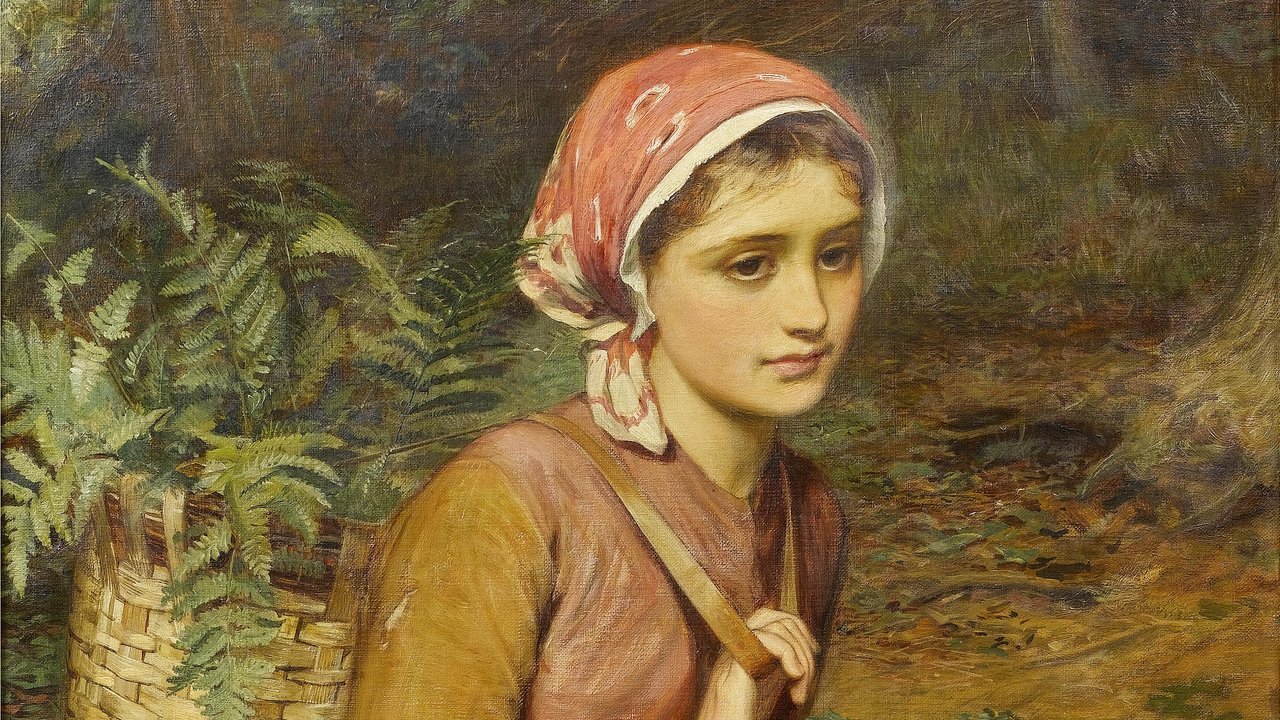

Fern Collecting Became a Mania
Victorian enthusiasm for ferns became so intense that it earned the name Pteridomania. Live specimens became popular household plants, while fern shapes appeared across decorative objects. The craze turned an ordinary woodland plant into a marker of taste, scientific curiosity, and respectable domestic fashion.
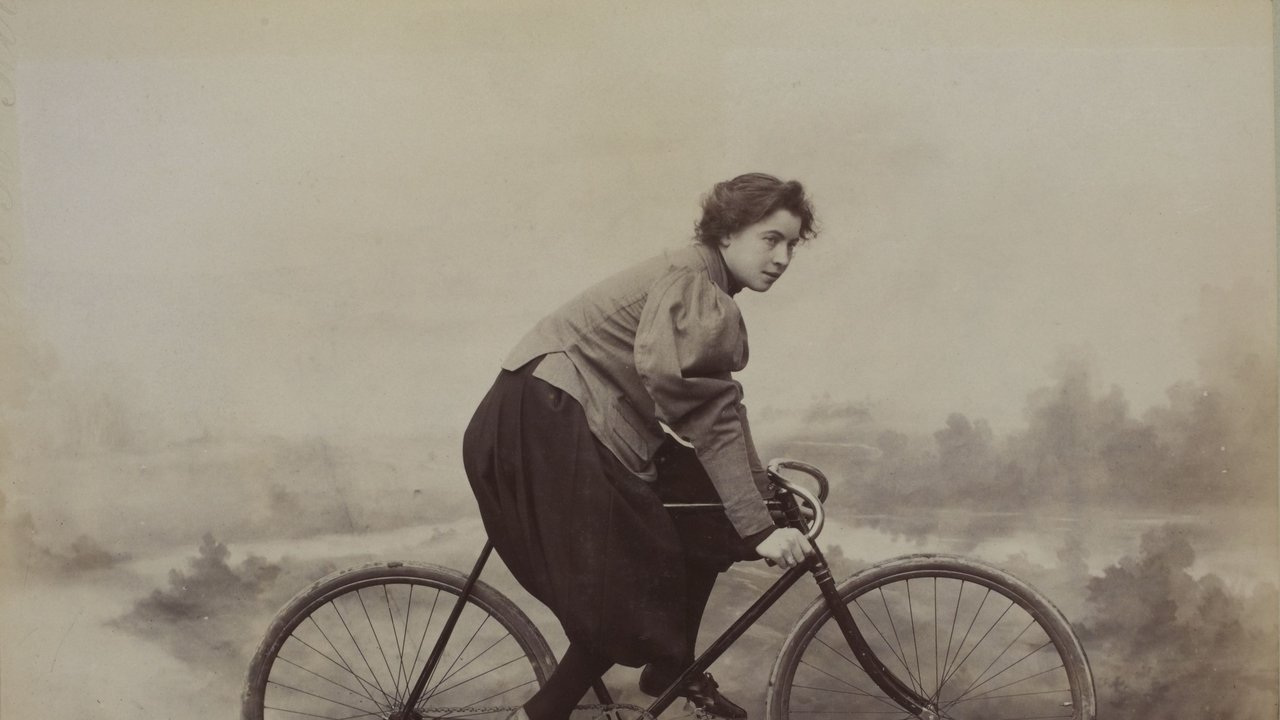

Bicycles Changed Women’s Clothing
During the 1890s, more women took up cycling, and long skirts were not safe for riding. That practical problem encouraged a new fashion industry built around clothing suited to the bicycle. Photographs preserve the resulting contrast between familiar Victorian dress and the demands of a fast-moving new pastime.
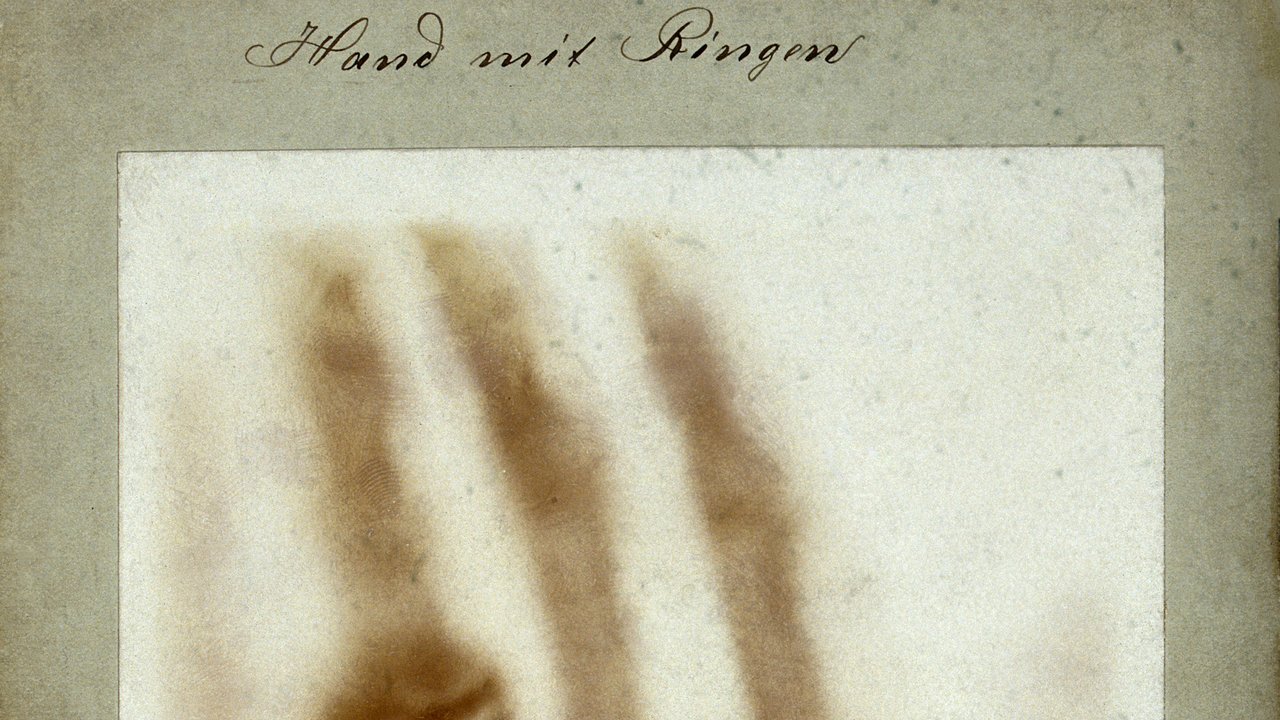

The First X-Rays Looked Through the Body
Wilhelm Röntgen’s discovery of X-rays in 1895 produced photographs that made structures inside the body visible. An early image of a hand must have seemed almost supernatural to viewers accustomed to ordinary portraits. The first X-ray photographs took time to develop, but they opened an entirely new way of seeing.
These photographs feel strange because they capture a society testing new technologies while carrying customs and assumptions very different from ours. Which Victorian image or custom surprised you most?
Follow Lilyon on MSN for more stories like this.
Sources: