


The most revealing White House secrets were not rumors. They were illnesses, relationships, financial problems, and quiet work that became fully visible only through letters, diaries, laws, and official records.
Arranged from oldest to newest, this gallery draws on government archives, presidential libraries, historic sites, and museums. The photographs can be matched with public-domain portraits and archival images.
_-_Brady_LCCN2008680393.jpg)
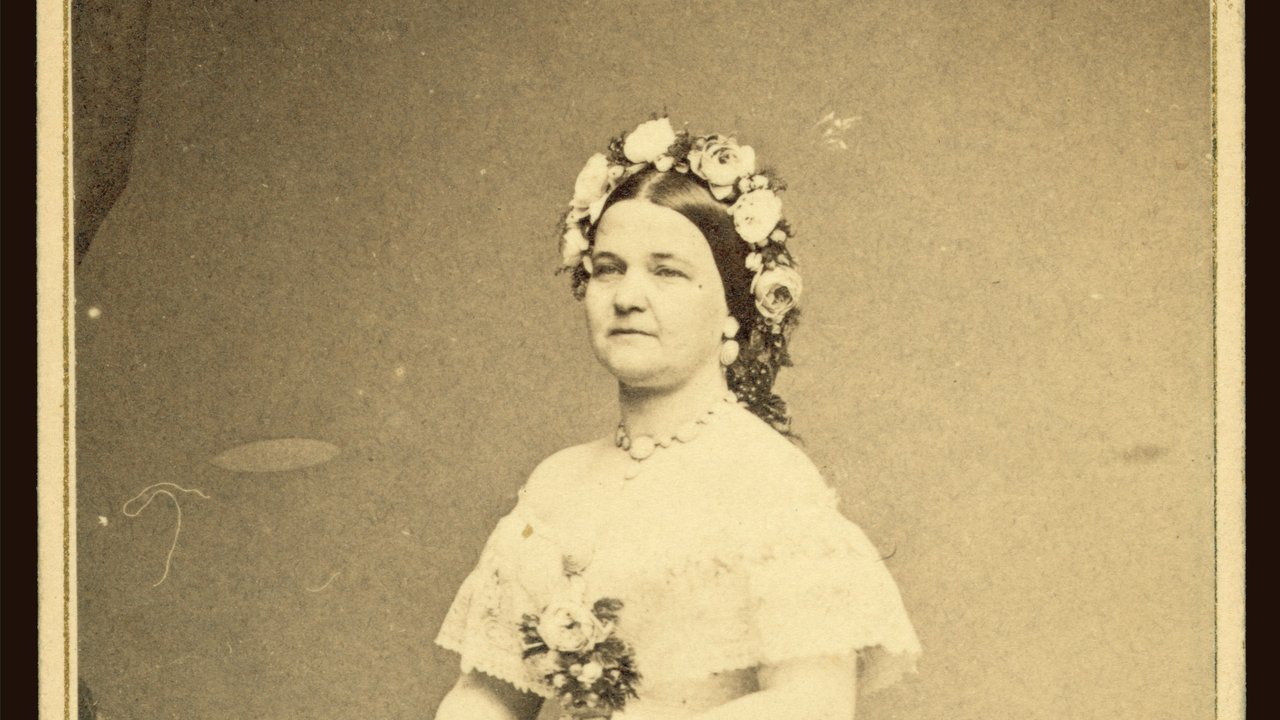
Mary Lincoln Redecorated a Worn White House
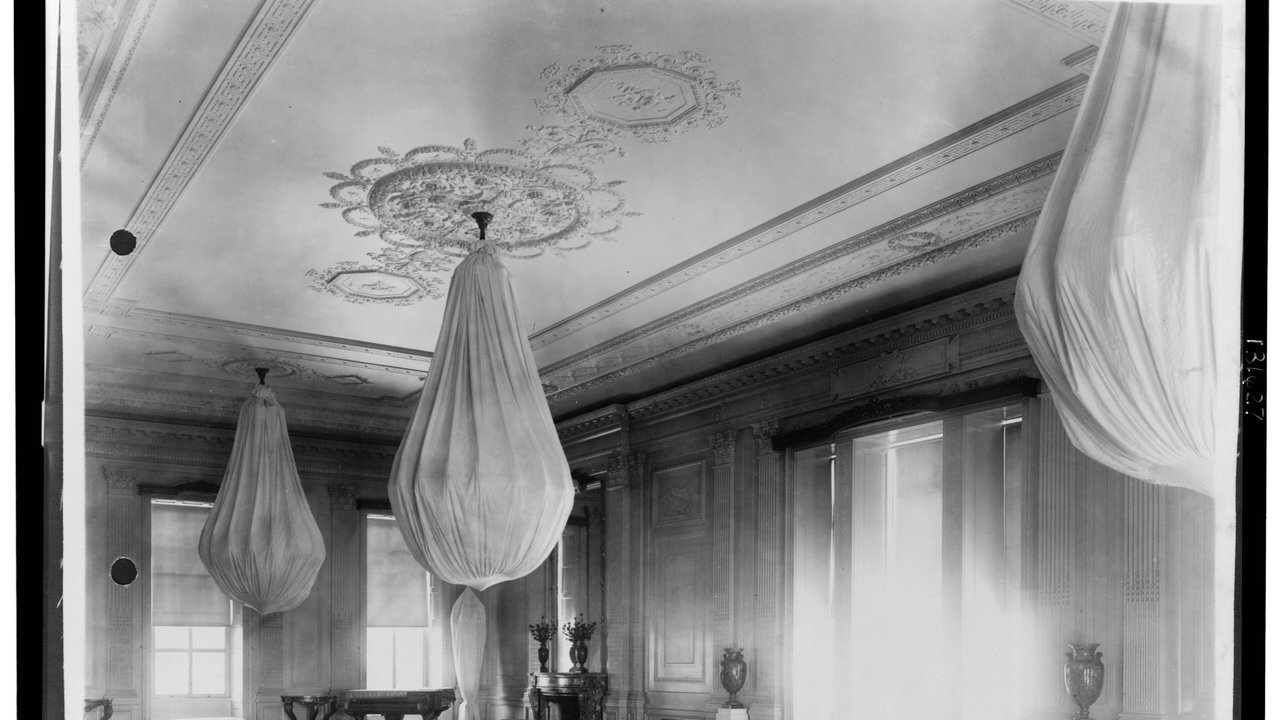
Mary Lincoln entered a heavily used White House and treated refurbishment as necessary stewardship. She recarpeted the State Rooms and purchased ornate furniture. The work was visible, but the financial strain behind it became a much more private and politically dangerous matter.

The Overspending She Tried to Hide
An official White House history places Mary Lincoln’s decorating overrun at $6,858 and says she unsuccessfully tried to conceal it from the president. That turns a familiar tale of expensive taste into something more specific: a documented attempt to keep a serious household budget problem from reaching Abraham Lincoln.

Edith Wilson Faced a Disabled Presidency
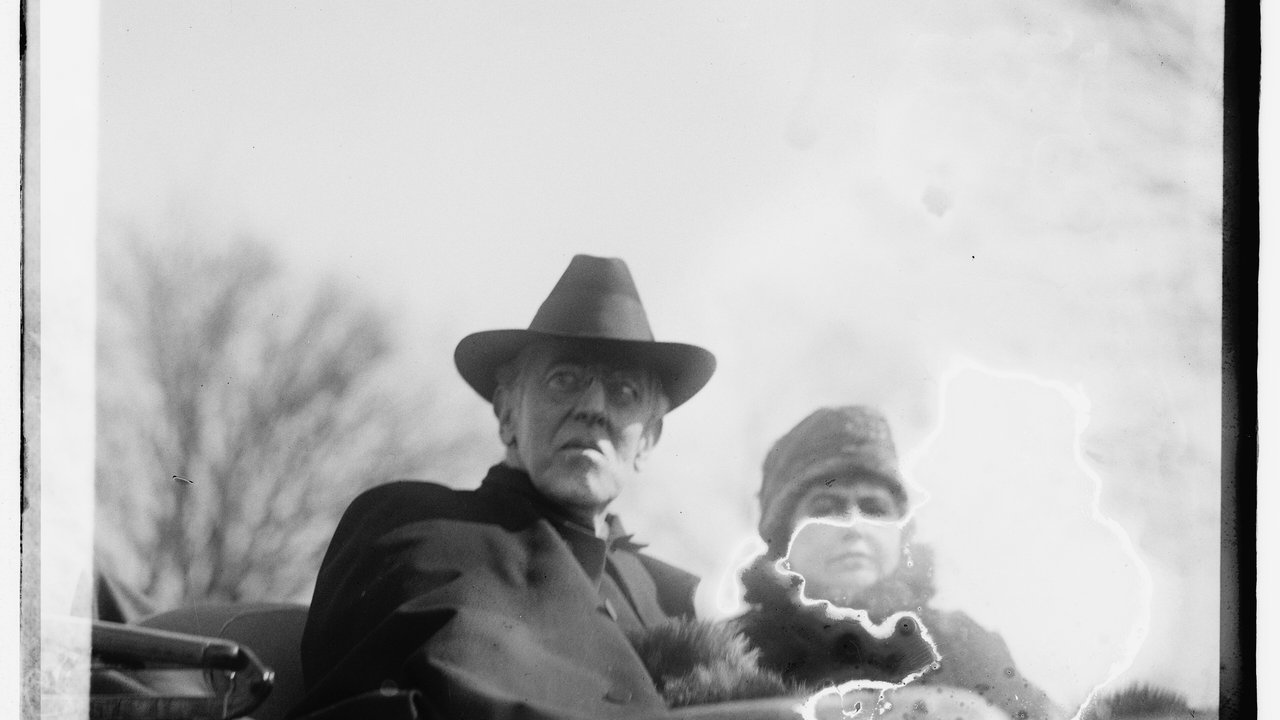
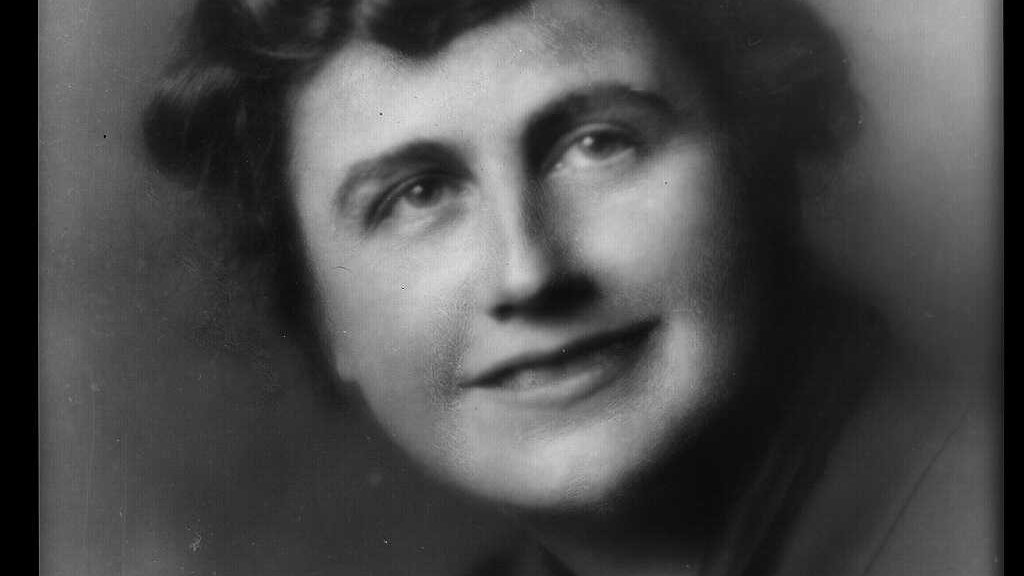
Woodrow Wilson suffered a stroke on October 2, 1919, leaving him paralyzed and unable to perform his presidential duties normally. Edith Wilson suddenly occupied an unprecedented position between an incapacitated president and the officials who needed his attention.

Access to the President Was Tightly Controlled
For months, Edith Wilson controlled access to her husband while the severity of his condition remained concealed from the media. Visitors, documents, and questions could not simply reach the president. That gatekeeping placed extraordinary, unelected influence in the first lady’s hands.

Presidential Business Crossed Her Desk
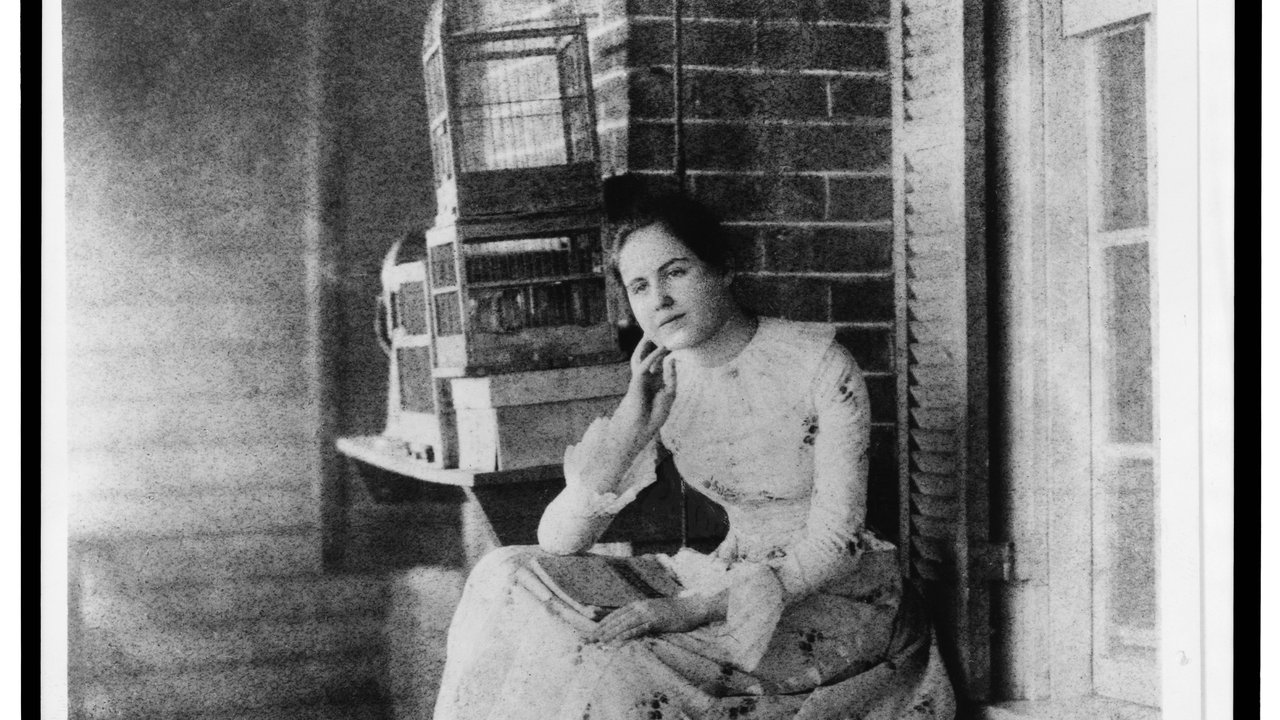
Edith demanded that presidential business be reviewed by her before anything reached Woodrow Wilson. She determined which matters were important enough to interrupt his recovery, while others were delayed or returned to department heads. The arrangement made her far more than a conventional caretaker.

Her Memoir Drew a Careful Boundary
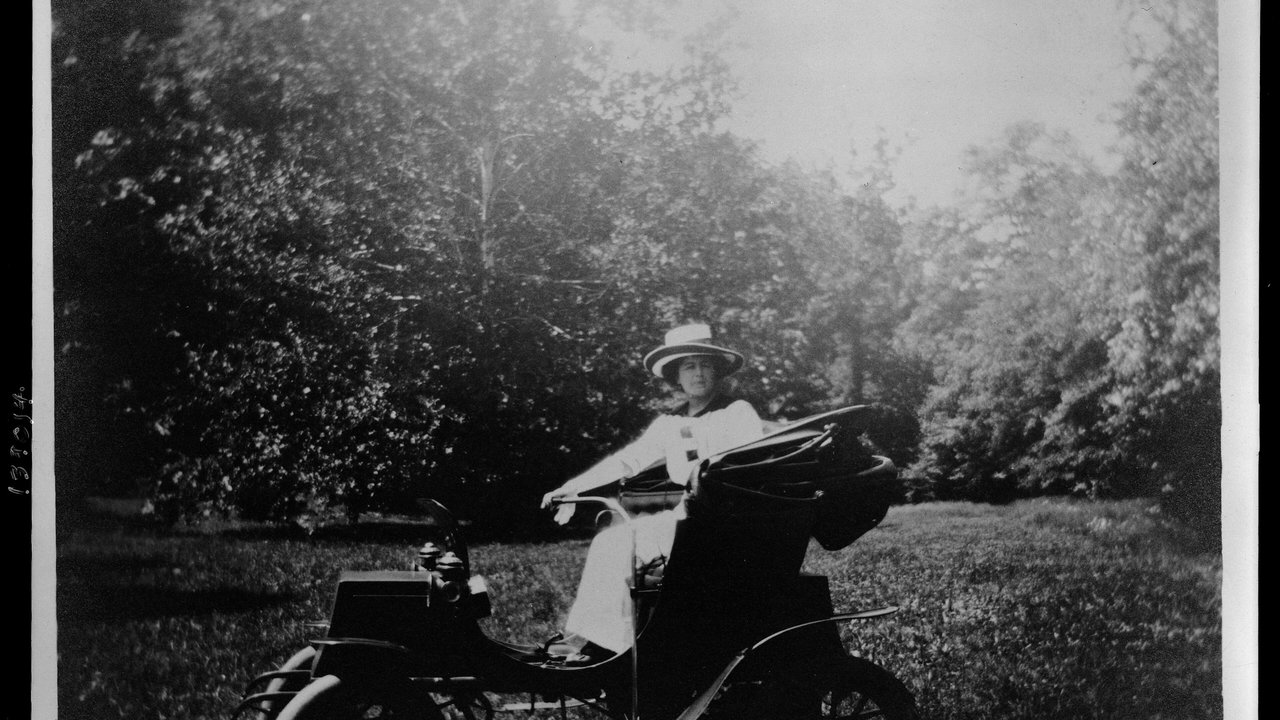
Edith later described her role as stewardship, not a secret presidency. An archived White House biography says she did not initiate programs or make major decisions. She selected matters for Woodrow Wilson’s attention, however, and that documented power explains why her conduct remains debated.

Lou Hoover Really Did Learn Chinese
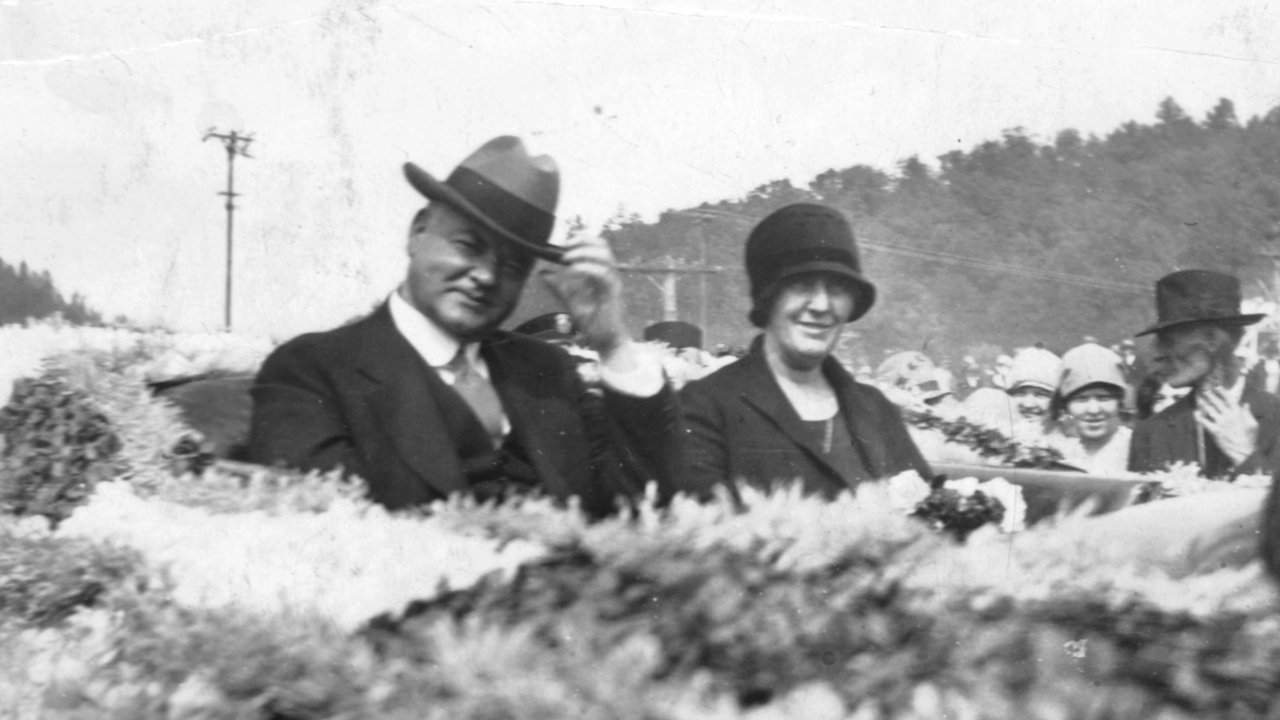
Lou Henry Hoover learned to speak and write Chinese while living in Tientsin with Herbert Hoover. Her language ability was genuine and remarkable for a future first lady. It later encouraged a durable story about the couple using Chinese for secret conversations inside the White House.
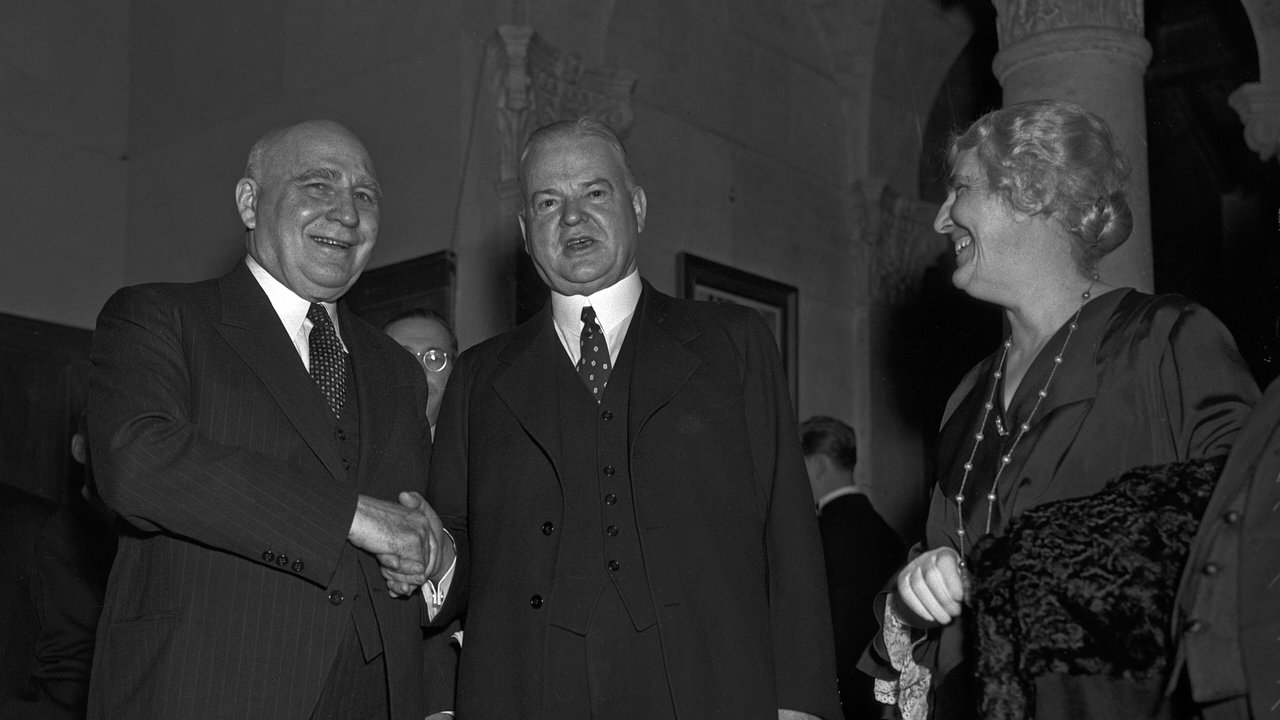

The Famous White House Language Story Is Shaky
Archivists at the Herbert Hoover Presidential Library reject the familiar version in which both Hoovers spoke fluent Chinese to defeat eavesdroppers. Their research says Lou was the linguist, while Herbert retained only rudimentary expressions. The confirmed history is interesting enough without improving the legend.
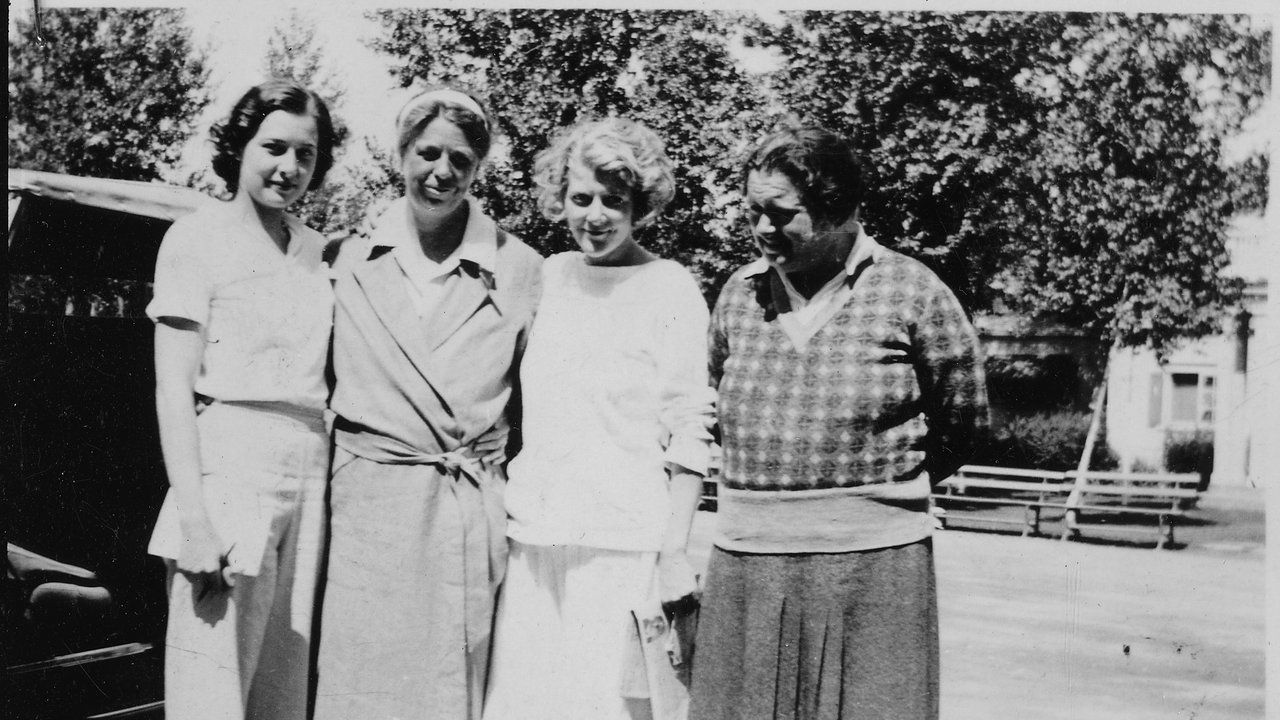

Eleanor Roosevelt Met Lorena Hickok
Lorena Hickok was a leading Associated Press reporter assigned to cover Eleanor Roosevelt during the 1932 presidential campaign. Their professional contact quickly became deeply personal. The surviving record shows that Eleanor trusted Hickok with thoughts and fears that did not belong in ordinary campaign coverage.
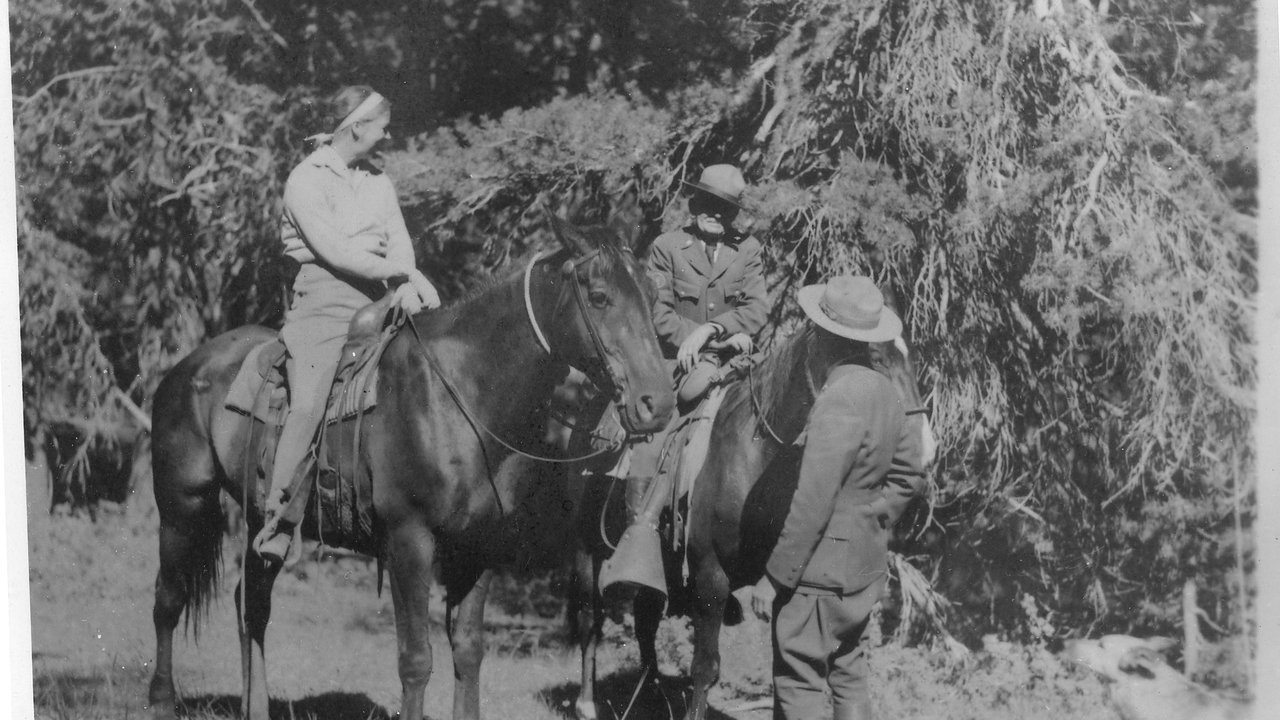

Their Closeness Ended Hickok’s Assignment
Hickok’s feelings for Eleanor compromised the detachment her job required. She resigned from the Associated Press in June 1933, giving up an exceptional position in a profession then dominated by men. The decision is one of the clearest documented consequences of their private attachment.
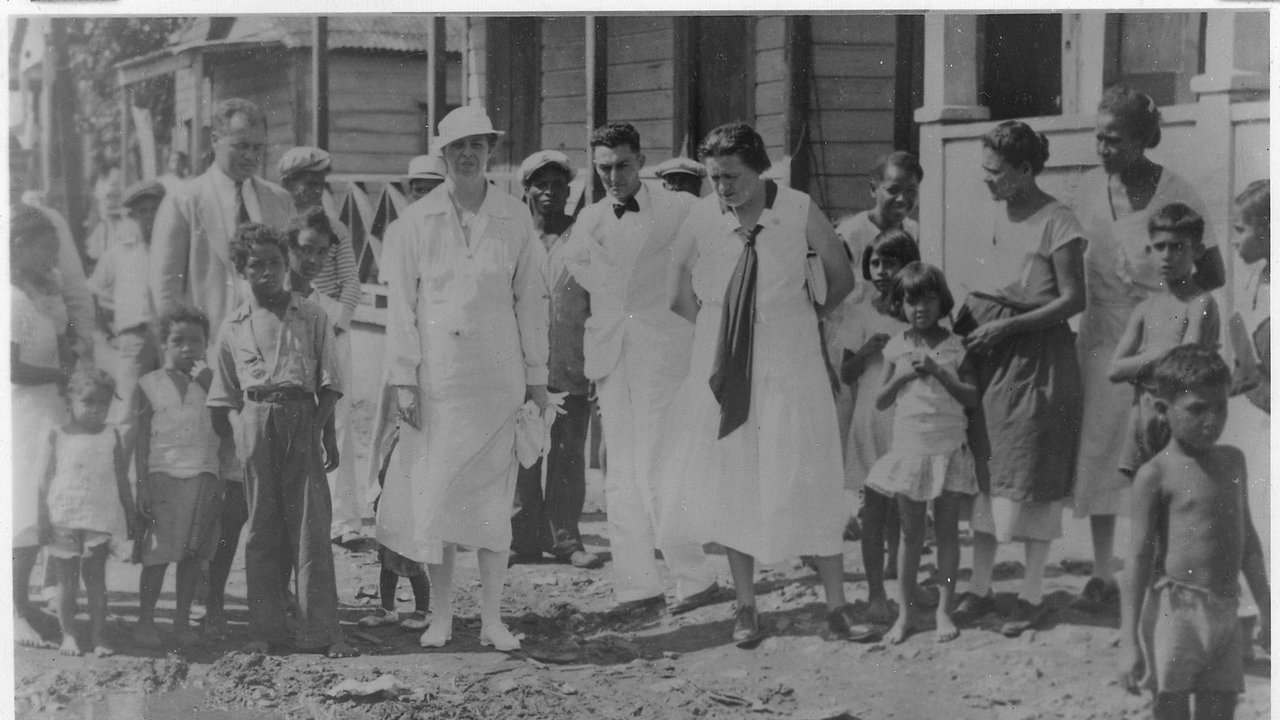

Thousands of Letters Survived
The surviving archive includes 2,336 letters from Eleanor to Hickok, spanning 1933 through Eleanor’s death in 1962. They were discovered in 1978 among materials Hickok left to the presidential library. The letters establish an intense bond, although historians continue to discuss how that relationship should be labeled.
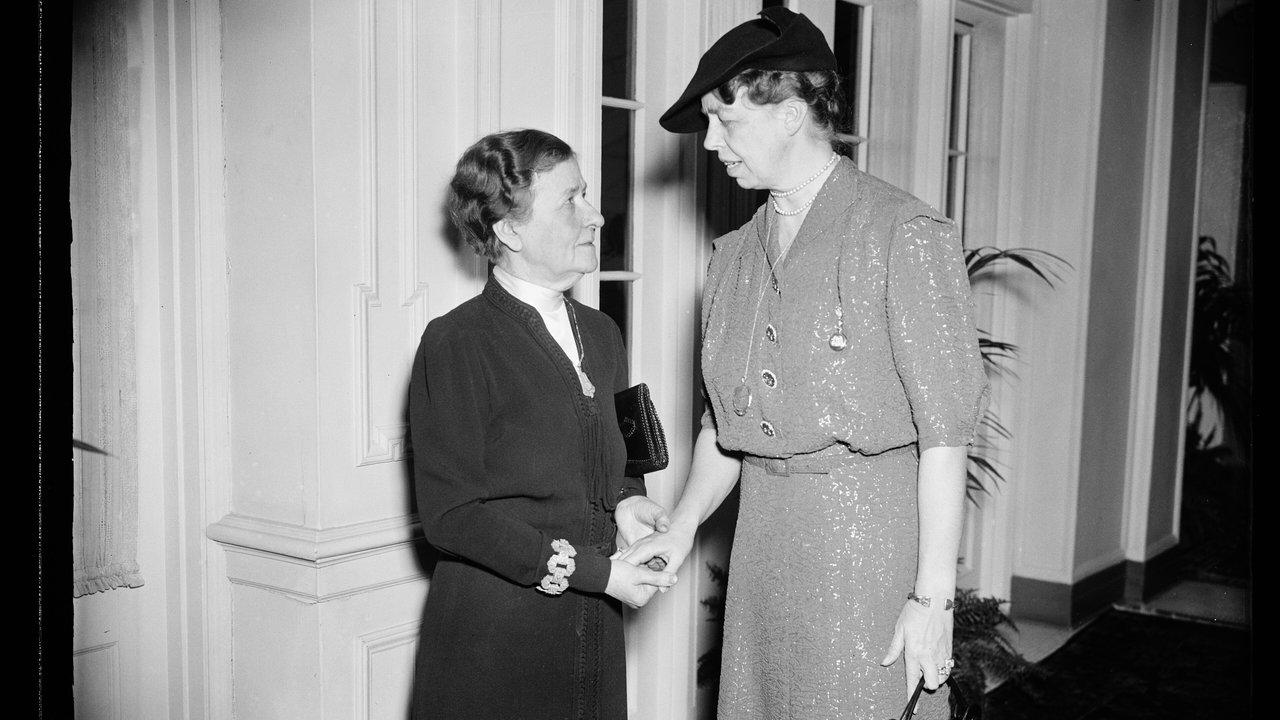

Hickok Eventually Lived in the White House
When Hickok became executive secretary of the Democratic National Committee’s Women’s Division in 1940, Eleanor invited her to live in the White House. The invitation brought a trusted confidante into the first family’s home and reflected the closeness documented in official records and surviving correspondence.
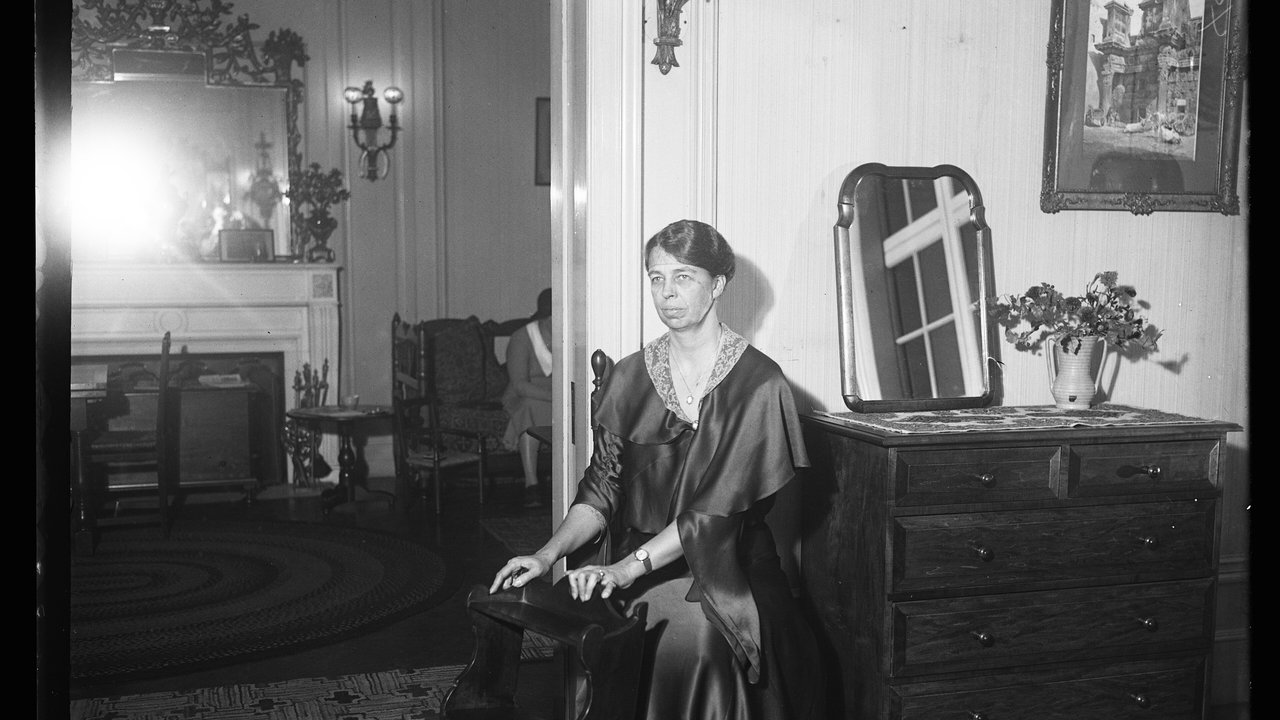

A Private Adviser Shaped Eleanor’s Public World
Throughout the 1930s, Eleanor Roosevelt relied heavily on Hickok as an observer and informal source of information. That role extended their connection beyond private correspondence. Hickok’s journalistic experience offered a distinct perspective, while Eleanor gained a trusted source whose observations broadened her understanding of the country.
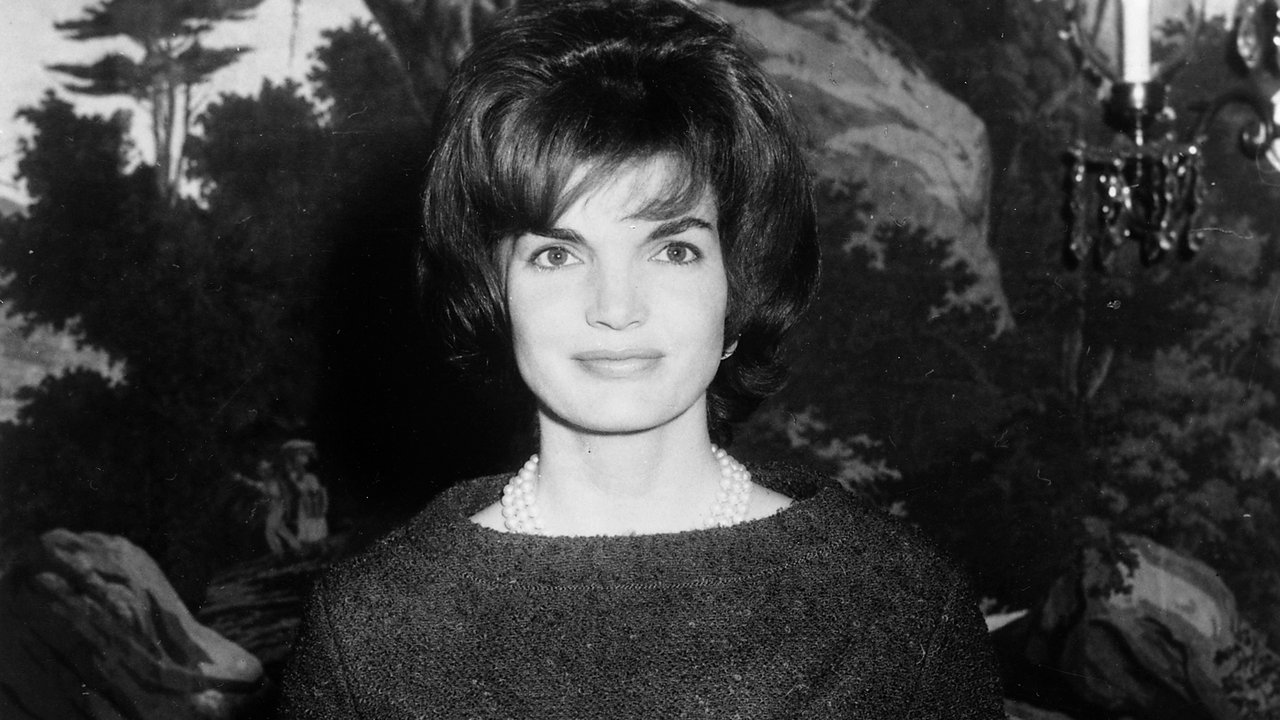

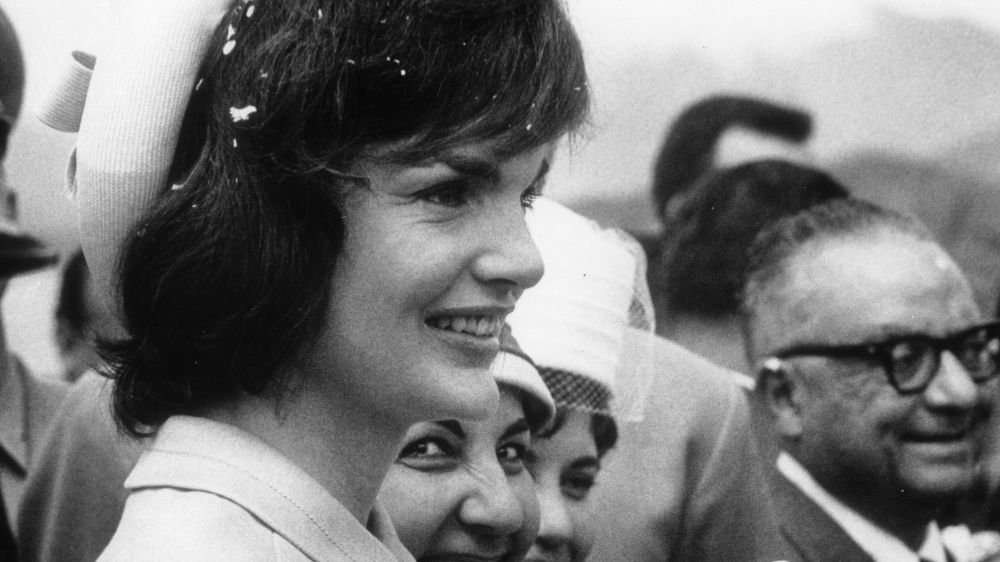
Jacqueline Kennedy Searched Forgotten Corners
Jacqueline Kennedy’s restoration involved far more than choosing attractive décor. She searched storage areas and forgotten corners for objects connected to earlier presidential families. Much of that patient research happened away from public view, before the finished rooms became familiar symbols of her White House years.
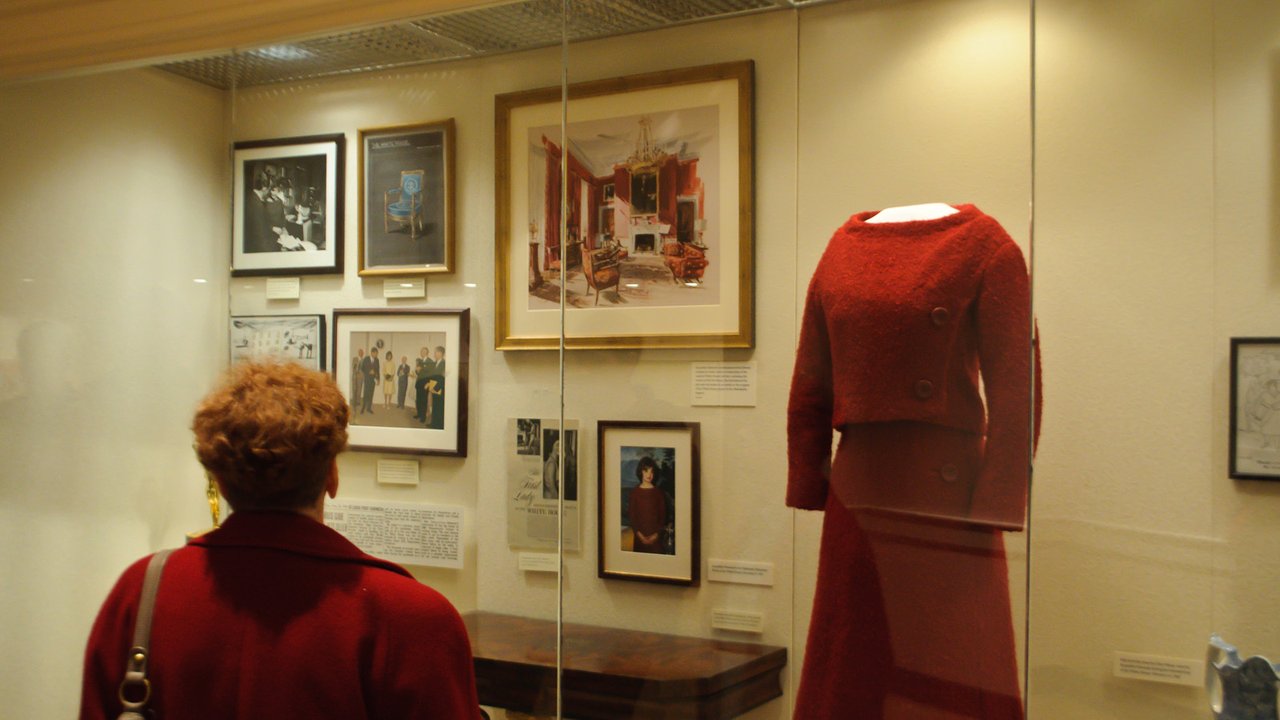

She Quietly Built a Museum System
In 1961, Jacqueline Kennedy created a Fine Arts Committee of specialists and supported the appointment of Lorraine Waxman Pearce as White House curator. Those decisions gave the restoration professional structure. Behind the elegant rooms was an emerging system for researching, authenticating, cataloging, and protecting historic objects.
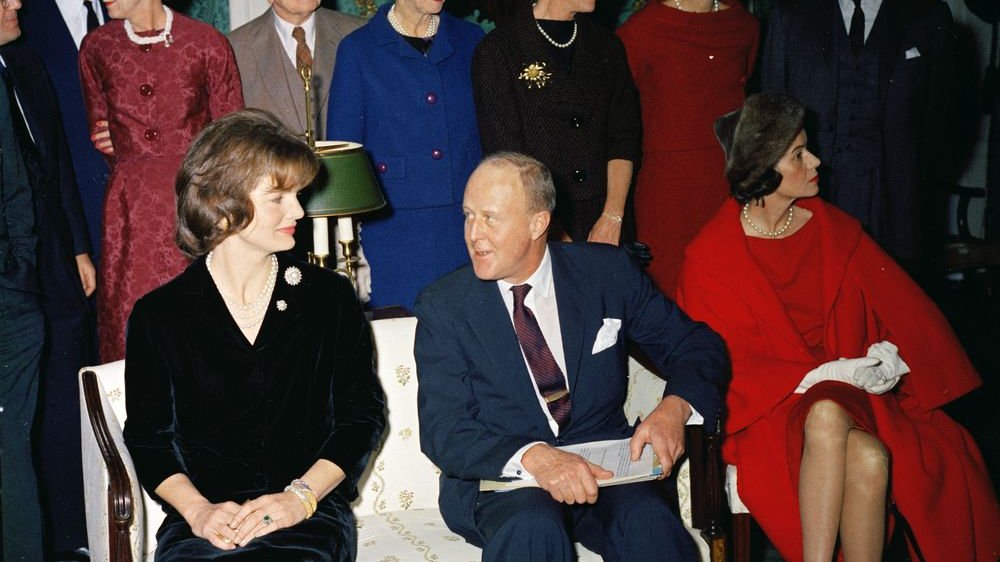

Government Money Could Not Fund the Vision
When available government funds ran short, Jacqueline Kennedy turned to private individuals and institutions. Donations and expert assistance helped recover furnishings associated with earlier administrations. The project therefore depended on discreet persuasion and relationship-building as much as it did on the first lady’s celebrated visual judgment.
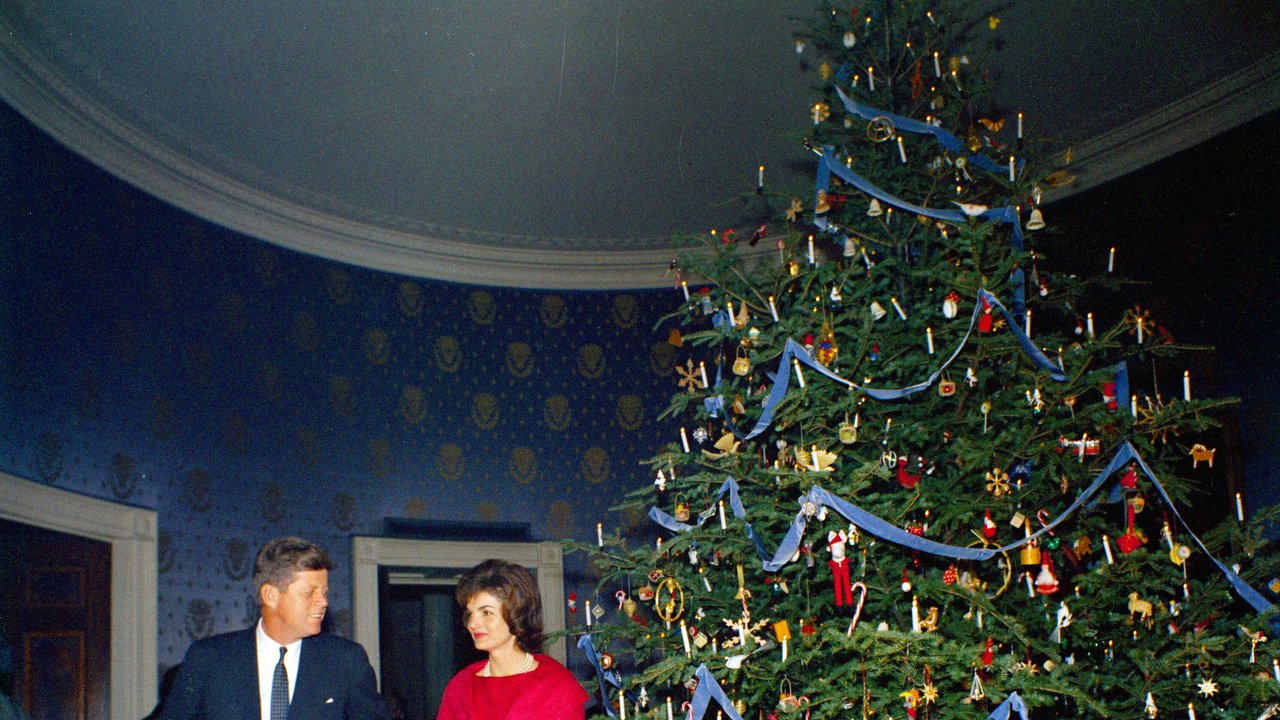

Congress Made the Collection Inalienable
Public Law 87-286, approved on September 22, 1961, changed the restoration’s future. Historic or artistic objects designated under the law became inalienable property of the White House. The measure helped prevent significant furnishings from being casually removed or sold when tastes and administrations changed.
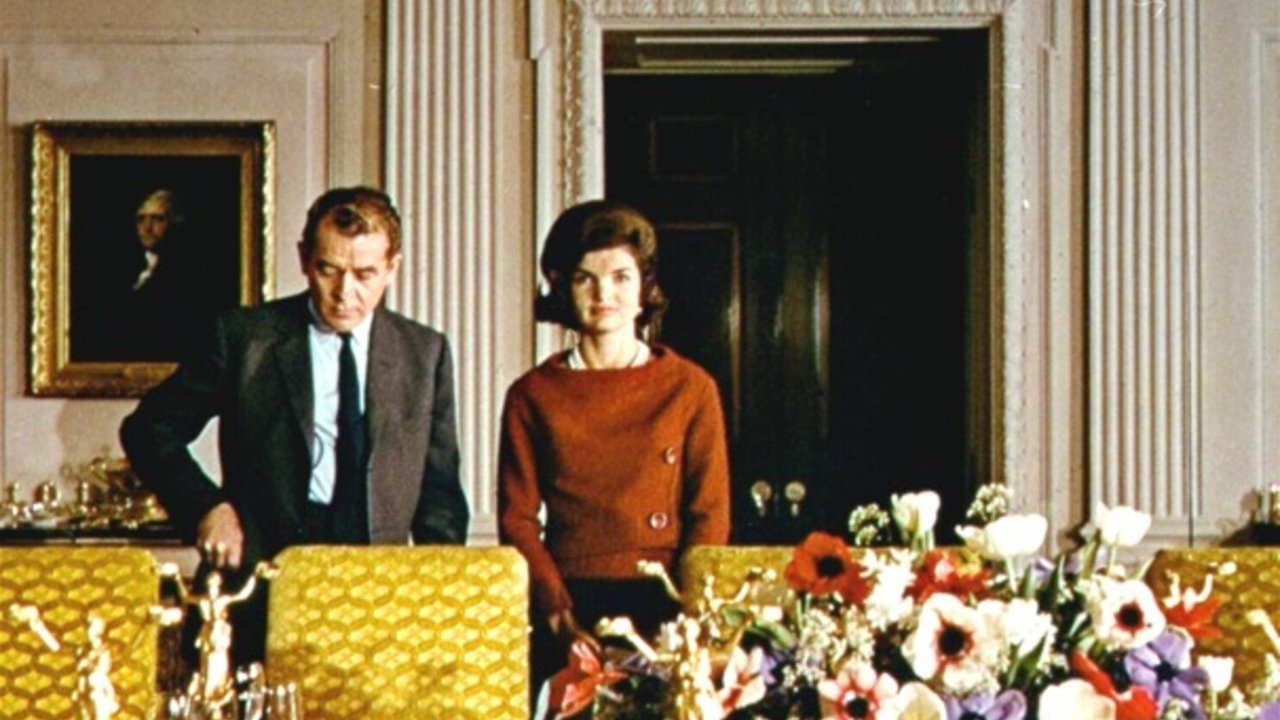

Television Finally Revealed the Work
Jacqueline Kennedy’s televised White House tour reached 80 million viewers on February 14, 1962. The broadcast opened rooms and research previously seen by relatively few people, and it brought her an Emmy. What looked like an effortless tour was the public unveiling of a demanding preservation campaign.
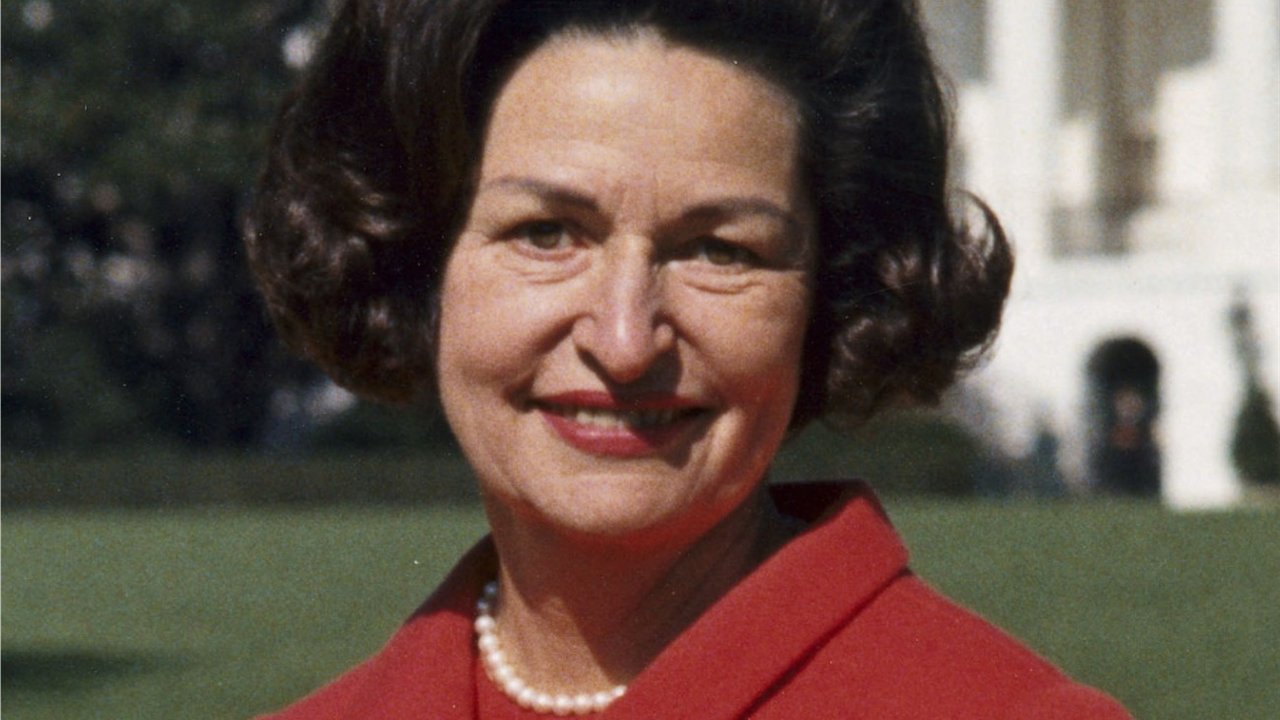

Lady Bird Johnson Built a Private Memory System
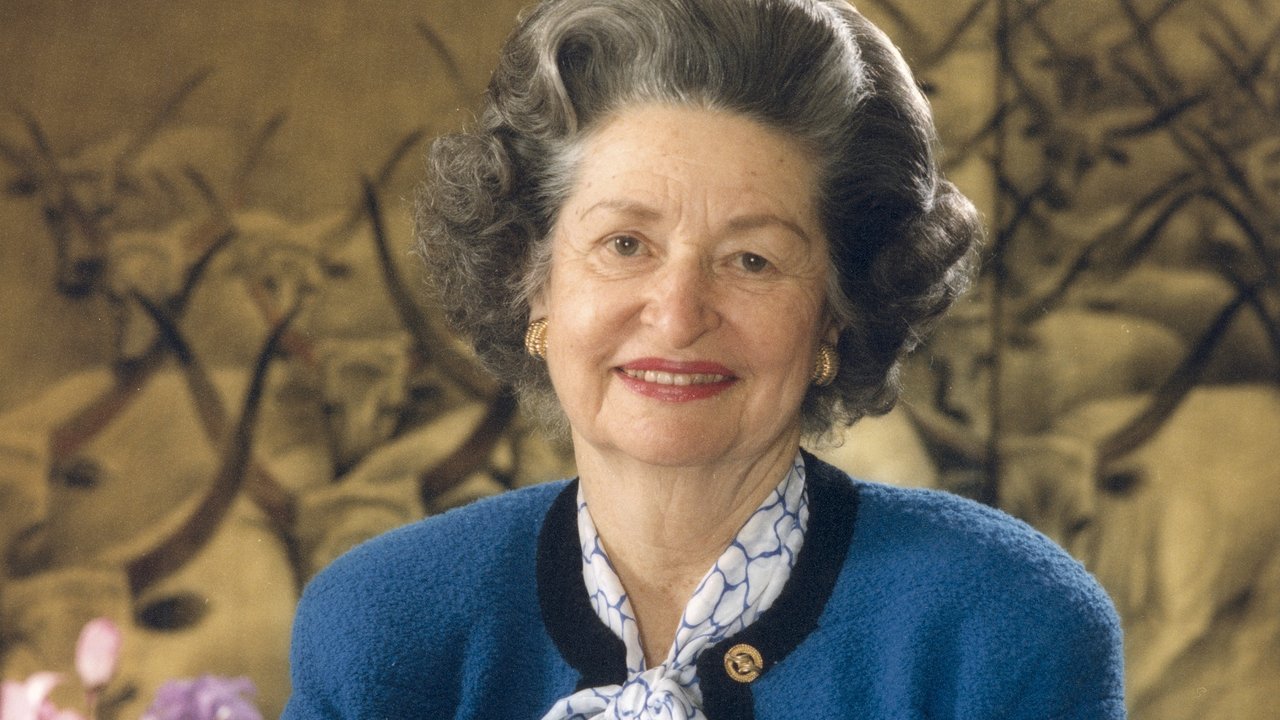
Lady Bird Johnson preserved daily schedules, menus, clippings, guest lists, and related papers in manila envelopes. She later used those materials to refresh her memory while speaking into an audio recorder. The method captured conversations and impressions that a formal public calendar could never preserve.

Her Recordings Ran for 123 Hours
Lady Bird’s recordings eventually totaled 123 hours and documented her experiences during the Johnson administration. The extensive archive preserves her own voice and day-to-day perspective. It also shows how a first lady’s private record can eventually give the public a fuller view of life inside the presidency.

Betty Ford Refused to Hide Breast Cancer
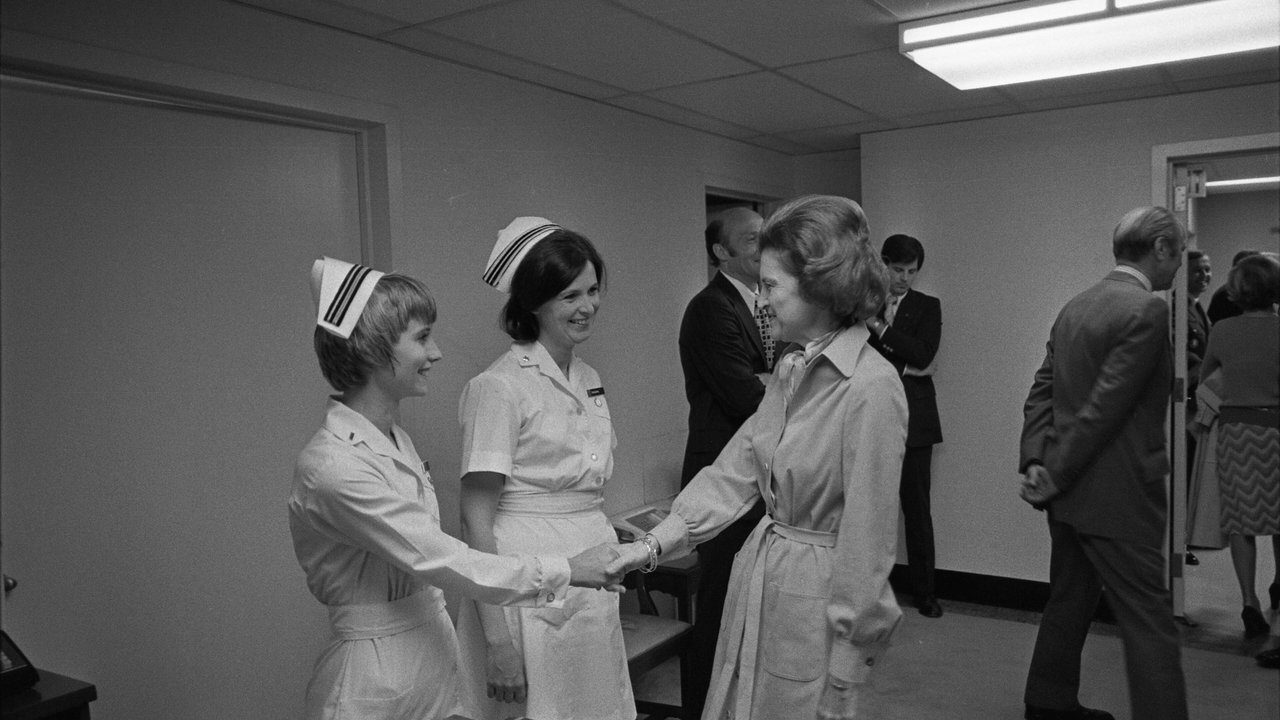
Breast cancer was commonly treated as a private subject when Betty Ford received her diagnosis. Instead of keeping it behind White House doors, she discussed her illness and treatment publicly. Her choice made a deeply personal diagnosis part of her public life and invited Americans to consider an illness many rarely discussed openly.

The White House Received 55,000 Messages
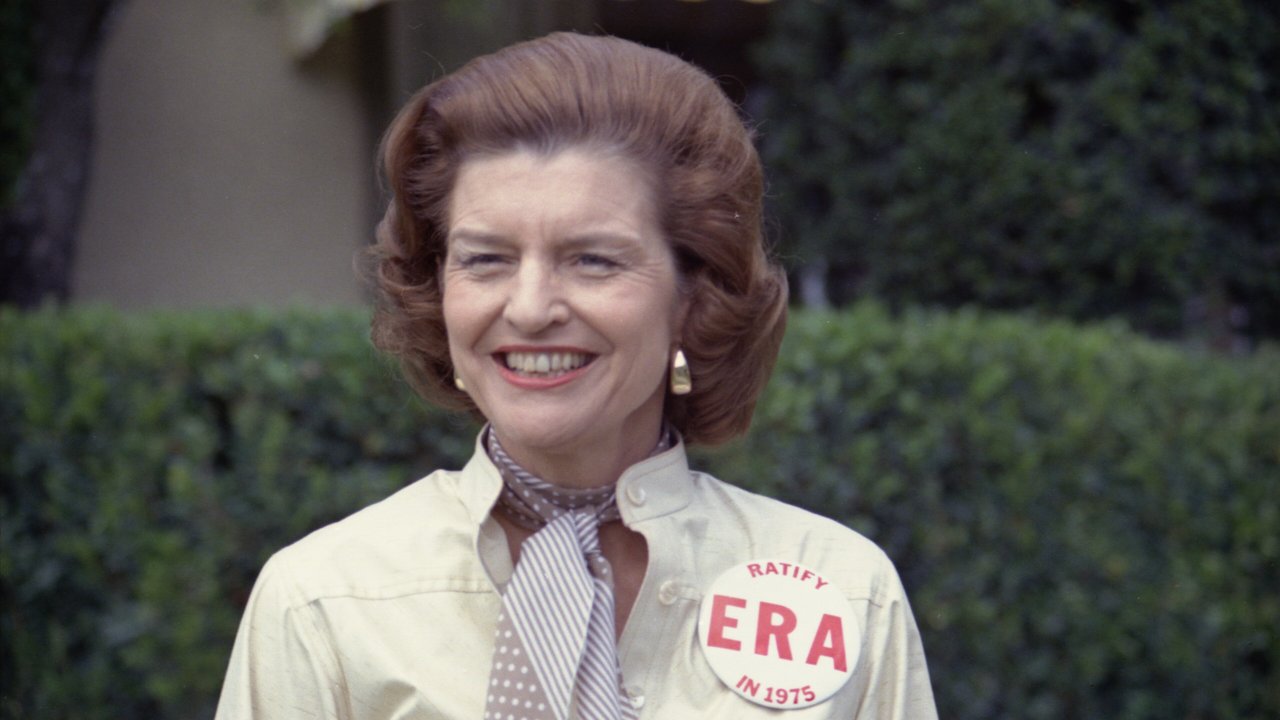
More than 55,000 letters and cards reached Betty Ford within a few weeks. The response showed how deeply her disclosure had affected Americans who rarely heard breast cancer discussed openly. What might once have remained a closely guarded family matter instead connected the first lady with thousands of households.

Her Family Confronted Her Substance Use
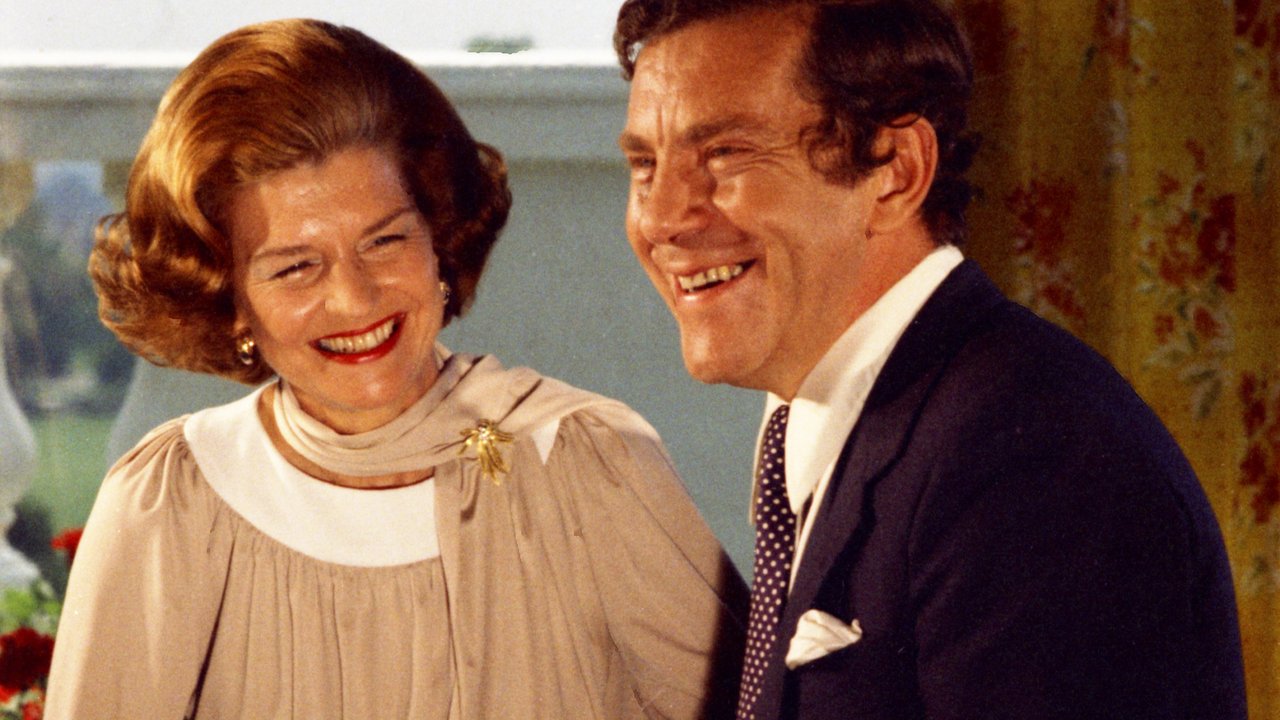
In 1978, Betty Ford’s prescription-drug and alcohol use led to a family intervention, and she admitted herself to Long Beach Naval Hospital for treatment. Her response eventually became part of the public record, adding another difficult, deeply personal chapter to the candid life story she shared with Americans.
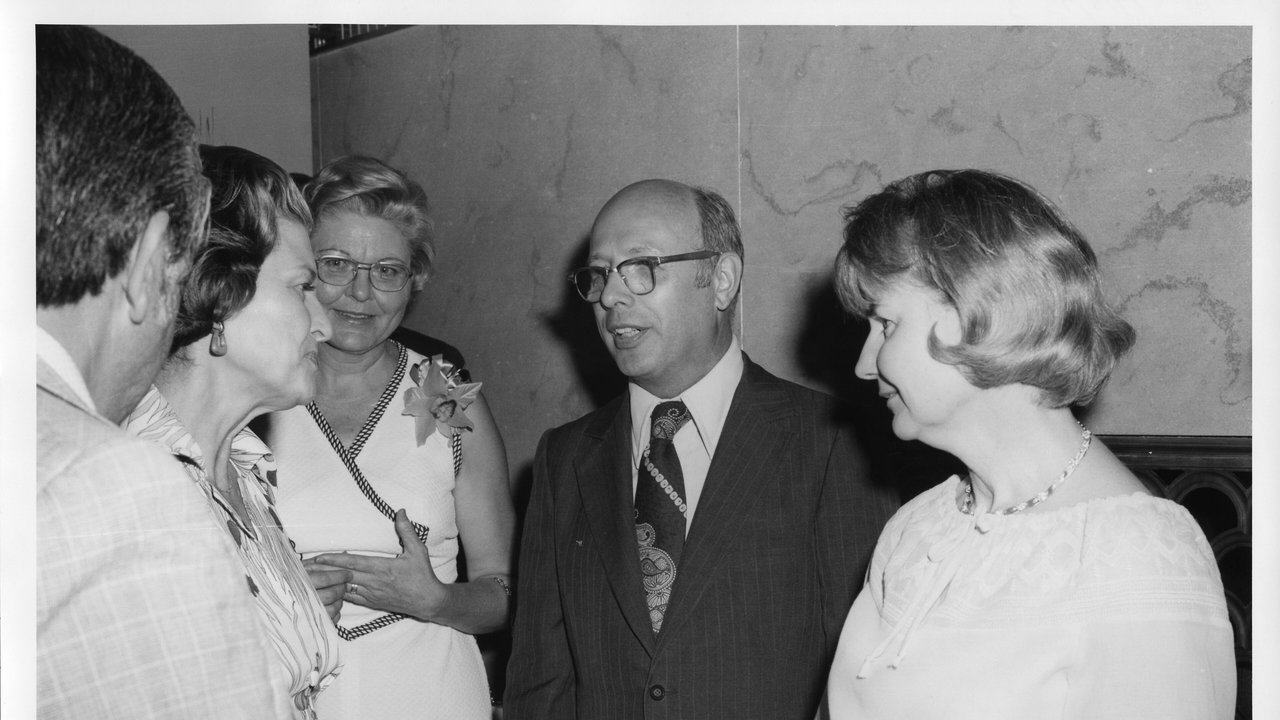

She Disclosed Her Addiction Herself
On April 21, 1978, Betty Ford spoke publicly about her addiction to pain medication and alcohol. As with her breast cancer diagnosis, she chose direct language for a personal health crisis. The lasting point is not only what she had kept private, but that she eventually addressed it in her own voice.
The confirmed record shows that private White House life could shape public history in unexpected ways. Which of these stories changed how you see the role of a first lady?
Follow Lilyon on MSN for more stories like this.
Sources: