

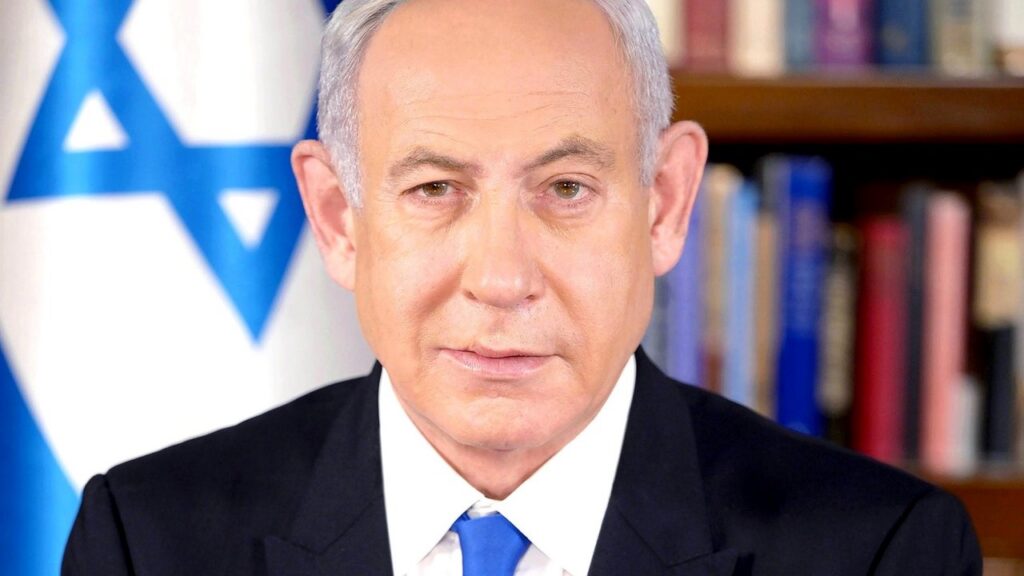

Prime Minister Benjamin Netanyahu’s alliance lost its parliamentary majority in Israel’s Oct. 27 election, but the vote did not produce a clear replacement. The bloc led by opposition leader Gadi Eisenkot also failed to win a majority.
On Nov. 8, President Isaac Herzog formally asked Eisenkot to try to form a government. As of early Nov. 17, coalition negotiations were continuing, and Netanyahu remained prime minister in a caretaker government.
Here’s what we know. This is a developing story.
What Did Voters Decide?
The official Knesset tally put Netanyahu’s Likud first with 27 seats and Eisenkot’s Yashar second with 21. Winning the most seats, however, did not give Likud or its allies a parliamentary majority.
Eisenkot’s bloc also fell short. Because neither side can govern alone, negotiations among smaller parties will determine whether Netanyahu leaves office or remains politically central.
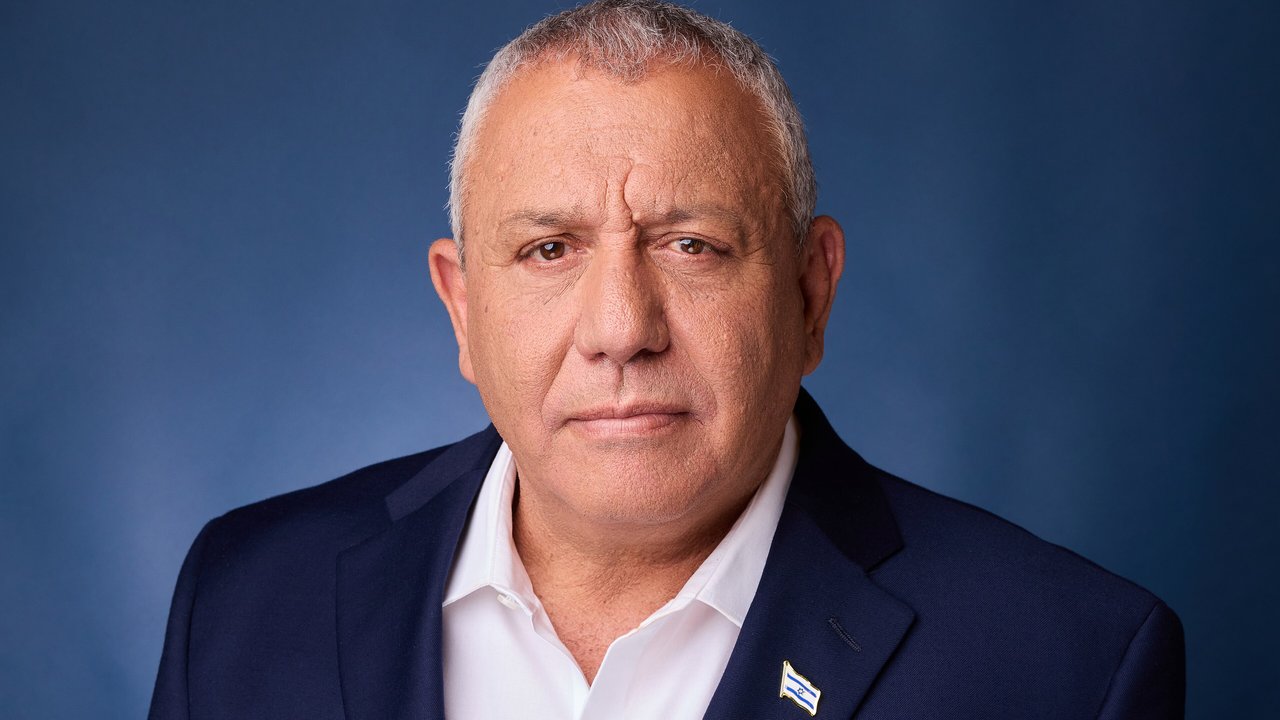

Why Does Eisenkot Get The First Chance?
Herzog’s decision gave Eisenkot the first attempt to build a government. It did not make him prime minister, and he must still convert political support into a coalition that can govern.
Israeli law gives the designated lawmaker 28 days to complete that task. Until a new coalition is approved, Netanyahu continues leading the caretaker government.
How Could Eisenkot Build A Government?
The Washington Post reported that Eisenkot has explored alliances with Arab-led parties and ultra-Orthodox Jewish parties. AP has also identified a unity agreement with Netanyahu as a possible route.
- Arab-led support An agreement could provide crucial parliamentary backing, but it would require parties with sharply different positions to sustain the same government.
- Ultra-Orthodox parties Support from this camp could broaden Eisenkot’s coalition, but it would require compromises from parties that campaigned against Netanyahu’s governing alliance.
- A unity government Eisenkot’s parties could govern with Netanyahu. That might resolve the deadlock, but it would keep Netanyahu at the center of power rather than remove him.
Each route carries political costs. Unless Eisenkot completes one of them, the election result alone will not remove Netanyahu from office.
Reuters walked through the main options, and why they could still lead back to Netanyahu, in a video posted on Nov. 9:
Benjamin Netanyahu's rival Gadi Eisenkot is now tasked with forming Israel's new government, but Eisenkot's coalition lacks a parliamentary majority. We break down some of the options and why it could all fall back to long-time political survivor Netanyahu https://t.co/IFbyjNMLhc pic.twitter.com/FvKSW8lmuN
— Reuters (@Reuters) November 9, 2026


Has Netanyahu Come Back Before?
Yes. AP reported that Netanyahu lost an election in 2021 but returned to power in 2022 after divisions developed among his opponents. The Guardian reported that the intervening government collapsed shortly after its first anniversary.
That history does not determine the present outcome, but it shows why losing a parliamentary majority is different from permanently losing power. A rival must still construct and maintain a governing coalition.
What Is Confirmed About The Result?
The certified count remains the basis for forming the next government. The Guardian reported that Israel’s Central Election Committee said the election’s integrity had not been compromised.
That finding does not settle the coalition contest. It does separate the confirmed election result from the continuing political arguments over who should govern.
Eisenkot must now present a workable coalition within the initial 28-day period provided by Israeli law.
Top photo: Israeli Prime Minister Benjamin Netanyahu in an official portrait from February 2023. Avi Ohayon / Wikimedia Commons, CC BY-SA 3.0 (cropped)
Sources:
- Knesset: Elections Results for the 26th Knesset
- President of Israel: President Herzog Tasks Gadi Eisenkot with Forming a Government
- Associated Press: Israel’s President Taps Opposition Candidate Eisenkot to Form a Government
- Associated Press: What to Know About Israel’s Palestinian Citizens After Elections Show Their Clout
- Knesset: Forming a Government
- The Washington Post: After Claiming Election Stolen, Netanyahu Allies Face Their Own Meddling Allegations
- Associated Press: Takeaways From Israel’s Inconclusive Election
- Associated Press: Netanyahu Turns His Focus to His Divided Base With Eyes on Reelection
- The Guardian: Israel’s Herzog Yet to Decide Who Should Form Government
- The Guardian: Israel’s Benjamin Netanyahu Comeback Brings Despair for Left-Wing Parties