

Are you wondering how to lower your heating bill without spending the winter shivering at home?
You can stay comfortable and use less energy by controlling when heat runs, stopping drafts, improving airflow, and keeping your equipment working efficiently. The key is to cut waste, not warmth.
Here are 10 practical changes based on guidance from the U.S. Department of Energy and ENERGY STAR, including the safety details that matter before you adjust your thermostat, seal gaps, or change your water-heater setting.
Use Your Thermostat More Strategically
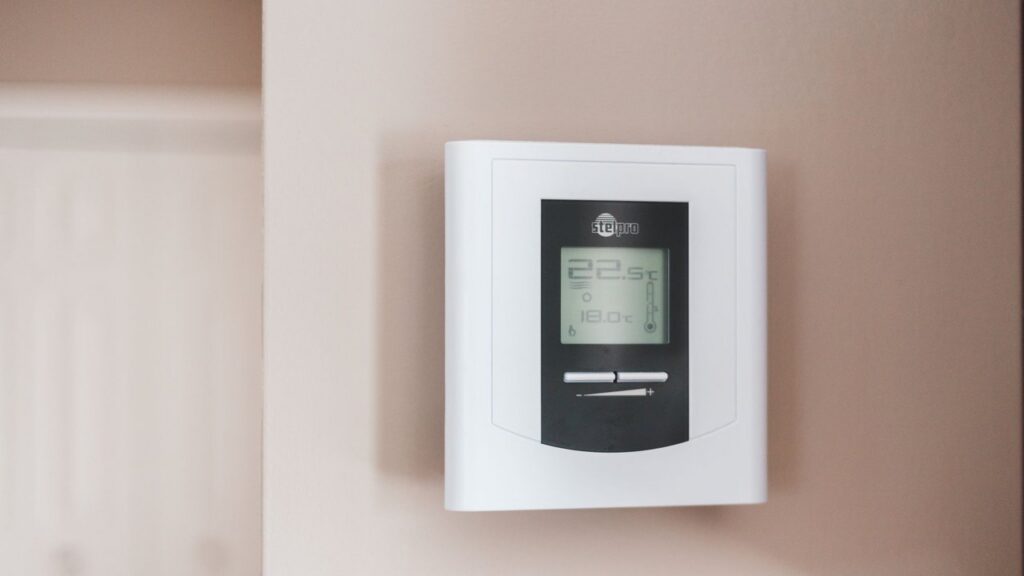
Keep the temperature you prefer while everyone is active, then use a setback during a predictable stretch when the household is asleep or away. This gives you savings without making the hours you spend at home uncomfortable.
- 1. Use a timed setback. According to the Department of Energy, turning the thermostat back 7°–10°F for 8 hours a day can save as much as 10% annually on heating and cooling. Choose one regular block instead of changing the setting every time a room feels cool.
- 2. Automate the schedule. A compatible smart thermostat can establish an energy-saving schedule while you are asleep or away. Program it to restore your comfortable temperature before you normally wake up or return home. Before buying or installing one, confirm that it works with your heating system.
Heat pumps need a different approach. Do not use a manual setback if recovery activates backup electric-resistance heat, which the Department of Energy says is more expensive. Follow the equipment maker’s thermostat guidance instead.
Seal Drafts With the Right Material
Check the edges of exterior doors and windows for drafts. The right fix depends on whether the joint stays still or moves when you open and close it.
- 3. Caulk stationary gaps. Use suitable caulk for accessible cracks between fixed components, including gaps around stationary door and window frames. Remove failing material first, then prepare the surface as directed on the caulk label so the new bead makes continuous contact.
- 4. Weatherstrip moving parts. Apply weatherstripping where doors or operable windows meet their frames. Close each door or window afterward and make sure it still latches securely without crushing the strip or pulling it loose.
Leave gaps around chimney, furnace, or water-heater flues, vents, and pipes to a professional. Department of Energy guidance recommends professional air sealing in these areas because they involve combustion equipment and heat.
Use Windows And Airflow To Stay Comfortable
Sunlight and better air circulation can make cold spots more comfortable without another turn of the thermostat.
- 5. Manage curtains by the sun. During winter, open curtains on south-facing windows in daylight so sunlight can warm the home. Close them at night to reduce the chill near cold glass. Keep the fabric safely clear of heaters, registers, and open flames.
- 6. Reverse the ceiling fan. Set a reversible ceiling fan to spin clockwise in winter, as the Department of Energy recommends. This directs rising warm air back toward the occupied part of the room.
- 7. Clear every heat outlet. Move furniture, rugs, and curtains away from air vents, baseboard heaters, and radiators. Do not close HVAC vents in unused rooms to save money. The Department of Energy says closing them can strain the system and increase energy use.
Keep The Heating System Moving Air Efficiently
A little routine attention helps your system distribute warmth without fighting a clogged filter or neglected equipment.
- 8. Inspect the filter monthly. Check the furnace or heat-pump filter every month and change it when it looks dirty, following the system manual. ENERGY STAR notes that a dirty filter slows airflow, making it harder for the heating system to distribute warm air.
- 9. Schedule professional maintenance. Arrange a contractor’s pre-season heating checkup annually. ENERGY STAR recommends these visits to keep heating and cooling equipment at peak performance. Book the appointment before the first long cold spell instead of waiting for a breakdown.
Reduce The Cost Of Hot Water
This last adjustment cuts water-heating costs without making any room in your home feel colder.
- 10. Review the water-heater setting. Department of Energy guidance says lowering the water-heater thermostat reduces hot-water costs and that 120°F generally meets most household needs. Check the appliance instructions and your household’s health needs first. The agency notes that someone with a compromised immune system or chronic respiratory disease may want the water kept at 140°F. Before changing the setting in an at-risk household, ask an appropriate health or plumbing professional.
Water-heater controls can involve electricity, gas, and very hot water. If the adjustment procedure is unclear or the control is not readily accessible, have a qualified professional handle it.
Start with the draft or heating schedule you notice every day. Once that change is working for your household, add the others as winter settles in.
Sources:
- U.S. Department of Energy: Home Upgrades
- U.S. Department of Energy: Energy Saver—Tips on Saving Money and Energy in Your Home
- ENERGY STAR: Smart Thermostats
- U.S. Department of Energy: Energy-Efficient Home Improvement Credit Insulation and Air-Sealing Essentials
- U.S. Department of Energy: Consumer Guide to Air Sealing the Home
- U.S. Department of Energy: Home Energy Checklist
- ENERGY STAR: Heat and Cool Efficiently
- ENERGY STAR: Maintenance Checklist
- U.S. Department of Energy: Home Heating
- U.S. Department of Energy: Test Your Home Energy IQ
- U.S. Department of Energy: Water Heating Technology Fact Sheet
- U.S. Department of Energy: Renters