

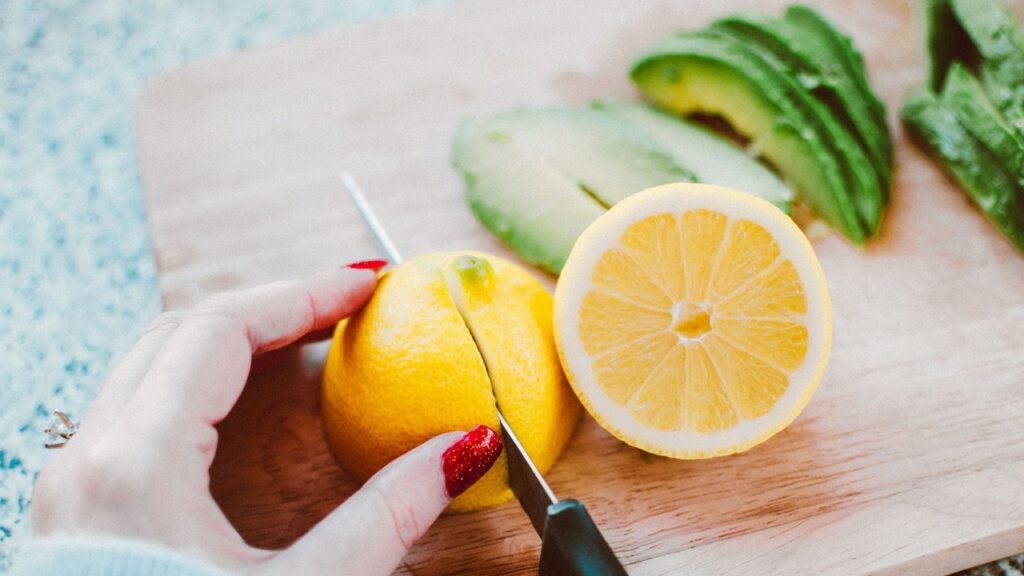
Have you ever wondered how to keep apple slices and cut avocado from turning brown before you serve them?
Use citrus juice or vitamin C, limit contact with air, and refrigerate the fruit promptly. Brown avocado flesh can still be edible, but discard any produce that looks rotten.
Why Cut Fruit Turns Brown
When you cut an apple or avocado, you damage its cells and expose naturally occurring enzymes to oxygen. That reaction, known as enzymatic browning, creates the familiar tan or brown color.
You can slow browning by interfering with the enzymes, adding an antioxidant such as vitamin C, limiting contact with oxygen, or lowering the temperature.
Start with clean fruit. Wash apples and avocados thoroughly under running water before cutting them, even if you will not eat the skin. The FDA advises against using soap, detergent, or commercial produce wash.
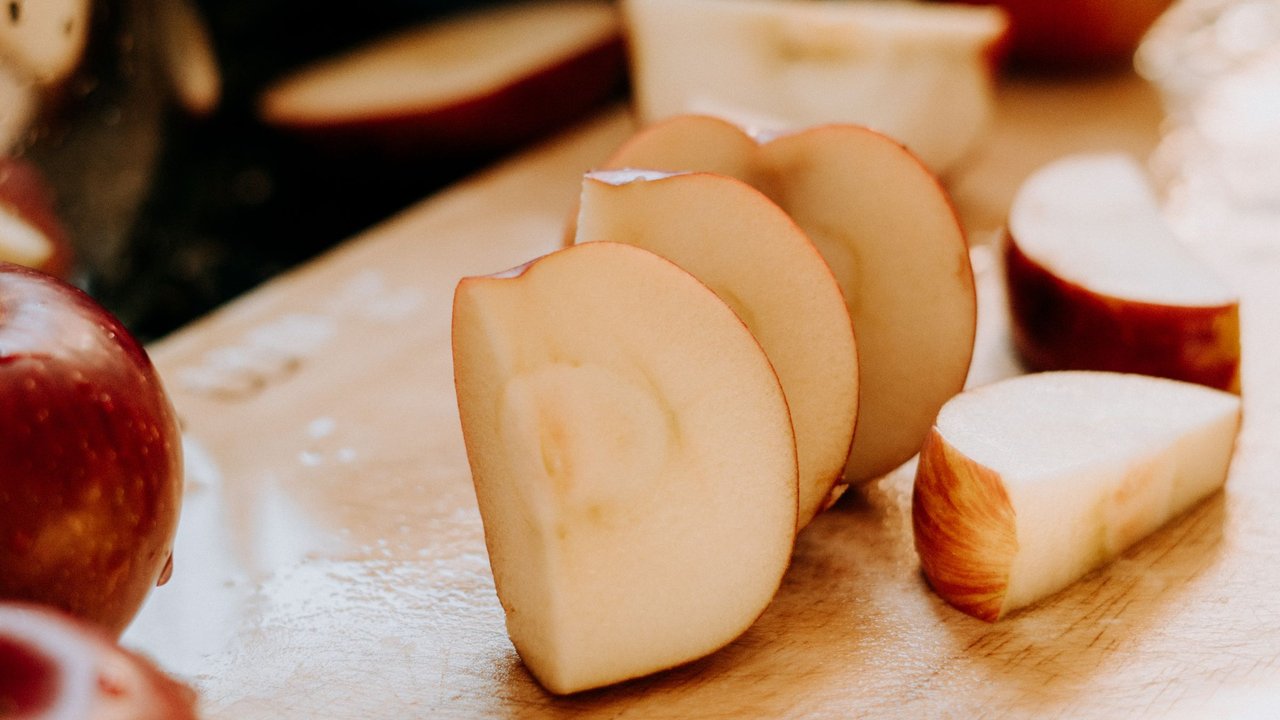
Use an Ascorbic Acid Dip for Apples
Ascorbic acid, another name for vitamin C, is an effective treatment for apple slices. It interferes with oxygen involved in browning and does not add flavor to the apples.
Prepare the dip before cutting the apples so you can treat every slice promptly. Use a clean bowl and clean utensils.
- Make the solution. Mix 1 teaspoon of ascorbic acid powder or six crushed vitamin C tablets with 2 cups of water.
- Dip the apples. Place the slices in the solution for 3 to 5 minutes, making sure the cut surfaces are wet.
- Drain and cover. Drain the slices, and then refrigerate them in a covered container until serving.
Ascorbic acid powder can also be mixed directly with fruit. If you use a prepared anti-browning mixture, follow the manufacturer’s instructions instead of improvising a ratio.
Try Citrus Juice When the Flavor Fits
Citrus juice works in two ways: Its acid interferes with browning enzymes, and its vitamin C acts as an antioxidant. Lemon and lime juice work with apples and avocado, although they can leave a citrus flavor.
For apples, mix 3 tablespoons of lemon juice with 1 quart of water. Soak the slices for 3 to 5 minutes, and then drain them. Grape, orange, lime, and pineapple juices can also slow browning, but they may change the apples’ flavor or color.
Juice is convenient, but it is not as effective as pure ascorbic acid. Choose it when a light fruit flavor suits what you are serving.
Protect the Surface of Avocado
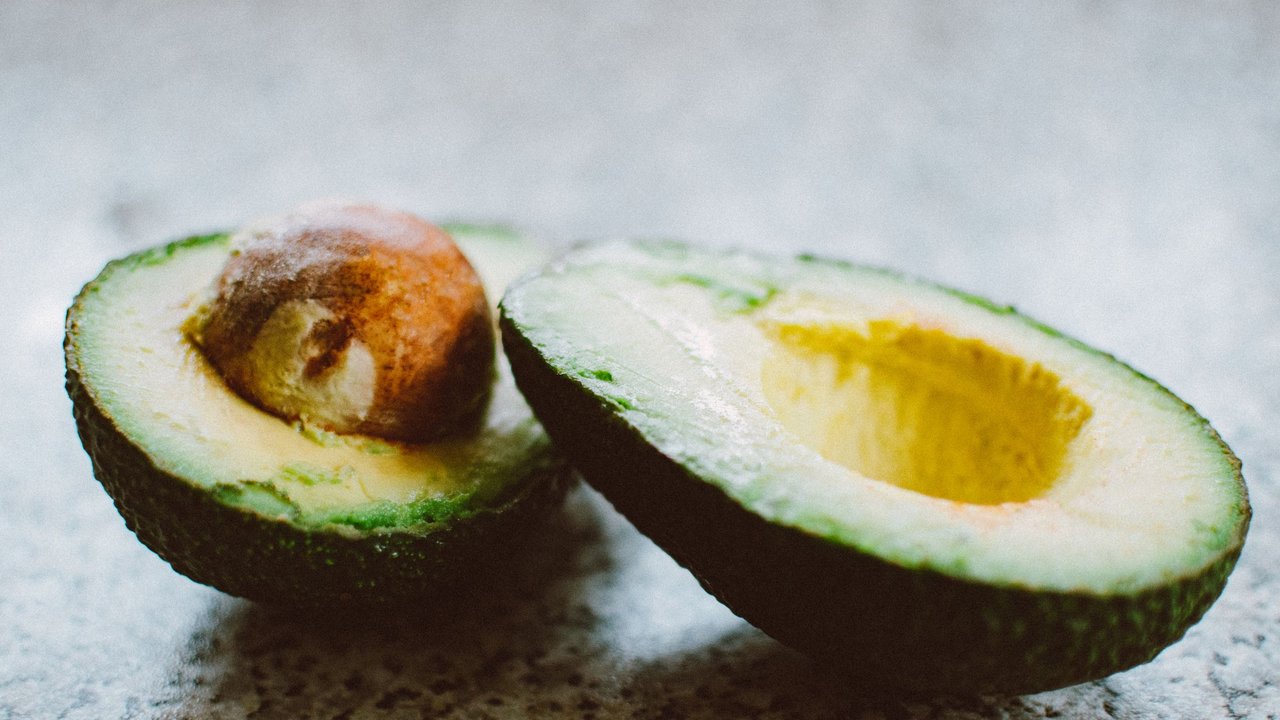
A cut avocado browns where its flesh remains exposed to oxygen. Covering that surface and keeping the fruit cold will help preserve its appearance.
Mashed avocado needs similar protection. Choose a small container that leaves little extra air above the surface.
- Add acid. Spread lemon or lime juice across all exposed flesh.
- Block air. Wrap an avocado half tightly, or place it in an airtight container.
- Keep it cold. Refrigerate the covered avocado promptly.
Refrigerate Cut Fruit Promptly
Cold temperatures slow enzymatic browning and help keep cut produce safely stored. Keep your refrigerator at 40°F or below.
Place cut fruit in a covered container, and do not leave it at room temperature for more than two hours. Citrus juice and vitamin C can protect its appearance, but they do not replace refrigeration.
Whenever possible, wait until close to serving time to cut the fruit. Cover and refrigerate it until you are ready to serve it.
Skip Weak or Risky Tricks
Some popular shortcuts provide limited protection, while others create unnecessary food-safety concerns. Use acid or ascorbic acid, cover exposed surfaces, and refrigerate cut fruit promptly.
- Do not rely on the pit. An avocado pit blocks air only where it touches the avocado or guacamole, so the surrounding surface can still brown.
- Do not submerge avocado in water. University of Kentucky Cooperative Extension warns that bacteria on the skin may multiply during submerged storage and contaminate the flesh.
- Do not depend on plain water for apples. Water can slow browning, but food-science guidance describes it as the least effective treatment for fruit.
- Judge more than color. Brown avocado flesh can still be edible. Throw away any produce that looks rotten.
A little citrus or vitamin C, a snug cover, and prompt refrigeration can keep cut apples and avocado appealing until serving time.
Sources:
- FDA: Selecting and Serving Produce Safely
- USDA Food Safety and Inspection Service: How should I store cut fruit and vegetables?
- University of Illinois Extension: Tips for Preventing Apples from Turning Brown
- University of Maine Cooperative Extension: Fruit Science
- University of Nebraska–Lincoln Extension: How to Prevent Cut Fruit from Turning Brown
- Harvard T.H. Chan School of Public Health: Avocados
- Washington State University Extension: Down with Brown—Prevent Browning in Freshly Cut Produce
- McGill University Office for Science and Society: Can placing an avocado seed in guacamole prevent discolouration?
- University of Kentucky Cooperative Extension: How to Store Avocados