

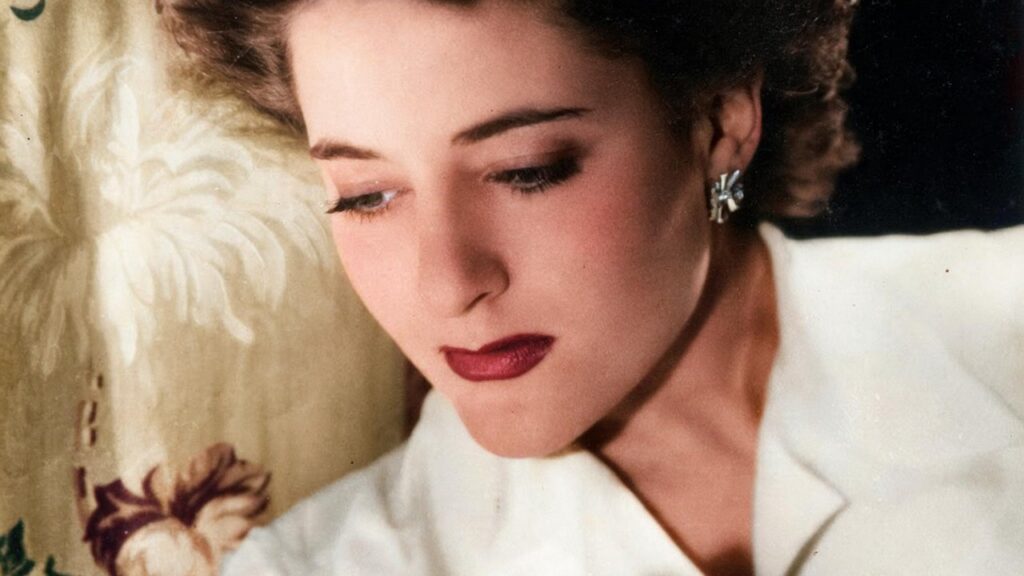

Italy’s private history is more complicated than familiar rumors suggest. Kings, statesmen, revolutionaries, writers, and party leaders left records of relationships that sometimes crossed the boundaries of marriage, politics, and social convention.
Moving chronologically from the Risorgimento to postwar Italy, this gallery follows relationships supported by archives and established historical sources. When the surviving evidence leaves room for doubt, that uncertainty remains part of the story.

What Counts as Confirmed
Private lives rarely survive in a neat file. This account draws on correspondence, civil records, archival catalogs, institutional biographies, and historical research. It leaves aside unsupported legends and distinguishes established events from disputed claims. The result is less sensational than rumor, but more useful for understanding the people involved.

1830: Cavour Meets Nina Giustiniani
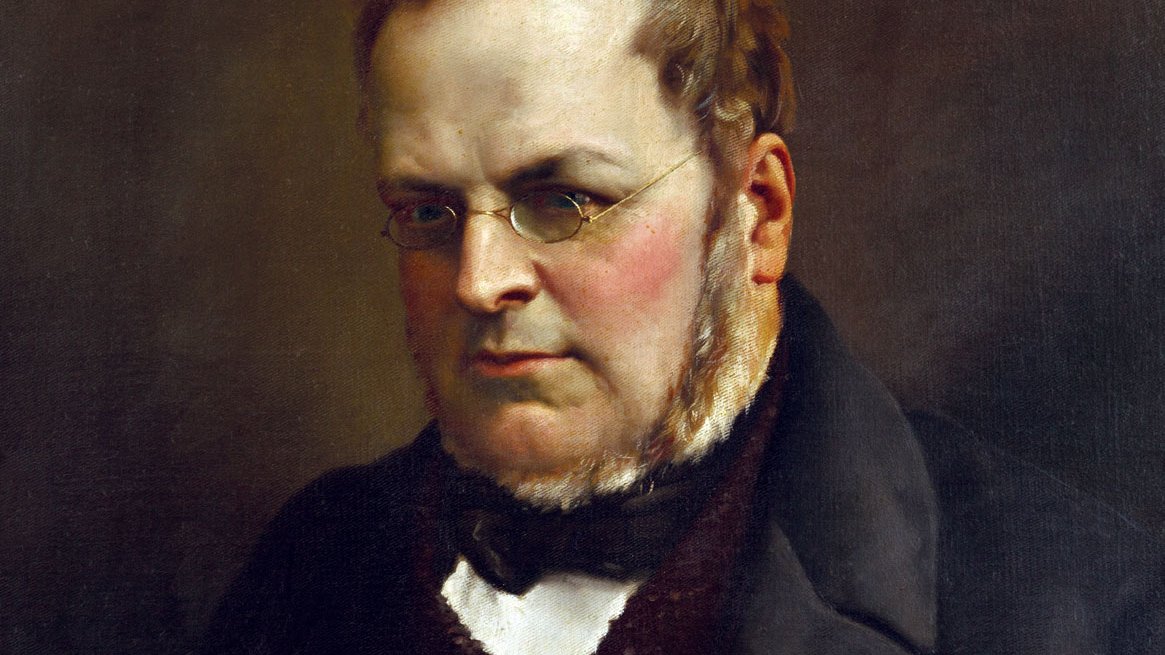
As a young man in Genoa, Camillo Cavour met Anna “Nina” Schiaffino Giustiniani. Treccani records that their relationship began there and continued intermittently until 1835. The dates place this well-documented personal connection during an early period in Cavour’s life, before his rise to national political prominence.

Family Pressure Separates Cavour and Nina
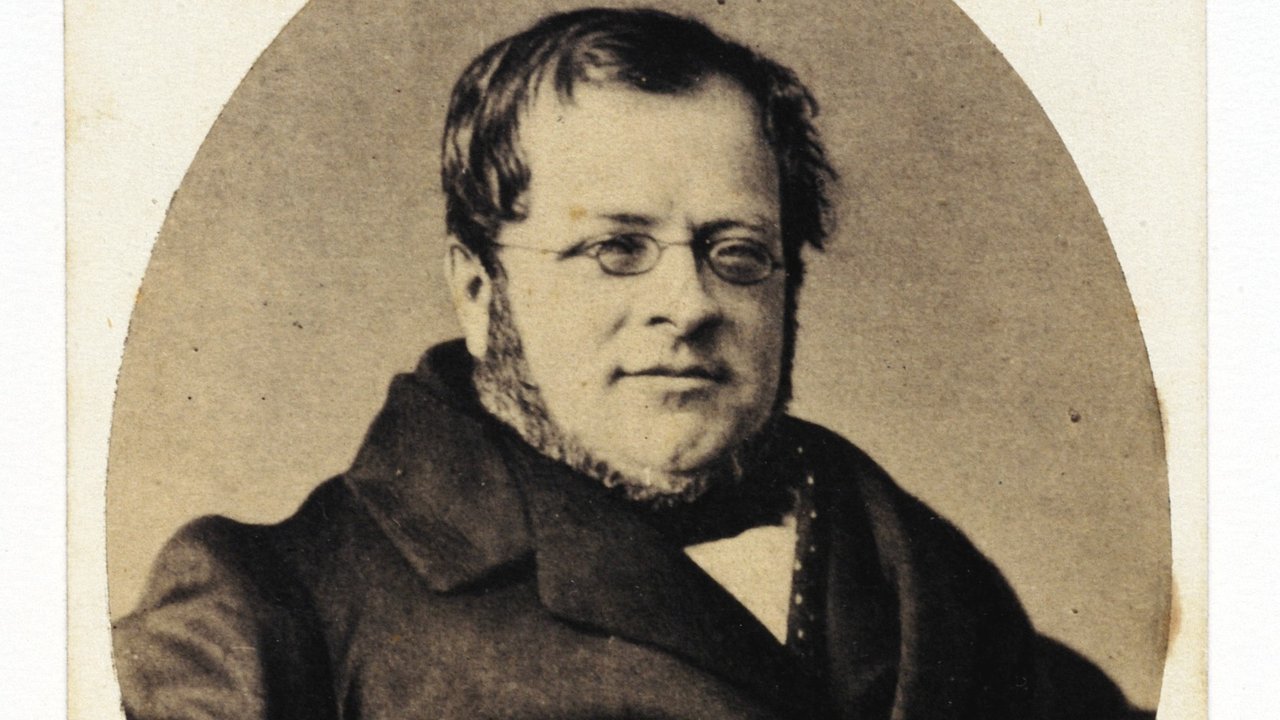
Nina’s family eventually learned about the relationship. According to Treccani, her mother ordered her to end it. The same biography records that Nina and Cavour’s intermittent connection lasted until 1835, showing that the attachment did not disappear neatly when her family intervened.

1839: Garibaldi Encounters Anita in Brazil
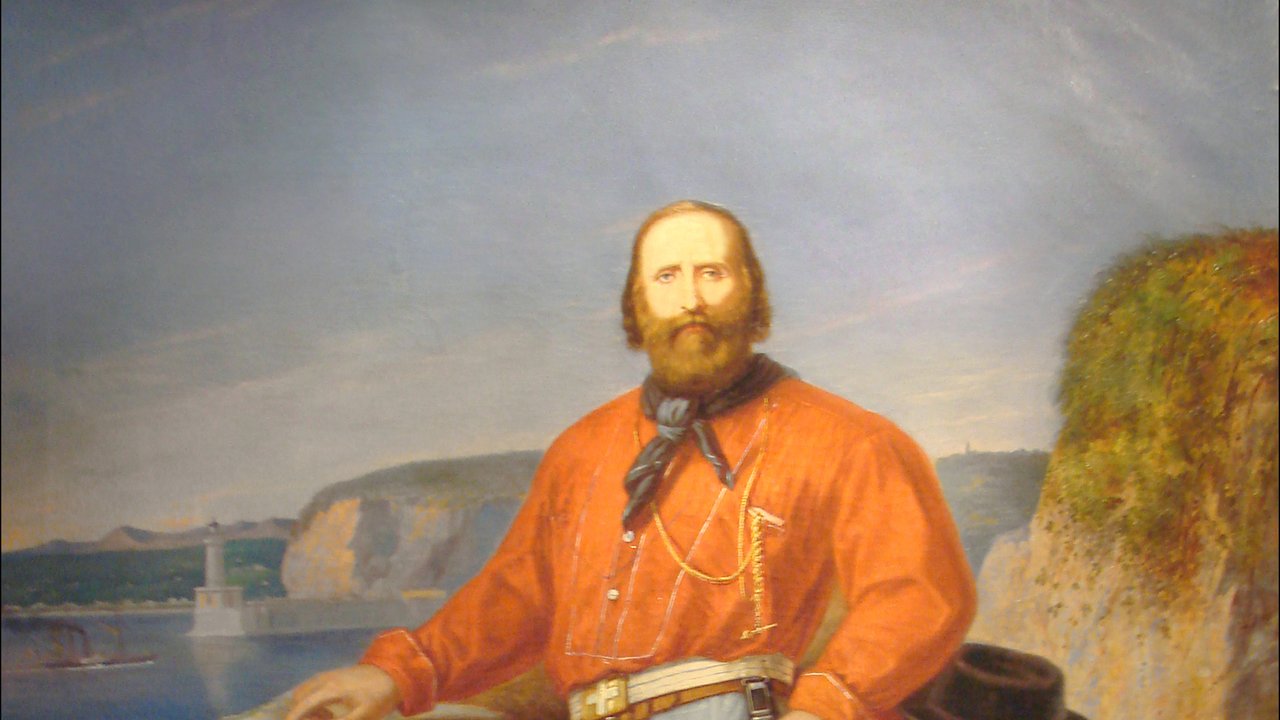
Giuseppe Garibaldi met Anita Ribeiro da Silva at Laguna in the autumn of 1839. Treccani describes Laguna as a city in Santa Catarina Province that rebels had recently captured. Their meeting began one of the best-documented personal partnerships associated with the future Italian revolutionary.

1842: Giuseppe and Anita Marry
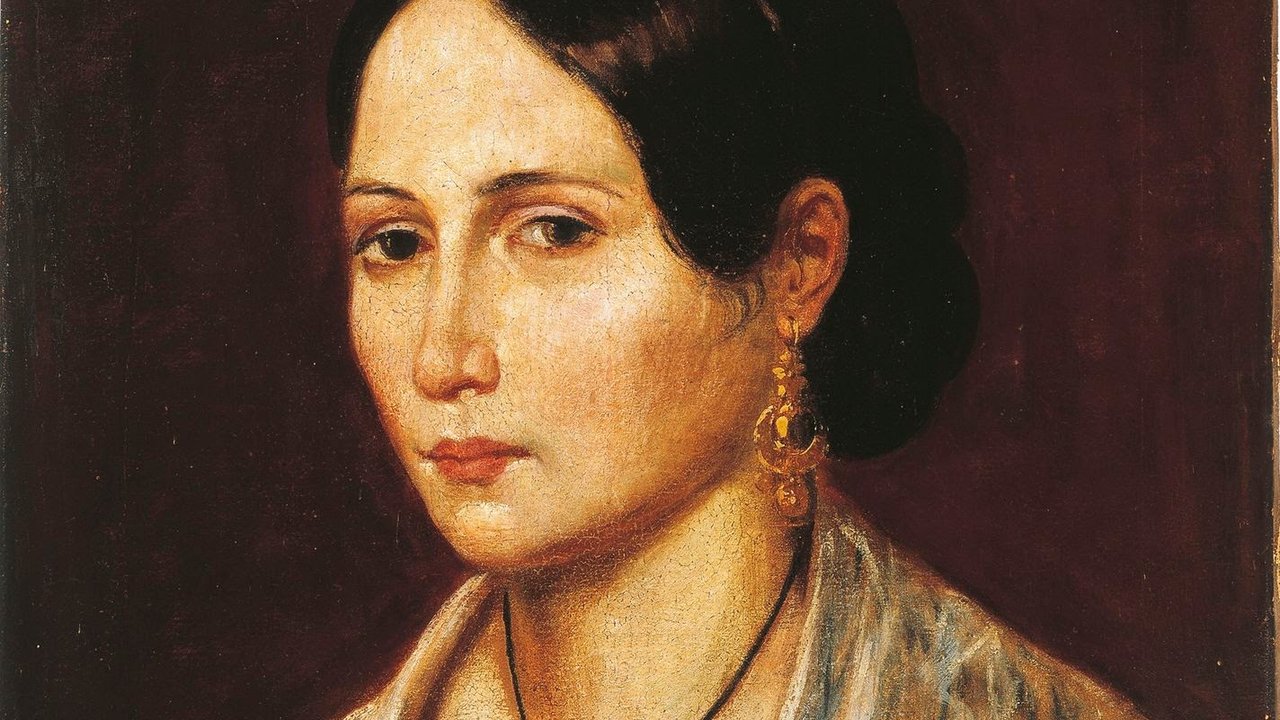
After Anita’s first husband died, she and Garibaldi married at the Church of St. Francis in Montevideo on June 16, 1842. The ceremony gave formal recognition to a relationship already shaped by the upheaval surrounding Garibaldi’s activities in South America.

1849: Anita’s Final Days
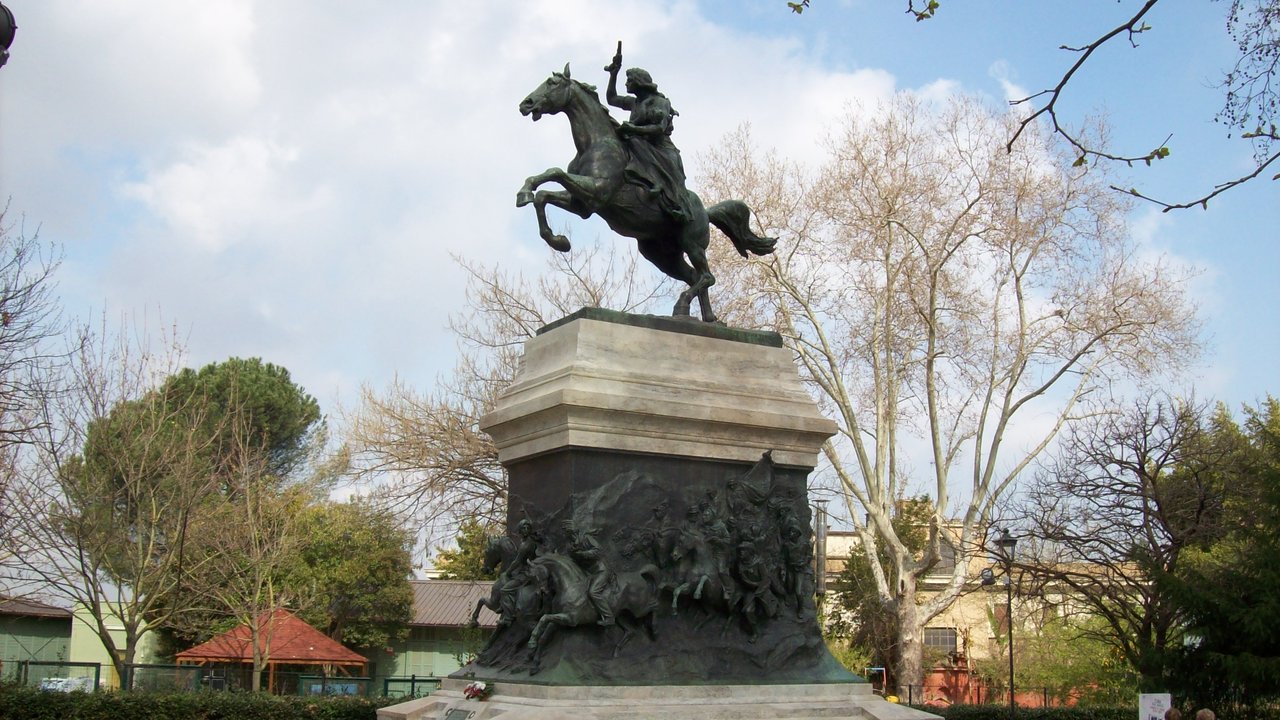
Anita died at the Guiccioli farm near Ravenna on August 4, 1849. Her death came during the turbulent revolutionary period that made both her and Garibaldi enduring historical figures. Later patriotic images often simplified her story, but the recorded date and place provide a firm point in the historical account.

1869 and 1877: Two Stages of Marriage
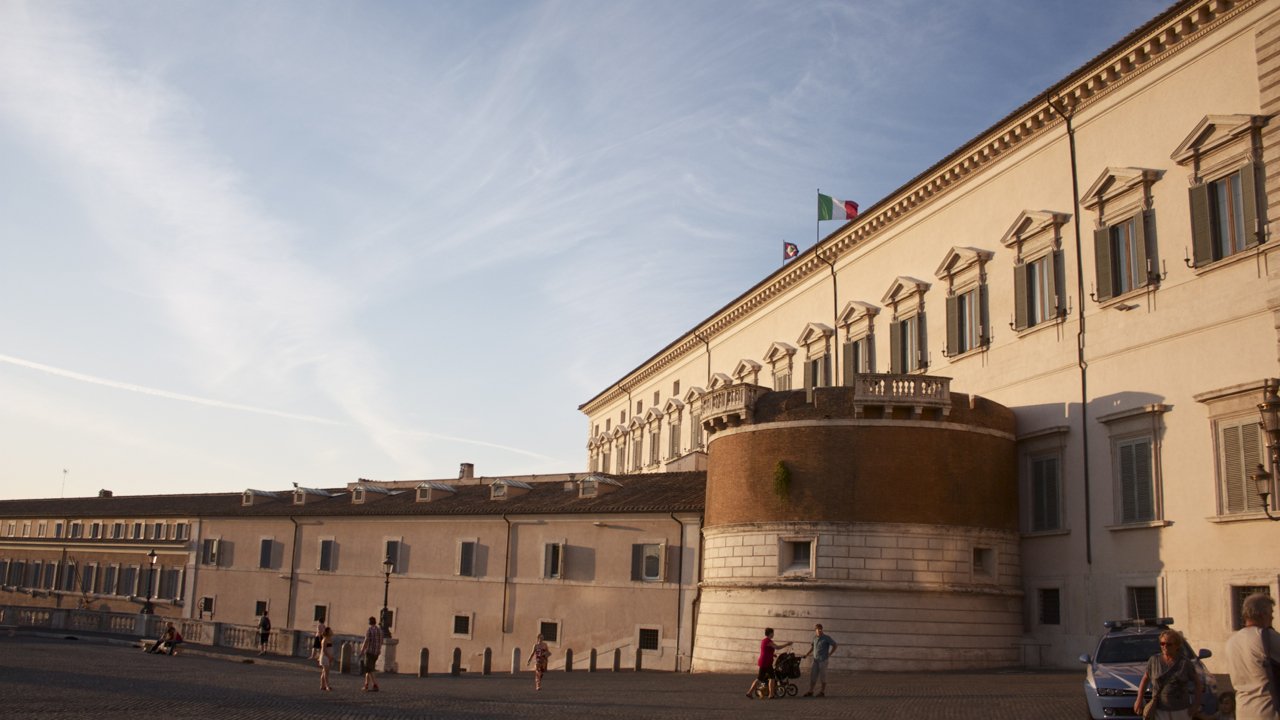
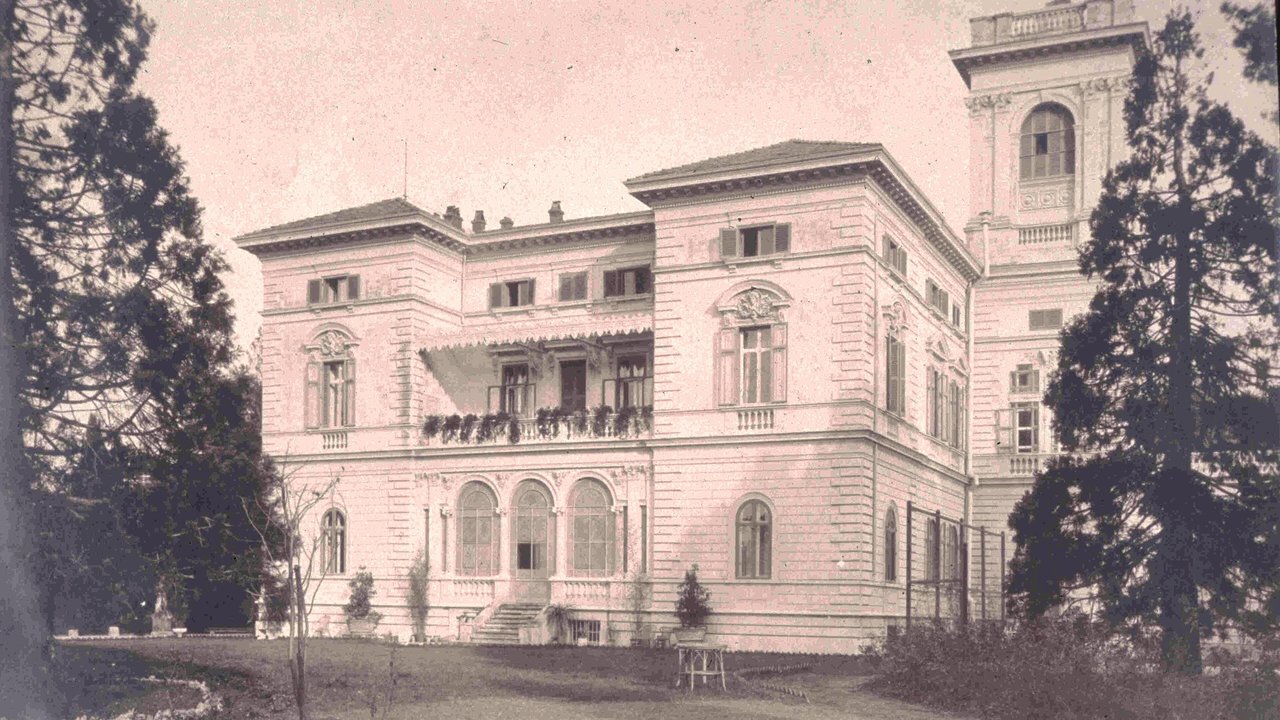
Treccani records that Victor Emmanuel and Rosa married in a religious ceremony in 1869 and entered a morganatic marriage in 1877. The Quirinale archive also catalogs a copy of their marriage certificate dated November 7, 1869, at San Rossore. Together, the records show the relationship’s formal development.
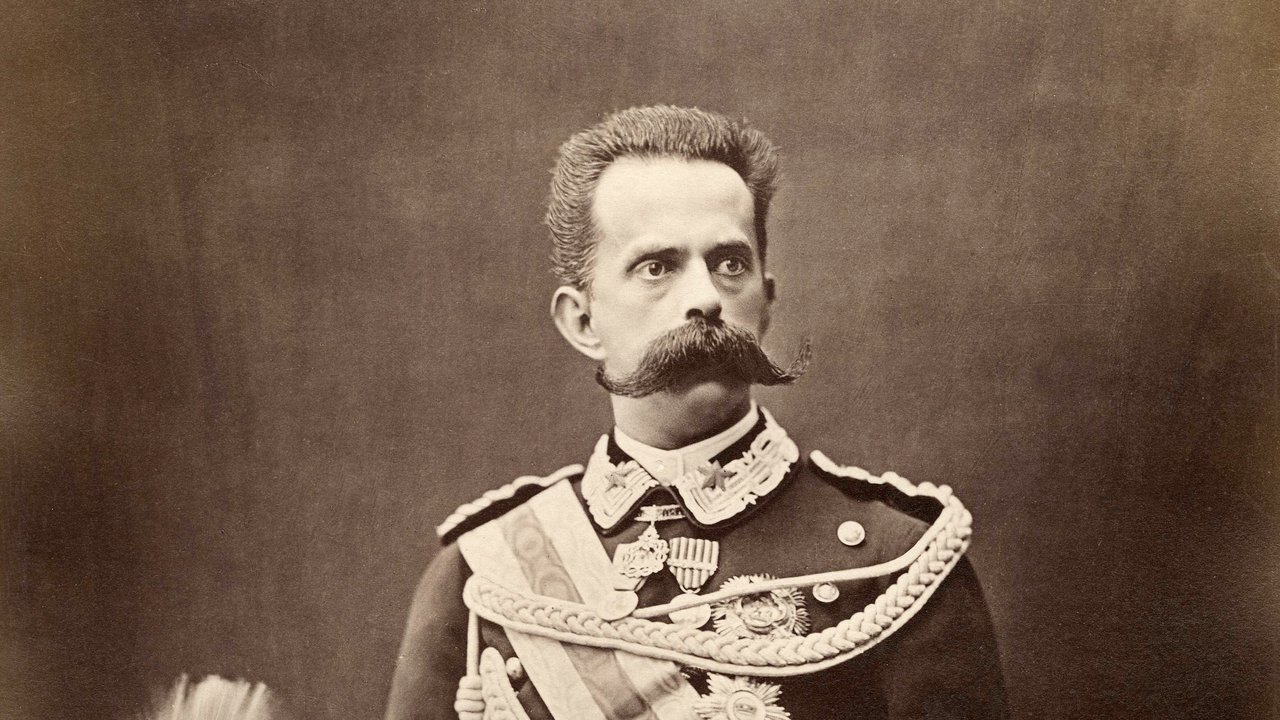

Umberto I and Duchess Eugenia Litta
The relationship between King Umberto I and Eugenia Attendolo Bolognini, Duchess Litta, was more than court gossip. A Lombardy archival catalog identifies Eugenia as Umberto’s lover, while Treccani describes the king as remaining bound to her by sincere affection.
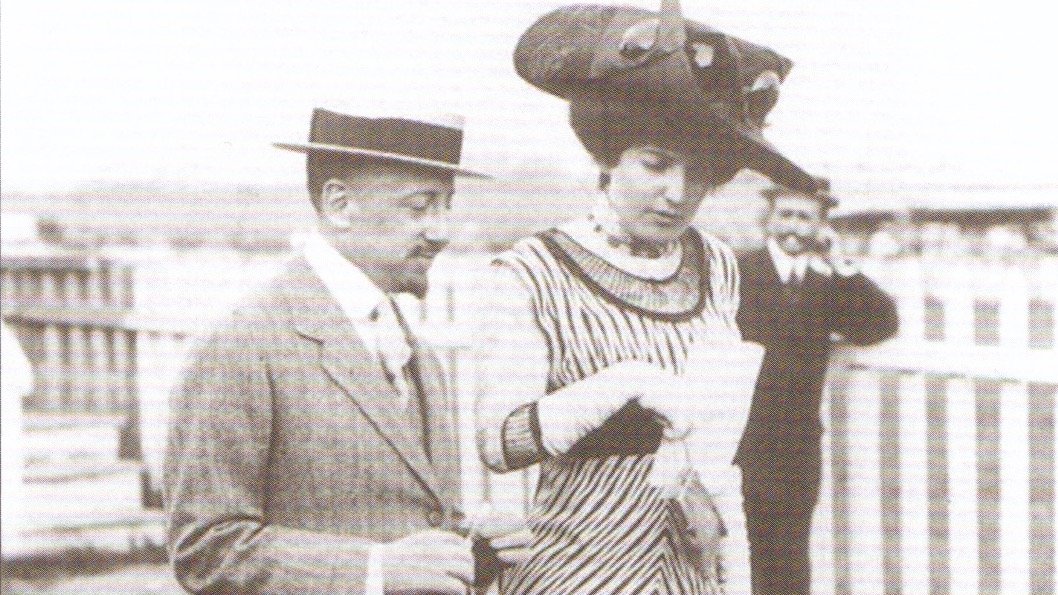

D’Annunzio and Eleonora Duse Go Public
Writer Gabriele D’Annunzio and actor Eleonora Duse had a relationship that became public knowledge, according to Treccani. Their connection was both personal and creative, bringing together a prominent literary figure and one of the most celebrated performers of the Italian stage.
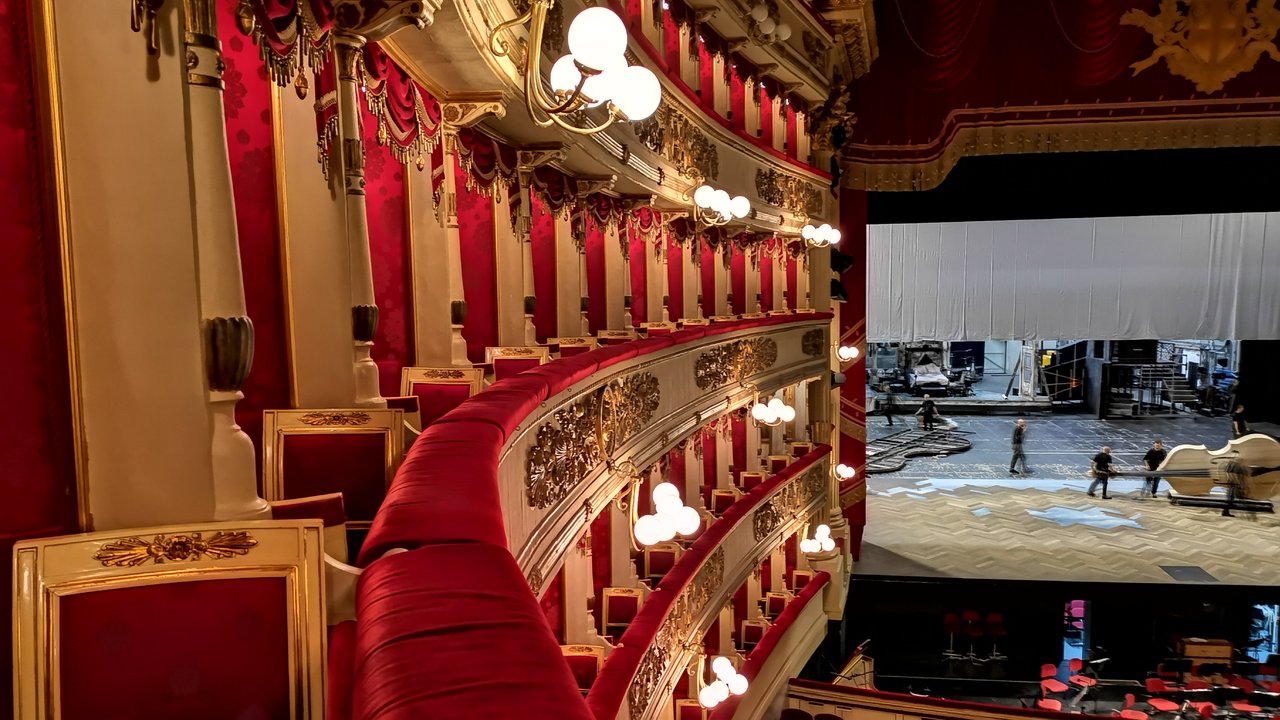

Their Romance Becomes a Theater Partnership
D’Annunzio wrote several plays for Duse, including The Dream of a Spring Morning, La Gioconda, and La Gloria. Their theatrical partnership placed Duse at the center of his ambitions for the stage, even when the productions did not always receive the response they hoped for.
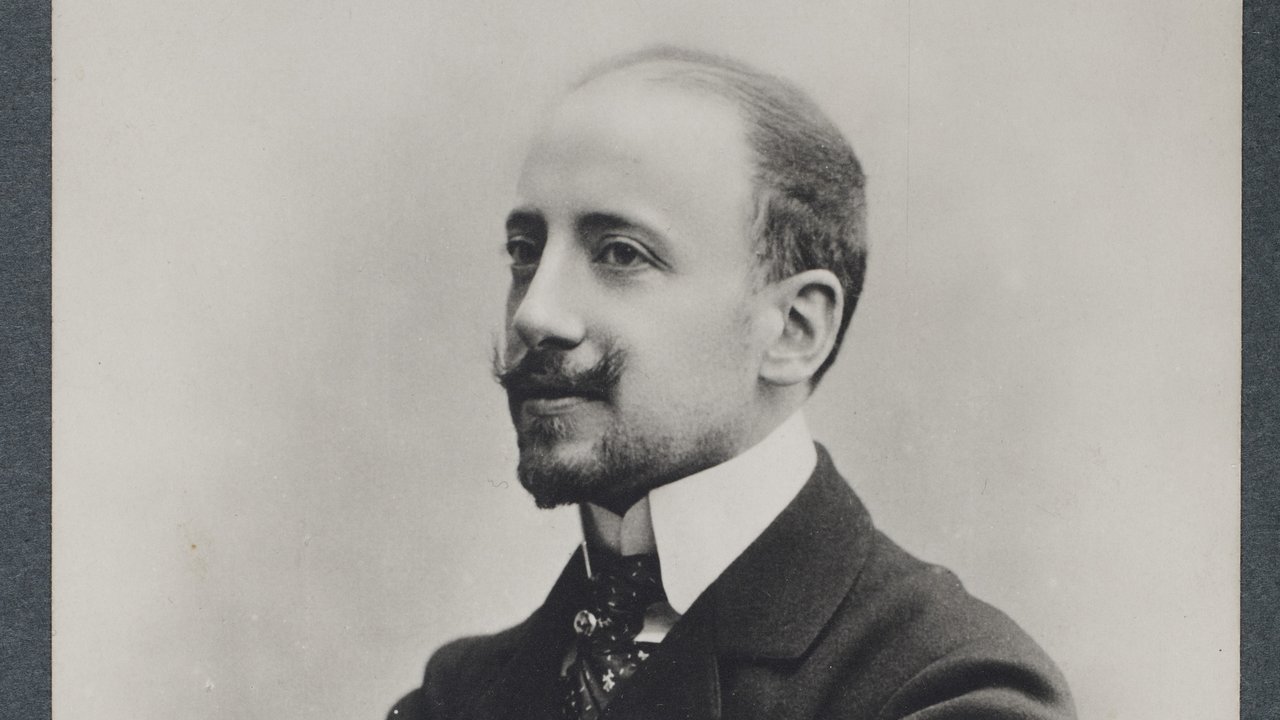

1900: The Relationship Enters a Novel
In 1900, D’Annunzio drew publicly on his relationship with Duse in the novel The Flame. Surviving correspondence connected with the couple is held in the Giorgio Cini Foundation’s collections. The novel and letters preserve different sides of a bond that mixed private feeling, public attention, and artistic collaboration.

Was Ida Dalser Mussolini’s First Wife?
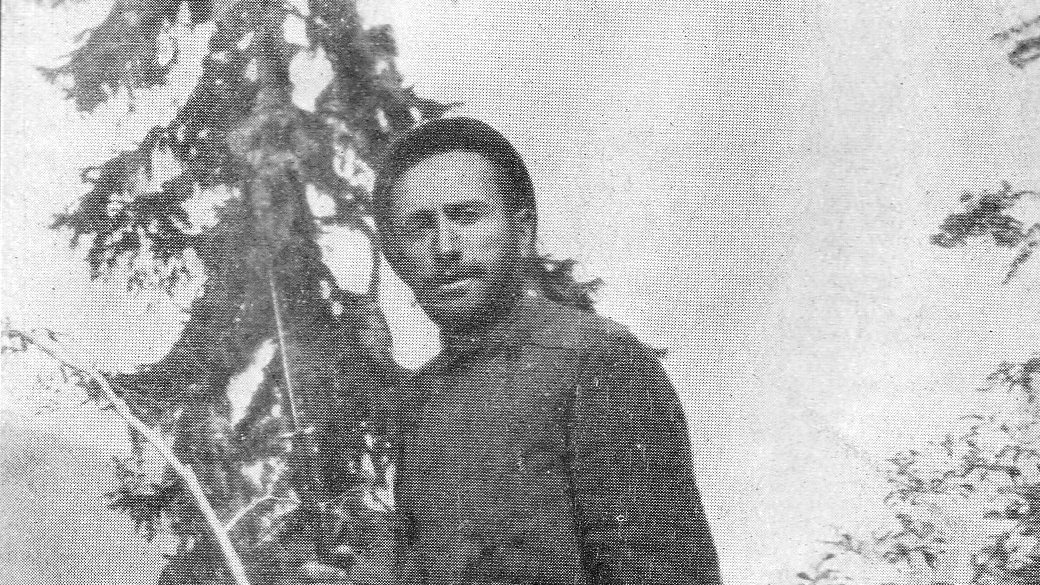
The surviving certificates describe Ida as Mussolini’s wife, but historians have not found a document directly recording a marriage between them. The careful conclusion is that their relationship was real and officially described in some records as a marriage, while the legal basis of that description remains disputed.

Arnaldo Mussolini Maintains Contact
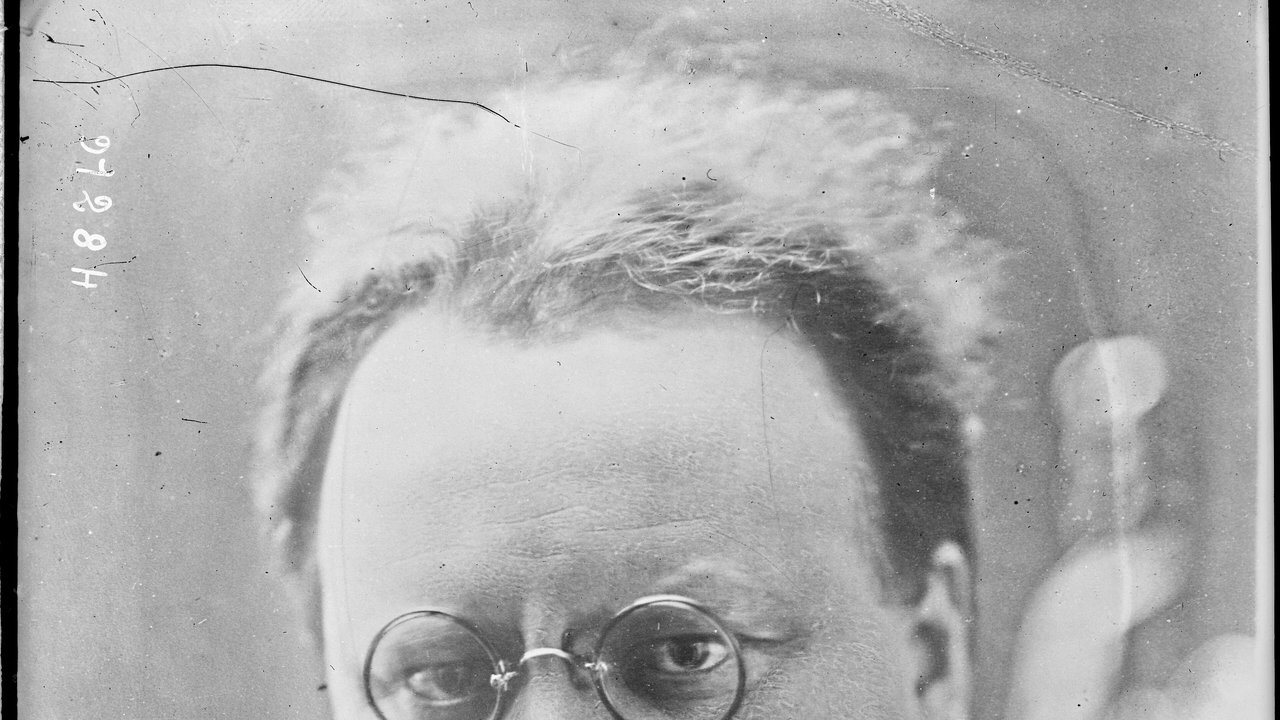
Treccani records that Mussolini’s brother Arnaldo maintained contact with Benito Albino, the son Benito had with Dalser, until Arnaldo’s death. This family connection supplies another documented thread in a story that was later overshadowed by the public image of Mussolini’s household.

1926: Sarfatti Publishes Dux
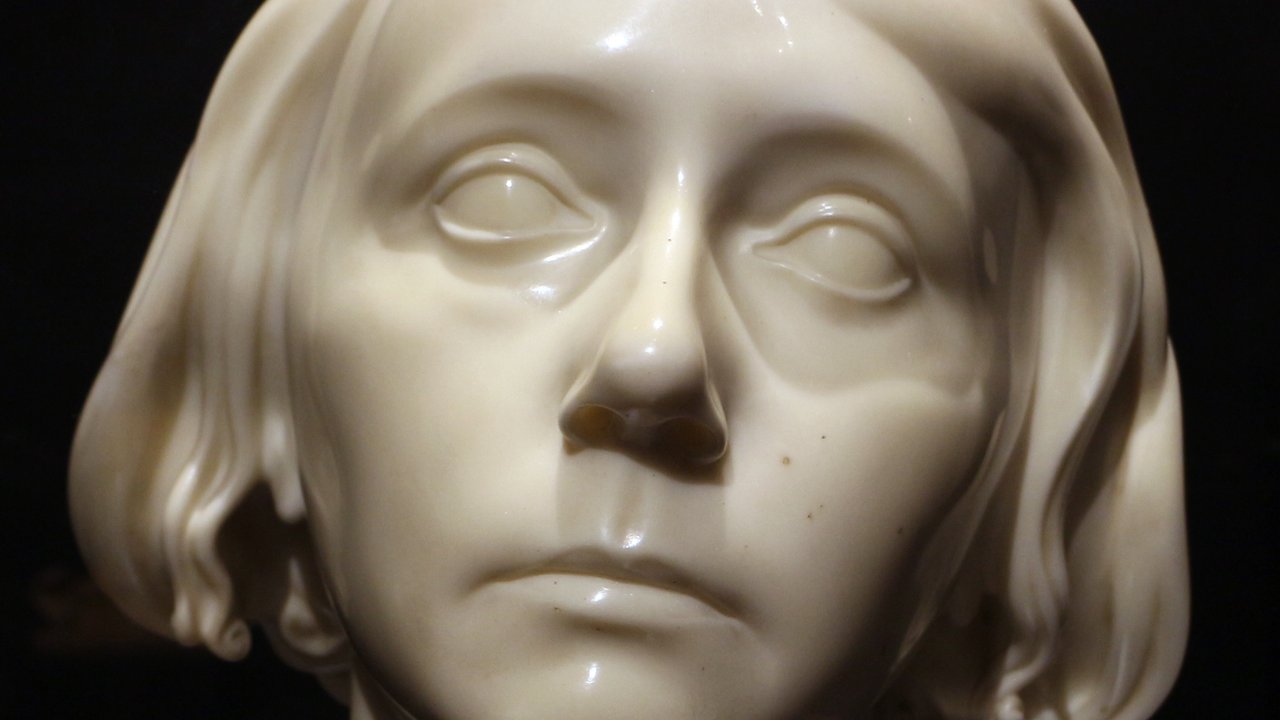
Sarfatti’s official biography of Mussolini, Dux, appeared in Italy in 1926. The book shows how her proximity to the dictator overlapped with her work as a writer and cultural advocate. It also illustrates the part personal associates could play in shaping a political leader’s public image.

1931: Sarfatti’s Relationship Ends
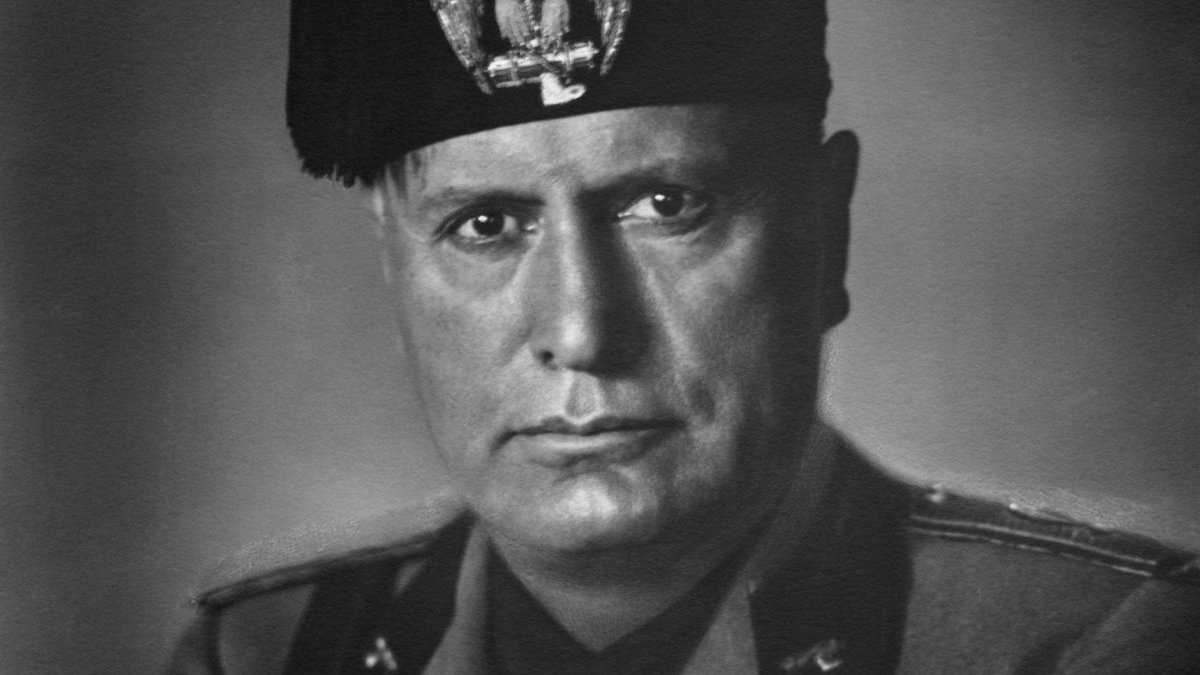
Sarfatti’s relationship with Mussolini ended around 1931. In November 1938, she was forced to leave Italy because of the fascist racial laws. Her departure exposed the grim limits of personal access to power: past closeness to Mussolini offered no lasting protection from the regime’s antisemitic policies.
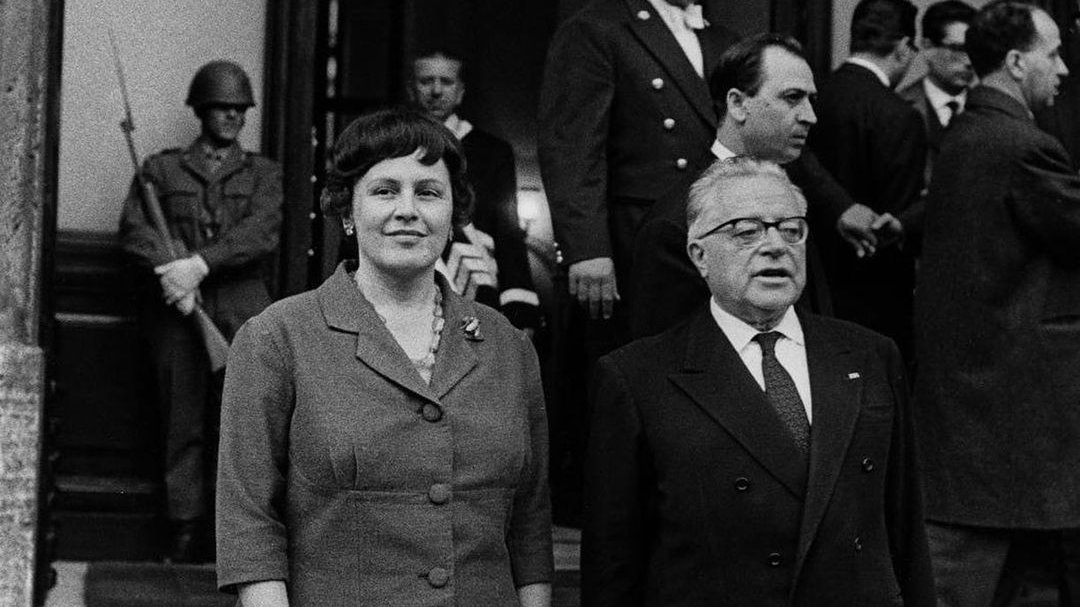

1946: Togliatti and Iotti Begin Their Relationship
Communist leader Palmiro Togliatti began a relationship with Nilde Iotti in 1946. Treccani notes that the relationship was disapproved of by the moralistic wing of their party. Their partnership therefore developed under political and personal pressures that required considerable discretion.
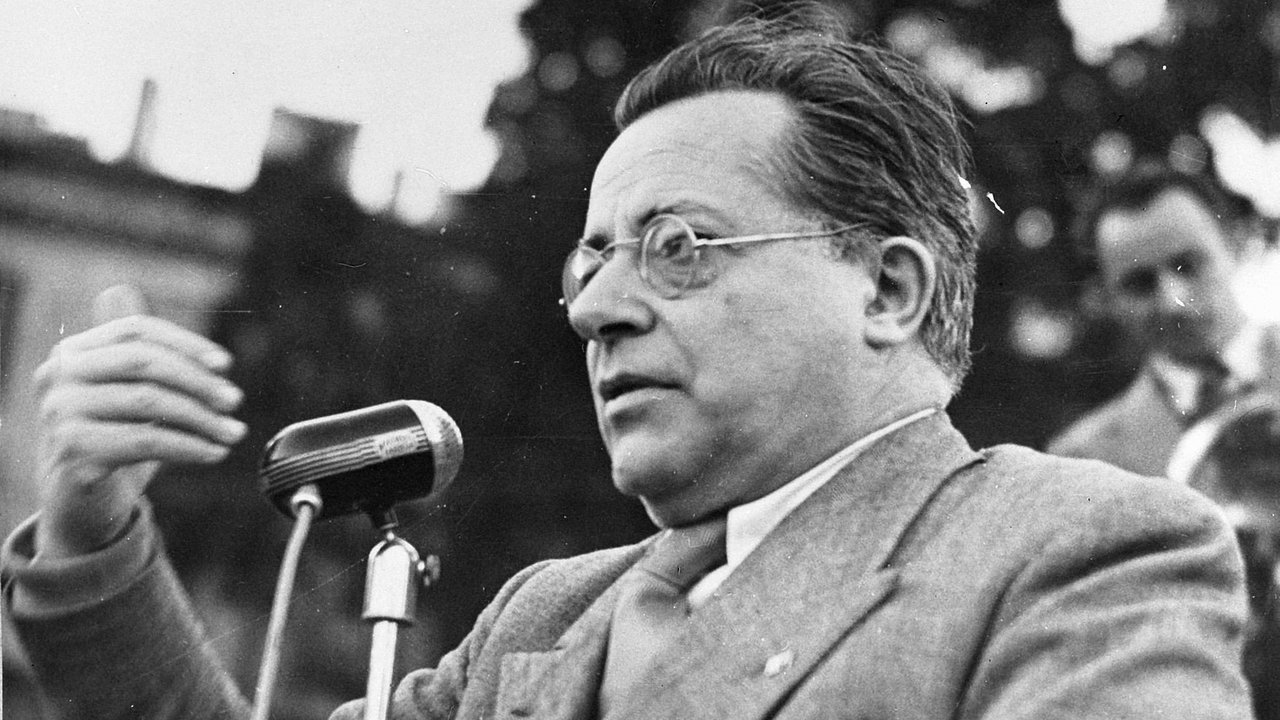

Their Letters Survive the Political Secrecy
Rai News reported that letters exchanged by Togliatti and Iotti survive from the beginning of their relationship during the Constituent Assembly. Other private papers once kept by Iotti were later inventoried within Togliatti’s archive, helping preserve a personal record alongside the couple’s public political history.
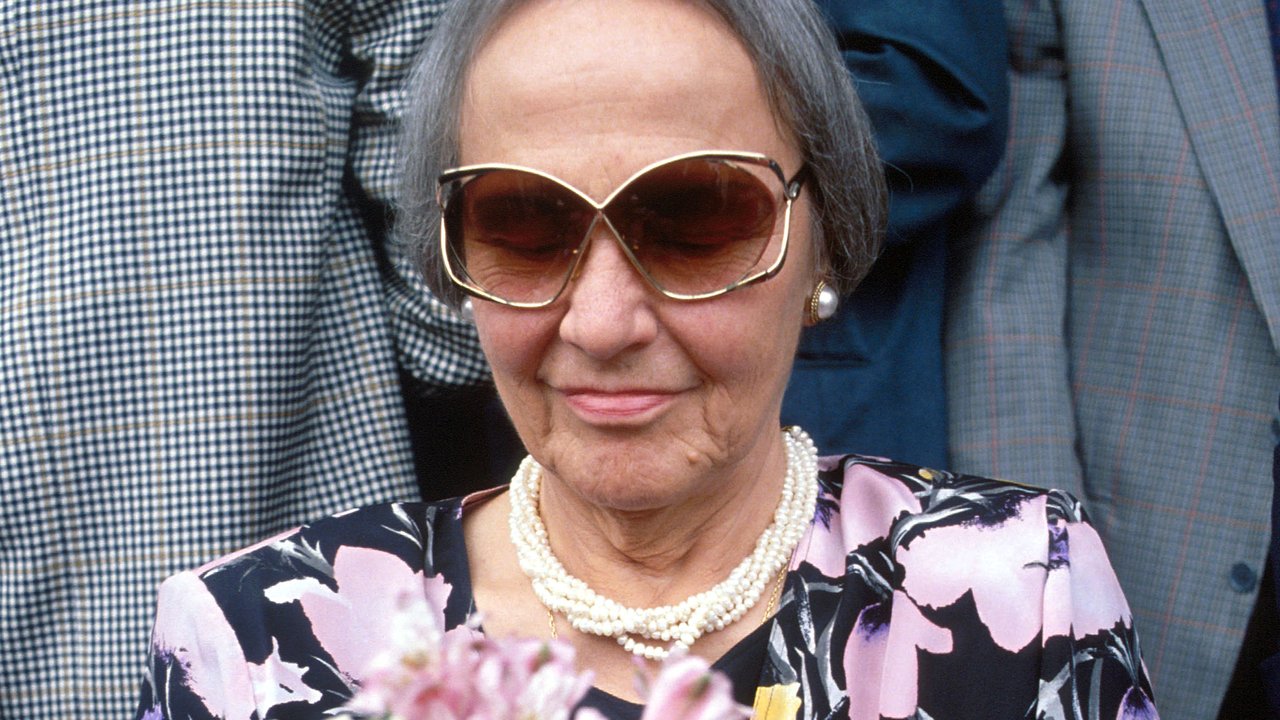

A Partnership Lasting Until 1964
The Italian Chamber of Deputies records that Iotti remained beside Togliatti until his death in 1964. Treccani also states that the couple later adopted Marisa Malagoli. These details show a lasting family partnership behind two public careers that unfolded during a formative period in Italy’s postwar democracy.
These records show how private relationships intersected with monarchy, revolution, culture, dictatorship, and democratic politics without reducing any life to gossip. Which documented relationship most changed your view of modern Italian history?
Follow Lilyon on MSN for more stories like this.
Sources: