

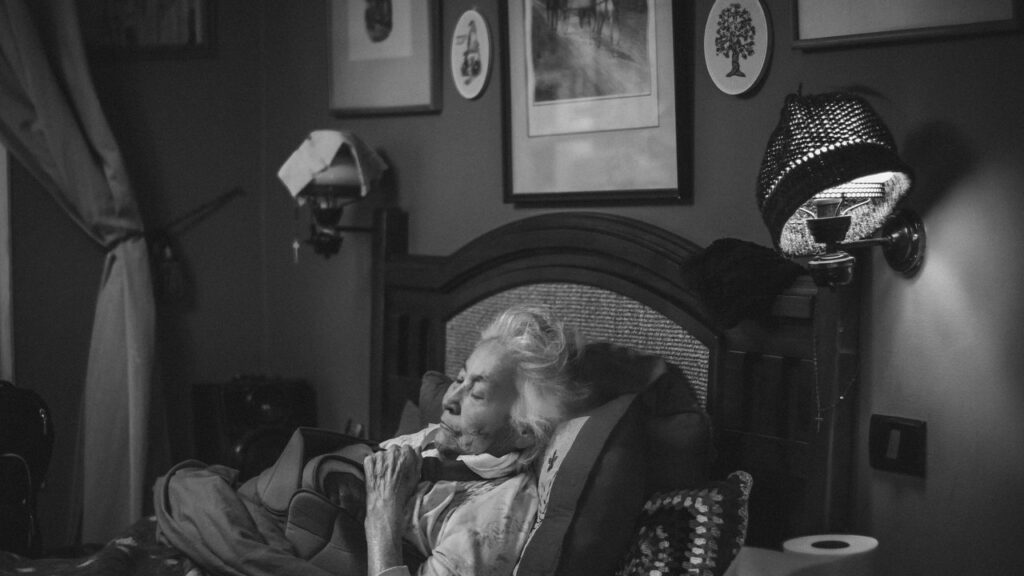
How often should you wash your pajamas after 65?
The answer depends less on age than on how your pajamas look, smell, and feel. Your bedtime habits, health, and skin comfort also matter.
Here is a practical way to set your schedule, care for the fabric, and recognize when night sweats deserve medical attention.
How Often Should You Wash Your Pajamas?
The American Cleaning Institute recommends washing pajamas after three or four wears. It notes that people who shower before bed may be able to wait a little longer.
Treat that schedule as a starting point rather than a strict rule. Put pajamas in the laundry if they are damp, stained, odorous, or visibly dirty.
You do not automatically need a fresh pair every night because you are older. Consider how much you perspire, whether you wear underwear beneath your pajamas, and whether the fabric still feels fresh.
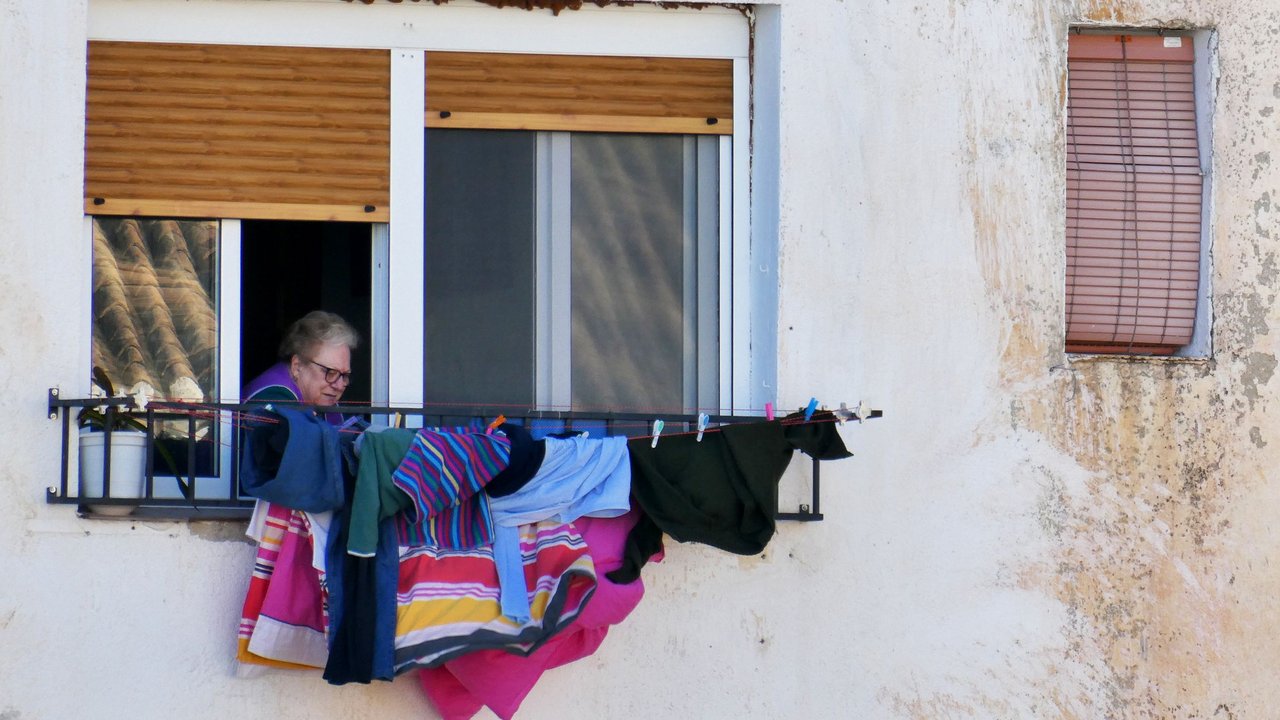
Why Does Older Skin Need Extra Care?
Pajamas rest against your skin for hours, making soft fabric and suitable laundry products important. This deserves extra attention when skin is dry, thin, or easily irritated.
The National Institute on Aging explains that older adults may produce less sweat and oil from glands in their skin. MedlinePlus notes that aging skin becomes thinner and more fragile, and the American Academy of Dermatology says nearly everyone has dry skin by age 60.
Choose a fabric that feels comfortable and a detergent that works well for you. A stronger fragrance or more intensive wash cycle is not necessary simply because the person wearing the pajamas is older.
When Should You Wash Pajamas More Often?
The condition of your sleepwear can give you a clearer answer than the calendar. Move pajamas to the laundry sooner in these situations:
- After Heavy Sweating. If your pajamas are damp after a warm night or an episode of night sweats, change into a dry pair.
- During Eczema Flares. Heat and sweat can trigger eczema flares. The American Academy of Dermatology advises, “Use laundry detergent that is fragrance free and dye free.” Follow any additional care instructions from your dermatologist.
- With Certain Infections. Ask your healthcare professional whether your laundry routine should change. During pinworm treatment, for example, Cleveland Clinic recommends washing pajamas, underwear, and linens daily in hot water until treatment is complete.
A fresh pair is also the simplest choice whenever something spills on your sleepwear or it no longer feels clean.
What Water Temperature Is Best?
Start with the care label. Cotton, flannel, silk, and synthetic fabrics may require different temperatures or cycles. Hot water can damage some materials, so it is not the right choice for every pair.
Special precautions may apply when someone in the household is ill. For clothing and linens used by a sick person, the CDC says, “Use the warmest appropriate water setting and dry items completely.” That means choosing the warmest setting the garment can safely tolerate.
- Consider Your Skin. For eczema-prone skin, choose a fragrance-free, dye-free detergent.
- Follow The Label. Measure detergent according to the directions on its packaging.
- Protect The Fabric. Use the cycle and drying method shown on the pajama care label.
- Dry Pajamas Completely. Make sure sleepwear is dry before returning it to a drawer or wearing it again.
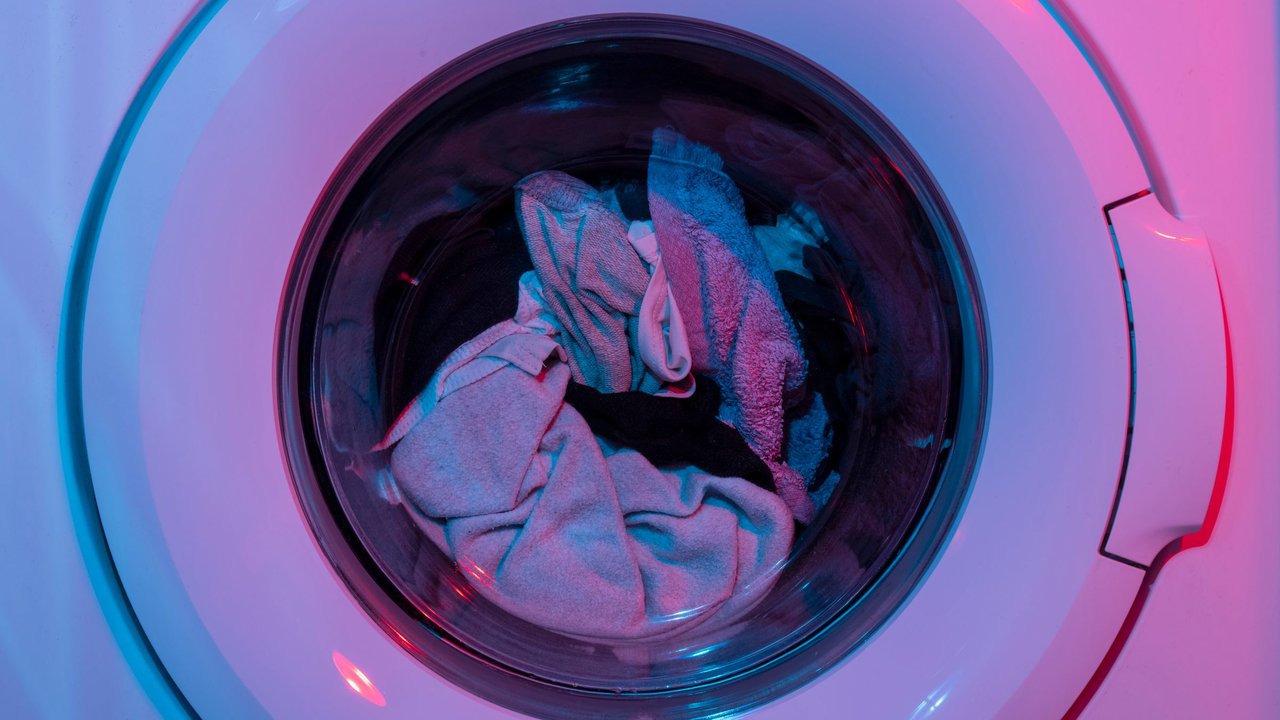
How Can You Make The Routine Easier?
Keep a spare pair near the bed and place the laundry basket somewhere easy to reach. Having clean sleepwear close at hand makes changing simple, even when you are tired or have limited mobility.
If counting wears is inconvenient, choose a regular laundry day and rotate between several pairs. Anyone helping with laundry can follow the same routine.
Wash newly purchased pajamas before wearing them. A Cleveland Clinic dermatologist recommends washing new clothing before its first use.
When Are Night Sweats More Than A Laundry Issue?
An occasional warm night is different from repeated, heavy sweating. Mayo Clinic defines night sweats as repeated episodes of very heavy sweating during sleep that are enough to soak nightclothes or bedding.
Contact a healthcare professional if night sweats regularly wake you or cause concern. The NHS also recommends seeking medical advice if you are losing weight for no clear reason.
Changing your sleepwear addresses the immediate dampness but does not identify the reason for persistent sweating. This information is general, so a healthcare professional should advise you about symptoms or personal health concerns.
A small rotation of comfortable, easy-to-wash sleepwear can make both bedtime and laundry simpler. What pajama-washing routine works best for you?
This article is for general information and isn’t a substitute for advice from your doctor.
Follow Lilyon on MSN for more stories like this.
Sources: