


The 1940s brought movie audiences determined mothers, troubled heroines, witty outsiders, and formidable supporting characters. Some of the actresses behind those roles remain household names, while others invite a fresh look.
This gallery moves chronologically through Academy Awards ceremonies held from 1940 through 1949. Every featured actress received a win or nomination in an acting category listed in the Academy’s official records.
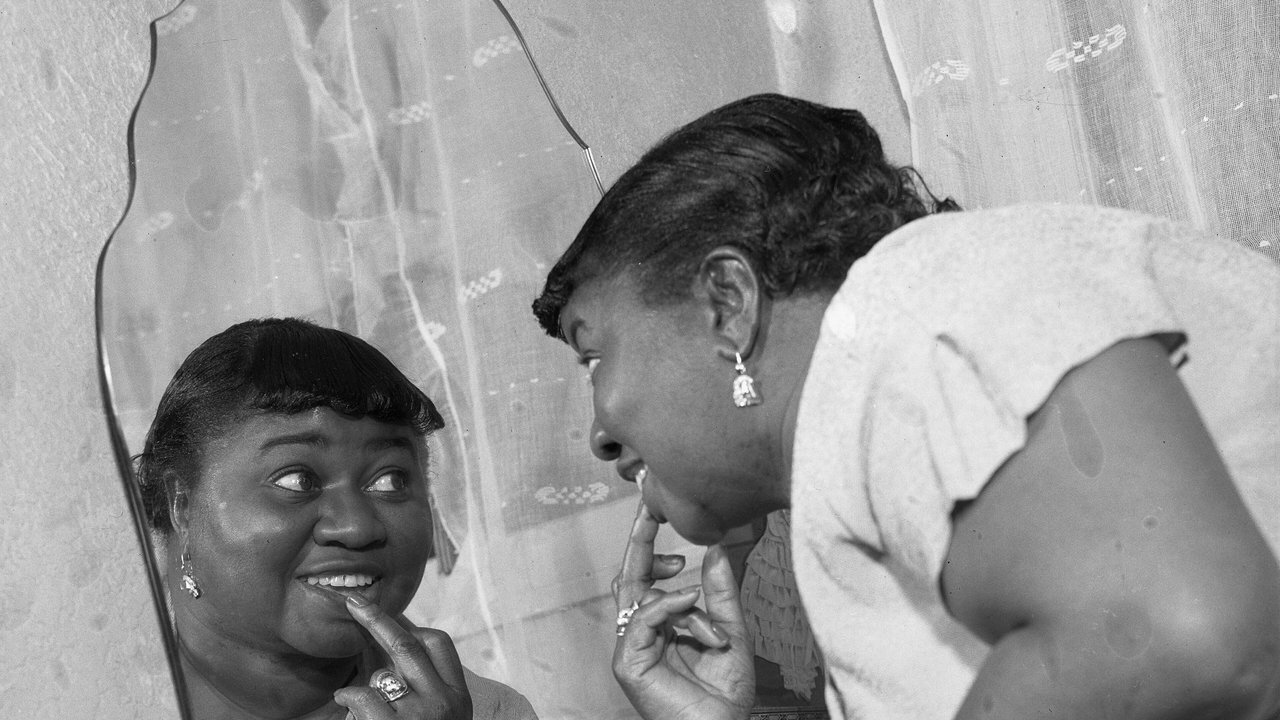

Hattie McDaniel
Hattie McDaniel won the supporting-actress award for Gone with the Wind. Her humor, authority, and emotional directness gave the role a presence that extended beyond individual scenes. The historic honor secured her place in film history, while her precise comic timing and expressive reactions still reward close attention.
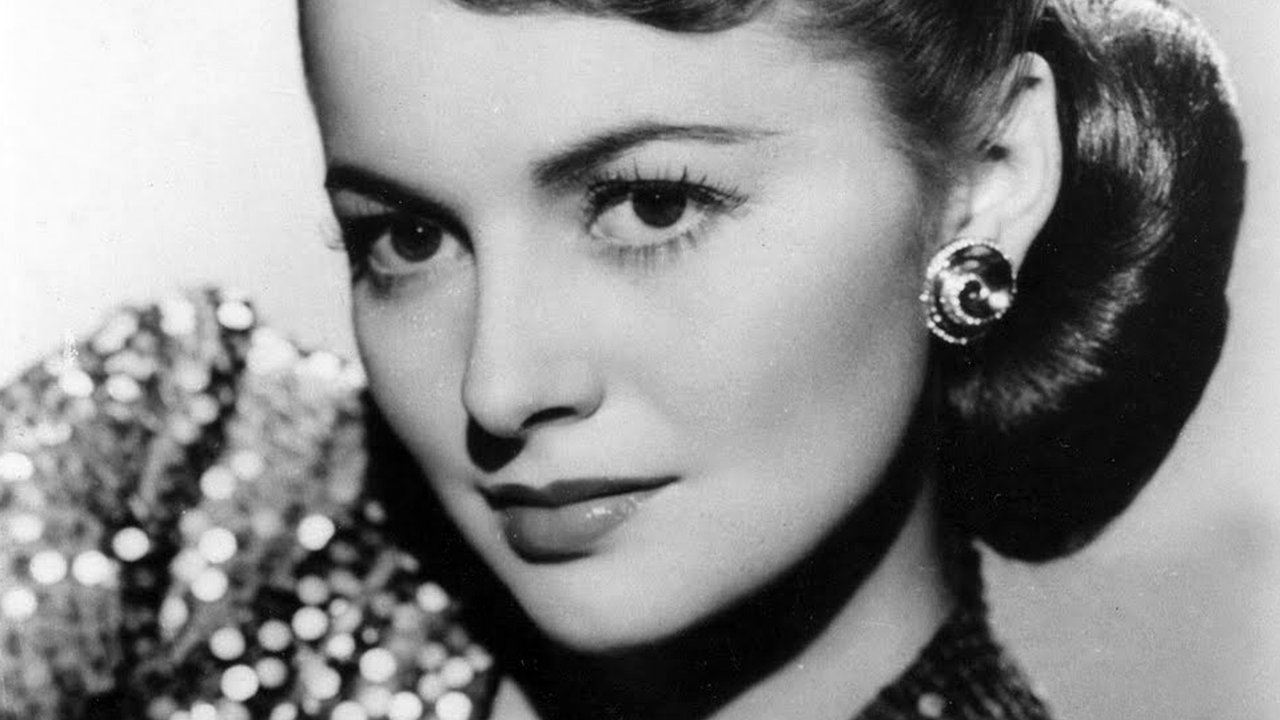

Olivia de Havilland
Olivia de Havilland received a supporting-actress nomination for Gone with the Wind. Her performance supplied warmth and quiet strength amid the picture’s sweeping spectacle. Careful gestures and measured reactions gave her character an inner life, offering an early showcase for de Havilland’s gift for restrained, emotionally attentive acting.
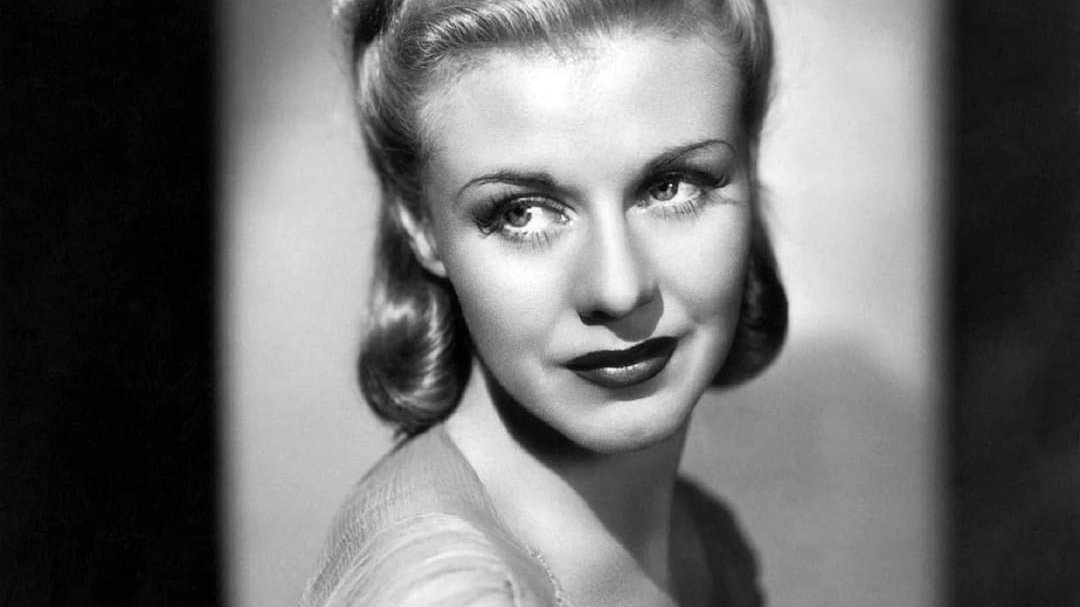
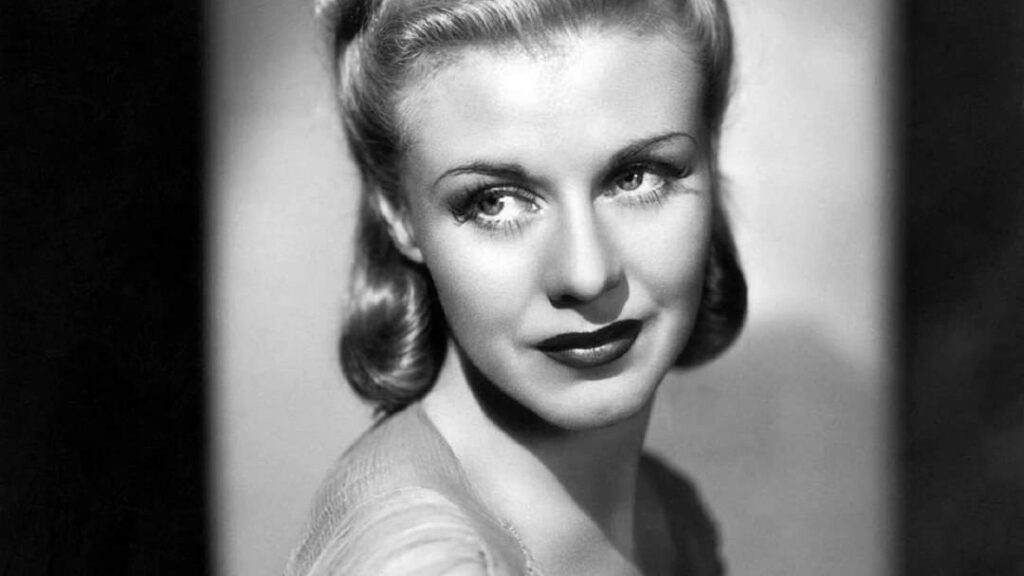
Ginger Rogers
Ginger Rogers won the leading-actress award for Kitty Foyle. Best known to many viewers for musical comedy, she carried this romantic drama with confidence and sensitivity. Her performance follows the heroine through difficult choices and changing circumstances, revealing a dramatic presence as persuasive as her lighter screen persona.
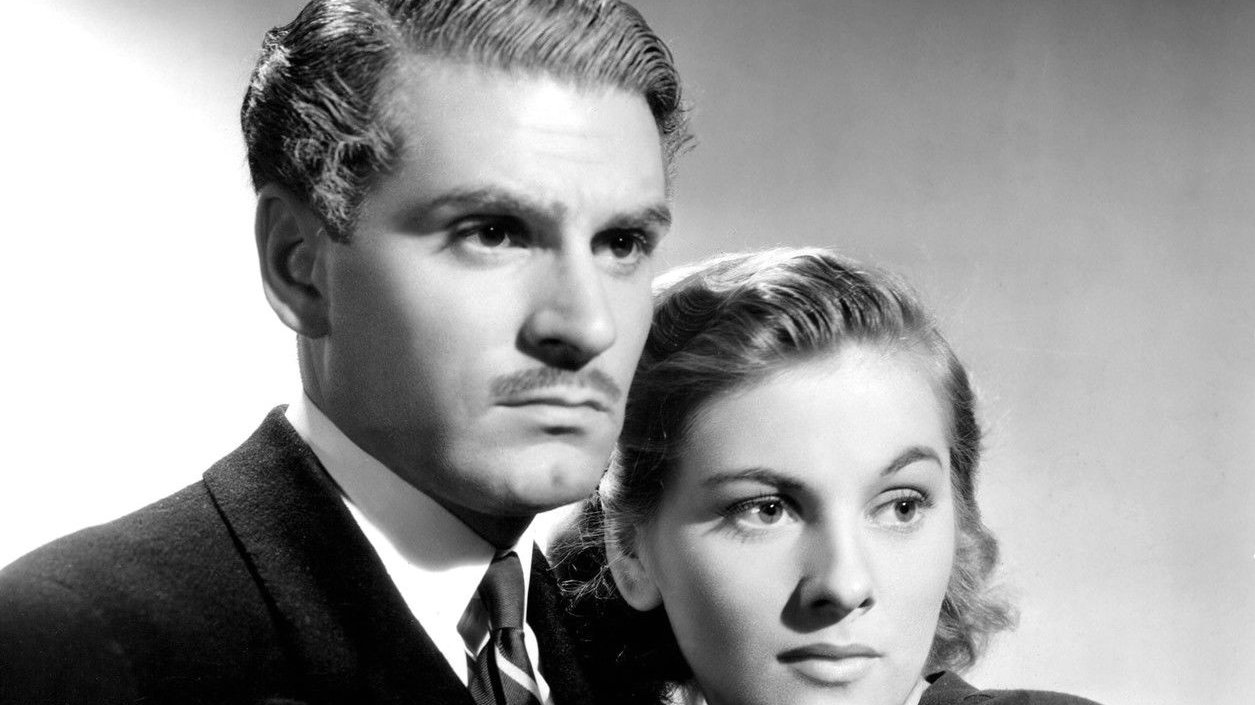

Joan Fontaine
Joan Fontaine earned a leading-actress nomination for Rebecca. Her nervous, watchful performance makes uncertainty the center of the story, with small expressions revealing what the character cannot say. Fontaine demonstrates how apparent fragility can hold a film together, drawing the viewer into every doubt, fear, and uneasy discovery.
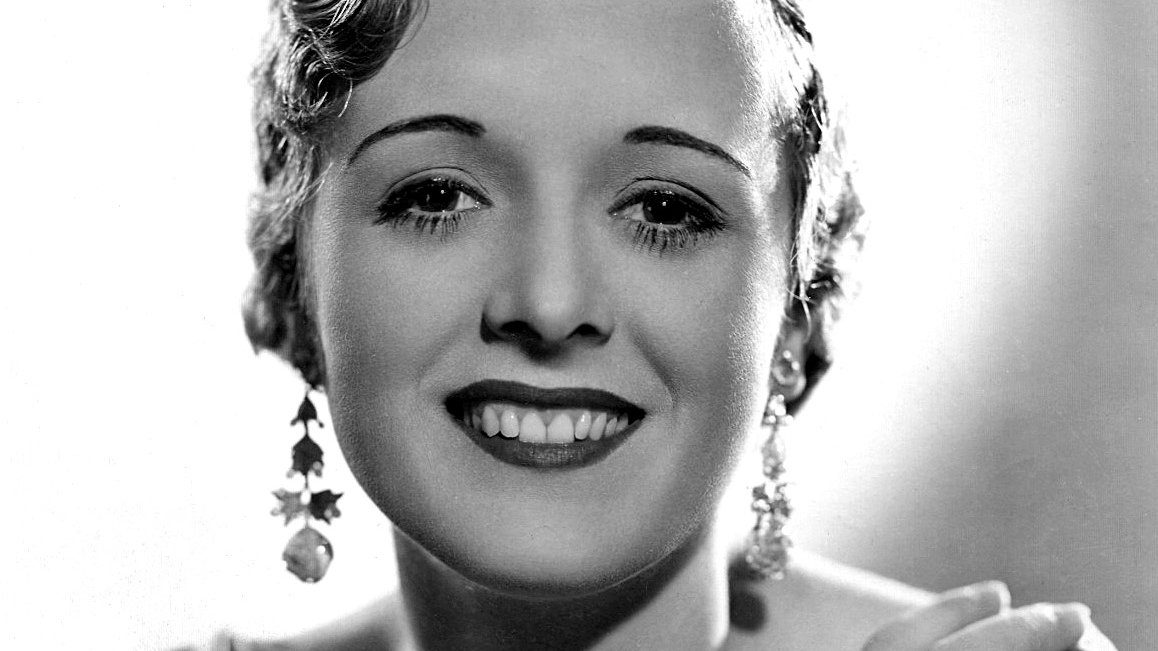

Mary Astor
Mary Astor won the supporting-actress award for The Great Lie. She brought intelligence, force, and a sharp sense of purpose to a role that might otherwise have receded into the background. Astor knew how to command attention without upsetting an ensemble’s balance, making every entrance feel consequential.
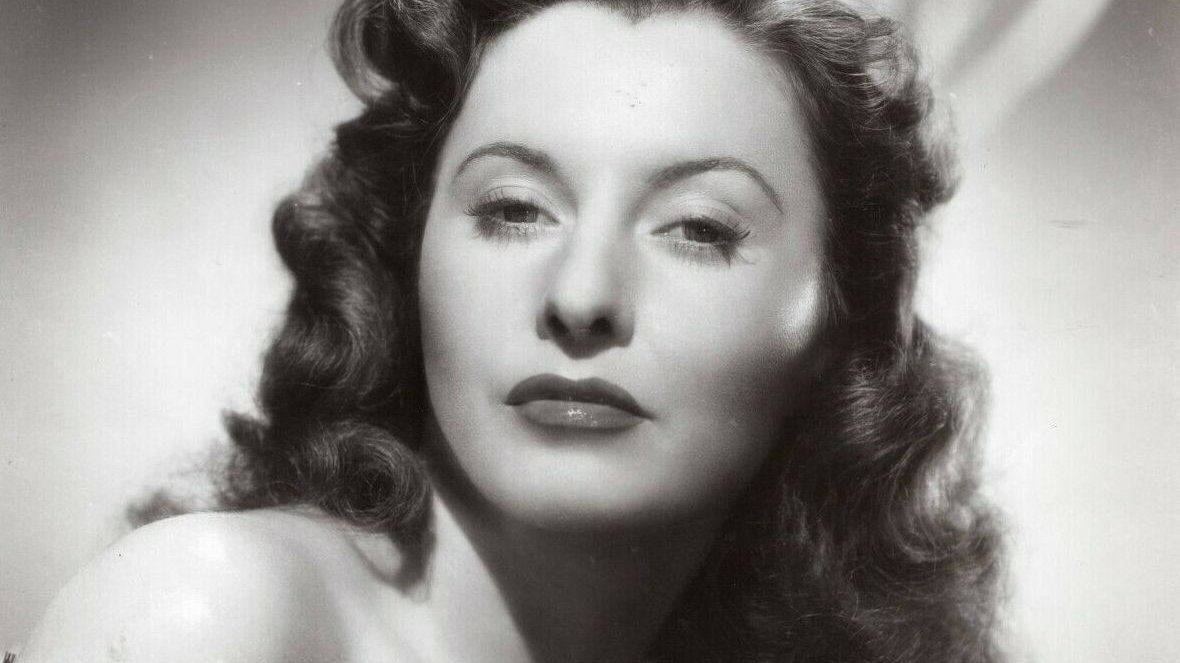

Barbara Stanwyck
Barbara Stanwyck received a leading-actress nomination for Ball of Fire. The performance draws on her command of fast dialogue, comic confidence, and sudden vulnerability. She appears completely in control while suggesting complicated feelings underneath, an ability that makes her equally persuasive in the film’s comedy, romance, and quieter exchanges.
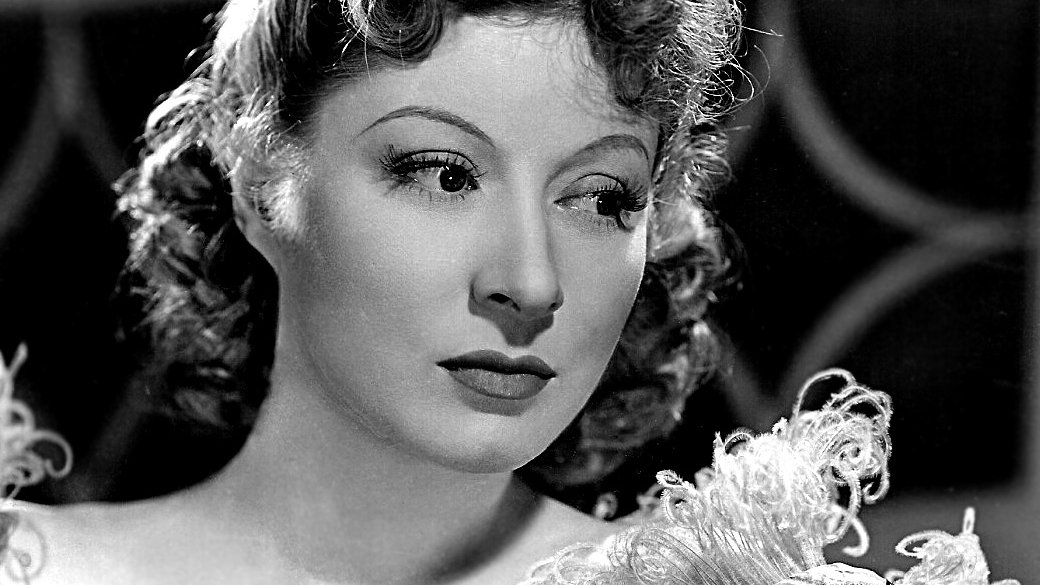

Greer Garson
Greer Garson won the leading-actress award for Mrs. Miniver. Her poised performance places family life at the center of a wartime story, giving the film dignity without making its heroine seem distant. Warmth, composure, and alertness shape a character whose courage feels grounded in recognizable daily concerns.
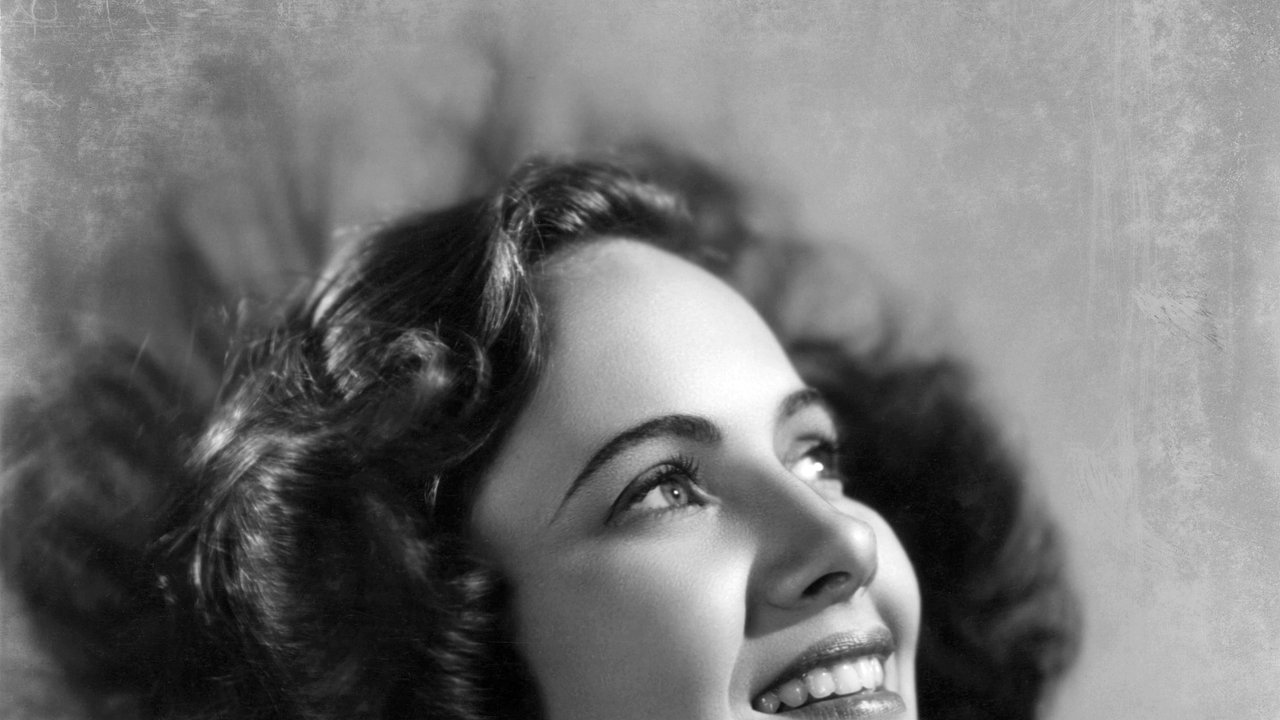

Teresa Wright
Teresa Wright won the supporting-actress award for Mrs. Miniver and received a leading-actress nomination for The Pride of the Yankees. That pairing captures her versatility. She conveys sincerity without excessive sentiment, whether playing a daughter facing wartime upheaval or a devoted partner navigating the demands of a public life.
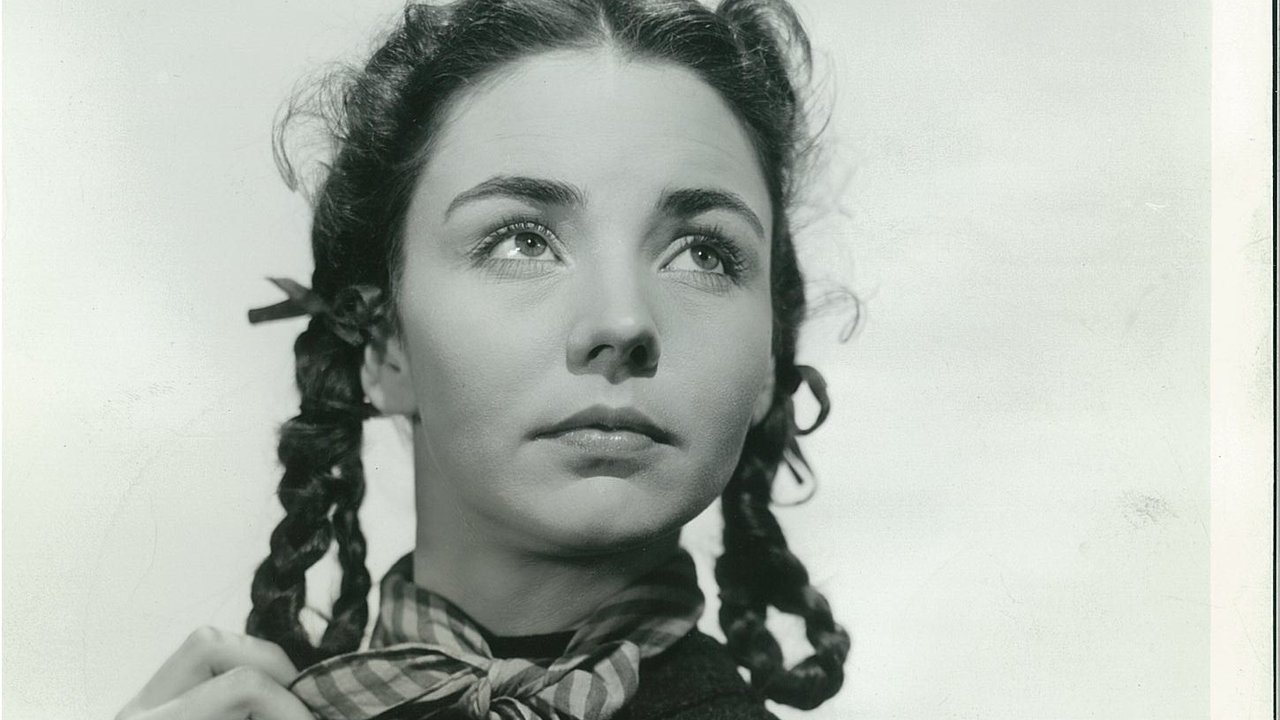

Jennifer Jones
Jennifer Jones won the leading-actress award for The Song of Bernadette. Her performance relies on stillness, concentration, and a steady suggestion of conviction rather than theatrical display. Jones gives the film a calm center, showing how quiet acting can carry the emotional weight of an ambitious studio production.
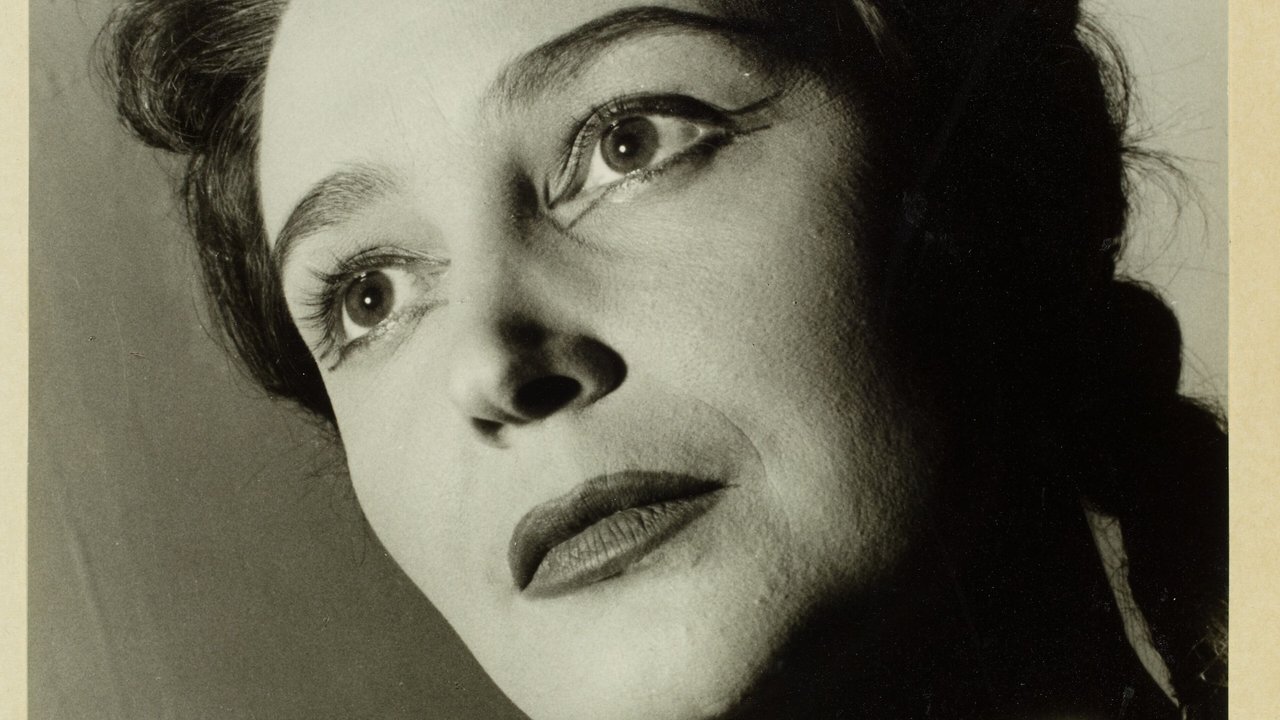

Katina Paxinou
Katina Paxinou won the supporting-actress award for For Whom the Bell Tolls. Her forceful screen presence gives the film weight and a sense of lived experience. She approaches dramatic moments with remarkable directness, creating a character who feels seasoned, observant, and fully engaged with the danger surrounding her.
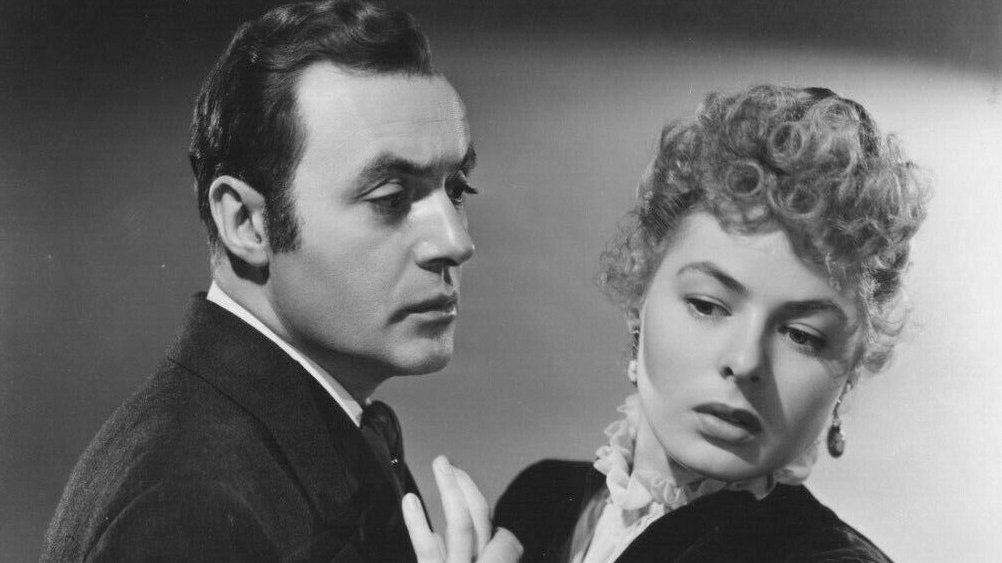

Ingrid Bergman
Ingrid Bergman won the leading-actress award for Gaslight. Her performance traces fear, confusion, and emerging resolve with remarkable control. Instead of relying on a single dramatic transformation, Bergman lets uncertainty accumulate gradually, creating a portrait whose shifting emotions remain central to the film’s tense atmosphere.
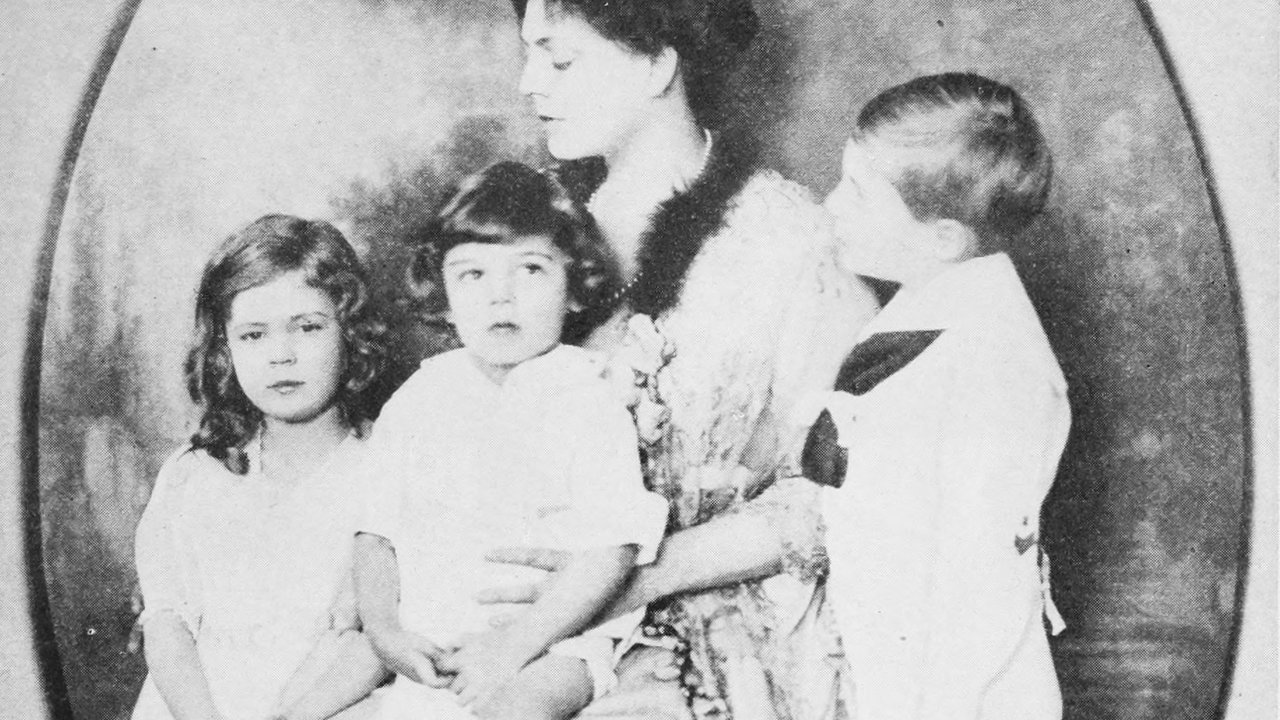

Ethel Barrymore
Ethel Barrymore won the supporting-actress award for None but the Lonely Heart. She brings gravity, weariness, and sharp observation to the screen without overplaying a moment. Her work demonstrates how an experienced performer can turn a supporting character into the emotional foundation of an entire film.
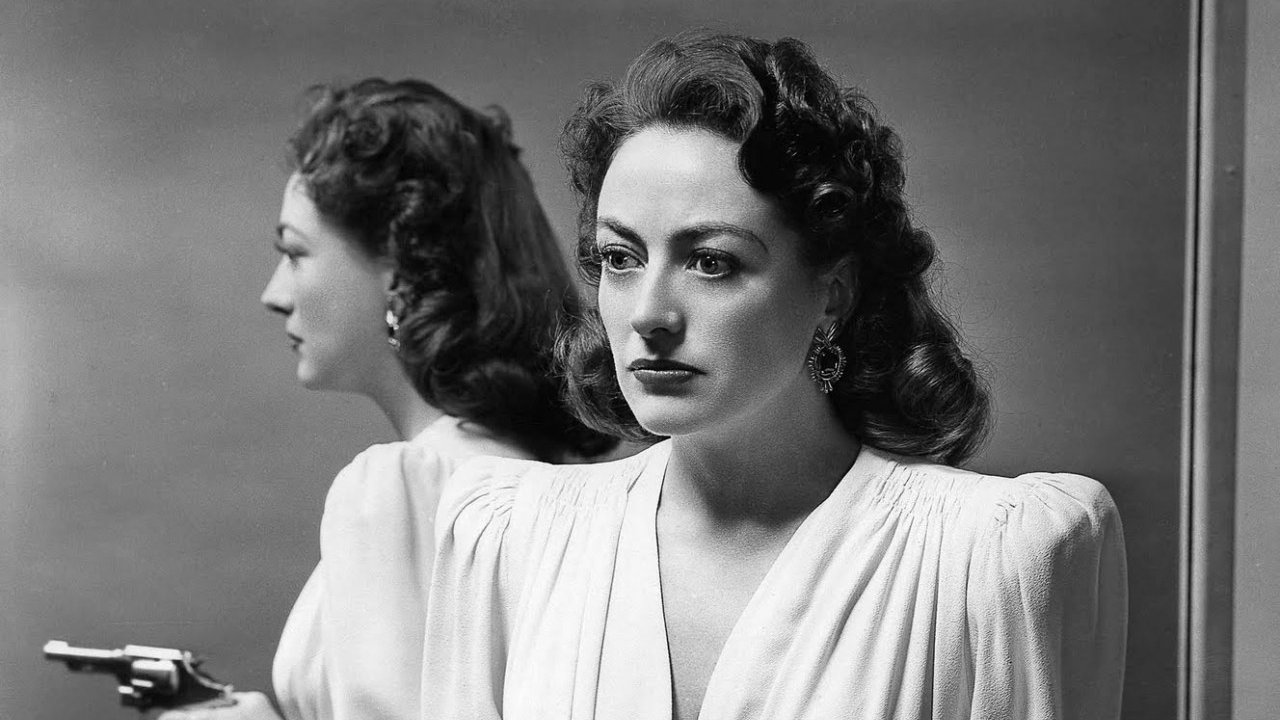

Joan Crawford
Joan Crawford won the leading-actress award for Mildred Pierce. Her determined performance gives the film its driving energy, making ambition, sacrifice, pride, and disappointment feel inseparable. Crawford creates a heroine whose strength never erases her mistakes or vulnerability, keeping the character compelling even when her choices become painful.
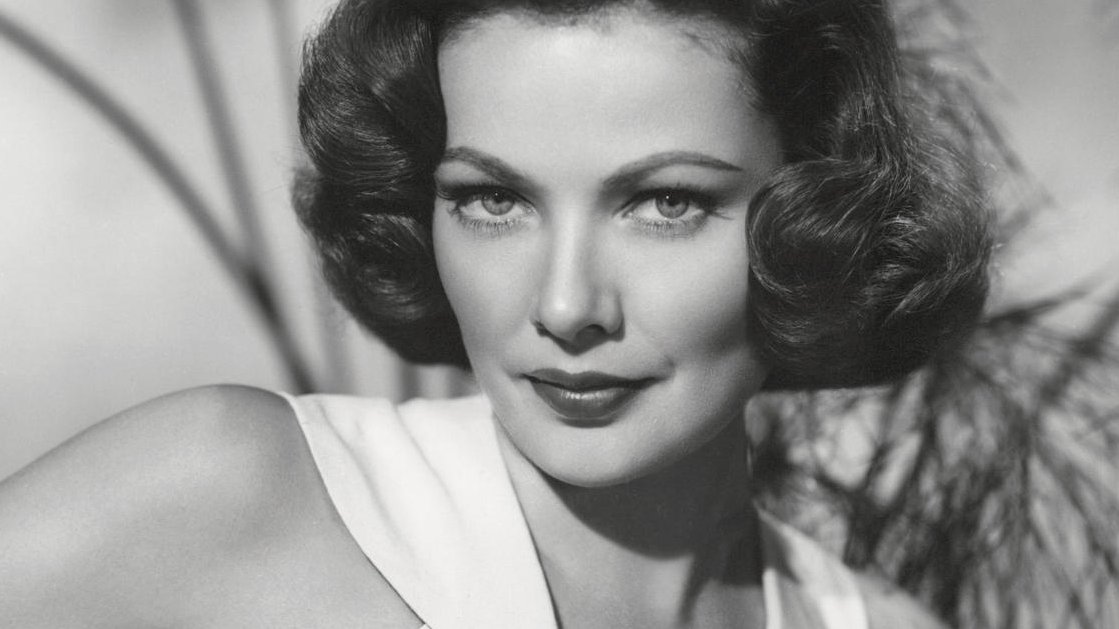

Gene Tierney
Gene Tierney received a leading-actress nomination for Leave Her to Heaven. Her elegant appearance initially promises familiar glamour, but the performance steadily reveals something colder and more unsettling. Tierney uses poise, stillness, and an unreadable gaze to create tension, allowing menace to emerge beneath a polished surface.
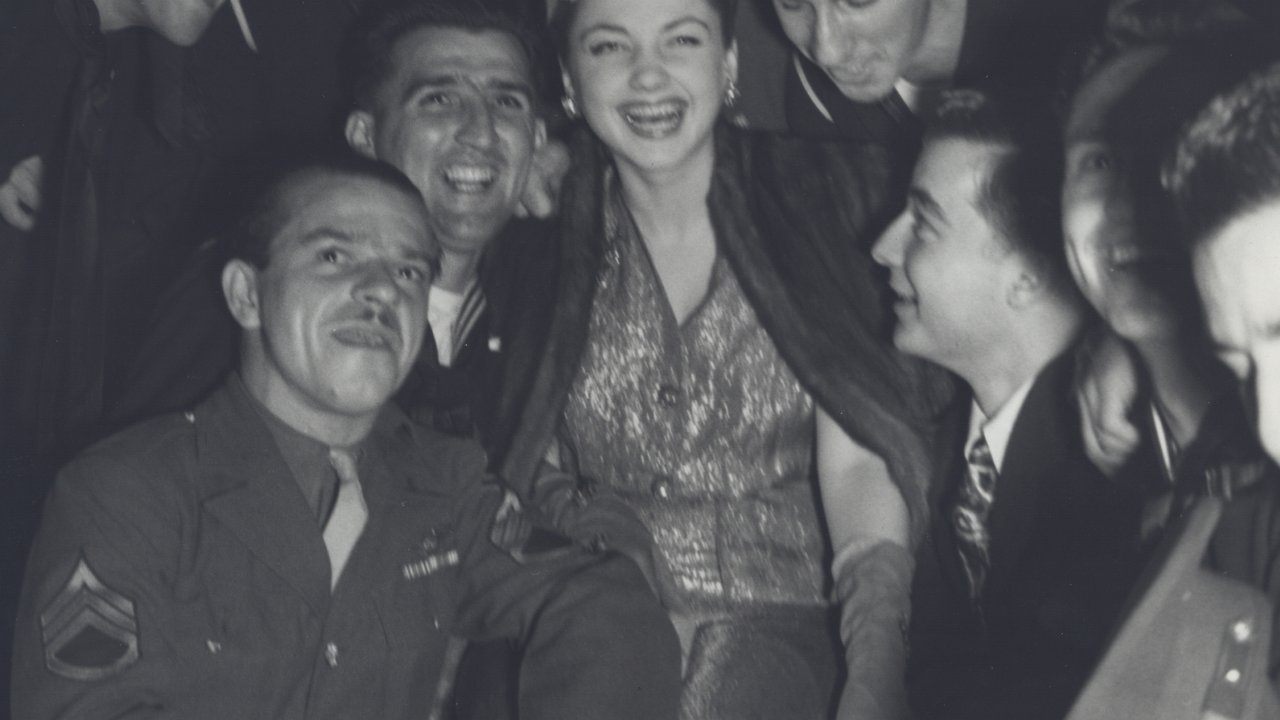

Anne Baxter
Anne Baxter won the supporting-actress award for The Razor’s Edge. She approaches the role with emotional intensity, portraying a woman marked by grief and instability without fading beside the film’s other personalities. Baxter makes the character’s pain immediate, giving difficult scenes a rawness that resists easy judgment.
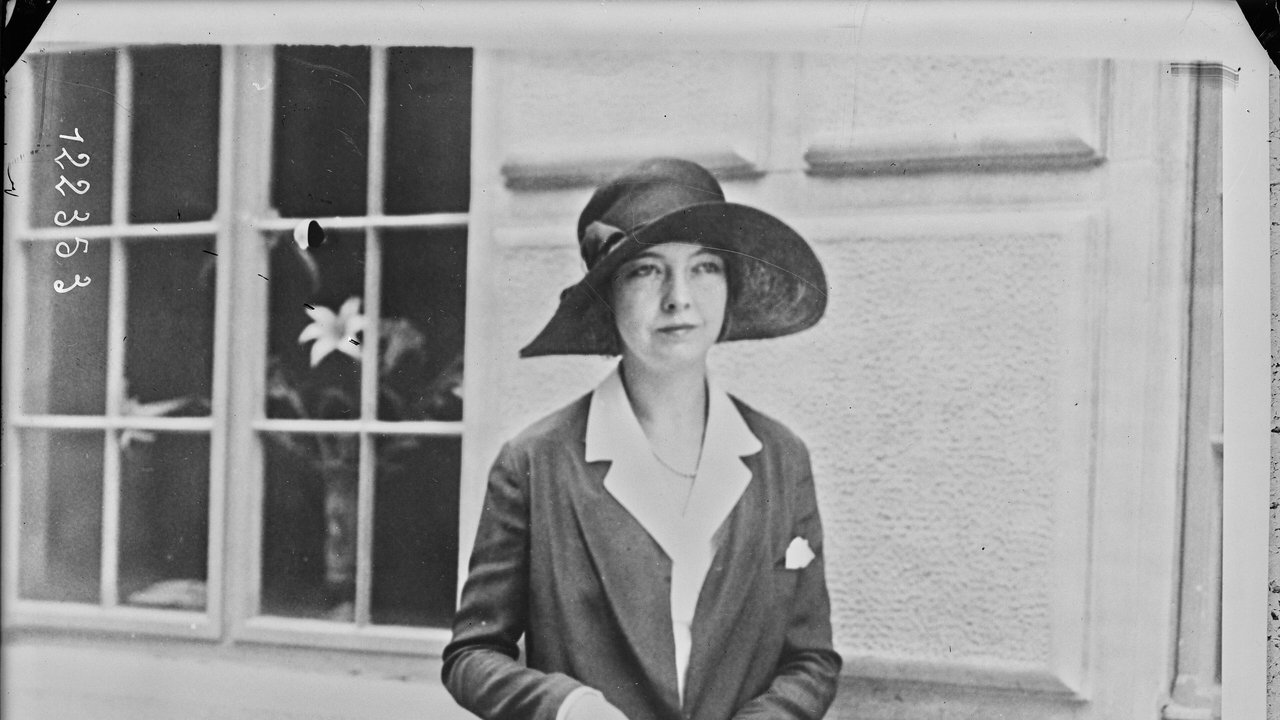

Lillian Gish
Lillian Gish received a supporting-actress nomination for Duel in the Sun. Her expressive performance gives the large production intimacy, moral weight, and emotional clarity. Gish makes every look purposeful, using controlled movement and carefully timed reactions to ensure that her character remains vivid amid the film’s heightened drama.
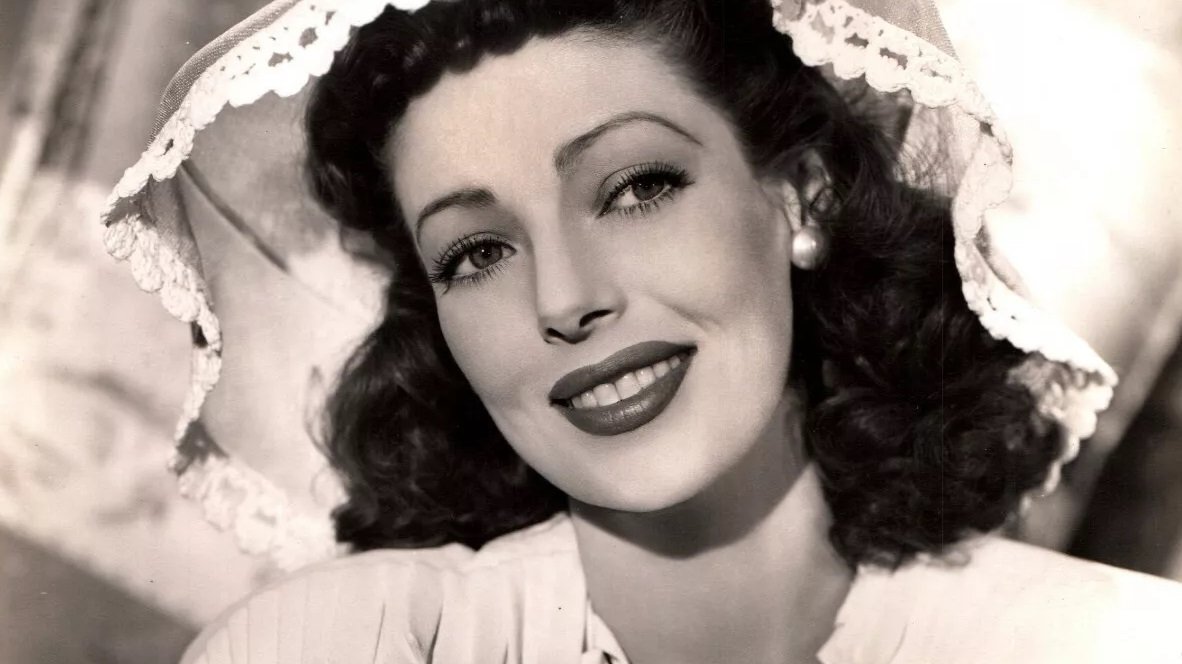

Loretta Young
Loretta Young won the leading-actress award for The Farmer’s Daughter. Her polished performance balances romantic-comedy charm with the determination of a character entering public life. Young makes refinement feel compatible with humor and resolve, giving the heroine a light touch without weakening her independence or sense of purpose.
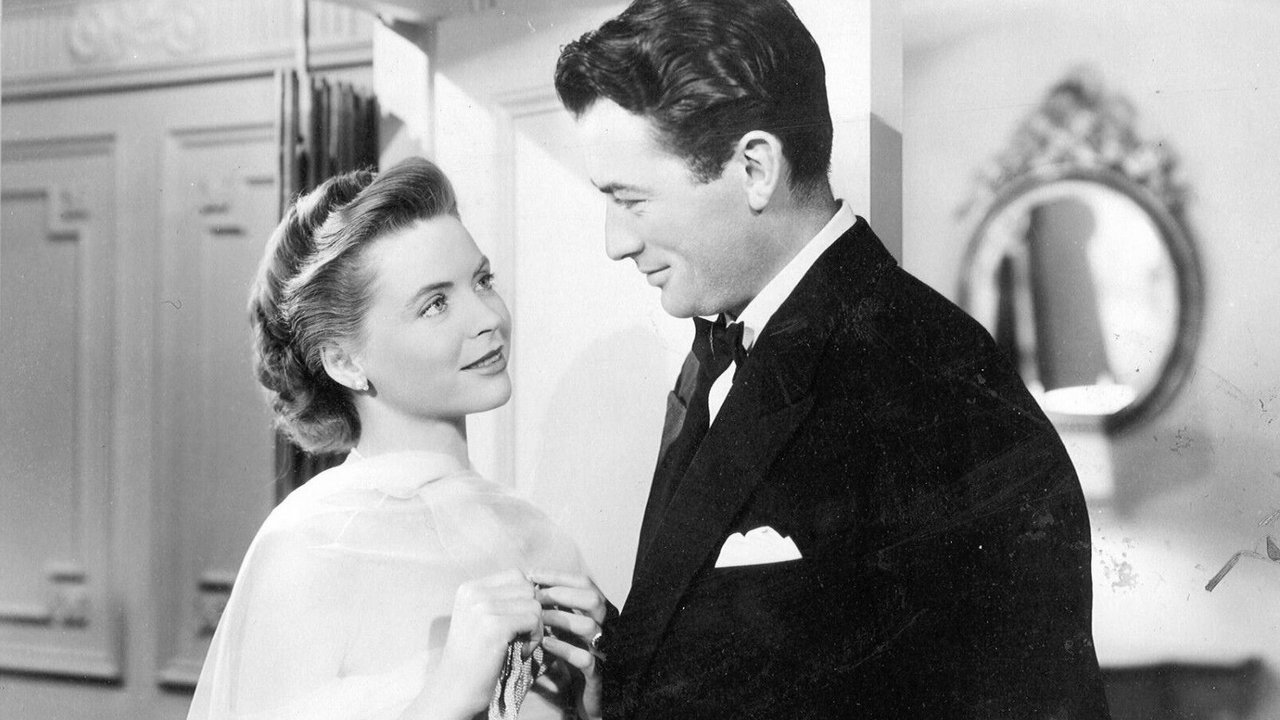

Dorothy McGuire
Dorothy McGuire received a leading-actress nomination for Gentleman’s Agreement. Her restrained performance works through hesitation, social pressure, and moral discomfort rather than grand displays. Pauses and careful reactions reveal the character’s conflict, bringing welcome subtlety to a serious drama built around difficult personal and social questions.
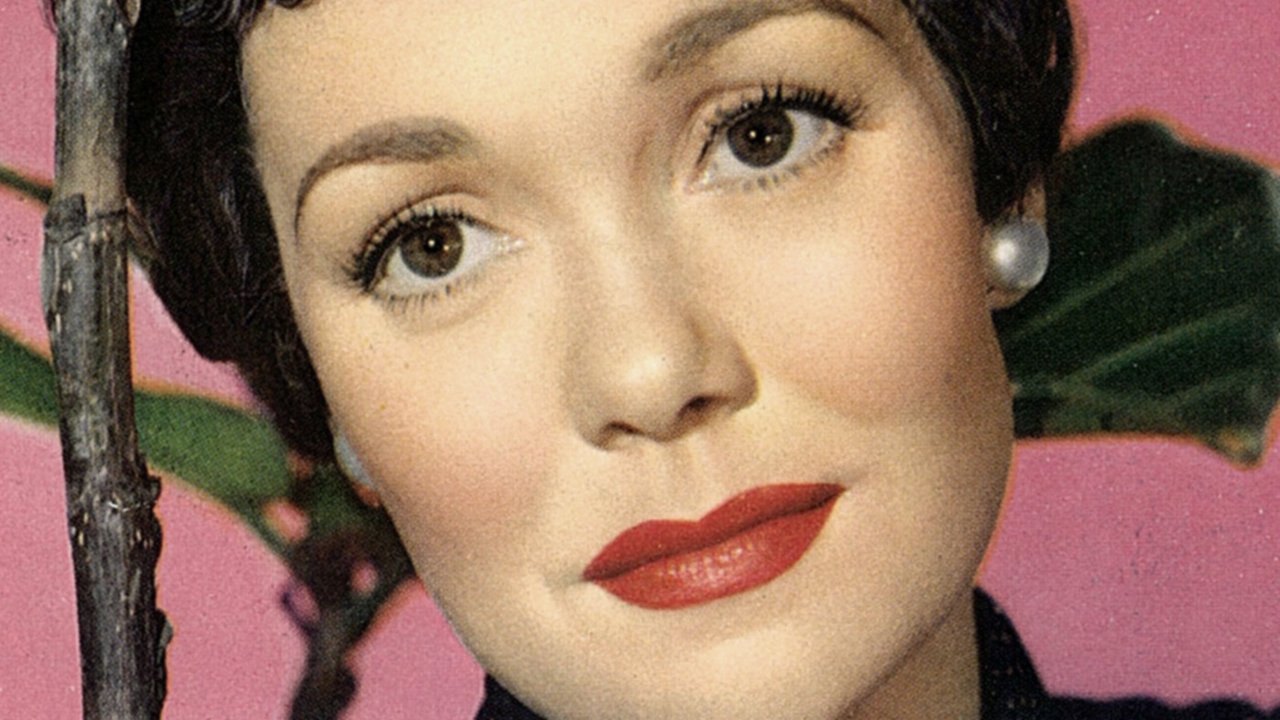

Jane Wyman
Jane Wyman won the leading-actress award for Johnny Belinda. She communicates through expression, movement, and close physical attention, making each reaction part of the storytelling. Her disciplined performance avoids easy sentiment, showing how much a performer can convey with few spoken words while keeping the character vivid and individual.
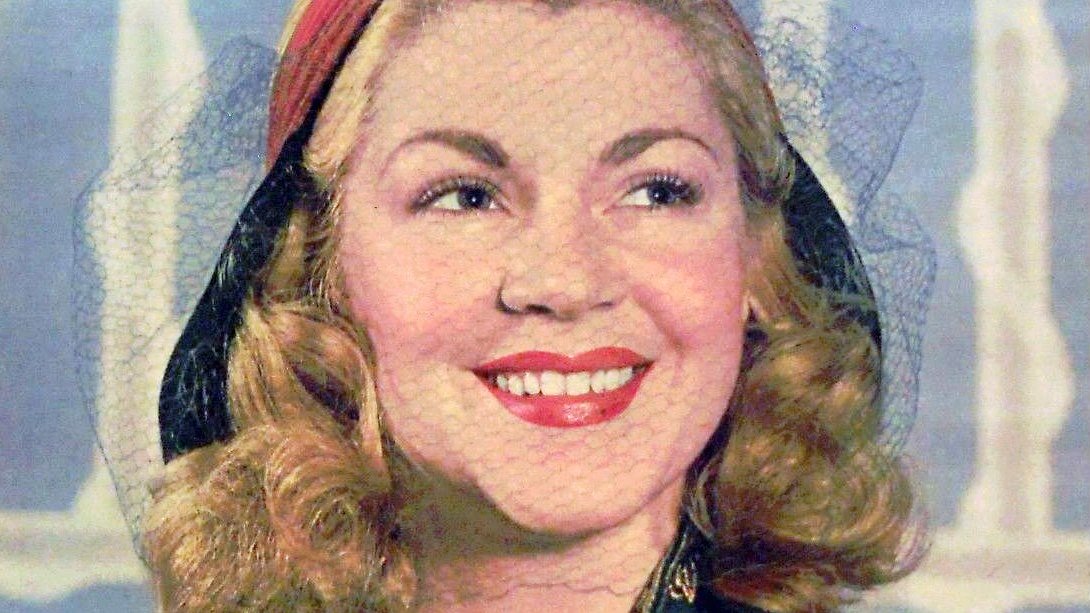

Claire Trevor
Claire Trevor won the supporting-actress award for Key Largo. Her performance gives the film one of its most painful human dimensions, revealing fear and wounded dignity beneath a hardened exterior. Trevor’s carefully judged work shows how a supporting player can supply the emotional complexity that makes an ensemble memorable.
Together, these performances show the remarkable range actresses brought to Hollywood films throughout the 1940s.
Sources: