

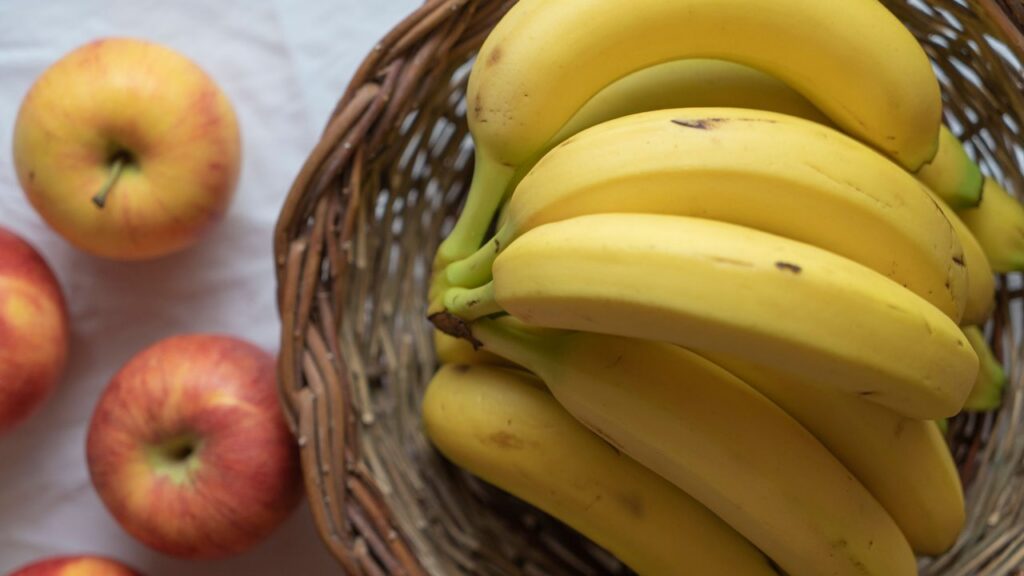
Fruit flies hovering around the fruit bowl, sink, or trash can be controlled without reaching for a pesticide spray.
Start by removing their food and breeding sites, then trap the adults that remain. Trapping flies may shrink the swarm, but it will not provide lasting control while larvae are still developing somewhere in the kitchen.
Here is how to inspect the room, clean likely trouble spots, and make two simple traps from common household supplies.
Find Every Breeding Site
Begin with a slow, thorough inspection. Fruit fly larvae feed on yeasts associated with decay, so overripe produce is the obvious starting point. Check recycling, cleaning tools, and floor drains as well.
- Check produce. Inspect the fruit bowl, countertop produce, and stored vegetables. Move everything so you can spot soft, leaking, or forgotten food underneath.
- Inspect containers. Unrinsed beverage containers in a recycling bin can support fruit flies. Lift the bin liner and check around the base for sticky residue.
- Examine cleaning tools. Damp, dirty mops, brooms, and cleaning rags can provide suitable breeding material. Check for a wet sponge or cloth left near the sink, too.
- Consider floor drains. Check floor drains for moist, decaying material. Leave inaccessible plumbing alone rather than reaching into it with your hands or an improvised tool.
Deal with every source you find before relying on traps.
Remove Food, Residue, and Moisture
Once you know where the trouble may be, clear the breeding sites in one thorough pass. Work methodically so that forgotten produce or a leaking bin liner does not undermine the rest of your cleaning.
- Sort the produce. Eat or refrigerate sound, ripe produce, and discard anything decaying. Keep susceptible fruit refrigerated while you deal with the outbreak.
- Reset the waste area. Empty the garbage and kitchen compost, rinse their containers, and move them out of the kitchen temporarily. Rinse recyclables and clean the recycling bin before putting anything back.
- Clean food residue. Remove visible juice, crumbs, and spoiled food from counters, cabinet shelves, floors, and the spaces around bins. Wipe underneath containers rather than cleaning only the exposed surfaces.
- Dry cleaning supplies. Wash dirty mops, rags, and sponges. Squeeze out excess water, spread them out, and let them dry fully instead of leaving them in a damp pile.
Inspect the kitchen again when you finish. A second look may reveal produce hidden behind pantry items, residue underneath a container, or a damp cloth that was overlooked.
Clean a Suspect Floor Drain Safely
If flies remain after exposed food and residue are gone, inspect floor drains. The goal is to remove buildup from reachable surfaces, not simply pour another liquid over it.
- Brush reachable surfaces. Remove the cover or stopper only if it comes out easily. Use a suitable pipe brush to scrub accessible residue from the sides of the drain. If you cannot reach the area safely, stop and ask a plumber for help.
- Skip drain vinegar and bleach. Virginia Cooperative Extension says pouring bleach or vinegar into a drain is not an effective way to control drain flies. Save the vinegar for trap bait.
- Never combine cleaners. Do not mix bleach or disinfectants with other cleaning products. The resulting vapors may be very dangerous to breathe.
Keep your hands and improvised sharp tools out of inaccessible plumbing, garbage disposals, and other machinery.
Set a Simple Homemade Trap
After removing the breeding sites, place a trap where the adult flies are most active. Set it on a stable surface away from food preparation, and keep it out of reach of children and pets.
- Make a vinegar trap. Pour about one inch of apple cider vinegar into a small container. Add one drop of dish soap and swirl the mixture. Cover the top with plastic food wrap, secure it with a rubber band, and poke several small entry holes. The soap reduces surface tension, helping the flies sink instead of escape.
- Make a Fruit-and-Funnel Trap. Put a small piece of ripe banana or pear in a jar, then fit a paper funnel into the opening. Secure the funnel around the rim so the adults remain inside.
Keep the trap close to the former problem area, but do not place it beside uncovered food. Check it regularly, and seal the used bait before throwing it away. Continue storing produce properly, wiping up spills, and letting damp cleaning supplies dry.
Keep up these simple cleaning habits so forgotten produce, sticky spills, and damp supplies are easier to catch before fruit flies return.
Sources:
- University of Tennessee Extension: Small Fly Management in Homes and Other Structures
- Colorado State University Extension: Flies in the Home
- Texas A&M AgriLife Extension Service: Indoor Flies and Their Control
- Penn State Extension: Common Urban Pests: Identification, Prevention, and Control
- Cornell Integrated Pest Management: Fruit Flies
- University of Georgia Extension: Fruit Fly Control
- Virginia Cooperative Extension: Drain Fly
- CDC: Cleaning and Disinfecting with Bleach
- Nebraska Extension in Lancaster County: Fall Is the Time for Fruit Flies
- University of Florida IFAS Extension: Do-It-Yourself Insect Pest Traps
- University of Wisconsin Horticulture Extension: Fruit Flies in the Home
- Penn State Extension: Spotted Wing Drosophila, Part 3: Monitoring