

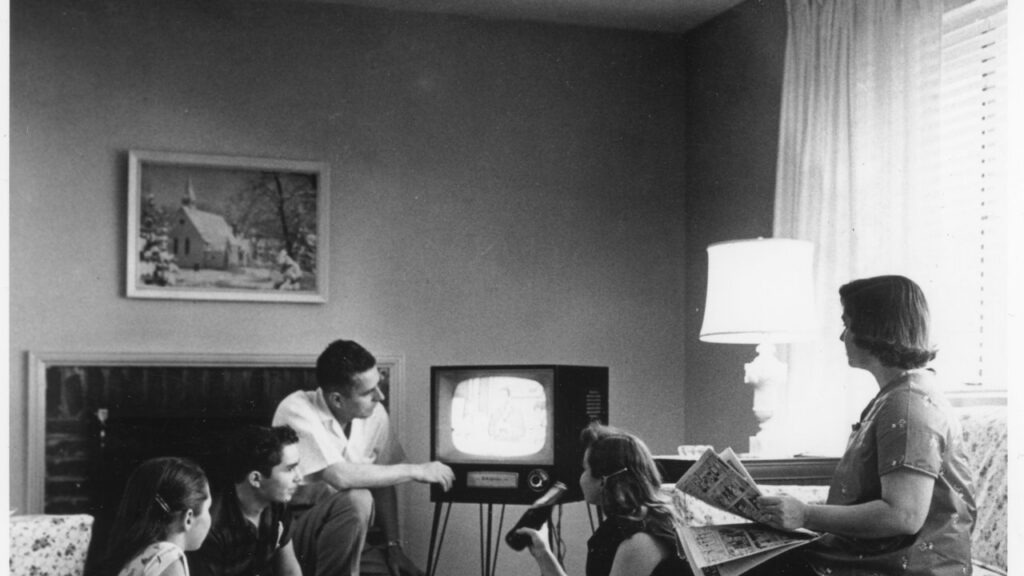

A first television could turn an ordinary living room into a neighborhood attraction. These photographs revisit the wonder, rituals, shared laughs, and historic broadcasts that gathered people around those early screens.
The sequence moves chronologically from experimental television to the Moon landing. Its facts come from government records, public archives, broadcasters, and museum collections, while the photo ideas favor freely reusable historical images.
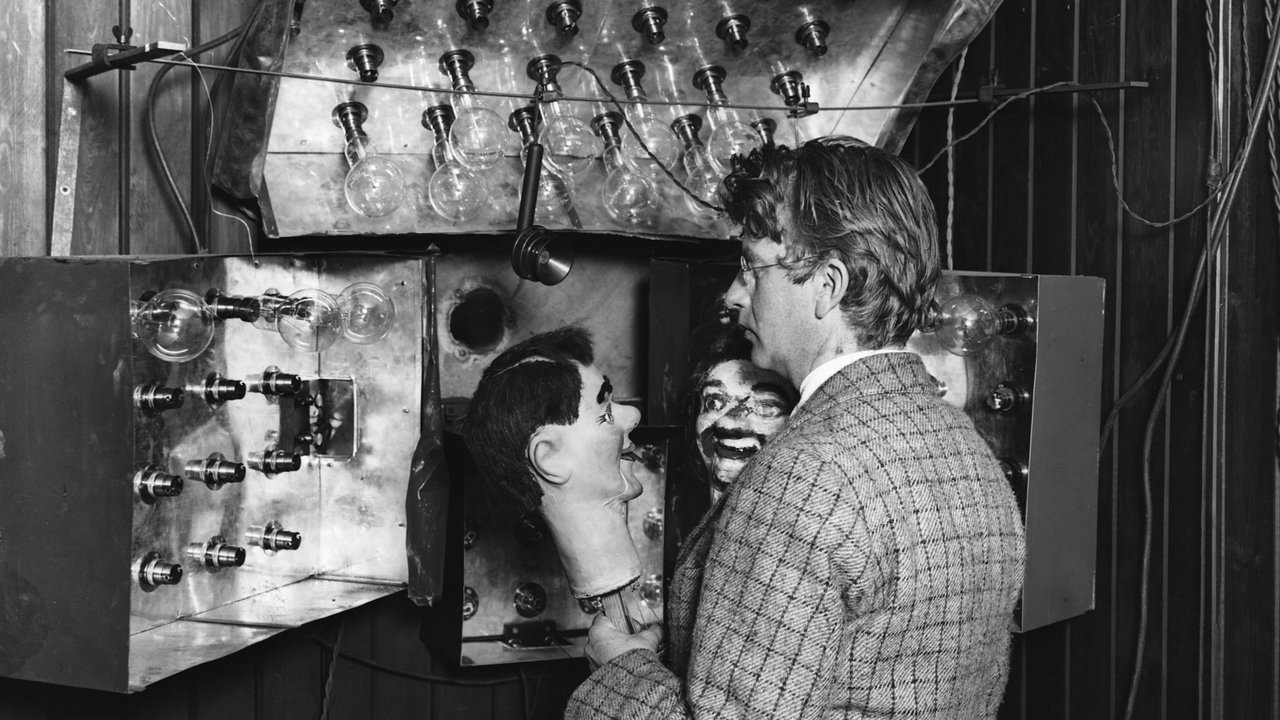

1926: John Logie Baird Demonstrates Television
Before television became furniture, it looked like laboratory equipment. John Logie Baird’s receiving apparatus was used for a widely reported public demonstration in London’s Frith Street in 1926. The small, flickering result was far removed from a family screen, but it offered an astonishing glimpse of pictures traveling through the air.
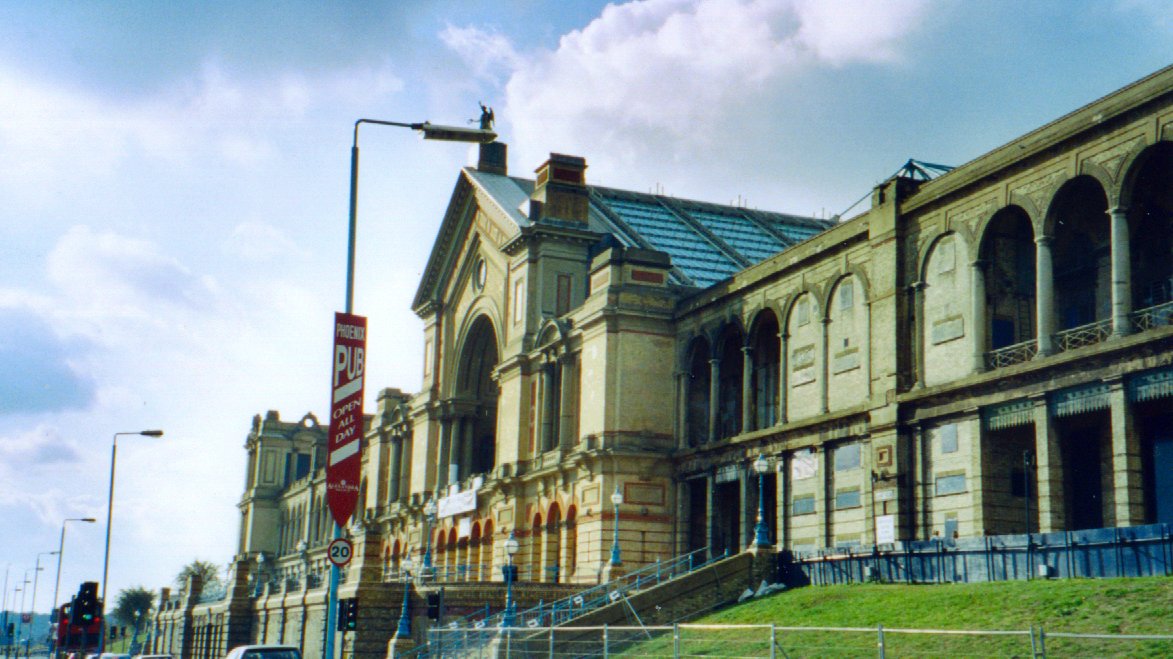

1936: Regular Television Begins in Britain
On November 2, 1936, the BBC opened a regular high-definition television service from Alexandra Palace in North London. Early viewers were watching the beginning of a new art, with live entertainment reaching homes rather than theaters. The audience was small, but television had taken a decisive step toward the living room.
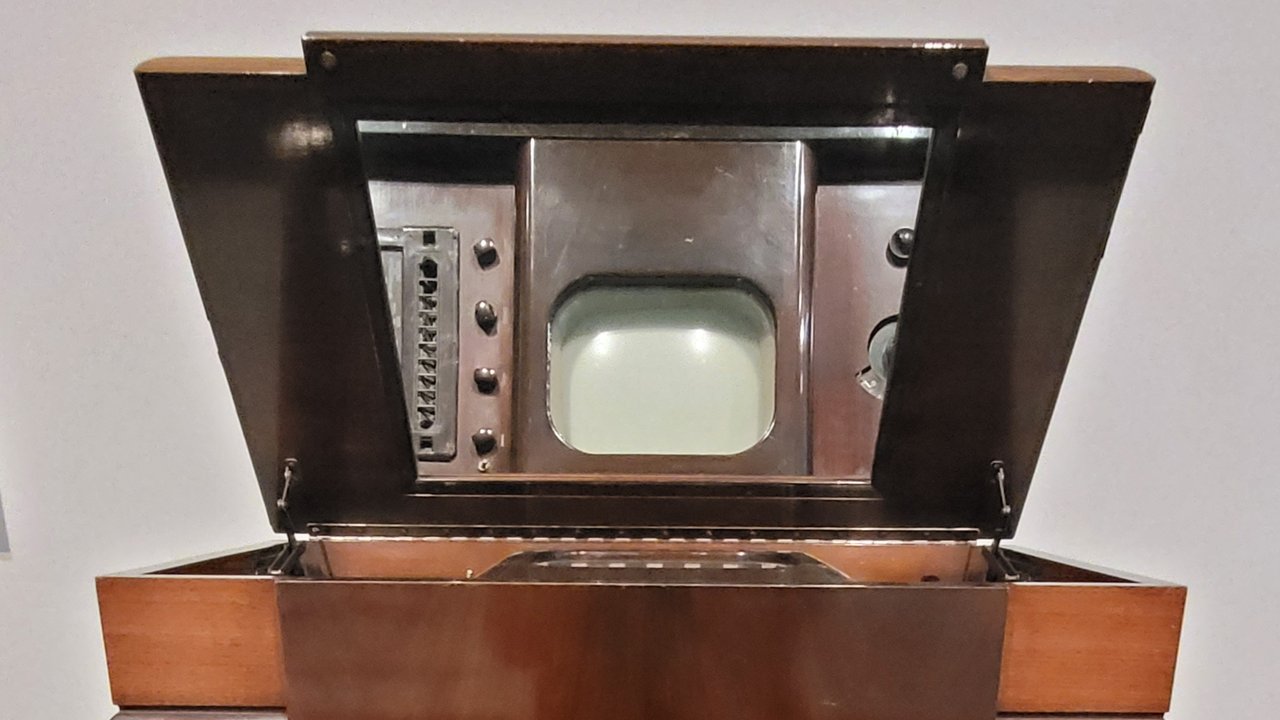

1939: RCA Presents Television at the World’s Fair
RCA introduced its TRK-12 electronic television at the 1939 New York World’s Fair. Visitors could see a technology that still seemed futuristic, then imagine it inside their own homes. The demonstration helped present television to the American public as a consumer product, not simply an experiment for engineers and broadcasters.
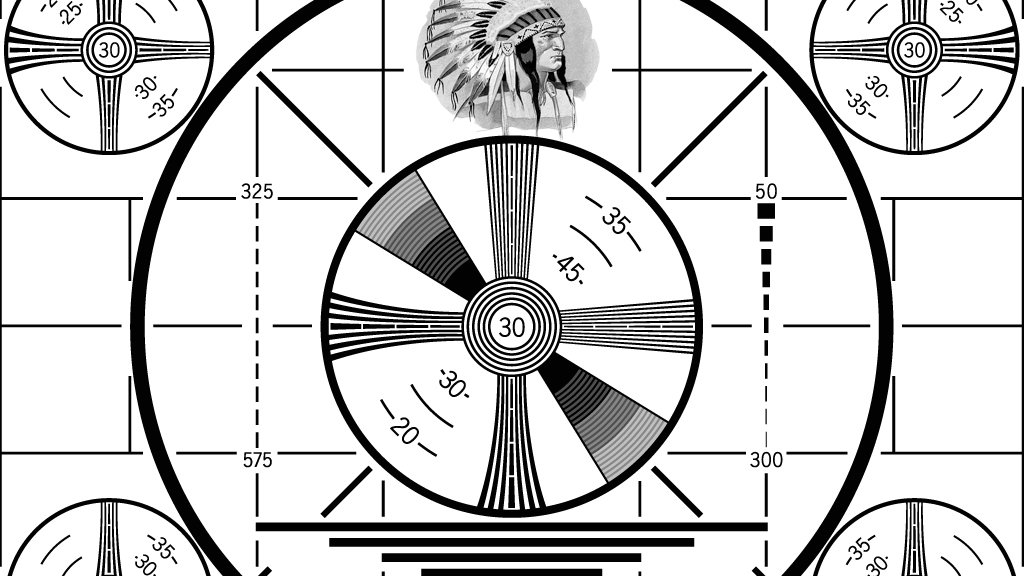

1939: A Test Pattern Becomes Familiar
RCA introduced its Indian Head test pattern in 1939, and the image became an icon during the following decade. Such patterns helped broadcasters and technicians evaluate television pictures. For early viewers, waiting for programming could mean staring at a motionless design that became almost as recognizable as the evening’s performers.
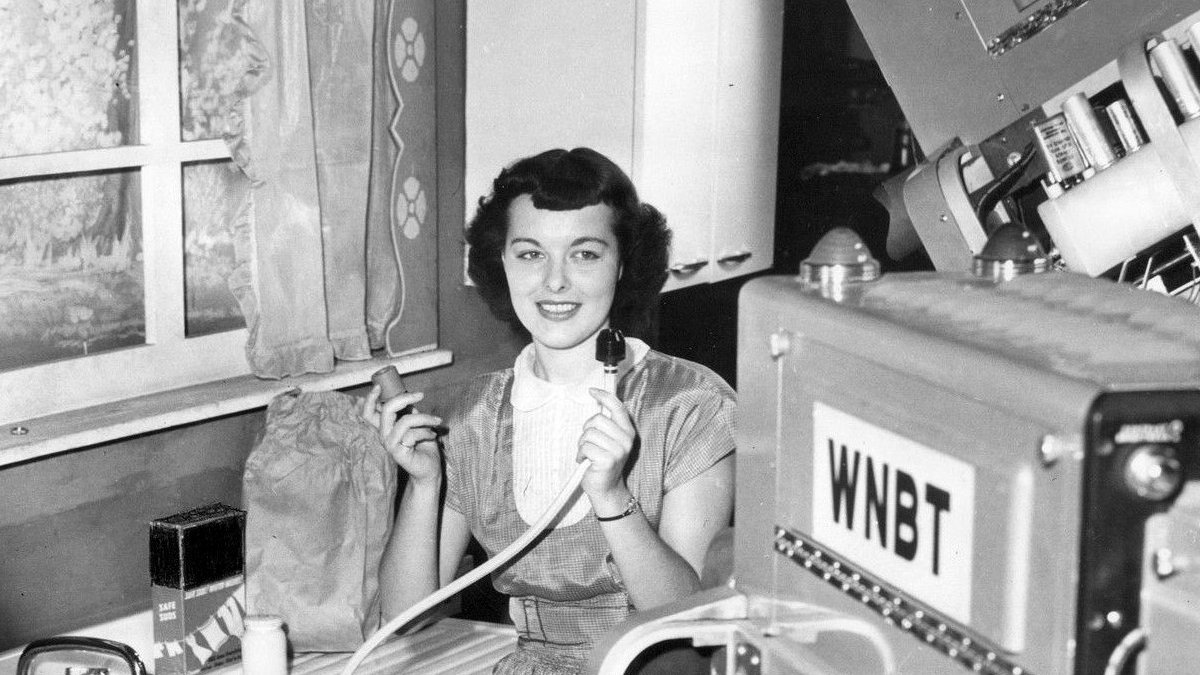

1941: Commercial Television Gets a Starting Date
After a federal hearing, commercial television operation in the United States was authorized to begin on July 1, 1941. The timing was difficult, as the young industry soon faced wartime disruption. Even so, the authorization established television as a commercial broadcast service that could eventually reach ordinary households across the country.
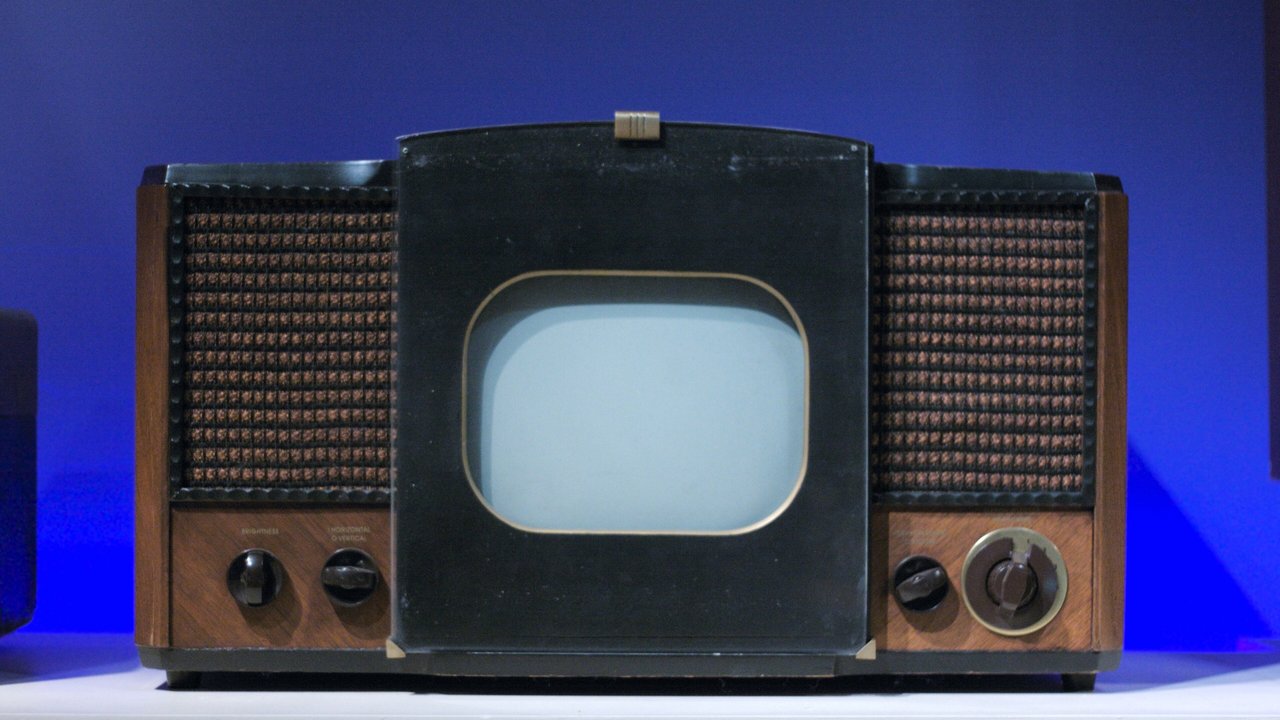

1946: Television Returns to the Home
Postwar television ownership grew from about 10,000 American homes in 1946 to one million in 1948. Sets were still remarkable enough to attract relatives and neighbors, making early viewing a communal occasion. One household’s new purchase could become an entire block’s window onto comedy, news, sports, and public events.
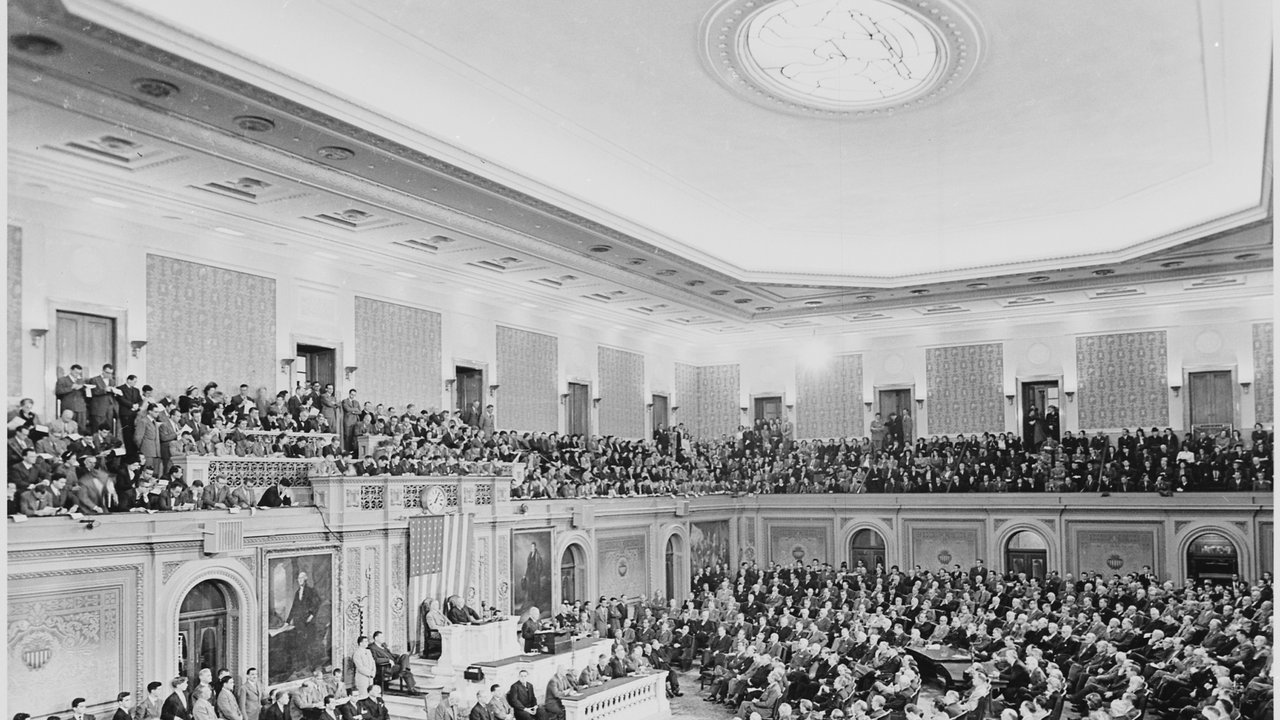

1947: The State of the Union Comes to Television
Harry Truman’s 1947 State of the Union address was the first to be televised. The broadcast brought a formal part of American government onto home screens, although relatively few families could yet receive it. Television was beginning to offer something radio could not: the expressions and gestures accompanying a president’s words.
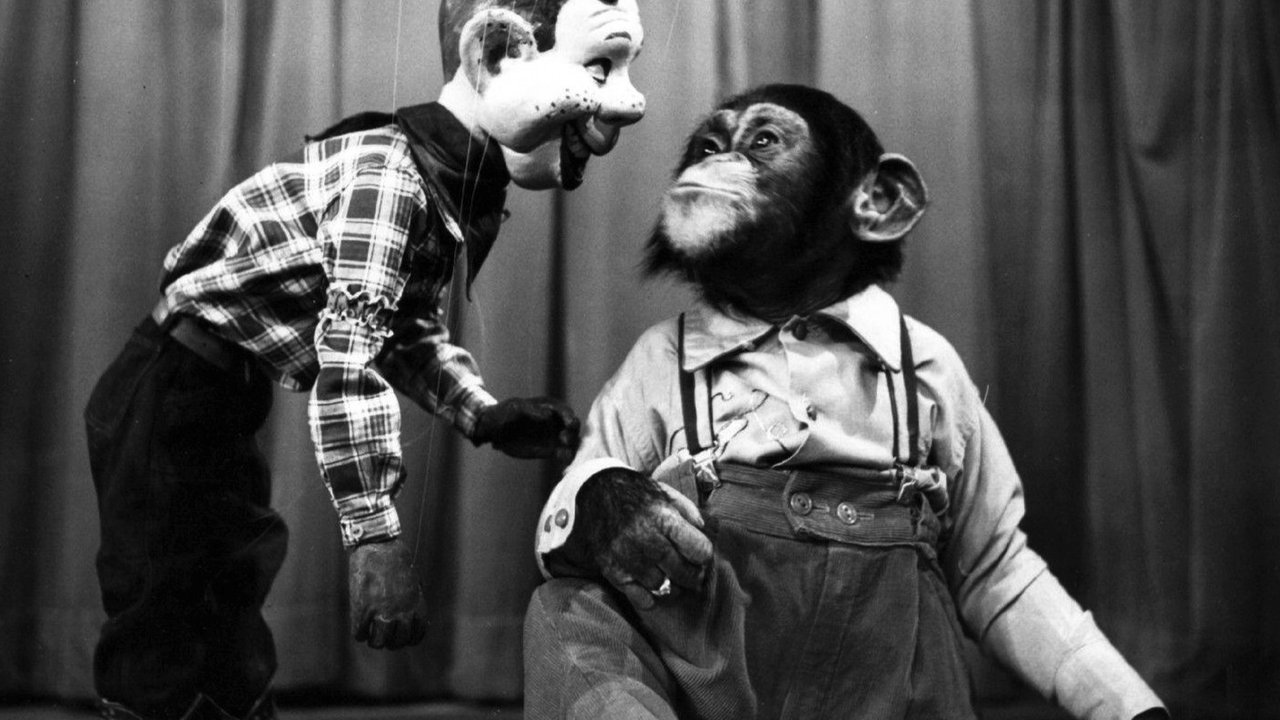

1947: Children Meet Howdy Doody
The Howdy Doody Show ran from 1947 to 1960 and became an influential children’s television program. Its puppets, characters, and young studio audience helped define after-school viewing. For many children, a television set was not merely an adult purchase. It was a doorway to personalities who seemed to visit every day.


1948: Ed Sullivan Enters American Living Rooms
The program later known as The Ed Sullivan Show began as Toast of the Town, broadcasting live from New York on June 20, 1948. Its variety format suited a shared family screen, moving among comedians, singers, dancers, and novelty acts. Sunday-night viewing would become a household ritual for a generation.
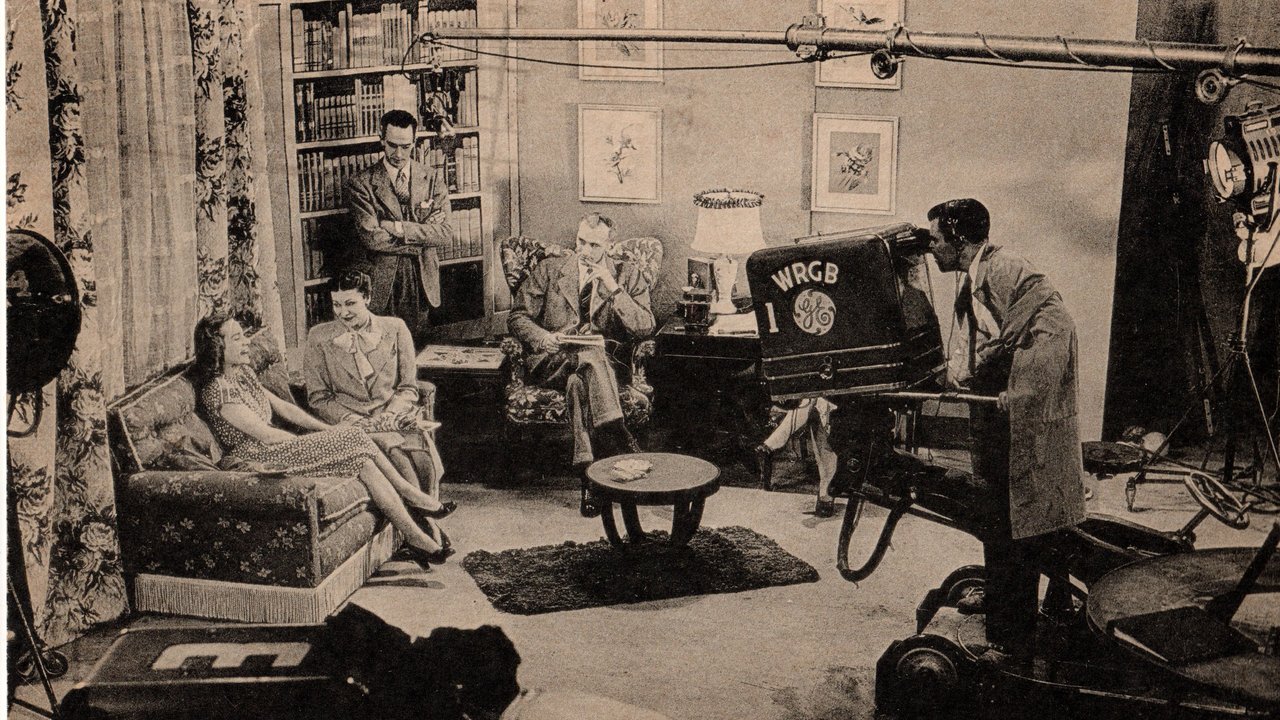

1948: The FCC Pauses New Station Licenses
With 50 television stations operating and another 50 construction permits issued, the FCC instituted a licensing freeze in 1948 while it addressed technical and allocation problems. Demand was running ahead of the broadcast map. Families in established television cities enjoyed growing choices, while many other communities still waited for local service.
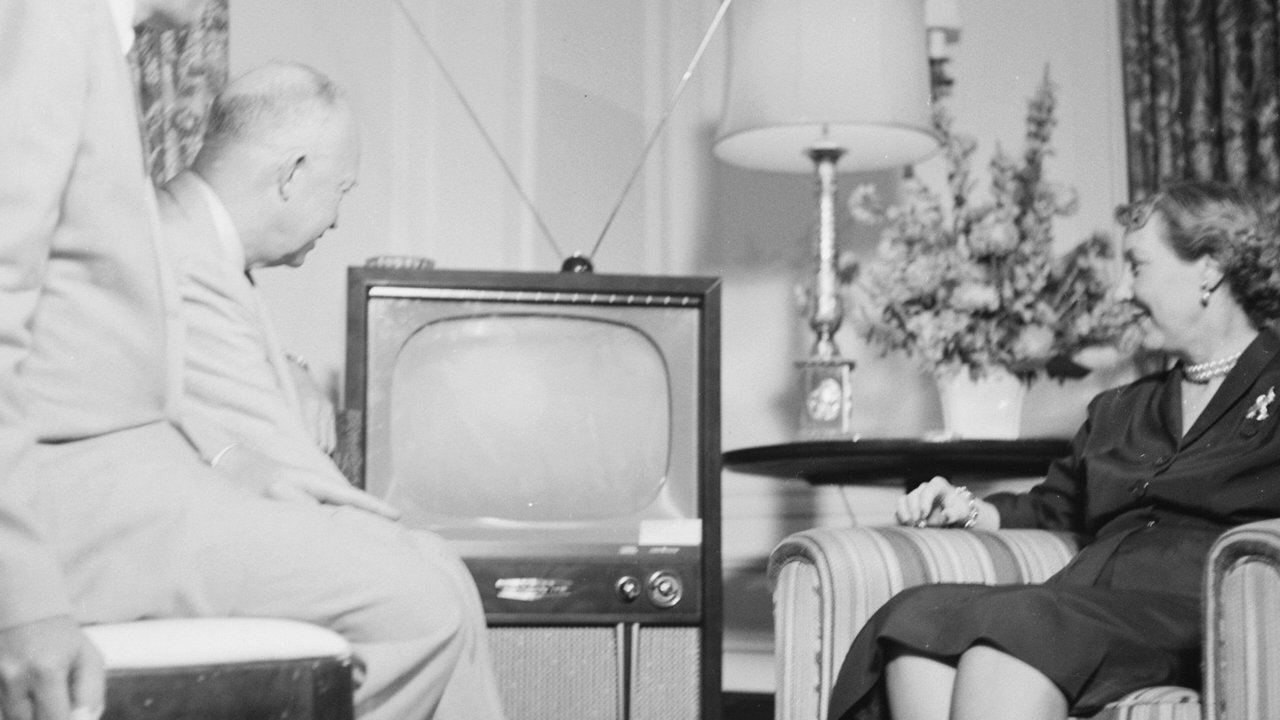

1950: Only 9 Percent of Homes Have Television
In 1950, 3.9 million American households had television sets, representing 9 percent of the total. That small share explains why an early set could become a neighborhood gathering place. Buying one meant joining a new cultural conversation, while families without television often watched with friends or through store windows.
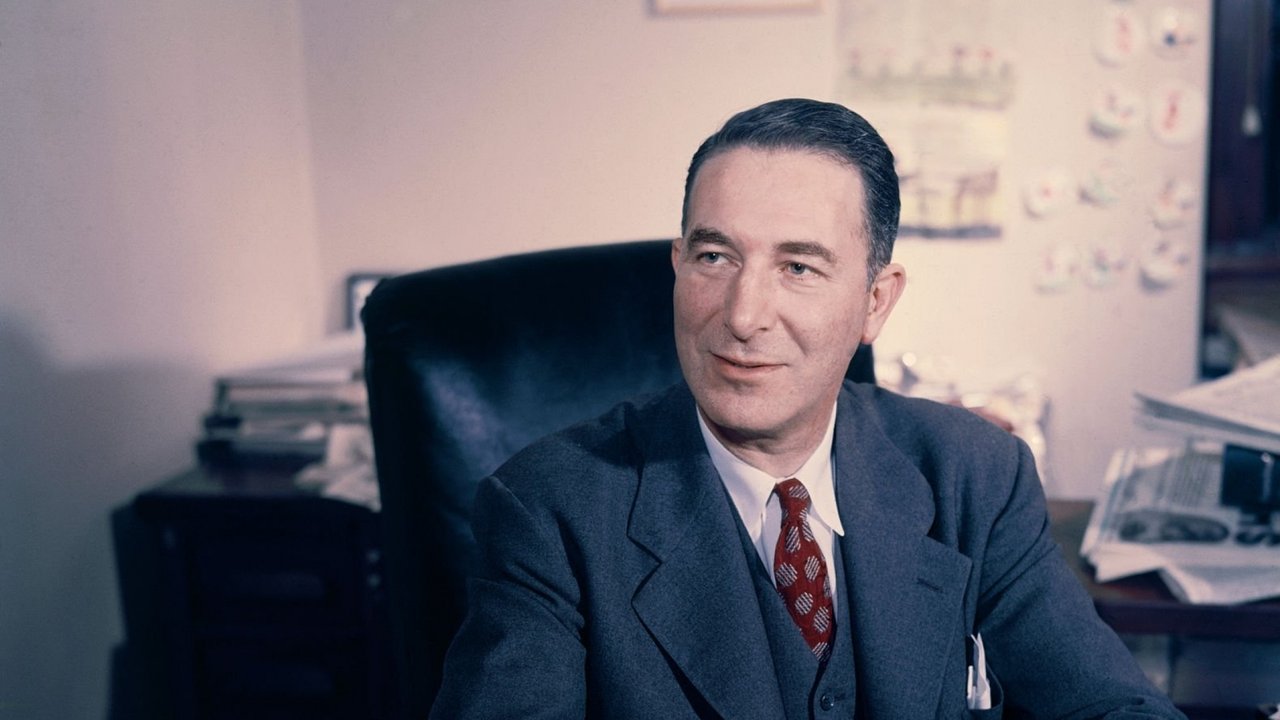

1951: The Kefauver Hearings Grip Viewers
An estimated 30 million Americans watched live television coverage of the Kefauver Committee’s organized-crime hearings in March 1951. The proceedings showed that daytime television could become compelling national viewing without actors or scripts. Families saw witnesses questioned in real time, bringing the atmosphere of a Senate investigation directly into their homes.
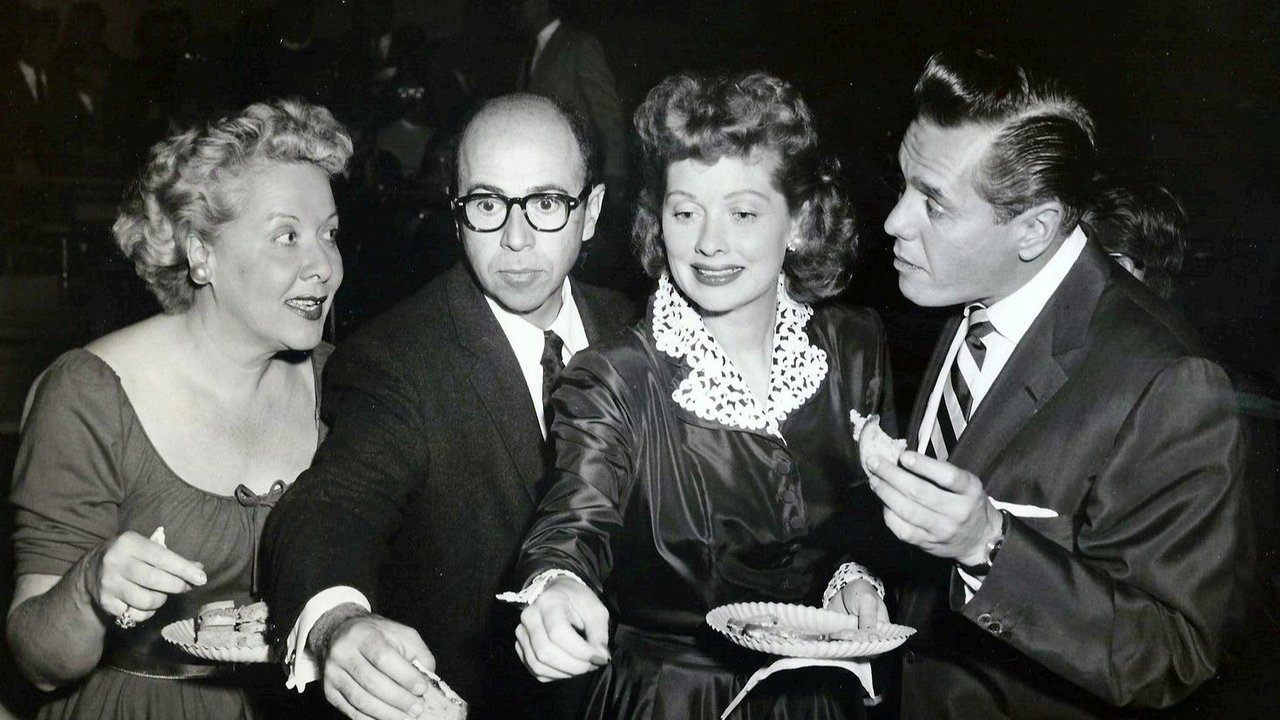

1951: I Love Lucy Makes Its Debut
I Love Lucy was first broadcast on October 15, 1951, with Lucille Ball and Desi Arnaz playing Lucy and Ricky Ricardo. The domestic setting felt familiar, while the performances made everyday mishaps wonderfully outsized. Gathering around Lucy became a weekly habit and helped demonstrate television comedy’s power to create shared memories.
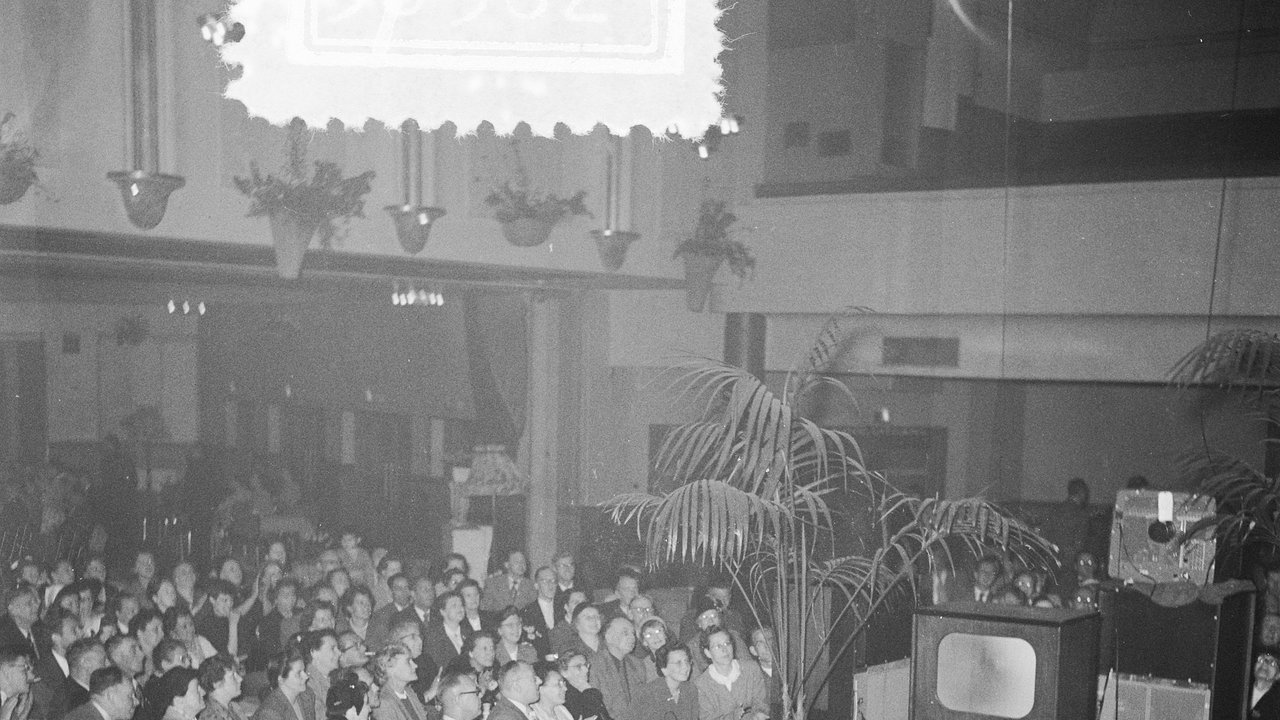

1953: The Coronation Draws Crowds to Small Screens
Around 20 million people gathered in homes, cinemas, and church halls to watch the coronation of Elizabeth II on June 2, 1953. Television-set sales had surged in anticipation. In Britain, the broadcast became a defining first-TV memory, with families and communities sharing a distant ceremony as it unfolded.


1953: The TV Dinner Joins the Routine
C. A. Swanson & Sons introduced its frozen, precooked TV Dinner in 1953. It could be heated in about 25 minutes, and its portable divided tray fit the new habit of eating near the television. The product’s very name showed how quickly the glowing screen was reorganizing evening routines.
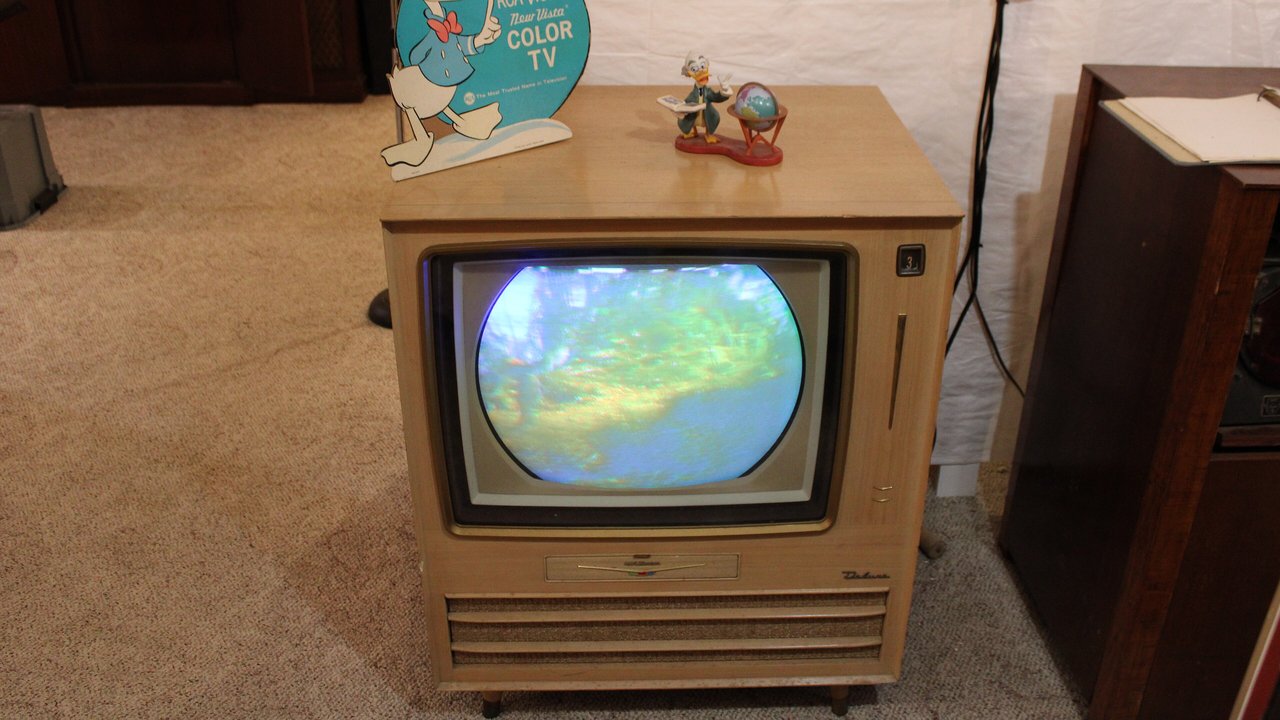

1954: The RCA CT-100 Brings Color Home
RCA’s 1954 CT-100 was the company’s first mass-produced color television. Most programs and household sets remained black-and-white, so color viewing was still exceptional. Even so, the wooden cabinet offered an early look at television’s future, when family memories of parades, sports, and entertainment would no longer be confined to shades of gray.
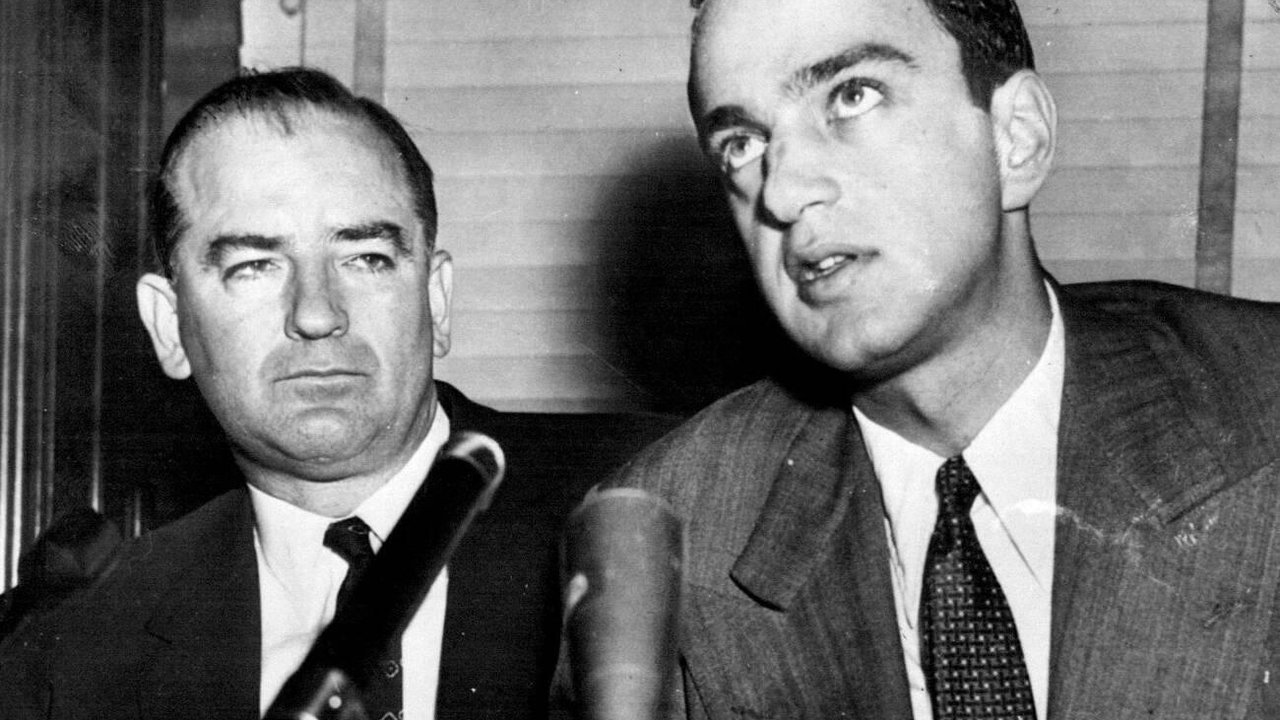

1954: The Army-McCarthy Hearings Fill the Screen
The Army-McCarthy hearings were broadcast on national television in 1954 and contributed to Senator Joseph McCarthy’s declining popularity. Viewers could assess the exchanges for themselves rather than relying only on later descriptions. The hearings demonstrated how sustained live coverage could turn government proceedings into household viewing and alter a public figure’s image.
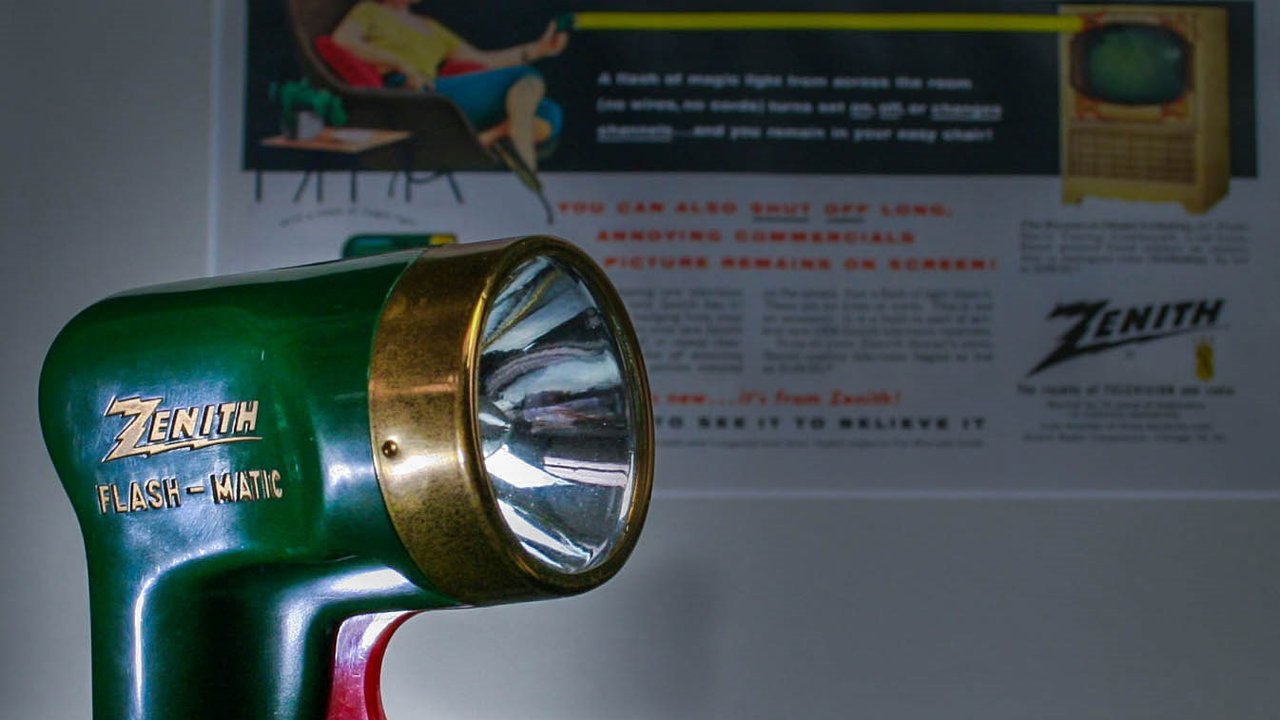

1955: The First Wireless Remote Arrives
Zenith introduced the Flash-Matic, the first wireless television remote control, in 1955. A directional light beam activated sensors around the screen, allowing viewers to change channels, mute the sound, or operate the set from their chairs. It was clever but imperfect, since other light could accidentally trigger the controls.


1956: Elvis Appears on Ed Sullivan
Elvis Presley made his first appearance on The Ed Sullivan Show on September 9, 1956. The program received 80 percent of the national viewing audience, according to Graceland’s history. Teenagers and parents were seeing the same performance together, showing how television could place a changing youth culture in the middle of family life.
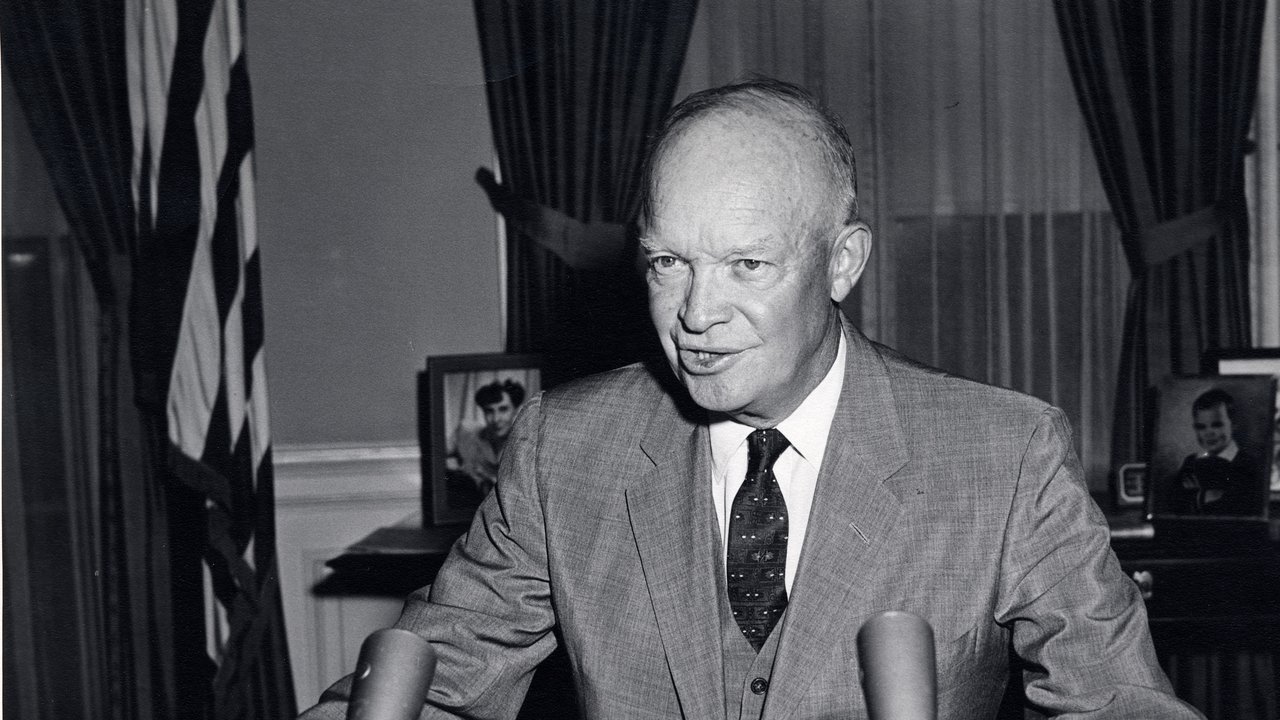

1957: Eisenhower Addresses the Nation on Little Rock
On September 24, 1957, Dwight D. Eisenhower delivered a special broadcast concerning the crisis at Little Rock. The president explained his decision to deploy federal troops to uphold school-integration orders. Television allowed families to see national leadership respond directly to a pivotal civil rights confrontation.
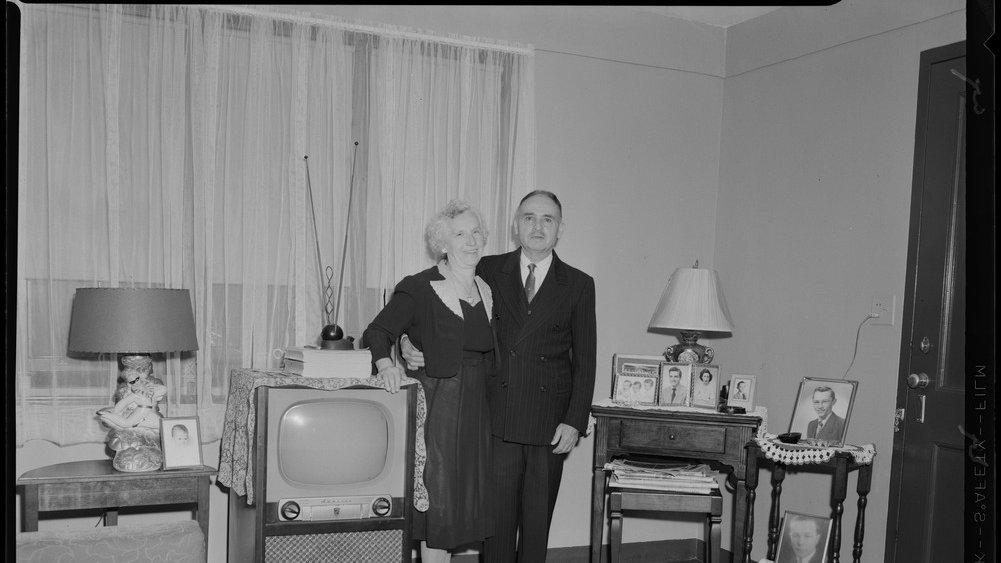

The 1950s: Rabbit Ears Become Household Equipment
Indoor antennas known as rabbit ears became the most common type for nearby television signals. Their two telescoping rods could be repositioned to improve reception, leading to a familiar household ritual: one person adjusted the antenna while another judged the picture. A clear image could depend on finding exactly the right angle.
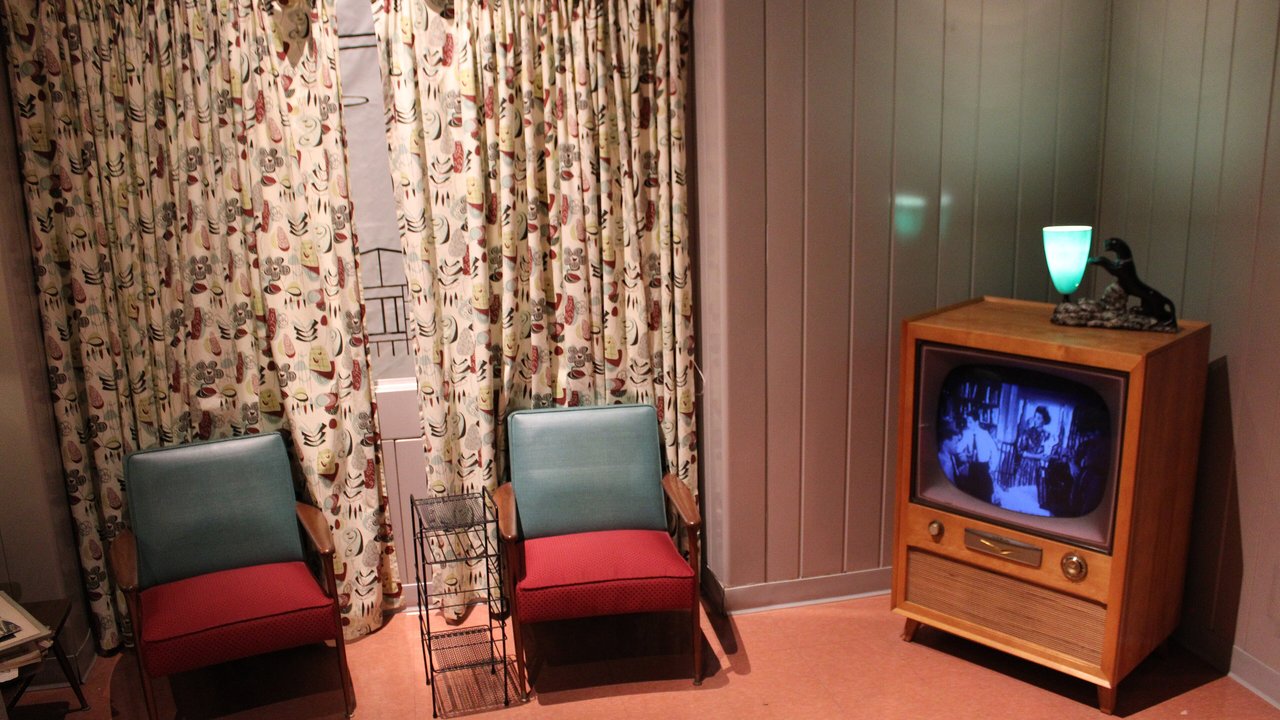

1960: Television Reaches Nearly 9 in 10 Homes
By 1960, 45.8 million American households had television sets, or 87.1 percent of the total. Television had moved from neighborhood novelty to ordinary domestic presence in just a decade. A family without a set was now unusual, and national events could assume that most households were able to watch.
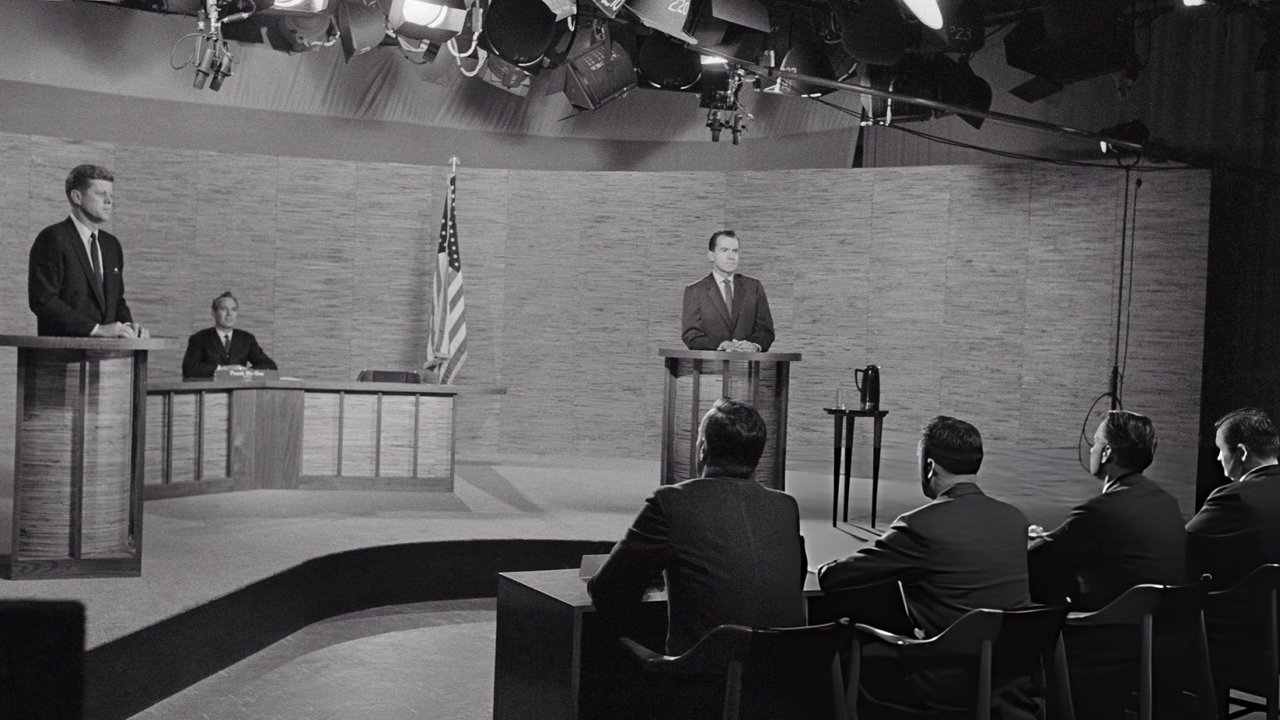

1960: The First Televised Presidential Debate
On September 26, 1960, voters received an unprecedented close-up of the presidential candidates in the first televised debate. Families could compare not only arguments but also composure, appearance, and reactions. Political communication had become visual, and the television set was now an important place for Americans to evaluate those seeking the presidency.
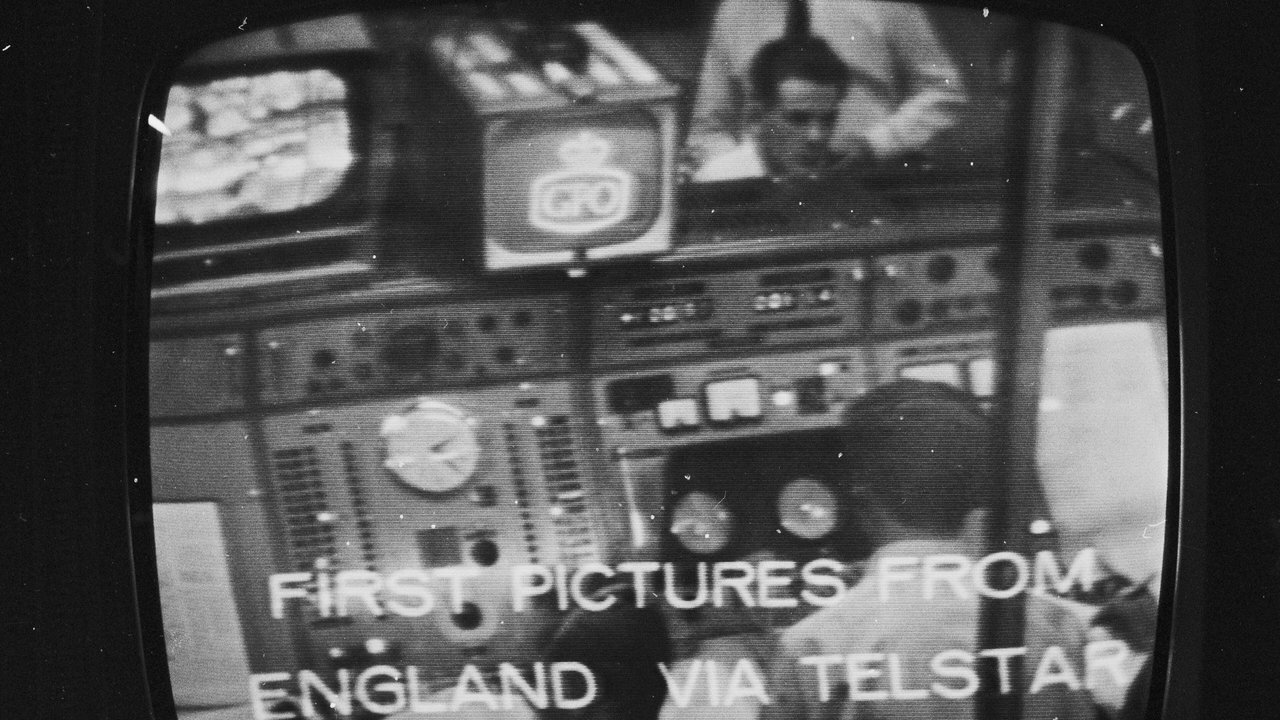

1962: Telstar Links Viewers Across the Atlantic
NASA launched Telstar I on July 10, 1962. On July 23, the satellite relayed the first publicly available transatlantic television signal, including images from Europe and the United States. The broadcast hinted that a family television could become a window onto live events far beyond the reach of domestic networks.
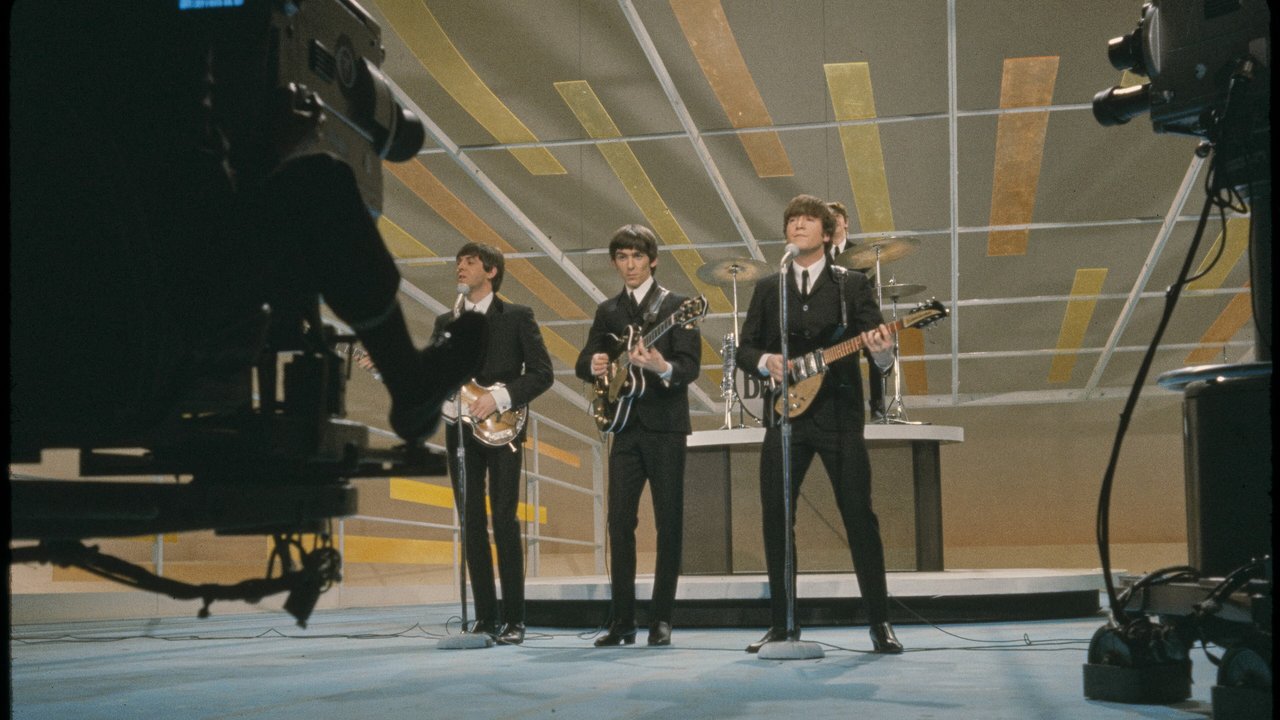

1964: The Beatles Reach America Through Television
The Beatles made their first appearance on The Ed Sullivan Show on February 9, 1964. Their performance turned a family variety program into a landmark of youth culture. Parents, children, and teenagers watched together, even if their reactions differed, and the living room became the front row for a musical transformation.
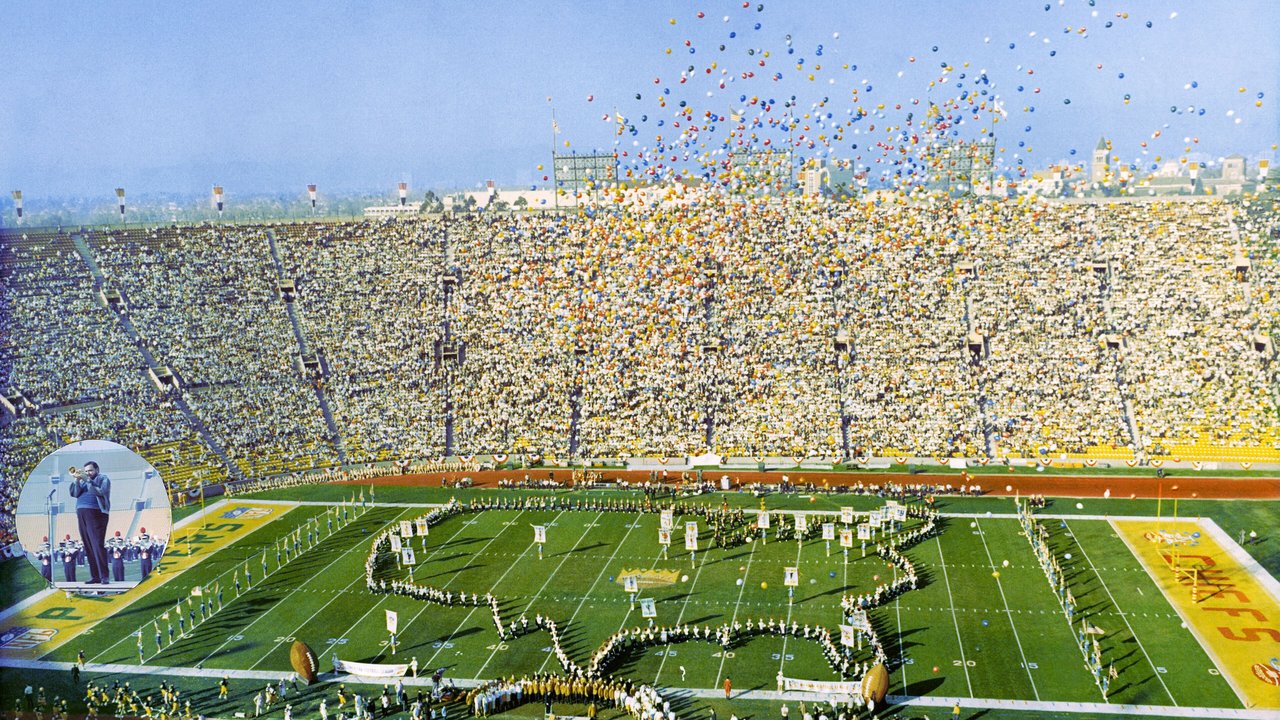

1967: The First Super Bowl Reaches Two Networks
The Green Bay Packers defeated the Kansas City Chiefs in the first Super Bowl on January 15, 1967. CBS and NBC both televised the game, the only joint broadcast in Super Bowl history. Football viewing was becoming a family-room tradition that would eventually extend far beyond the game itself.
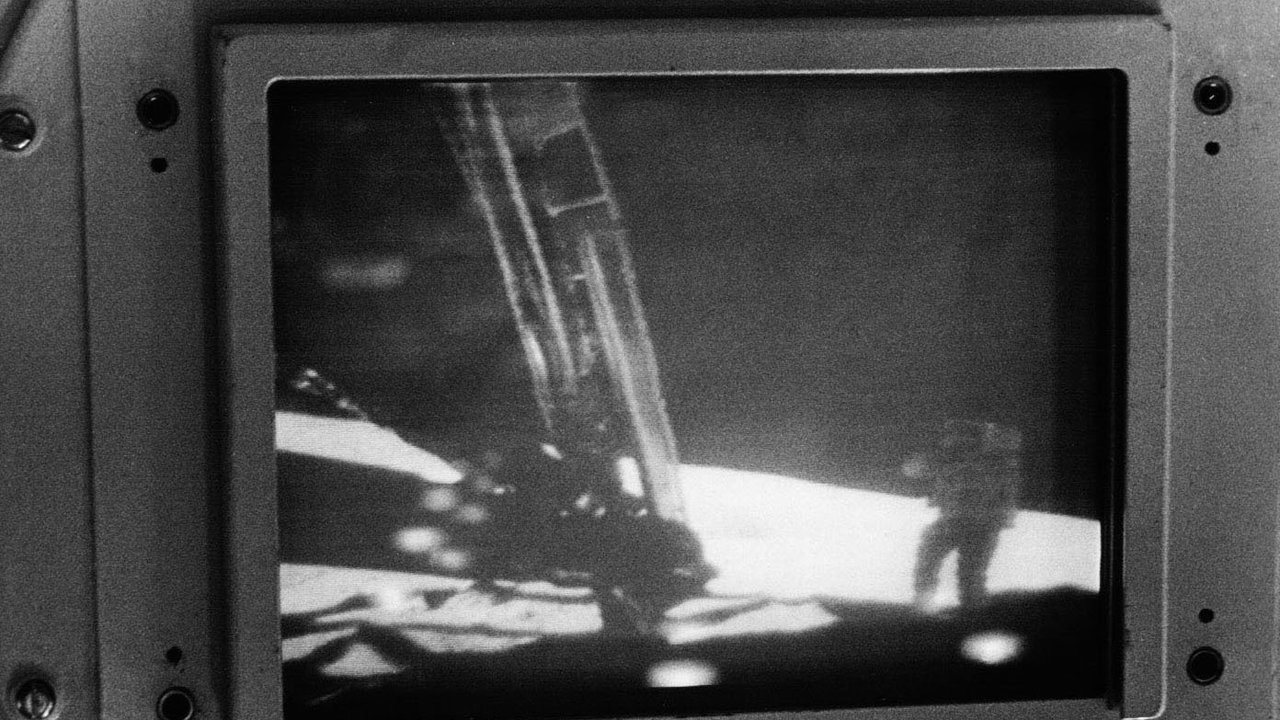

1969: Families Watch the First Steps on the Moon
On July 20, 1969, Apollo 11 commander Neil Armstrong placed the first human footstep on the Moon. NASA estimates that 650 million people watched his televised image. The small screen had become a window onto another world, giving families everywhere a shared memory unlike anything television had carried before.
Those first glowing screens turned living rooms into gathering places for entertainment, history, and wonder. What do you remember about your family’s first television set?
Follow Lilyon on MSN for more stories like this.
Sources: