

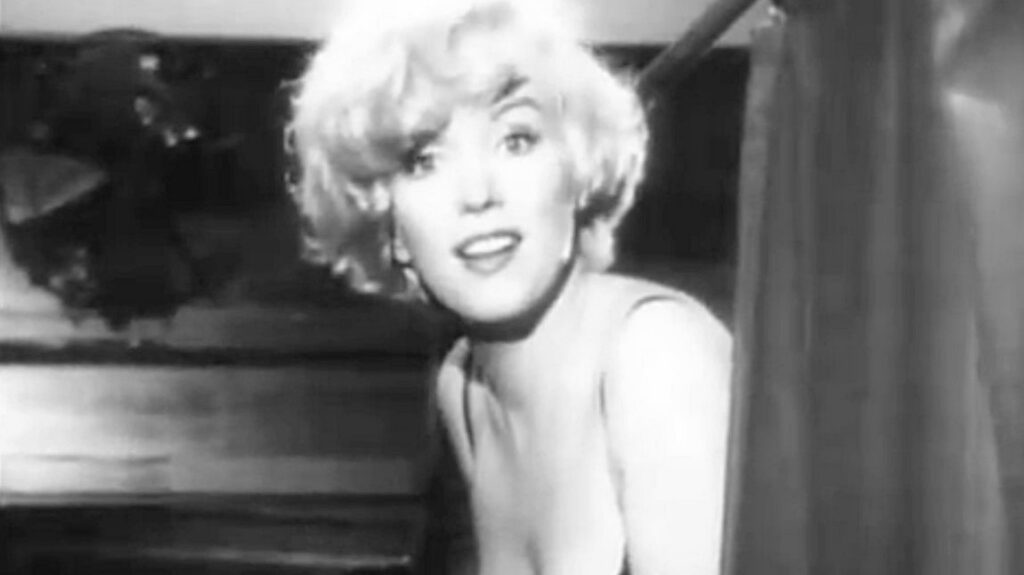

Black-and-white filmmaking could be romantic, unsettling, funny, or brutally honest. These enduring movies show how many moods can live between light and shadow.
Arranged chronologically by release year, the selections include comedies, romances, thrillers, and dramas. Each offers performances, images, or ideas that become richer on another viewing.

1934: It Happened One Night
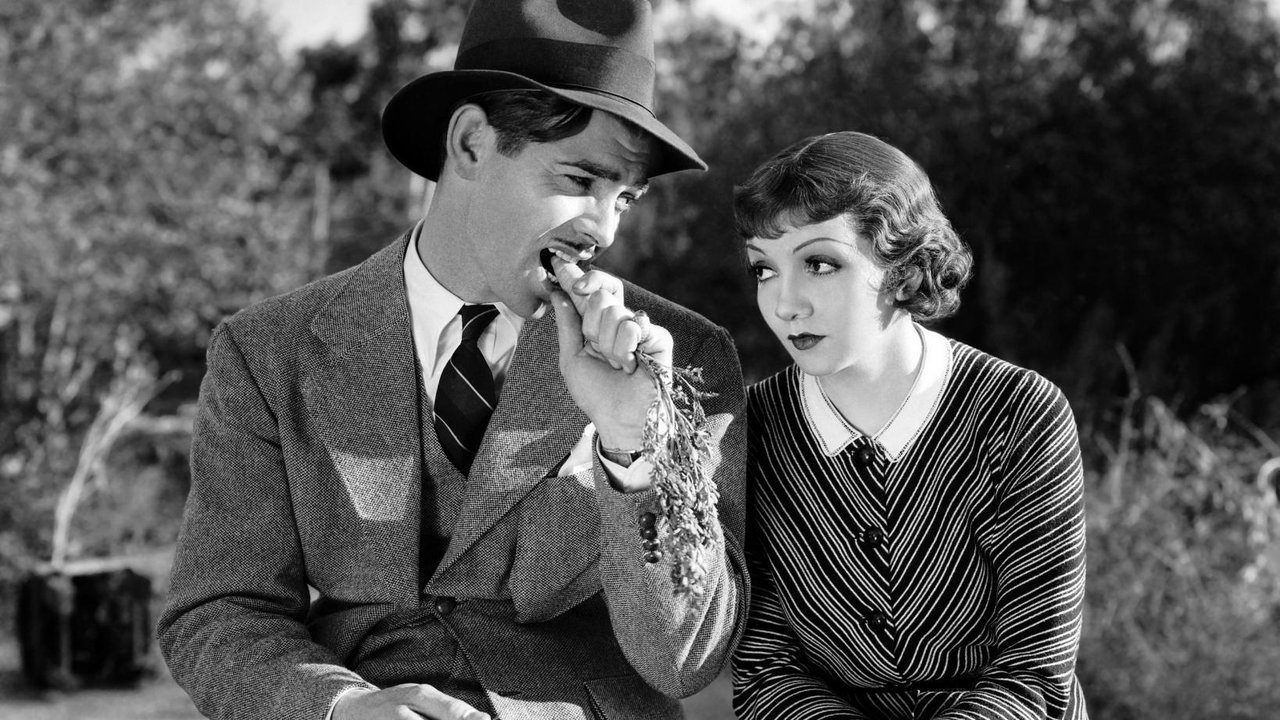
Claudette Colbert and Clark Gable turn a runaway heiress and an out-of-work reporter into wonderfully prickly traveling companions. The comedy moves quickly, yet it leaves room for tenderness beneath the wisecracks. Its celebrated Oscar sweep covered Best Picture, acting, directing, and adapted writing, but the lively chemistry remains the best reason to revisit it.

1940: The Philadelphia Story
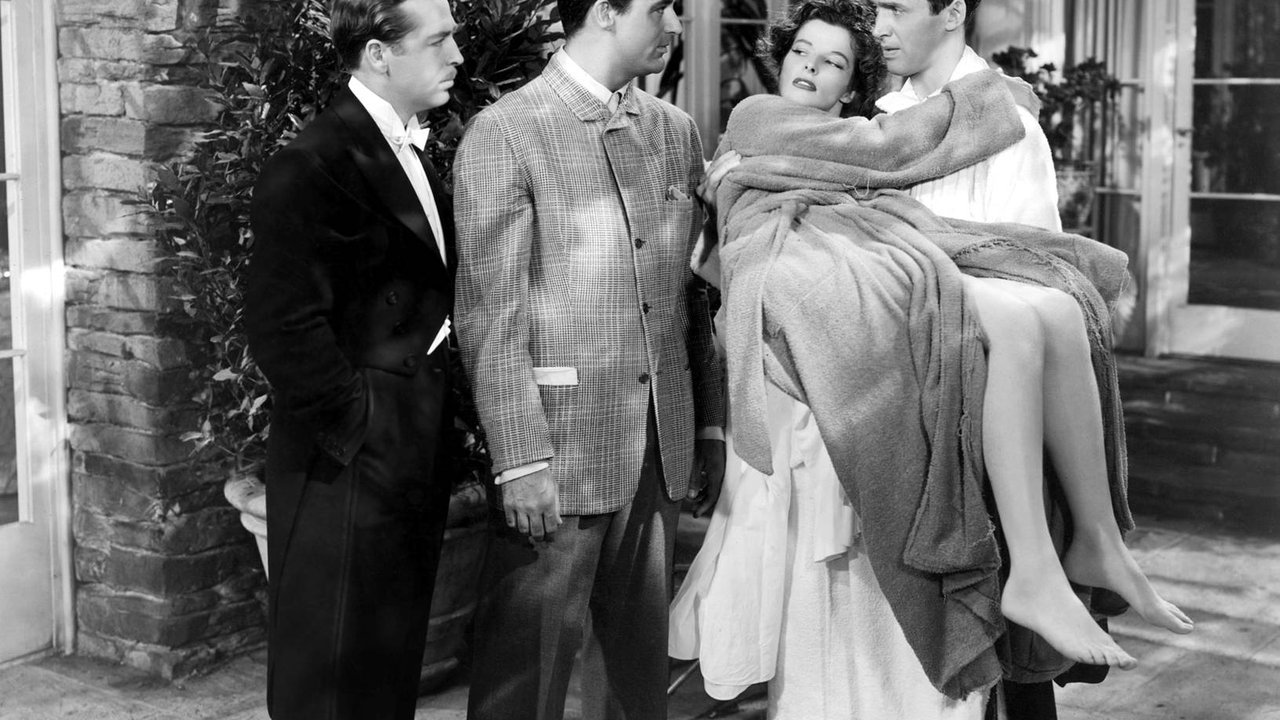
Katharine Hepburn brings flinty wit to a socialite reconsidering her choices, while James Stewart makes an intrusive reporter surprisingly endearing. The polished dialogue rarely stops moving, but the film’s real pleasure lies in watching certainty give way to humility. Stewart’s Oscar-winning performance adds warmth to a character whose teasing bravado could easily have become tiresome.

1940: Rebecca
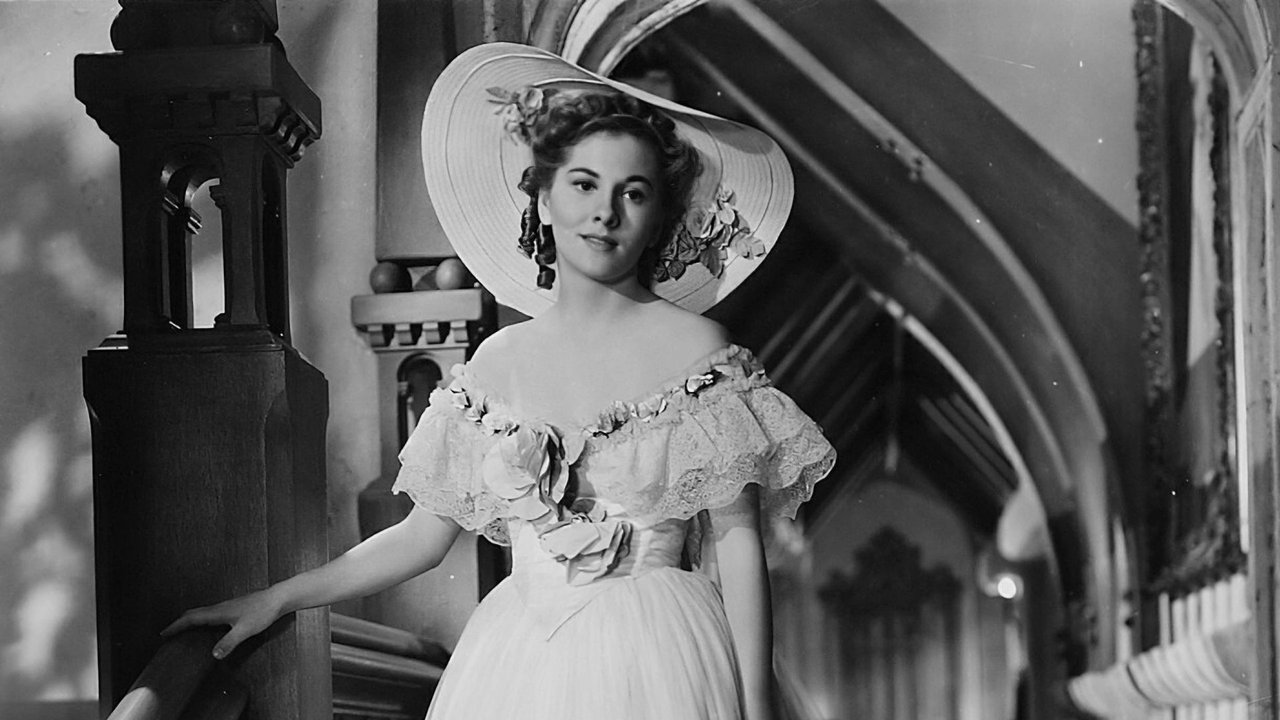
Laurence Olivier and Joan Fontaine enter a grand house ruled by memory, suspicion, and an absent woman’s influence. Alfred Hitchcock makes rooms, staircases, and household rituals feel quietly threatening. The Academy recognized Rebecca as Best Picture, yet its enduring pull comes from something harder to measure: the uneasy feeling that the past is always watching.
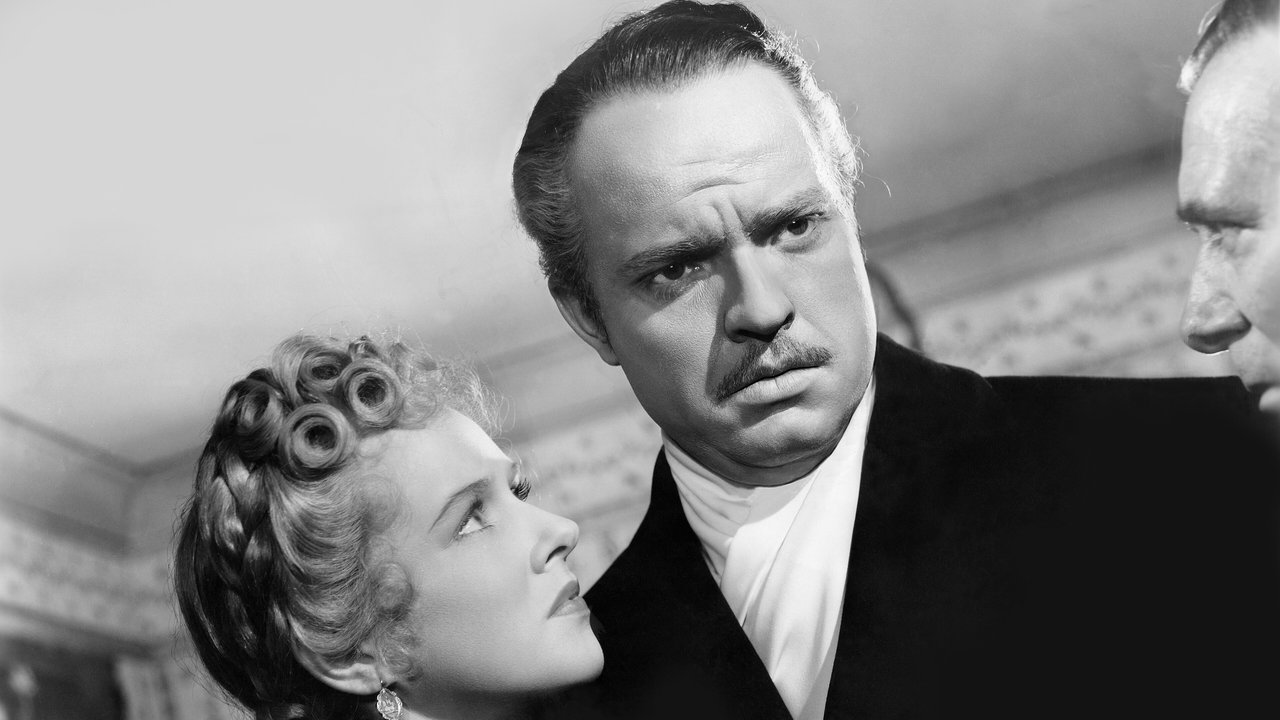

1941: Citizen Kane
Orson Welles builds a newspaper magnate’s life from memories, contradictions, and incomplete testimony. The film disappointed at the box office, but Welles and Herman Mankiewicz won the screenplay Oscar. Look beyond its towering reputation, and it becomes a surprisingly intimate study of loneliness, ambition, and the limits of trying to explain another person.
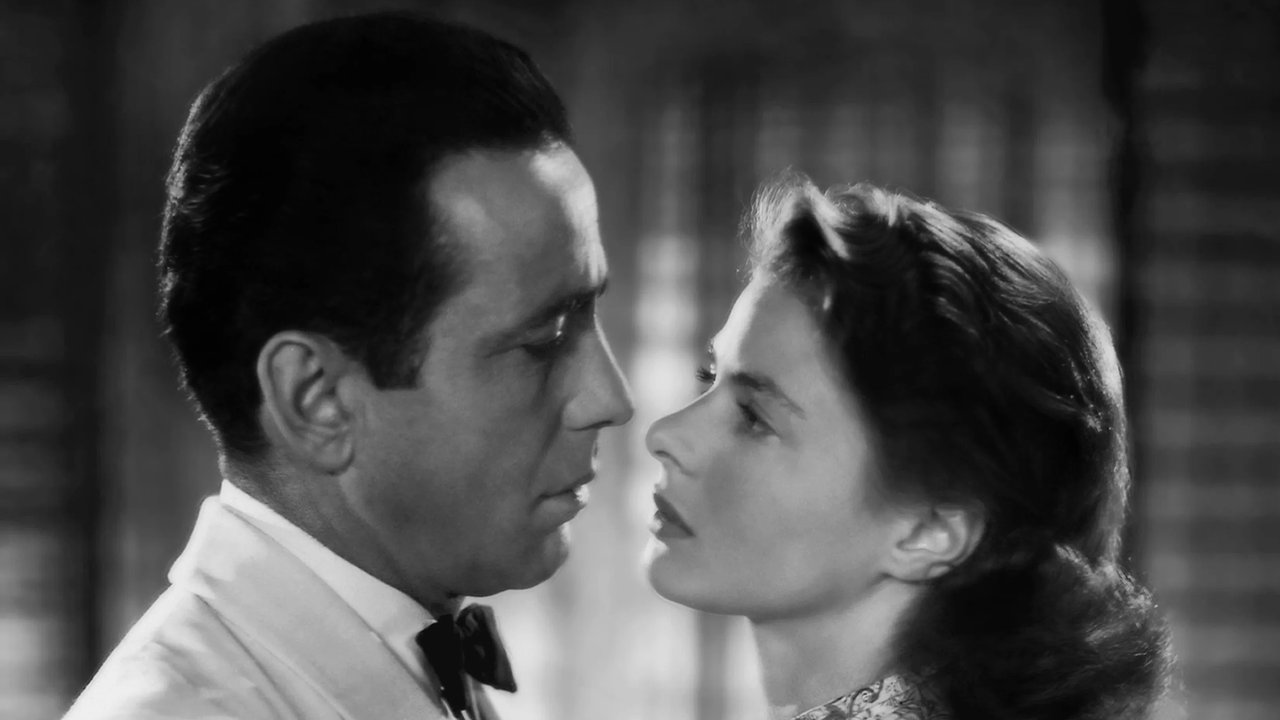

1942: Casablanca
Humphrey Bogart’s guarded nightclub owner and Ingrid Bergman’s conflicted refugee give Michael Curtiz’s wartime romance its aching center. Cast members did not know how the central triangle would be resolved until the final days of filming. That uncertainty suits a story in which love, duty, and survival keep pulling its characters in different directions.


1944: Double Indemnity
Barbara Stanwyck and Fred MacMurray make temptation look irresistible and ruinous in Billy Wilder’s shadowy crime story. One wonderfully ordinary suspense beat—a getaway car refusing to start—grew from trouble with Wilder’s own engine. That small frustration makes the conspirators’ panic tangible, while the hard-edged dialogue keeps their doomed partnership dangerously seductive.


1945: Brief Encounter
Celia Johnson and Trevor Howard make a railway-station romance feel enormous without sacrificing restraint. David Lean expanded Noël Coward’s play Still Life, using atmospheric black-and-white photography and surging music to express what the characters cannot say. Its emotional force comes from watching two ordinary people struggle to reconcile powerful feelings with familiar responsibilities.
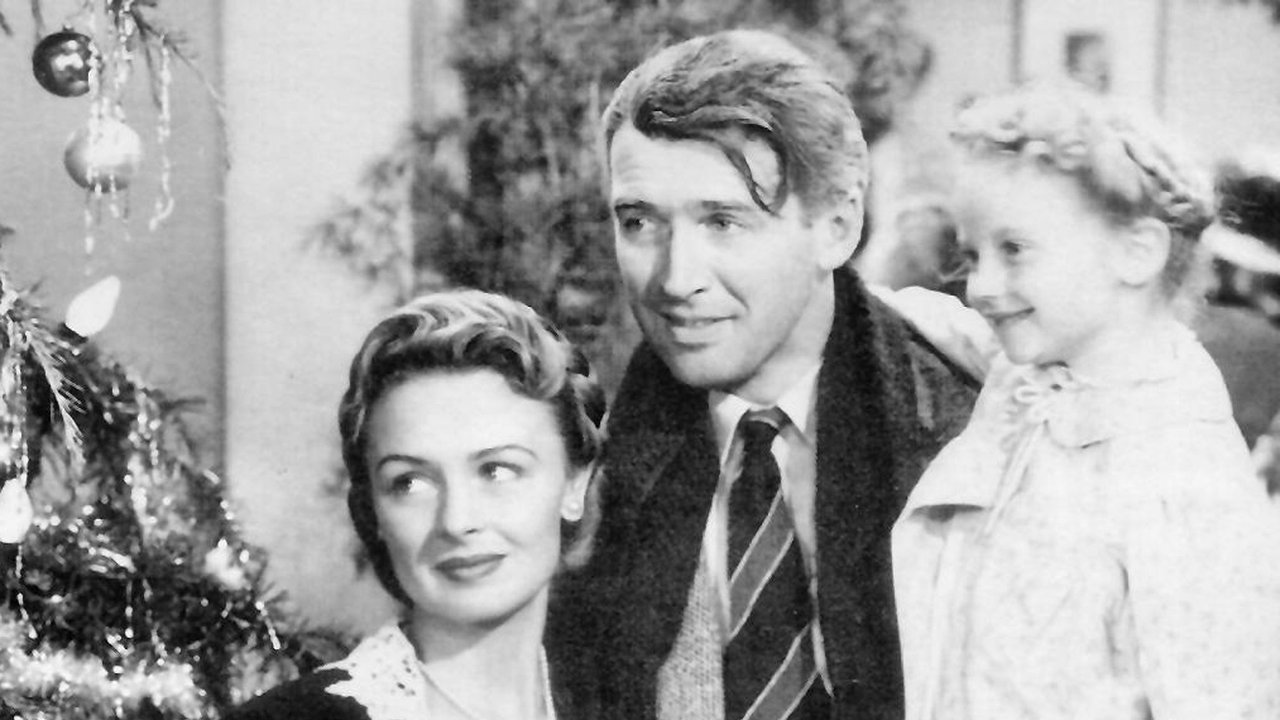

1946: It’s a Wonderful Life
James Stewart and Donna Reed give Frank Capra’s holiday favorite far more emotional range than its comforting reputation suggests. George Bailey’s frustration and despair make the eventual warmth feel earned. Even after countless seasonal broadcasts, the film rewards attention to its quieter moments, especially the compromises, disappointments, and acts of loyalty that shape an ordinary life.
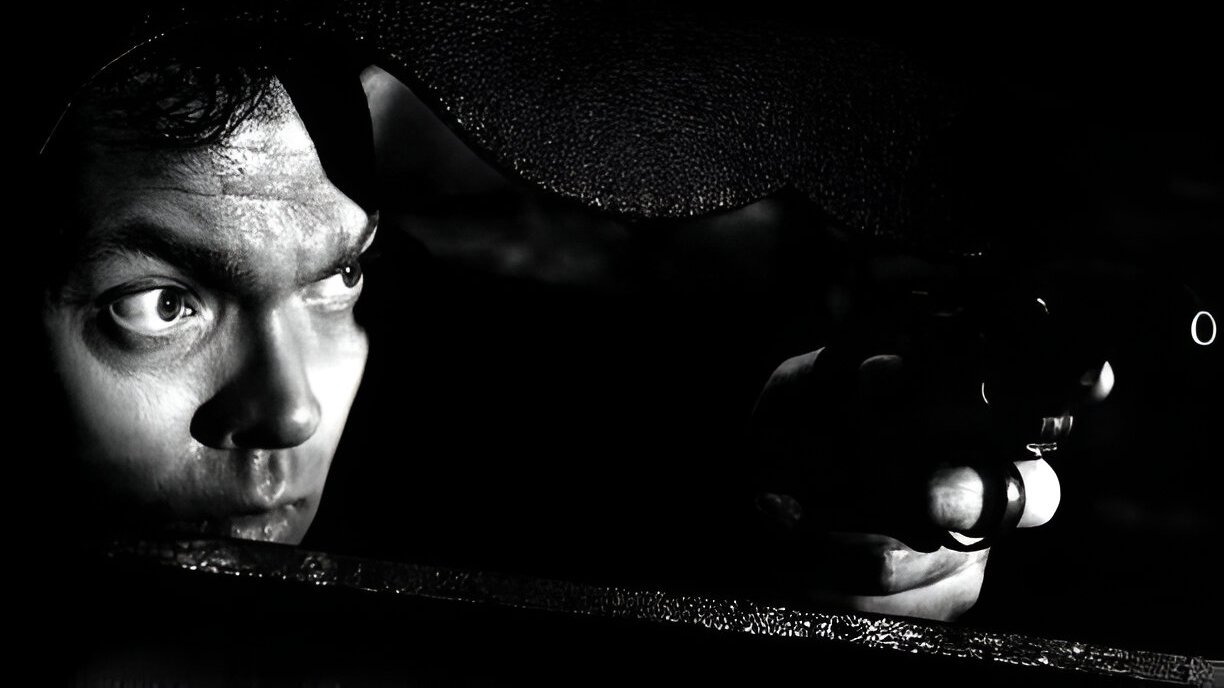

1949: The Third Man
Joseph Cotten searches postwar Vienna for the truth about an old friend, while Orson Welles turns limited screen time into an unforgettable presence. Carol Reed’s tilted compositions and Anton Karas’s zither score create a world that feels playful and morally unstable. Welles also penned the famous cuckoo-clock speech associated with the slippery Harry Lime.
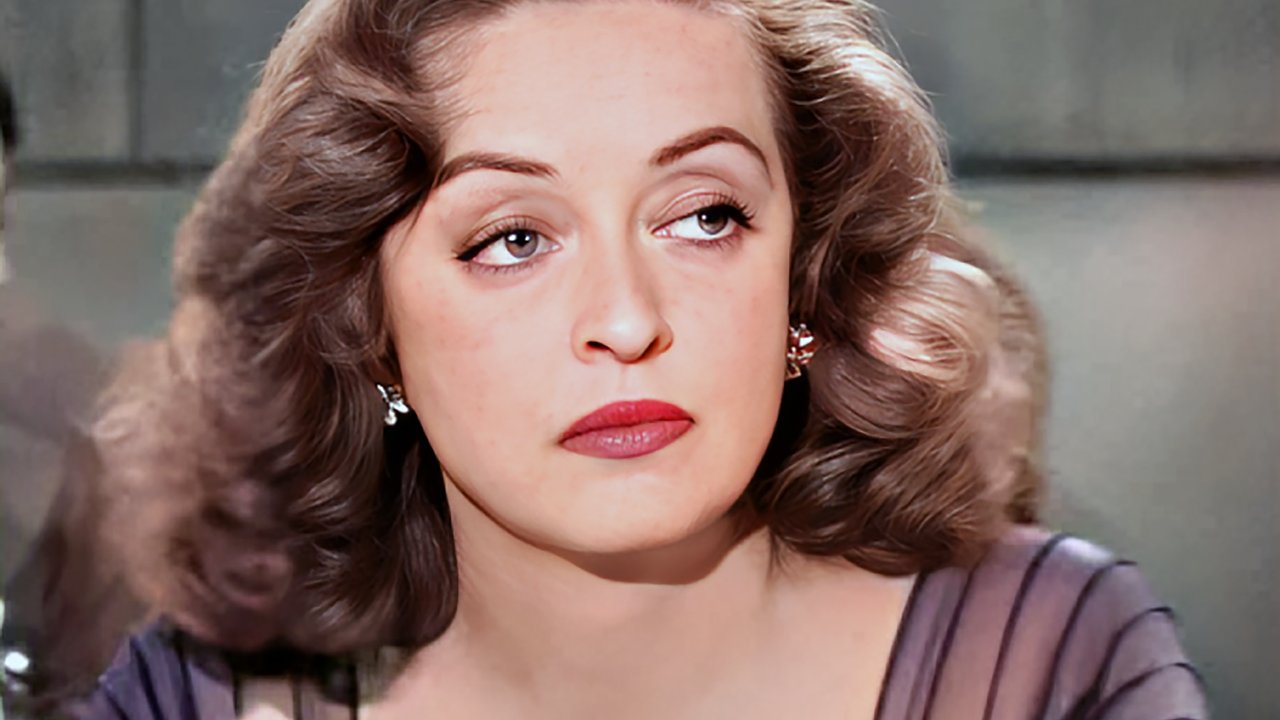

1950: All About Eve
Anne Baxter’s ambitious newcomer quietly enters the orbit of Bette Davis’s formidable stage star, and every compliment seems to conceal a blade. The film won Best Picture, along with awards for George Sanders and writer-director Joseph L. Mankiewicz. Its sharpest insight is that professional rivalry can mix admiration, resentment, fear, and genuine affection.
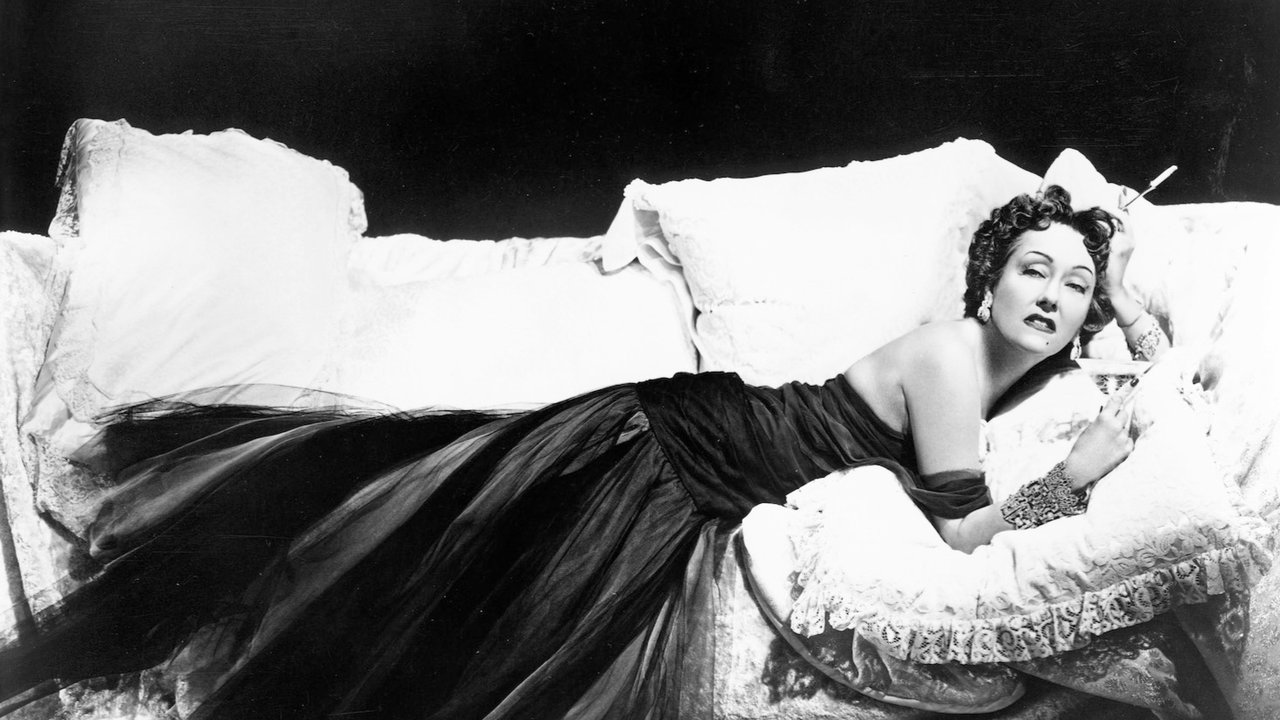

1950: Sunset Boulevard
Gloria Swanson makes forgotten star Norma Desmond grand, frightening, and deeply vulnerable opposite William Holden’s struggling screenwriter. Billy Wilder surrounds them with echoes of silent Hollywood, including Erich von Stroheim as Norma’s devoted butler. The film’s dark comedy has not faded because its characters understand fame as both a dream and a trap.
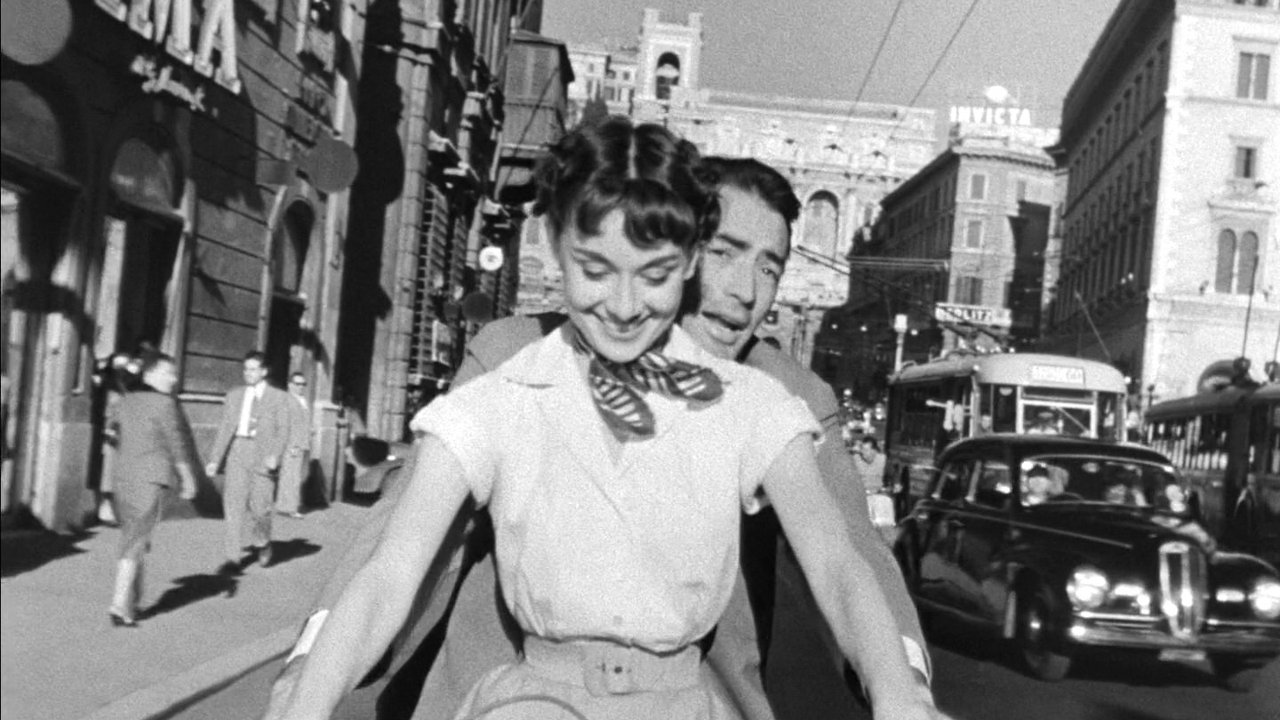

1953: Roman Holiday
Audrey Hepburn and Gregory Peck turn a day of freedom in Rome into a romance whose limits are clear from the beginning. William Wyler lets the city feel lively without overwhelming the characters. Hepburn won an Oscar for her first Hollywood role, but the performance remains charming because she balances royal composure with curiosity, mischief, and growing self-knowledge.
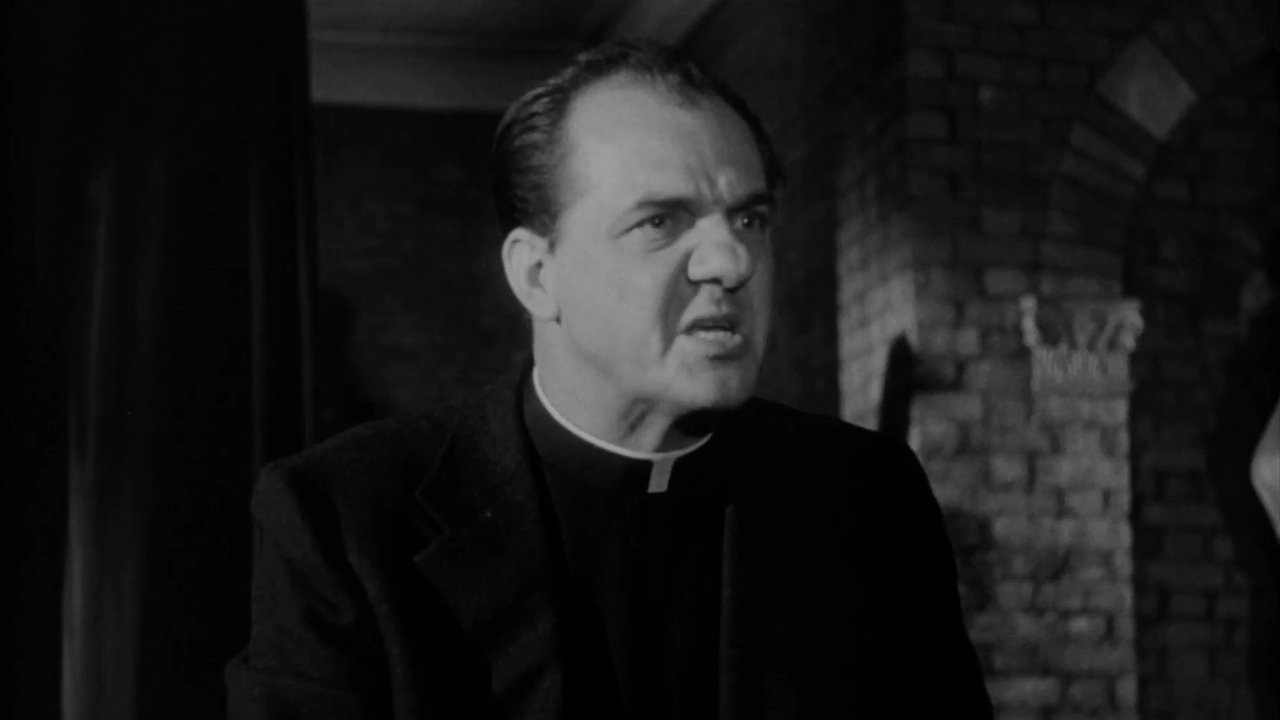

1954: On the Waterfront
Marlon Brando’s wounded dockworker and Eva Marie Saint’s quietly determined heroine bring tenderness to a story of corruption and conscience. Elia Kazan treats the waterfront as a working community rather than a glamorous backdrop. Saint’s Oscar-winning supporting performance is especially worth revisiting for the resolve she conveys without competing with Brando’s more visibly tormented character.
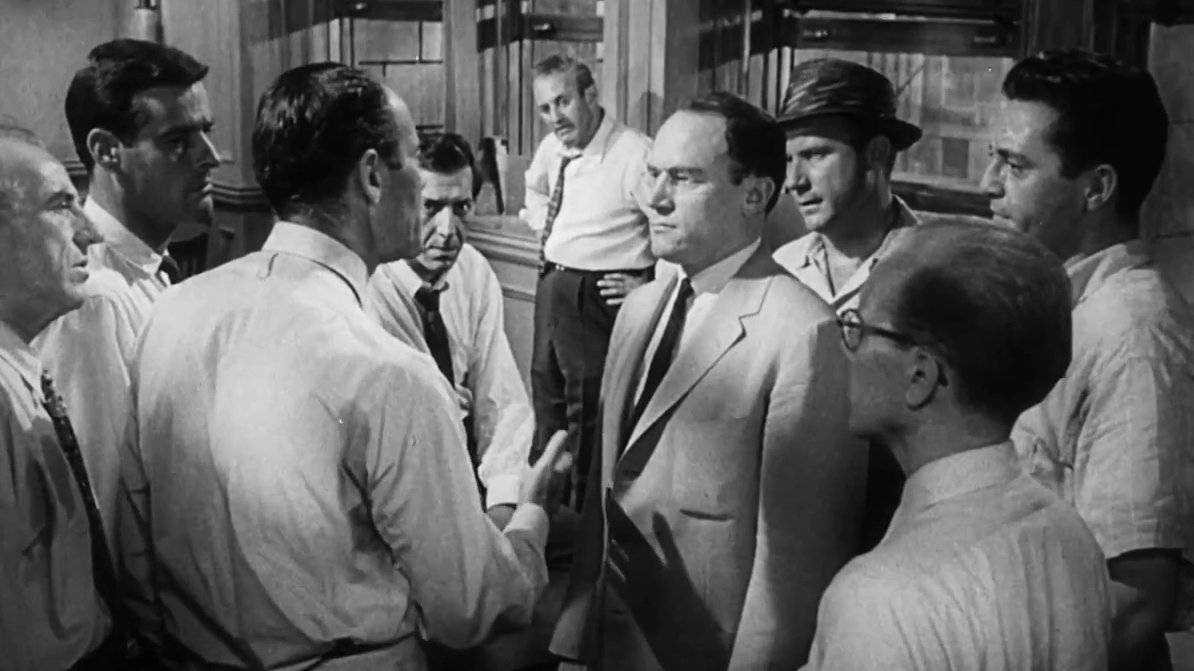

1957: 12 Angry Men
Henry Fonda’s calm dissent changes the temperature of a jury room one careful question at a time. The confined setting turns glances, pauses, and shifting positions into sources of suspense. Watch how certainty slowly becomes discomfort: the drama is not simply about reaching a verdict, but about whether people will examine their assumptions when doing so feels inconvenient.
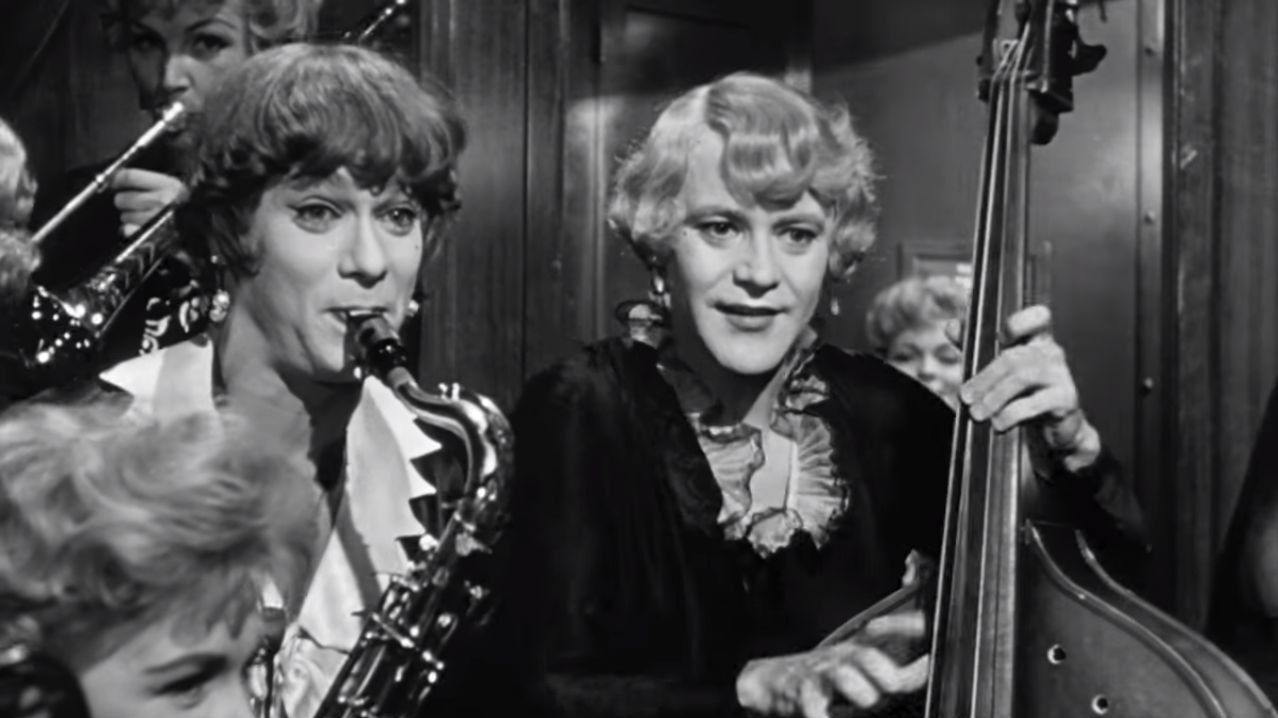

1959: Some Like It Hot
Marilyn Monroe, Tony Curtis, and Jack Lemmon make Billy Wilder’s mixture of gangsters, disguises, and romantic confusion feel almost impossibly buoyant. A Library of Congress preservation essay notes that the movie is often rated the greatest American comedy. Its risqué humor remains playful because desire and loneliness are treated with more sympathy than judgment.
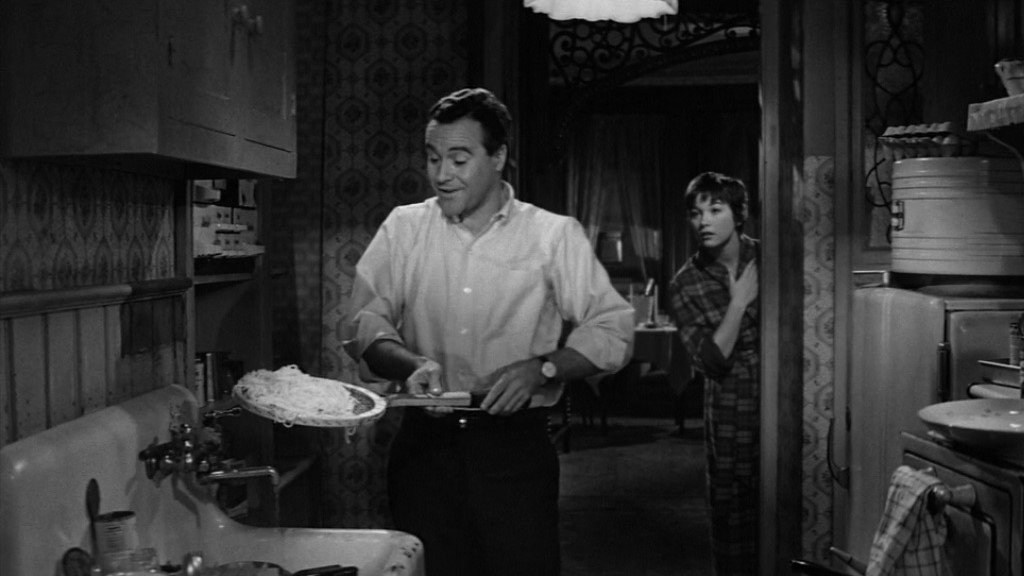

1960: The Apartment
Jack Lemmon and Shirley MacLaine find bruised humanity inside Billy Wilder’s satire of corporate ambition. The enormous office and its endless desks make individual workers look almost invisible. The Academy recognized the film with Best Picture, directing, editing, writing, and black-and-white art direction, but its lasting strength is the compassion beneath Wilder’s sharpest jokes.
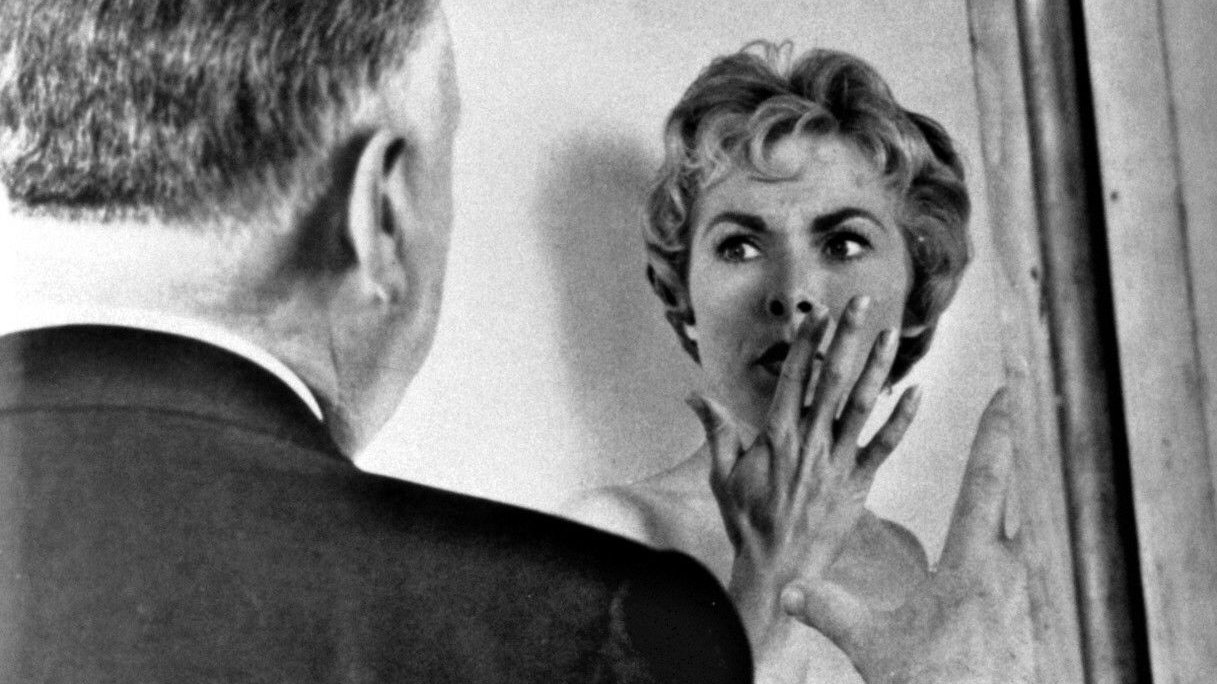

1960: Psycho
Janet Leigh and Anthony Perkins guide viewers into a story that repeatedly overturns expectations. Alfred Hitchcock guarded its surprises by refusing press screenings and having theaters stop late arrivals once the picture began. Even when the major revelations are familiar, the precise editing and shifting sympathies make the film feel less like a puzzle than a carefully controlled trap.
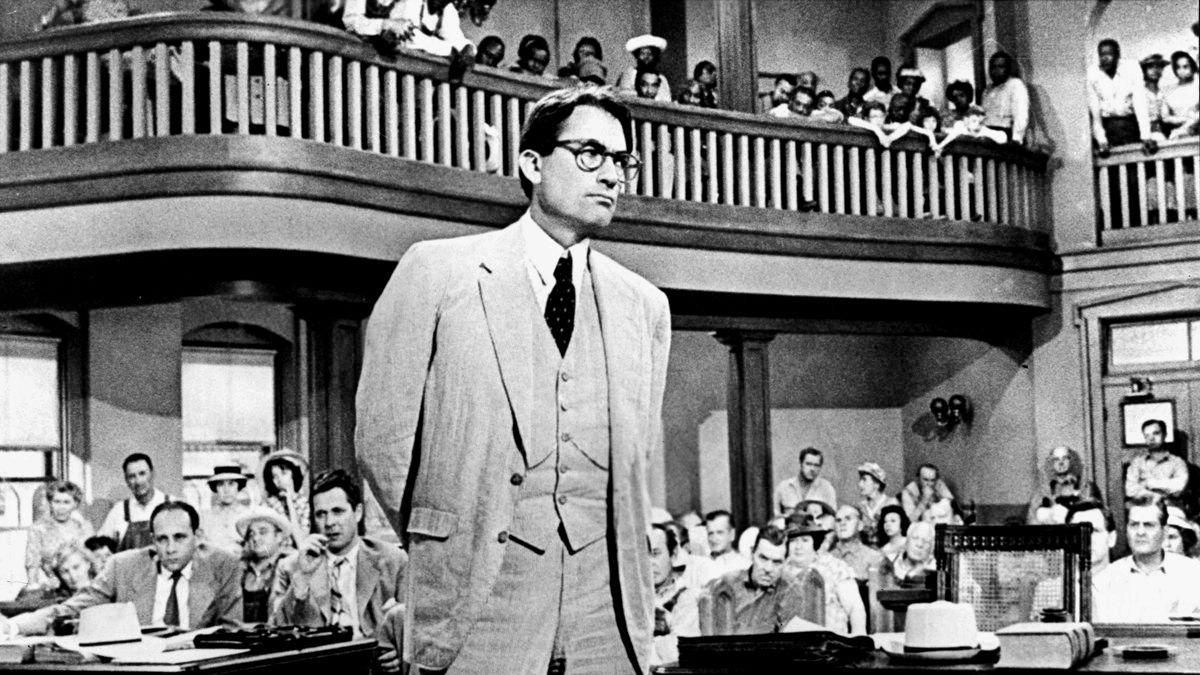

1962: To Kill a Mockingbird
Gregory Peck gives Atticus Finch a steadiness that feels principled rather than showy, while Mary Badham keeps the child’s viewpoint immediate. Peck won the leading-actor Oscar, and Badham received a supporting-actress nomination. Their contrasting perspectives help the courtroom drama remain accessible while preserving the anger and unease surrounding its portrait of racial injustice.
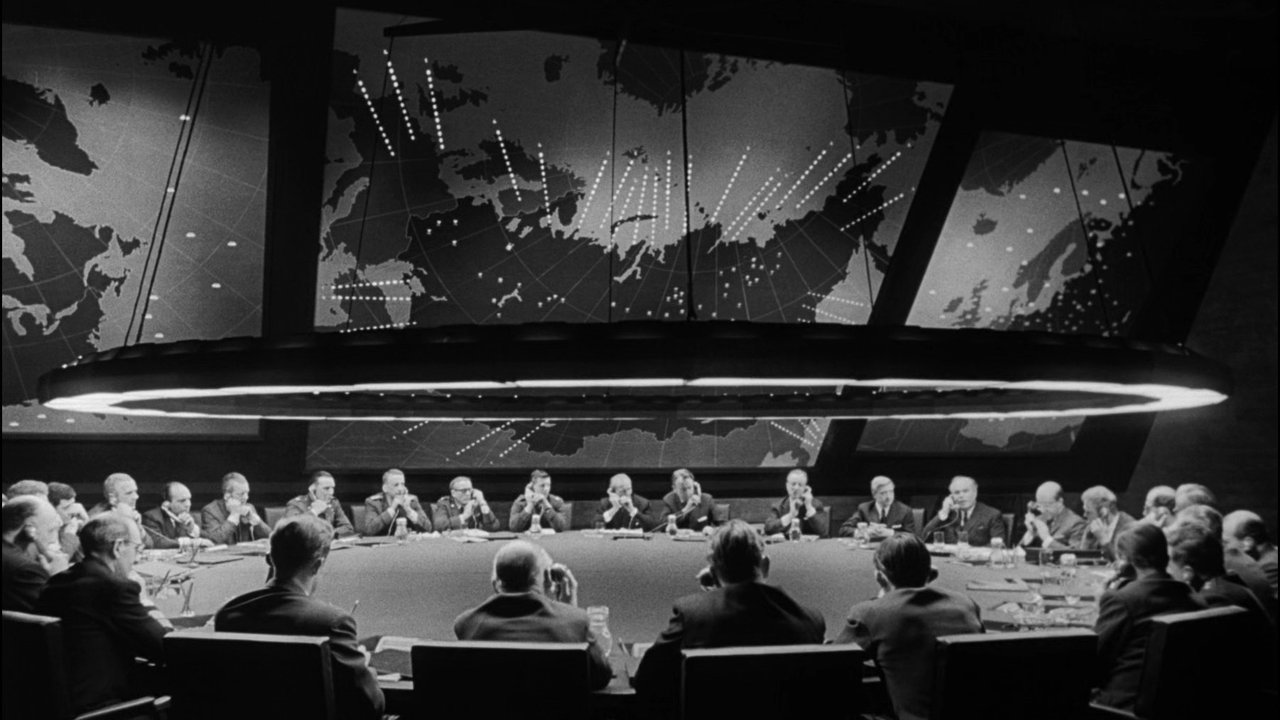

1964: Dr. Strangelove
Stanley Kubrick turns nuclear retaliation into nightmare comedy, then lets Peter Sellers expose its absurdity through three roles: a British officer, an American president, and the eccentric title character. Each performance finds a different kind of helplessness inside the machinery of power. The film remains unnerving because its wildest jokes grow from calm, official-sounding logic.
These films show why black-and-white cinema remains rich, immediate, and rewarding to revisit. Which essential movie would you add to the list?
Follow Lilyon on MSN for more stories like this.
Sources: