

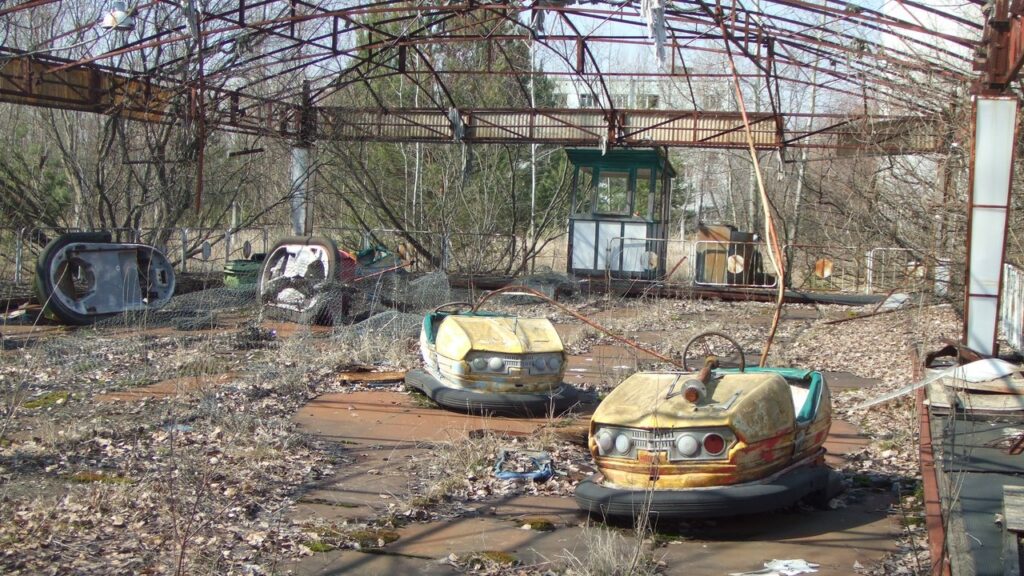

Abandoned amusement parks can feel strangely familiar. Empty midways, faded signs, and motionless rides still evoke family vacations, first roller-coaster trips, and long summer afternoons.
Presented as a timeline of documented roots, openings, and opening plans, these photographs trace parks that closed, disappeared, or found new purposes. Some stories end in demolition, while others continue through preservation and redevelopment.
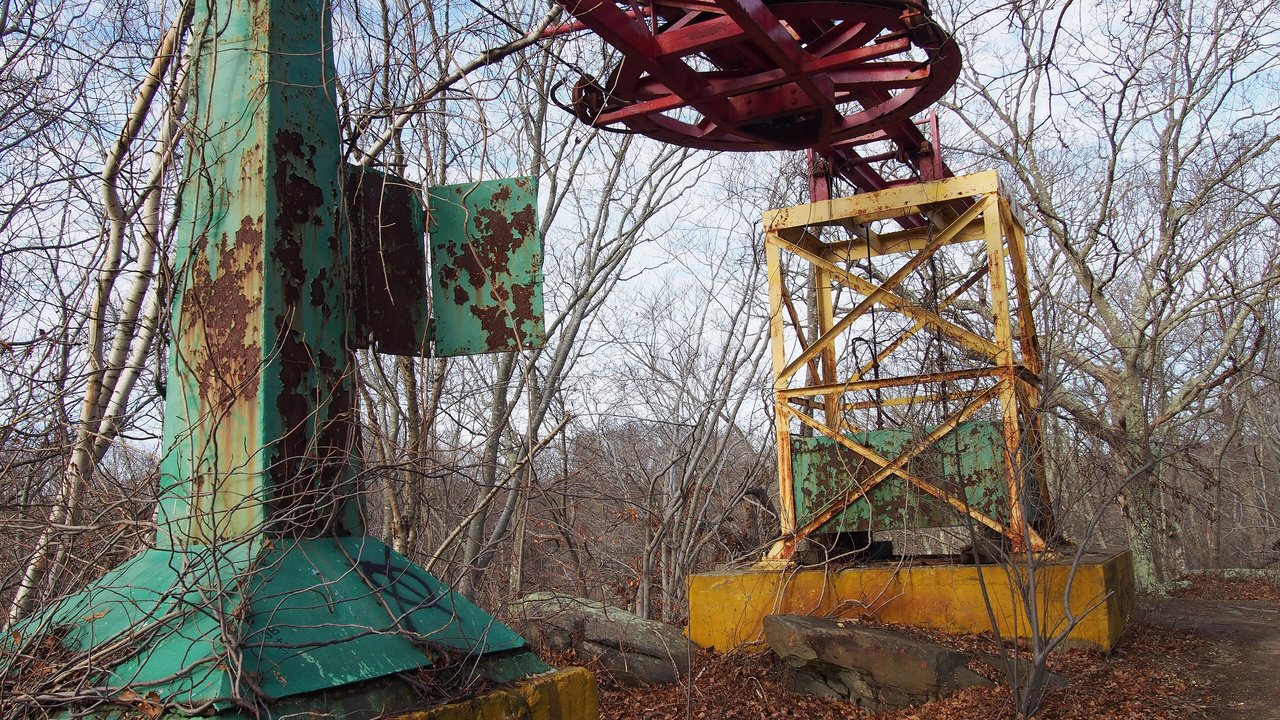

1847: Rocky Point Amusement Park, Rhode Island
Rocky Point’s amusement-park history stretched from 1847 to 1995. The shoreline attraction is gone, but Warwick and the State of Rhode Island preserved the property as a public park. Visitors can still enjoy its coastal setting, even though the midway that drew generations of families has become part of local history.
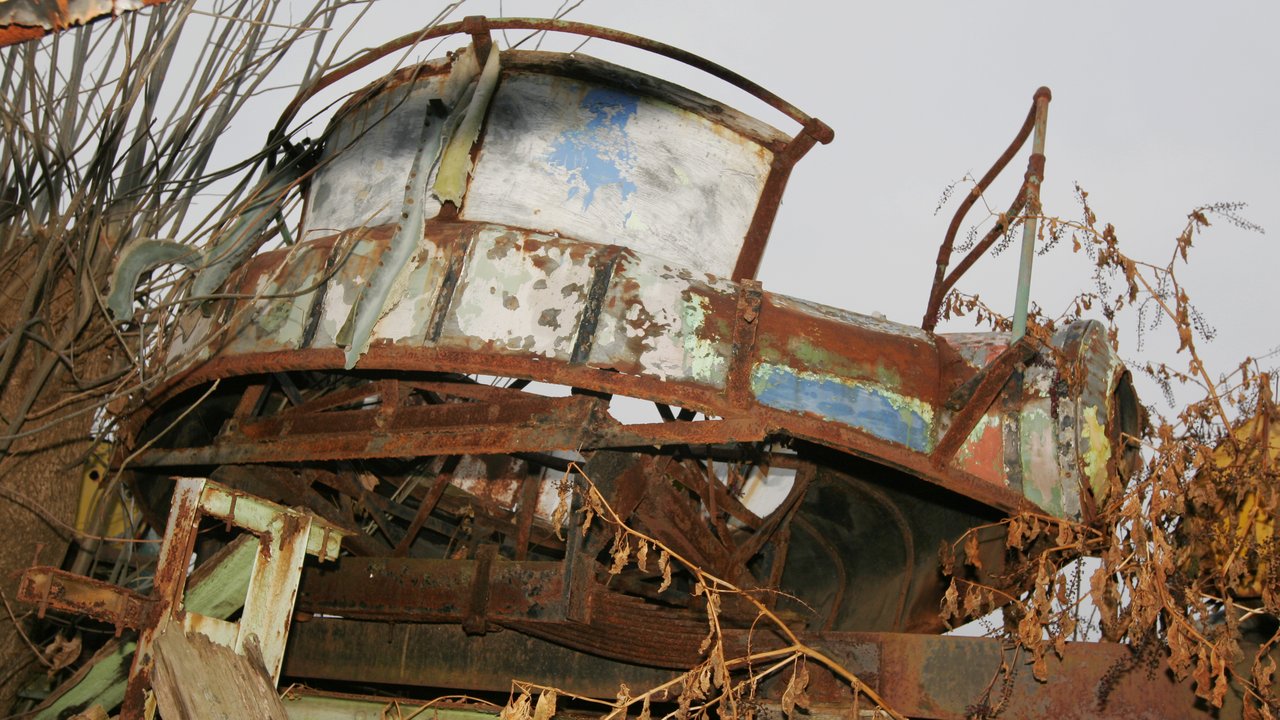

1878: Chippewa Lake Park, Ohio
Chippewa Lake Park closed in 1978 after a century of memories, placing its beginnings around 1878. A county master plan says the attraction struggled to compete with the growing Cedar Point and Geauga Lake parks. Its story shows how an established local destination can lose ground as larger regional attractions expand.
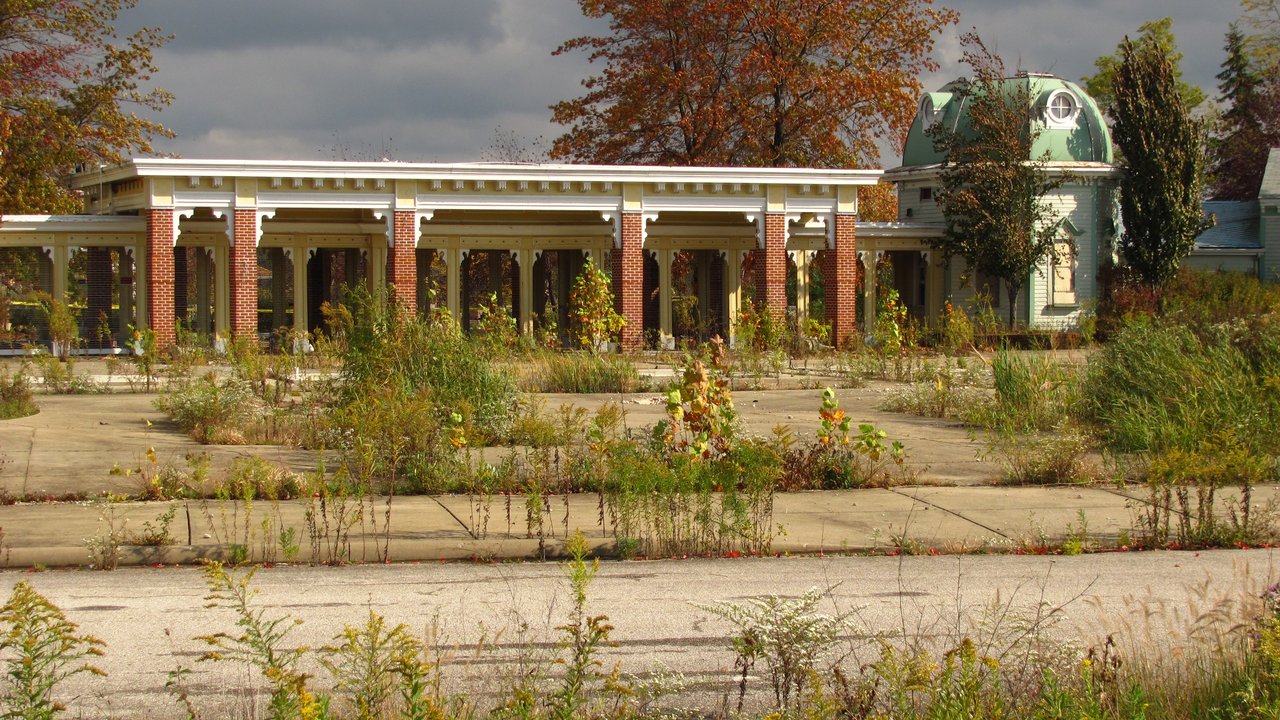

1887: Geauga Lake, Ohio
Geauga Lake Park was established in 1887 and closed in 2007. Minutes from Aurora’s January 13, 2025, council meeting say the mayor announced that the city had completed its purchase of Geauga Lake. A city ordinance identified public park use, recreation, and entertainment among the intended purposes for the property.

1926: Lake Shawnee Amusement Park, West Virginia
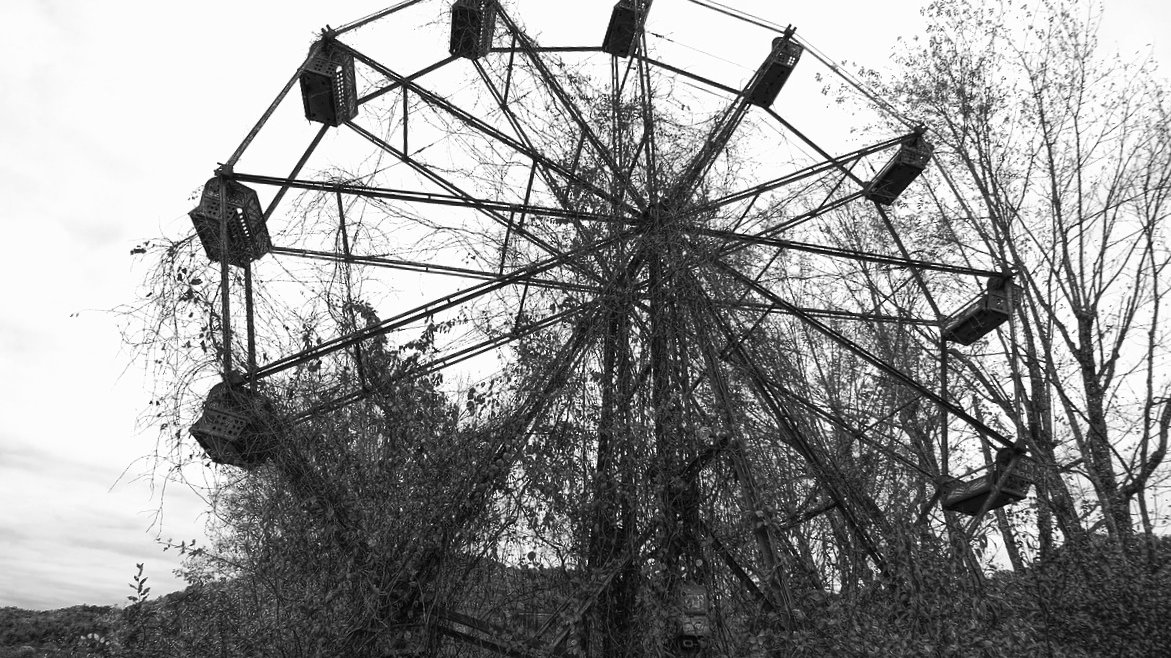
Conley T. Snidow ran Lake Shawnee Amusement Park from 1926 to 1966. A newspaper headline from the following year reported that the health department had closed it. Decades later, the property continued to attract attention, and local television station WVVA reported that a fire damaged one of its structures in June 2025.

1949: Joyland, Kansas
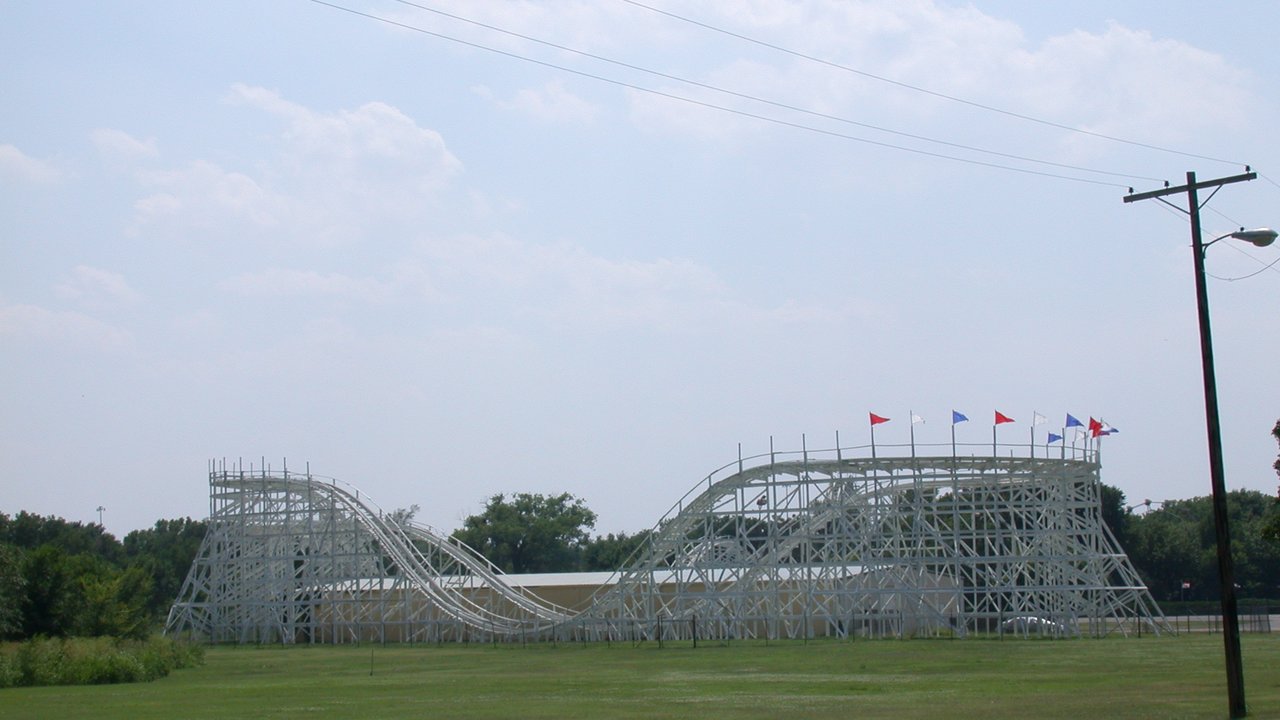
The Wichita Eagle reports that Joyland opened in Wichita in 1949 and permanently closed in 2006. Although the park did not survive, KWCH reports that its carousel was donated to Botanica, Wichita’s botanical garden. The restored ride gives residents a way to reconnect with a familiar piece of the city’s entertainment history.

1950: Dadipark, Belgium
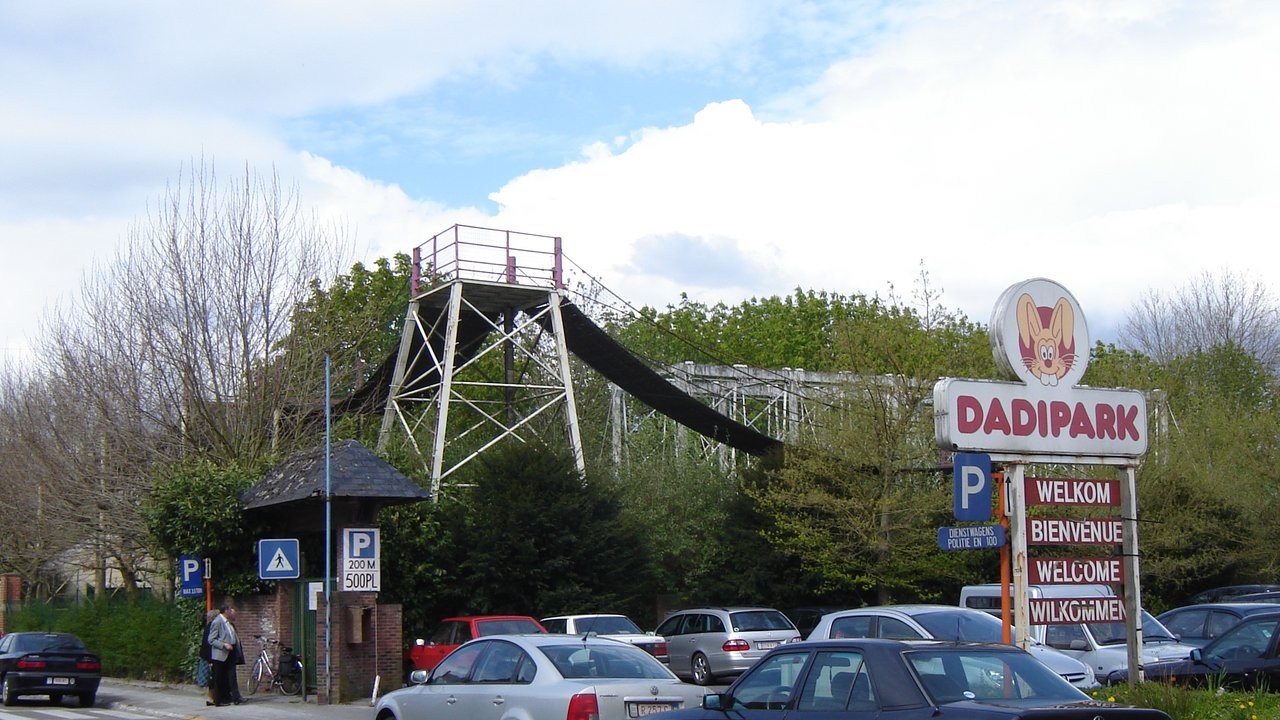
Belgium’s Dadipark operated from 1950 to 2002. Regional broadcaster Focus-WTV reported that it closed after several accidents and that the shutdown was initially described as temporary. The Province of West Flanders now describes the site’s redevelopment as a green water landscape combining water management, nature, and recreation.

1955: Santa’s Village, California
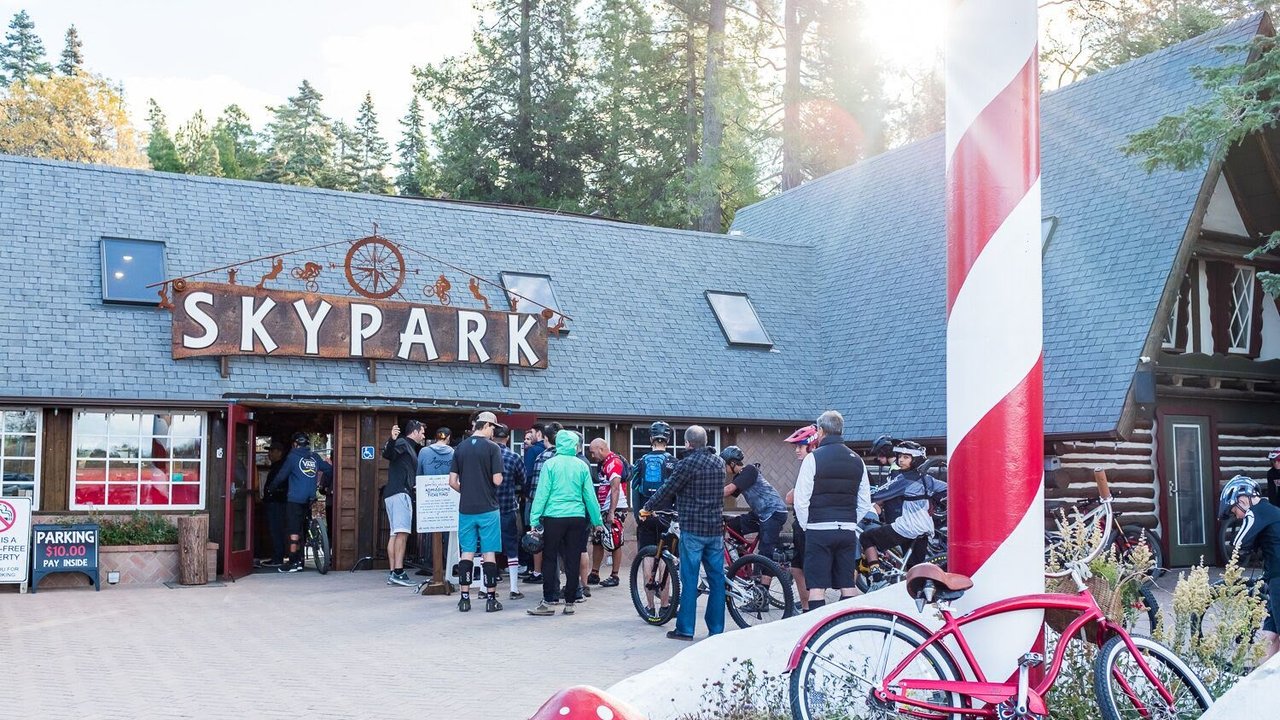
Santa’s Village opened in California’s San Bernardino Mountains on Memorial Day weekend in 1955, six weeks before Disneyland. It closed in 1998. After extensive renovation, the property returned in 2016 as SkyPark at Santa’s Village, pairing renovated original buildings with new activities, adventures, and venues.


1956: Holy Land USA, Connecticut
Catholic activist John Greco began Holy Land USA in Waterbury in 1956. As his health deteriorated during the 1980s, the attraction fell into disrepair and closed in 1984. Connecticut Public reports that a new cross was installed in 2013 and that the property reopened for daytime access the following year.

1961: Nara Dreamland, Japan
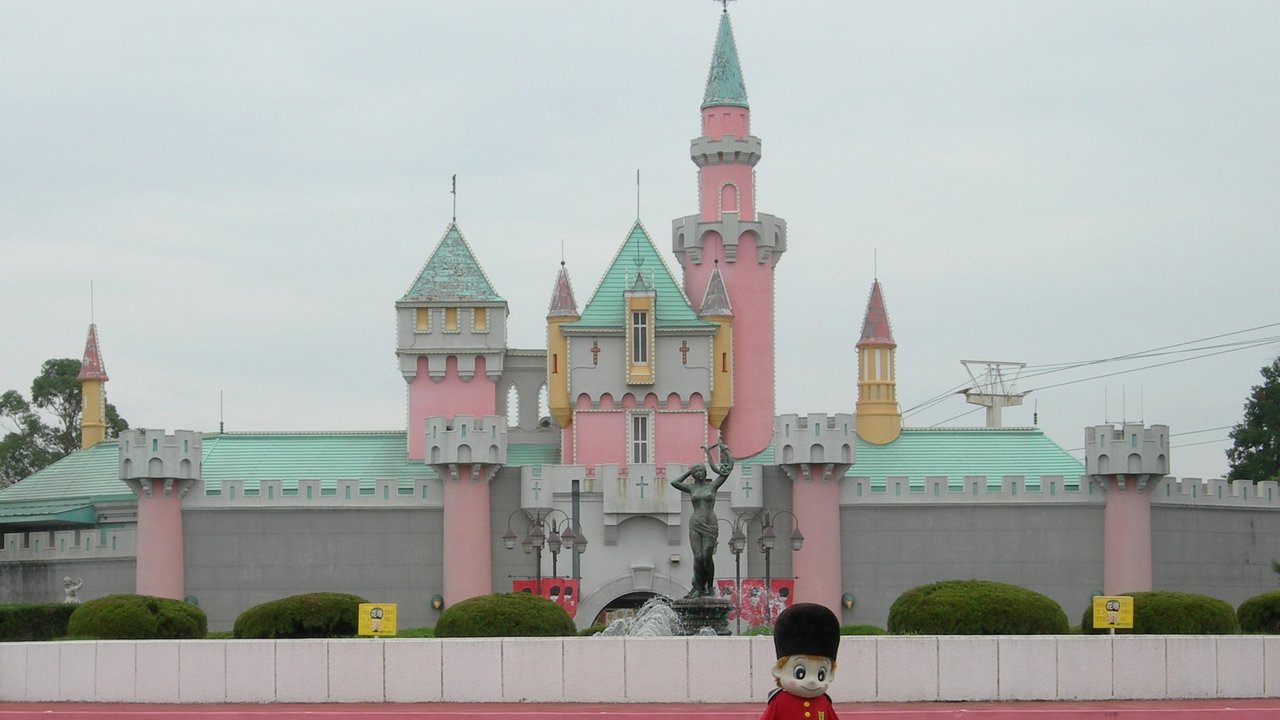
Nara Dreamland opened on July 1, 1961, and closed on August 31, 2006, according to the Nara Prefectural Library. The empty park later became a favorite subject for photographers drawn to its castle and rides. Atlas Obscura reports that demolition began in November 2016, ending its abandoned chapter after about a decade.

1961: Ghost Town in the Sky, North Carolina
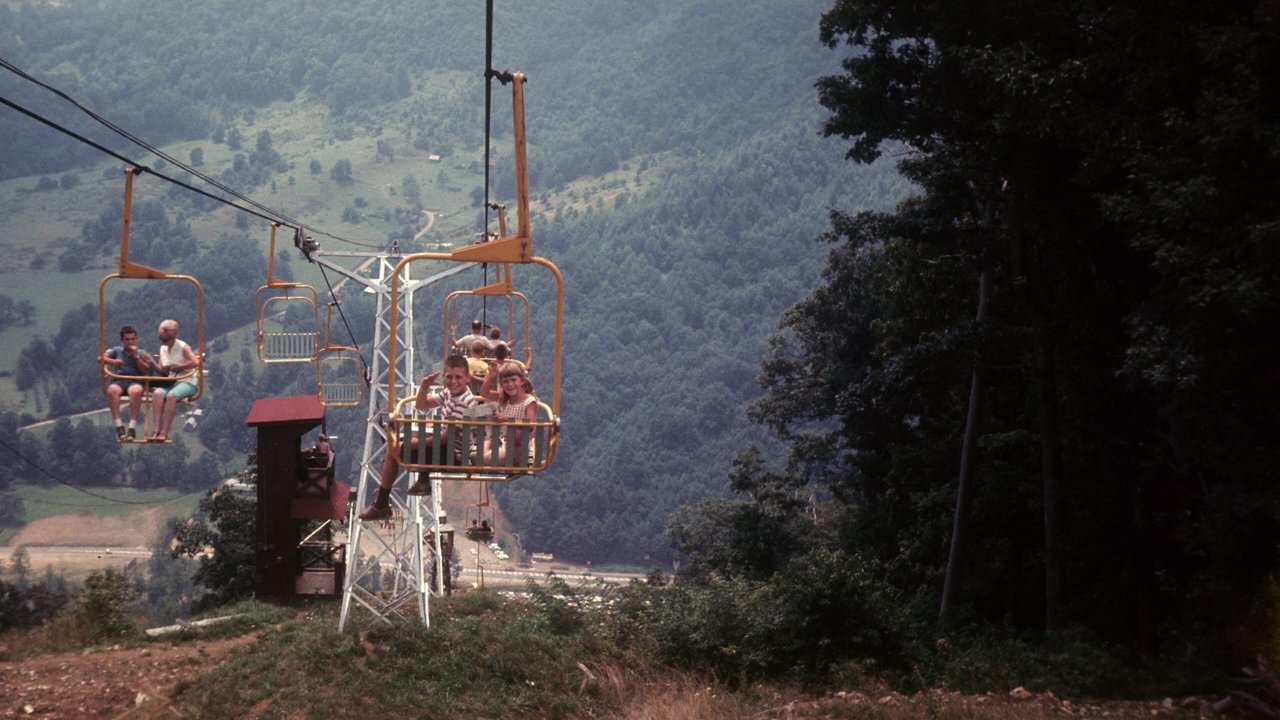
Ghost Town in the Sky opened on Buck Mountain above Maggie Valley in 1961. Municipal planning records say the park reopened in May 2007 but closed again in 2009. That stop-and-start history made the mountaintop attraction a striking example of the challenges involved in reviving a shuttered theme park.

1962: Lake Dolores Waterpark, California
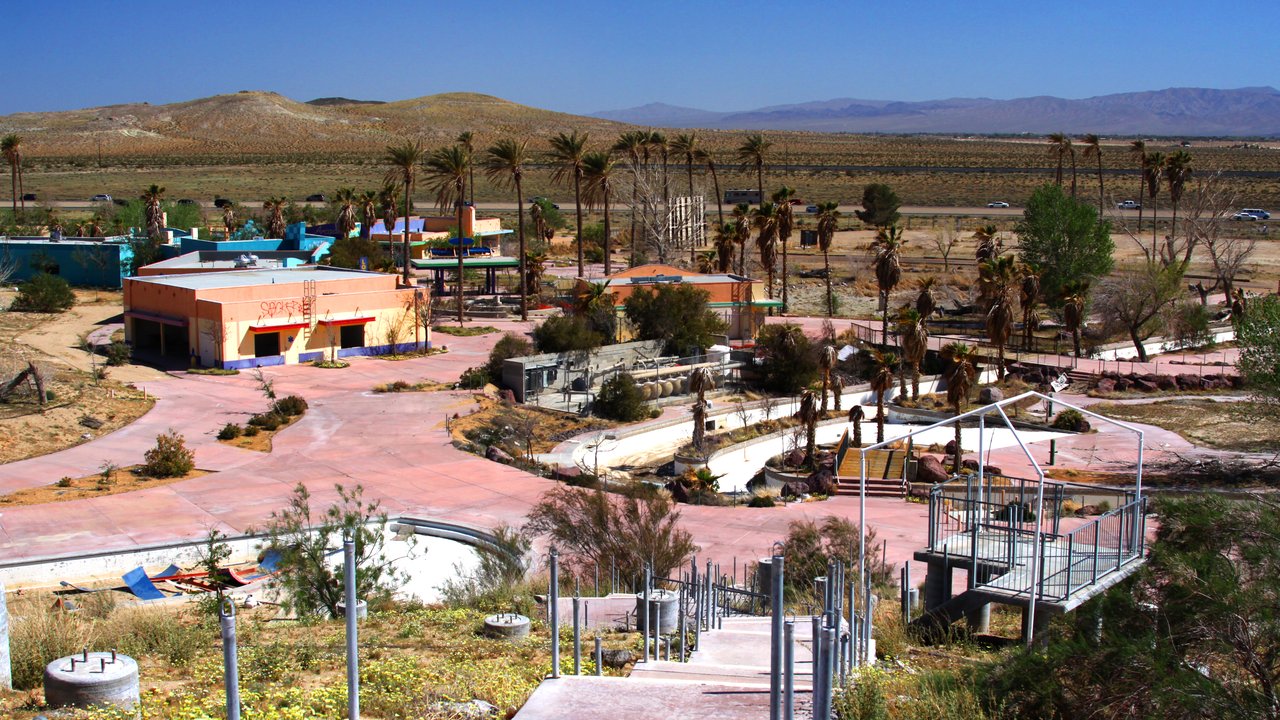
Lake Dolores began operating in the California desert in 1962. San Bernardino County records say it closed in the late 1980s, then reopened several times between 1995 and 2004. After the final closure, the county reported that the property was substantially vandalized, adding another difficult chapter to its repeated reinventions.

1968: Dogpatch USA, Arkansas
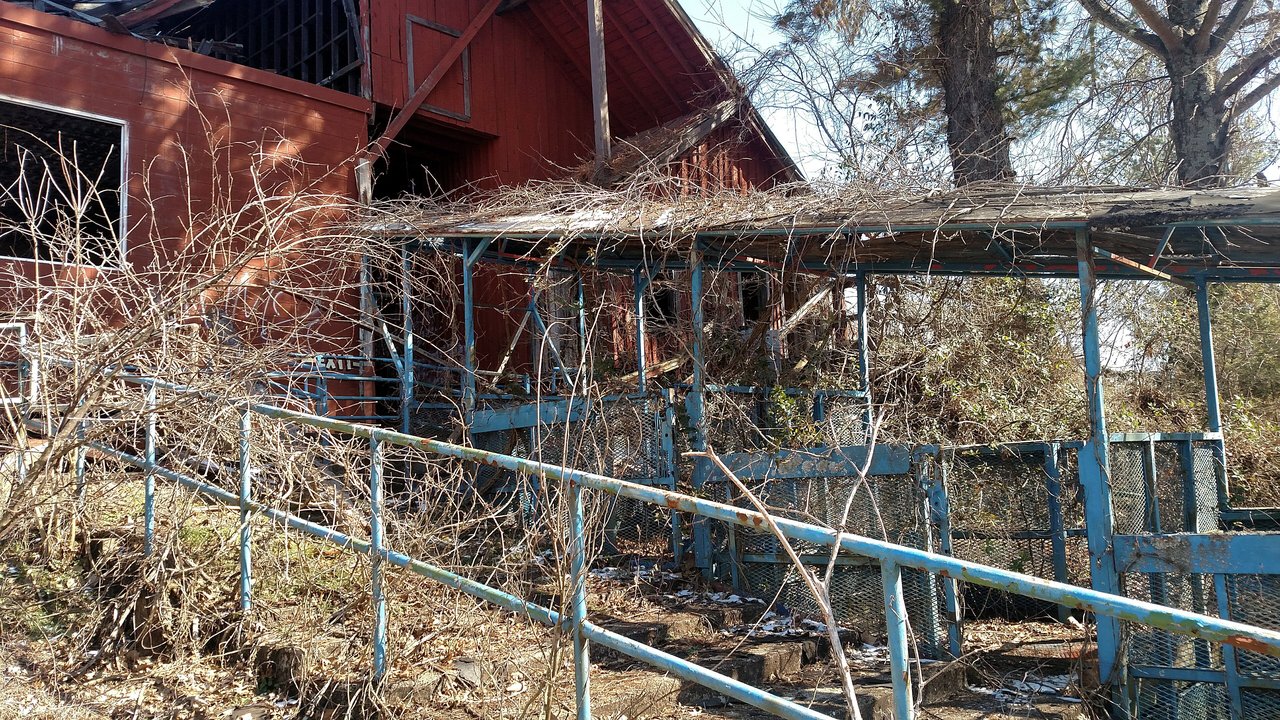
Dogpatch USA operated in Arkansas from 1968 to 1993, turning Al Capp’s Li’l Abner characters and locations into an Ozarks amusement park. The comic-strip connection gave the attraction an identity unlike that of a conventional midway, and it remains central to how this unusual piece of Arkansas entertainment history is remembered.
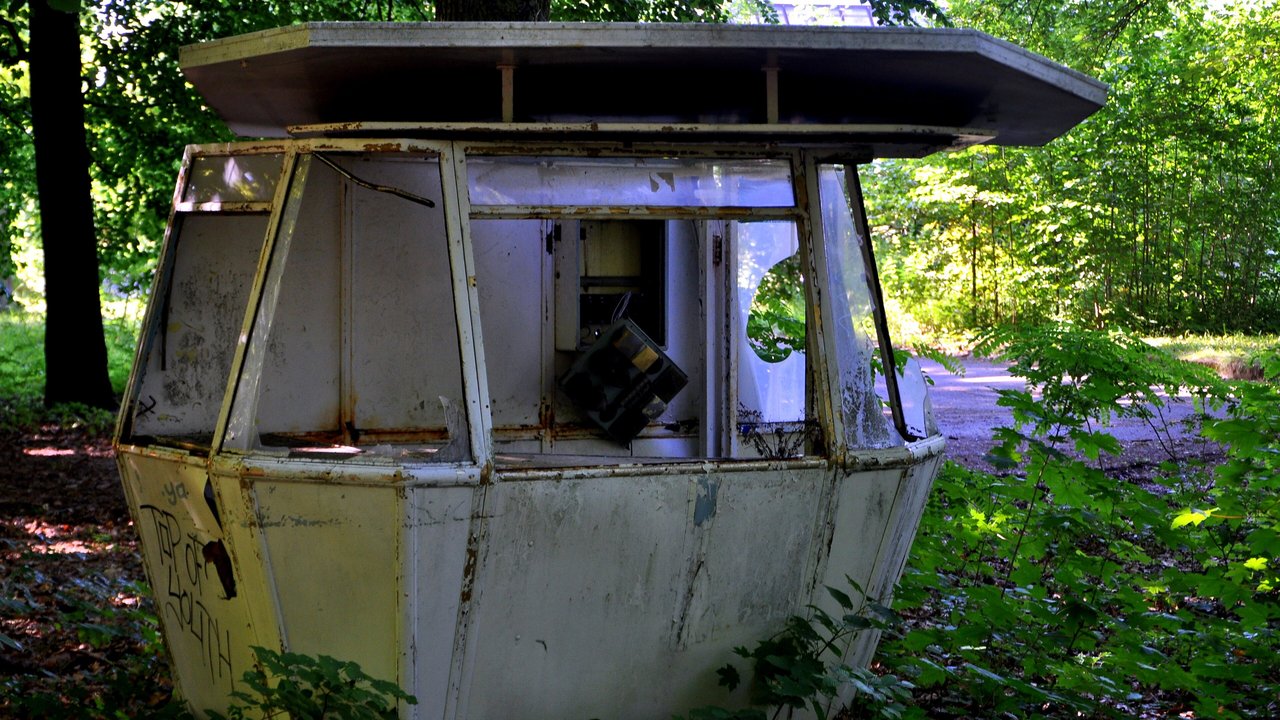

1969: Spreepark, Berlin
Berlin’s Spreepark was inaugurated on October 4, 1969. Its operator declared insolvency in 2001, and the park closed. Berlin is redesigning the grounds as a public destination for nature, art, culture, and recreation, with reopening planned for spring 2027. A renovated, 45-meter Ferris wheel is intended to serve as the new park’s centerpiece.
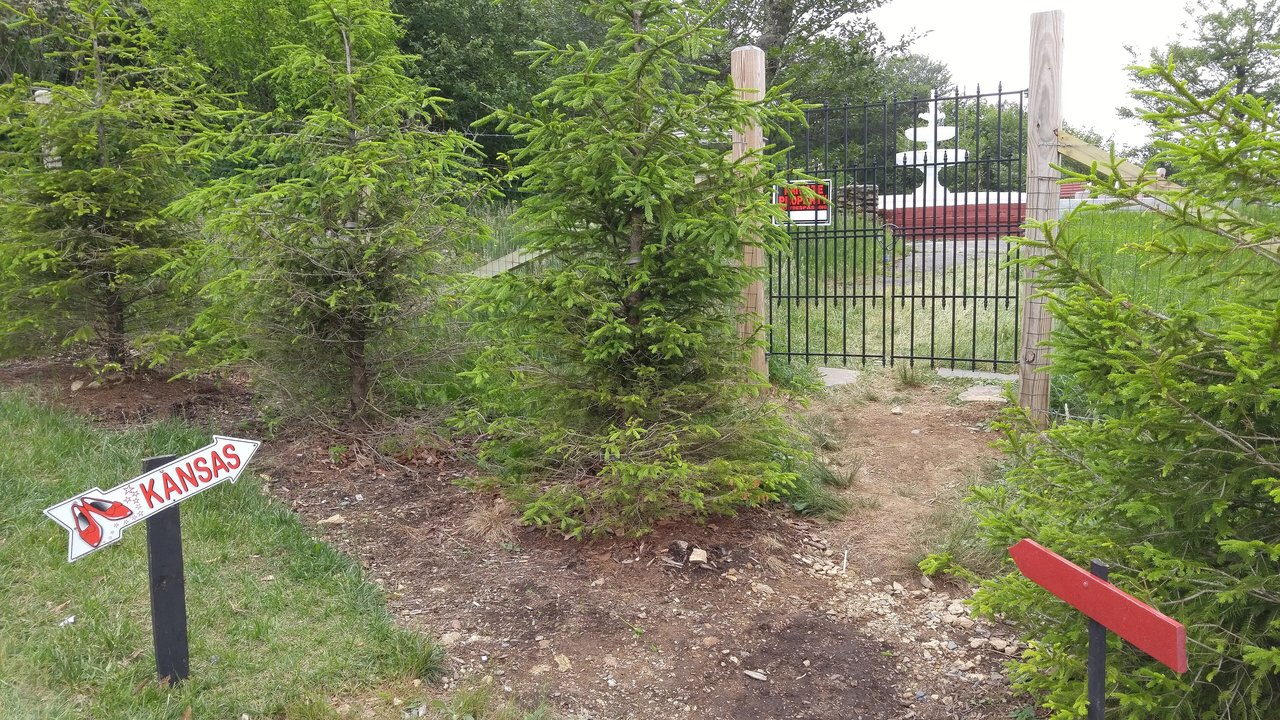

1970: Land of Oz, North Carolina
Land of Oz operated as a full theme park on Beech Mountain from 1970 through 1980. Its official history also records the bankruptcy of Carolina Caribbean Corporation, the company that developed the mountain and built the park. Those details place the colorful Oz attraction within a larger and more complicated resort venture.
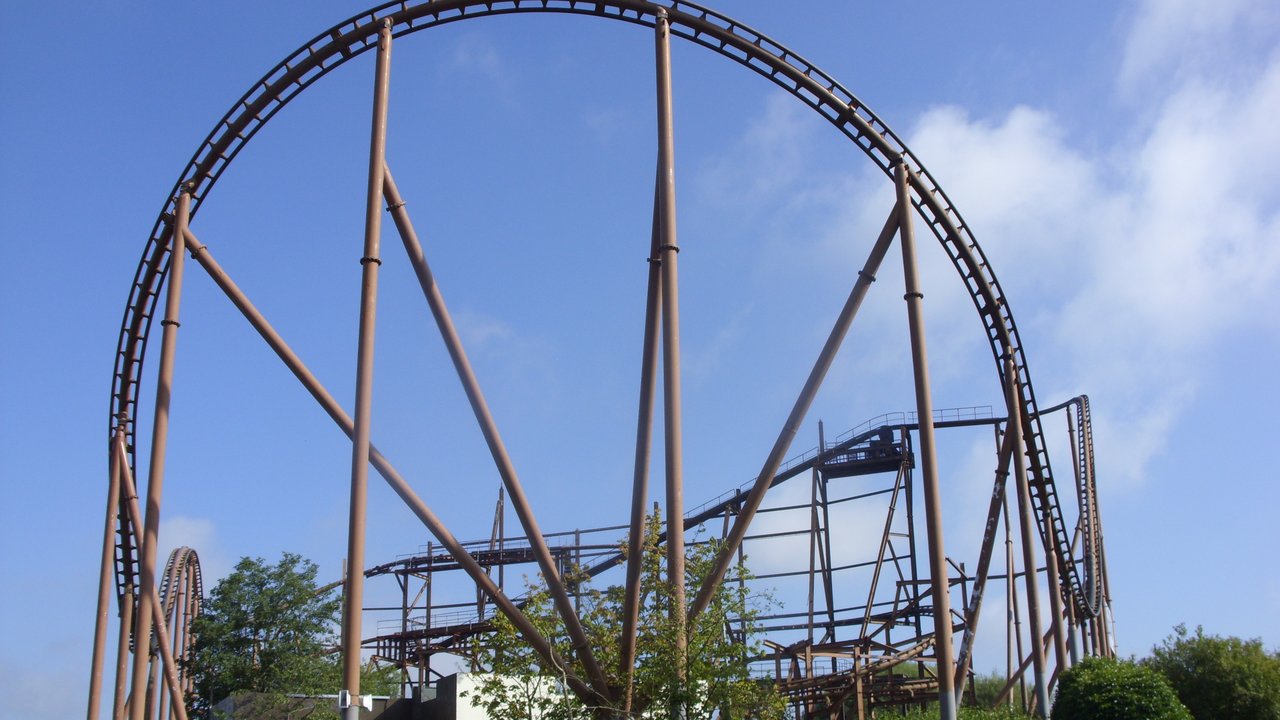

1983: Camelot Theme Park, England
Camelot Theme Park opened in Lancashire in 1983 and operated seasonally until its 2012 closure. Planning records connect the shutdown with years of declining attendance. The same documents say the park’s rides and roller coasters were subsequently dismantled or demolished, gradually removing the attractions that once defined its medieval theme.
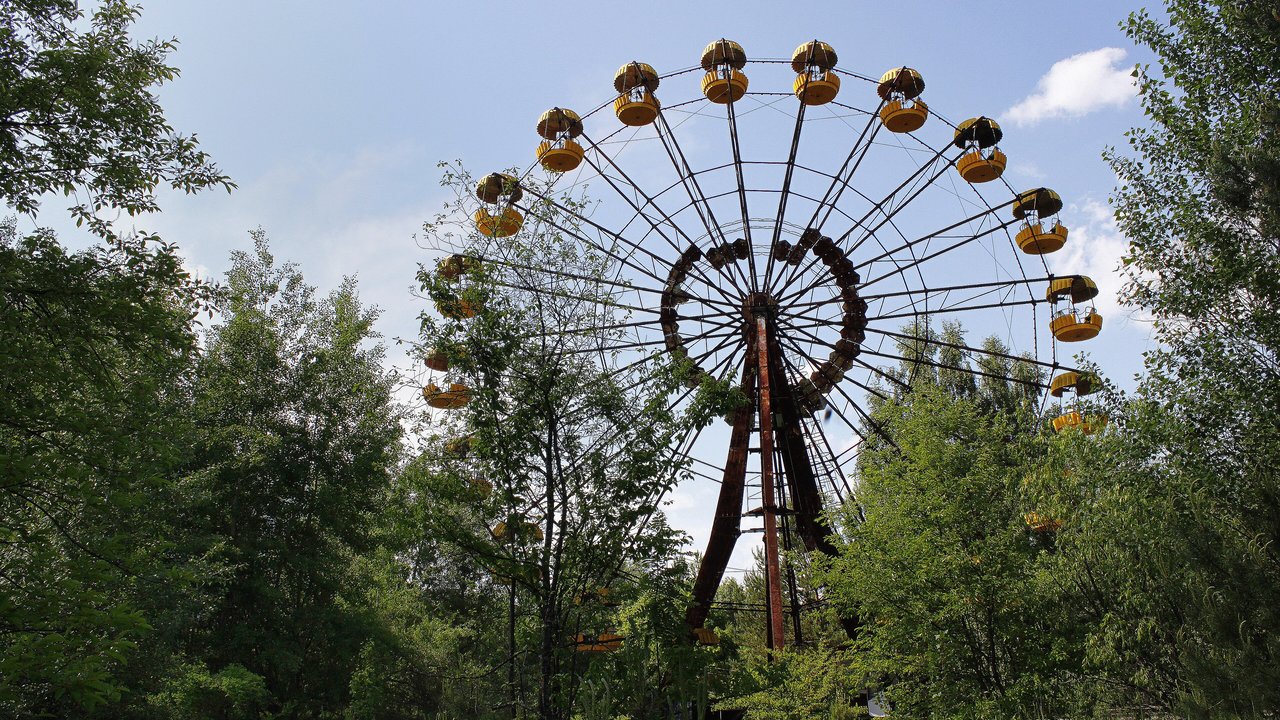

1986: Pripyat Amusement Park, Ukraine
Pripyat’s amusement park was scheduled to open for a May 1, 1986, holiday celebration. Five days earlier, an explosion occurred at Unit No. 4 of the Chernobyl nuclear power plant. The narrow gap between those dates gives photographs of the park unusual emotional force: they capture preparations for an opening overtaken by history.
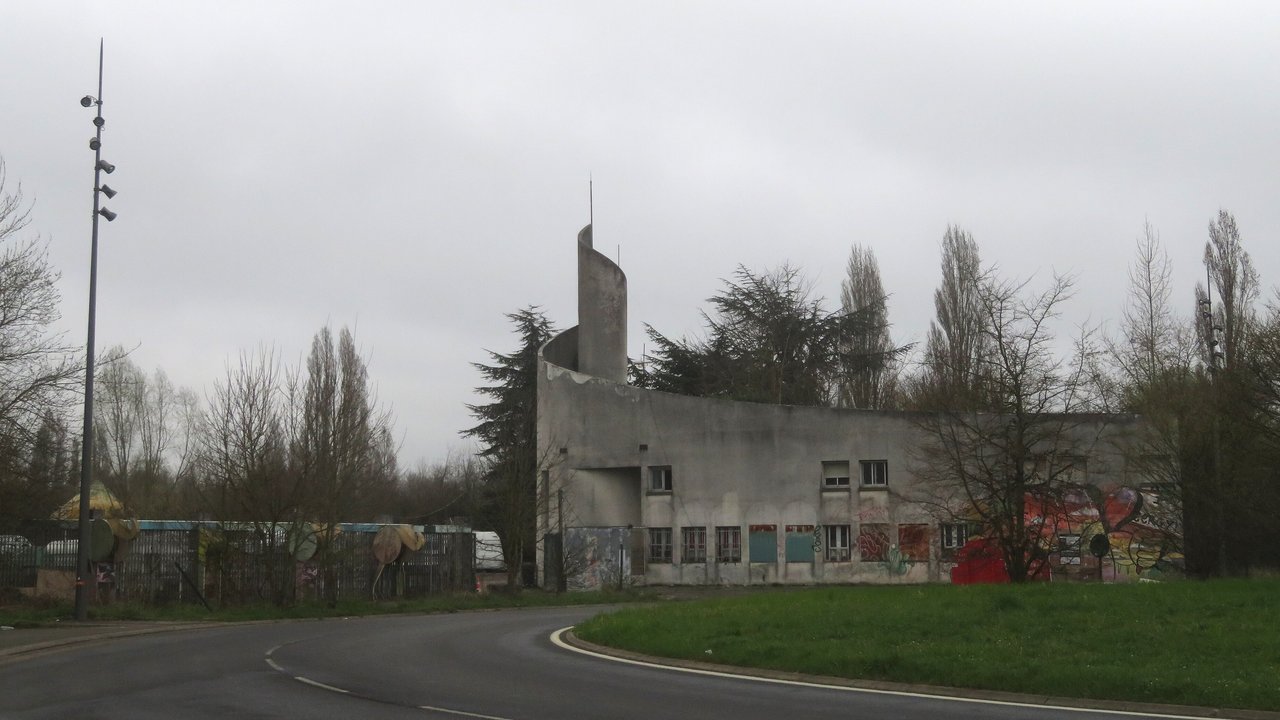

1987: Mirapolis, France
Mirapolis opened northwest of Paris in 1987 and closed after only five seasons. Designed around French stories and legends, it had been an ambitious addition to the country’s amusement industry. Le Monde reported in 2026 that only a few remnants remained, leaving photographers with scattered traces rather than a complete abandoned park.
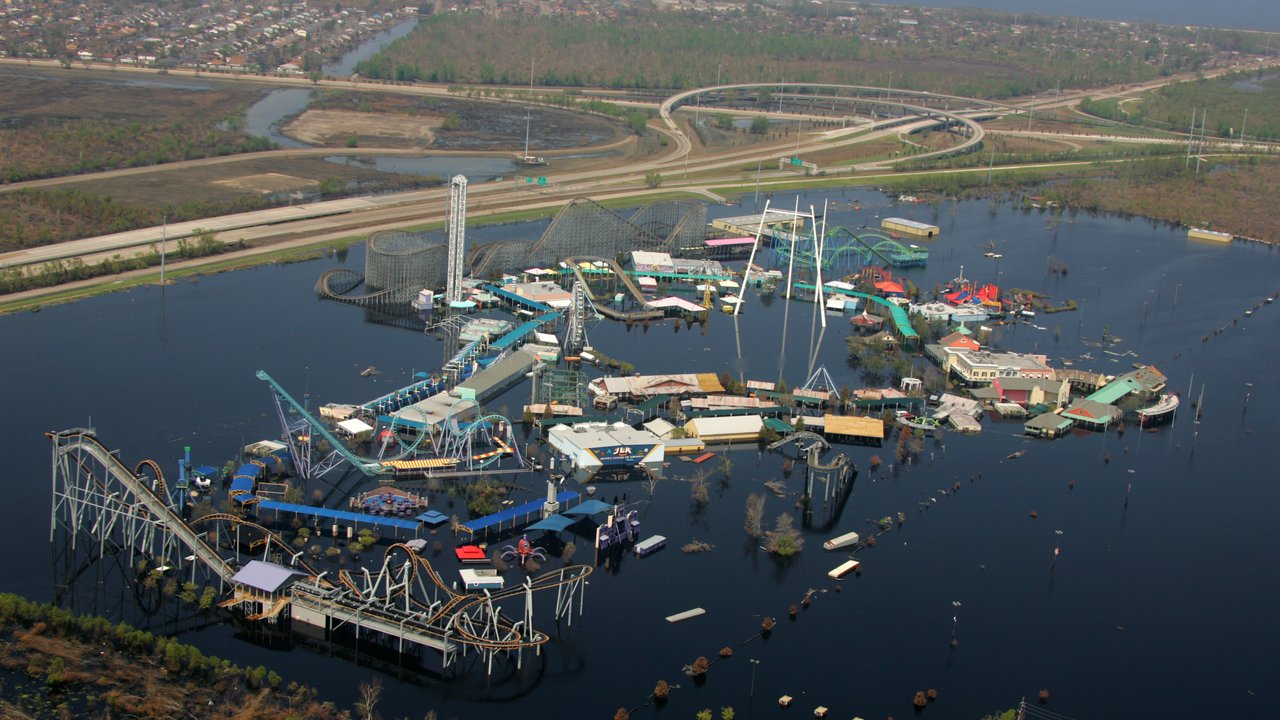

2000: Six Flags New Orleans, Louisiana
Jazzland opened in New Orleans in 2000 and was acquired by Six Flags in 2002. The park never reopened after Hurricane Katrina in 2005. Selective demolition began in 2024, but redevelopment remained uncertain: in October 2026, city officials said no improvements had been made and developer Bayou Phoenix was seeking investors.
These former parks show how quickly a popular destination can become a landmark, a memory, or an opportunity for renewal. Which one do you remember, or most wish you could have seen in its heyday?
Follow Lilyon on MSN for more stories like this.
Sources: