


Wartime secrecy produced extraordinary stories, but later retellings sometimes exaggerated how long the silence lasted. Official records show that some famous secrets emerged before the fighting ended, while others remained classified for decades.
These 21 stories are arranged by the year they entered the public record. The evidence comes from government archives, military histories, presidential records, and museums preserving surviving machines, documents, and photographs.
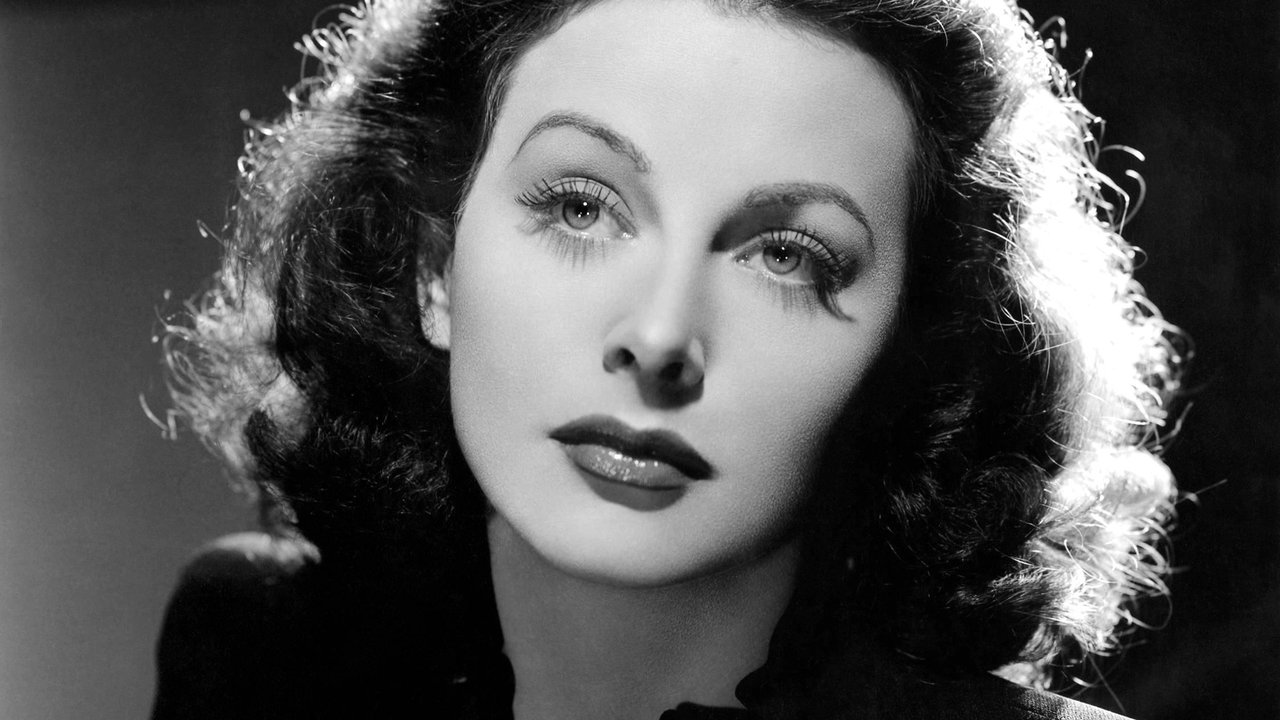

1942: Hedy Lamarr’s Patent Was Already Public
Hedy Lamarr and composer George Antheil worked on a Secret Communication System intended to resist interference. Smithsonian records say they were awarded U.S. Patent 2,292,387 in August 1942. The Navy did not use the system, making this a story of delayed adoption rather than a wartime invention hidden for decades.
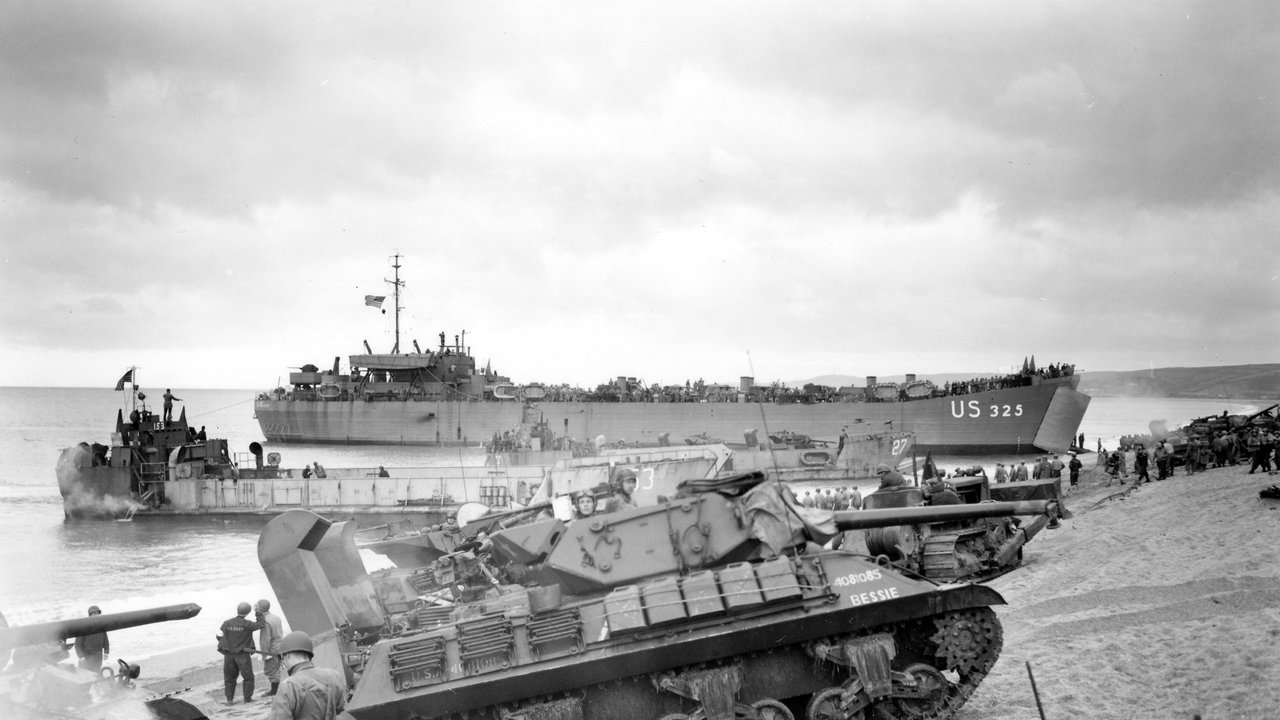

1944: Exercise Tiger Became Public
Exercise Tiger, a rehearsal for the Normandy landings, turned deadly when German boats attacked an American convoy and killed hundreds. Although wartime secrecy surrounded the disaster, the official Navy history says information about the exercise had been available to the public since August 1944, challenging later claims of a decades-long cover-up.
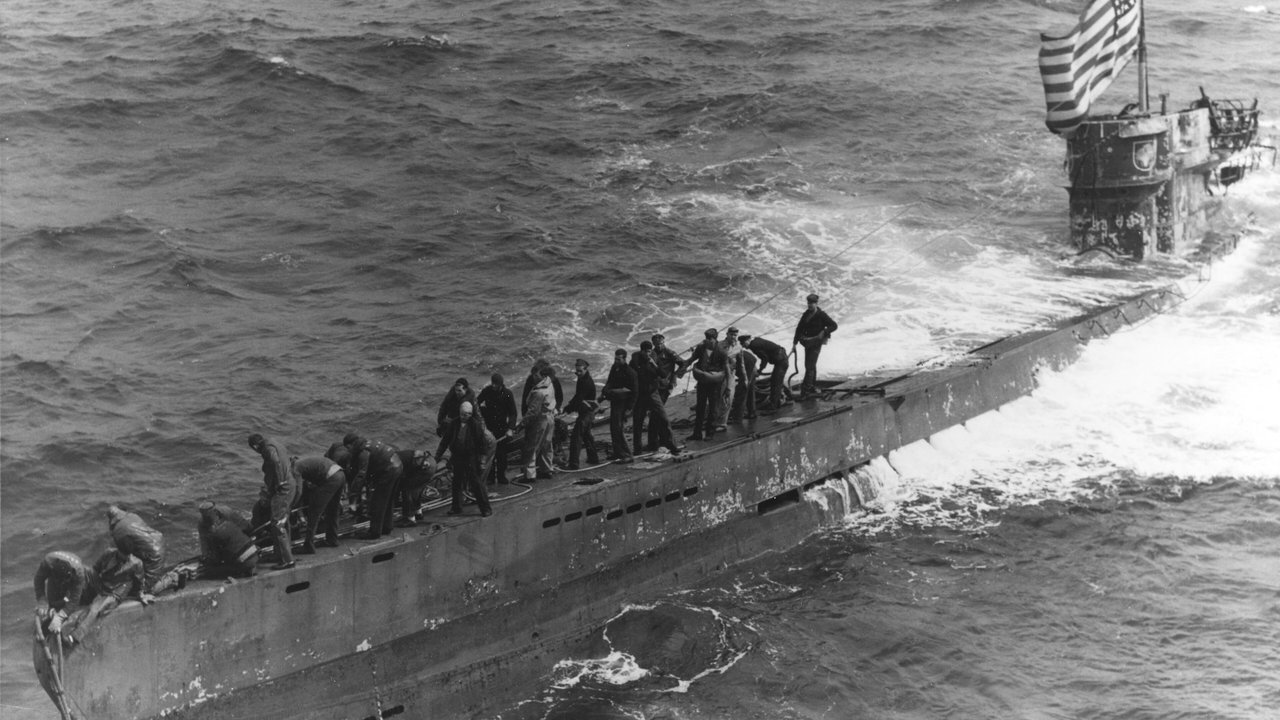

1945: The Capture of U-505 Was Announced
American sailors captured the German submarine U-505 in 1944, recovering codebooks, an Enigma machine, cipher rotors, and communications equipment. The capture remained secret until after Germany’s surrender. On May 16, 1945, the Navy issued a press release revealing the event and ending the silence that had protected the intelligence haul.
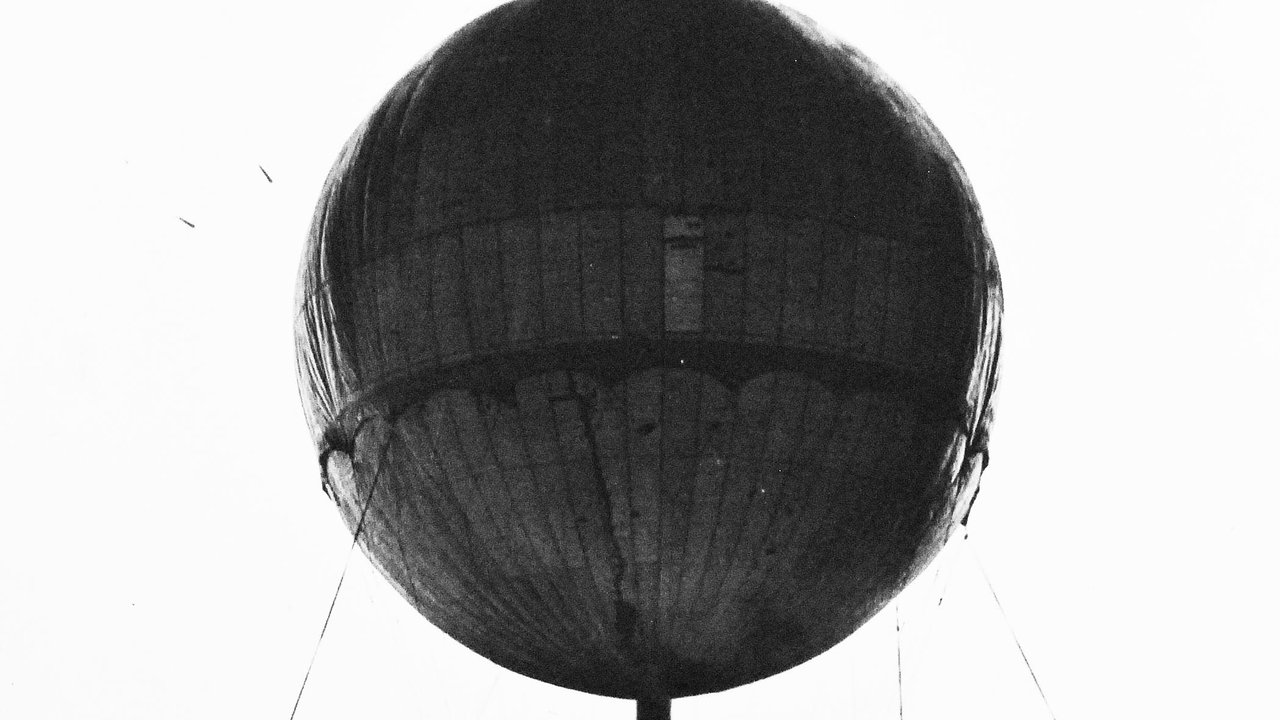

1945: Balloon-Bomb Censorship Ended
A Japanese balloon bomb killed an adult and five children in Oregon on May 5, 1945. Reporting on the devices had been restricted during the war, but censorship was lifted after the war ended that August. Only then could the public read fuller accounts of the balloon campaign and the Oregon deaths.
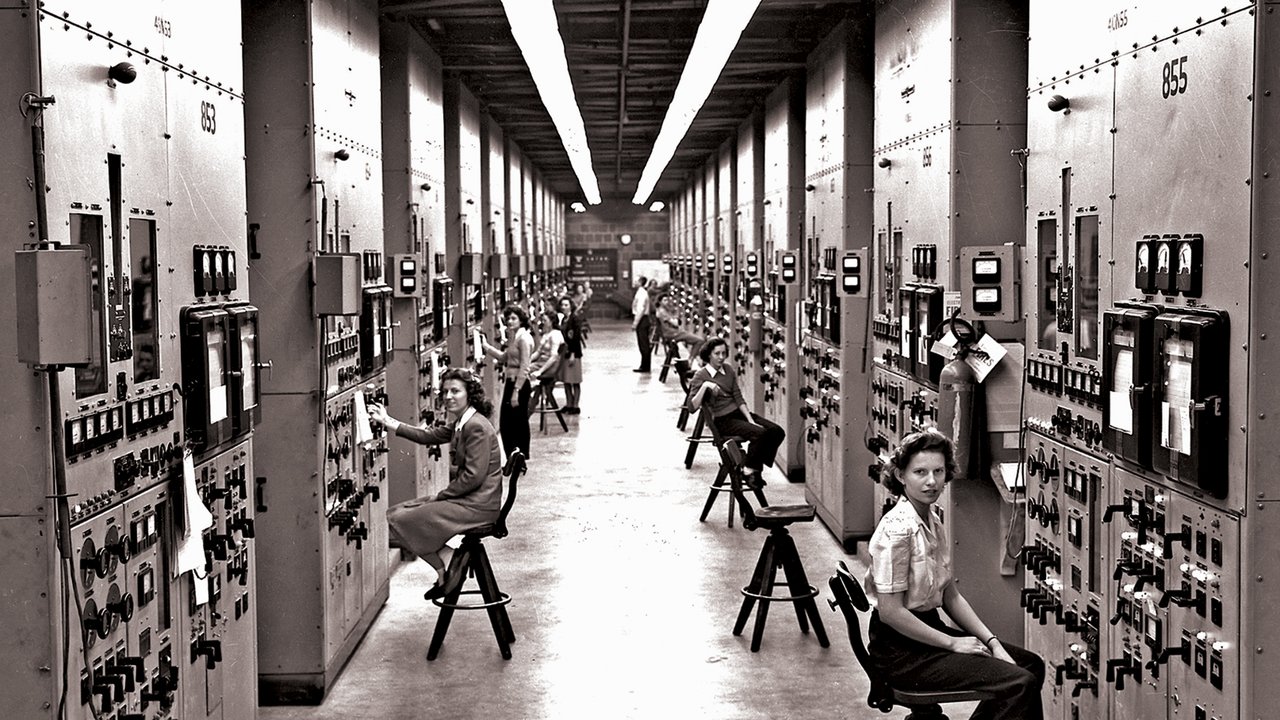

1945: Oak Ridge Entered the Public Record
Oak Ridge, Tennessee, operated behind fences as workers enriched uranium for Little Boy, the bomb dropped on Hiroshima. President Harry Truman’s August 6, 1945, statement said further facts would be released about the site near Knoxville. The announcement publicly connected the guarded installation to the newly disclosed atomic-bomb project.
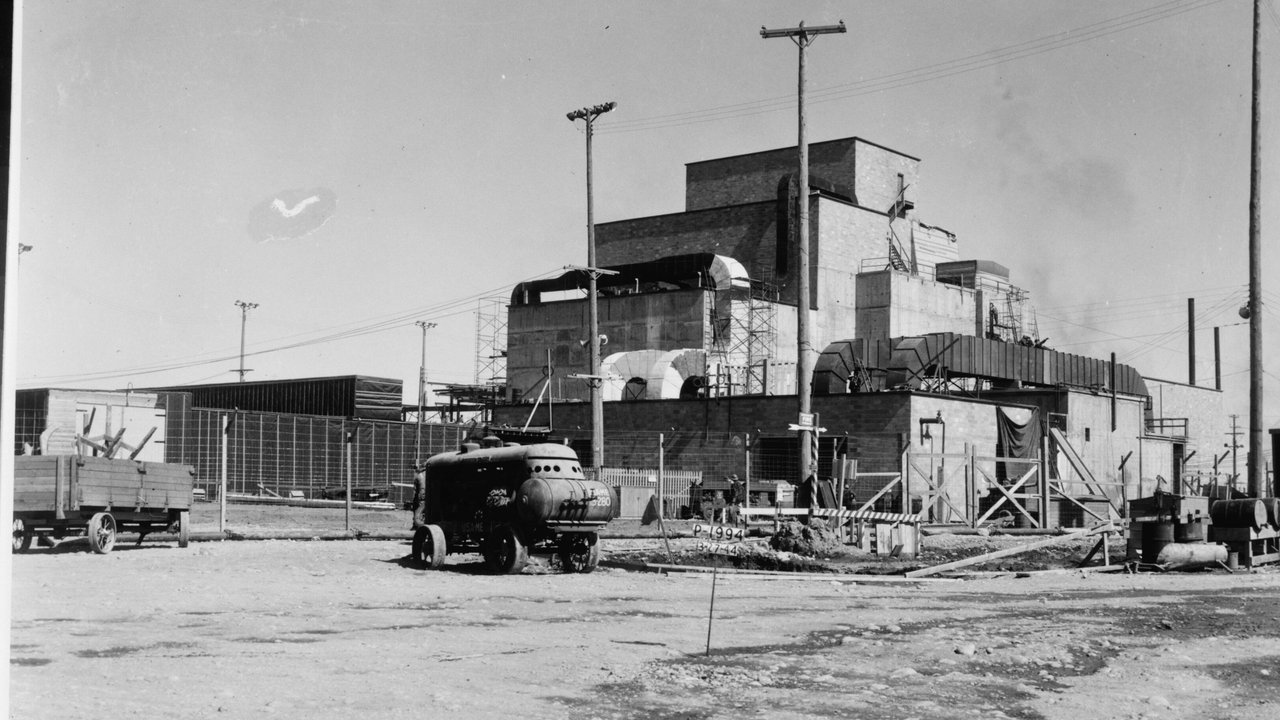
1945: Hanford’s Purpose Was Revealed
At Hanford in Washington state, workers produced plutonium that was secretly shipped to Los Alamos. Truman’s August 1945 statement pointed to the site near Richland as one of the project locations. The announcement brought Hanford into the official public account without disclosing every technical detail of its work.
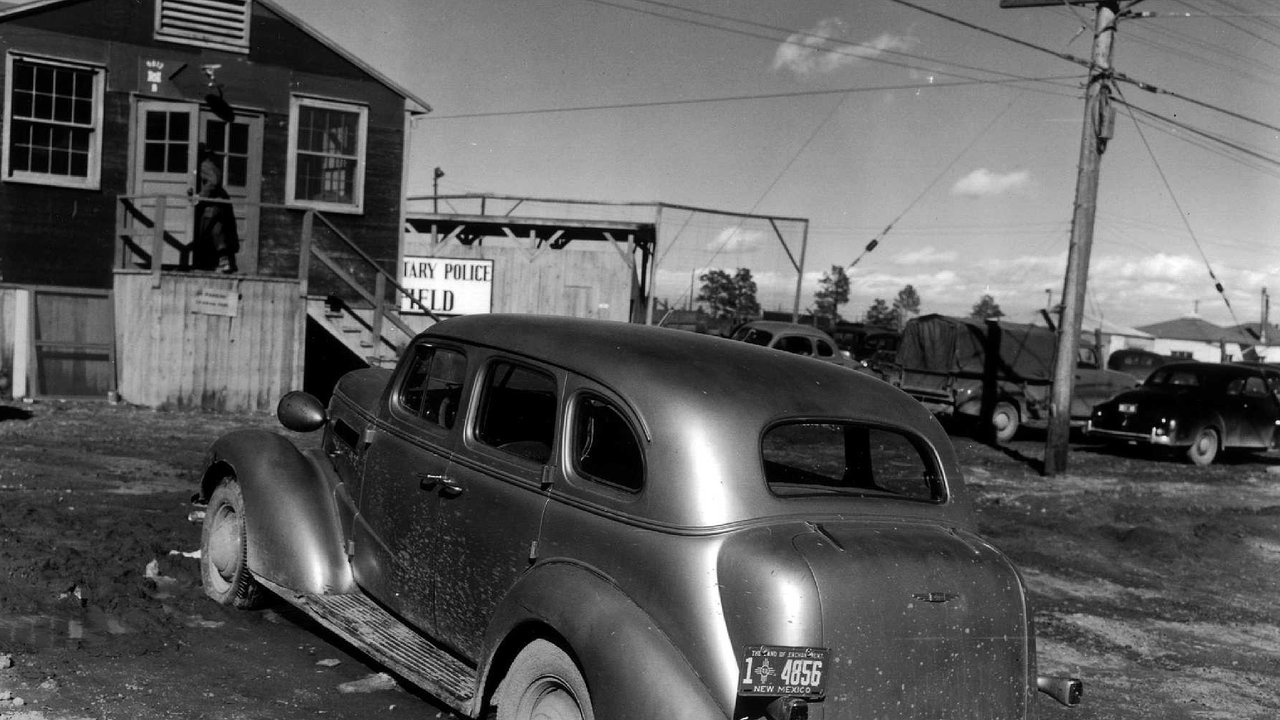

1945: Los Alamos Lost Its Official Cover
The National Park Service says the secret Los Alamos laboratory designed and built the world’s first atomic weapons. Truman’s August 1945 statement referred to an installation near Santa Fe, New Mexico. That announcement placed the previously hidden laboratory within the public account of the Manhattan Project and its sprawling network of sites.
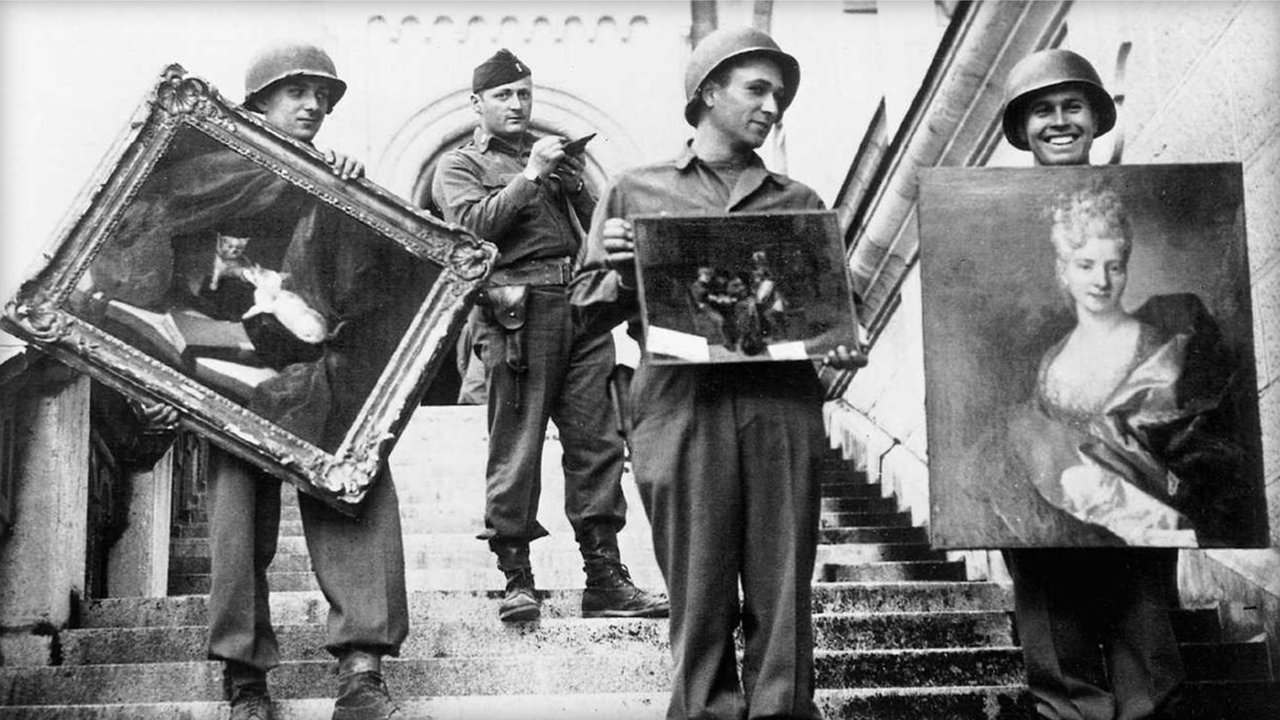

1945: Monuments Men Evidence Reached Nuremberg
Personnel known as the Monuments Men recovered albums that documented Nazi art looting. In late 1945, the albums were used as evidence at the Nuremberg trials. Their appearance in court created an early public record of the looting operation, so this part of the story was not sealed away for decades.
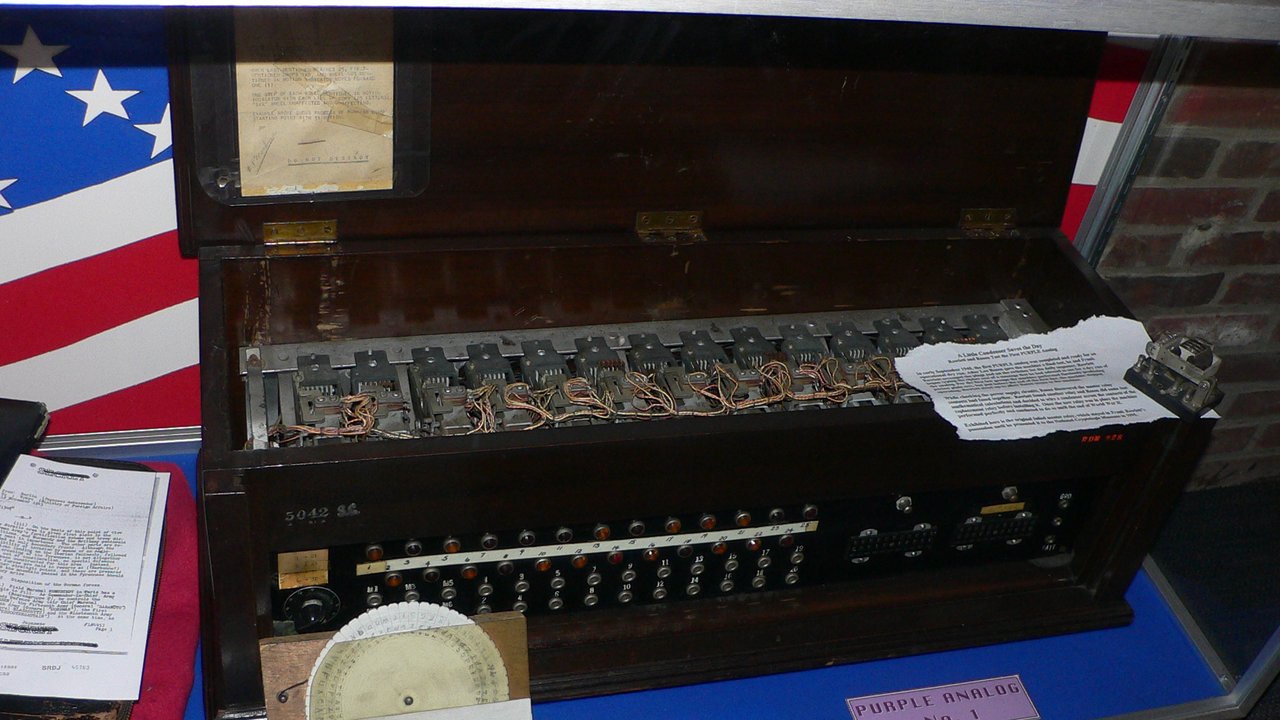

1946: MAGIC Appeared in the Pearl Harbor Record
American officials received decrypted Japanese diplomatic messages marked Top Secret MAGIC. In 1946, congressional findings on Pearl Harbor were released in 40 volumes. Their publication opened an important part of the wartime record while showing that diplomatic intelligence could answer some questions about the attack, but not all of them.
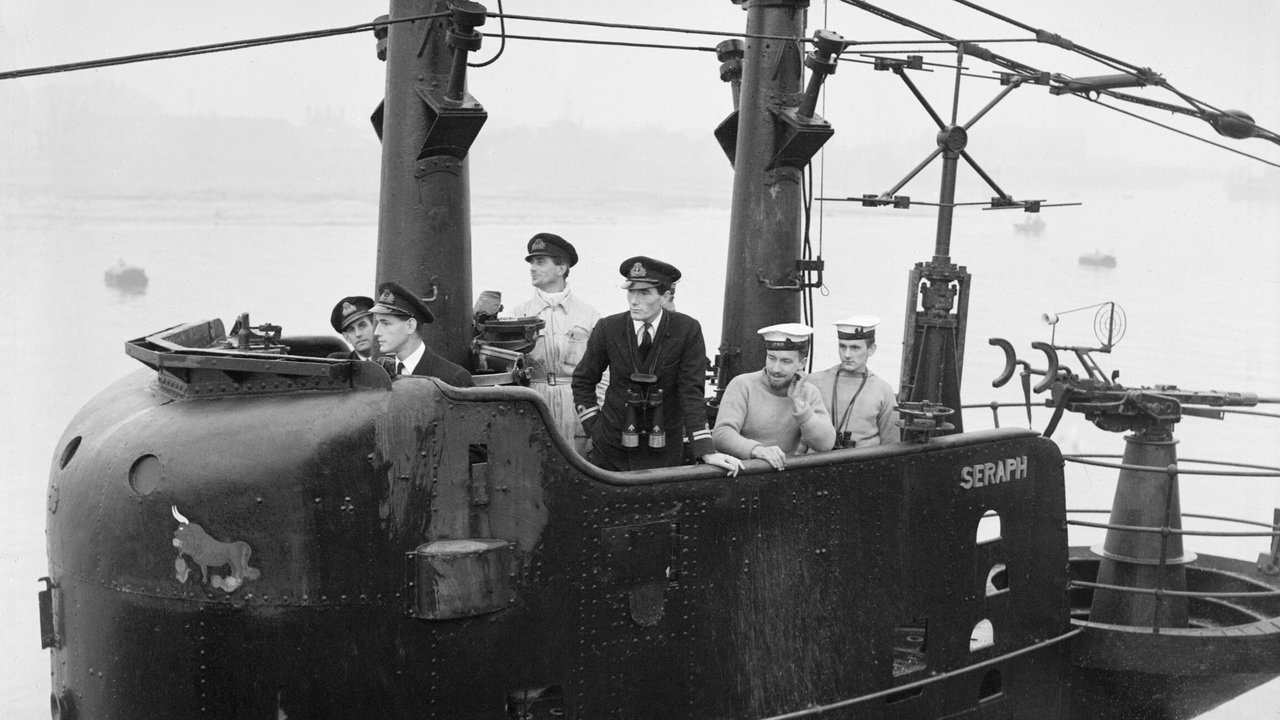

1953: Operation Mincemeat Became a Bestseller
Operation Mincemeat was a wartime deception intended to convince Germany that Greece, rather than Sicily, was the Allies’ invasion target. The operation became famous through Ewen Montagu’s 1953 bestseller, The Man Who Never Was. That early account brought the closely guarded ruse into public view less than a decade after the war.
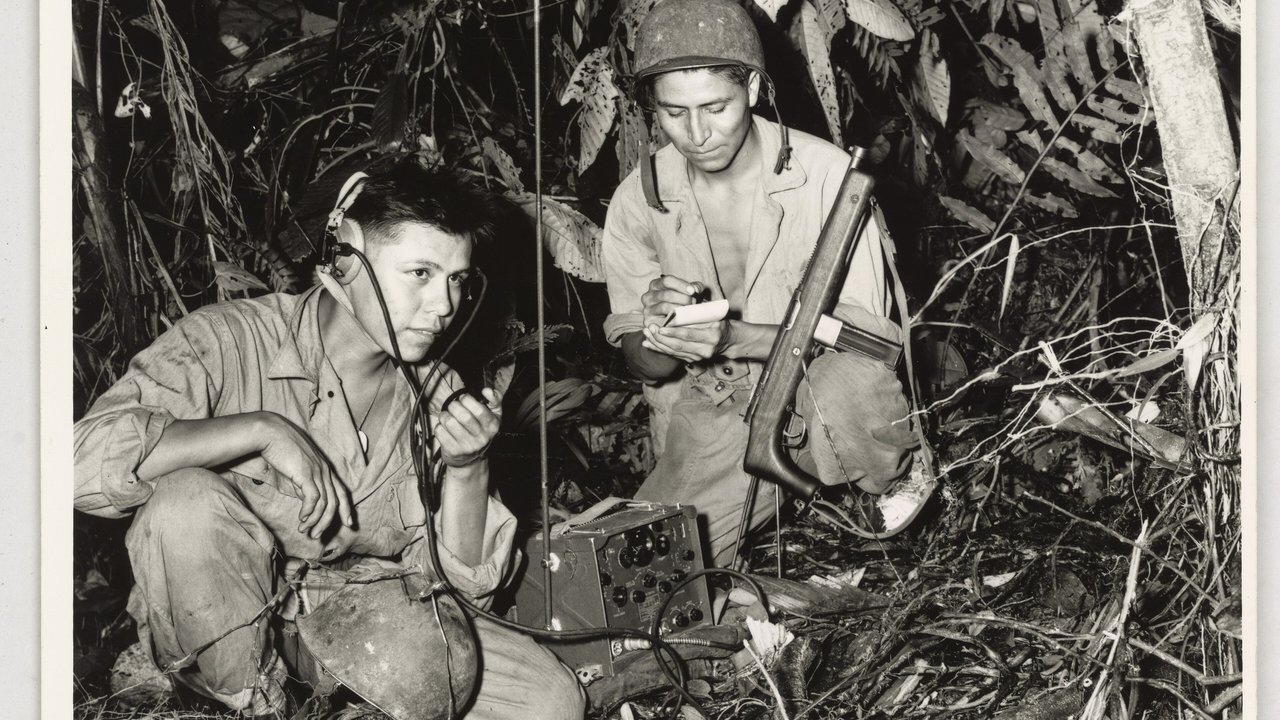

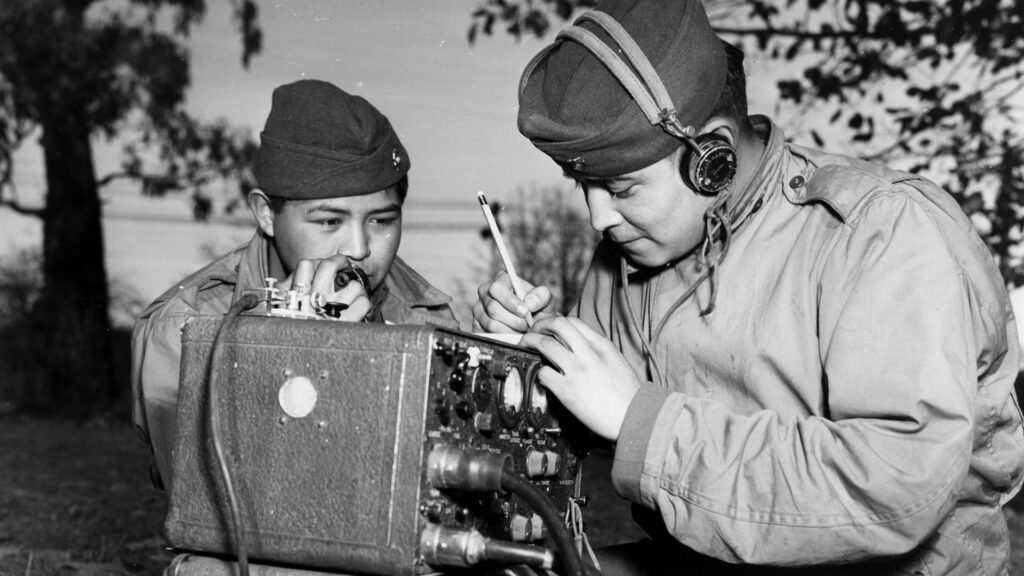
1968: The Navajo Code Talkers Were Declassified
During the Pacific War, Navajo Marines used a code rooted in their language to support military communications. Their contribution to victory remained classified until 1968, according to the Marine Corps. The date explains why the public record lagged far behind the service itself and why many Americans learned of the Code Talkers only later.
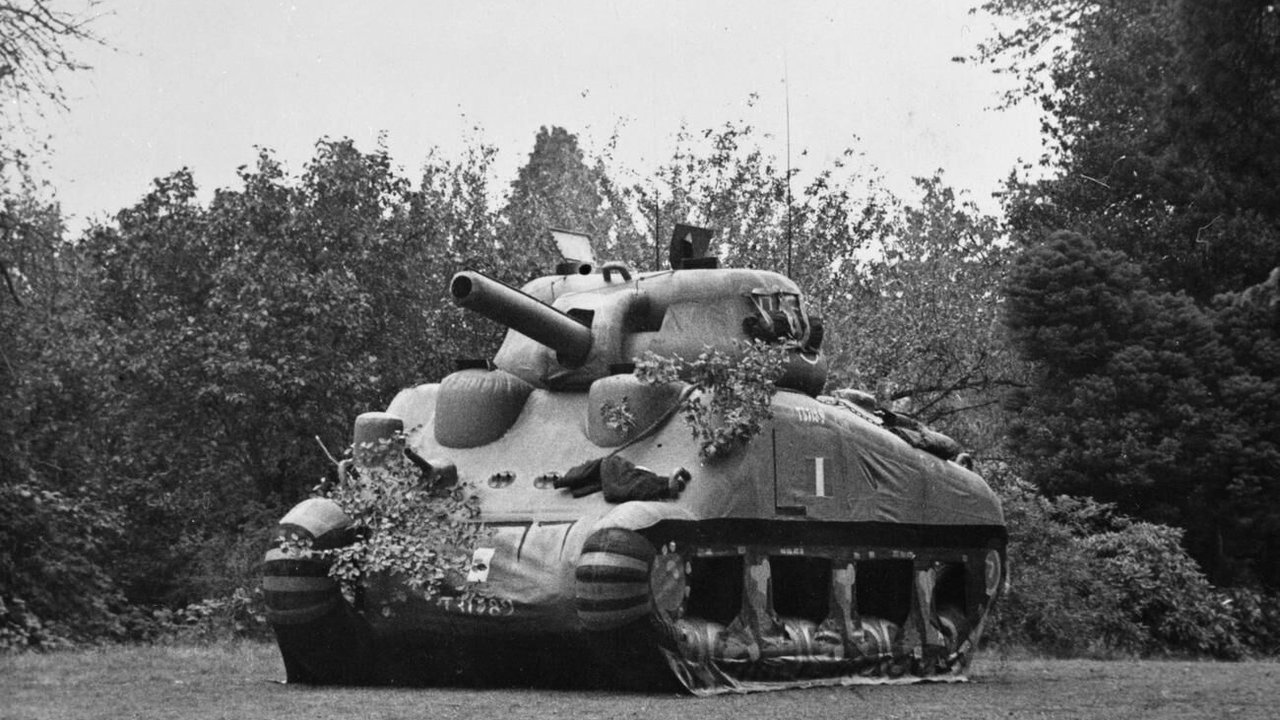

1972: Double Cross and Fortitude Emerged
Operation Fortitude used deception to direct German expectations away from Normandy before D-Day. Double Cross agents helped convince German leaders that major Allied landings would occur elsewhere. In 1972, intelligence officer John Masterman finally received government clearance to publish his wartime account, The Double Cross System.
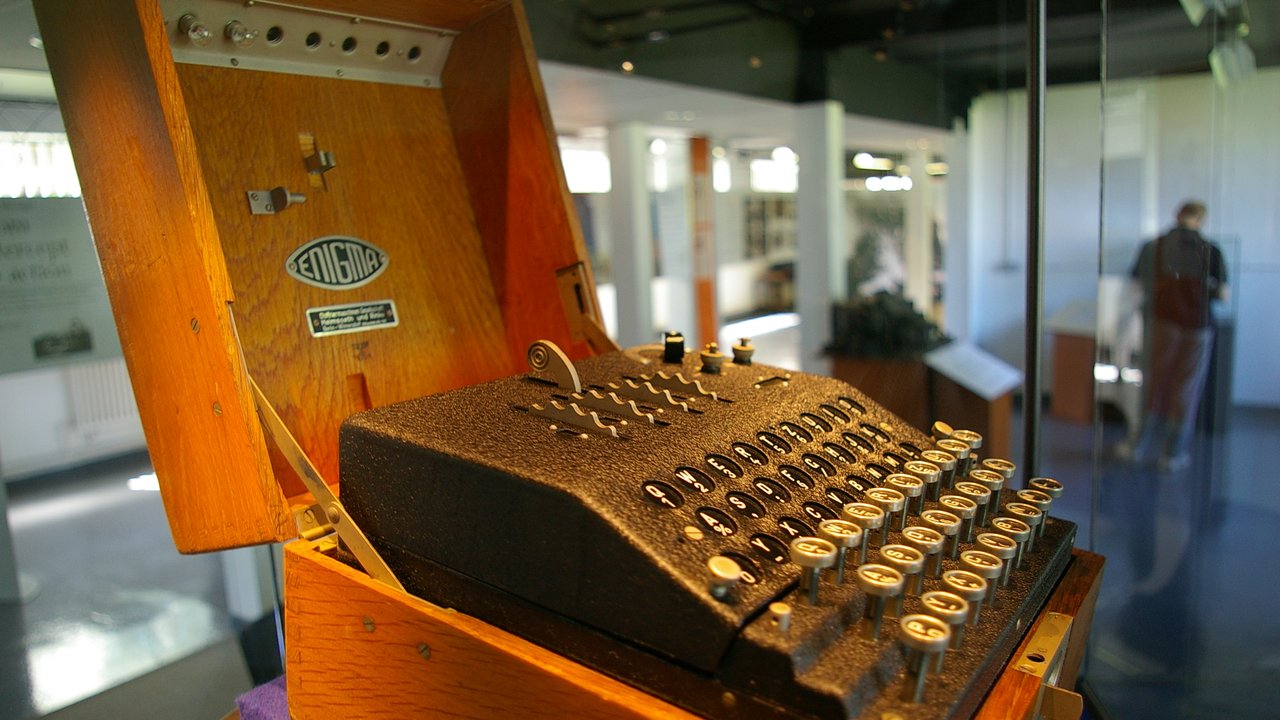

1974: Bletchley Park’s Enigma Work Broke Cover
At Bletchley Park, British codebreakers decrypted German messages protected by Enigma. Frederick Winterbotham’s The Ultra Secret, published in October 1974, disclosed the closely guarded intelligence operation. The book marked an important change in what the public could know about Britain’s wartime cryptologic work and the intelligence it produced.
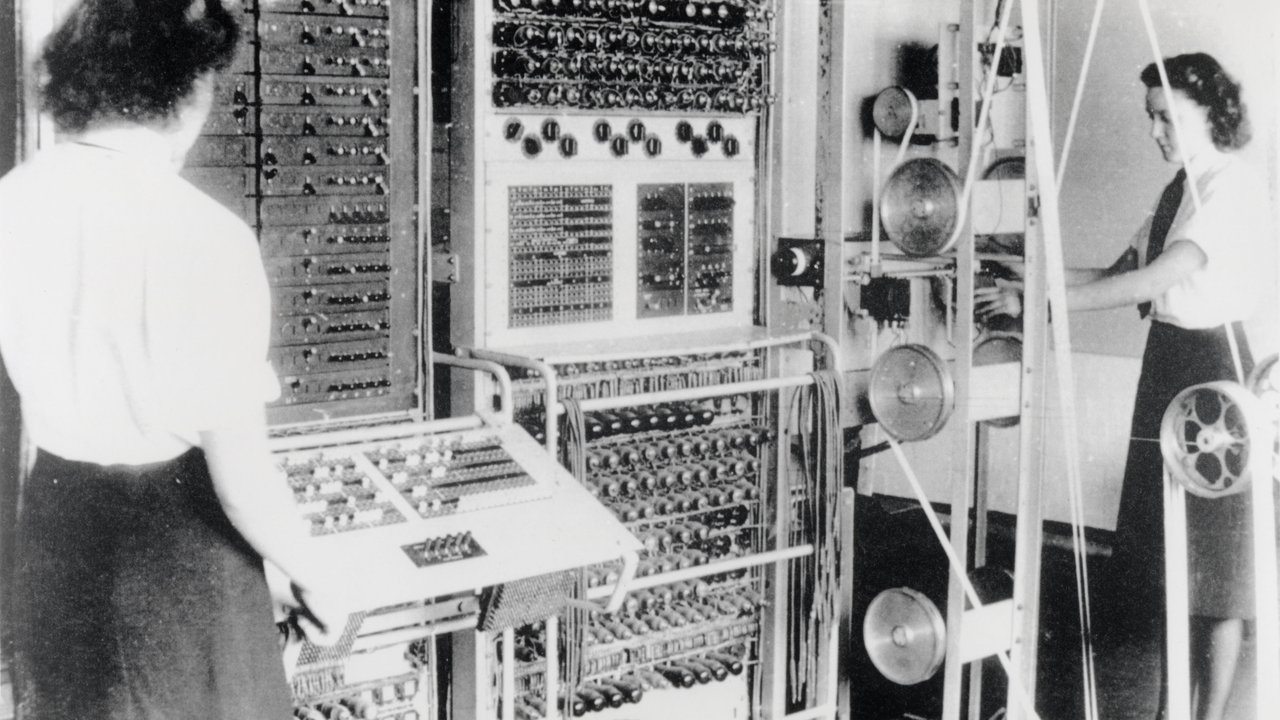

1975: Colossus Entered Computing History
Colossus was created during World War II to help decipher critical strategic messages exchanged by senior German commanders. The machine and its purpose remained secret long after the conflict. The first information about Colossus was declassified in 1975, allowing the story of the pioneering computer and its operators to begin emerging publicly.
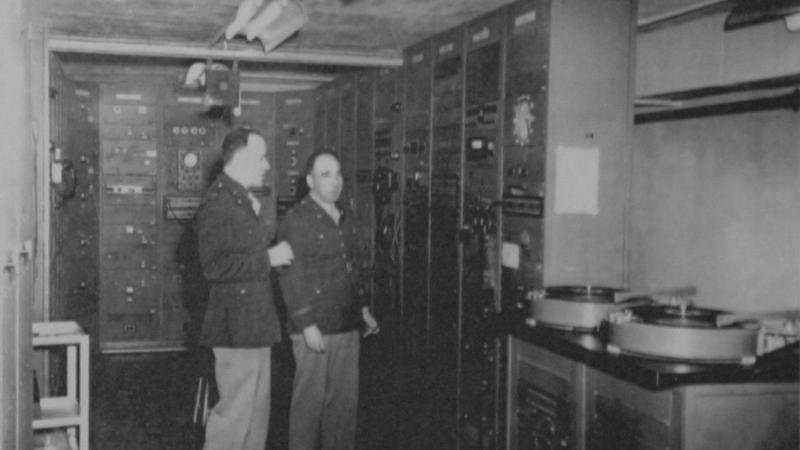

1976: SIGSALY Was Declassified
SIGSALY supported more than 3,000 secret official conferences before leaving service in 1946. Its existence remained secret for 30 years. When the system was declassified in 1976, patent applications submitted decades earlier could finally be granted, revealing an important wartime development in secure communications.
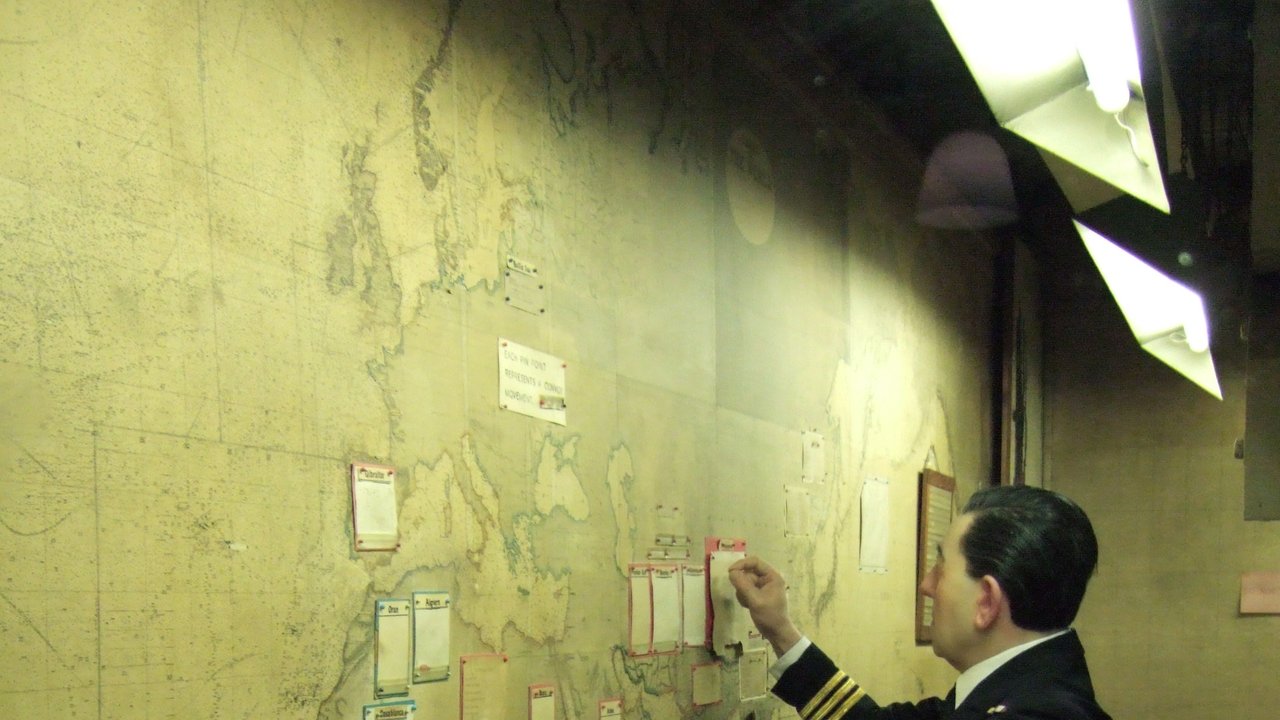

1984: Churchill’s War Rooms Opened
The underground Cabinet War Rooms allowed Winston Churchill and his staff to direct Britain’s war effort from central London. Imperial War Museums opened the preserved rooms to the public in 1984. Visitors could then enter the spaces where military information was gathered, decisions were discussed, and wartime operations were coordinated.
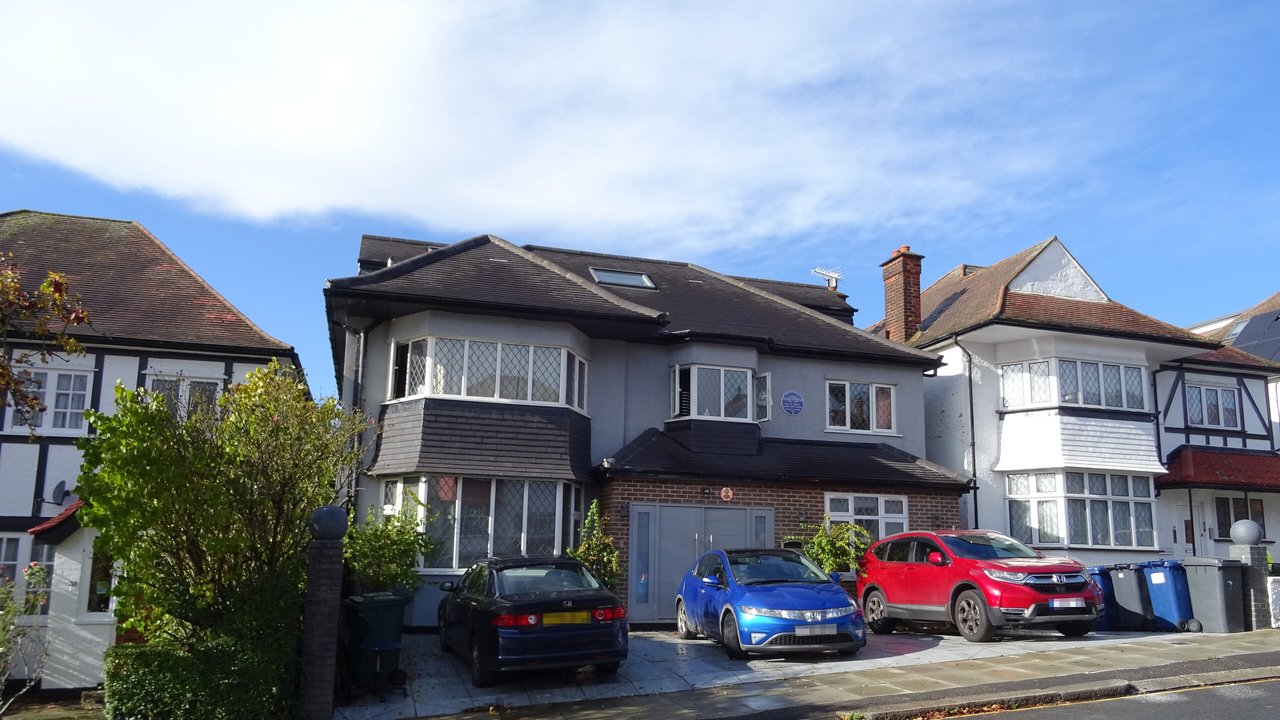

1985: Agent GARBO Identified Himself
Juan Pujol García, codenamed GARBO, worked as a double agent for Britain and helped feed Germany false information. MI5 kept his identity private until he publicized his connection to the service in 1985 by publishing an autobiography under his own name. The once-hidden agent had finally stepped into the public record.
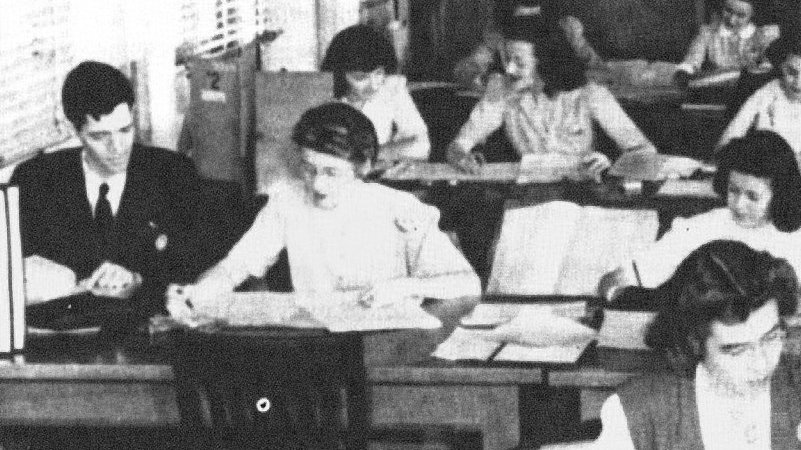

1995: VENONA Reached the Public
The Army Signal Intelligence Service began a secret program in February 1943 that was later codenamed VENONA. Its work remained protected for more than half a century. The first of six public releases of translated VENONA messages arrived in July 1995, followed by additional batches of documents and historical material.
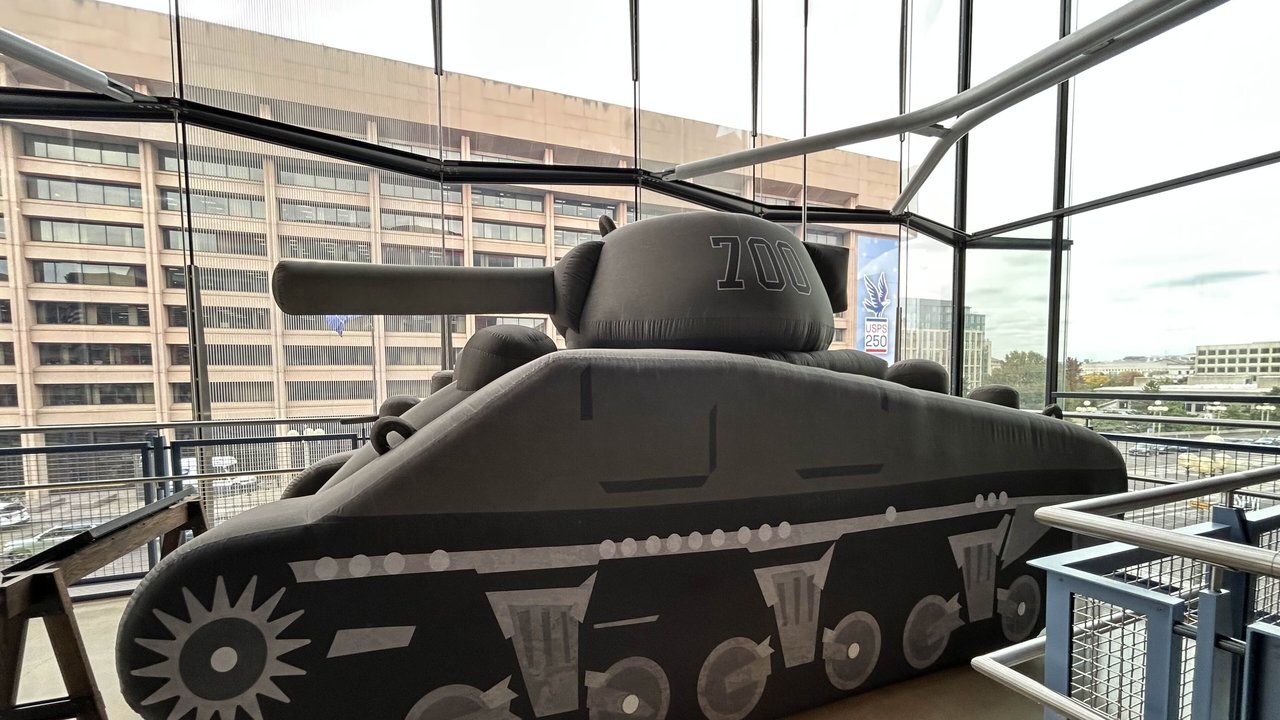

1996: The Ghost Army Was Declassified
The 23rd Headquarters Special Troops used inflatable tanks and artillery, false radio transmissions, and audio recordings to create phantom forces. The unit’s story remained secret for decades before its 1996 declassification. The released history showed how sound, visual display, and communications could combine into an elaborate battlefield deception.

2016: TICOM Records Became Available
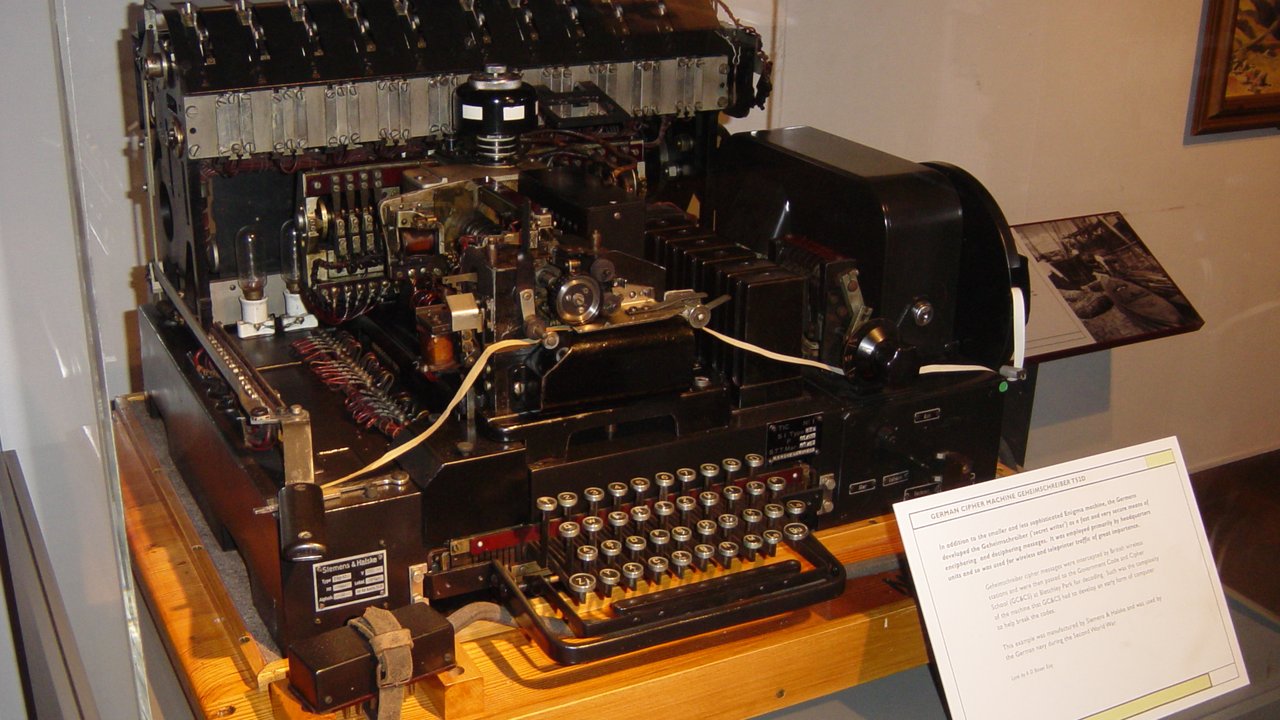
TICOM was an Anglo-American organization formed to exploit German signals-intelligence installations and organizations. Much of its resulting record remained restricted long after the war. In 2016, more than 29,000 pages of declassified TICOM material became publicly available, giving researchers a detailed view of the intelligence-gathering effort.

2017: The Code Girls’ Story Gained New Attention
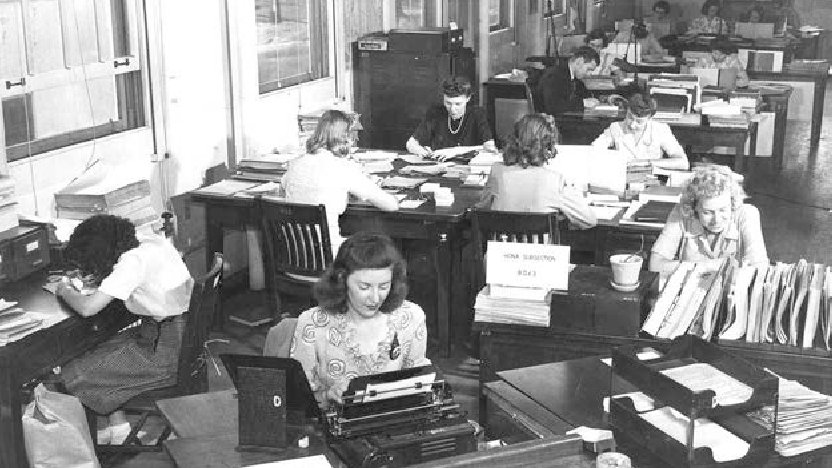
In October 2017, author Liza Mundy discussed Code Girls at the National Archives in Washington. Her book examined American women’s wartime cryptologic service. The event marked a documented public presentation of their stories without overstating it as the first moment when the women’s work became known.
The confirmed record is often more surprising than the legends that grew around these secrets. Which of these once-hidden stories surprised you most?
Follow Lilyon on MSN for more stories like this.
Sources: