

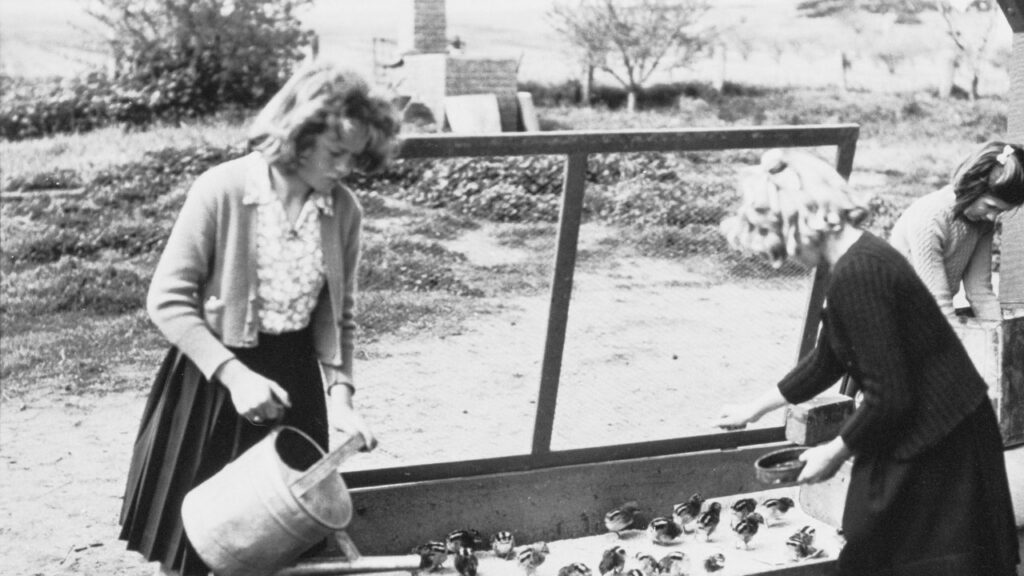

Children’s chores varied widely by period, place, family, and income. Some youngsters helped indoors, while others carried water, tended animals, worked in gardens, or ran errands through the neighborhood.
The sources behind this gallery span different eras and communities, so these slides do not describe one typical 1950s or 1960s childhood. Instead, they offer documented glimpses of responsibilities children once shouldered at home, on farms, and at school.
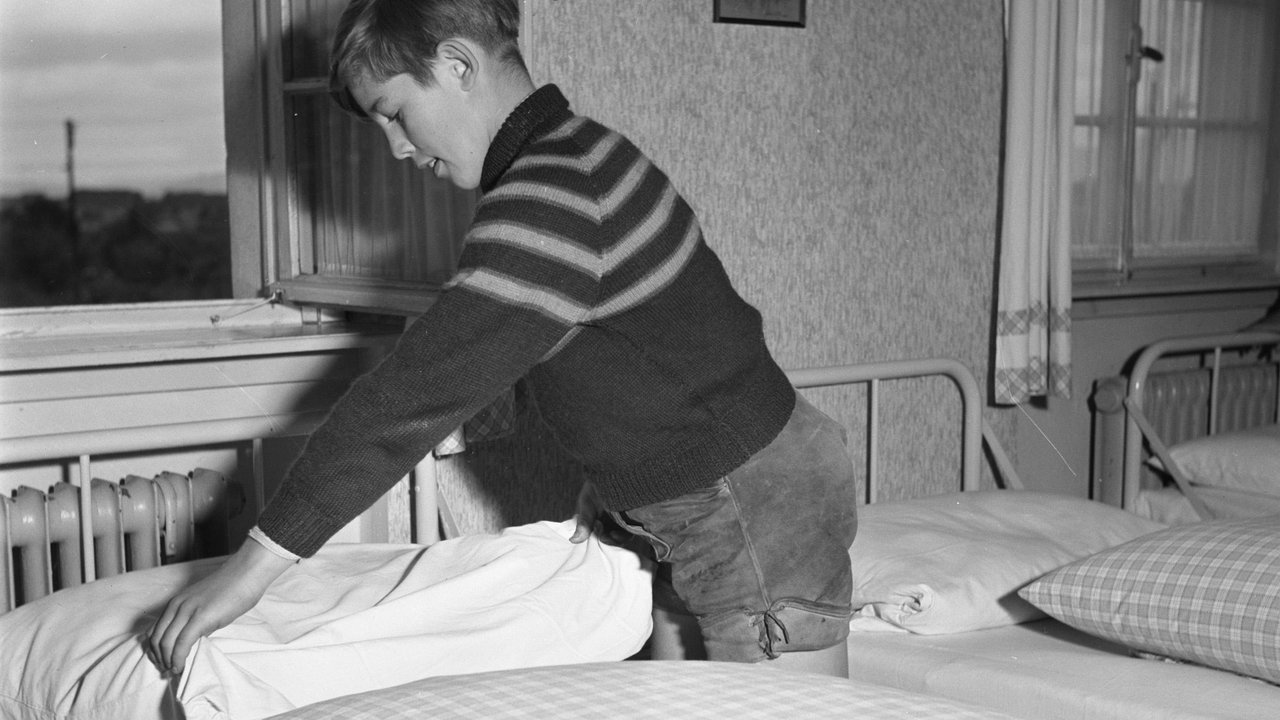

Making the Bed
A National Park Service lesson about the Carroll Homestead lists bed-making among children’s daily responsibilities. The job was simple, visible, and difficult to pretend was finished when it was not. Pulling up the bedding, smoothing it, and leaving the room orderly made this a natural assignment at the beginning of the day.
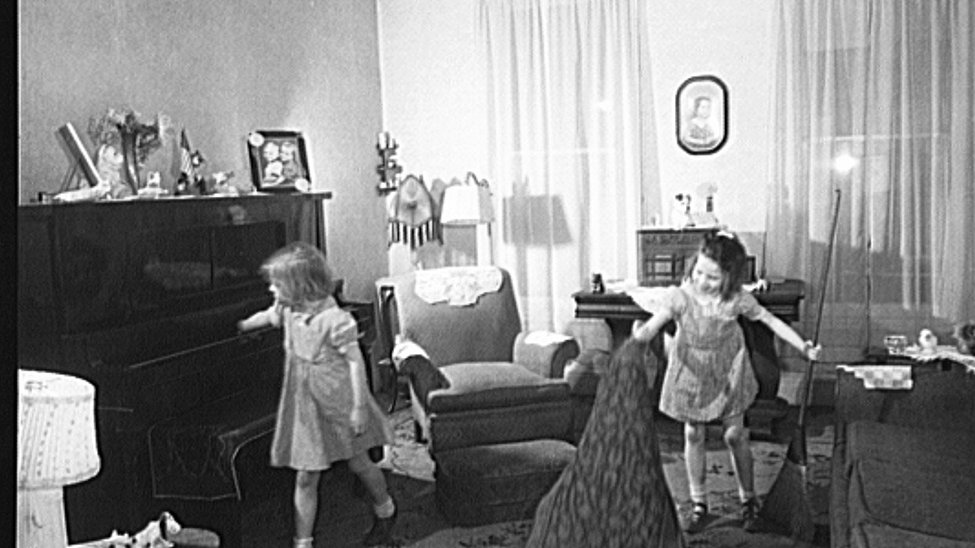

Sweeping the Floors
Sweeping appears alongside bed-making in the Carroll Homestead material. A child had to guide dust from corners and open areas into a manageable pile, then collect it without scattering everything again. The tools were basic, but a thoroughly swept floor still required patience, attention, and a willingness to go back over missed spots.
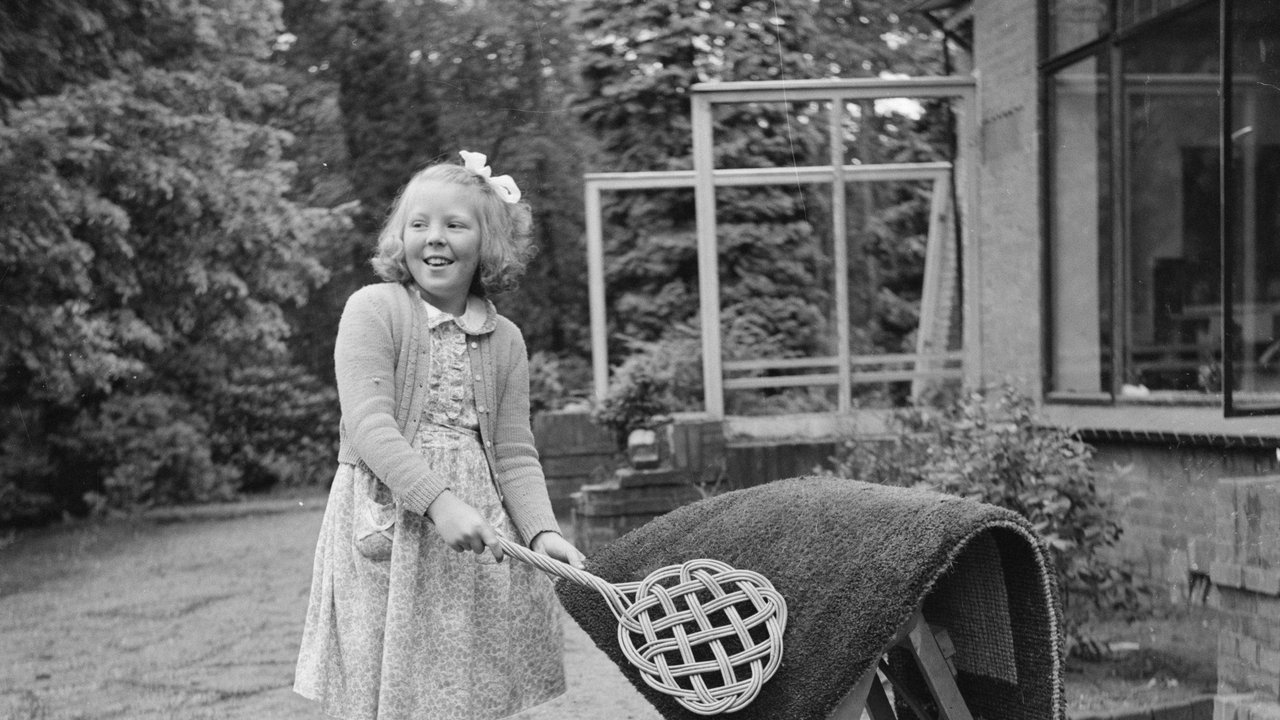

Beating the Rugs
Rug beating also appears on the Carroll Homestead list of regular chores. Unlike a quick shake, beating a rug was meant to loosen dust held among the fibers. It was a direct, physical answer to household dirt and a task children could not finish by simply tidying whatever remained in plain sight.
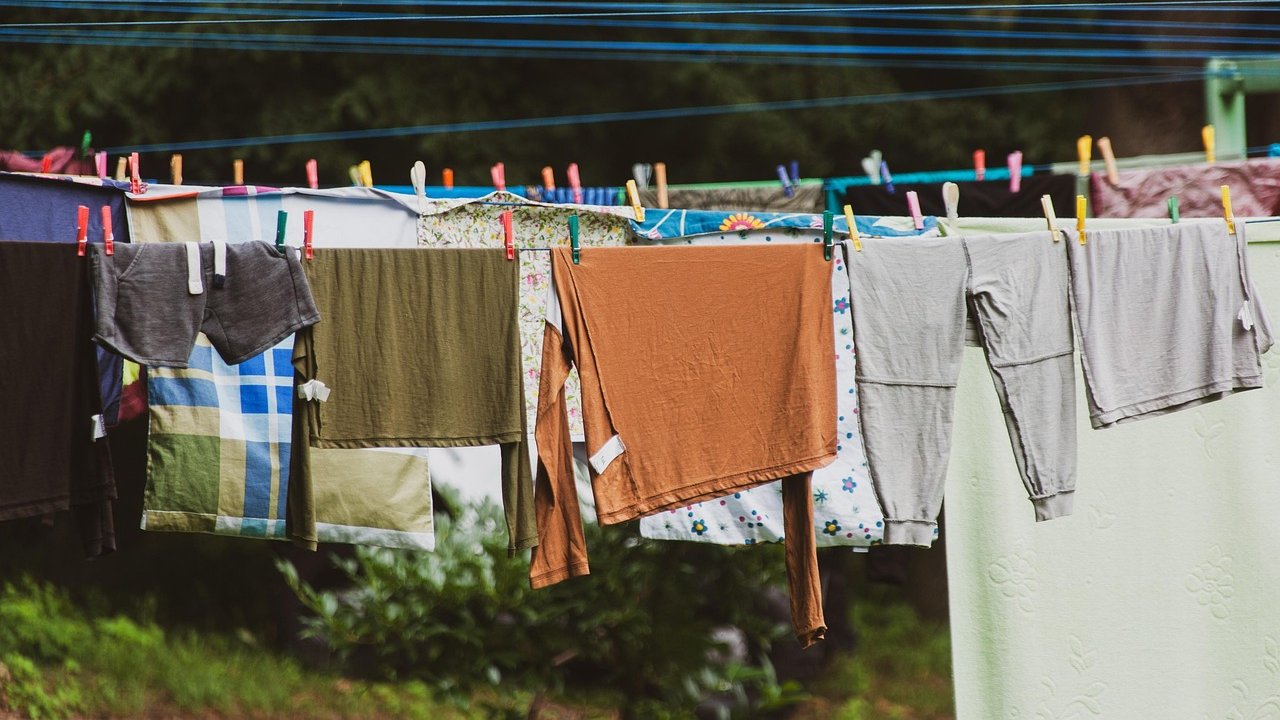
Helping With the Laundry
The Carroll Homestead lesson describes laundry as another recurring responsibility in children’s lives. The source does not identify a particular machine or method, but it makes the frequency clear: laundry was always waiting. Helping with it meant taking part in necessary household work that would return as soon as more clothing and linens were used.
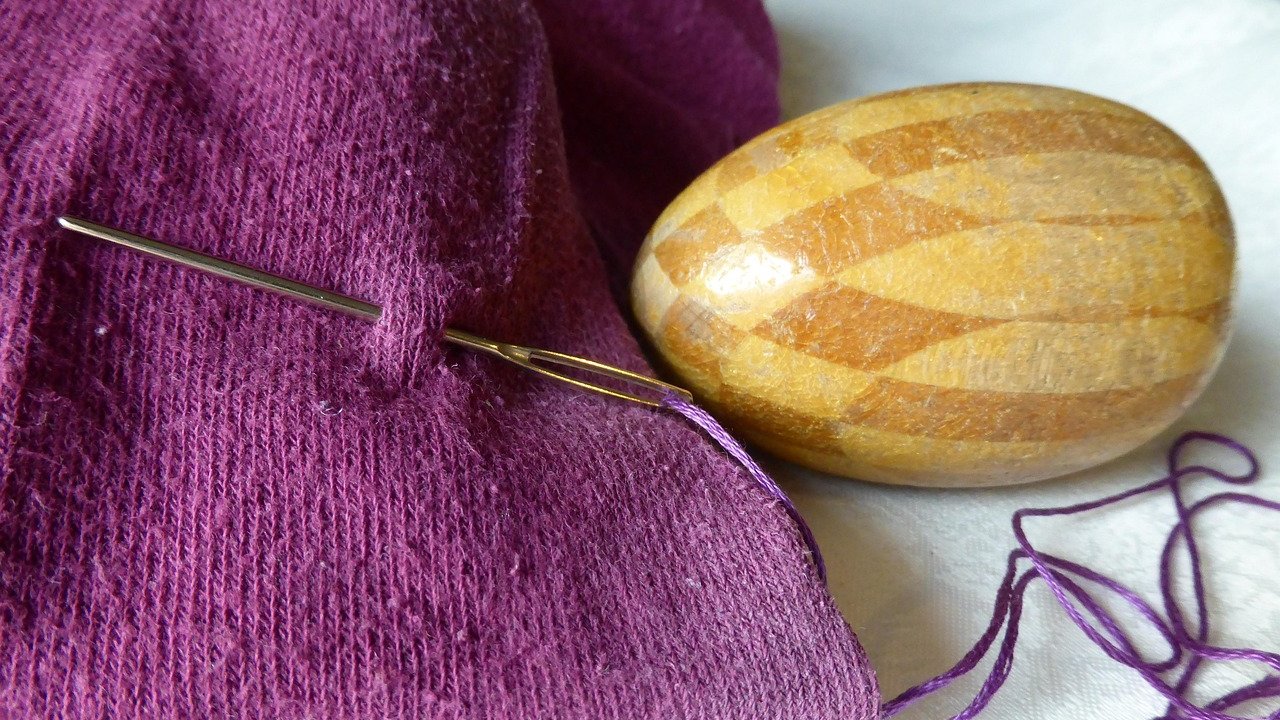
Mending Worn Clothes
Mending belonged on the same long list as laundry, sweeping, and making beds. Clothing was repaired so that it could remain useful rather than being discarded at the first sign of wear. For a child learning the task, careful work mattered more than speed because a rushed repair could pull loose or leave the fabric uncomfortable.
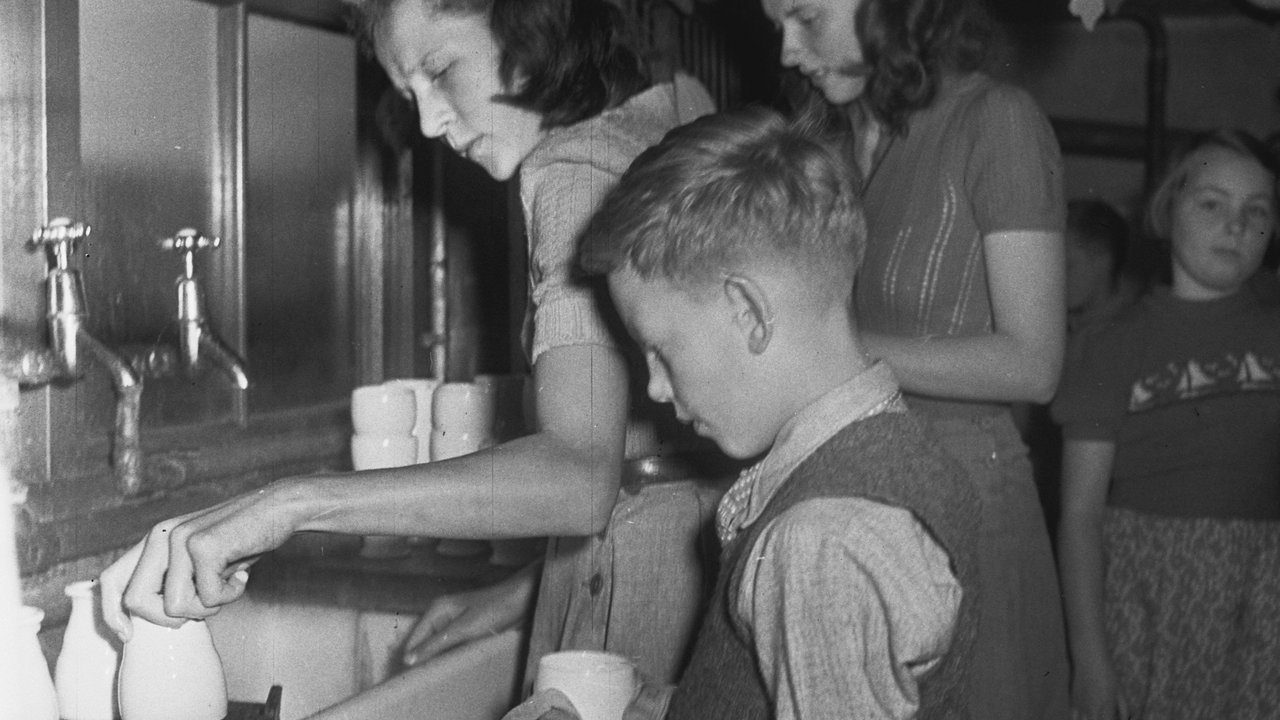

Washing Dishes by Hand
Historical records from more than one household name dishwashing as children’s work. Plates, cups, utensils, and cookware all had to be cleaned after a meal, whether anyone felt like doing it or not. It was the kind of dependable daily assignment that made a child’s contribution to the household immediately noticeable.
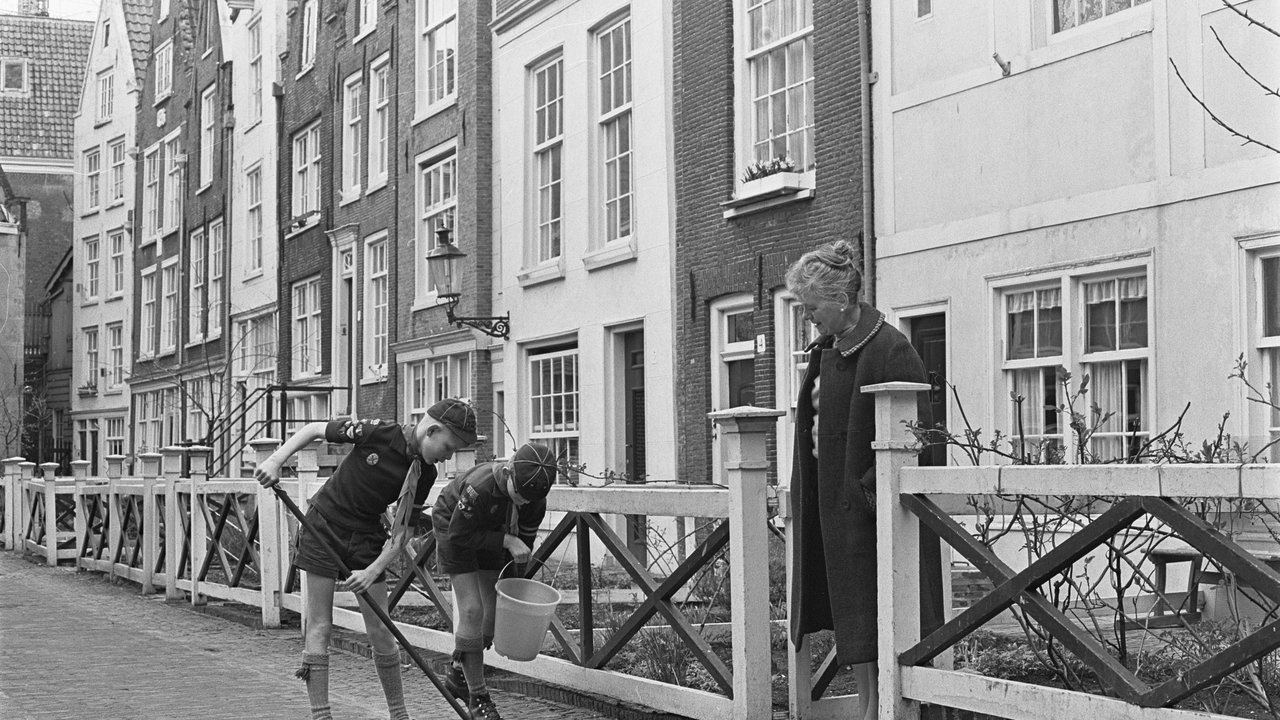

Mopping the Floors
A National Park Service study of labor at Weir Farm describes children helping to mop floors. The chore required more than moving a wet mop across the middle of a room. Furniture, corners, tracked-in dirt, and the cleanup afterward could turn a seemingly straightforward assignment into a substantial part of the household routine.
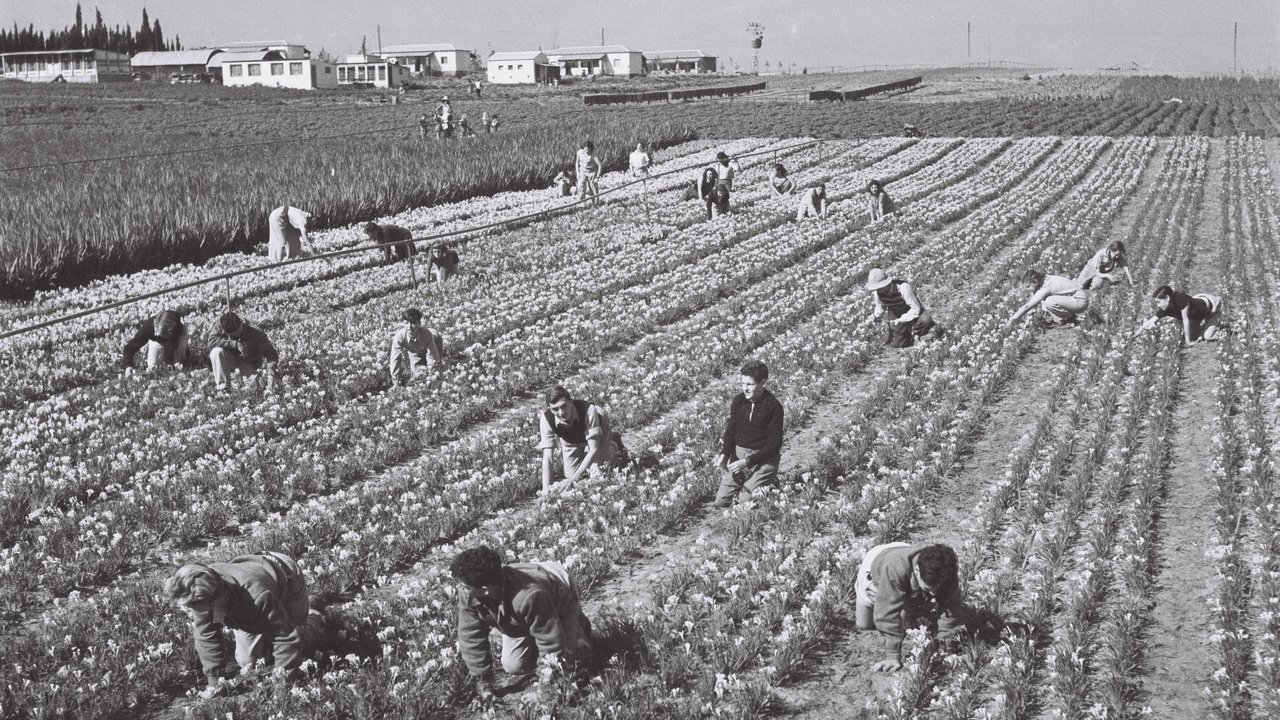

Weeding the Garden
The Weir Farm study also records children helping to weed gardens. The work demanded enough care to distinguish an unwanted plant from something the family intended to grow. It could be slow and repetitive, but every cleared patch protected vegetables, flowers, or other useful plants from competition for light and space.
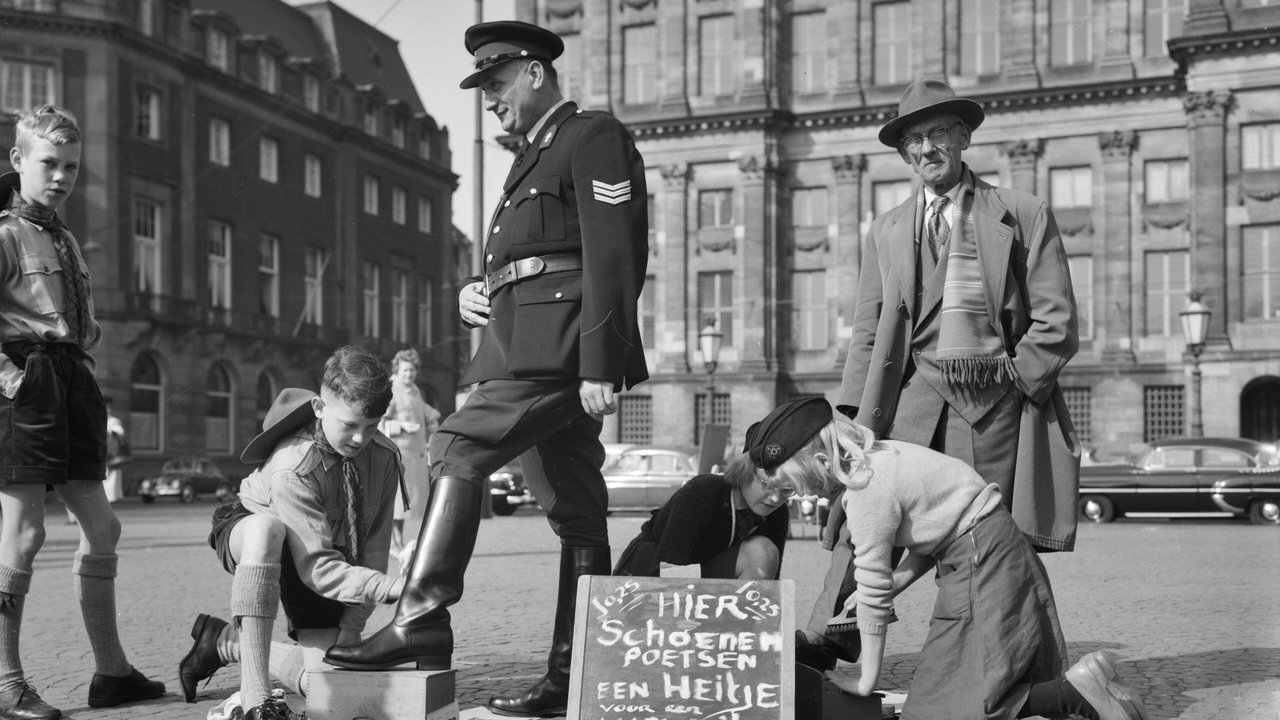

Learning to Polish Shoes
A family photograph preserved by the Harry S. Truman Library was described as a shoe-polishing lesson. That small domestic scene captures how chores were often taught: an adult demonstrated the work, and children practiced it. Brushes, polish, and cloths could turn ordinary shoe care into an exercise in patience and close attention.
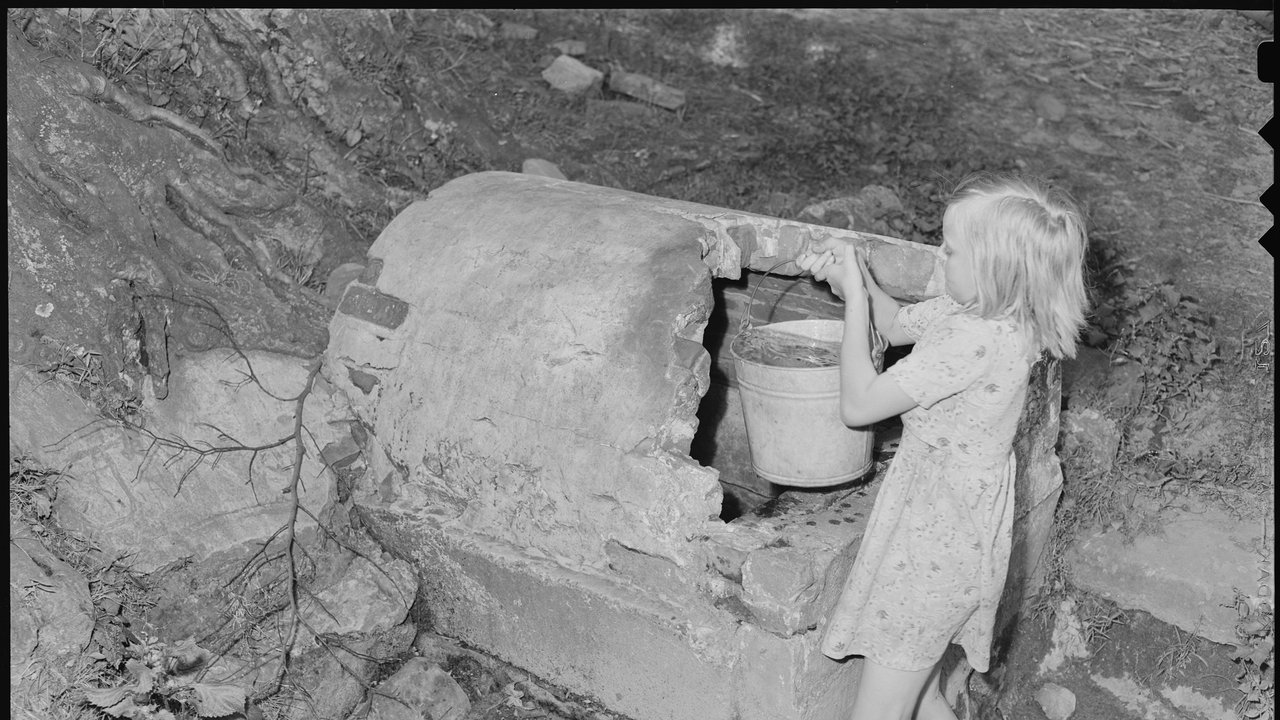

Carrying Water
An account of eight-year-old Mamie Dunne’s work includes carrying water among her responsibilities. Before water was always available with a turn of the tap, transporting it could be an essential household job. The task was plain but demanding: fill the container, carry it carefully, and avoid losing part of the load along the way.
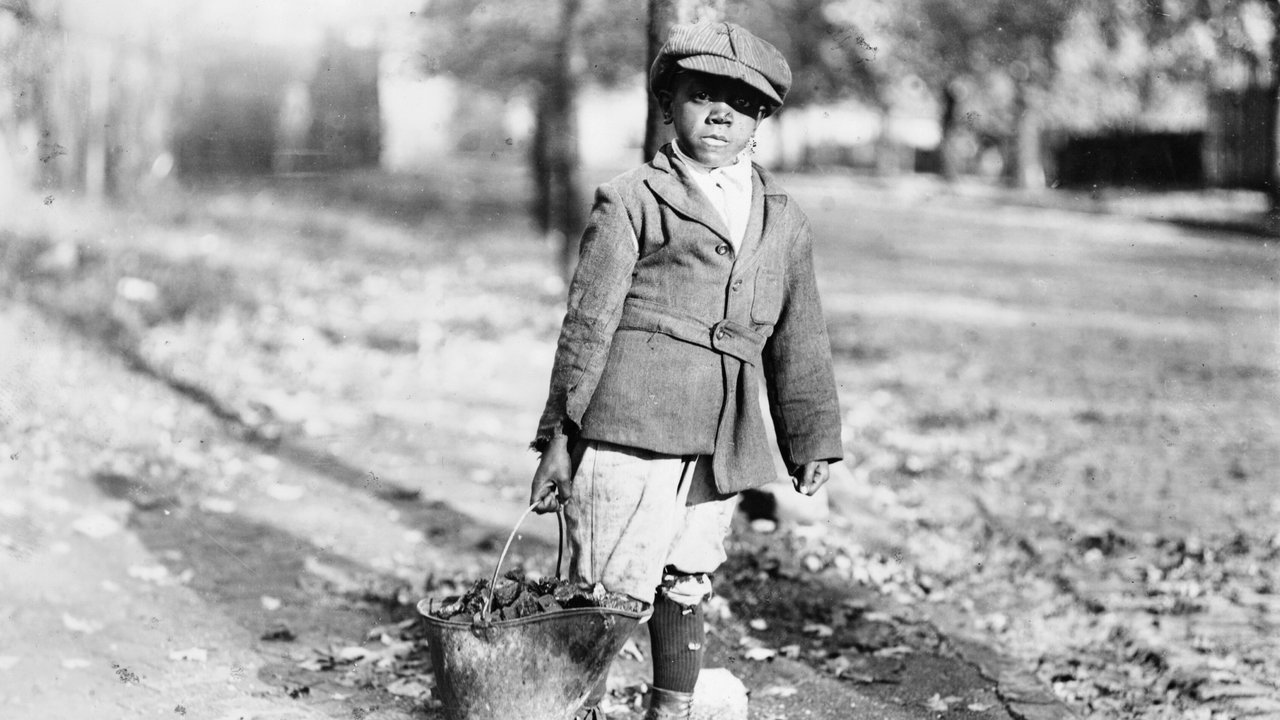

Bringing in Fuel
Mamie Dunne’s responsibilities also included carrying fuel. Whatever a household burned for heat or cooking had to be moved to the place where it was needed. A child assigned this job helped support other daily work, since meals and a warm room depended on keeping the household’s supply close at hand.
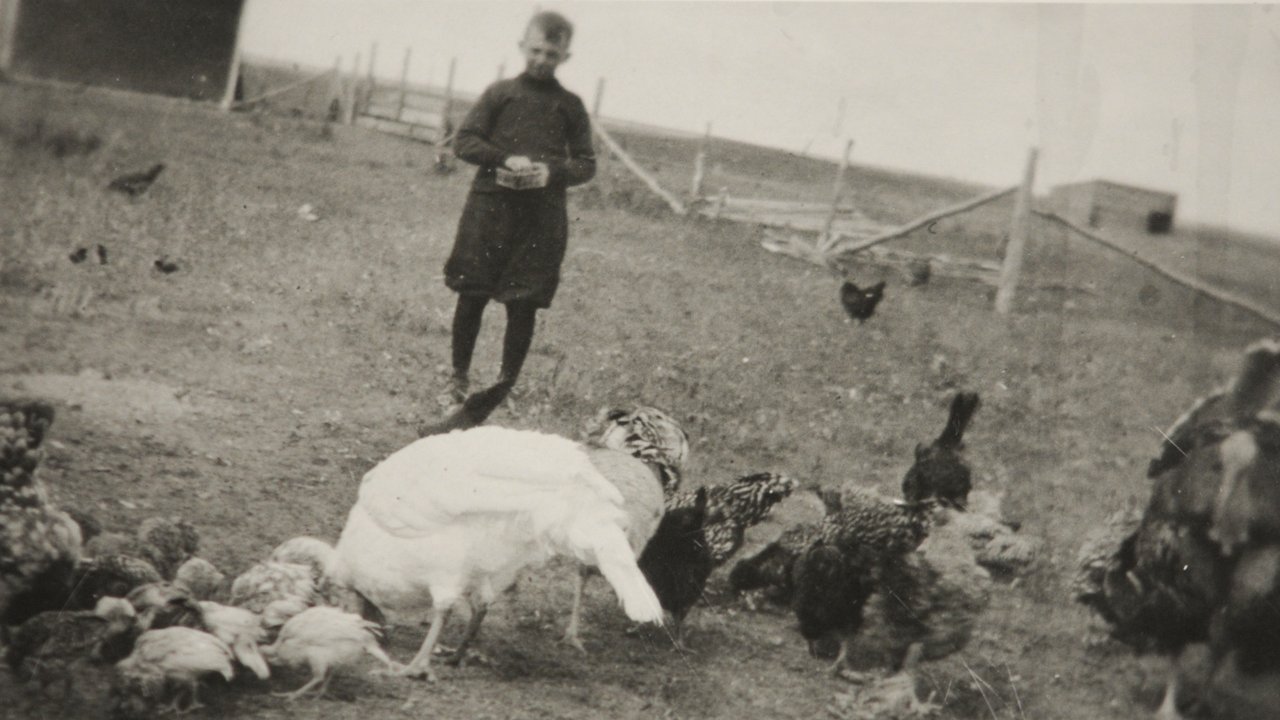

Feeding the Chickens
Historical accounts identify tending or feeding chickens as children’s work. Animals followed their own schedule, so the chore could not be postponed simply because a child wanted to play. Feed and attention had to arrive regularly, making this assignment a practical lesson in caring for something that depended on the household.
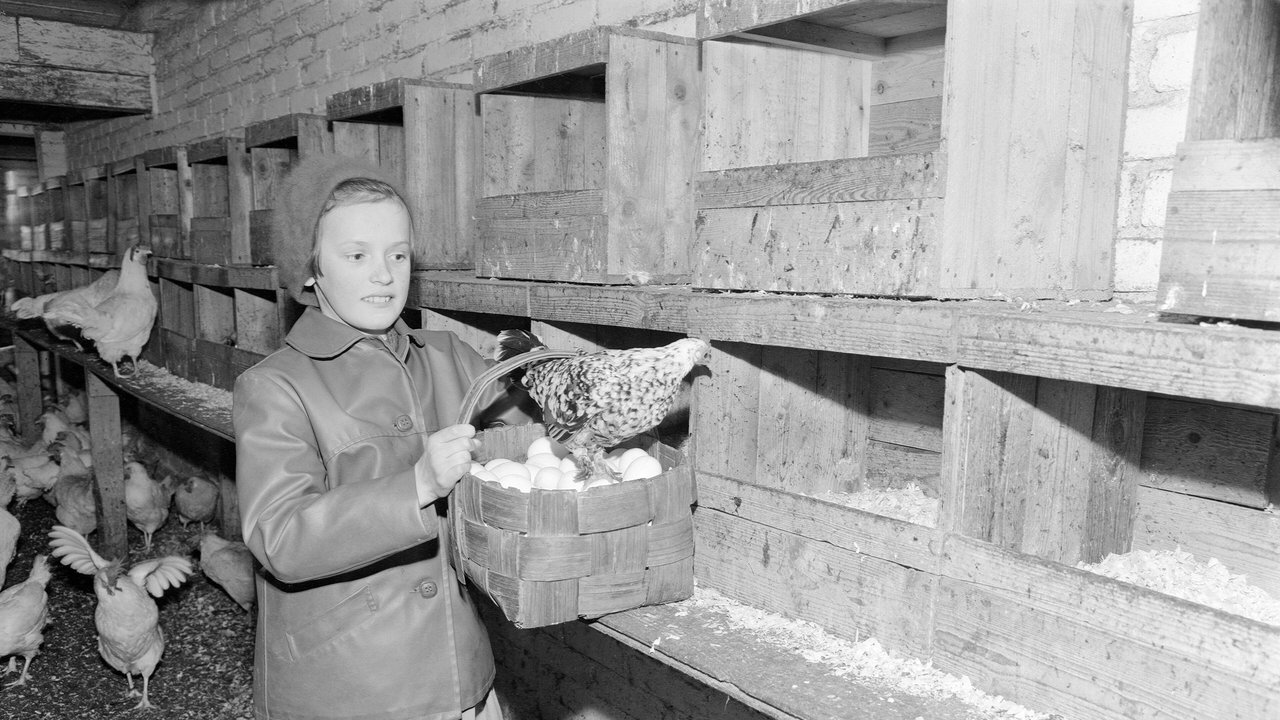
Gathering the Eggs
National Park Service educational material pairs feeding chickens with gathering their eggs. The collector needed to check the laying areas and handle each egg carefully on the way back. The reward was concrete and useful: a successful trip produced food for the household without sending the family to a store.
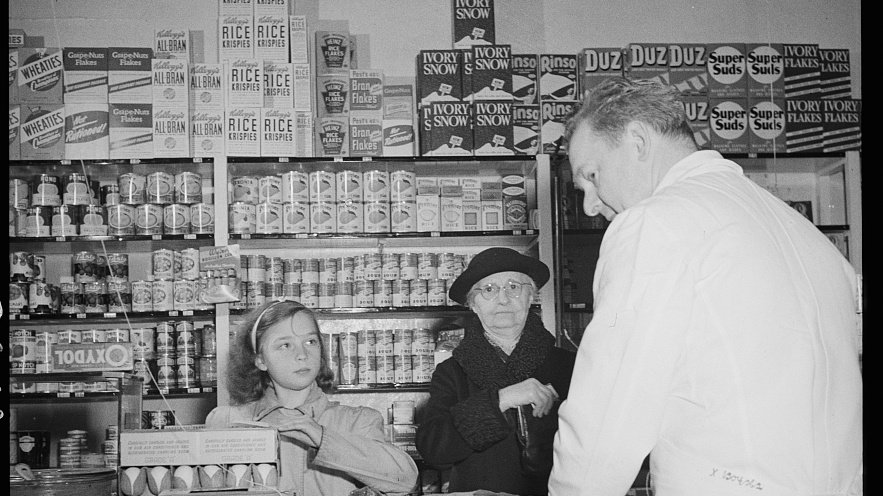

Running Neighborhood Errands
A National Park Service article about childhood independence in 1963 notes that children were commonly sent alone to grocery stores or post offices. A short errand required them to remember instructions, manage whatever they were carrying, and return directly. It was a routine responsibility that also gave children experience navigating their neighborhood independently.
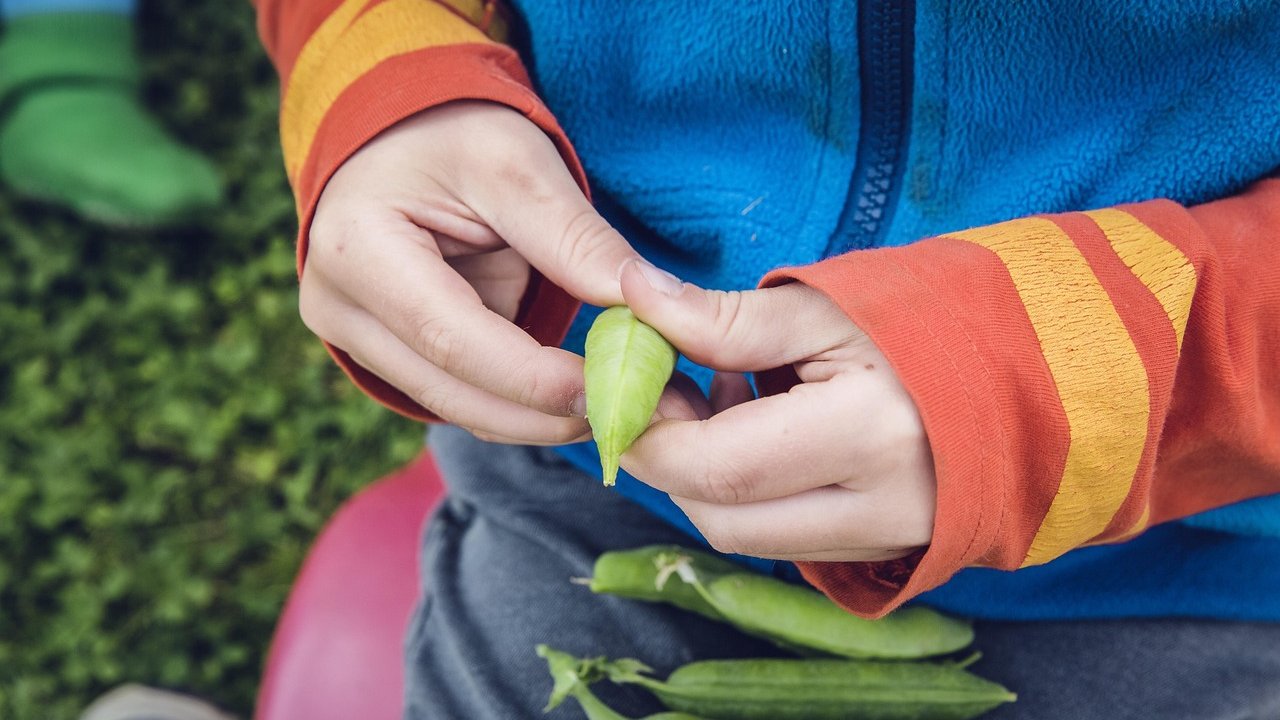
Opening Peas and Beans
In a recorded childhood memory, Margaret Carter recalled sitting on a porch and opening peas and beans while helping with canning. The work could turn a heap of garden produce into bowls ready for the next step. It was repetitive enough to invite conversation, daydreaming, or thoughts of escaping before the pile was finished.
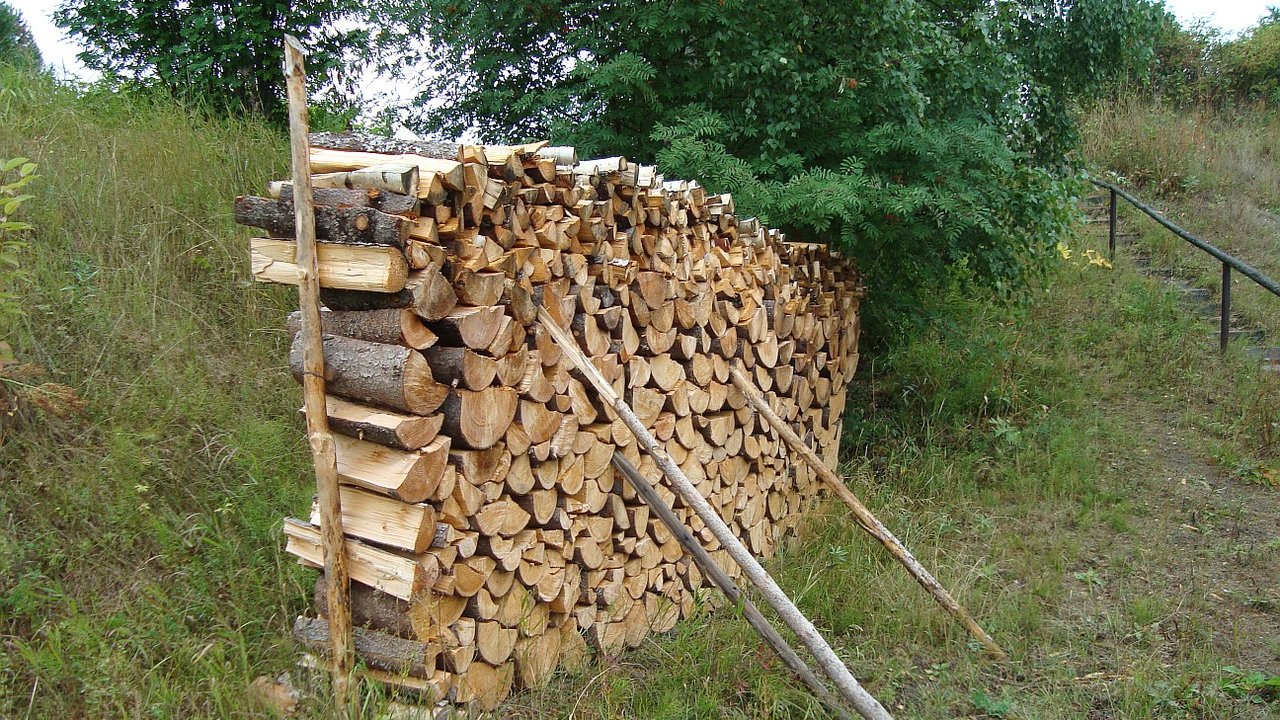

Stacking Firewood
Placer County Museums educational material lists stacking firewood among chores children were expected to help perform. A useful stack needed to stay orderly rather than collapsing into a scattered heap. Piece by piece, the child turned loose wood into a supply that was easier for the household to store, carry, and use.
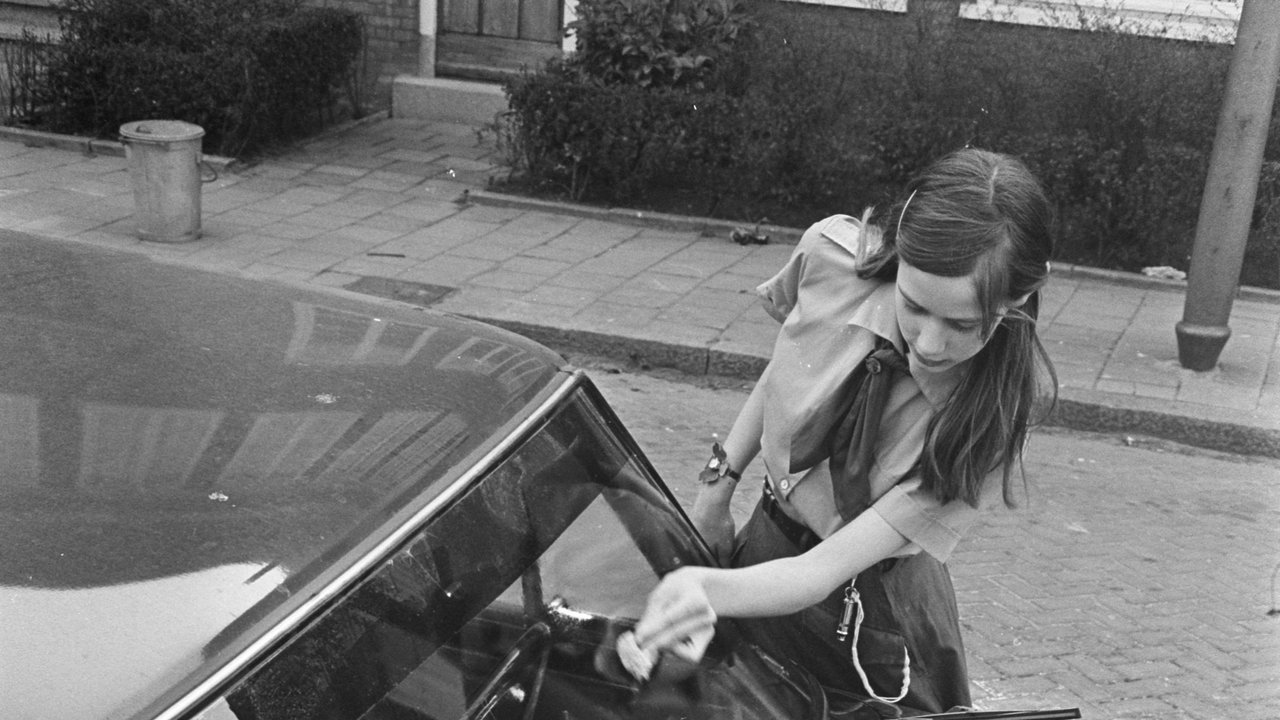

Washing the Family Car
A 1953 study found that 65 percent of mothers interviewed in the Detroit area thought only boys should be asked to wash the car or shovel snow. The finding reflects the period’s rigid expectations about gender and chores. Regardless of who received the assignment, washing a car meant cleaning a large, conspicuous family possession.
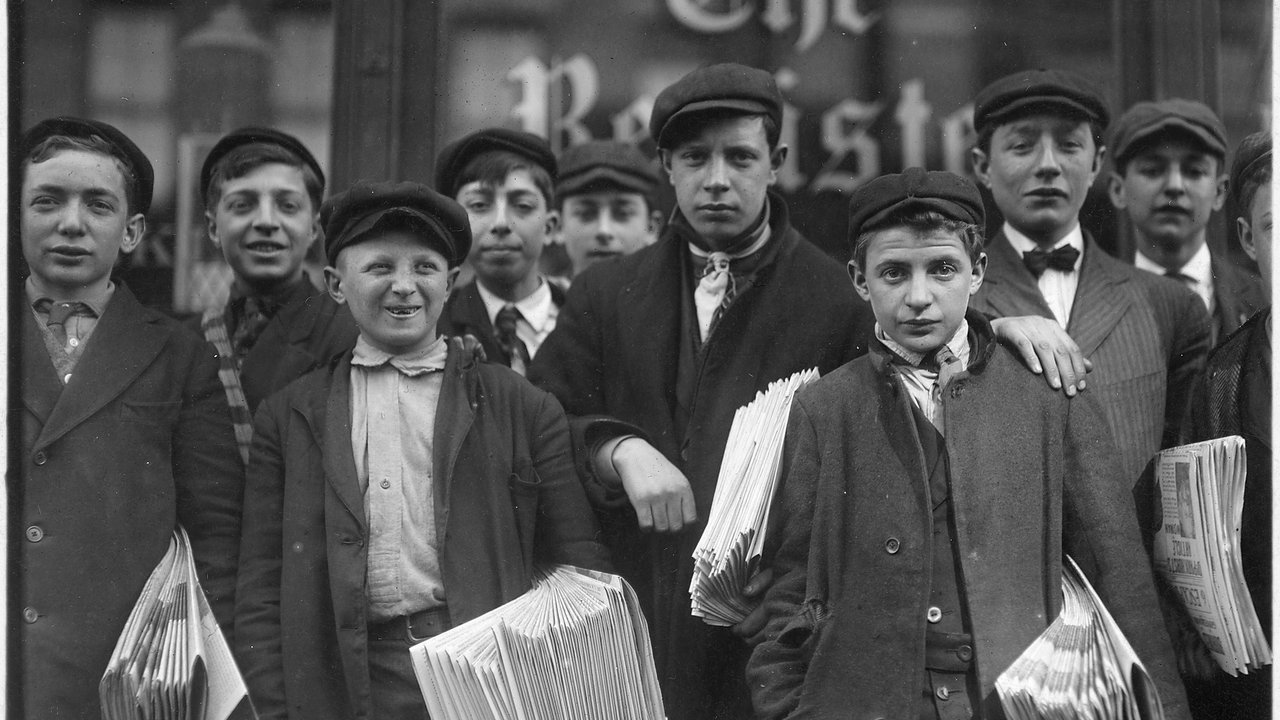

Taking on a Paper Route
A Federal Reserve oral history recalls that Bill Taylor had a paper route when he was about eight or nine years old. The account documents one child rather than an entire generation, but it shows how young some workers could be. A route placed a regular neighborhood obligation on a child’s schedule.
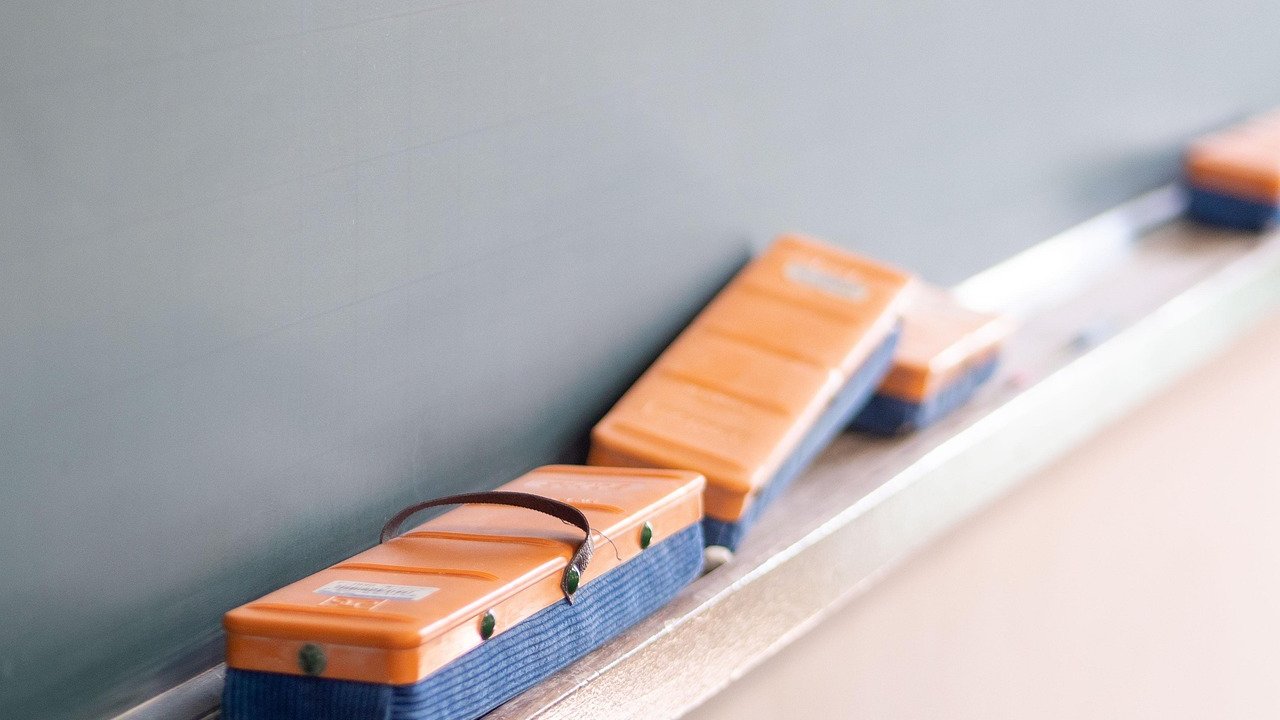
Dusting the Chalkboard Erasers
A Library of Congress account recalls pupils cleaning their schoolroom because the school did not hire a janitor. On one particular day, the speaker’s assignment was dusting the erasers. The memory shows that responsibility extended beyond home: children could also help maintain the shared classroom where they studied.
These documented chores show how children’s responsibilities changed with their homes, communities, and circumstances, yet each task made their contribution visible. Which of these chores do you remember doing?
Follow Lilyon on MSN for more stories like this.
Sources: