

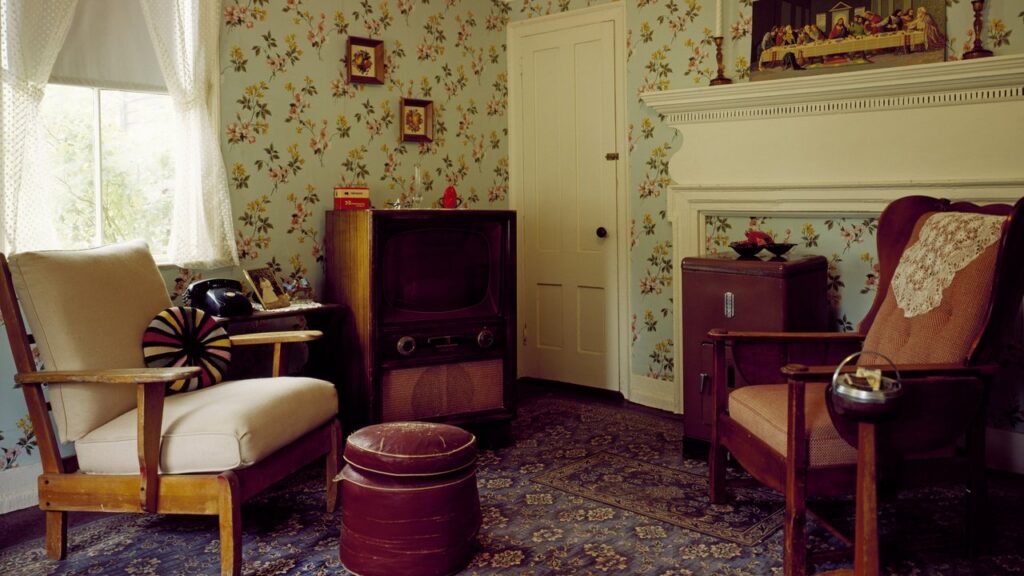
Living rooms remember how people lived. Their pianos, radios, televisions, sofas, colors, and carpets can instantly return us to a childhood home or a grandparent’s house.
Moving chronologically from the formal parlor to the home theater, this gallery draws its details and images from public archives, museum collections, preservation records, and period reporting.

The 1900s: A Formal Starting Point
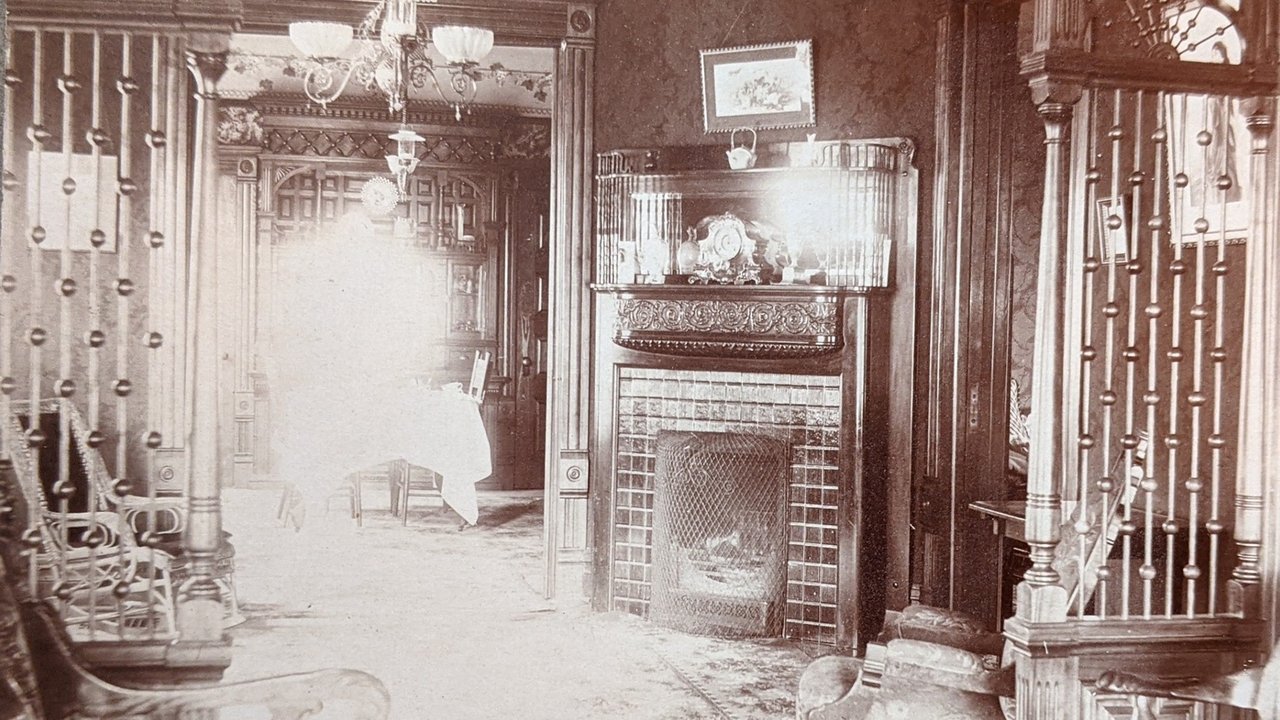
To understand the living room’s evolution, start with the older Victorian parlor. In a dual-parlor arrangement, one room held the household’s best furniture and objects. That formal model provides a useful contrast with the more flexible family spaces that emerged in the early twentieth century.

The 1900s: Music Around the Piano
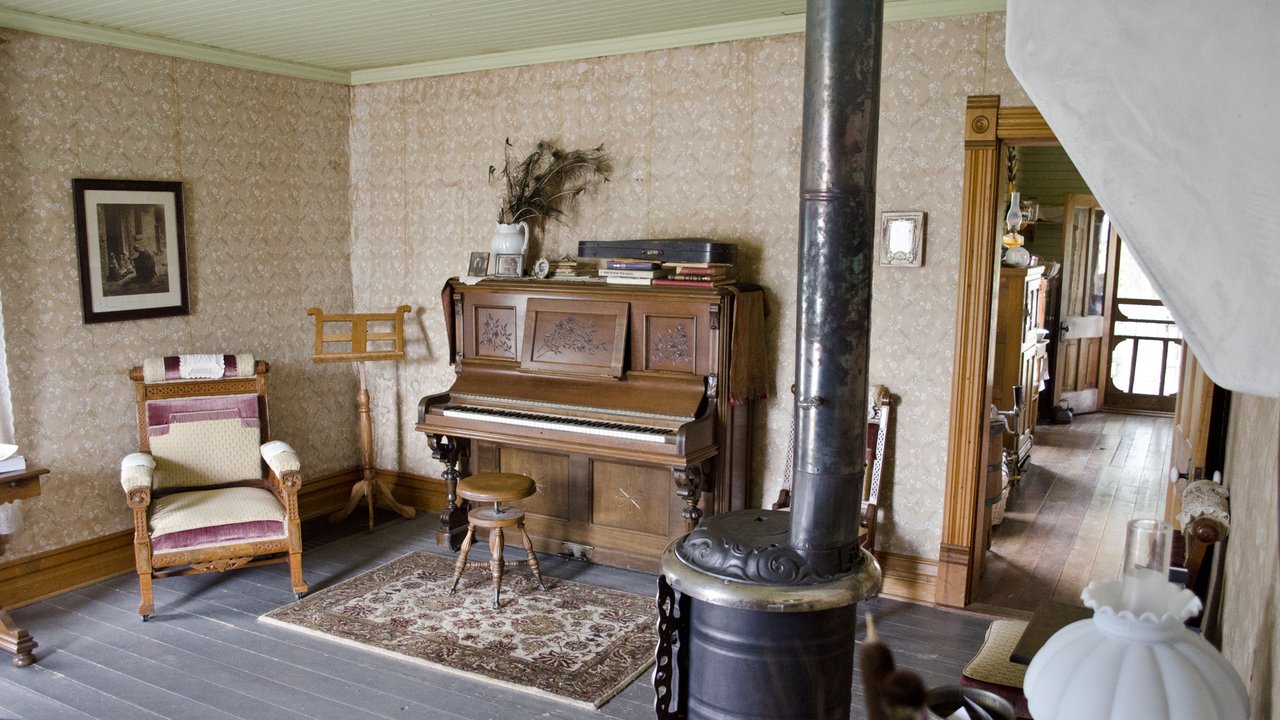
Between 1895 and 1920, family and friends commonly gathered around a parlor piano for an evening’s entertainment. The shared focus made the room feel social and participatory. In photographs, the piano’s scale and wooden case often give the scene an immediate sense of occasion.

The 1910s: One Room, More Uses
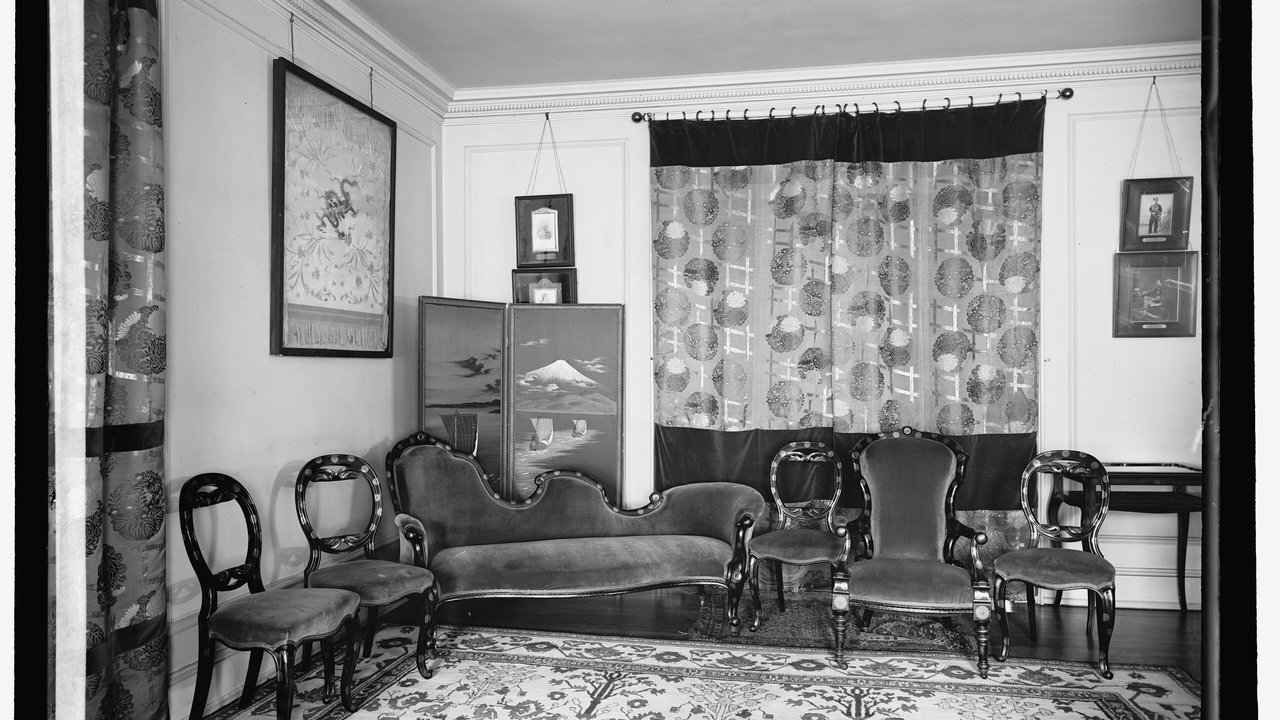
By the early twentieth century, the typical middle-class home generally had one parlor serving formal and informal purposes. That shift points toward the modern living room: a flexible shared space that could accommodate ordinary household life as well as formal entertaining.
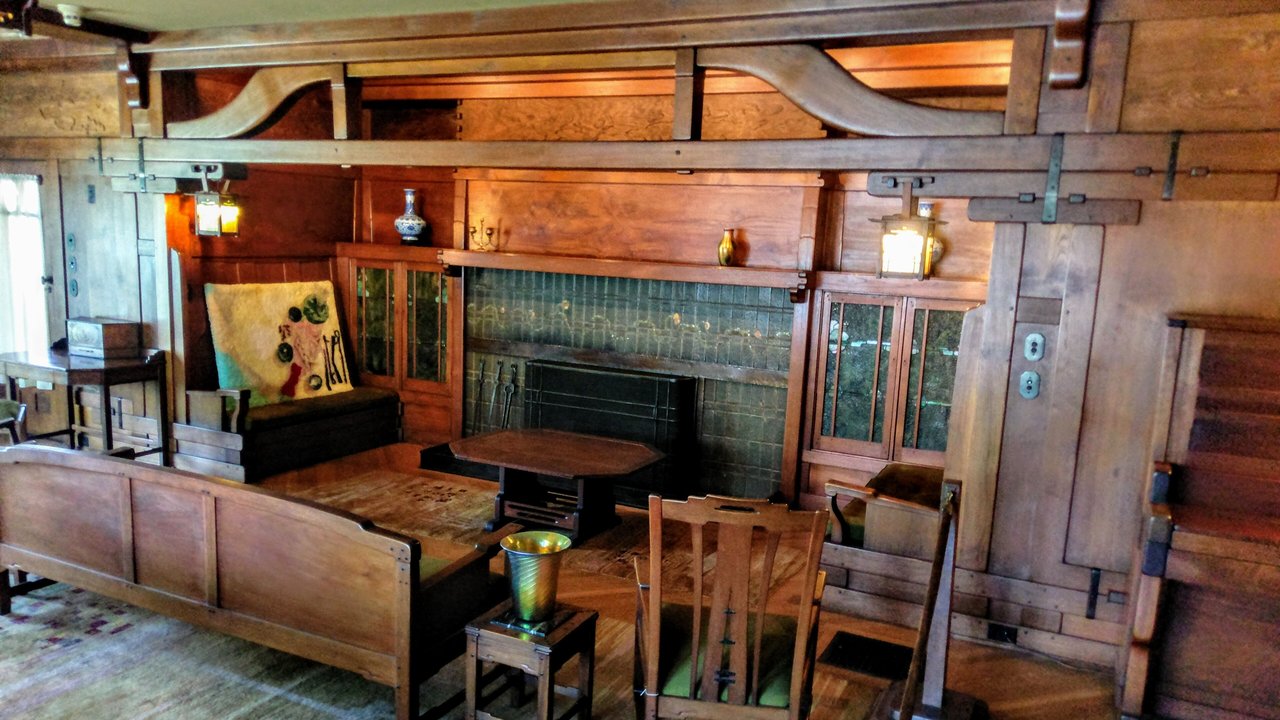

The 1910s: The Bungalow Hearth
Arts and Crafts living rooms were typically oriented toward fireplaces built of brick, tile, or boulders. In a bungalow, that strong central feature gave the room a grounded visual anchor. The hearth organized the composition and drew attention before any individual chair, table, or decorative object.
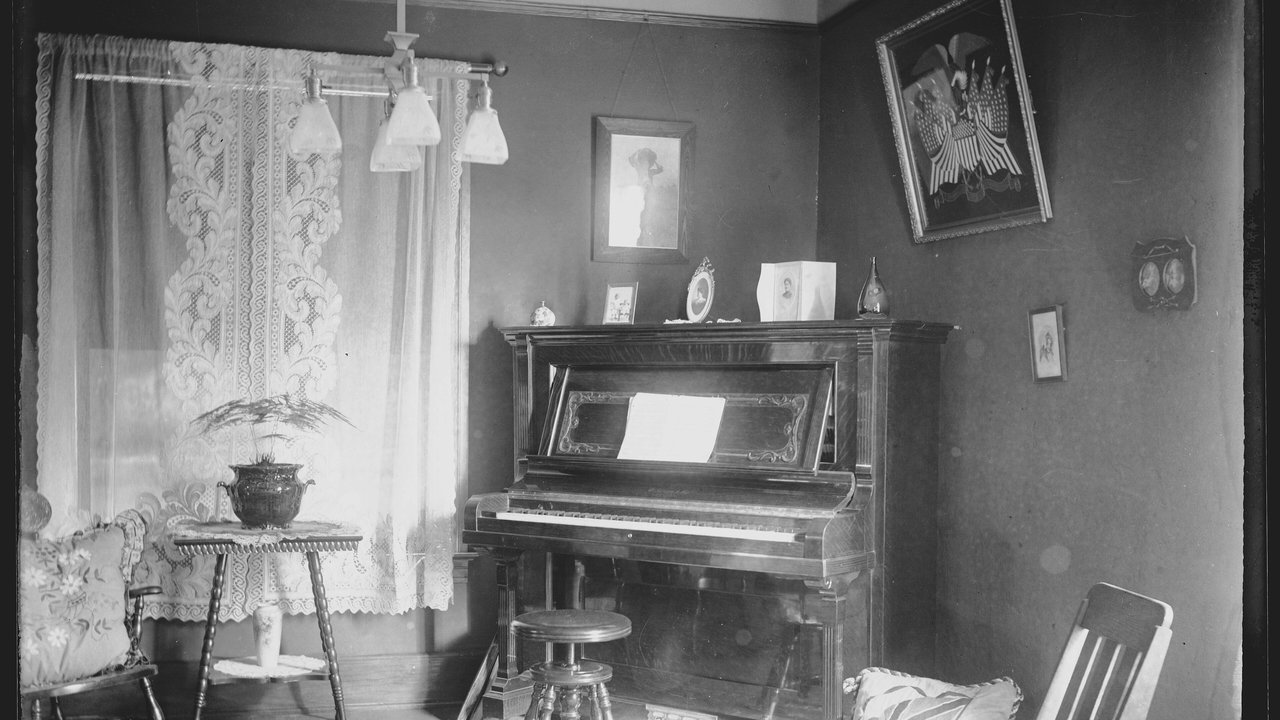

The 1910s: Early Electric Light
Early household electrification could be surprisingly spare: a typical room, especially in a rental property, might have only one lamp socket. That limitation makes period interiors easier to read. A single light source had to carry much of the practical burden, while the room’s furnishings supplied warmth and character.
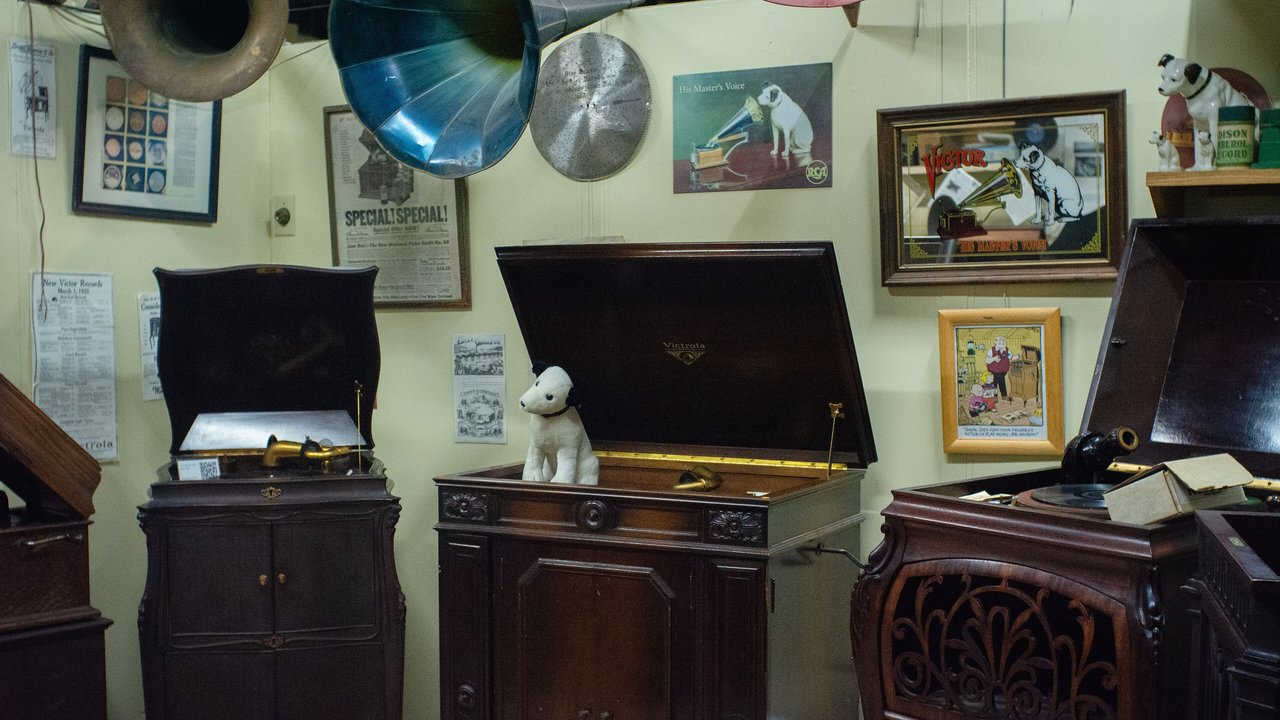

The 1920s: The Phonograph Becomes Furniture
The Victor Alhambra cabinet phonograph was made in the 1920s by the Victor Talking Machine Company. Its furniture-like case shows how new technology could enter a traditional room without looking entirely out of place. The machine became a visual focal point even when it sat among other wooden furnishings.
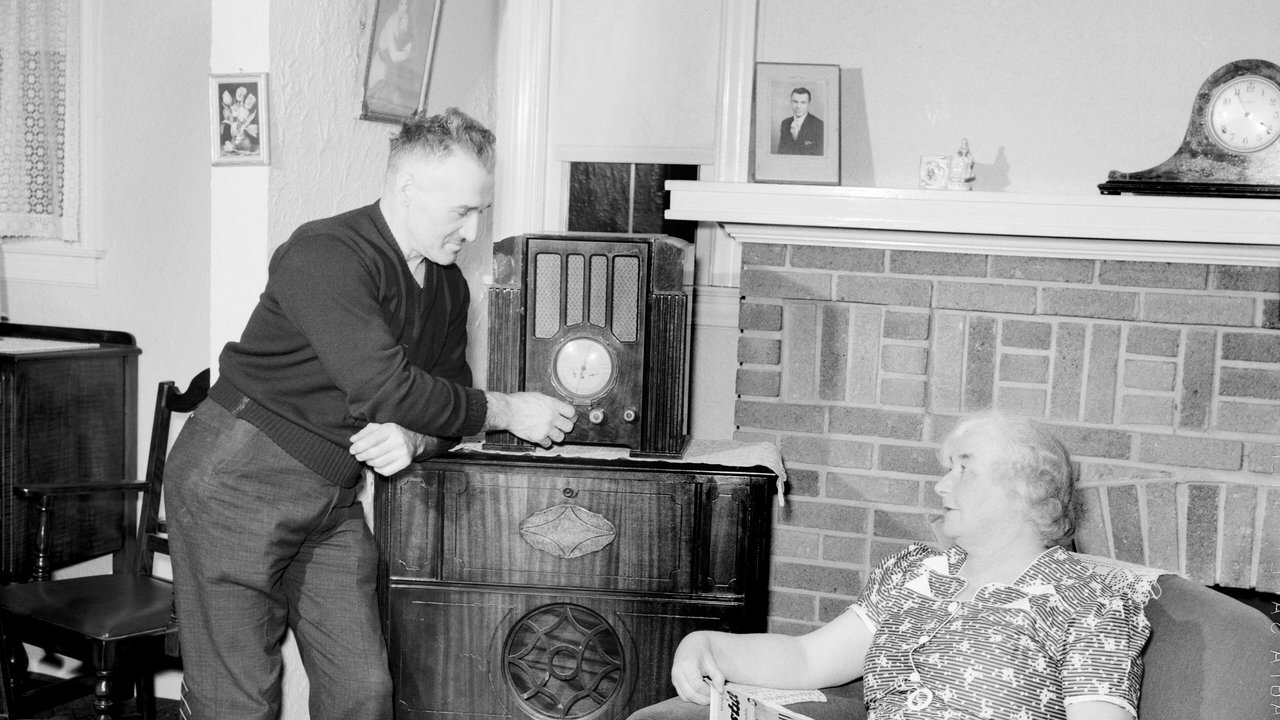

The 1930s: Radio Takes Center Stage
By the early 1930s, radio was the foremost medium of mass communication. In a living-room photograph, the receiver can therefore read as more than another piece of furniture: it marks a major change in home life. The people remain the emotional center, but the radio gives the scene its period identity.
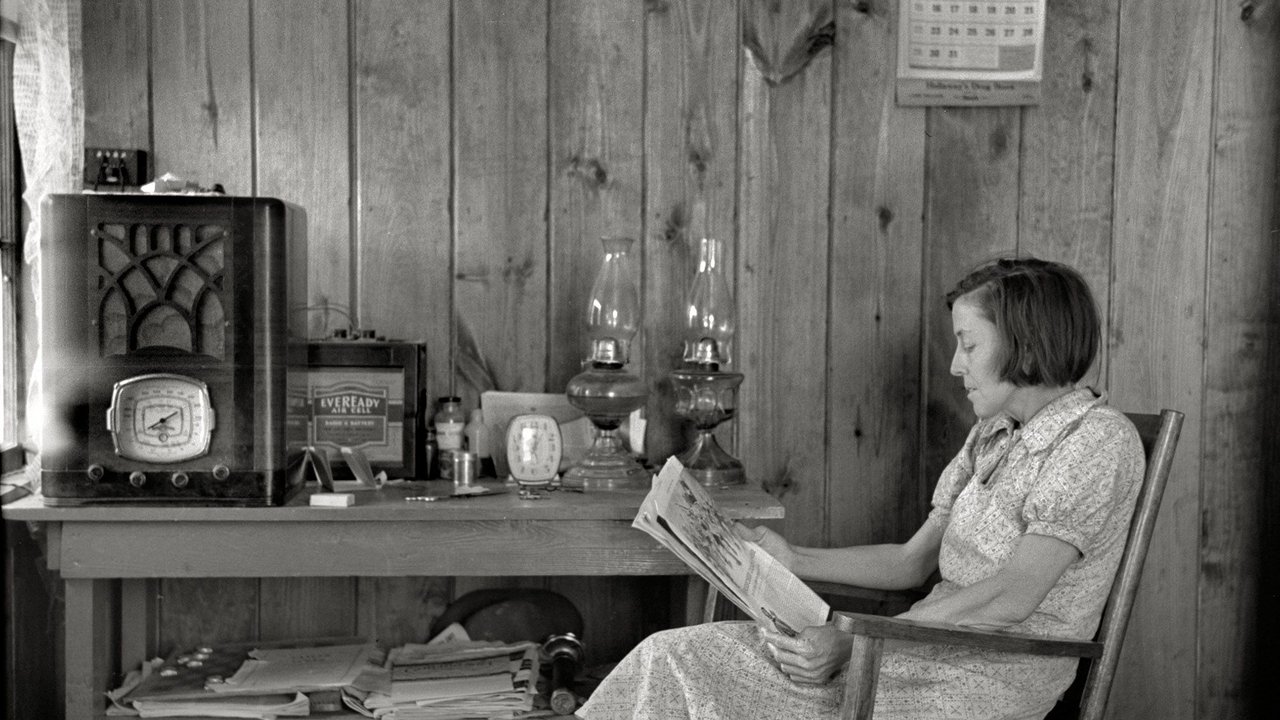

The 1930s: Everyday Rooms Enter the Record
The federal FSA/OWI collection includes views of family life and living quarters. These photographs broaden the story beyond carefully styled interiors and preserve a varied record of American domestic life. They remind us that design history should include ordinary rooms, not only polished examples.
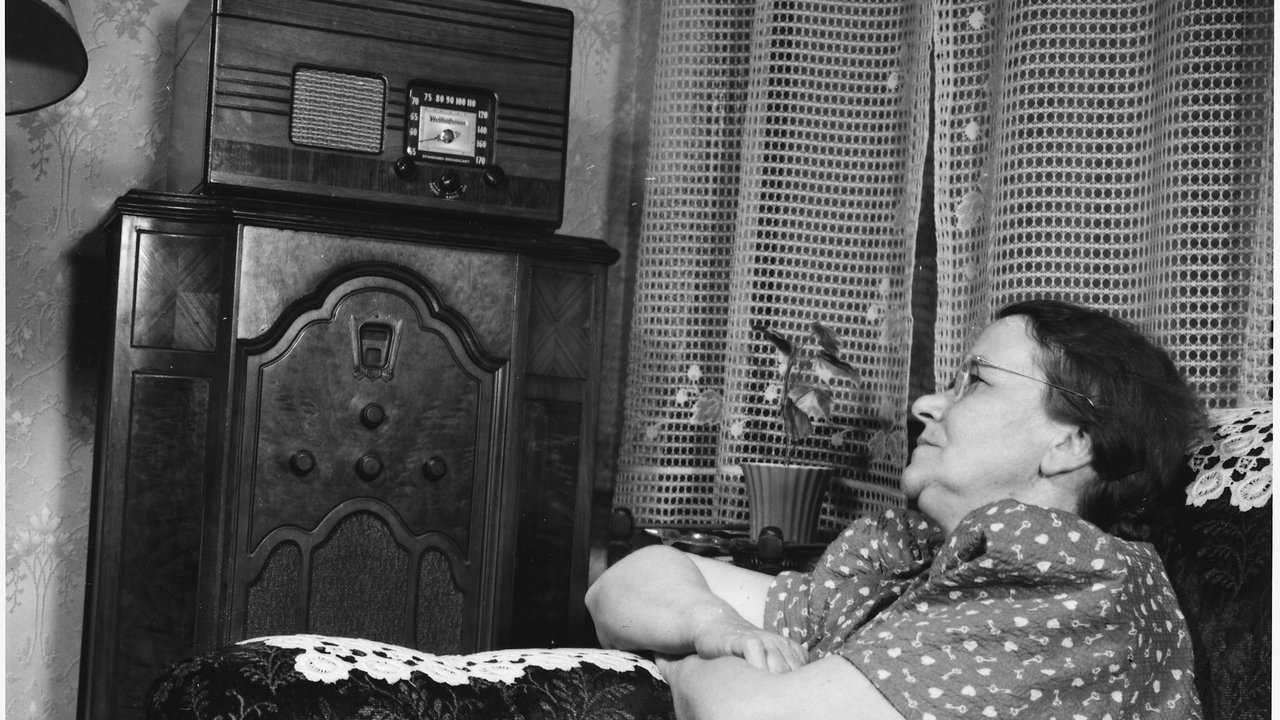

The 1940s: A Family Listens Together
A National Archives photograph from about 1942 shows a mother and grandmother listening to news broadcasts and Bing Crosby on the family radio. The scene is modest but revealing: two people share one room and one source of sound, with the radio at the centre of the evening.
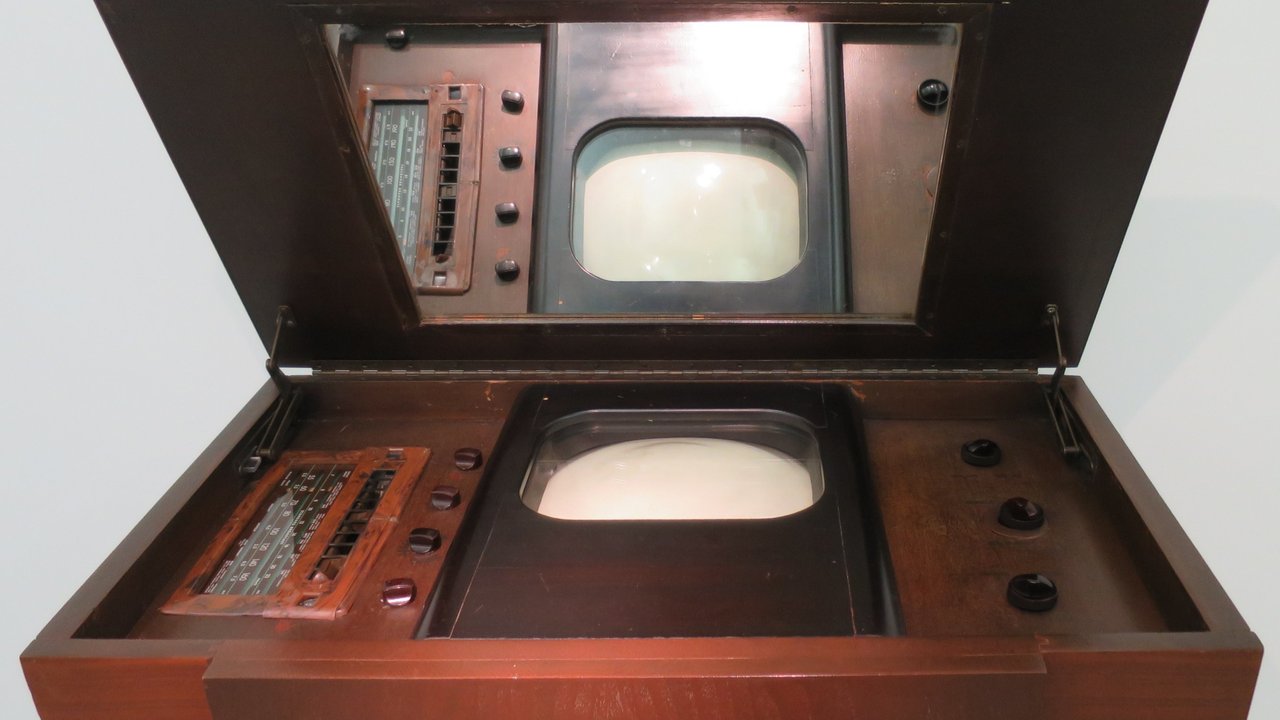

The 1940s: A Media Room Before Its Time
At the 1940 World’s Fair, designer John Vassos imagined a living room as a cozy media center. His display placed a phonograph and television within modular cabinetry, treating technology as part of the room’s overall design. The concept feels familiar because living rooms still balance shared comfort with visible electronic equipment.
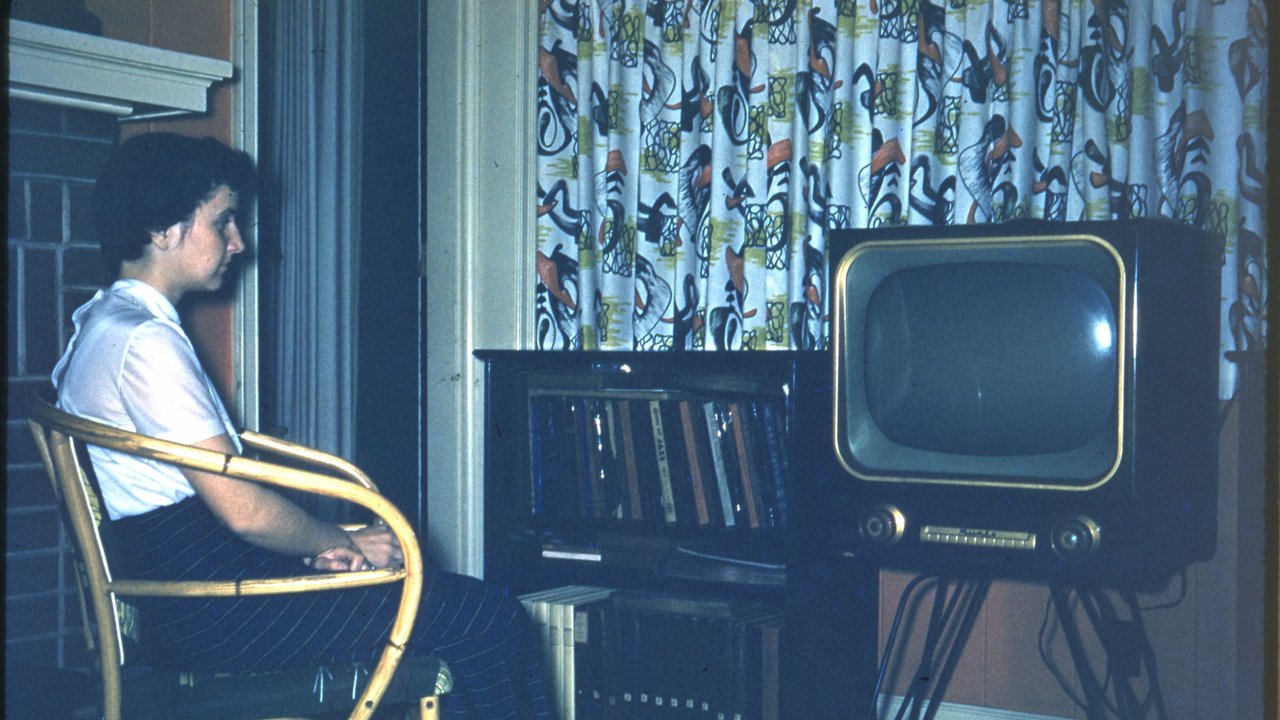

The 1950s: Television Becomes the Centerpiece
In the 1950s, American consumers made television the centerpiece of the home. The shift is immediately visible in period living rooms, where the set holds the viewer’s eye even when it occupies little space. Its importance came from attention rather than size, changing how the room was understood and pictured.
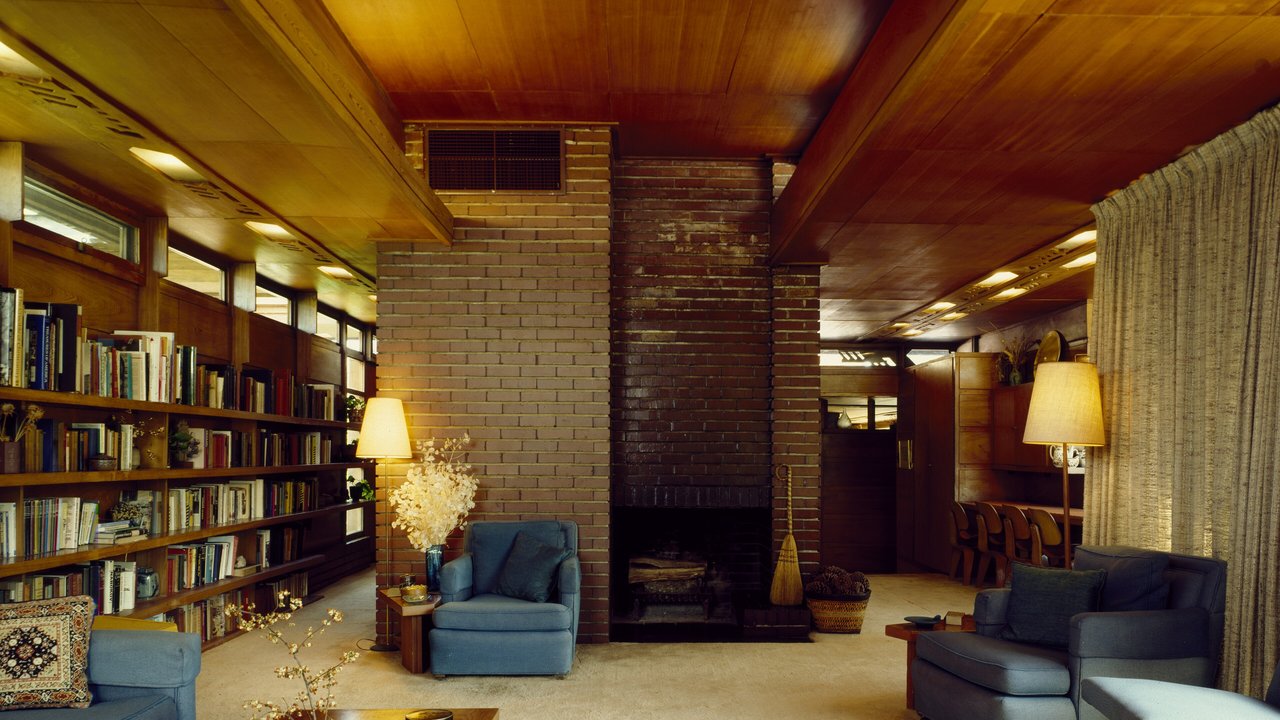
The 1950s: Ranch Rooms Open Up
The typical 1950s ranch interior used an open floor plan, and large picture windows were popular because they let sunlight into living spaces. Together, those features made the room feel connected to adjoining areas and the outdoors. The effect was informal, bright, and especially suited to the ranch house’s horizontal proportions.
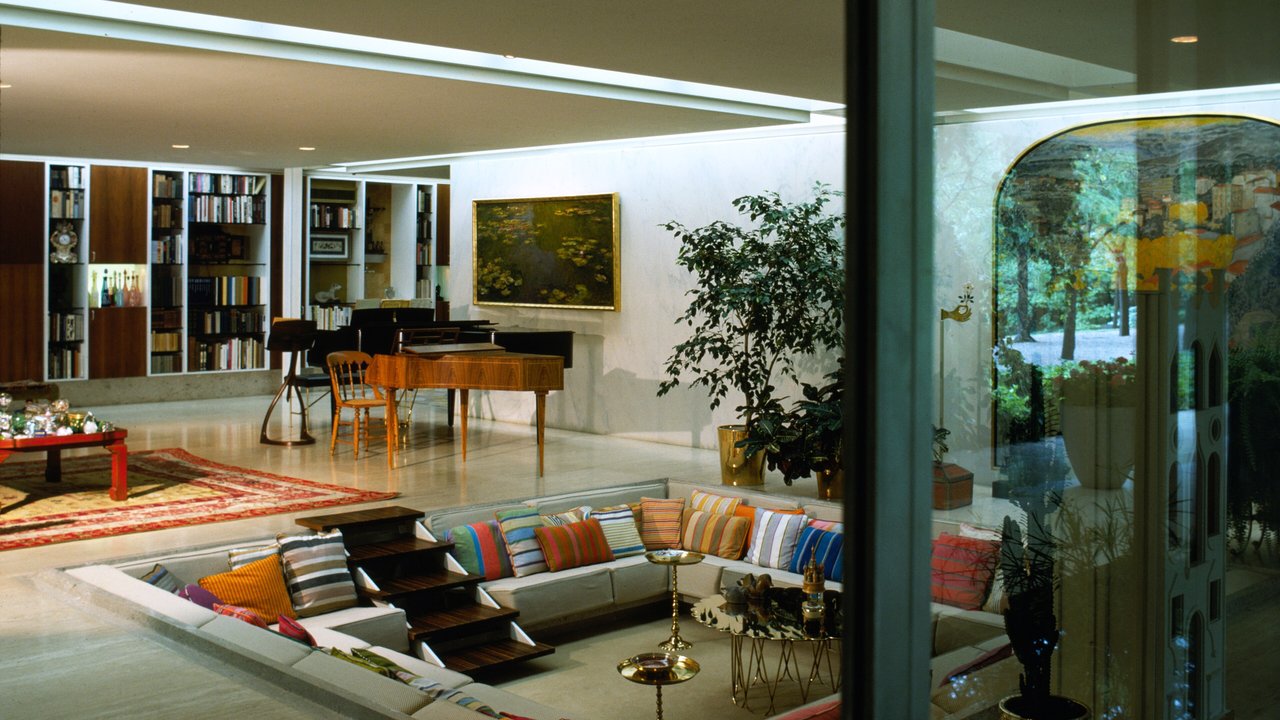

The 1950s: A Room Below Floor Level
At the Miller House, the conversation pit provides seating without loose furniture and creates intimacy and enclosure without walls. Its sunken form defines a gathering place while preserving the larger room’s openness. This is one specific 1950s interior, not proof that every mid-century home adopted the idea.
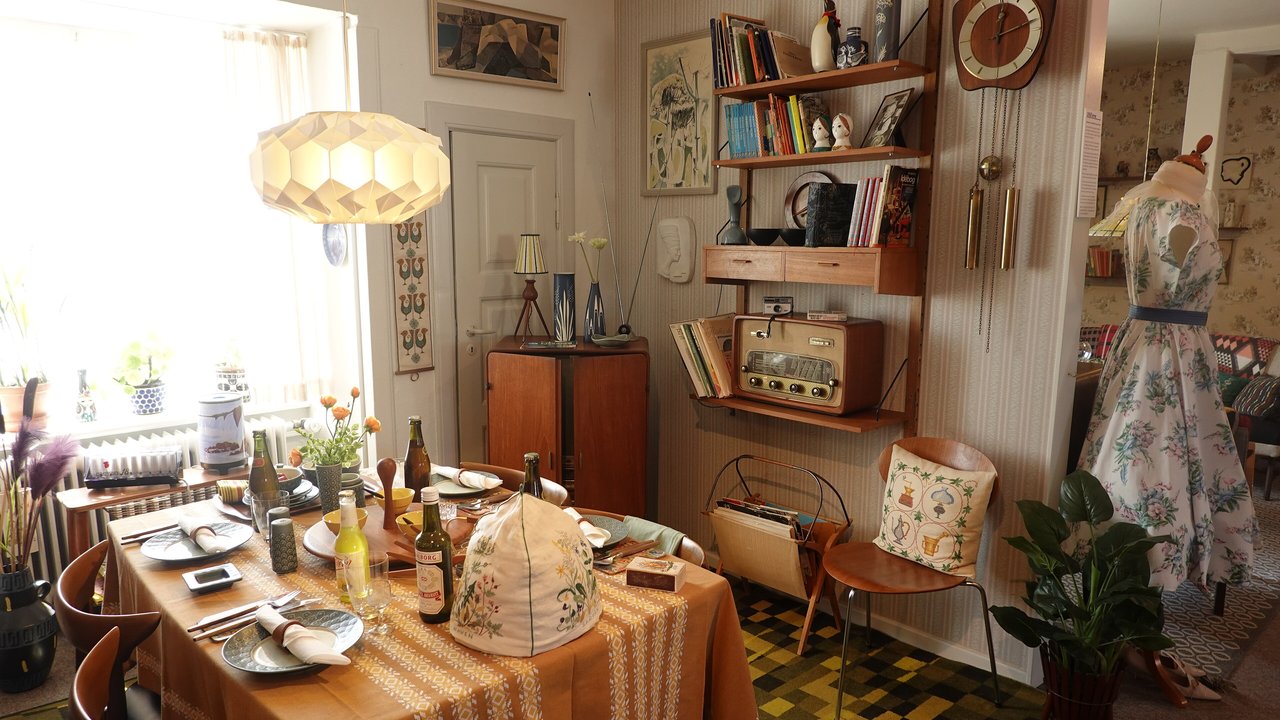

The 1960s: Danish Modern Materials
Mid-century modern Danish furniture is documented across the 1945–1975 period, spanning materials from warm wood to cool steel. In a 1960s living room, that range could create either a welcoming or a crisp mood. The furniture’s material, proportion, and silhouette provide the strongest visual clues.
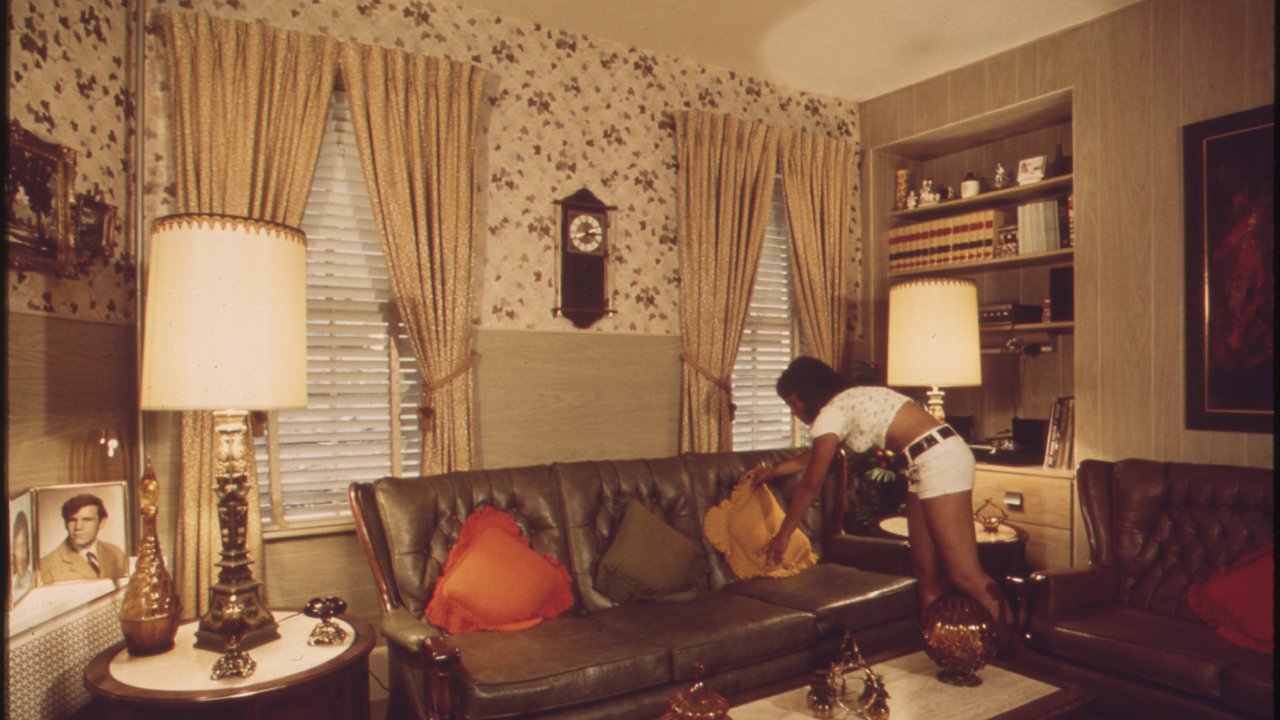

The 1970s: Avocado and Harvest Yellow
Smithsonian records identify sliced avocado, bittersweet, and harvest yellow as the top-selling laminate colors of the 1970s. Those three shades capture the decade’s appetite for warm, earthy color without extending the claim to every fabric or furnishing. In a living-room image, they work best as period clues rather than a complete design rule.

The 1970s: Shag Underfoot
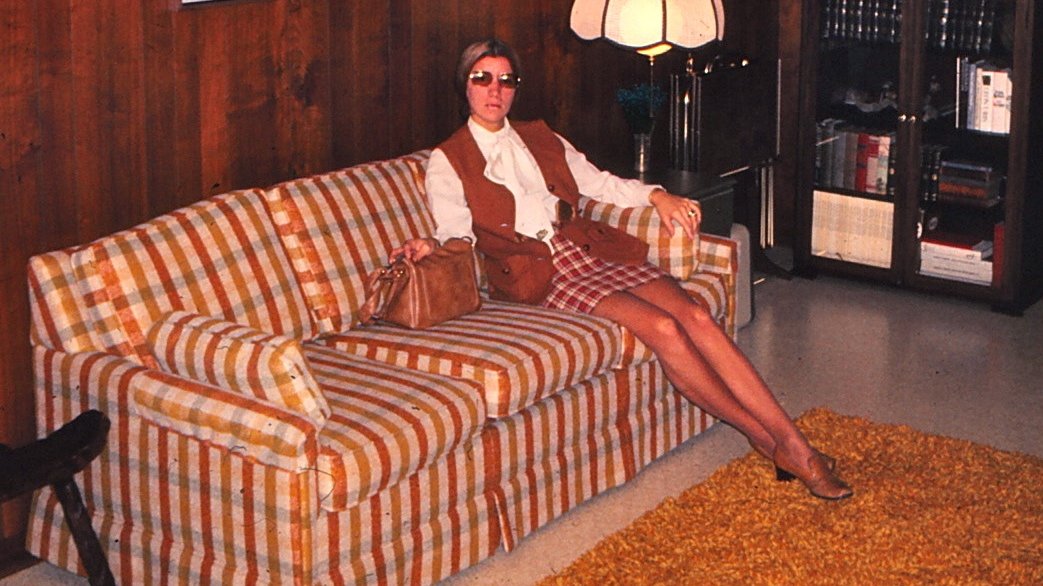
This New Orleans living room, photographed in November 1972, uses an orange-gold shag carpet as its dominant texture. The long pile changes how the floor catches light and makes the furniture appear more grounded. Rather than treating one photograph as evidence for every 1970s home, it is better read as one vivid decorating choice.
The 1980s: Country Style Feels Familiar
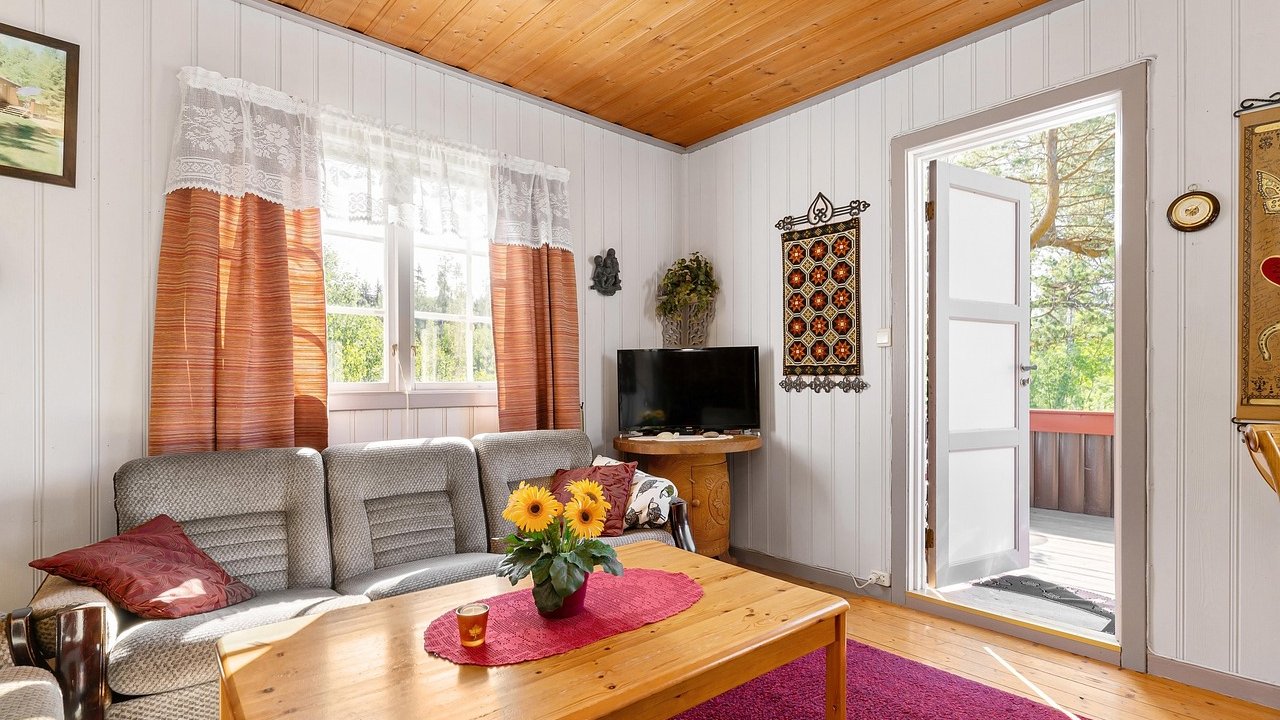
A 1980 Washington Post article described country style as a reaction to the industrial look. Its version of the style favored a familiar, handmade atmosphere. In a living room, wood furniture, baskets, pottery, quilts, and soft patterns can build that feeling, though no single checklist defines the look.

The 1980s: The Entertainment Center Arrives
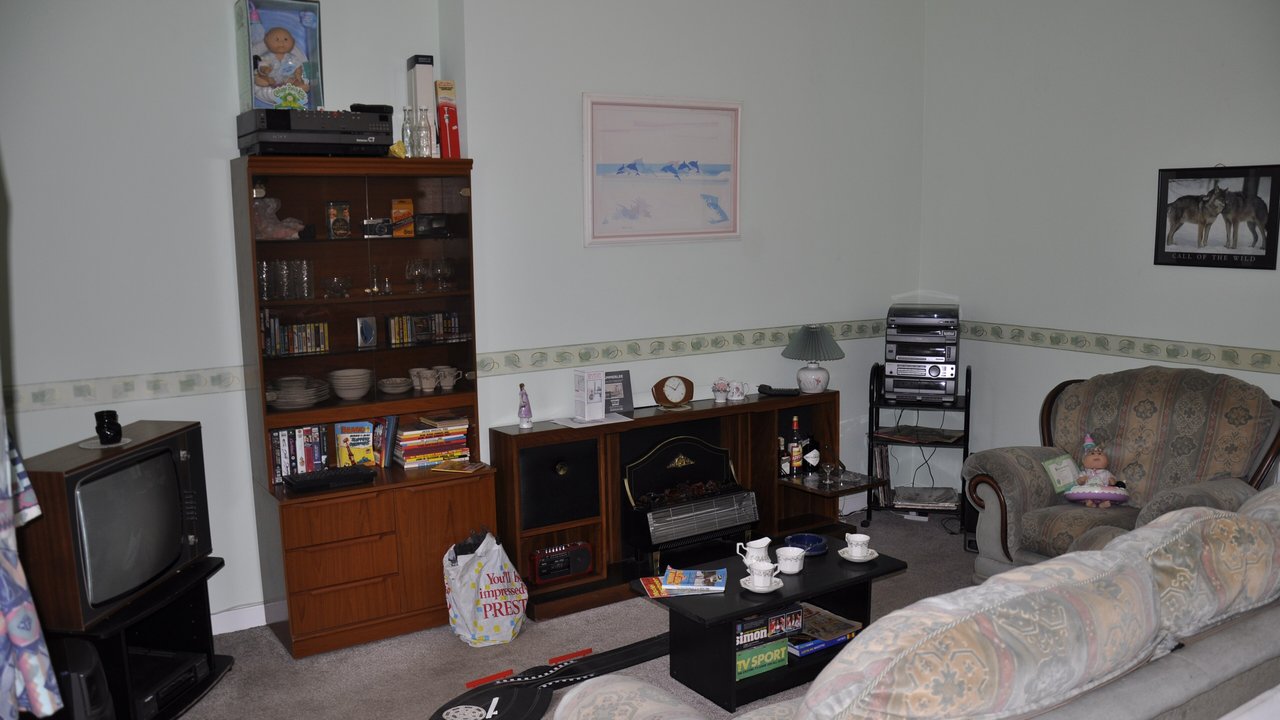
A 1985 Christian Science Monitor report said home entertainment centers dominated trends at the Southern Furniture Market. These large units gathered televisions, videocassette recorders, and other audio and video equipment into one structure. Their practical appeal was clear: shelves and doors gave several devices a single visual home.
The 1990s: Recliners Meet the Sectional
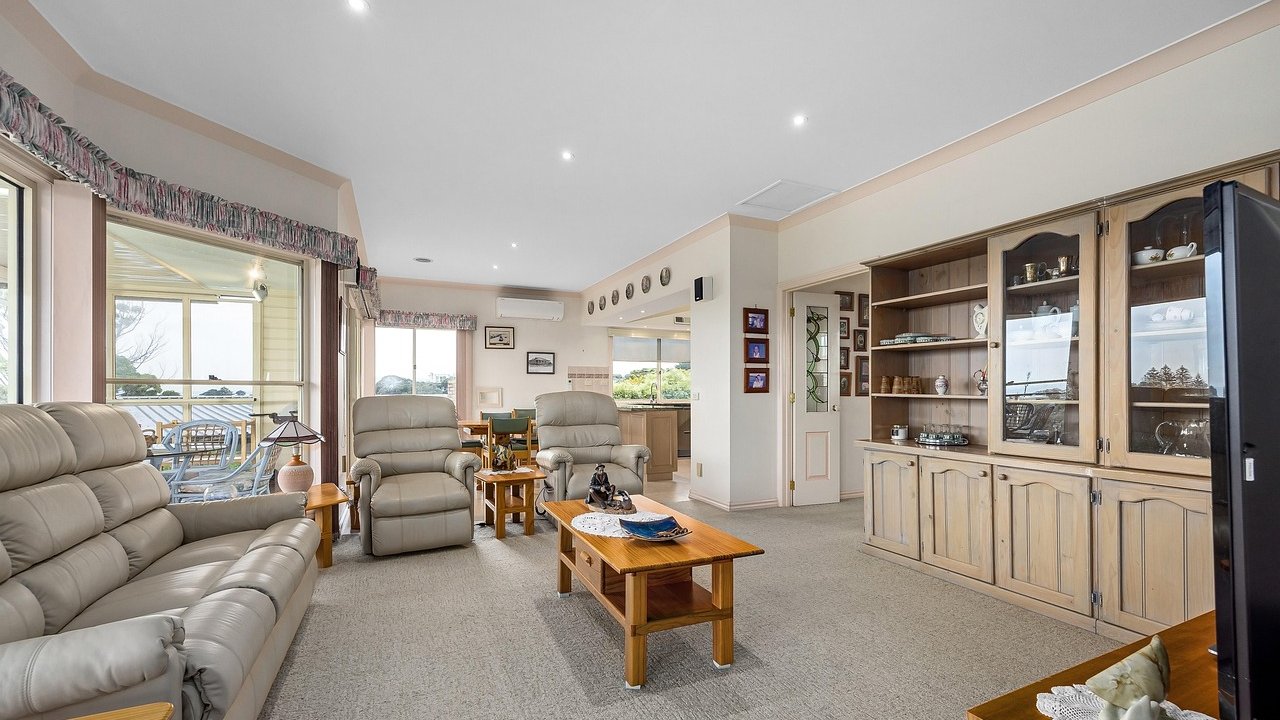
A sectional-sofa patent discussed in a 1998 federal court decision described two independent reclining seats facing the same direction. The design combined shared seating with individual adjustment in one unit. It is a specific example from the period, not evidence that every household or manufacturer followed the same pattern.
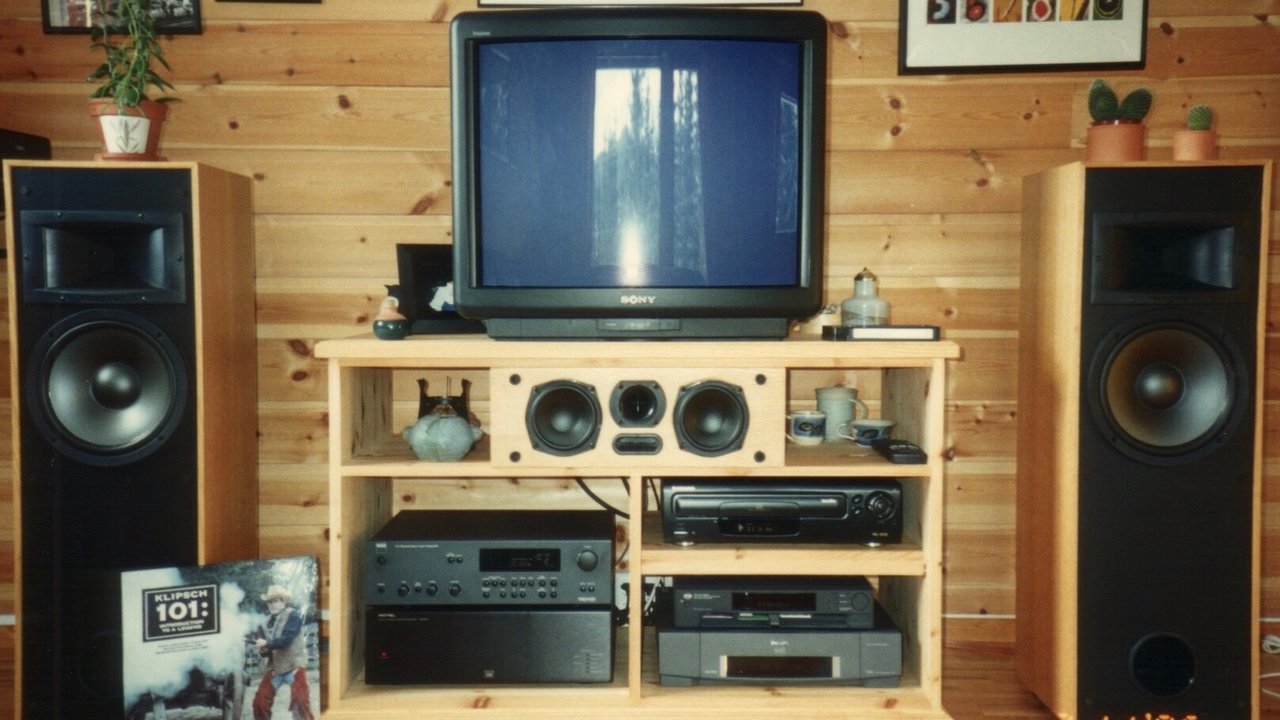

The 1990s: Home Theater Comes Home
In 1992, The Christian Science Monitor reported that videocassettes and a growing menu of television choices, including cable, HBO, and Cinemax, were fueling interest in home theaters. The equipment has changed since then, but the central wish is recognizable: bringing a more absorbing viewing experience into the comfort of home.
The living room kept changing, but its role as a place where people gathered proved remarkably durable. Which decade’s living room feels most like home to you?
Follow Lilyon on MSN for more stories like this.
Sources: