

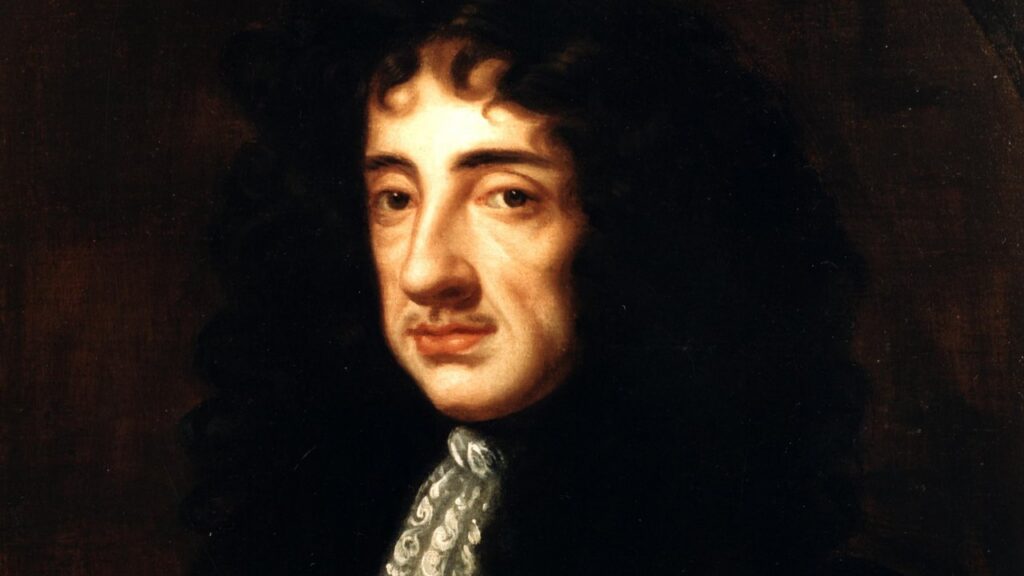

Private relationships at the top of British public life often became tangled with status, succession, and government. Some were openly acknowledged, while others survived mainly in personal letters and carefully preserved papers.
This gallery moves chronologically from the Restoration court to the mid-20th century. Each slide pairs a documented episode with a suggested portrait, photograph, place, or historical object.
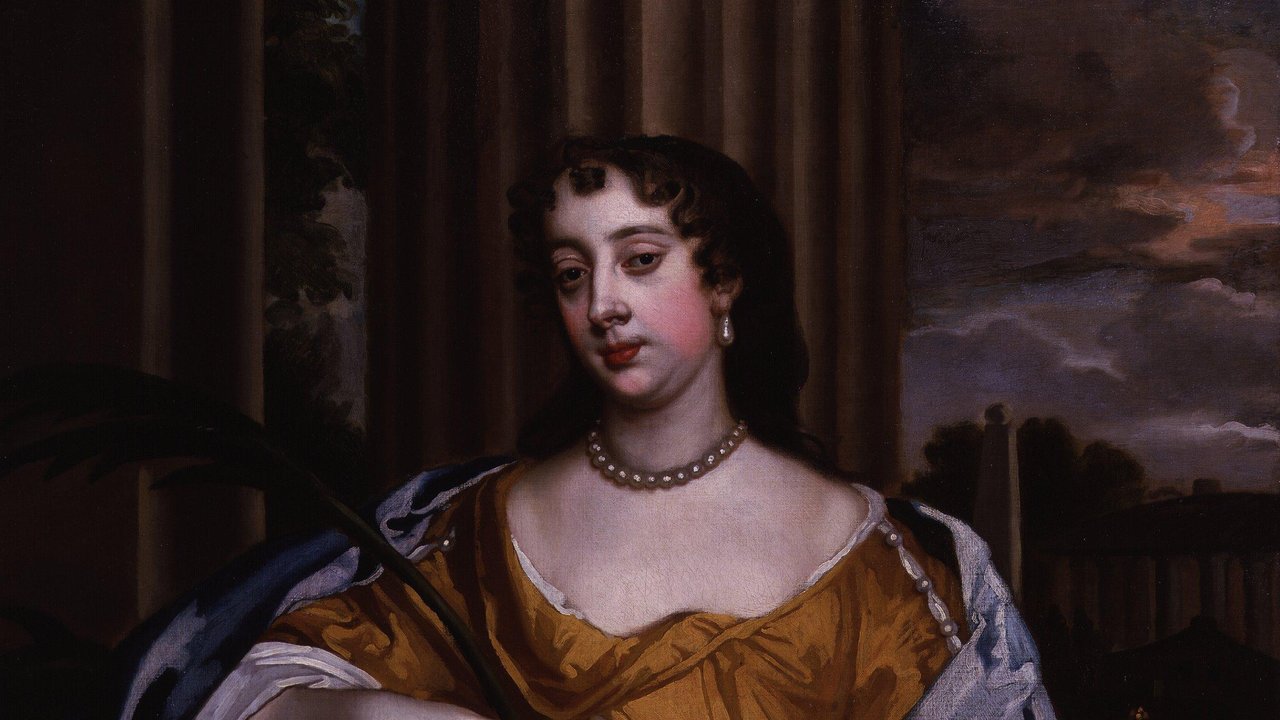

By 1660: Barbara Villiers and Charles II
Royal Collection records say Barbara Villiers met Charles II during his exile and had become his mistress by May 1660. This documentary evidence places their relationship firmly within the period when Charles returned to England and the monarchy was restored.
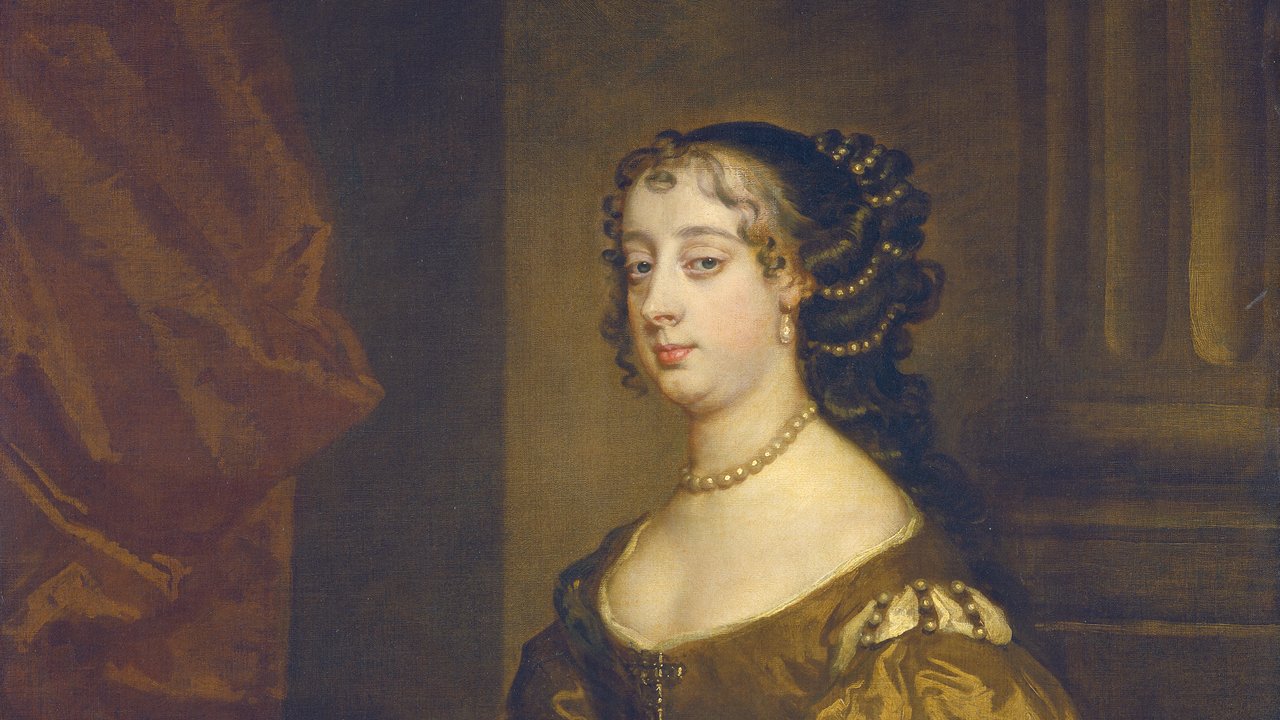

1660–1670: A Decade at the Center of Court
The Royal Collection identifies Barbara as Charles II’s principal mistress between 1660 and 1670. The length of that relationship, combined with the titles later granted to their children, made it a visible part of Restoration court life rather than a story known only through later gossip.
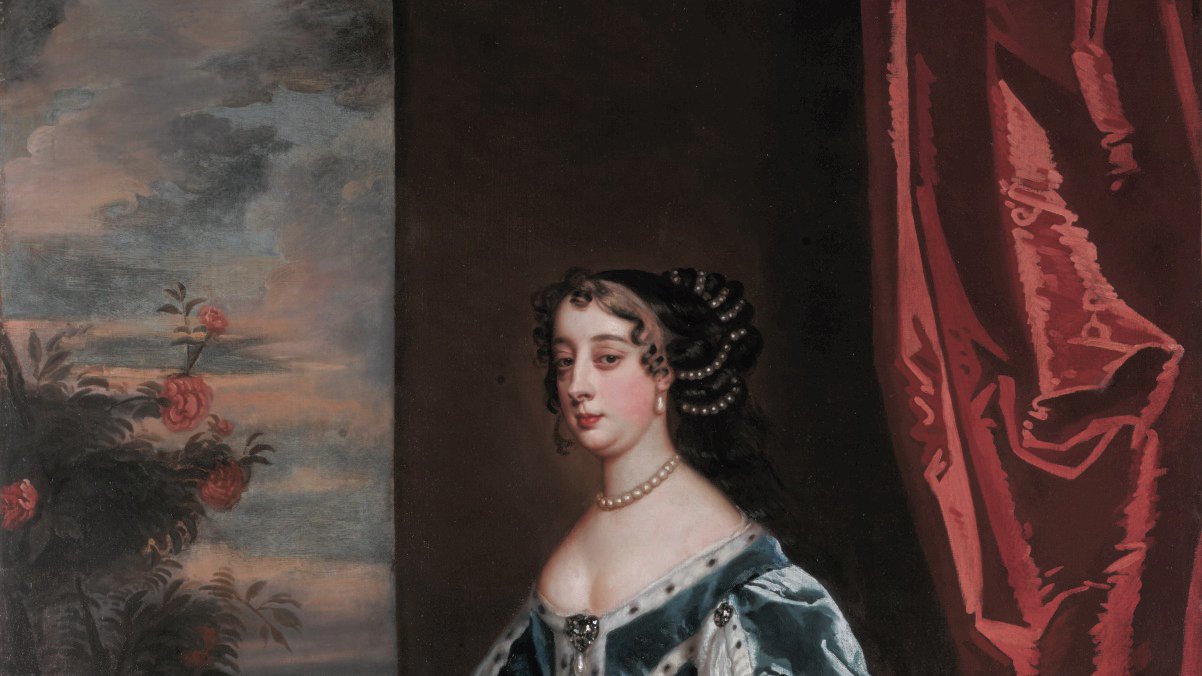

Barbara and the Children Charles Acknowledged
Barbara had at least five children with Charles II. Historic Royal Palaces says five of their children were acknowledged and subsequently ennobled. Those formal titles provide clear evidence of the family connection and show how Charles publicly recognized children born outside his marriage.
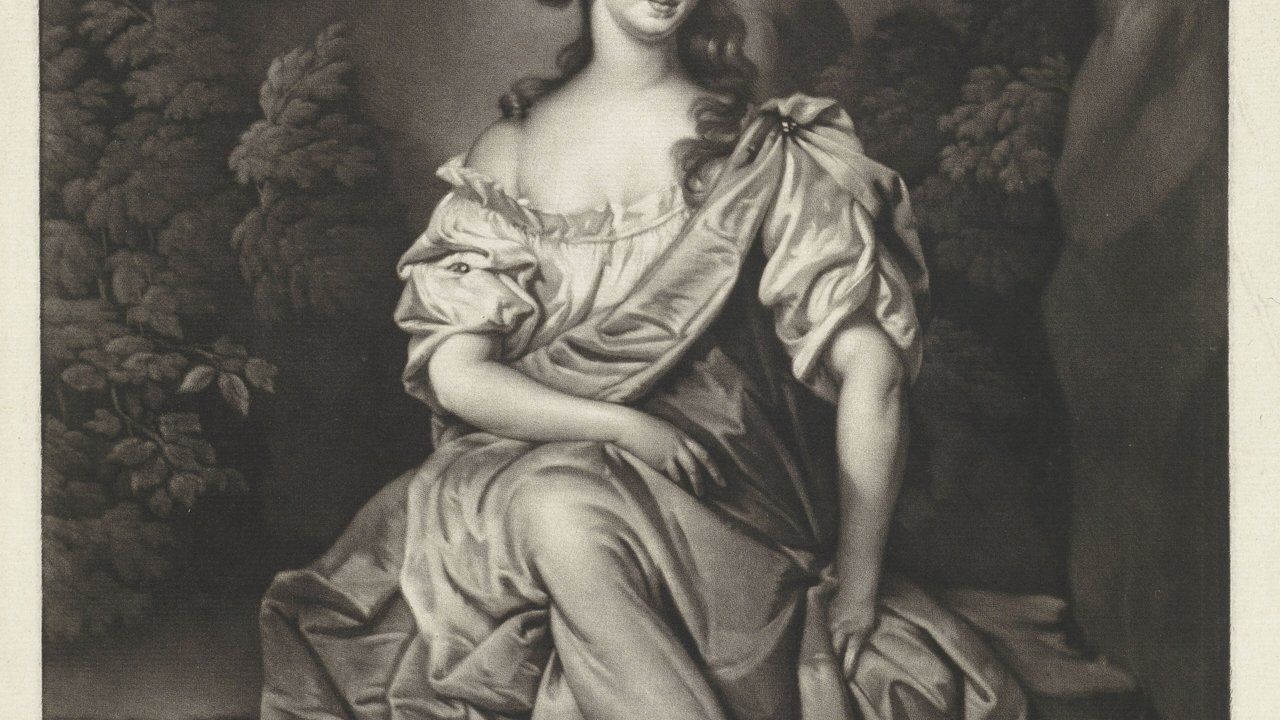

Nell Gwyn’s Journey From the Stage to Court
Nell Gwyn was more than a colorful figure in later folklore. The National Portrait Gallery identifies her as one of the leading comic actresses of her day and a mistress of Charles II. Her documented theatrical success gave her a public identity separate from her royal relationship.
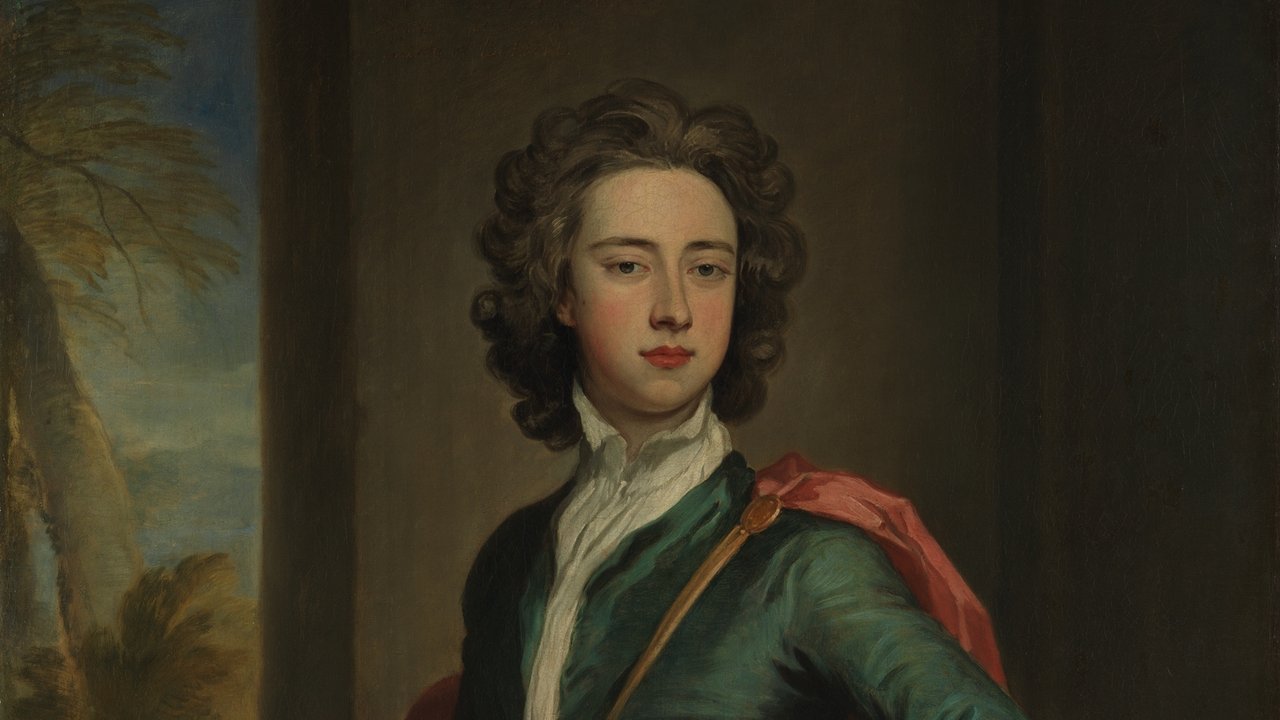

Nell Gwyn and Her Two Sons
Royal Collection material records that Nell had two sons by Charles II. The elder, Charles Beauclerk, was eventually created Duke of St Albans. That documented family connection is more dependable than the witty sayings and sentimental stories that later generations attached to Nell’s name.
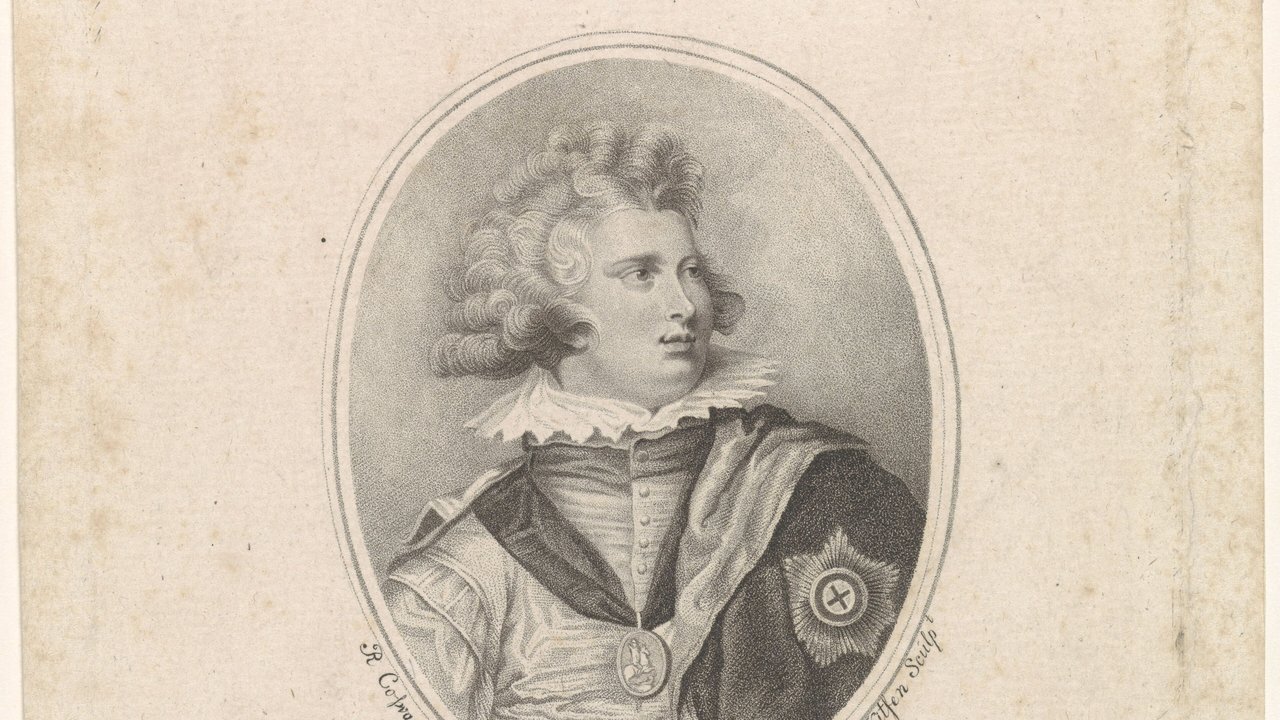

1785: George and Maria’s Secret Ceremony
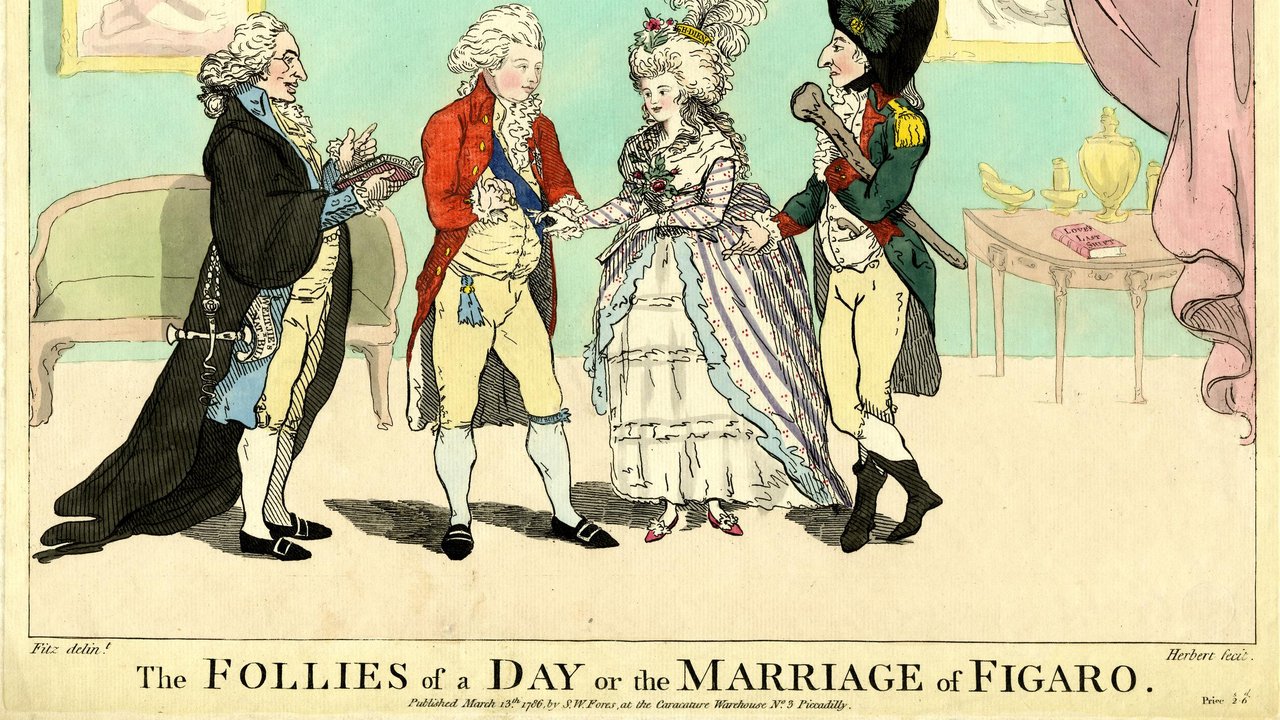
On December 15, 1785, the Prince of Wales and Maria Fitzherbert took part in a secret marriage ceremony. The Royal Archives preserve an account of the event and related papers, placing this unusual royal relationship on documentary rather than anecdotal ground.
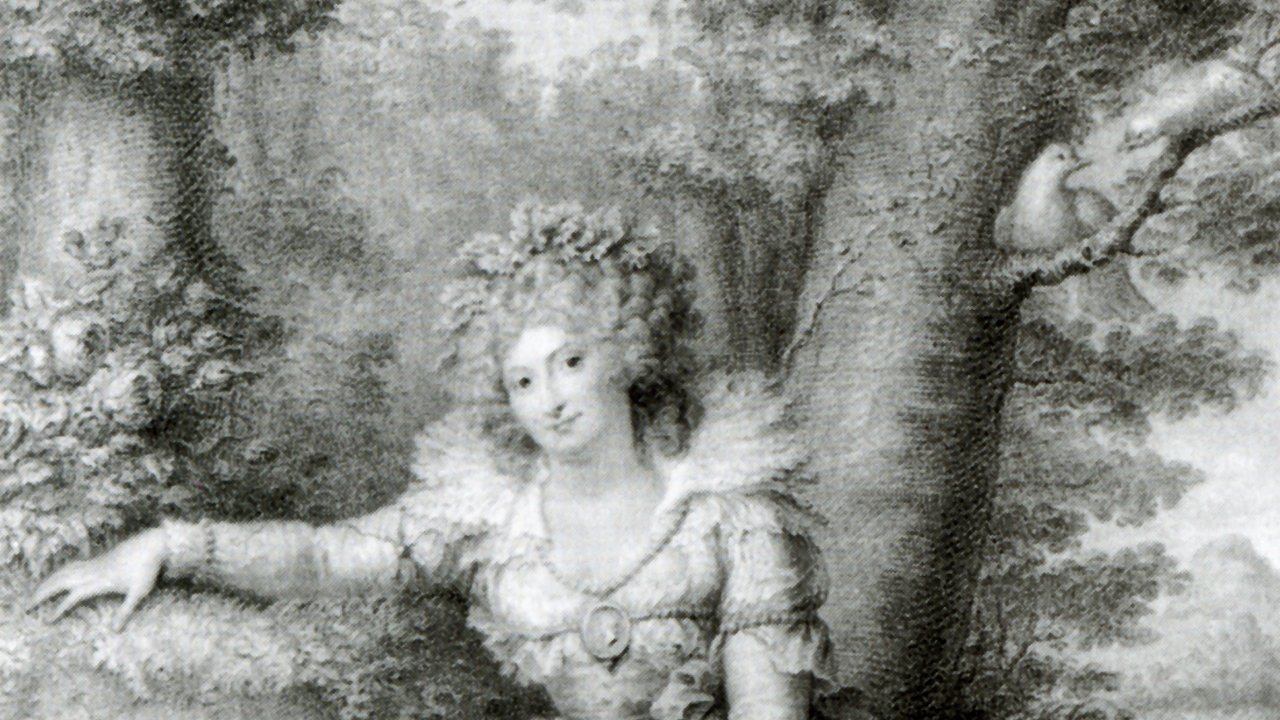

Why the Marriage Was Invalid in English Law
The Royal Archives catalogue states that the ceremony was invalid under the Royal Marriages Act 1772. Whatever the couple’s private understanding, the ceremony did not create a marriage recognized under English law, leaving their personal commitment without the legal standing of a royal union.

Maria Fitzherbert’s Papers Survived
The Royal Archives’ collection of Maria Fitzherbert’s papers spans 1785 to 1856. Its survival gives historians documentary material connected with her long association with the future George IV, reducing the need to rely entirely on romantic retellings written after their deaths.

1790: William Meets Dorothea Jordan
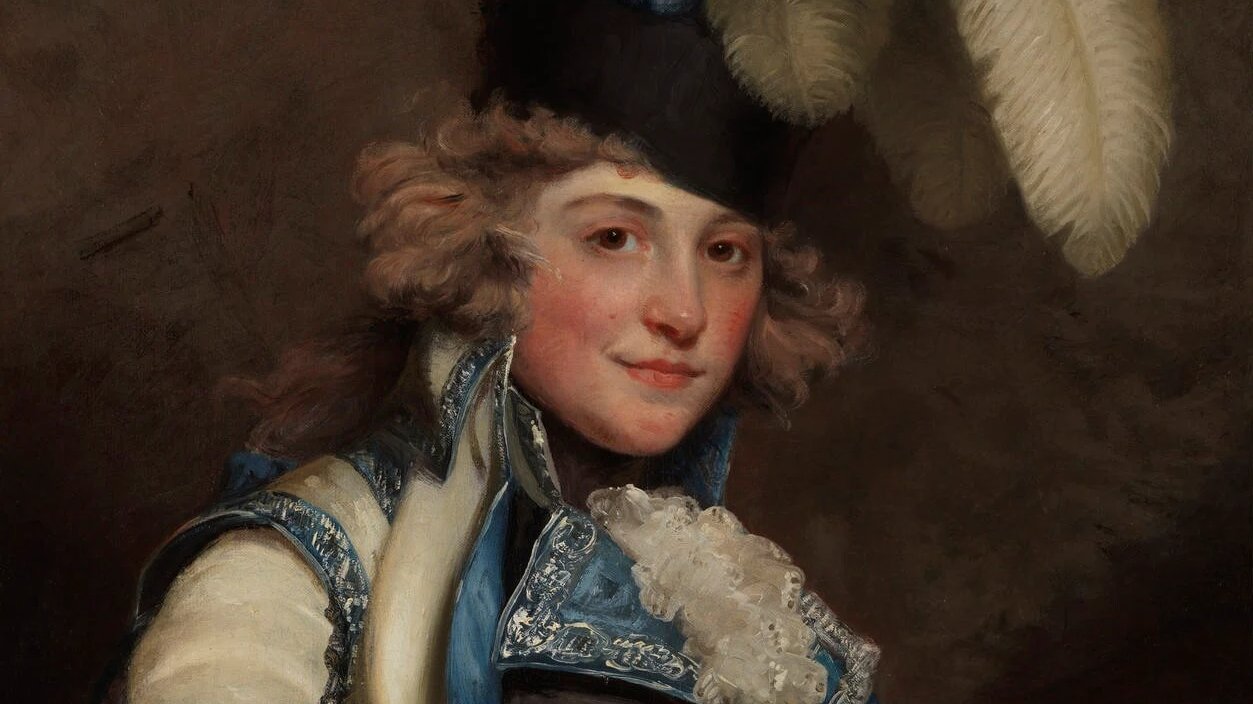
In 1790, Prince William, the future William IV, met the successful Anglo-Irish actor Dorothea Jordan. Their relationship developed into a long domestic partnership. Dorothea’s established stage career also made her far more than a supporting character in a royal biography.

1791: Living Almost as Husband and Wife
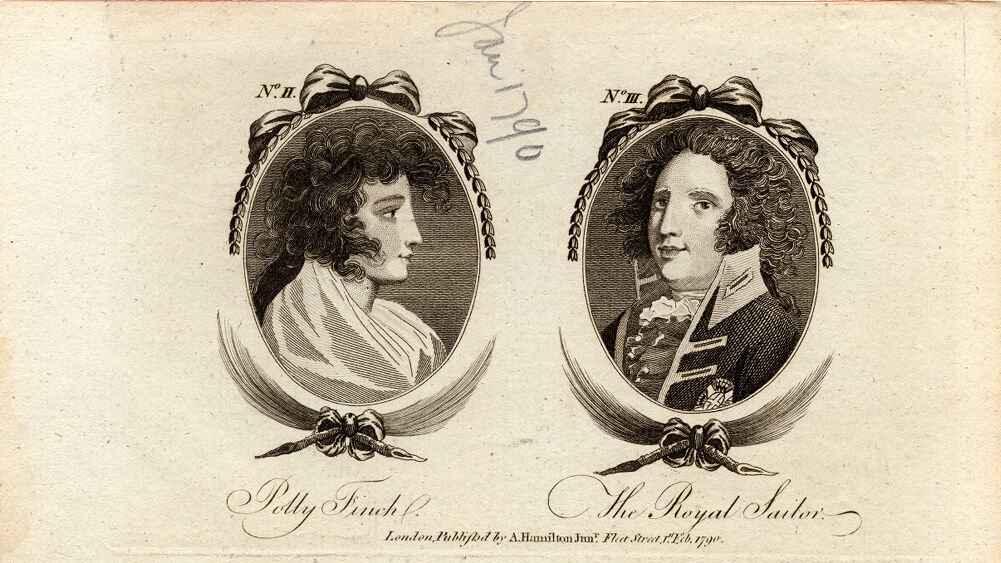
By 1791, William and Dorothea were practically living as husband and wife, according to Historic Royal Palaces. They could not formalize their household as a recognized royal marriage, but the description captures how substantially their shared life differed from a brief court liaison.

The Ten FitzClarence Children
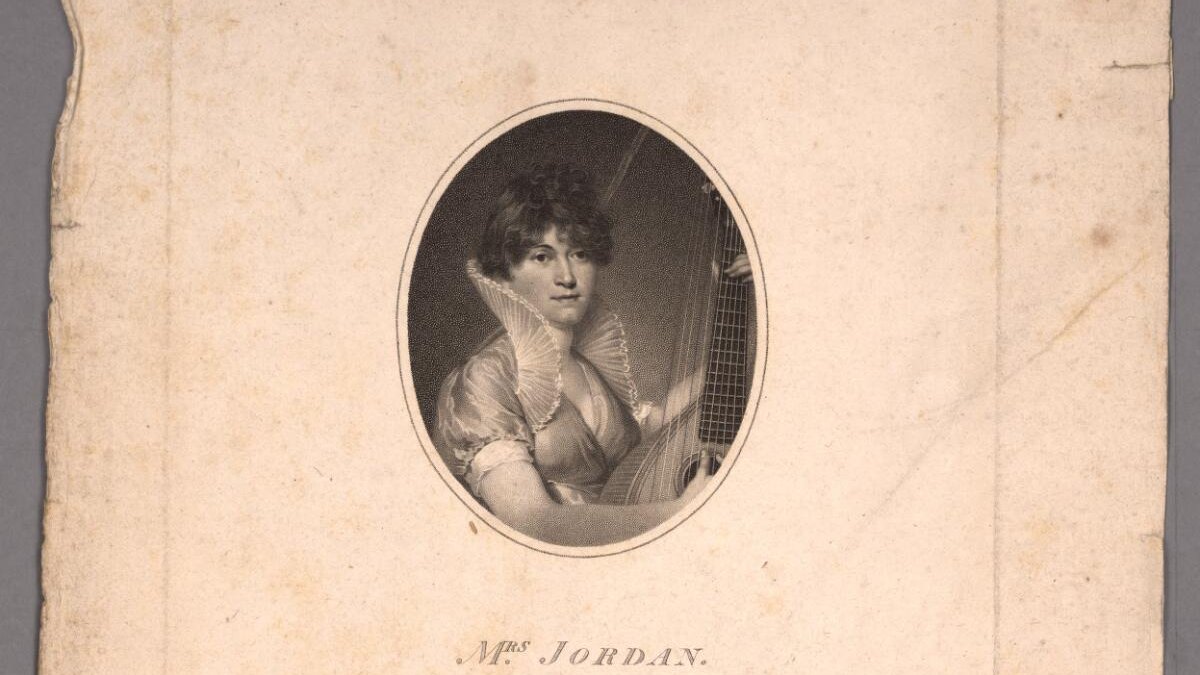
Dorothea and William had ten children, all of whom received the surname FitzClarence. The size of this family makes their relationship difficult to dismiss as a passing romance. Royal Archives catalogue records provide a firm documentary basis for the children’s number and shared surname.

1811: The Partnership Ends
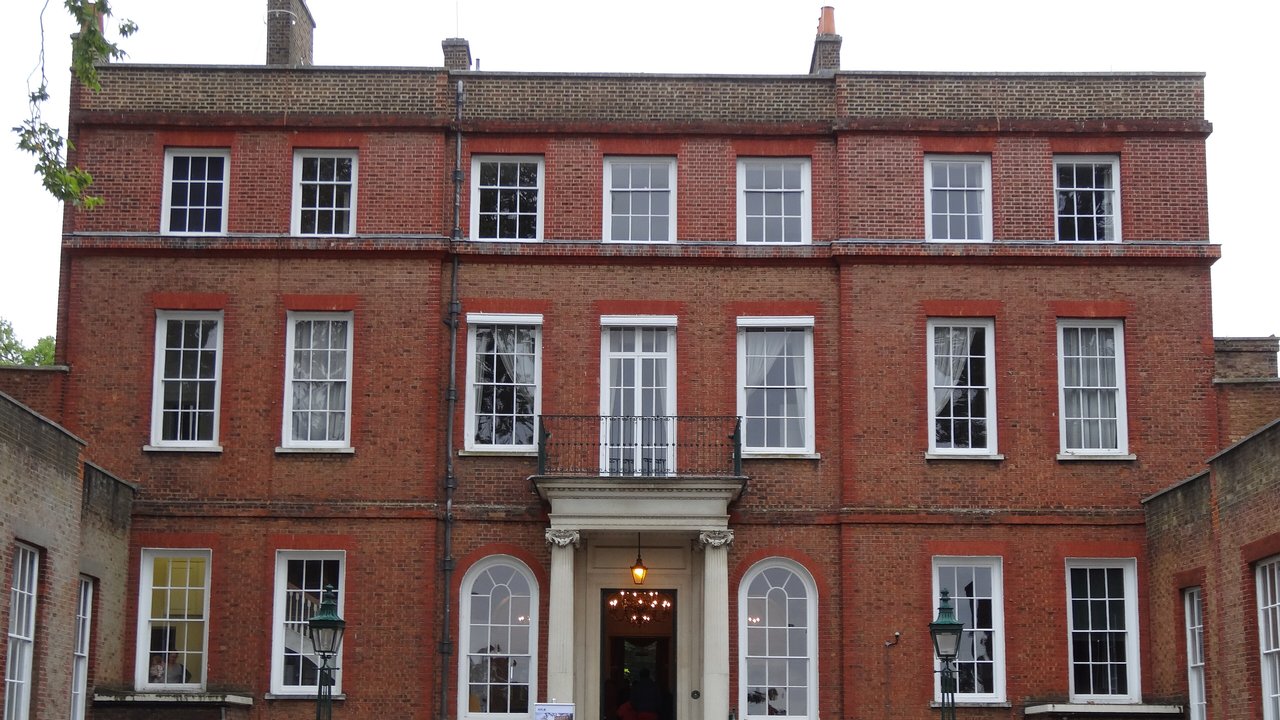
William and Dorothea’s life together ended in 1811 as he searched for an official bride. The National Portrait Gallery describes the ending as cruel, language that reflects the painful contrast between their long shared household and the circumstances of their separation.

Palmerston’s Early Nickname: Lord Cupid
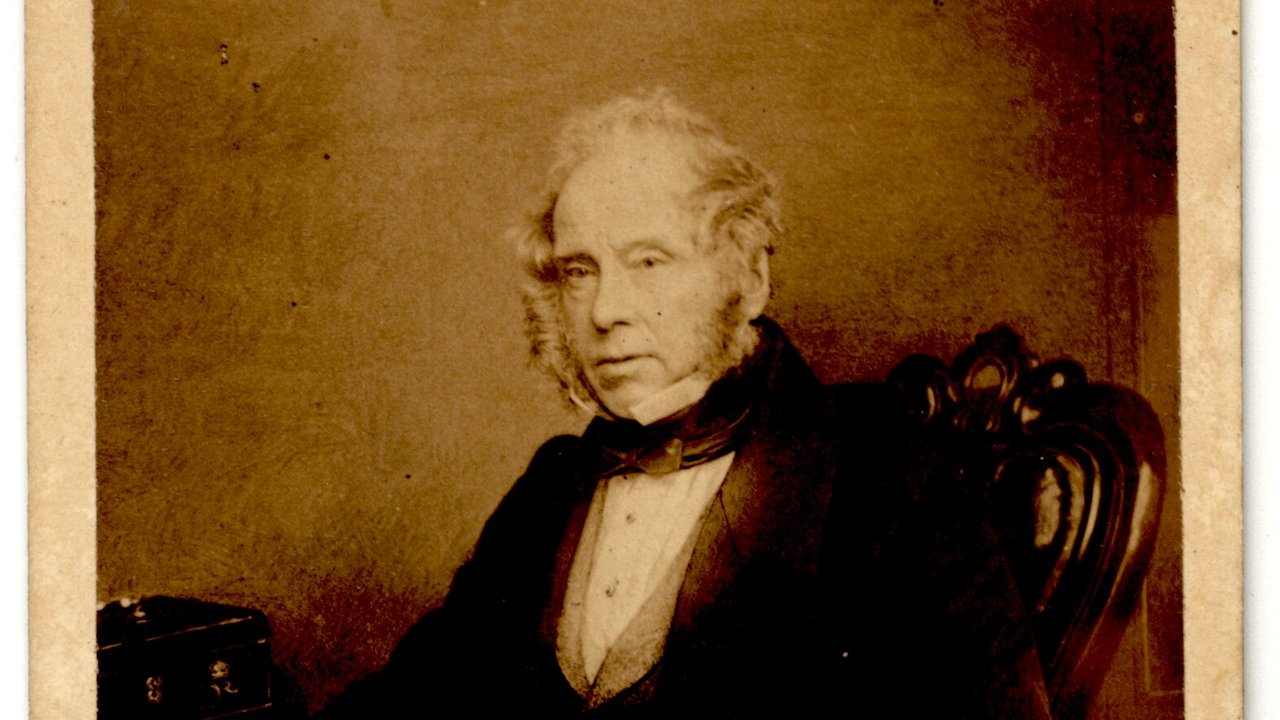
Long before becoming prime minister, Henry John Temple, Lord Palmerston, led an active social life and acquired the nickname Lord Cupid. The documented nickname offers a glimpse of his reputation, although it should not be treated as proof of every colorful tale later told about him.

Palmerston and Emily Cowper Become Lovers
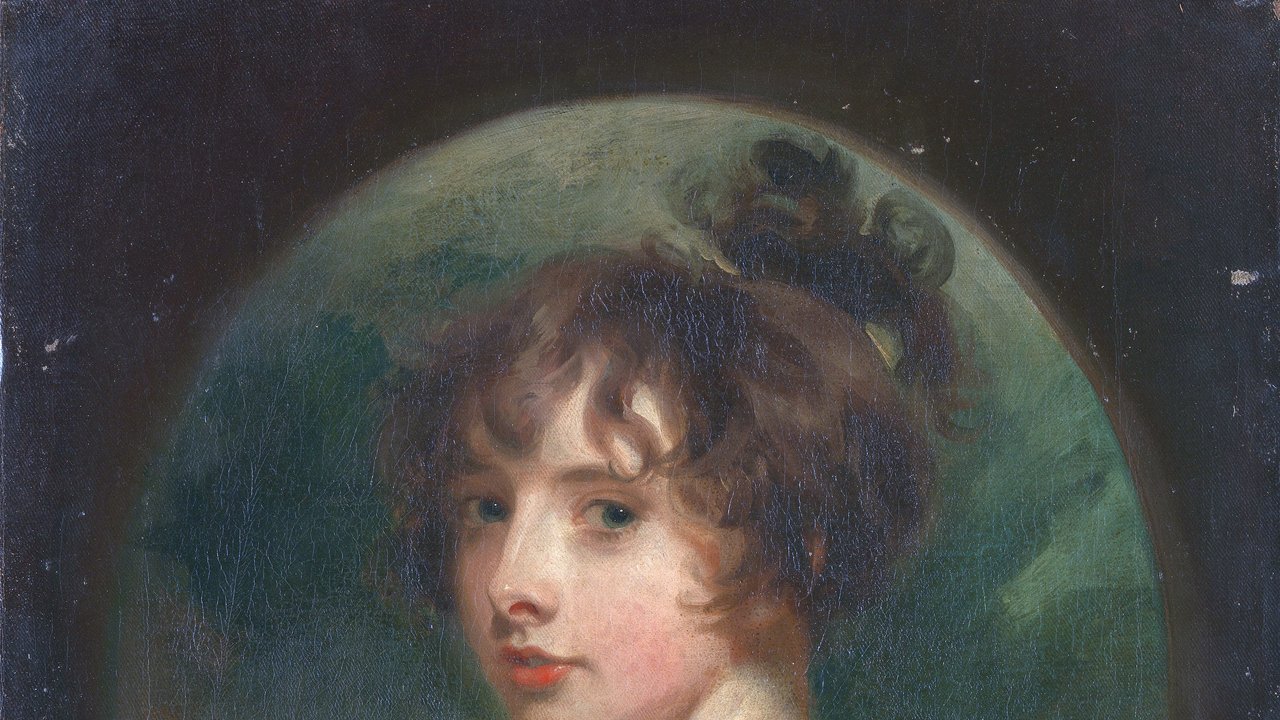
The National Gallery states that Palmerston and Emily Cowper became lovers. Another institutional biography describes their affair as lasting two decades. These accounts support the relationship through biographical research rather than asking readers to accept Palmerston’s broader romantic reputation as evidence.

1839: The Longtime Lovers Marry
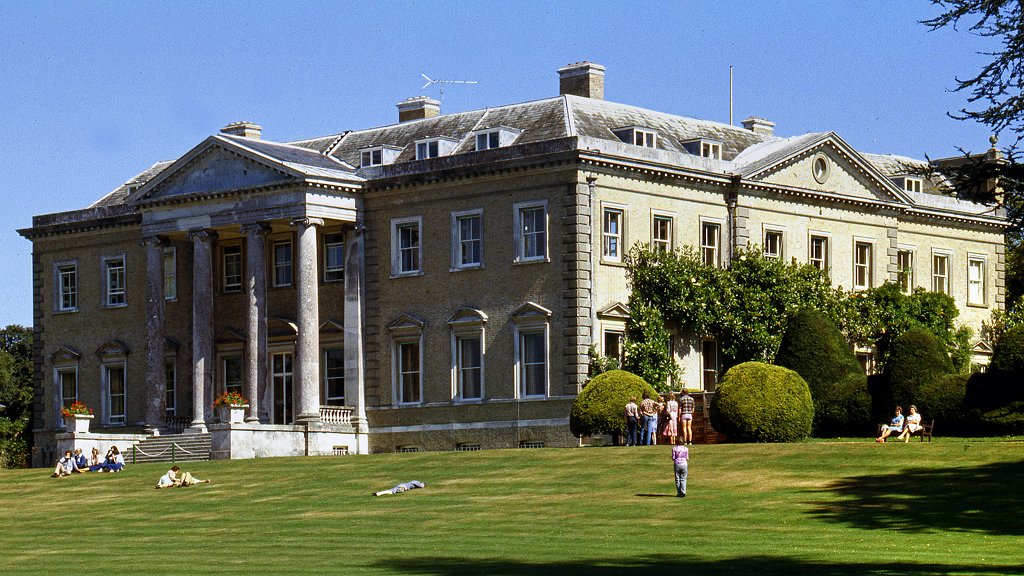
Palmerston and Emily married on December 16, 1839, when he was 55 and she was 52. Their marriage brought formal recognition to a relationship that an institutional biography says had already lasted for about two decades, giving their story an unusual second chapter.
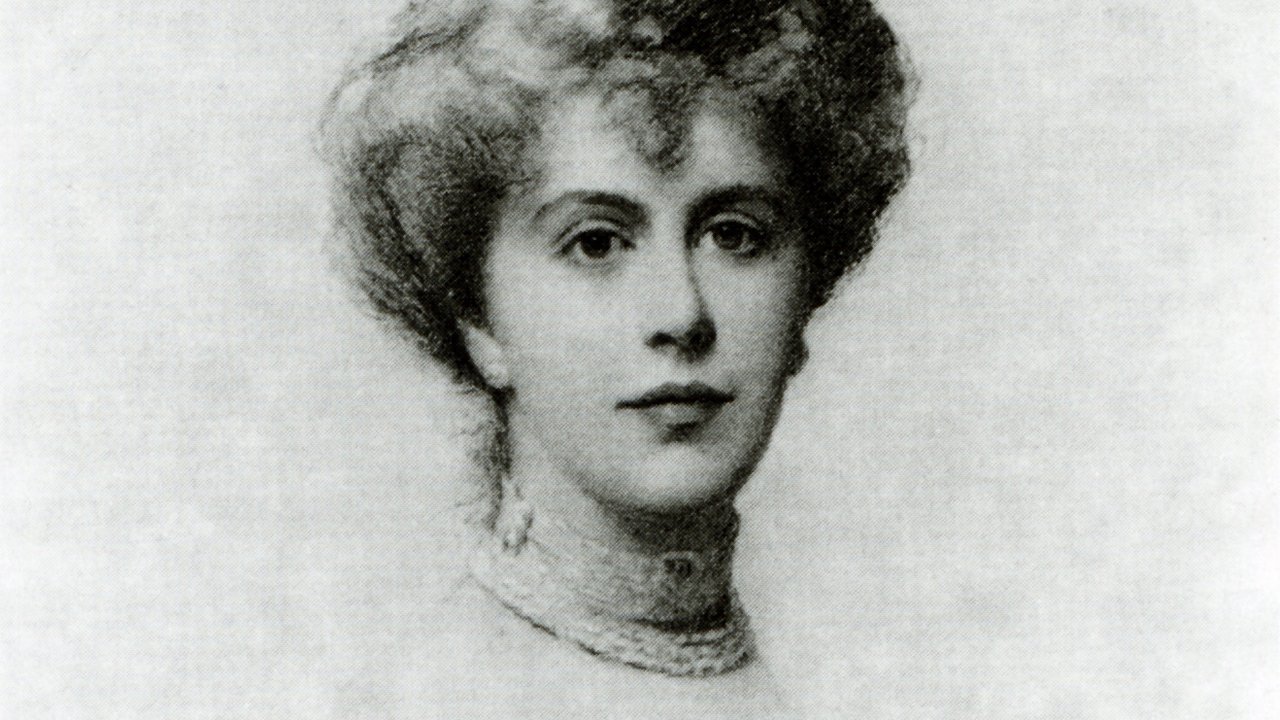

1898: Alice Keppel Meets the Prince of Wales
The Oxford Dictionary of National Biography records that Alice Keppel met Albert Edward, Prince of Wales, early in 1898 and soon became his mistress. The National Portrait Gallery also identifies her as George Keppel’s wife, placing the relationship within the complicated conventions of Edwardian society.
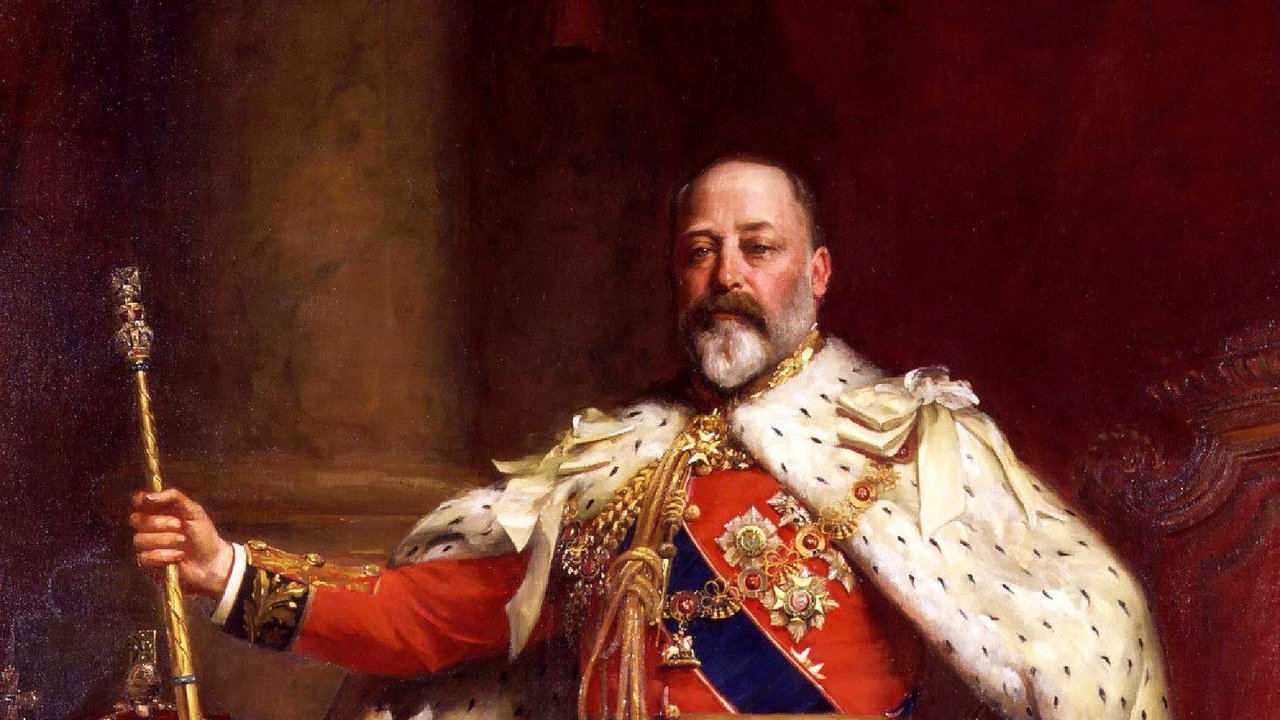

Alice Keppel During Edward VII’s Reign
The National Portrait Gallery identifies Alice directly as a mistress of King Edward VII, not only of the Prince of Wales. Together with the Oxford biographical account, that description confirms that the relationship continued after Albert Edward became king.
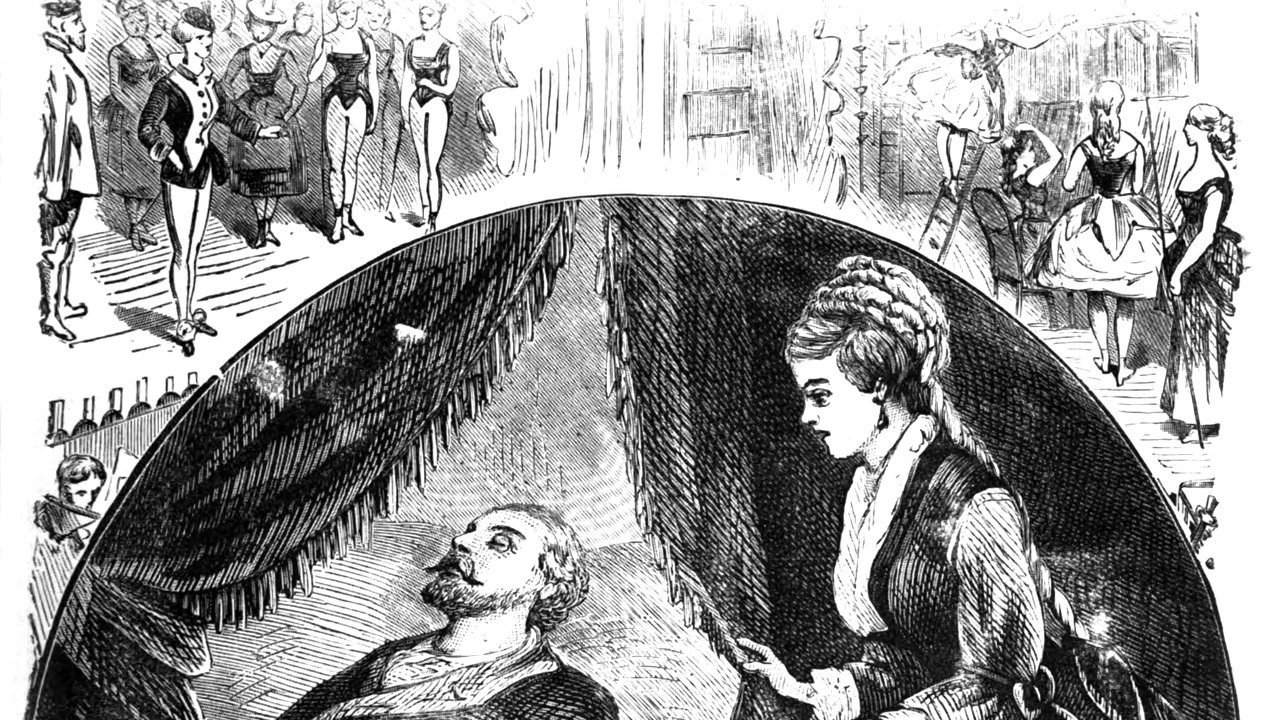

A Royal Gift Adds Material Evidence
Royal Collection Trust describes Alice as Edward’s official mistress in its discussion of a cigarette case she gave him. The surviving object cannot reveal the private character of their relationship, but its catalogue history adds material evidence to the written biographical record.
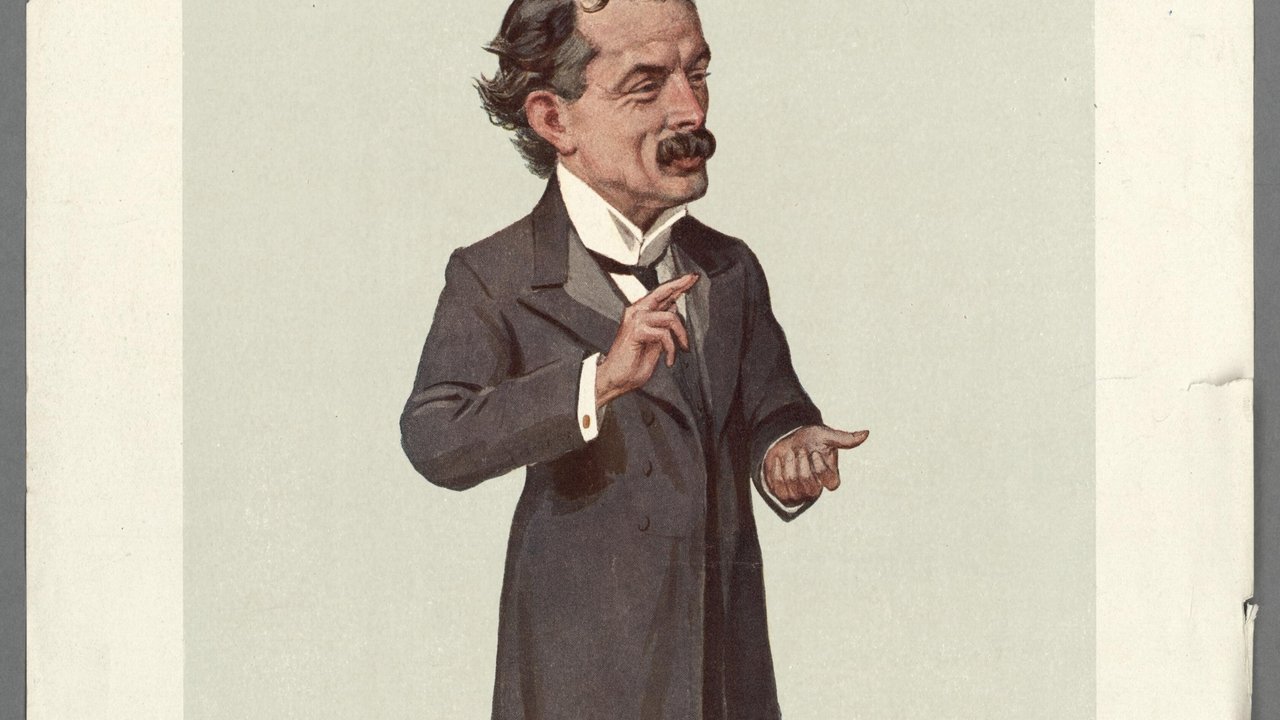

1911: Frances Stevenson Enters Lloyd George’s Life
Frances Stevenson entered David Lloyd George’s household as governess to his youngest daughter, Megan, in 1911. This beginning is documented by the National Library of Wales, which preserves a collection of papers associated with Stevenson and her later life.
_Earl_of_Oxford_LCCN2014710716.jpg)
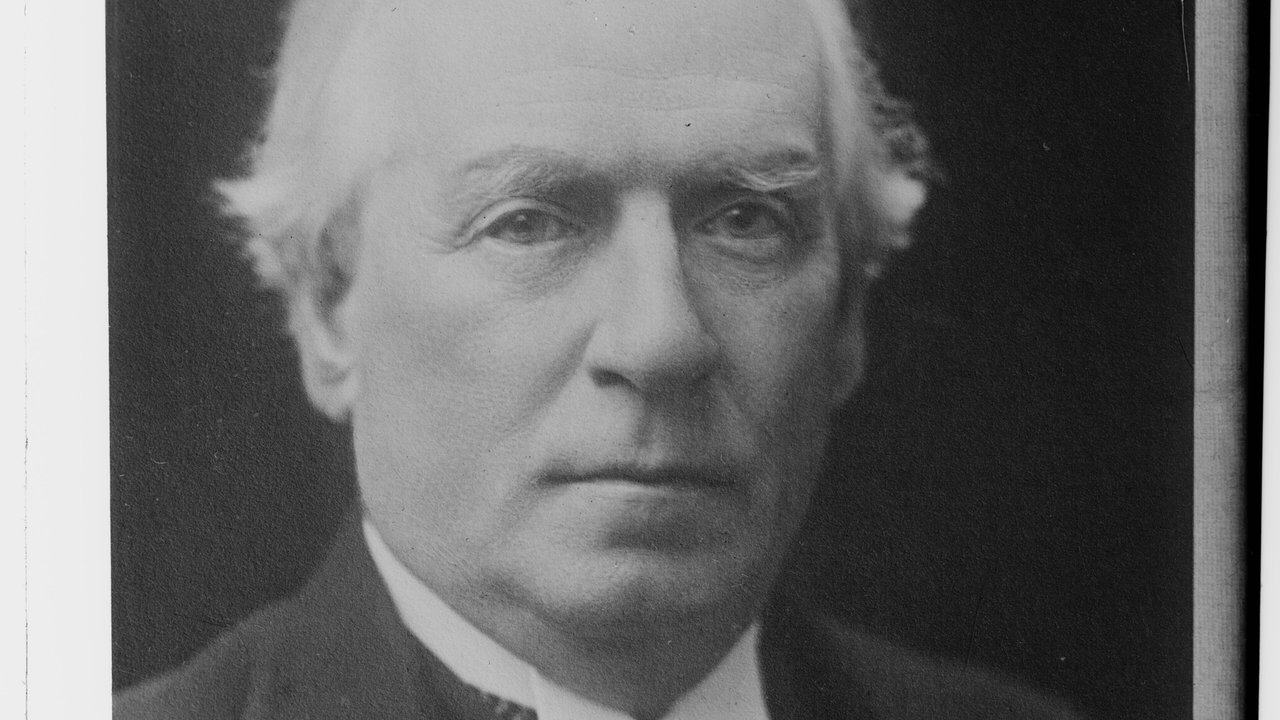
1912: Asquith Falls for Venetia Stanley
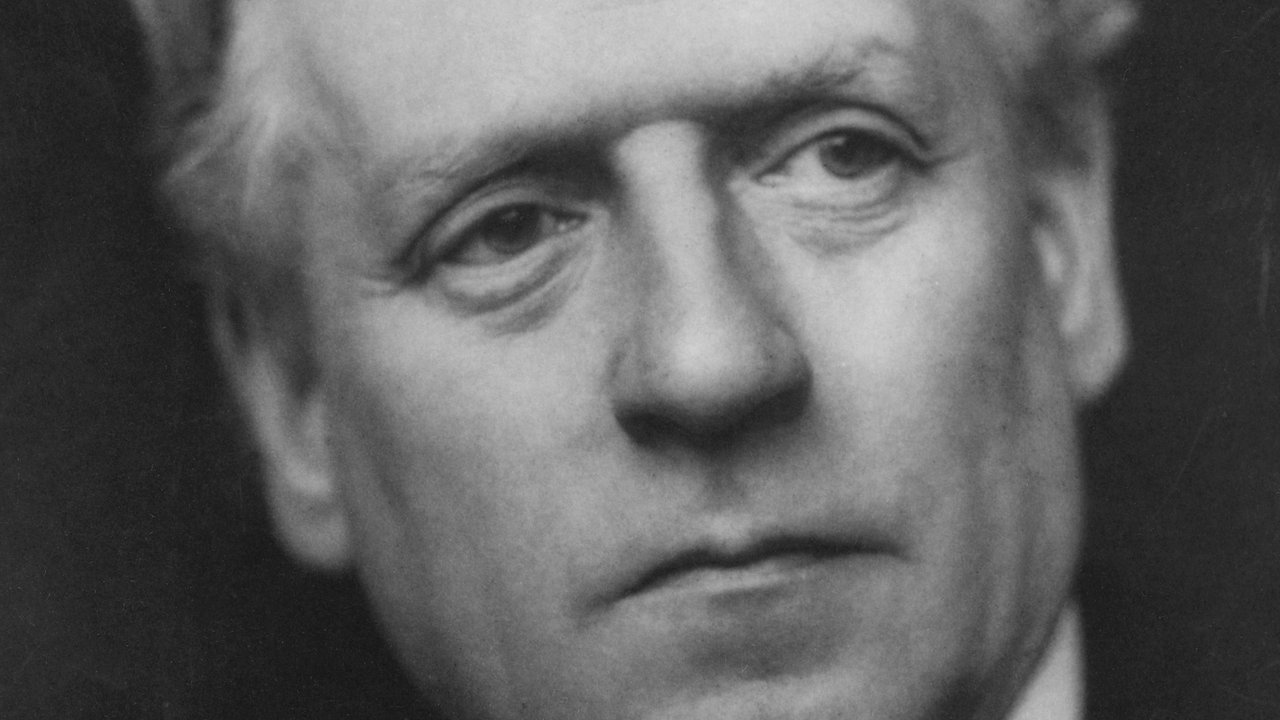
An Oxford University Press description states that Prime Minister H. H. Asquith fell in love with Venetia Stanley in the spring of 1912. His surviving letters give historians direct access to his feelings, though they cannot answer every question about the relationship.

Wartime Secrets Entered the Letters
Asquith’s letters went beyond personal feelings. One historical account says he disclosed military secrets, including British Expeditionary Force battle plans. The correspondence therefore matters not only as evidence of emotional intimacy but also as a troubling example of confidential information entering private letters.

1915: Venetia’s Engagement Ends the Correspondence
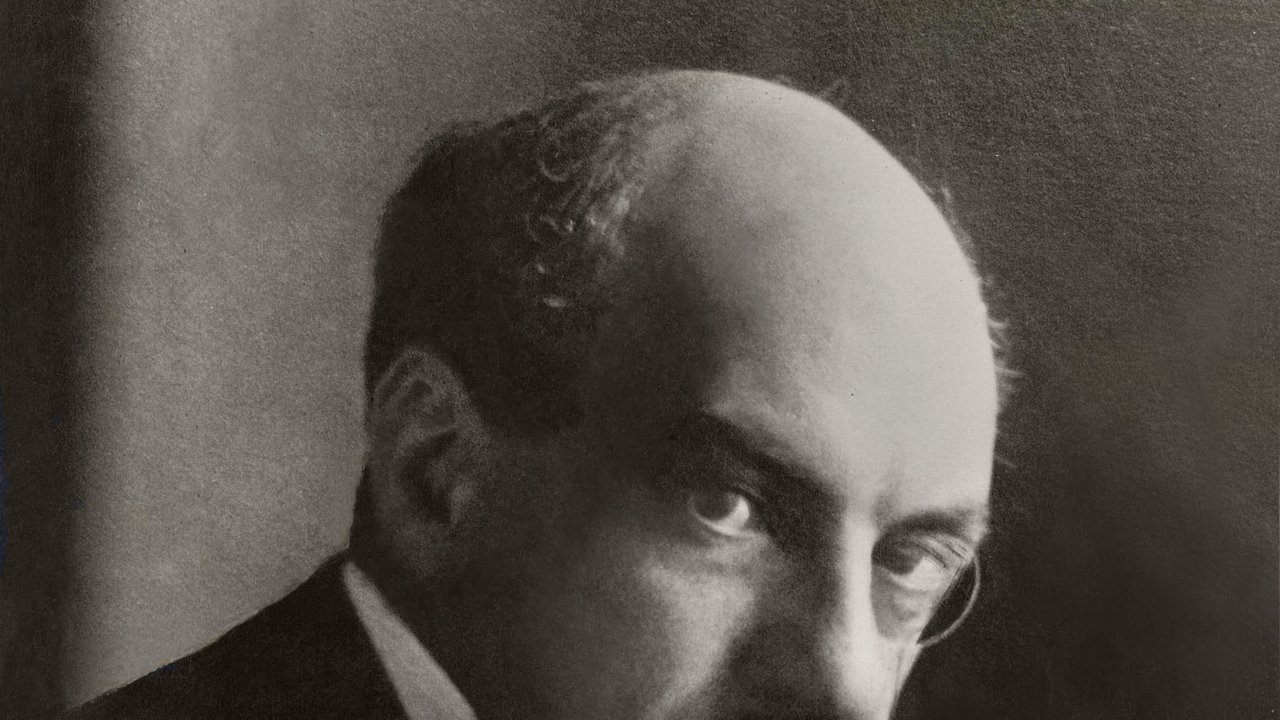
The intense correspondence effectively ended in 1915, when Venetia announced her intention to marry Edwin Montagu. That documented turning point closes the richest surviving phase of Asquith’s attachment, even though the letters cannot supply a complete account of what either person ultimately wanted.

1916–1922: Lloyd George’s Private Life at No. 10
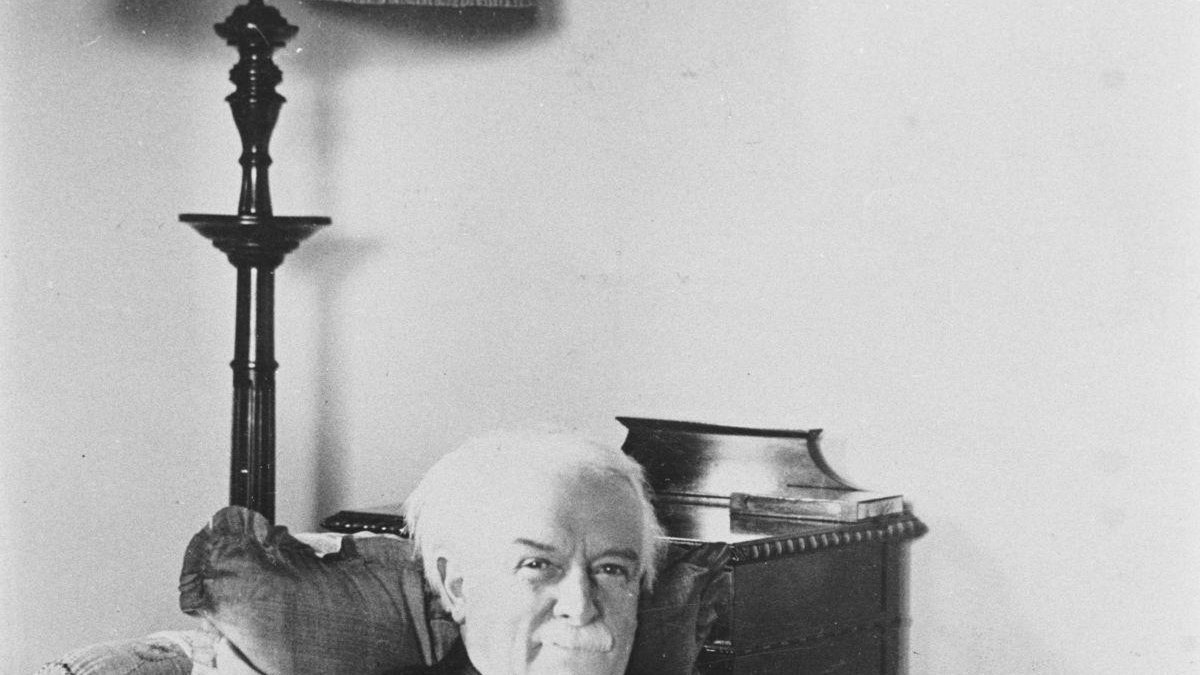
During David Lloyd George’s 1916–1922 administration, Frances Stevenson served as his secretary and was also his mistress. A UK government history of Downing Street states the relationship directly, making this one of the more plainly acknowledged prime-ministerial affairs in the historical record.
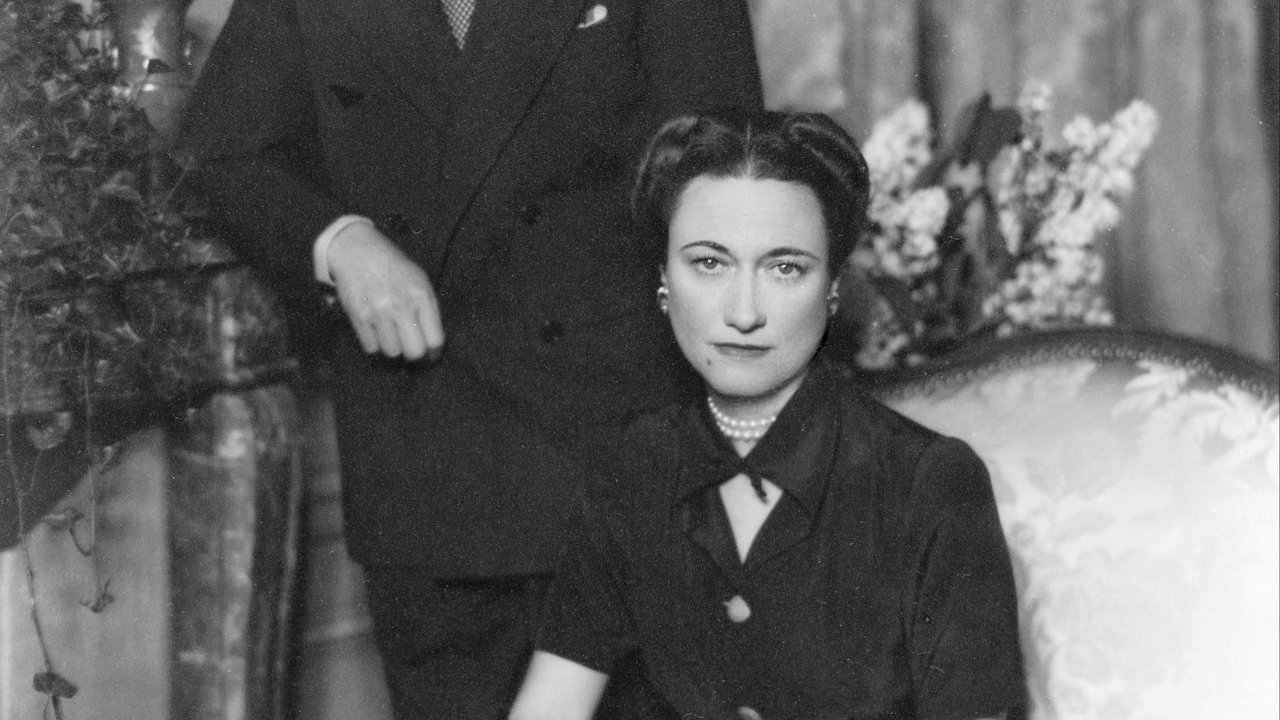

1930: Edward Meets Wallis Simpson
The official royal biography states that the future Edward VIII met and fell in love with Wallis Simpson, a married American, in 1930. Their relationship eventually forced him to weigh his position as king against his determination to marry her.
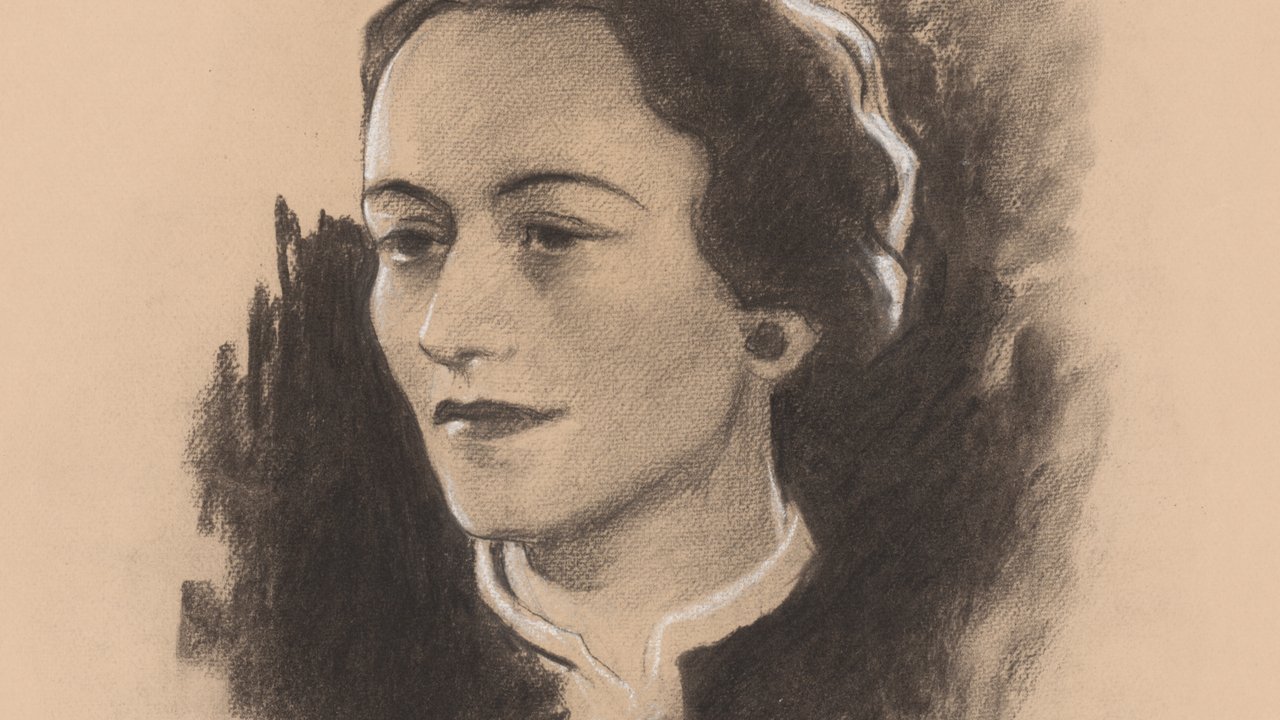

1936: A Private Choice Becomes a State Crisis
In discussions with Prime Minister Stanley Baldwin, Edward made clear that he was determined to marry Wallis. National Archives material records that decision, which placed the king’s personal wishes in direct conflict with the political advice he was receiving.
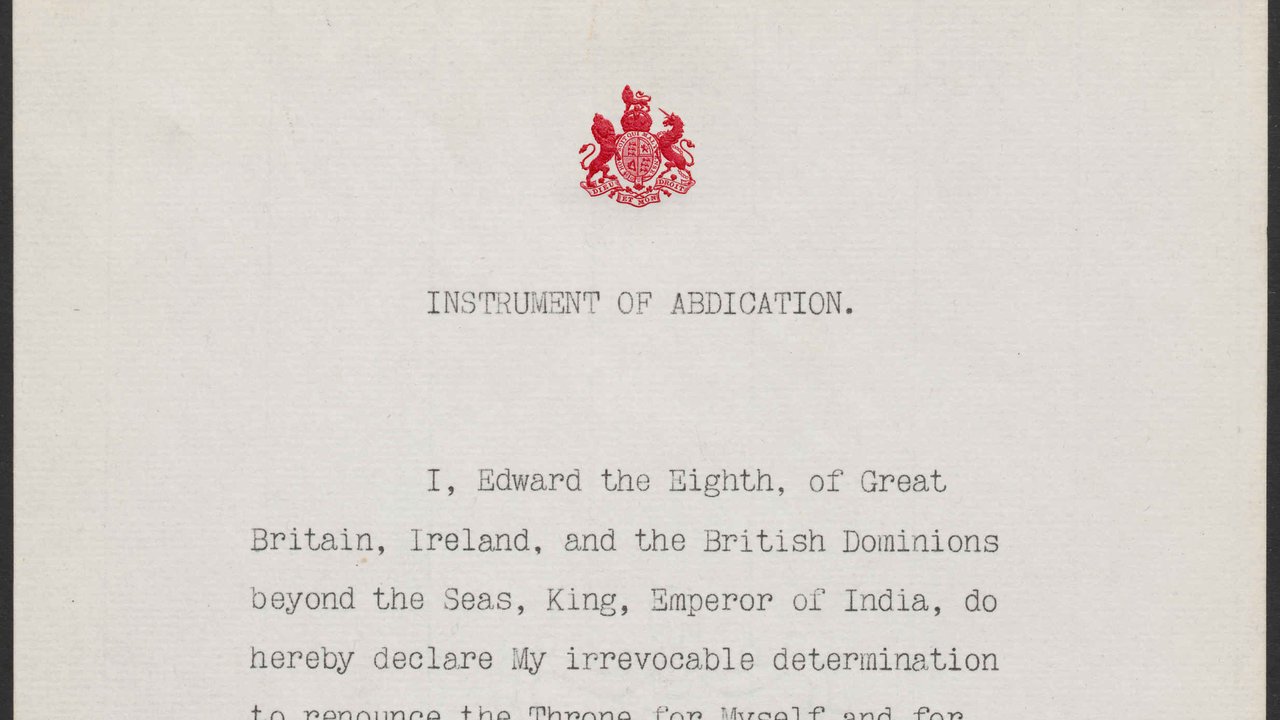

December 10, 1936: Edward Signs Away the Crown
Edward signed the Instrument of Abdication on December 10, 1936. In the document, he declared his irrevocable determination to renounce the throne for himself and his descendants. Few private relationships have left such direct and consequential evidence in Britain’s official records.
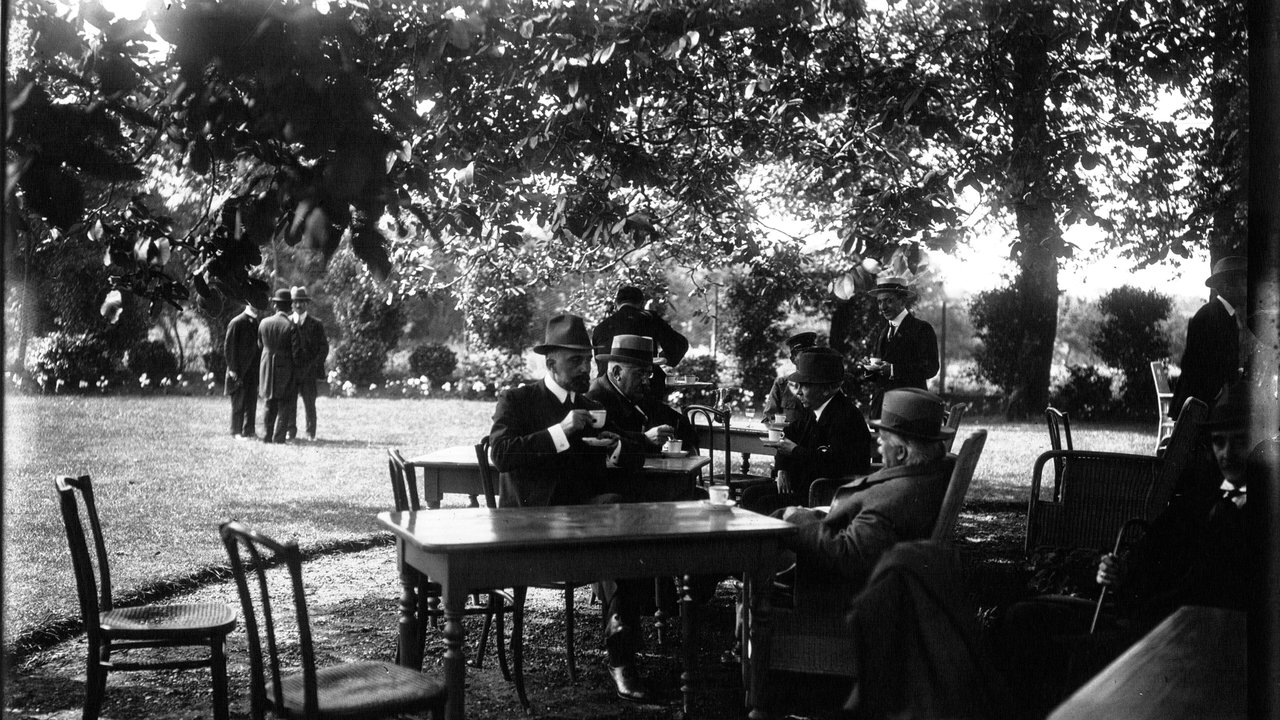

1943: Lloyd George Marries Frances Stevenson
Frances Stevenson became David Lloyd George’s second wife in October 1943, decades after she entered his household. The National Archives identifies papers connected with her as those of Lloyd George’s mistress and second wife, neatly summarizing the two very different public stages of their relationship.
The surviving record is most revealing when it shows both intimacy and the limits of what history can prove. Which of these stories most changed your view of royal or political history?
Follow Lilyon on MSN for more stories like this.
Sources: