

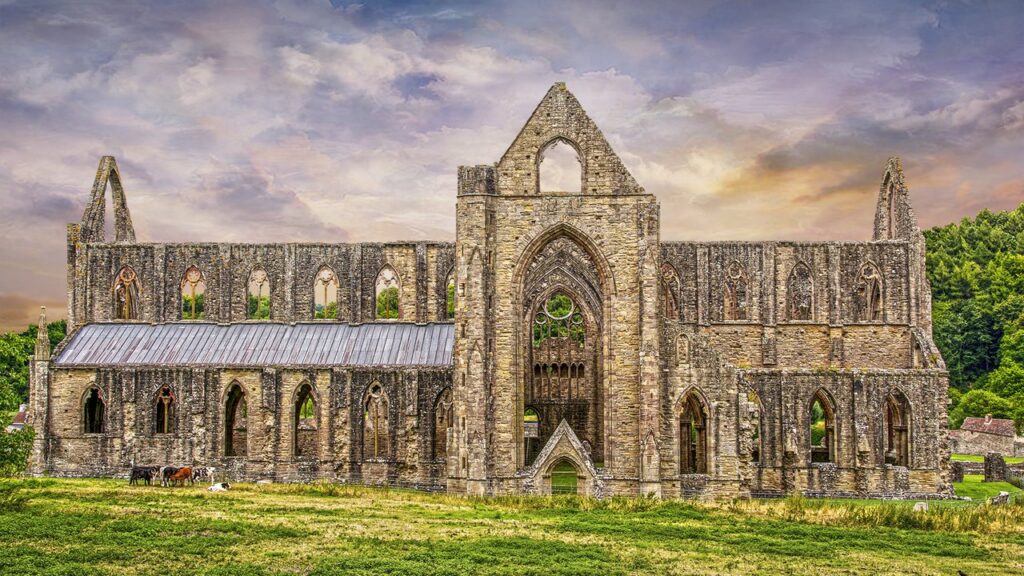

Empty buildings can take on an unexpected beauty when forests, desert sands, wild plants, and weather begin reshaping what people left behind.
These places are arranged by the year or period when their abandonment began. Their histories come from official heritage records, government archives, and conservation authorities.
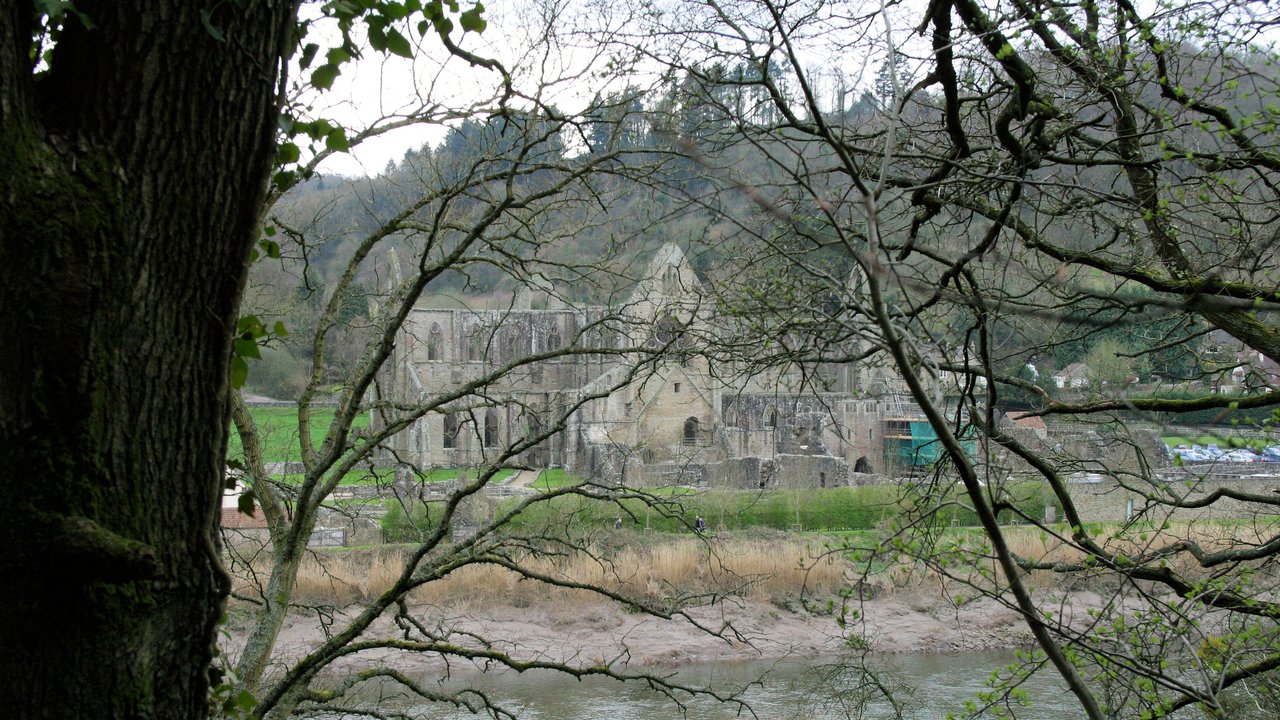

1536: Tintern Abbey Surrenders
On the River Wye in Wales, Tintern Abbey surrendered to the king during the suppression of the monasteries in September 1536. Its roofless stonework now opens directly to the sky. Framed by the wooded valley, the abbey remains imposing even after centuries of exposure to the elements.
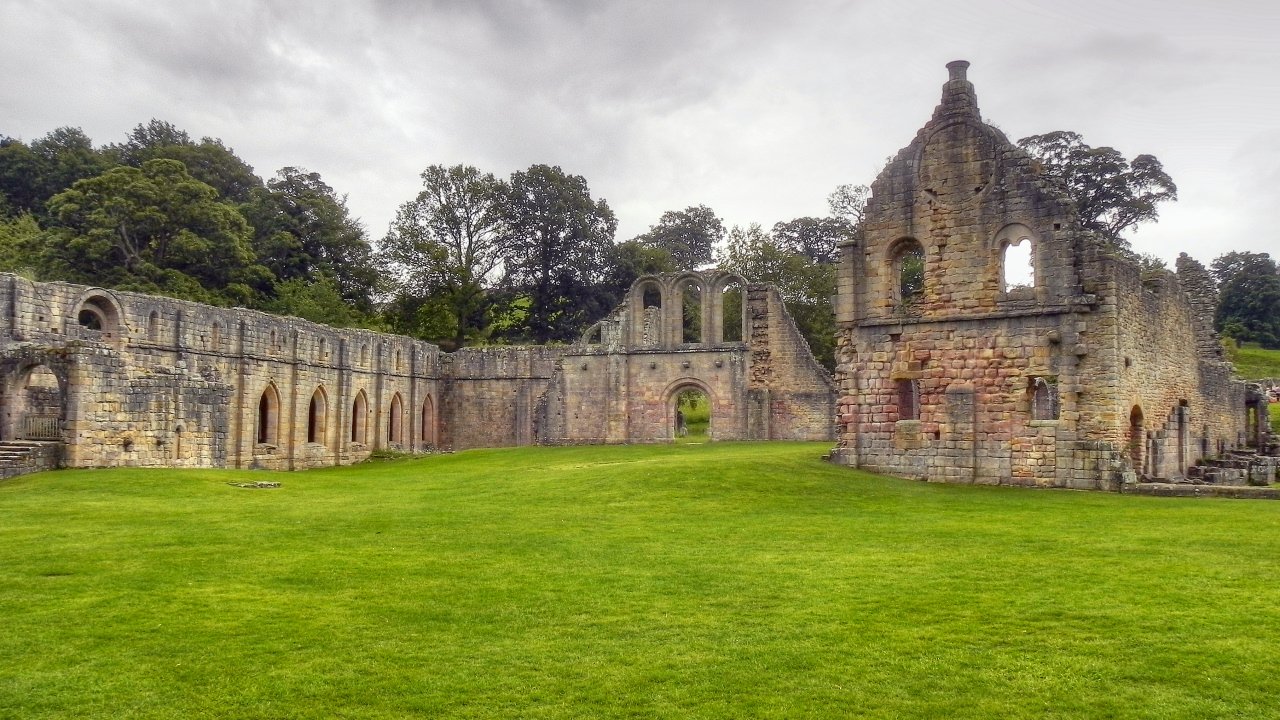

1539: Fountains Abbey Falls Silent
Fountains Abbey in North Yorkshire was a Cistercian house until the Dissolution of the Monasteries ended its religious use in 1539. The scale of the surviving stonework still suggests the community that once occupied it, while the green surroundings give the roofless structure a quieter character.
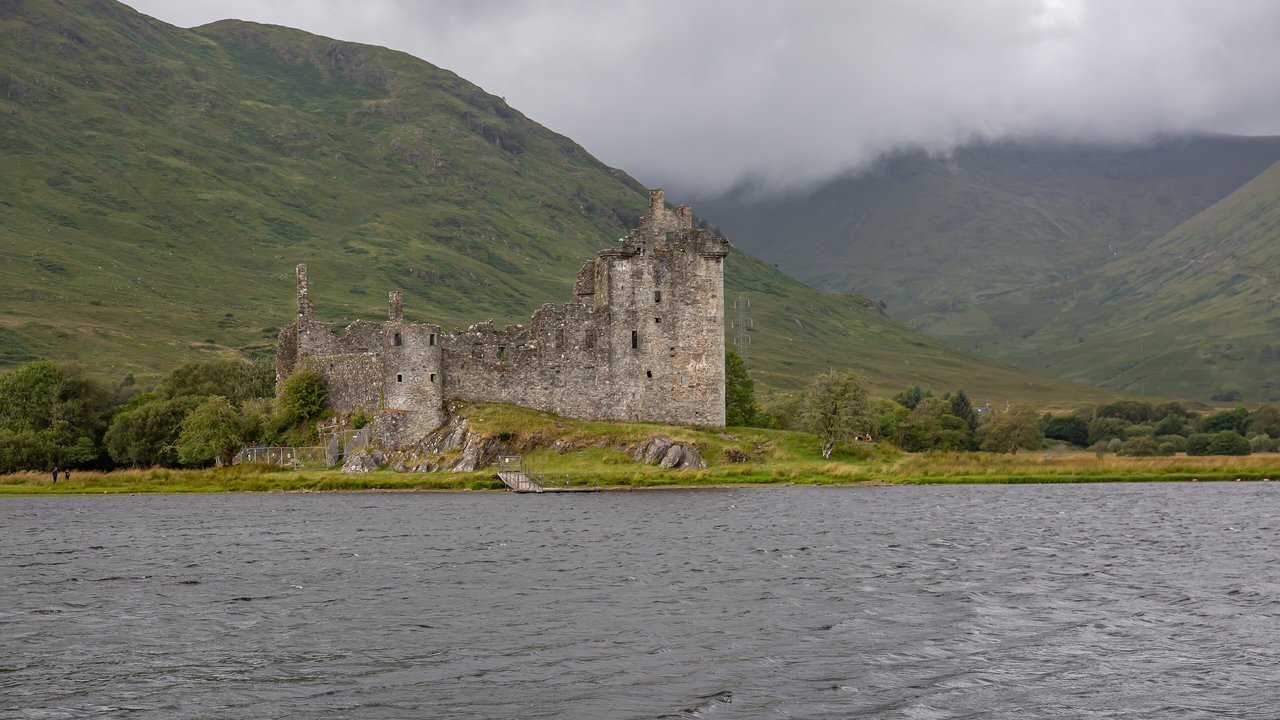

Late 1700s: Kilchurn Castle Is Abandoned
Kilchurn Castle overlooks Loch Awe in Scotland. It served as a fortress, a comfortable residence, and, later, a garrison stronghold before being abandoned by the end of the 1700s. Its open chambers now meet the rain and mountain air, with grass extending toward the weathered walls.
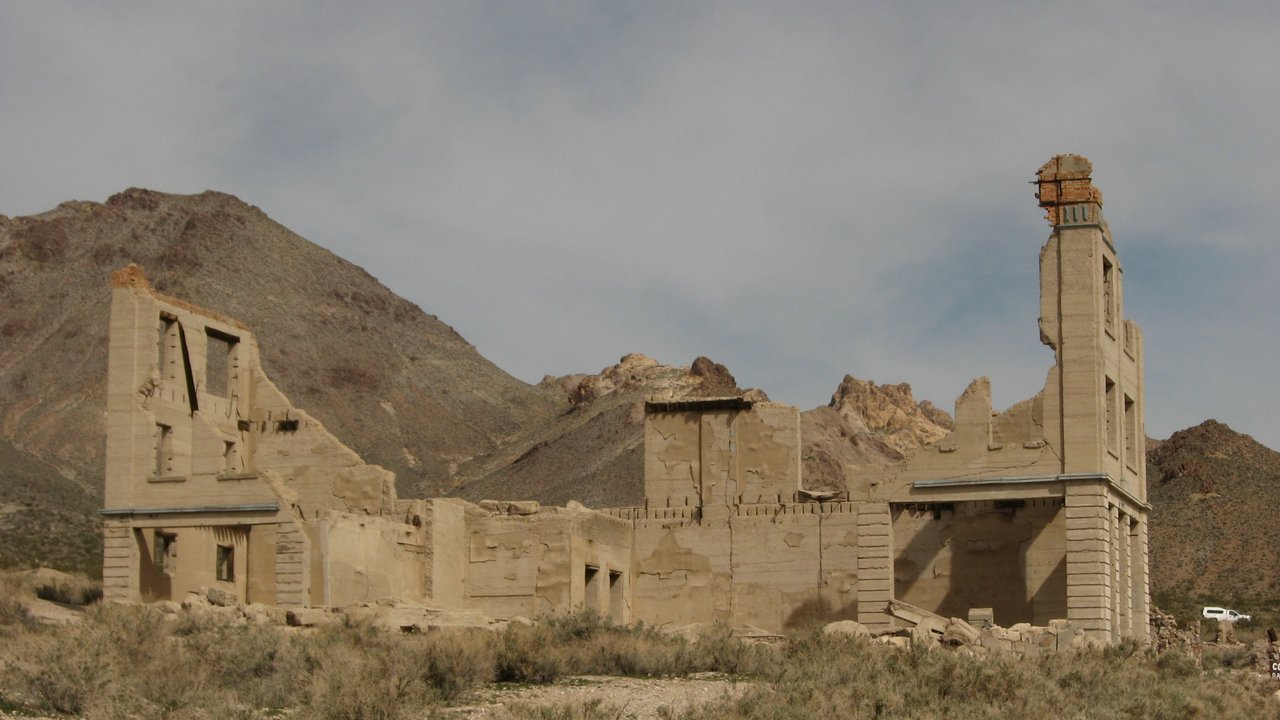

1916: Rhyolite Loses Its Power
Rhyolite, Nevada, grew as a mining settlement before its mines, banks, businesses, and population declined. In 1916, the town’s light and power were finally turned off. The remaining walls stand in the open desert, where empty spaces and long sightlines underscore the former settlement’s isolation.
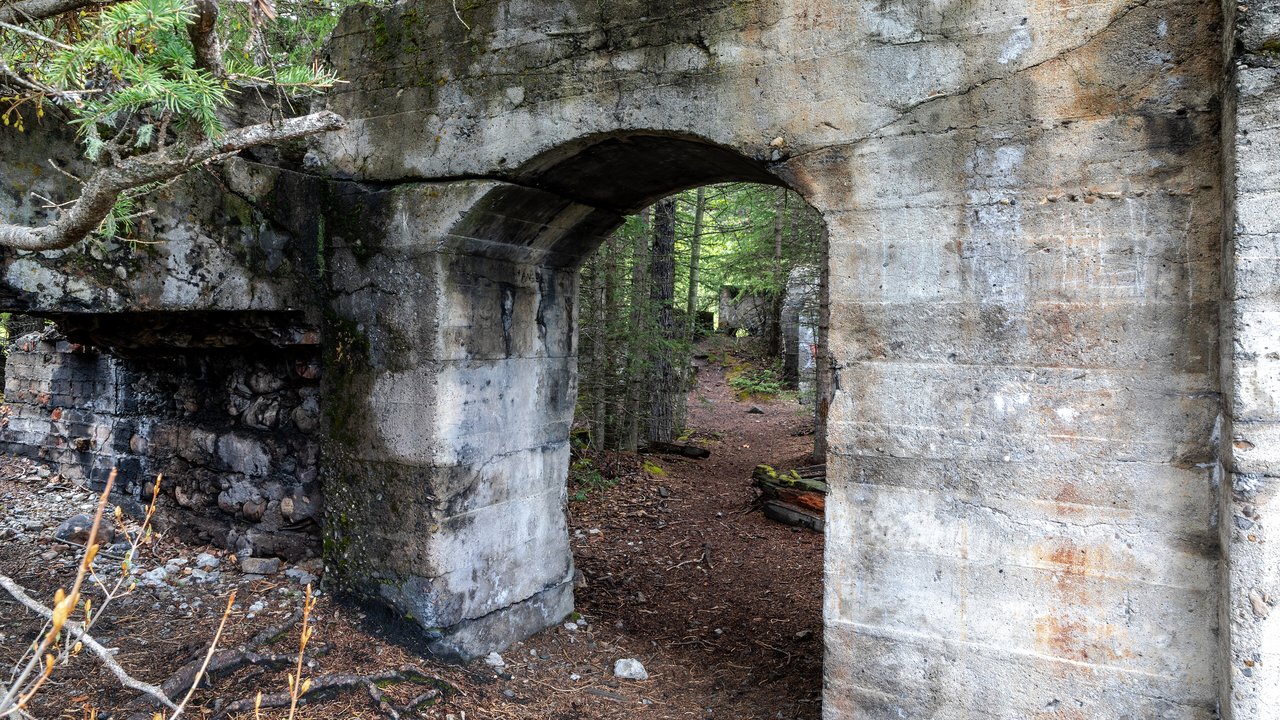

1922: Bankhead Becomes a Ghost Town
Bankhead was a coal community in what is now Banff National Park in Alberta. The settlement was abandoned in 1922, when its steam power plant also closed. Traces of the former operation remain beneath the Canadian Rockies, but the forest now dominates a place once organized around mining and machinery.
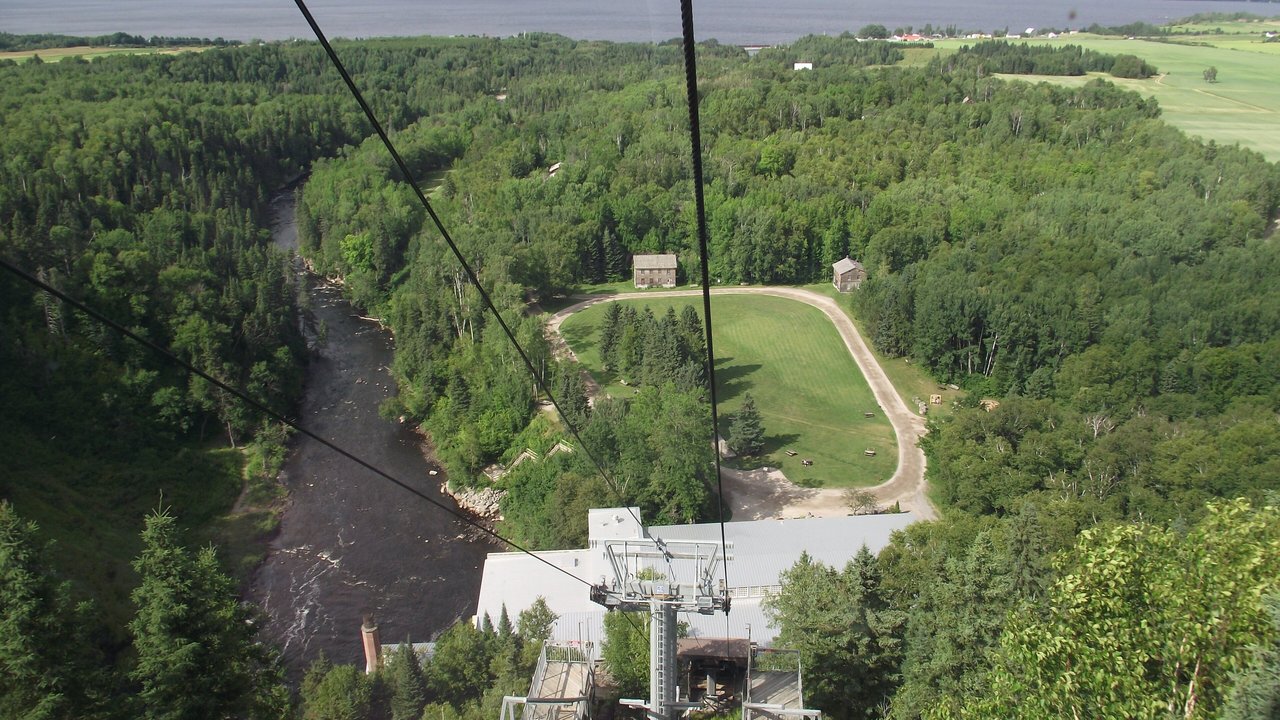

1927: Val-Jalbert’s Mill Closes
Val-Jalbert developed around a pulp mill in Quebec. When the mill closed in 1927, the village was gradually abandoned. Today, the historic settlement occupies a landscape shaped by forest, steep terrain, and the Ouiatchouan River canyon, placing its industrial history beside some of the region’s most dramatic scenery.
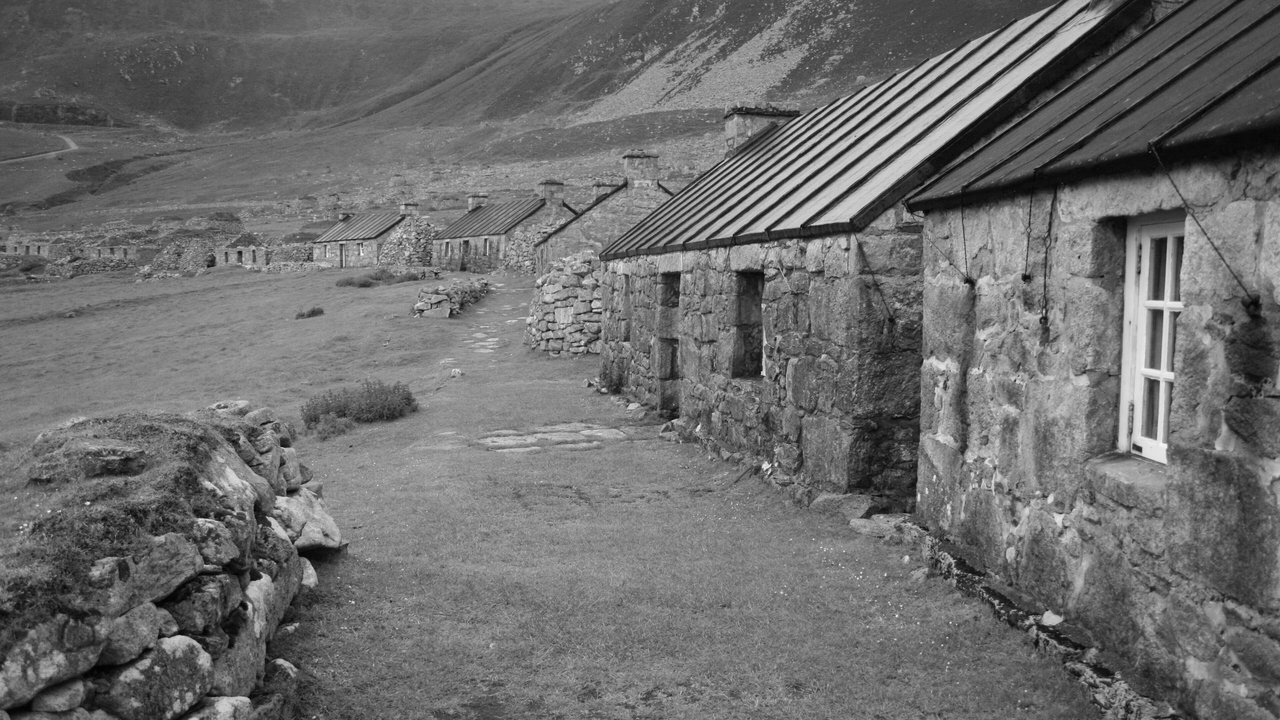

1930: St Kilda’s Islanders Depart
On St Kilda, a remote Scottish archipelago, the remaining 36 islanders were evacuated at their own request on August 29, 1930. They left a complete village of cottages, blackhouses, and small stone stores called cleits. Grass, seabirds, and Atlantic weather now surround these reminders of a remarkably isolated community.
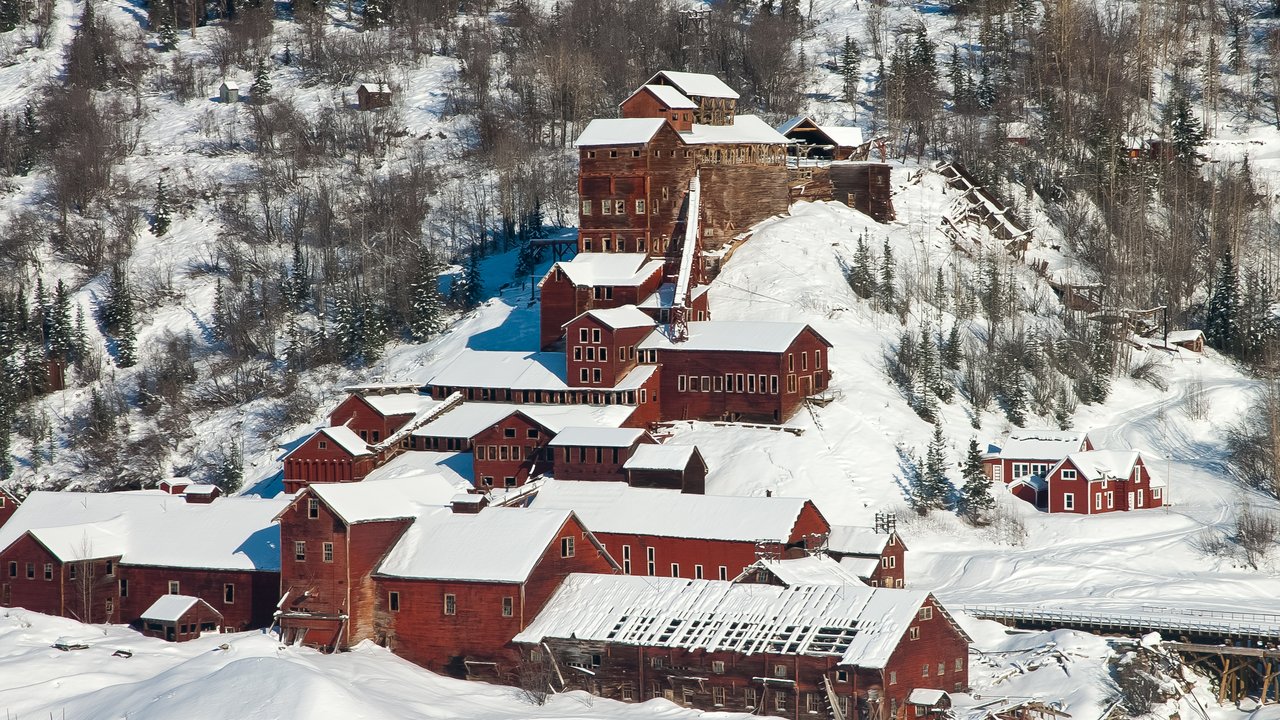

1938: Kennecott’s Mines Close
Kennecott operated in Alaska as a copper mine and copper-milling town from 1906 to 1938. When the mines and mill closed, the facilities were abandoned. The tall mill and neighboring buildings remain striking against a broad landscape of mountains, forest, and ice near the Kennicott Glacier.
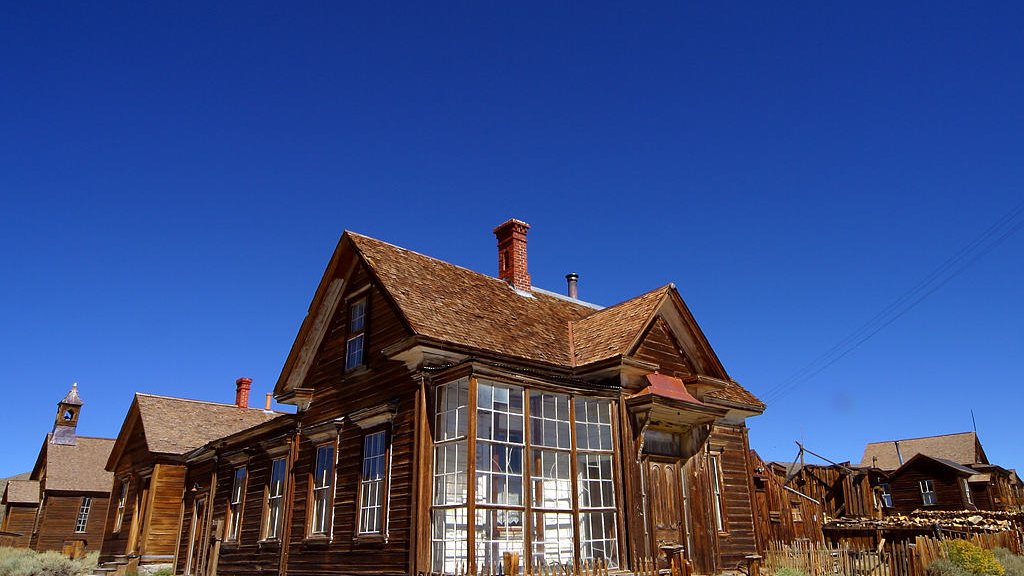

1942: Mining Ends at Bodie
Bodie is a California gold-mining ghost town east of the Sierra Nevada. Mining officially ceased there in 1942 after a long decline. Its remaining streets and wooden buildings give the former boomtown a clear outline, while the surrounding high-desert landscape makes its isolation immediately apparent.
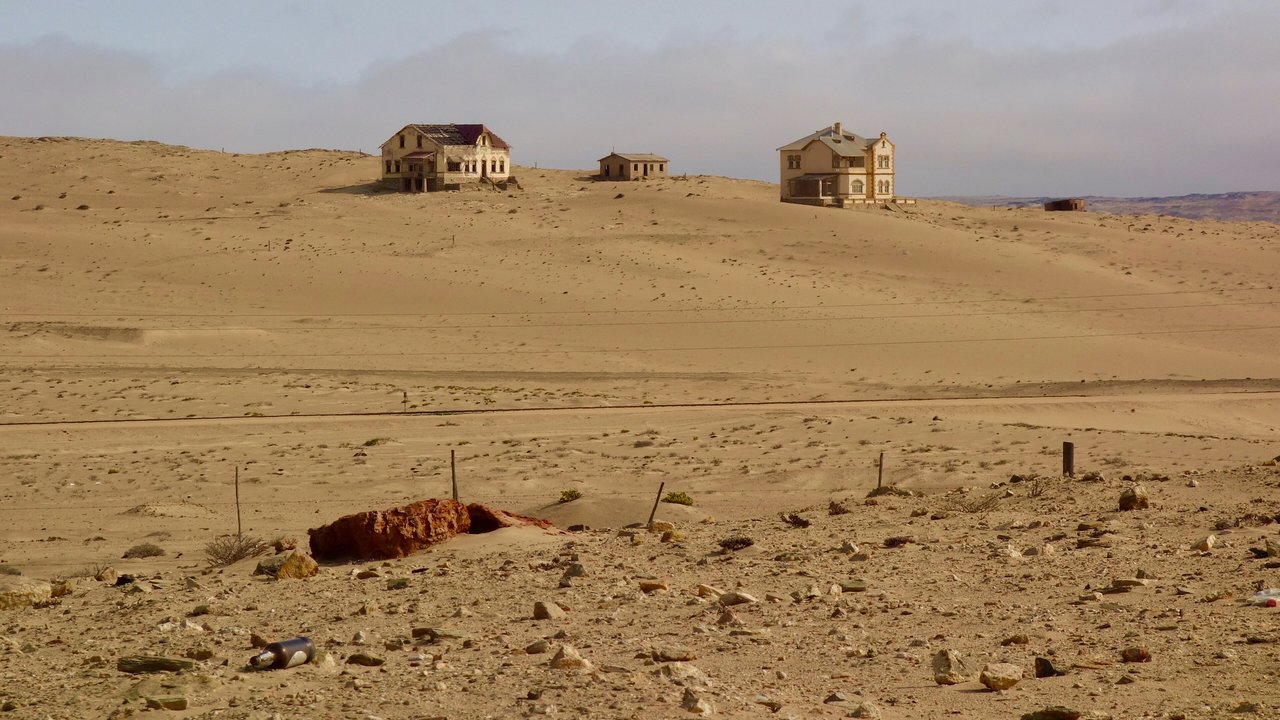

1956: Kolmanskop Is Left to the Desert
Kolmanskop was a diamond-mining town in southern Namibia. Mining in the northern fields stopped in 1950, and the last resident left Kolmanskuppe, as official records spell it, in 1956. The desert has since reclaimed the town, creating a memorable meeting of abandoned interiors, windblown sand, and empty doorways.
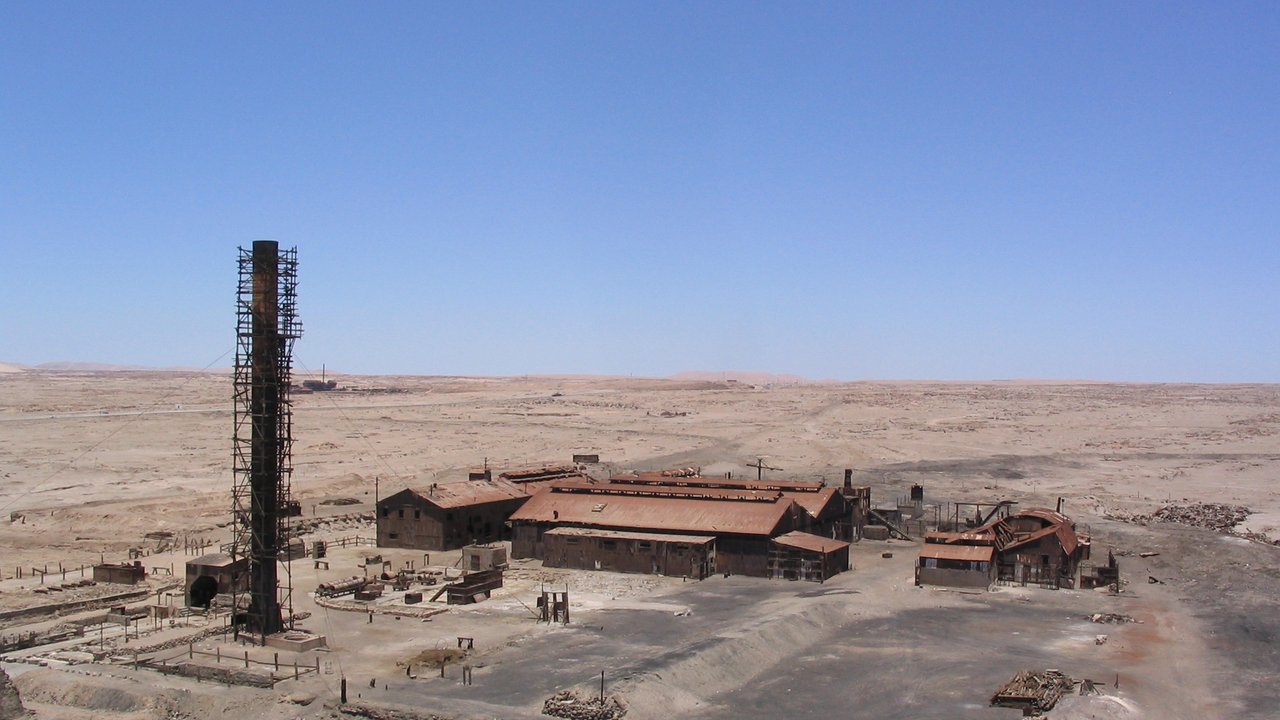

1959: Humberstone Closes Forever
Humberstone was a saltpeter works and company town in northern Chile. Its owner was wound up, and the works closed permanently in 1959. The remaining industrial and civic buildings sit within an exceptionally dry desert landscape, where weathering and preservation are visible side by side.
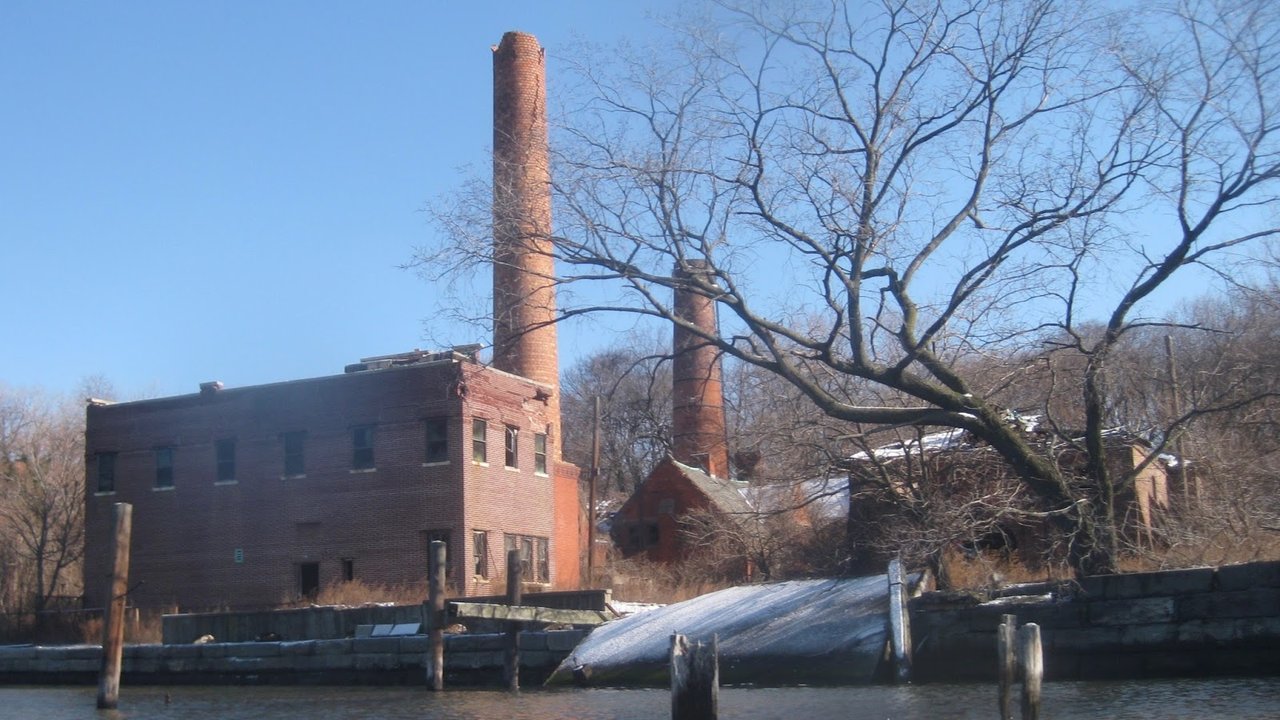

1963: North Brother Island Becomes Uninhabited
North Brother Island in New York City’s East River housed a quarantine facility, student housing, and an addiction treatment center. When the last institution closed in 1963, the island was left uninhabited and unmaintained. Without daily upkeep, its institutional grounds gradually took on a much wilder appearance.
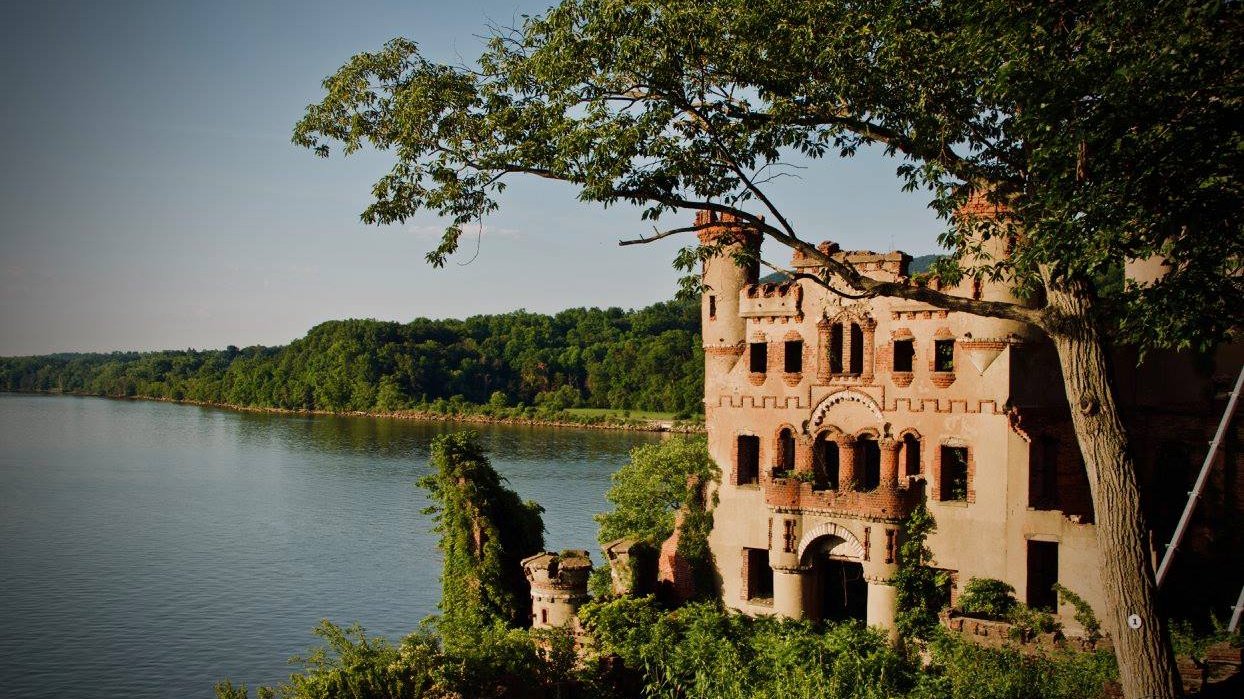

1967: Bannerman Island Leaves Family Hands
The Bannerman family sold Pollepel Island in New York’s Hudson River to New York State in 1967. Trees now frame the remaining castle-like walls, giving the unusual site the atmosphere of a much older riverside ruin and softening the outlines of its masonry.
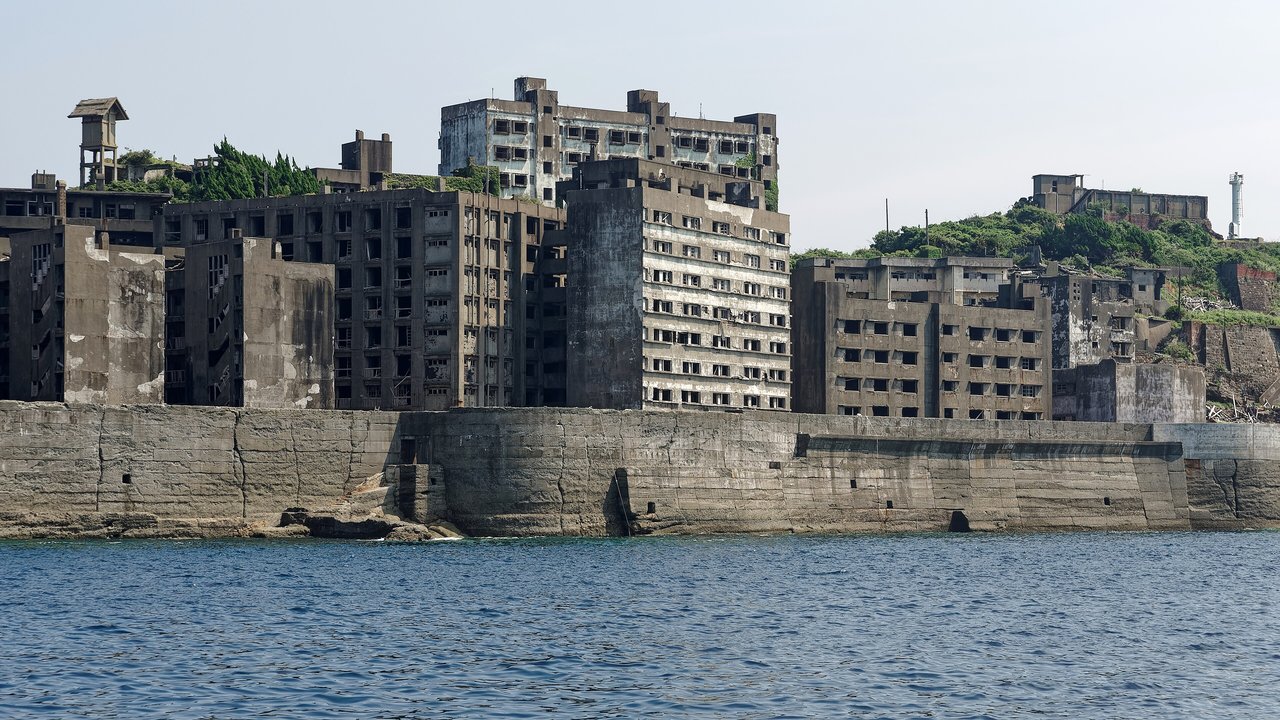

1974: Hashima Island Is Evacuated
Hashima, off Nagasaki, Japan, was an island colliery crowded with concrete apartments and industrial structures. As oil replaced coal, the mine closed in January 1974, and residents evacuated the island. The dense buildings now face the sea and weather without the community that once filled them.
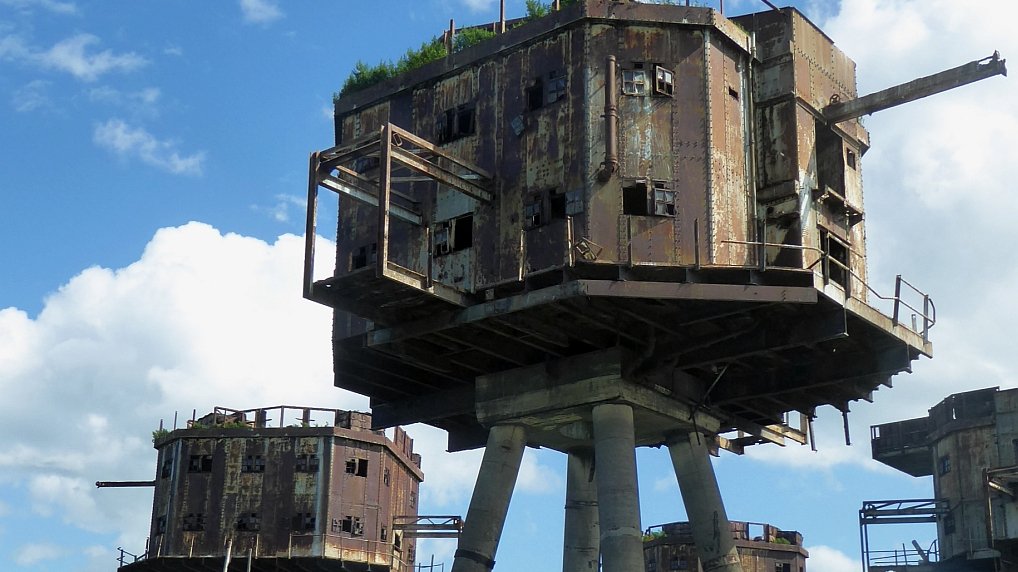

After Pirate Radio: The Maunsell Forts Stand Silent
The Shivering Sands Maunsell Forts rise from England’s Thames Estuary. Built for defense in 1941 and 1942, the connected towers later hosted pirate radio stations during the 1960s and 1970s. They have remained abandoned since then, standing offshore as stark steel silhouettes above the water.


1980: A Wild Landscape Covers the High Line
Manhattan’s High Line operated as a commercial freight railroad until 1980. After the trains stopped, a wild, self-seeded landscape developed naturally along the elevated tracks. The contrast between rails and spontaneous plant growth became a defining part of the former railway’s appearance before it became a public park.

1986: Pripyat Is Evacuated
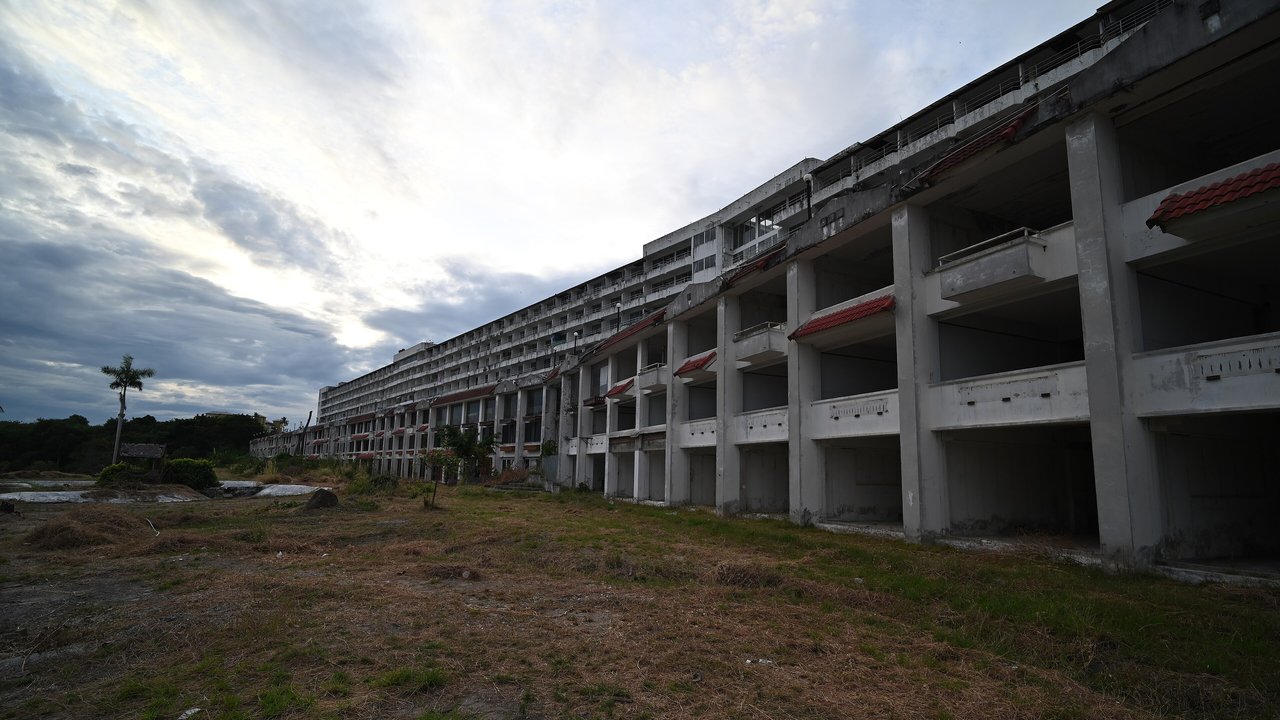
Pripyat in northern Ukraine was evacuated by the evening of April 27, 1986, following the Chernobyl nuclear accident. It has remained uninhabited since that year. Empty streets, apartment blocks, schools, and recreation areas now share the city with vegetation that has spread in the absence of ordinary urban activity.

1993: Freight Ends on Paris’s Petite Ceinture
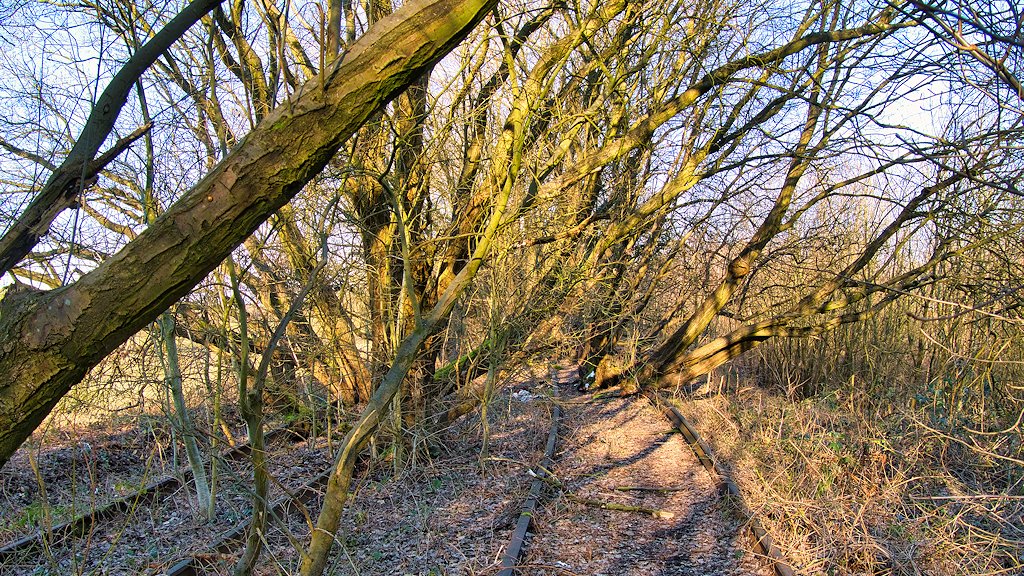
Paris’s Petite Ceinture once transported goods and then passengers around the capital. Freight trains stopped operating on the railway in 1993. On disused stretches, greenery now shares space with rails, platforms, walls, and embankments, giving the former transportation corridor a character far removed from its working years.

2001: Berlin’s Spreepark Closes
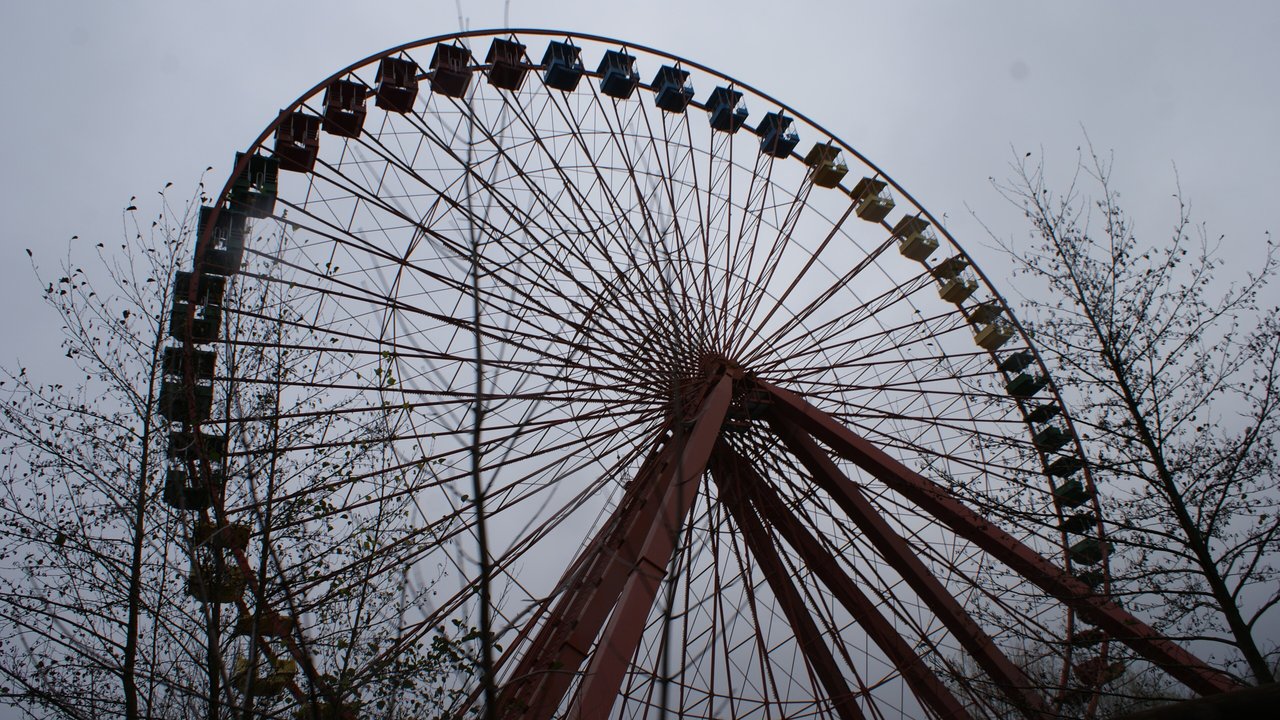
Spreepark was an amusement park in Berlin’s Plänterwald before operations ceased in 2001. After its closure, nature gradually reclaimed the grounds piece by piece. The Ferris wheel, artificial scenery, and other park structures became increasingly surrounded by plants, creating an unusual blend of recreation, decay, and woodland.

2005: Six Flags New Orleans Is Left Behind
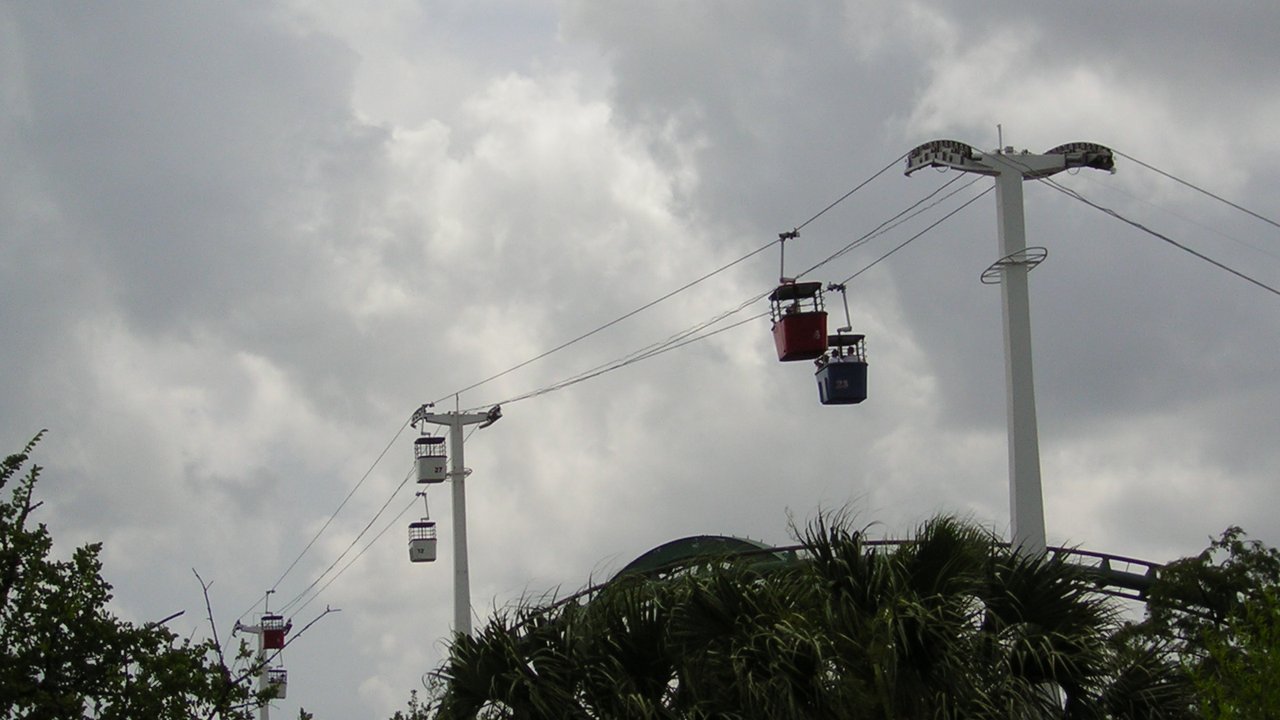
Six Flags New Orleans was an amusement park in New Orleans East. The city lost the attraction following Hurricane Katrina, and the site was abandoned in 2005. Its weathered rides and empty pathways became a vivid example of a modern entertainment complex standing without crowds, music, or routine maintenance.
These places reveal how dramatically the relationship between buildings and their surroundings can change once regular human activity ends. Which of these abandoned places would you most like to see in person?
Follow Lilyon on MSN for more stories like this.
Sources: