


Leisure once arrived through the mailbox, filled the radio dial, and took over basements and kitchen tables. This gallery moves from collecting and radio to models, crafts, social pastimes, home media, and early computing.
These hobbies have not vanished entirely. Devoted communities still preserve them, but the rituals, equipment, and gathering places that once made them familiar are much less visible today.

Stamp Collecting
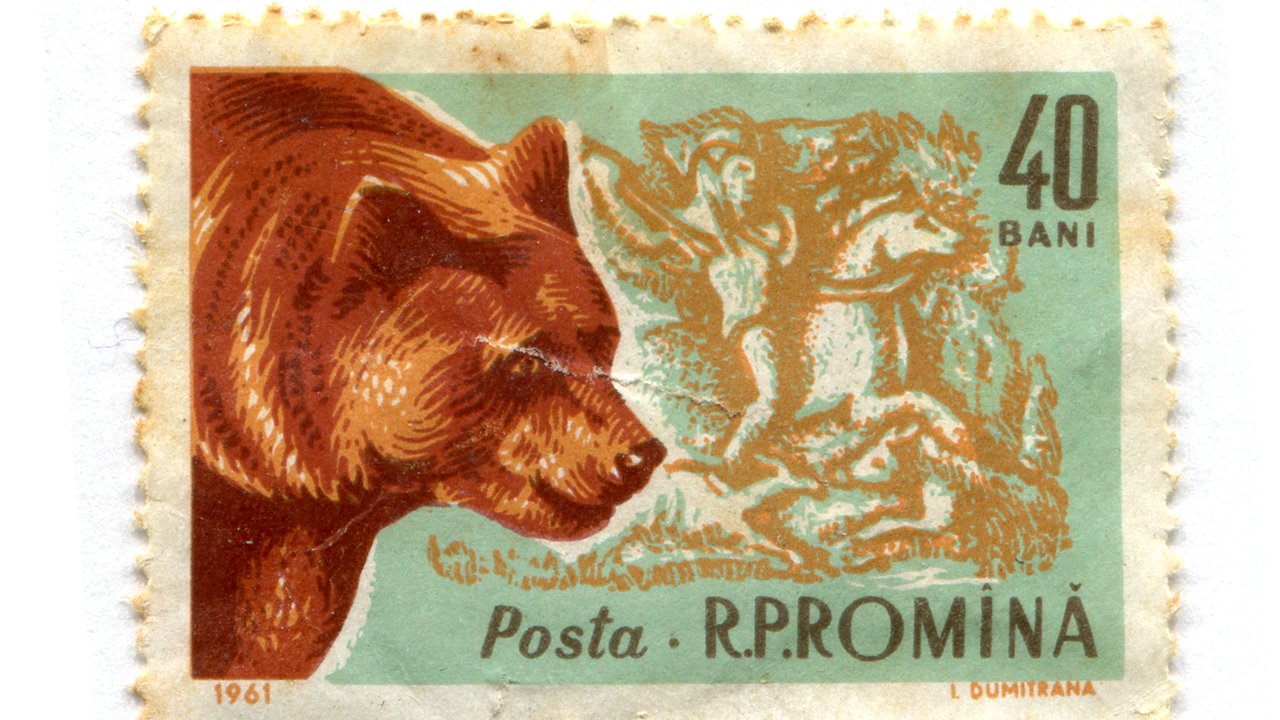
Stamp collecting turned everyday mail into a miniature lesson in geography, art, and history. It has ranked among the world’s most popular hobbies since the mid-1800s. Devoted collectors remain, but the familiar ritual of soaking stamps from envelopes, sorting duplicates, and filling album pages is far less visible.

Pen Pals
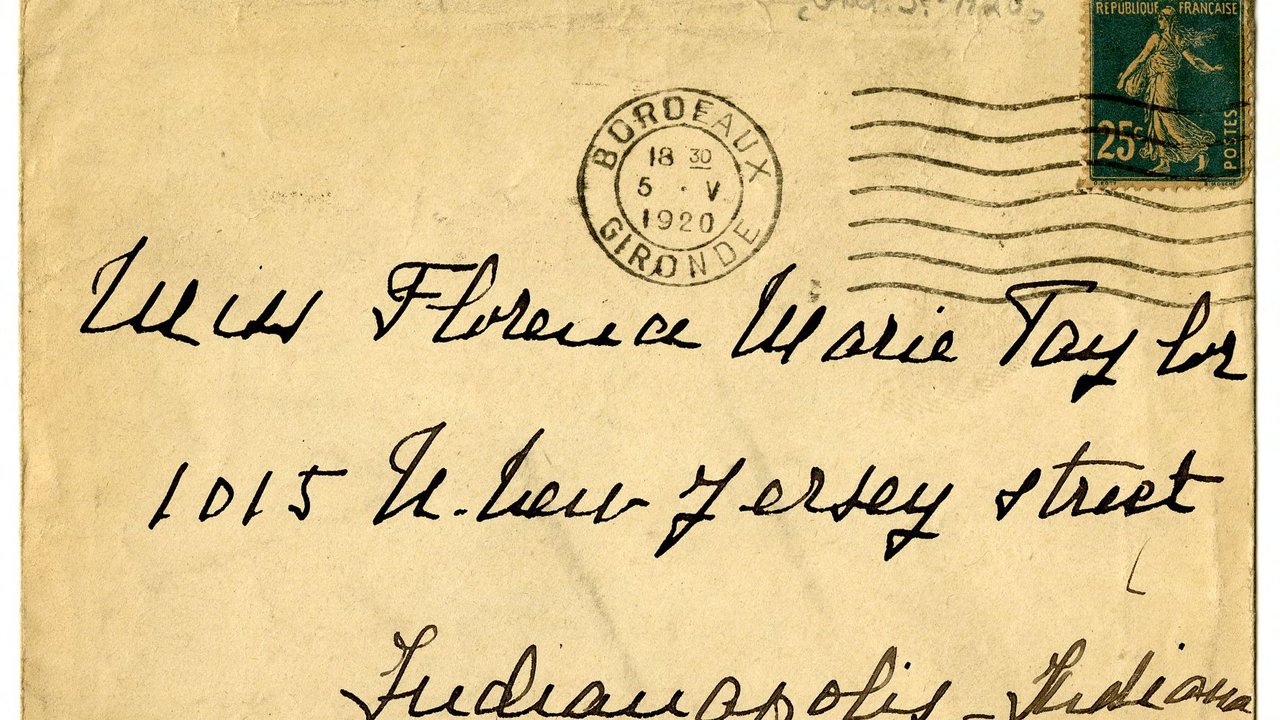
Pen pals made the mailbox feel international. A scholarly review traces organized pen-pal activity to the Student Letter Exchange in 1936. Email and social media made replies immediate, but they removed the paper, stamps, handwriting, and long wait that made each envelope feel like an event.

Ham Radio
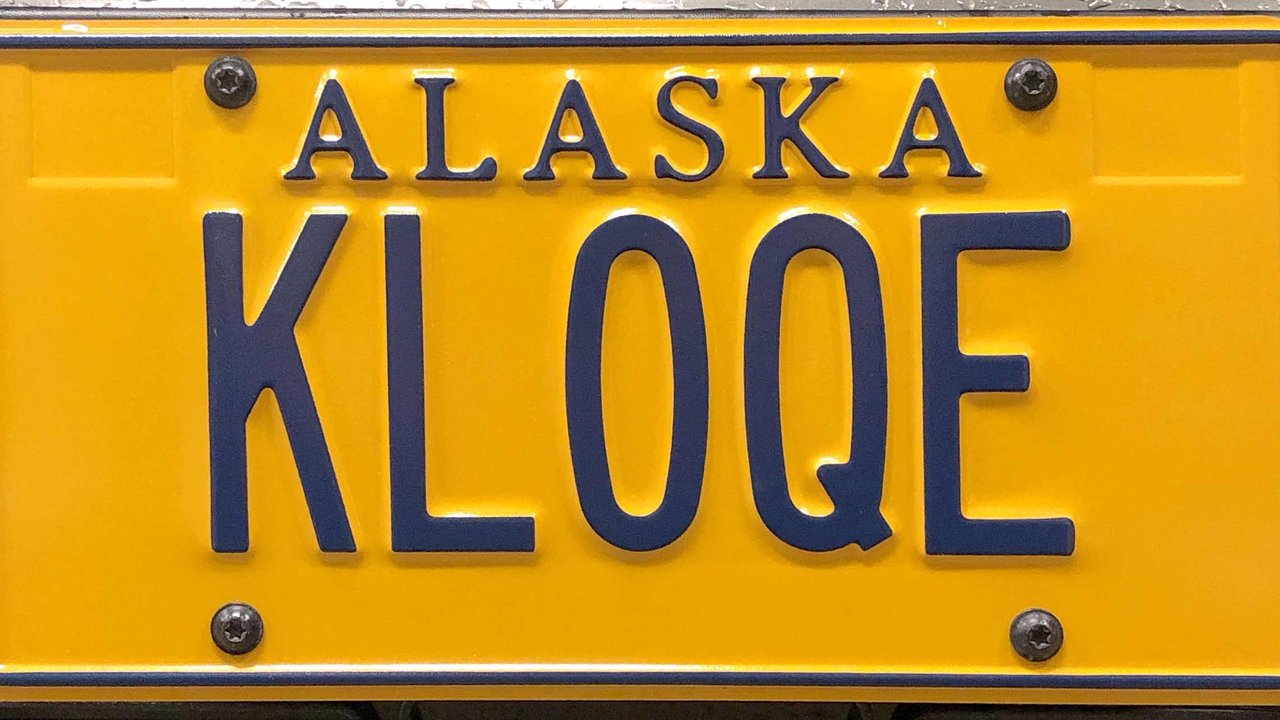
Amateur radio involved much more than talking into a microphone. Operators experimented with electronic equipment, developed technical skills, and formed friendships across borders. Modern communication has made worldwide contact effortless, so the home ham shack is less familiar, though licensed enthusiasts still preserve the hobby’s experimental and social traditions.
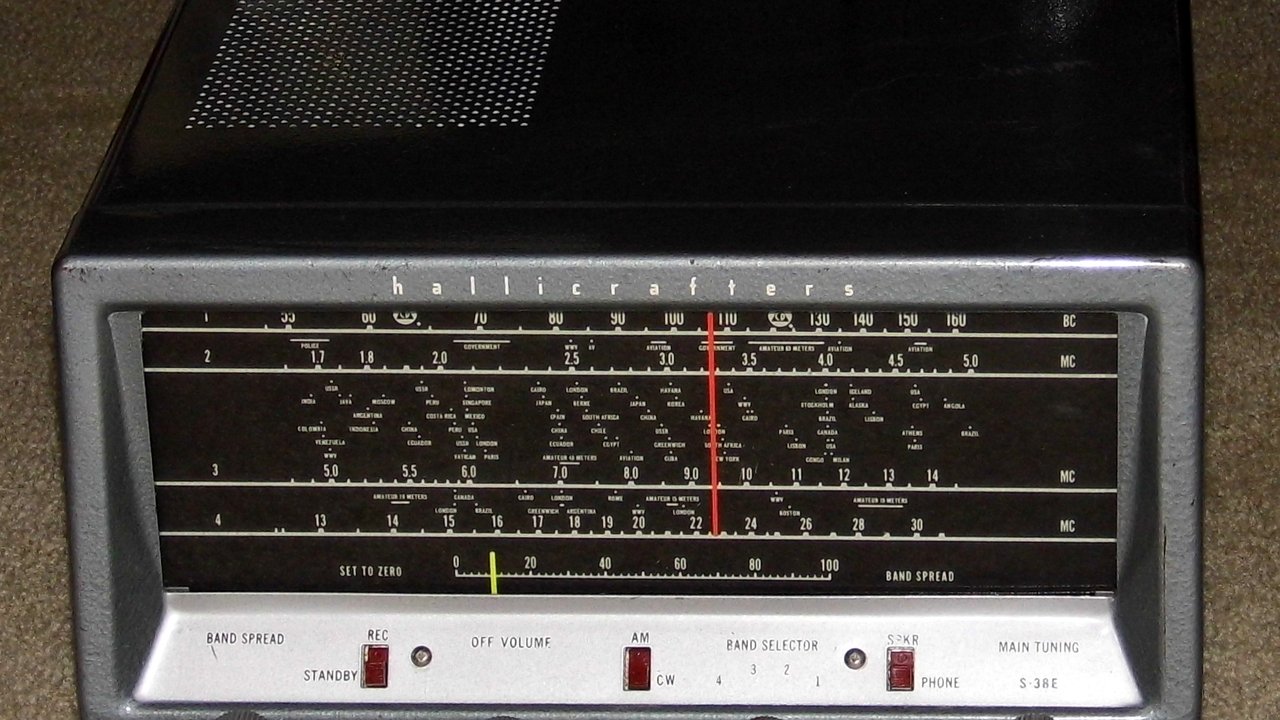

Collecting QSL Cards
A radio conversation once produced a physical souvenir. Operators mailed QSL cards containing technical information about individual contacts, often along with call signs, locations, and colorful artwork. The cards accumulated in albums and shoeboxes as collections of their own. Electronic confirmations are faster, but they lack the handwriting, postmarks, and personality of the originals.
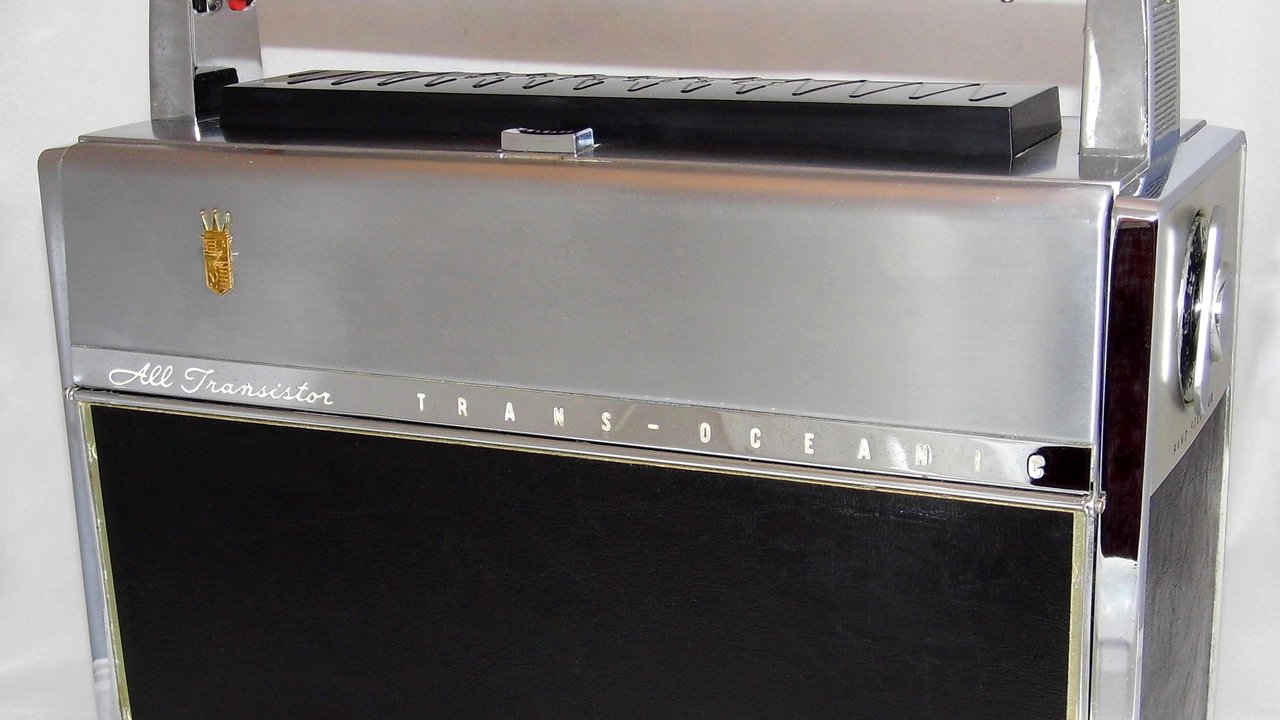

Shortwave Listening
Shortwave listeners slowly turned a crowded dial, hoping to catch distant news, music, or an unfamiliar language through the static. Since 2000, streaming radio and increasingly limited shortwave programming have contributed to a sharp decline in listenership. Dedicated hobbyists remain, drawn by the uncertainty and satisfaction of finding a faraway station.
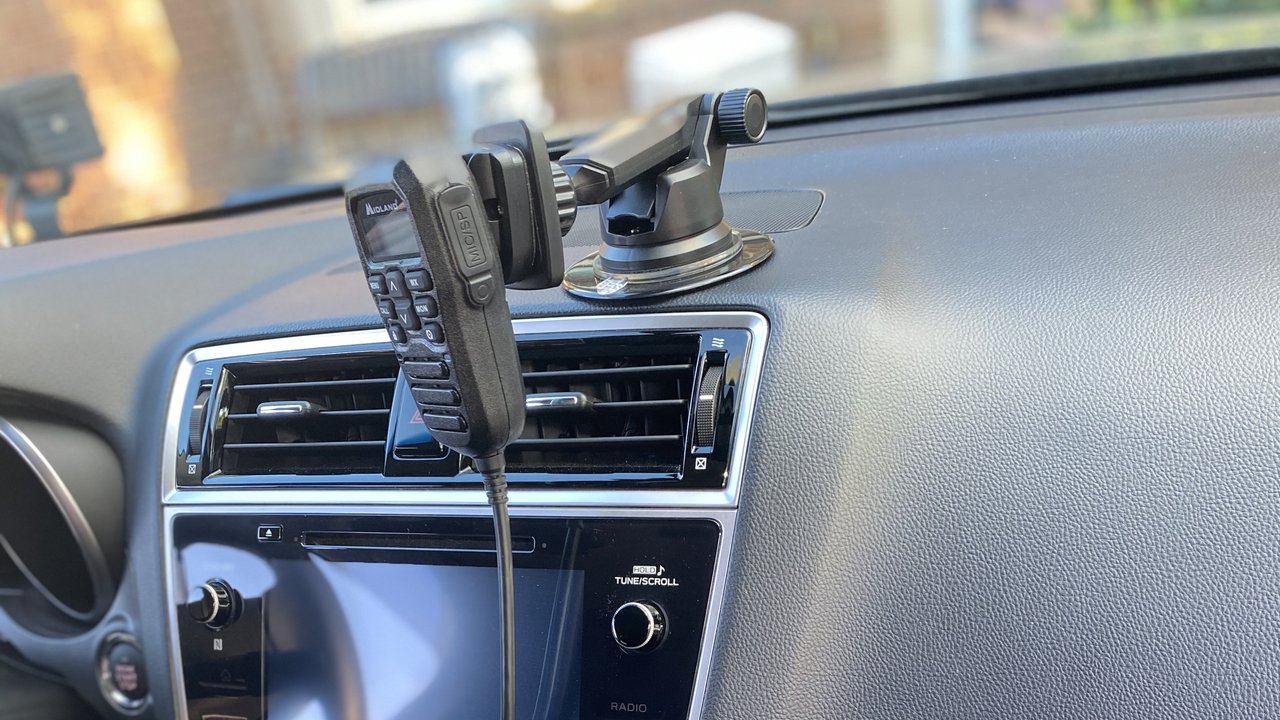

CB Radio
Citizens Band radio became a social and cultural phenomenon in the United States during the 1970s. Drivers chose handles, learned radio slang, shared road conditions, and talked with nearby strangers. Cellphones and navigation apps absorbed many practical uses, but they could not reproduce the unpredictable community carried through a dashboard speaker.
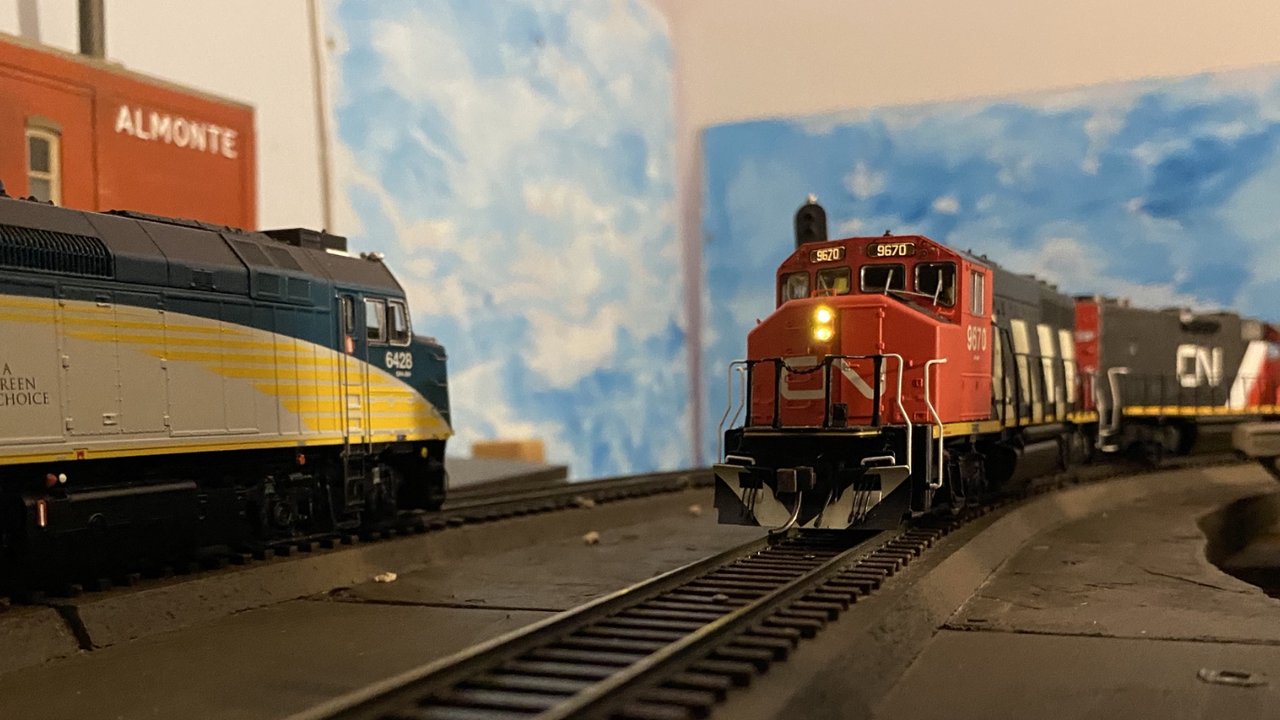

Model Trains
Model railroads once occupied spare rooms, attics, and carefully constructed basement tables. Popular in the mid-1900s, model-train making encouraged everyday invention and inspired public exhibitions. The hobby combines carpentry, wiring, painting, scenery, and mechanical problem-solving, but an elaborate permanent layout requires space and patience that many households cannot spare.

Slot Car Racing
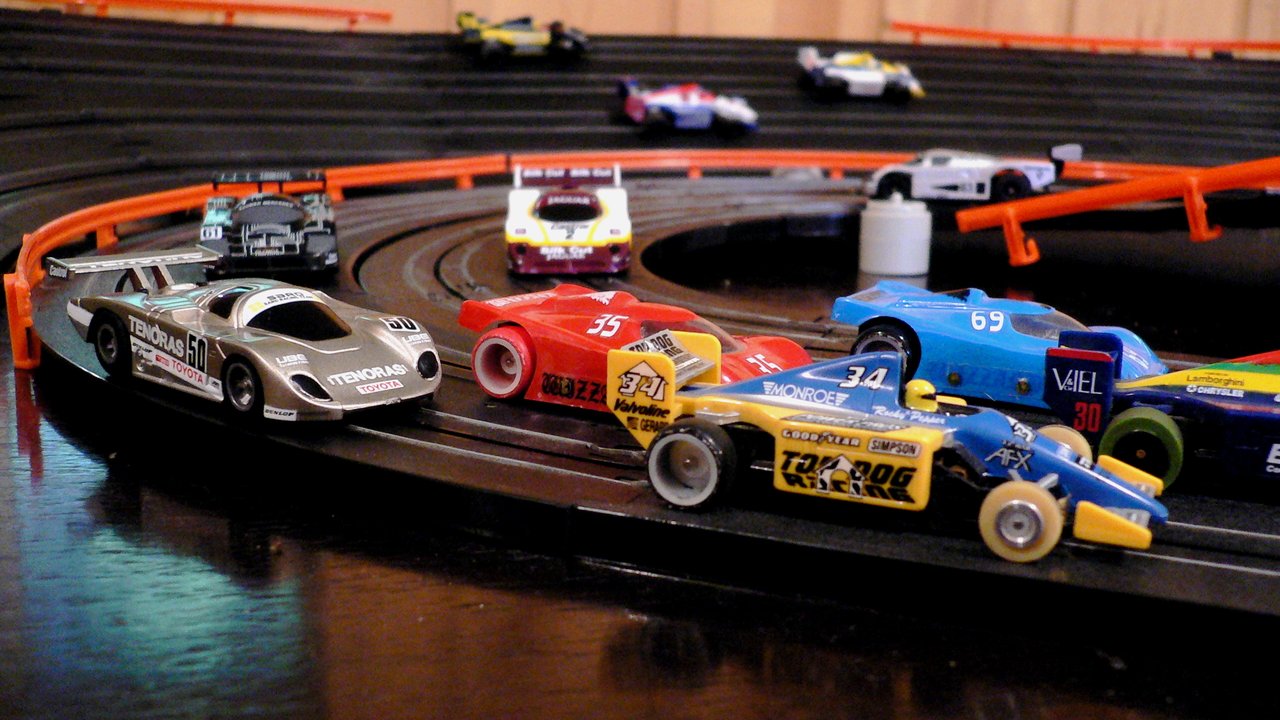
Slot cars offered miniature racing before driving games appeared on screens. A handheld controller adjusted the speed of an electric car guided by a groove in the track. Slot car racing was already a popular hobby by the early 1960s and continued in many family rooms, though most public raceways eventually disappeared.

Building Plastic Models
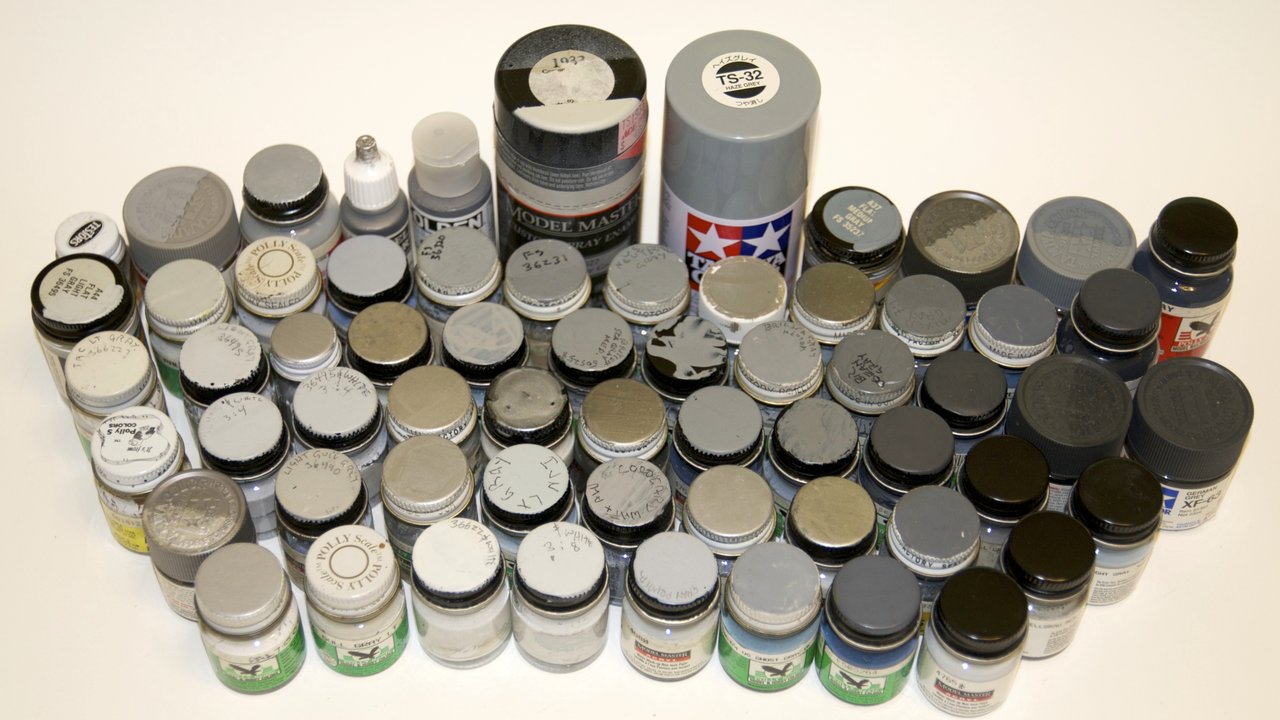
Plastic kits brought aircraft, ships, cars, and armored vehicles to the kitchen table. Builders clipped pieces from sprues, sanded seams, applied glue, painted details, and positioned tiny decals. The organized modeling movement traces its roots to Great Britain during the 1960s, and today’s clubs and contests continue to reward careful, patient work.

Paint-by-Number Kits
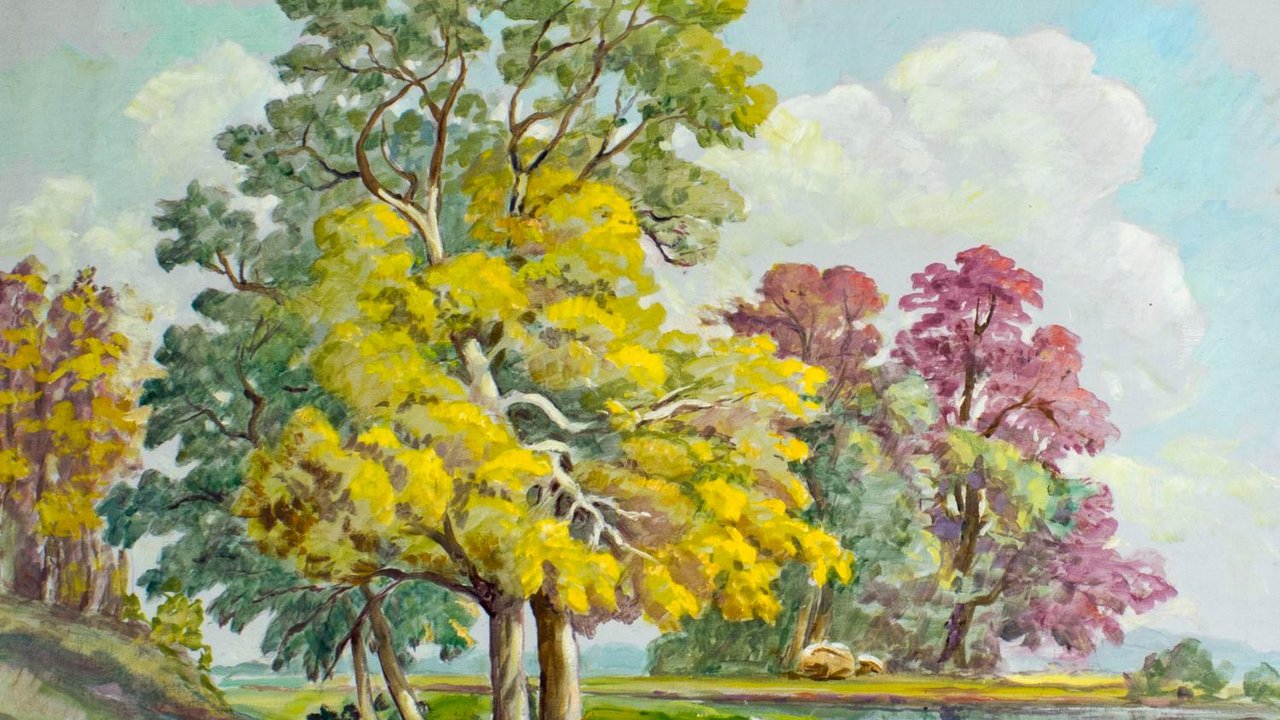
Paint-by-number kits promised a finished picture to anyone willing to follow the printed guide. Palmer Paint Company introduced commercial kits in 1951, turning ordinary consumers into leisure-time painters. The formula later became shorthand for unoriginal work, yet its slow, reassuring rhythm still appeals to people who enjoy structured crafts.

Macramé
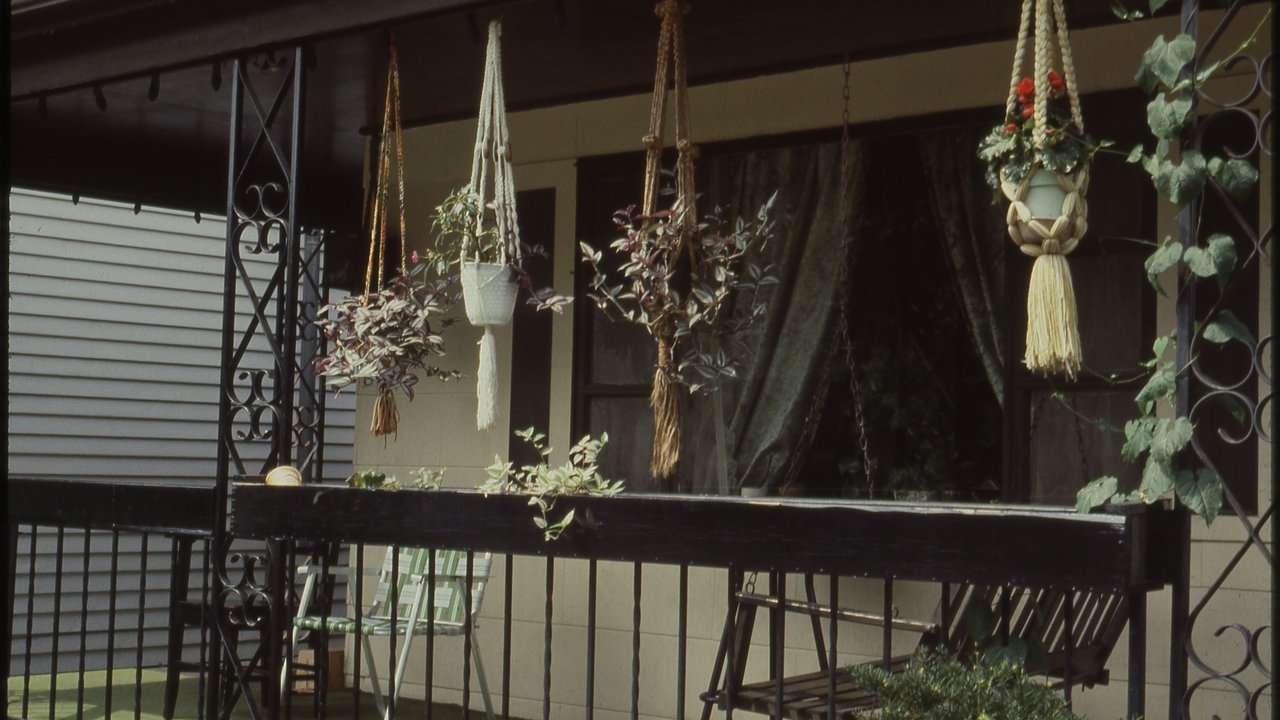
Macramé transforms cord into plant hangers, wall decorations, belts, and other useful or decorative pieces through repeated knots. The materials are simple, but maintaining an even pattern takes attention and practice. Although the finished look is closely associated with earlier home décor, fiber artists and home crafters still explore the technique.
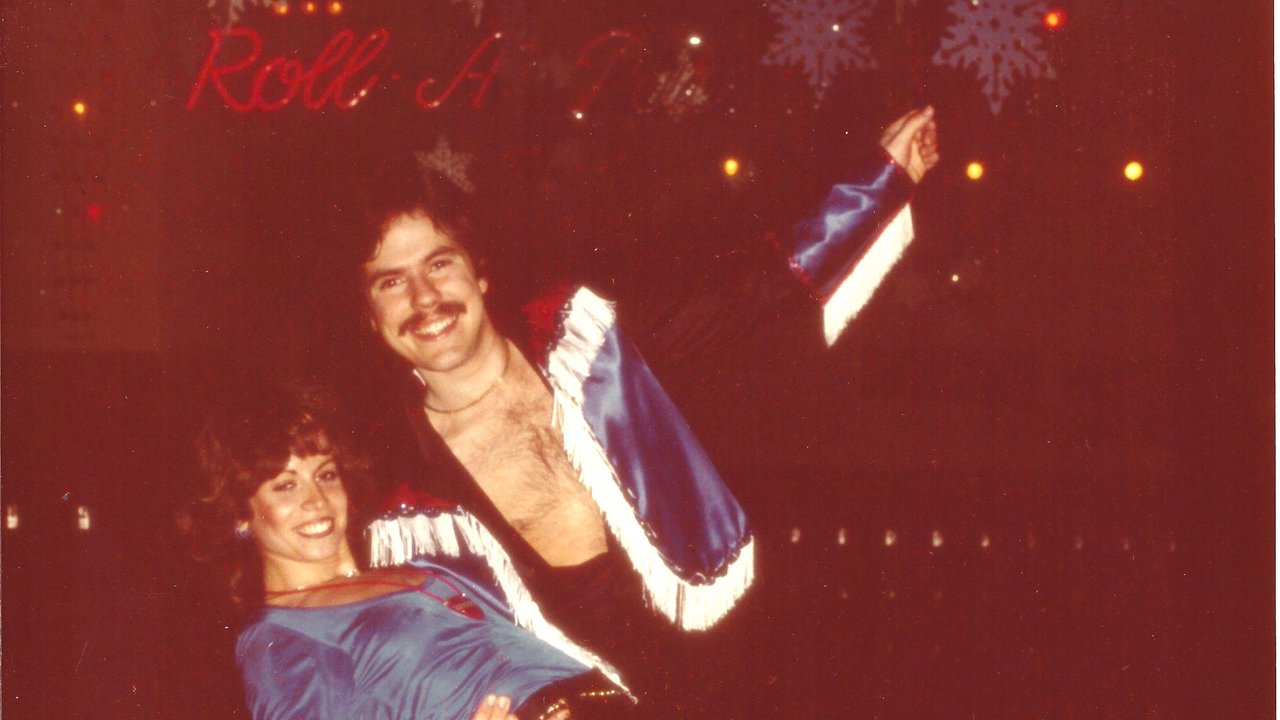

Roller Discos
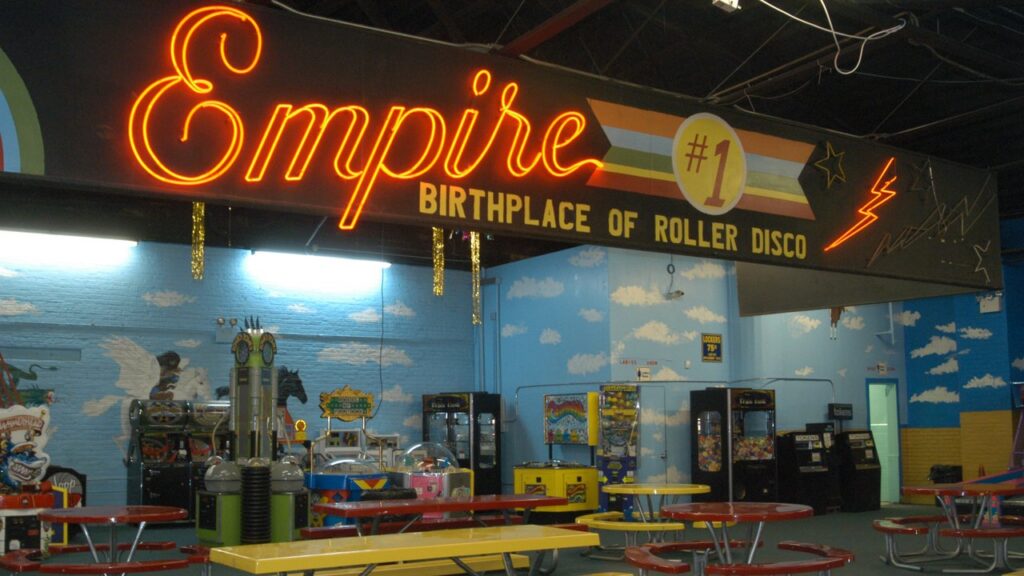
Roller discos combined skating, music, fashion, and nightlife beneath colored lights. During the 1970s and 1980s, Brooklyn’s Empire rink became famous as roller disco developed into a nationwide craze. Pop-up skate nights and dedicated rinks keep the spirit alive, but the neighborhood roller disco is now an uncommon destination.
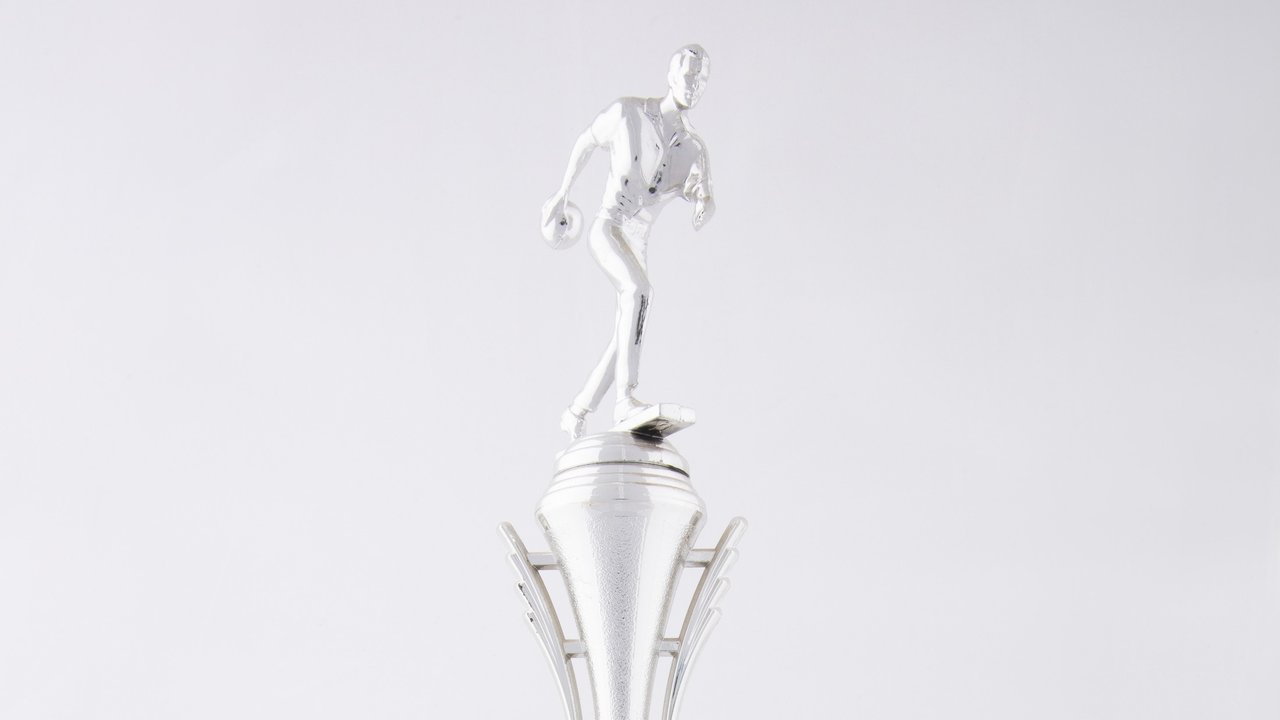

League Bowling
Weekly bowling leagues gave coworkers, couples, church groups, and neighbors a dependable social calendar. Teams ordered shirts, tracked averages, and returned throughout the season. Casual bowling remains easy to enjoy, but joining a regular team requires a longer commitment. For many bowlers, the lasting appeal was the friendship as much as the competition.
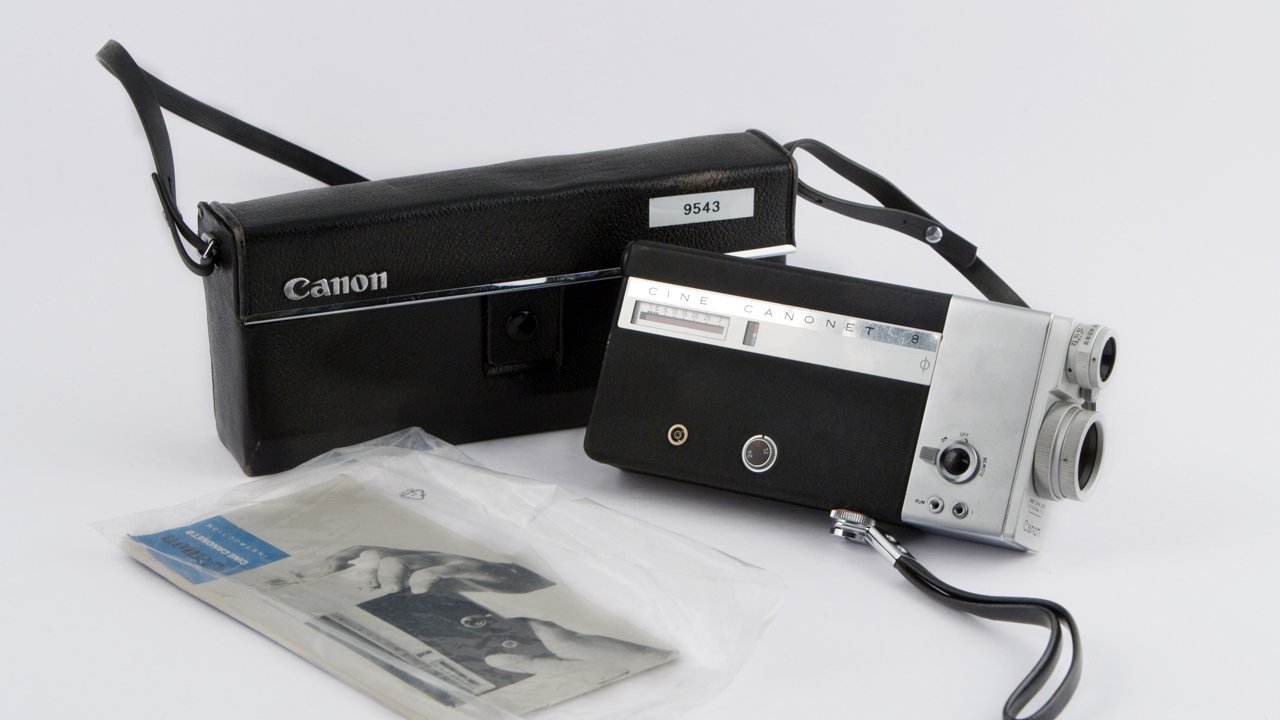

Super 8 Home Movies
Introduced in 1965, Super 8 film was designed to accommodate sound and made family filmmaking more approachable. Vacations, birthdays, and holiday mornings became short reels shown through a projector in the living room. Video cameras eliminated film processing, while smartphones eventually placed the camera, playback device, and screen in a single pocket.
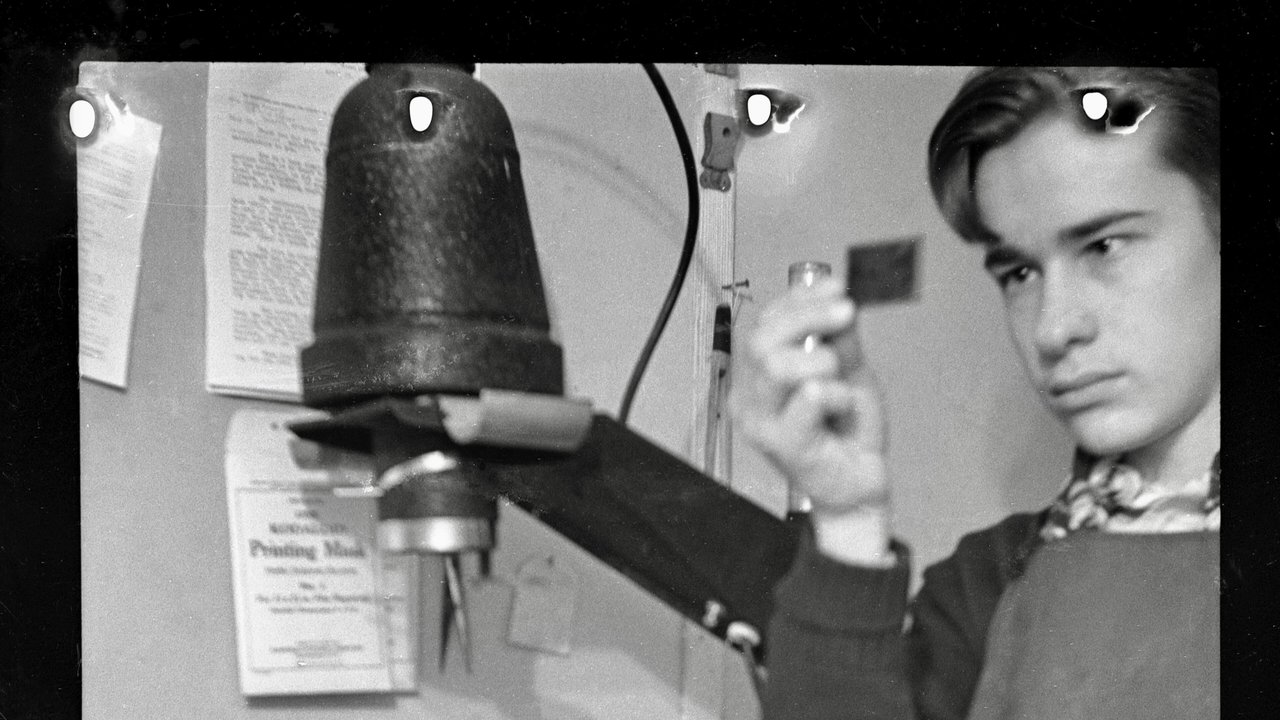

Home Darkrooms
A home darkroom turned photography into a second hobby after the shutter clicked. Enthusiasts loaded film, mixed chemicals, timed enlarger exposures, and watched prints emerge in trays under a safelight. Digital imaging rapidly disrupted the traditional photographic industry. Darkrooms remain in specialist studios, but few modern homes reserve space for one.

35mm Slide Shows
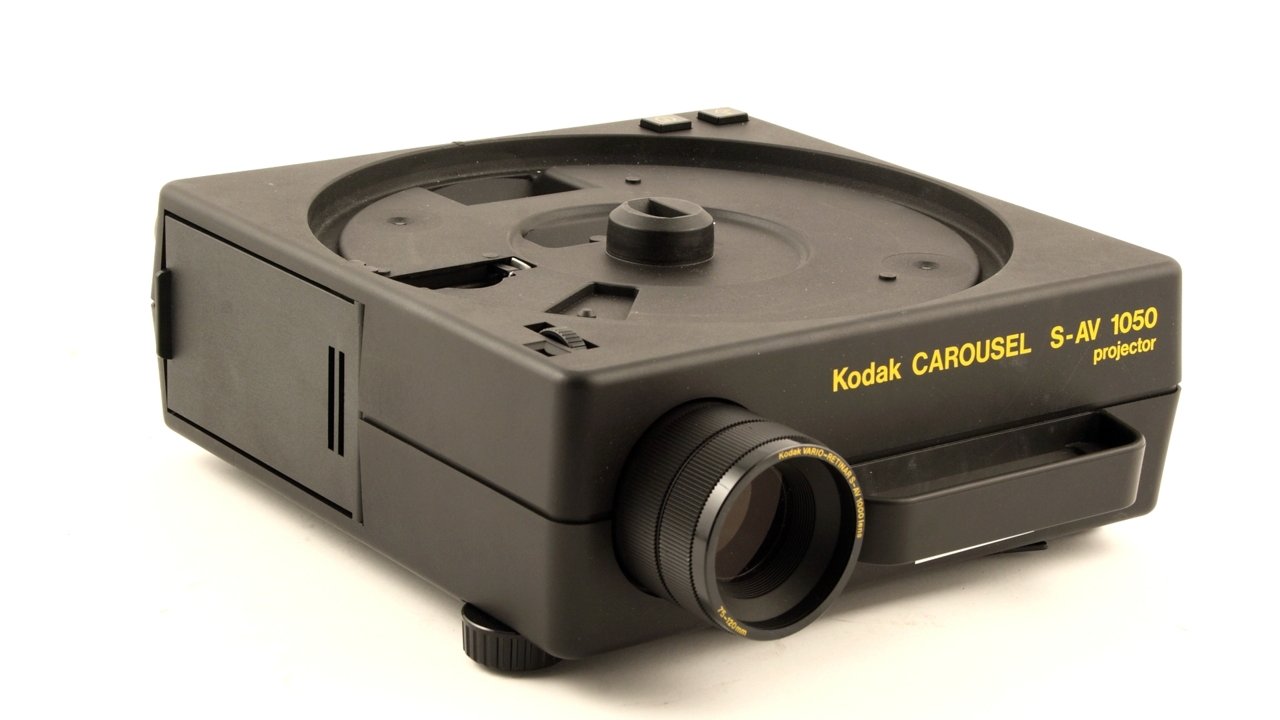
Vacation photographs once returned from processing as mounted transparencies. Families loaded them into circular trays, dimmed the lights, and projected each image onto a wall or portable screen. As digital imaging became more convenient, Kodak discontinued slide-projector production in 2004. Countless family slides now sit in boxes, waiting to be scanned and identified.

Making Mixtapes
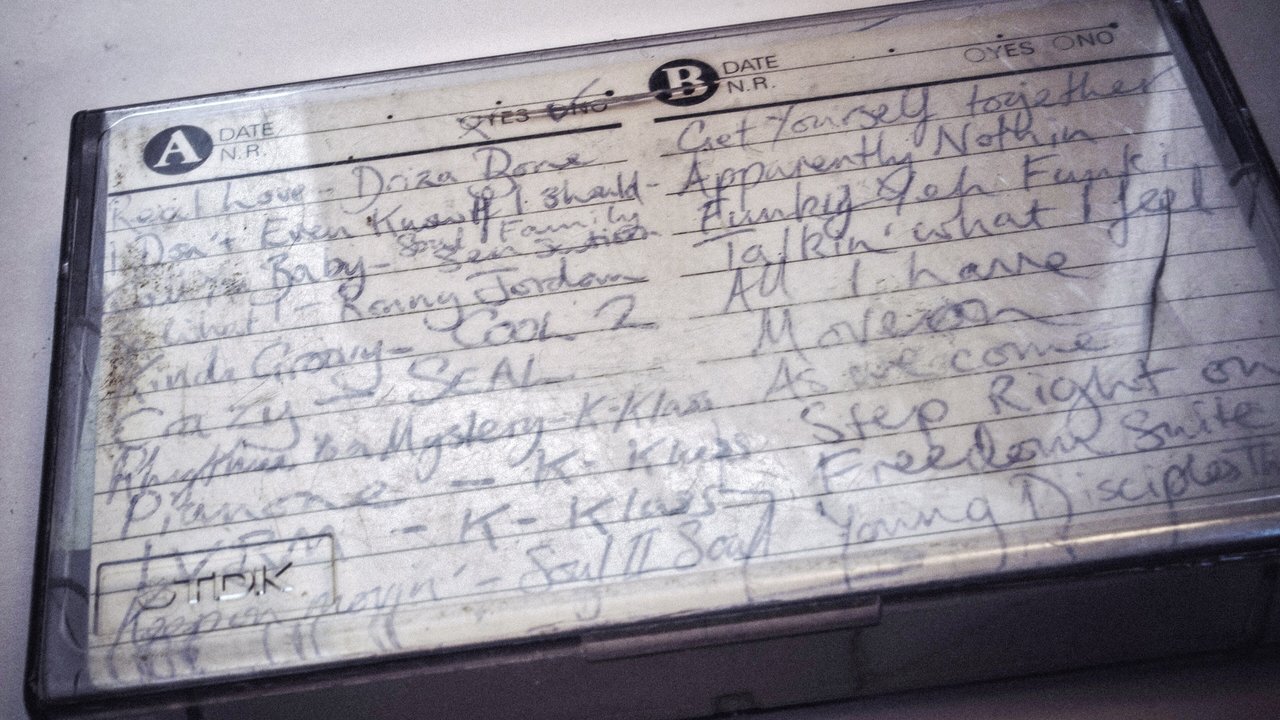
Making a mixtape required more than choosing songs. Someone had to plan the order, watch the remaining tape, press record at the right moment, and write a track list by hand. The cassette format declined in the mid-2000s. Digital playlists preserved the basic idea while removing most of the delicate manual work.

Recording Television on VHS
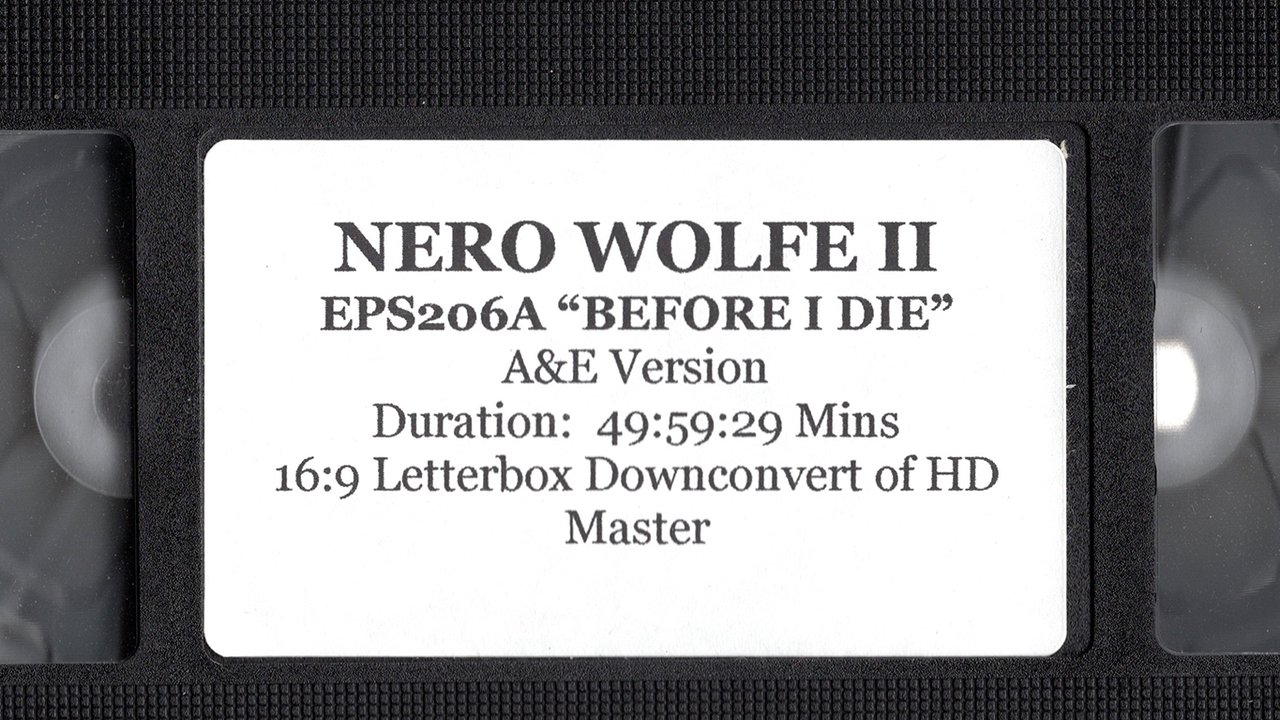
Recording television became a pastime once home video machines entered American living rooms. Viewers programmed timers, labeled tapes, skipped commercials, and built shelves of favorite movies and shows. VHS became the standard home-recording format before optical media superseded it in the late 1990s. Streaming later made even carefully labeled disc collections optional.

Homebrew Computer Clubs
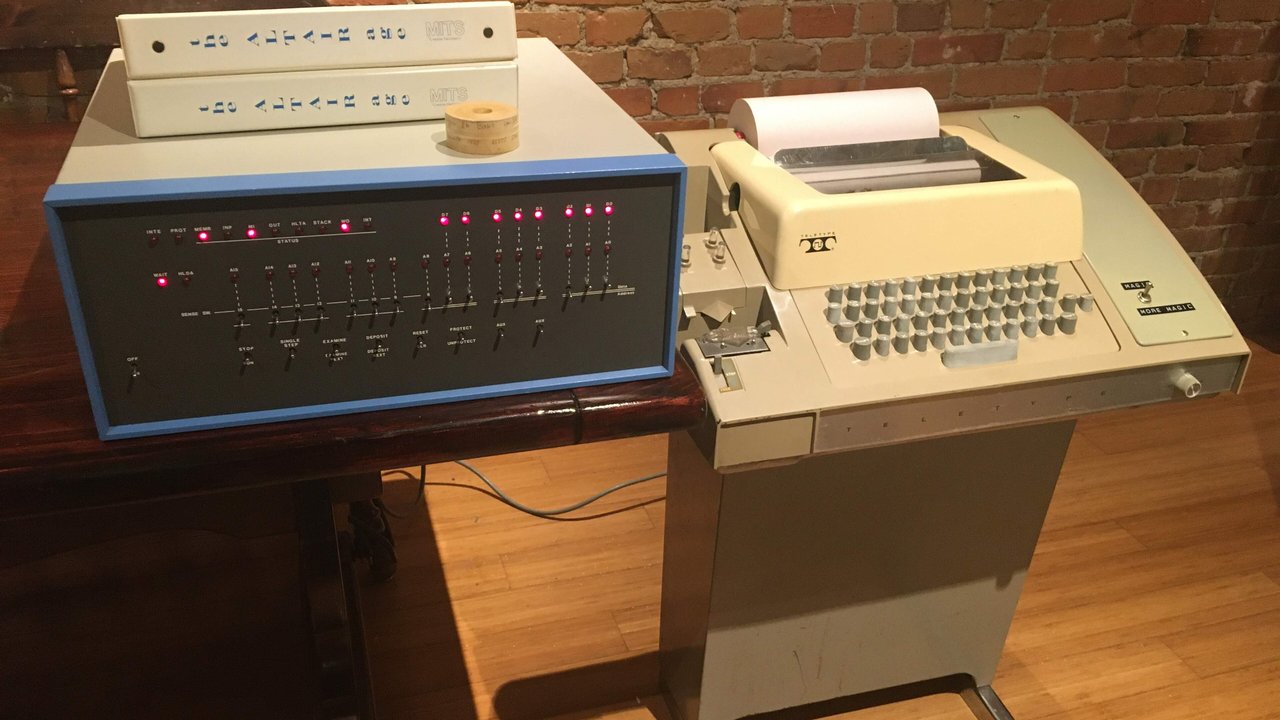
Early personal computing was a hands-on hobby built around kits, soldering, shared software, and club newsletters. The first Homebrew Computer Club meeting brought together about 30 microcomputer hobbyists to discuss the Altair. As ready-to-use computers became ordinary products, local hardware clubs lost their central role, though their cooperative spirit survives in maker spaces.
These hobbies survive in dedicated communities, but their tools and rituals still carry the texture of another era. Which one do you remember best, and what did you love about it?
Follow Lilyon on MSN for more stories like this.
Sources: