

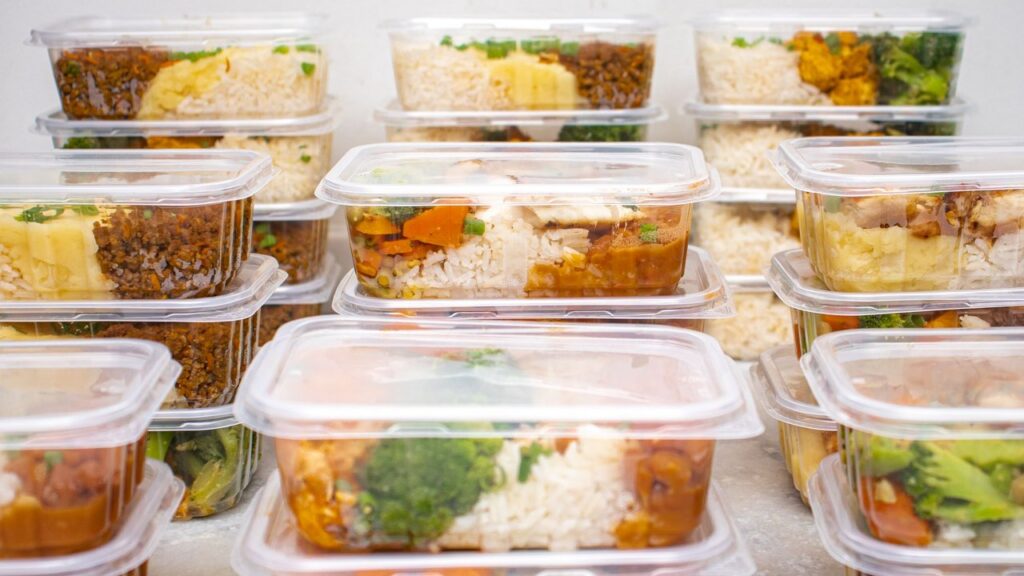
Wondering how soon Thanksgiving leftovers need to go into the refrigerator and how long you can keep them?
Put perishable food away within 2 hours, or within 1 hour when the outside temperature is above 90°F. Refrigerated leftovers should be used within 3 to 4 days. Here is how to cool, pack, freeze, thaw, and reheat the meal safely.
Clear The Table Before Time Runs Out
Once dinner winds down, start watching the clock. Food should not remain out longer than 2 hours, or longer than 1 hour when the outside temperature is above 90°F. That means the turkey cannot stay on the table all afternoon while everyone visits or cleans up.
If turkey, stuffing, or gravy has passed the limit, discard it. Do not rely on a smell test or a quick look. Pathogens may not change the taste, smell, or appearance of food, so a normal-looking platter is not proof that it is safe.
- Start a timer. Note when the meal leaves the oven or other temperature control so cleanup does not quietly run past the limit.
- Clear everything together. Move the turkey, stuffing, gravy, and other perishable dishes into storage while someone else handles plates and decorations.
- Throw overdue food away. Refrigerating food after it has sat out too long will not make it suitable for tomorrow.
If nobody knows how long a dish has been sitting out, the safer choice is to let it go.
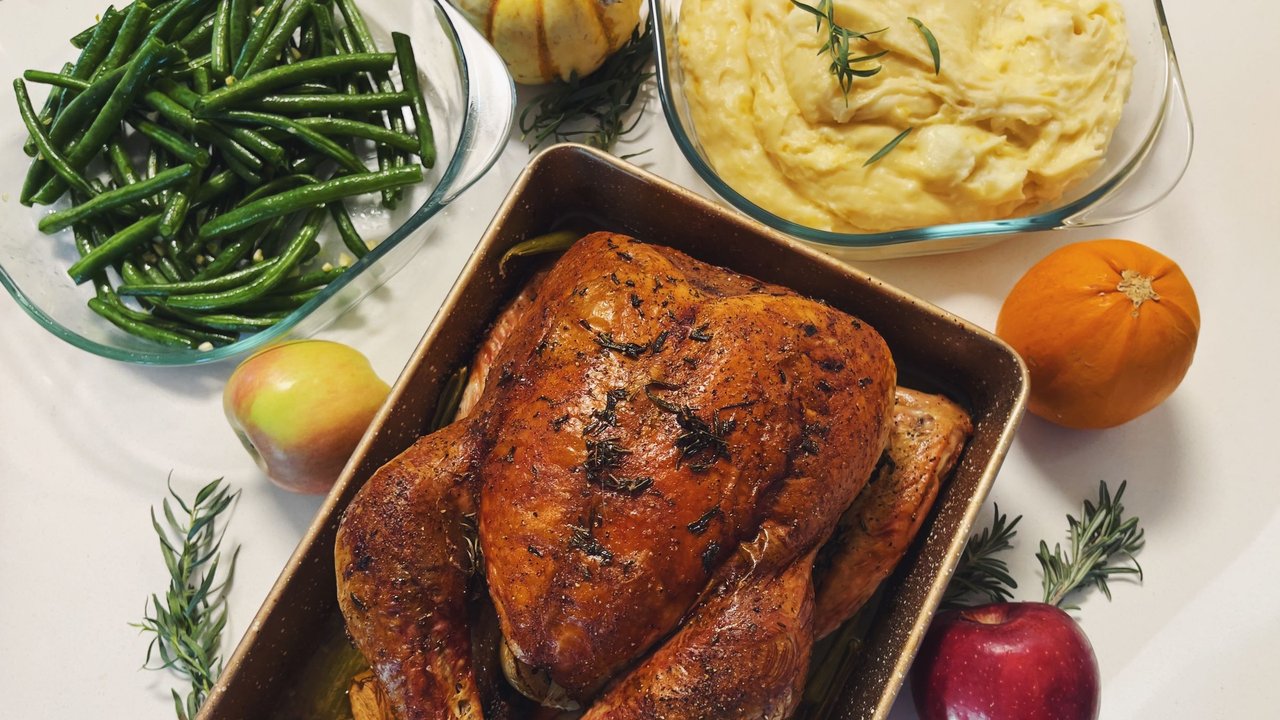
Pack Food In Small, Shallow Portions
Before you begin, set out several shallow containers. USDA guidance recommends packing leftovers in small portions, marking the contents and date, and refrigerating or freezing them promptly.
Small, shallow portions cool rapidly and evenly. They are a better choice than putting an entire serving bowl or a large mound of warm food into the refrigerator.
- Remove the stuffing. Take stuffing out as soon as cooking is complete and store it separately. Do not refrigerate the turkey with stuffing still inside the bird.
- Portion the turkey. Divide the meat into small, meal-size amounts and place each portion in a shallow container.
- Split up the sides. Divide large amounts of gravy, potatoes, vegetables, and other cooked dishes among several shallow containers.
- Mark each container. Add the food name and storage date so everyone can see how old it is.
Pack the food first. The remaining dishes and decorations can wait until the leftovers are safely stored.
Know The Refrigerator And Freezer Limits
Treat the storage date as a countdown. If your household will not finish a portion during the recommended refrigerator window, freeze it promptly instead of waiting until the last day.
- Refrigerator storage. Use cooked Thanksgiving leftovers within 3 to 4 days.
- Freezer storage. Cooked turkey and other cooked meat or poultry maintain their best quality for 2 to 6 months in the freezer.
- Plan smaller portions. Freeze amounts that match a future meal so you can thaw only what you expect to use.
The freezer interval is a quality guideline, not a safety cutoff. Clear labels help you use the oldest portions first.
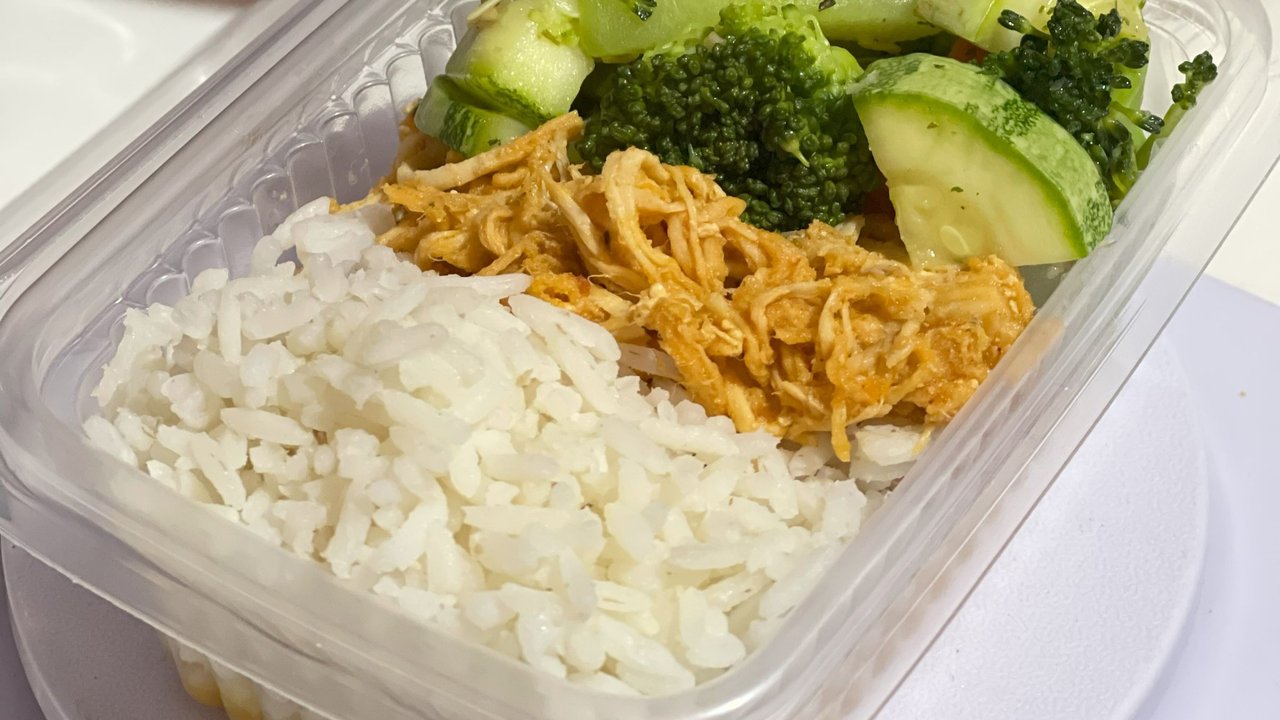
Reheat Leftovers Thoroughly
Leftovers need to become hot all the way through, not just steamy on the surface. Use a food thermometer to check the internal temperature instead of judging by appearance.
- Reach 165°F. Heat each portion to at least this temperature and verify it with the thermometer.
- Boil liquid dishes. Bring leftover sauces, soups, and gravies to a boil when reheating them.
- Skip the slow cooker. It is not recommended for reheating leftovers because food can remain too long in the temperature range where bacteria multiply rapidly.
Reheat only what you need for the meal, then return the remaining refrigerated food promptly.
Thaw Turkey And Leftovers Safely
Safe thawing takes a little planning. The refrigerator, cold water, and microwave are suitable methods for frozen leftovers. The kitchen counter and hot water are not safe shortcuts.
- Plan ahead for a turkey. In the refrigerator, allow about 24 hours of thawing time for every 4 to 5 pounds of whole turkey.
- Use cold water correctly. Keep the turkey in airtight packaging or a leak-proof bag, submerge it in cold water, and change the water every 30 minutes.
- Protect frozen leftovers. Place leftovers in a leak-proof bag before using the cold-water method.
- Cook without delay. Food thawed in cold water or the microwave should be cooked or reheated immediately after thawing.
- Avoid unsafe shortcuts. Never thaw a turkey or leftovers on the kitchen counter or in hot water.
Refrigerator thawing needs the least hands-on attention. Cold water and the microwave work when the next meal is closer, but the food must be cooked or reheated right away.
A timely cleanup, a few shallow containers, and clear date labels can carry Thanksgiving dinner safely into the next several meals.
Sources:
- USDA Food Safety and Inspection Service: How do I handle leftovers safely?
- USDA Food Safety and Inspection Service: How long can you keep cooked beef?
- USDA Agricultural Research Service: Innovations for Reducing Food Loss and Waste
- USDA National Institute of Food and Agriculture: Serving Turkey Safely
- FoodSafety.gov: Cold Food Storage Chart
- USDA Food Safety and Inspection Service: What methods of reheating food are safe?
- USDA Food Safety and Inspection Service: How do I reheat leftover take-out food?
- FoodSafety.gov: 10 Smart Tips to Keep Your Restaurant Leftovers Safe
- USDA Food Safety and Inspection Service: How do you thaw leftovers safely?
- FoodSafety.gov: Meat and Poultry Roasting Charts
- FoodSafety.gov: SOS on Turkey Day – My Turkey Isn’t Ready, What Do I Do Now?
- USDA Food Safety and Inspection Service: How do you thaw food safely?