

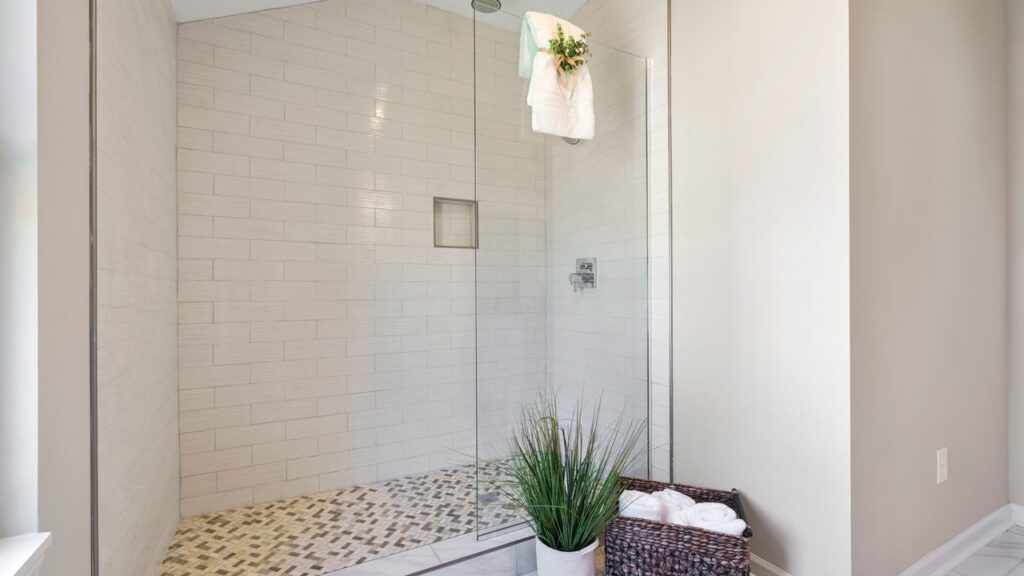
Wondering how to remove those cloudy hard water stains from your glass shower door without scratching it?
Start with diluted white vinegar, a soft cloth or non-abrasive sponge, and a thorough rinse. If residue remains, a baking-soda paste may help on compatible, uncoated glass. Before you begin, check the door’s care instructions and protect nearby stone and metal finishes.
Here’s how to clean the glass safely, handle stubborn buildup, and keep water spots from returning.
What Hard Water Stains Are
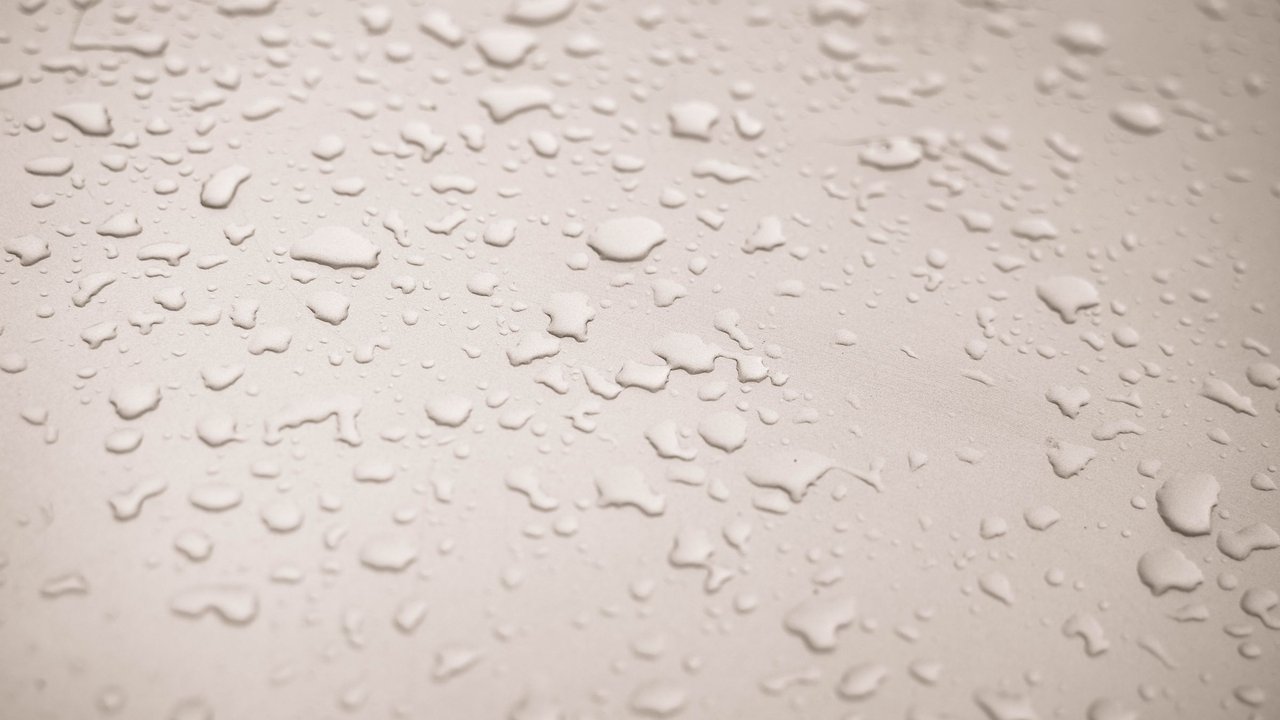
Hard water stains are mineral deposits, not ordinary loose dirt. The U.S. Geological Survey defines water hardness by the amount of dissolved calcium and magnesium in water. Hardness is commonly expressed in terms of calcium carbonate, a mineral associated with the pale scale and film seen around wet household surfaces.
That difference matters because harder scrubbing is not the best first move. Acids help remove hard-water deposits, and university extension guidance identifies white vinegar as a mild acid. That makes vinegar a practical starting point when the shower-door manufacturer permits it.
Check the Door and Surrounding Surfaces
Find the door’s care instructions before applying a cleaner. Some glass has a factory-applied treatment, and its manufacturer may prohibit abrasive cleaners even when those products are commonly suggested for ordinary glass.
Check the tile, threshold, trim, frame, and hardware too. Vinegar can dull or etch calcium-based natural stones. Keep it away from marble, limestone, travertine, and other acid-sensitive stone unless the stone supplier specifically approves it.
- Gather gentle tools. Use white vinegar, water, a spray bottle, a soft microfiber cloth or non-abrasive sponge, and a rubber squeegee.
- Protect nearby materials. Cover acid-sensitive stone or choose a manufacturer-approved, non-acidic cleaner instead.
- Ventilate the room. Open the bathroom door or run the exhaust fan while cleaning.
Clean the Glass With Diluted Vinegar
One shower-door manufacturer recommends a solution of 1/3 white vinegar and 2/3 water for doors exposed to hard water. Make only what you need, and never put the mixture in an unlabeled container.
Work in a controlled way rather than leaving the cleaner on the door for an extended soak. Shower-door care guidance warns against allowing cleaners to soak on the surface, especially when the glass, frame, or hardware has a special finish.
- Wet the deposits. Spray the vinegar solution directly onto the cloudy glass. Keep overspray away from natural stone and metal finishes that prohibit acids.
- Wipe gently. Use a soft microfiber cloth or non-abrasive sponge. Move across the glass without bearing down on stubborn spots.
- Rinse completely. Wash away the cleaner with plain water. Manufacturer care guidance calls for thoroughly rinsing shower-door surfaces.
- Squeegee dry. Pull the squeegee from the top of the glass toward the bottom, wiping its blade between passes.
Let the glass dry before judging the result. Dry glass makes any remaining cloudy areas easier to see. If stains remain, check the care guide before repeating the treatment or changing cleaners.
Use Baking Soda Only When the Finish Allows It
Baking soda is a mild alkaline scouring powder. Mixed with water, it can provide a separate cleaning step for residue that remains. However, baking soda is still abrasive, so do not use it on coated glass unless the manufacturer approves it.
For compatible, uncoated glass, combine baking soda with just enough water to make a spreadable paste. Apply it with a damp microfiber cloth, rub lightly, rinse thoroughly, and dry the door. Keep this step separate from the vinegar treatment instead of mixing both ingredients in the same container.
- Stop if the cloth drags. Add water instead of pressing harder.
- Skip coated glass. Use only the soft-cloth-and-water method or another cleaner listed in the door’s instructions.
- Inspect after drying. If the haze does not improve, do not escalate to a sharper or rougher tool.

Avoid Dangerous or Damaging Shortcuts
Never mix vinegar with chlorine bleach. Poison Control says that combination releases chlorine gas. Rinse away one cleaner completely before using a different product, and never combine leftover solutions.
Keep every cleaner in its original or clearly labeled container and out of reach of children and pets. A toilet-bowl cleaner, drain cleaner, or heavy-duty scale remover does not belong on shower glass unless the door manufacturer specifically lists it.
- Skip rough pads. Bristle brushes, abrasive sponges, scouring pads, and aggressive scrubbers can scratch glass or damage a protective coating.
- Put away sharp tools. Do not scrape the door with a razor, knife, or other sharp instrument.
- Avoid unapproved acids. Keep vinegar and acidic scale removers off sensitive stone and metal finishes.
- Do not chase permanent haze. If approved gentle cleaning does not change the mark, ask the manufacturer or a glass professional to identify the surface before trying a harsher treatment.
Prevent the Next Round of Buildup
The easiest way to limit buildup is to remove water before it remains on the glass. Manufacturer guidance recommends using a squeegee after each shower to help eliminate water spots.
Keep the squeegee inside the enclosure where it is easy to reach. Wipe damp edges and tracks with a soft cloth, then follow the door’s instructions for occasional cleaning instead of waiting for a heavy film to develop.
A quick squeegee after each shower will make the next deep cleaning gentler and much easier.
Sources:
- U.S. Geological Survey: Hardness of Water
- U.S. Geological Survey: Quality of Ground Water
- University of Georgia Cooperative Extension: Cleaning Healthy, Cleaning Green
- University of Arkansas System Division of Agriculture: Clean and Green Homemade Cleaners
- MAAX Bathware USA: Bathroom Cleaning and Maintenance Tips
- Delta Faucet: Care & Cleaning
- Kohler Assist: Shower Door CleanCoat Glass Treatment
- Sterling Plumbing: How to Clean & Care for Bath & Shower Doors
- Sterling Plumbing: Care & Cleaning, Shower Doors Made of Glass & Metal
- Natural Stone Institute: Care & Cleaning of Natural Stone
- Poison Control: No, Vinegar Is Not Always Safe
- Centers for Disease Control and Prevention: When and How to Clean and Disinfect Your Home