

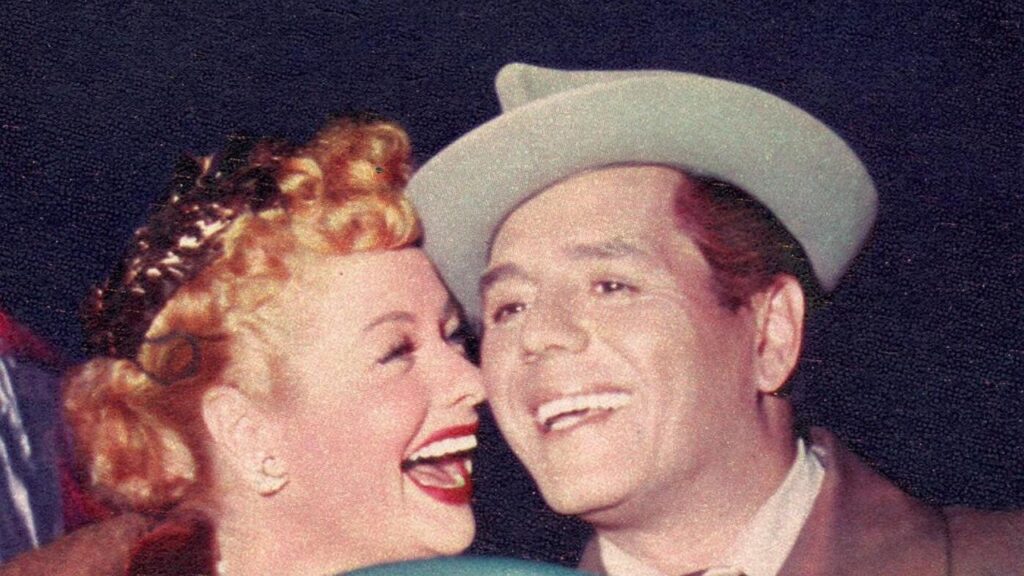

Classic television offers more than nostalgia. Its strongest ideas can still inspire stories about families, workplaces, friendships, ambition, and the surprising ways people respond to change.
These selections are arranged by debut year. Program details come from the Paley Center’s archive, and each photo suggestion matches an image file cataloged on Wikimedia Commons.
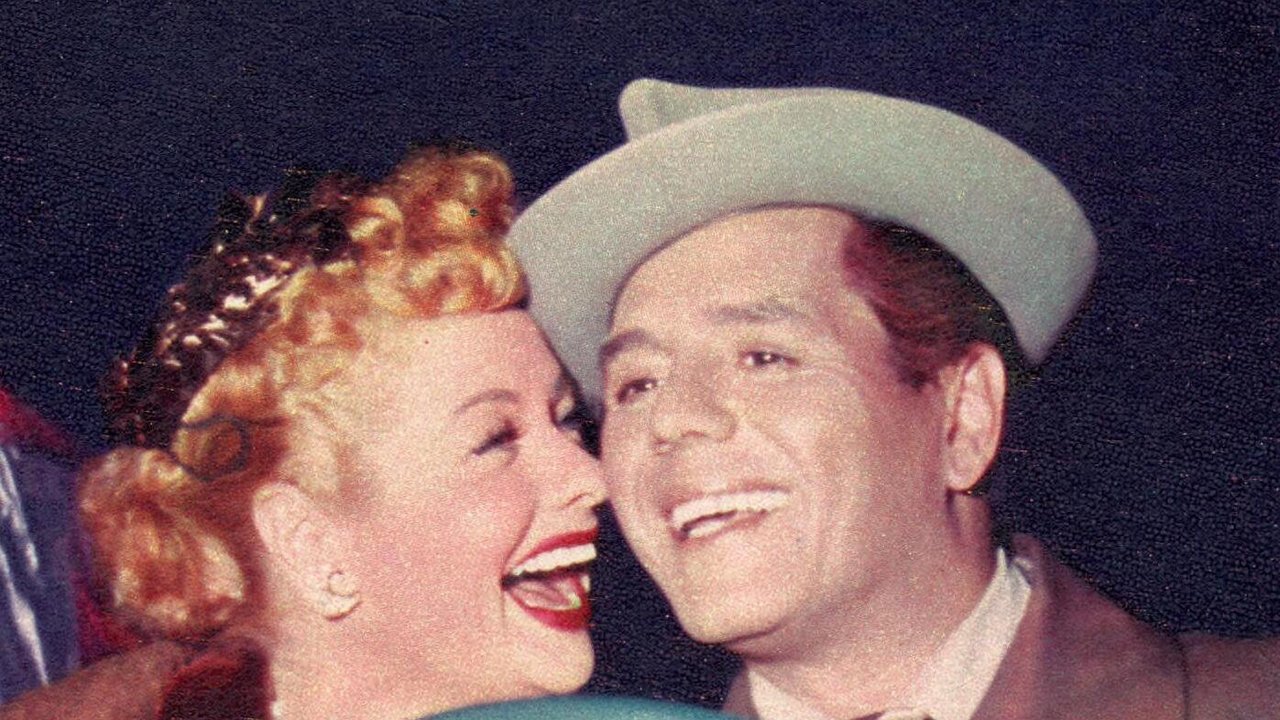
1951: I Love Lucy
The Paley archive identifies I Love Lucy as a CBS series that ran from 1951 to 1957. A comeback could center on an irrepressible performer and her practical spouse, with neighborhood friendships driving the mishaps. The challenge would be keeping the comedy affectionate while giving both partners equal room to be funny.
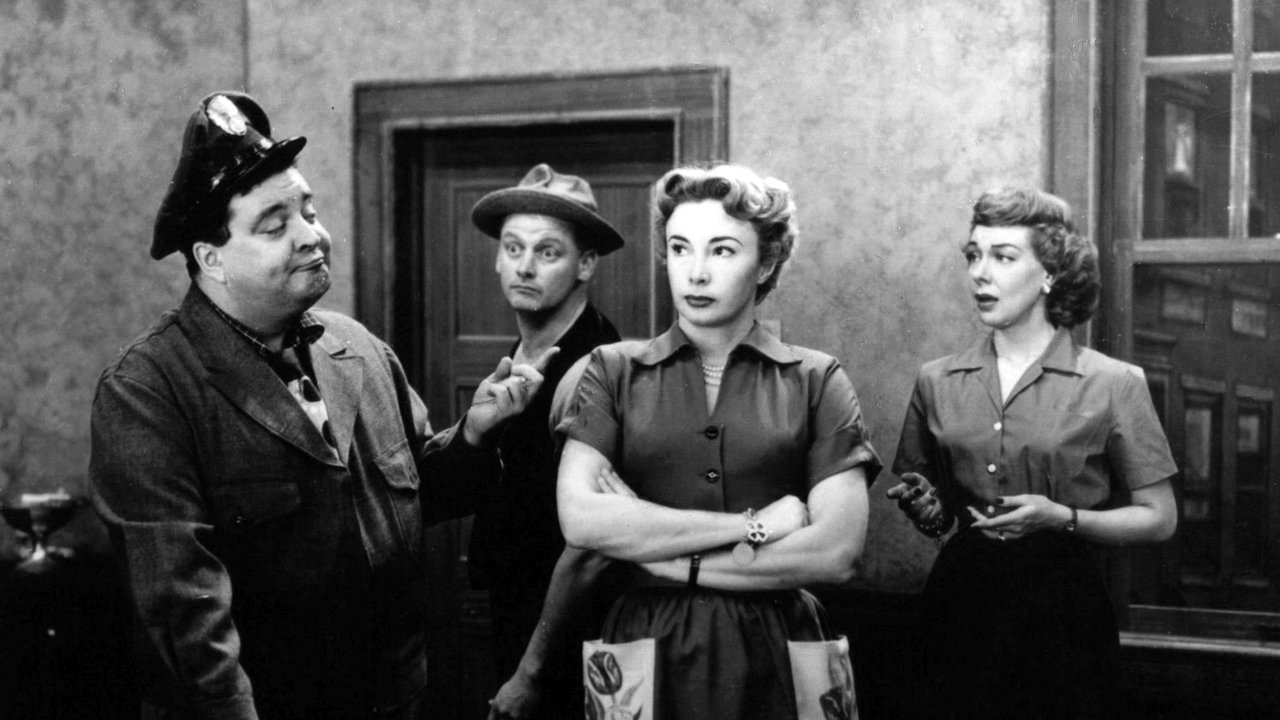

1955: The Honeymooners
The Paley Center catalogs The Honeymooners as a CBS series from 1955 to 1956. A revival could build fresh stories around two couples balancing big dreams, tight budgets, and everyday frustrations. The setting would need updating, but the loyalty beneath the arguments should remain the heart of the show.
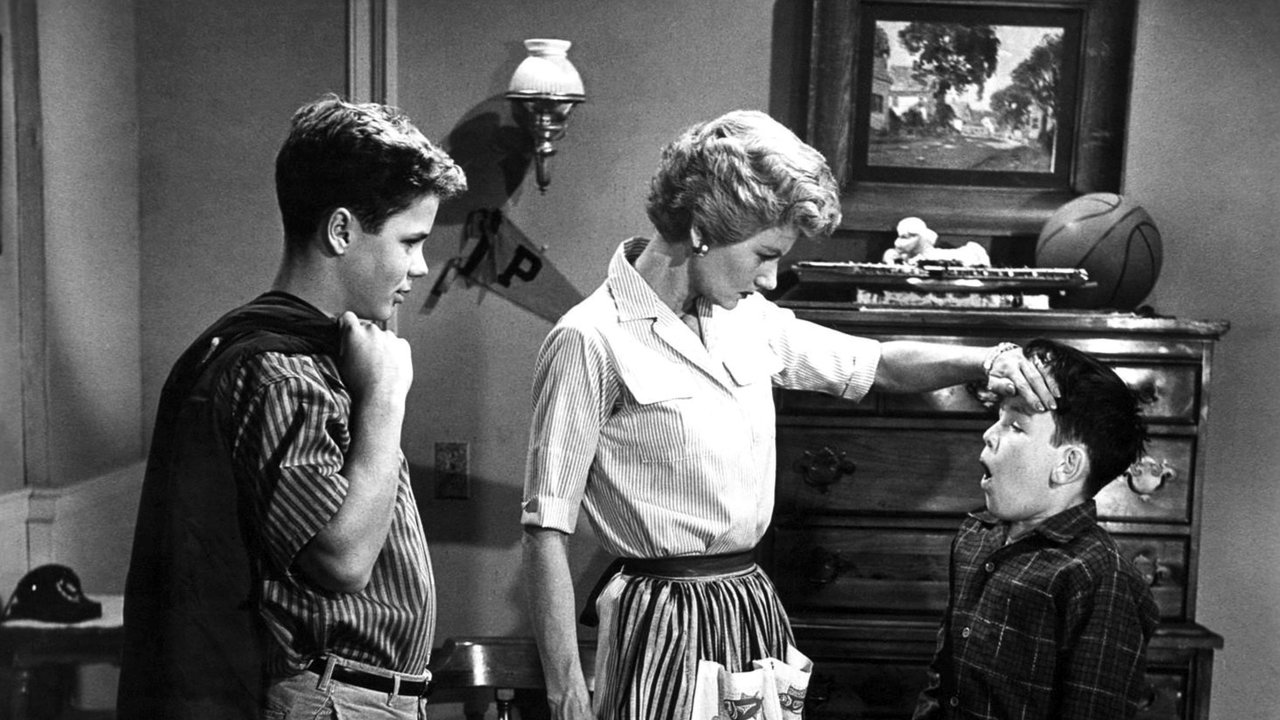

1957: Leave It to Beaver
Paley’s catalog lists Leave It to Beaver on CBS from 1957 to 1958 and ABC from 1958 to 1963. A new version could preserve the child’s-eye perspective while exploring phones, school pressure, and changing neighborhoods. Gentle observation would work better than lectures about modern family life.
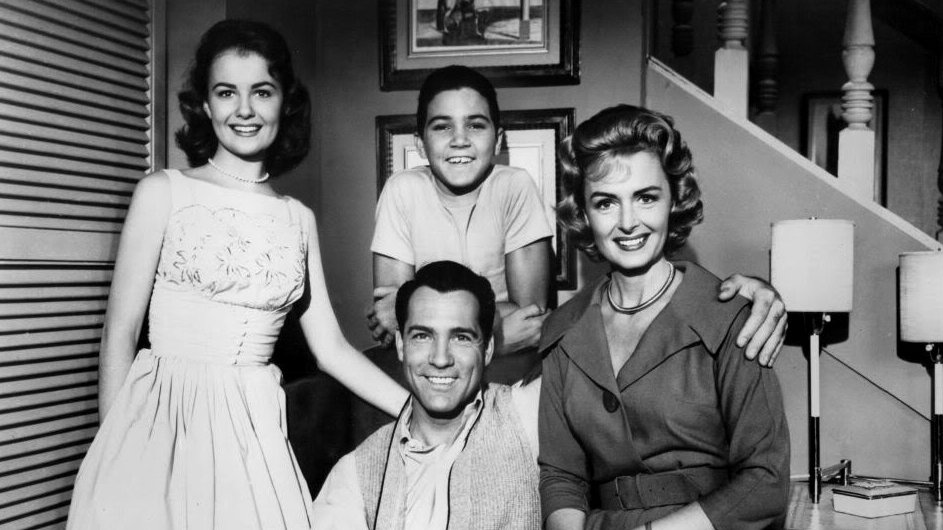

1958: The Donna Reed Show
The Donna Reed Show appears in the Paley archive as an ABC series that ran from 1958 to 1966. A comeback could follow a capable mother whose ambitions extend beyond managing the household. Warm family stories could remain central while giving every generation a fuller life outside the home.
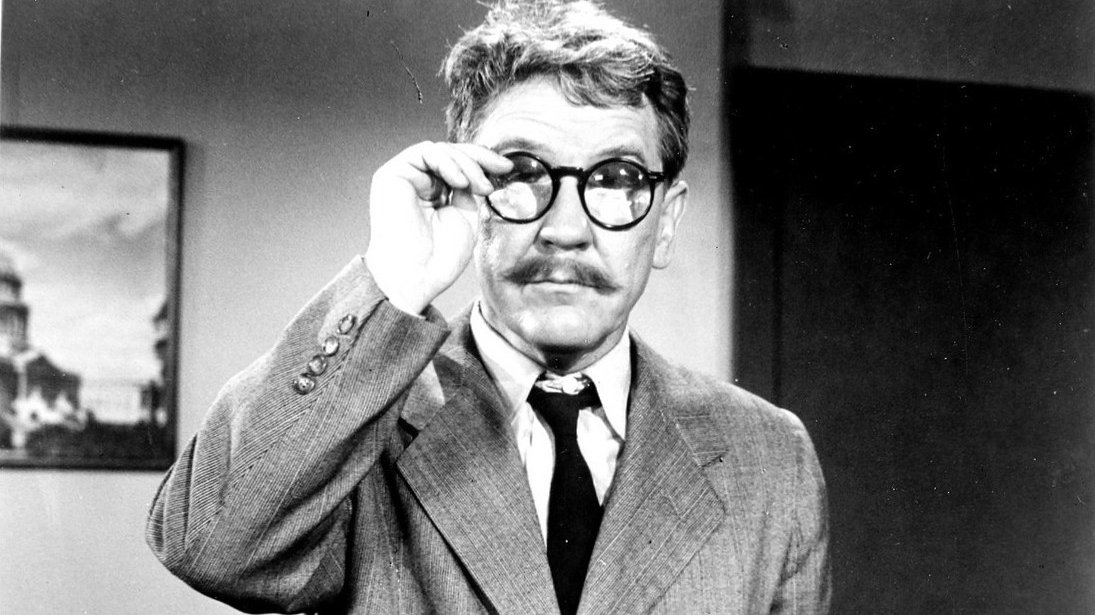

1959: The Twilight Zone
The Paley Center records The Twilight Zone as a CBS series from 1959 to 1964. Its anthology format would suit unsettling stories about surveillance, loneliness, misinformation, and growing dependence on technology. The strongest return would use strange circumstances to examine ordinary human choices, leaving viewers with questions instead of easy explanations.
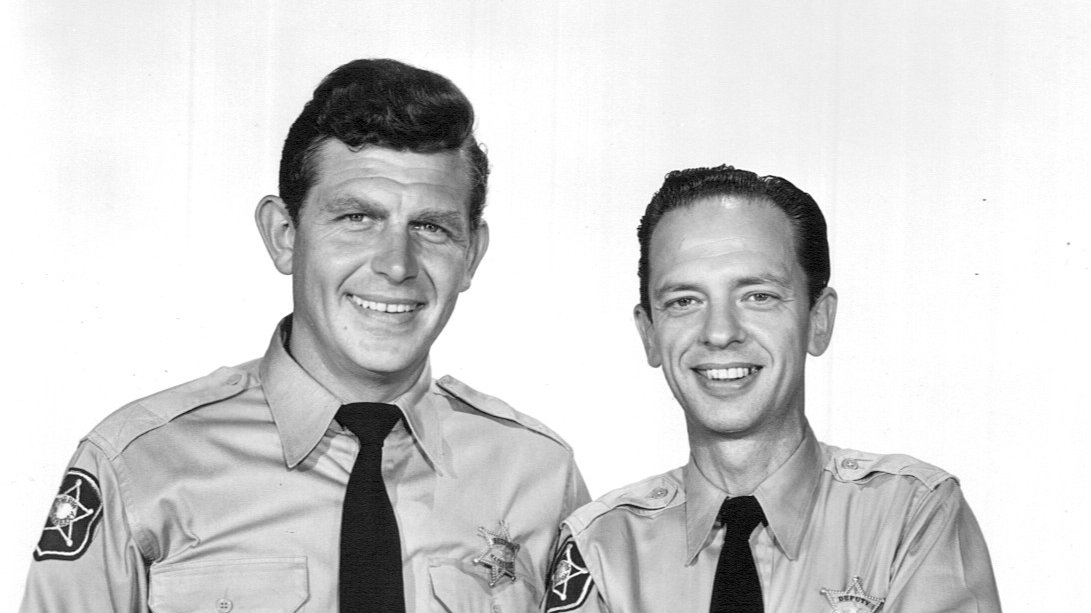

1960: The Andy Griffith Show
The Paley archive lists The Andy Griffith Show as a CBS series from 1960 to 1968. A revival could visit another small town where neighbors remain closely connected despite political and economic disagreements. Quiet humor, patience, and recognizable local characters would matter more than a polished imitation of the past.
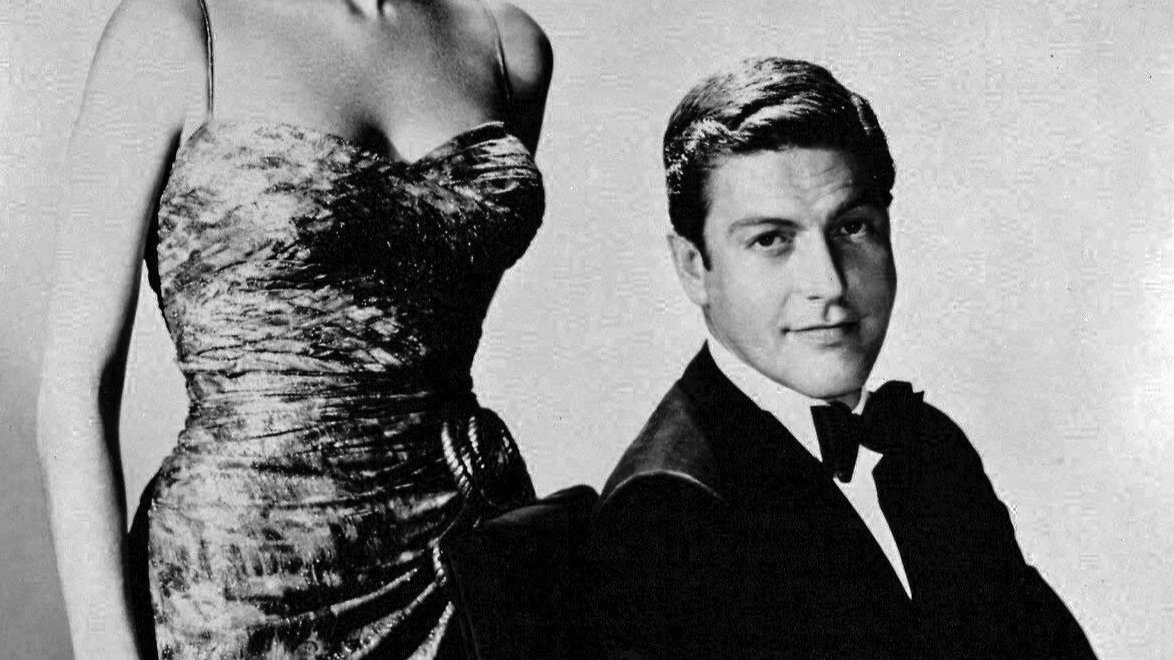

1961: The Dick Van Dyke Show
The Dick Van Dyke Show is cataloged by Paley as a CBS series from 1961 to 1966. A modern version could again move between a writers’ room and family life, this time in the unsettled streaming era. Fast dialogue and physical comedy could keep workplace worries from becoming too heavy.
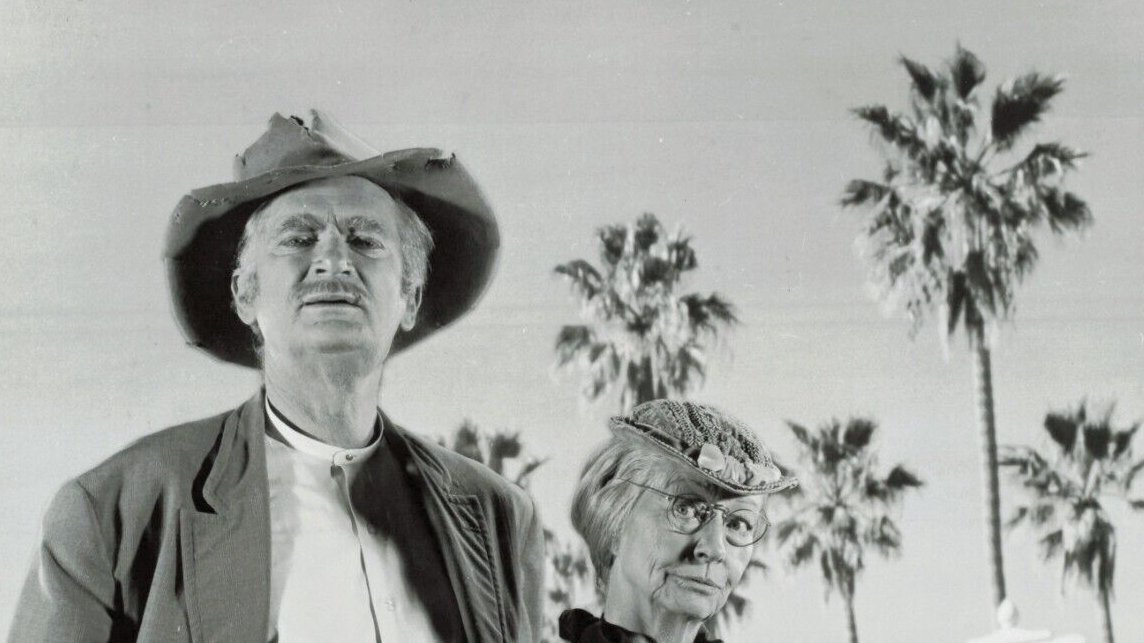

1962: The Beverly Hillbillies
Paley records The Beverly Hillbillies as a CBS series that ran from 1962 to 1971. A comeback could follow a rural family suddenly entering the worlds of technology wealth, luxury branding, and online celebrity. Their plainspoken outlook could expose absurd behavior without making the newcomers themselves the joke.
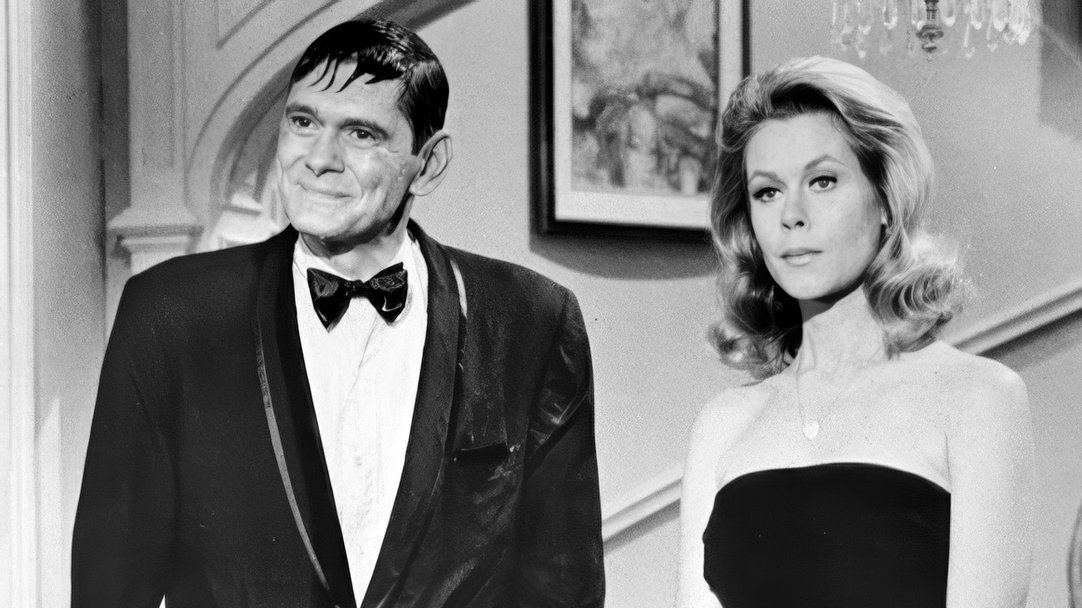

1964: Bewitched
Bewitched appears in the Paley archive as an ABC series from 1964 to 1972. A fresh version could treat magic as both a gift and a source of household complications. The central couple might negotiate careers, relatives, and secrecy while wondering how much anyone should change to satisfy other people.
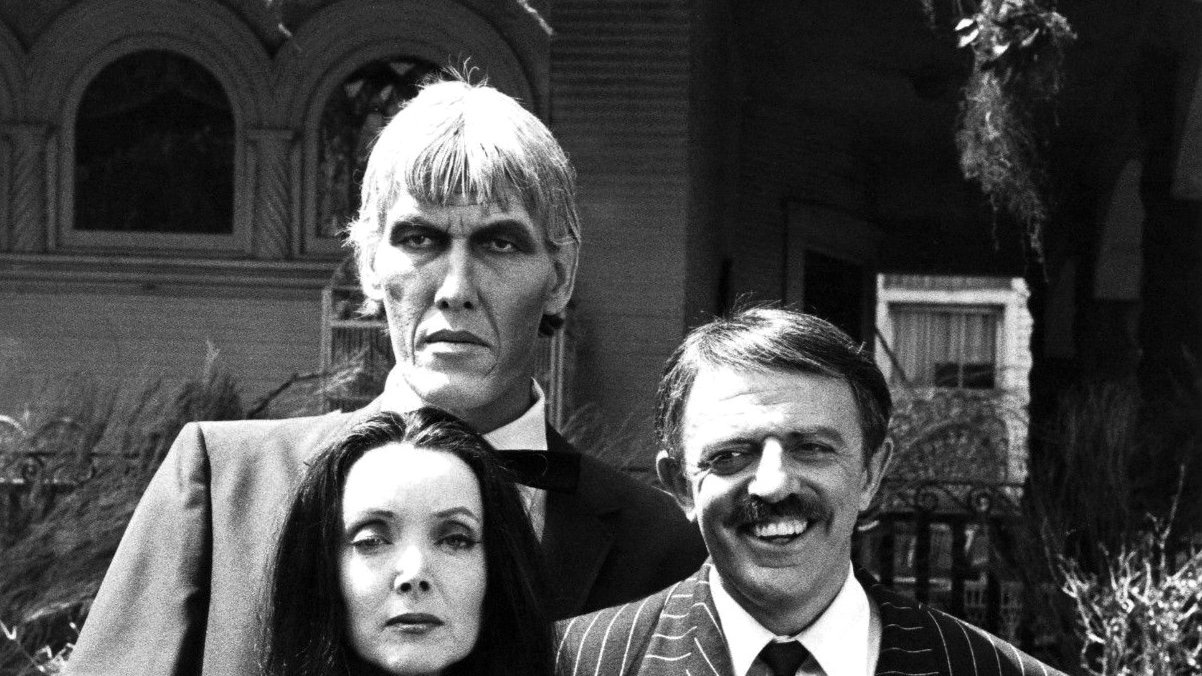

1964: The Addams Family
The Paley Center lists The Addams Family as an ABC series from 1964 to 1966. A comeback could preserve the family’s complete confidence in its unconventional tastes while placing it beside anxious, image-conscious neighbors. The joke should remain that the supposedly strange household is often the most loving one around.
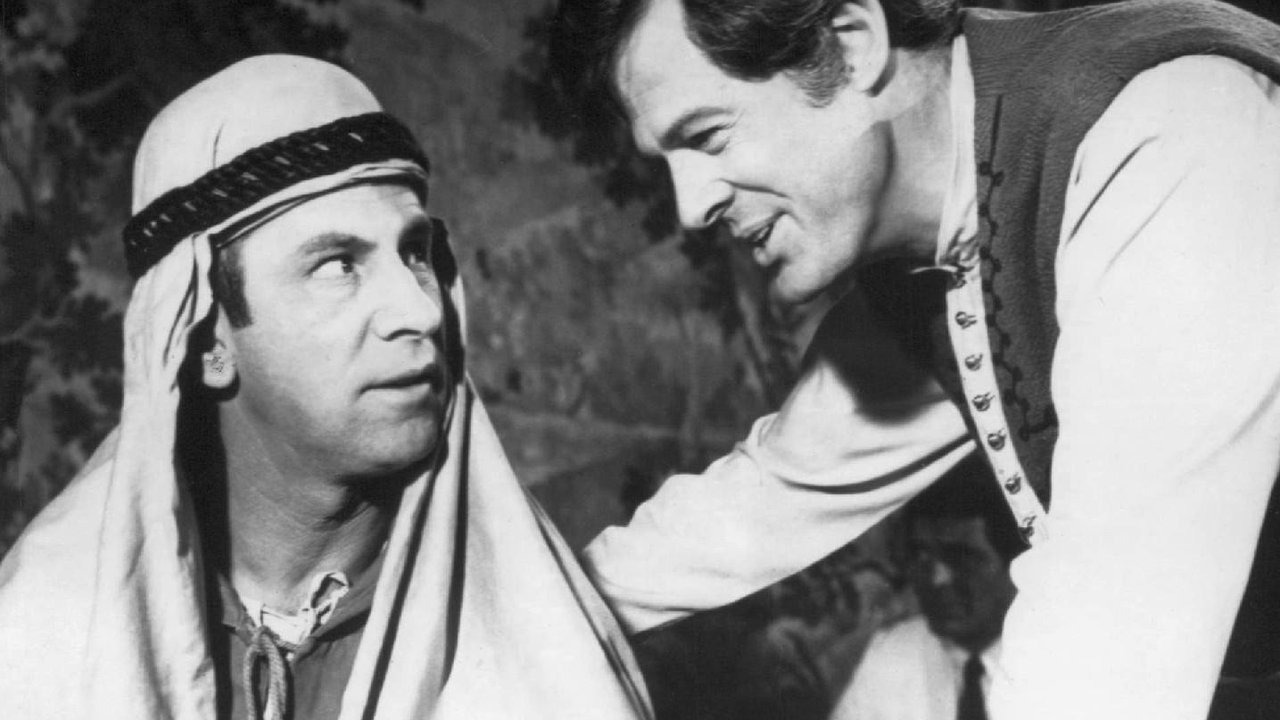

1965: Get Smart
Paley catalogs Get Smart on NBC from 1965 to 1969 and CBS from 1969 to 1970. A revival could send an overconfident agent into a world of facial recognition, drones, and unreliable cybersecurity. Elaborate gadgets should still fail at precisely the wrong moment, leaving teamwork to save the mission.
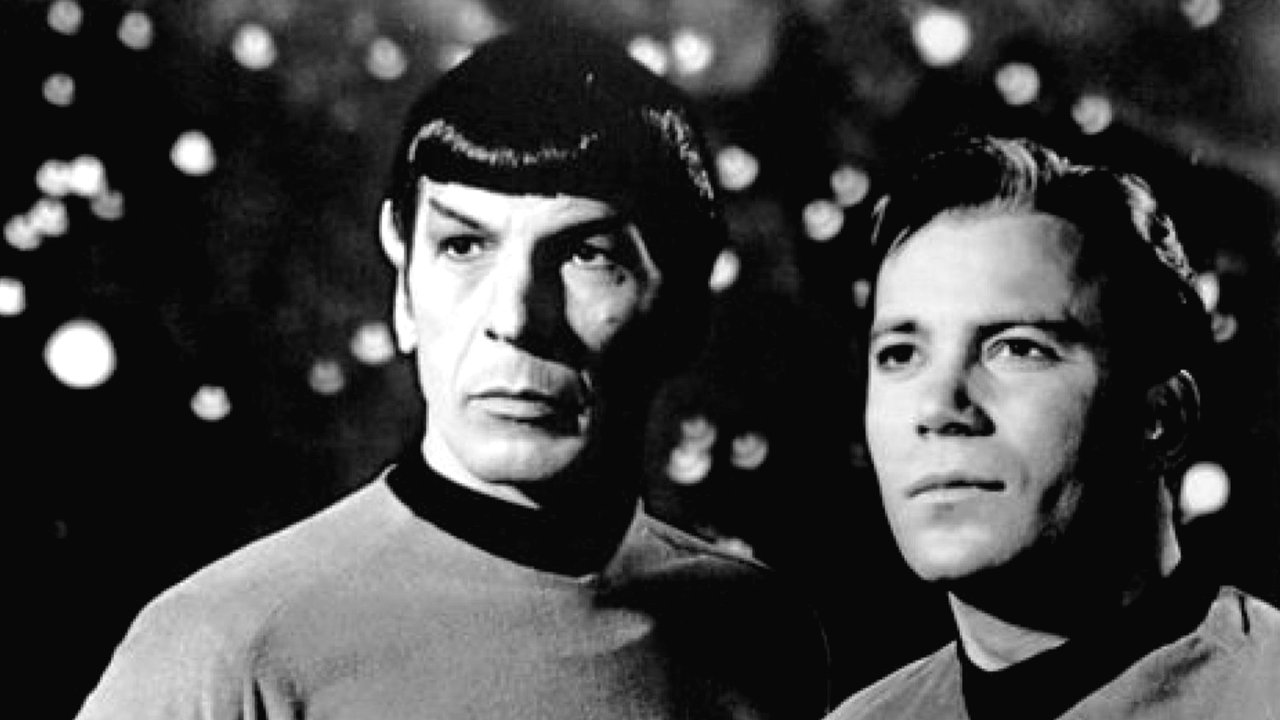

1966: Star Trek
The Paley archive records the original Star Trek as an NBC series from 1966 to 1969. Another small-scale return could emphasize exploration, diplomacy, and moral puzzles instead of constant galactic emergencies. A crew solving problems through curiosity, expertise, and debate would offer a hopeful counterweight to darker science fiction.
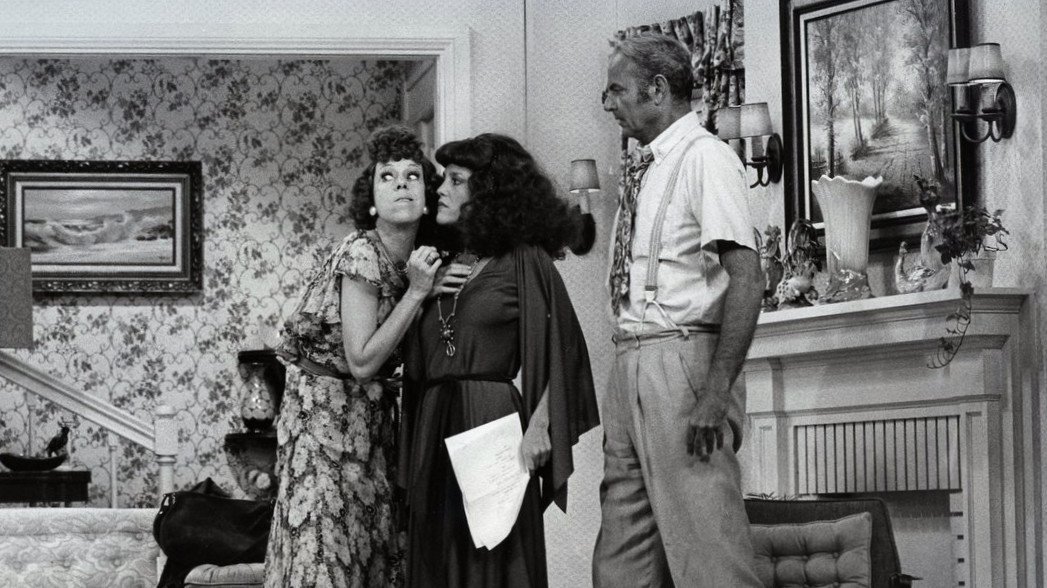

1967: The Carol Burnett Show
The Carol Burnett Show is listed by Paley as a CBS series from 1967 to 1978. A comeback could revive the shared pleasure of performers attempting ambitious sketches before a live audience. Musical guests, recurring characters, and occasional onstage laughter would help polished television feel spontaneous again.
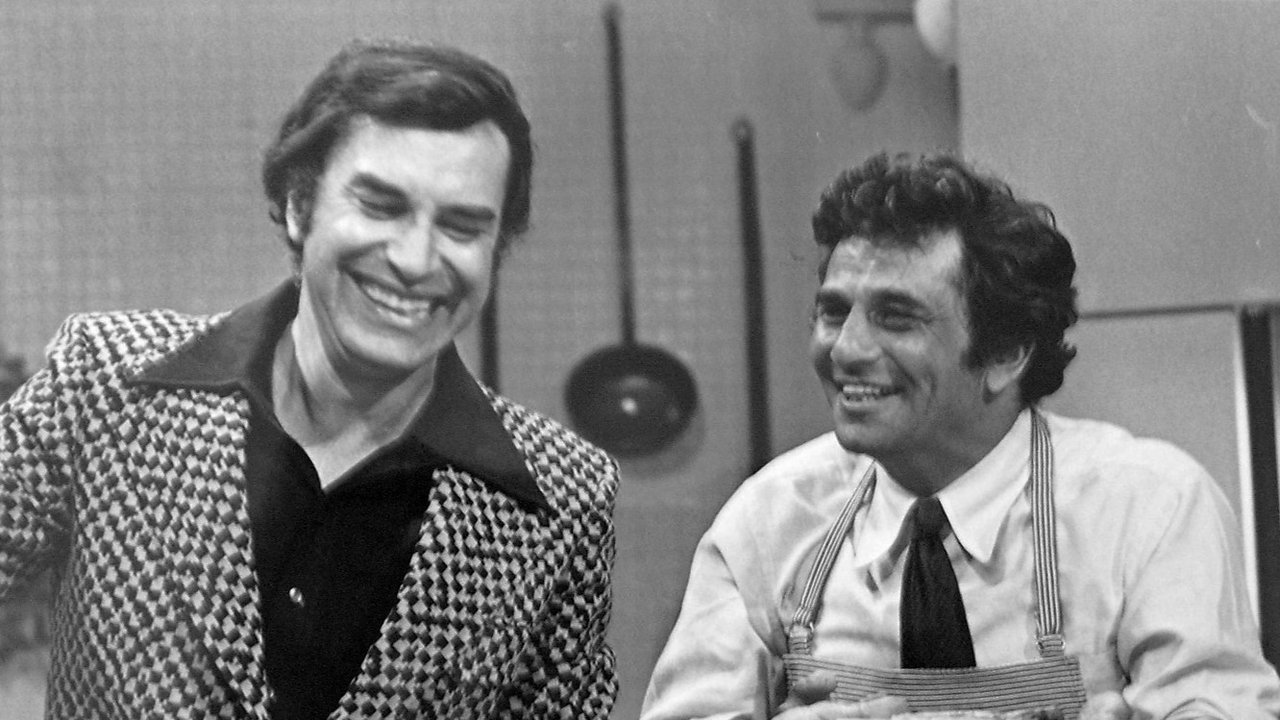

1968: Columbo
Paley’s records give Columbo an NBC run from 1968 to 1978, followed by an ABC run from 1989 to 2003. A new detective could appear rumpled and distracted while quietly noticing what powerful suspects overlook. The audience should still know the culprit early and enjoy watching that person’s certainty slowly unravel.
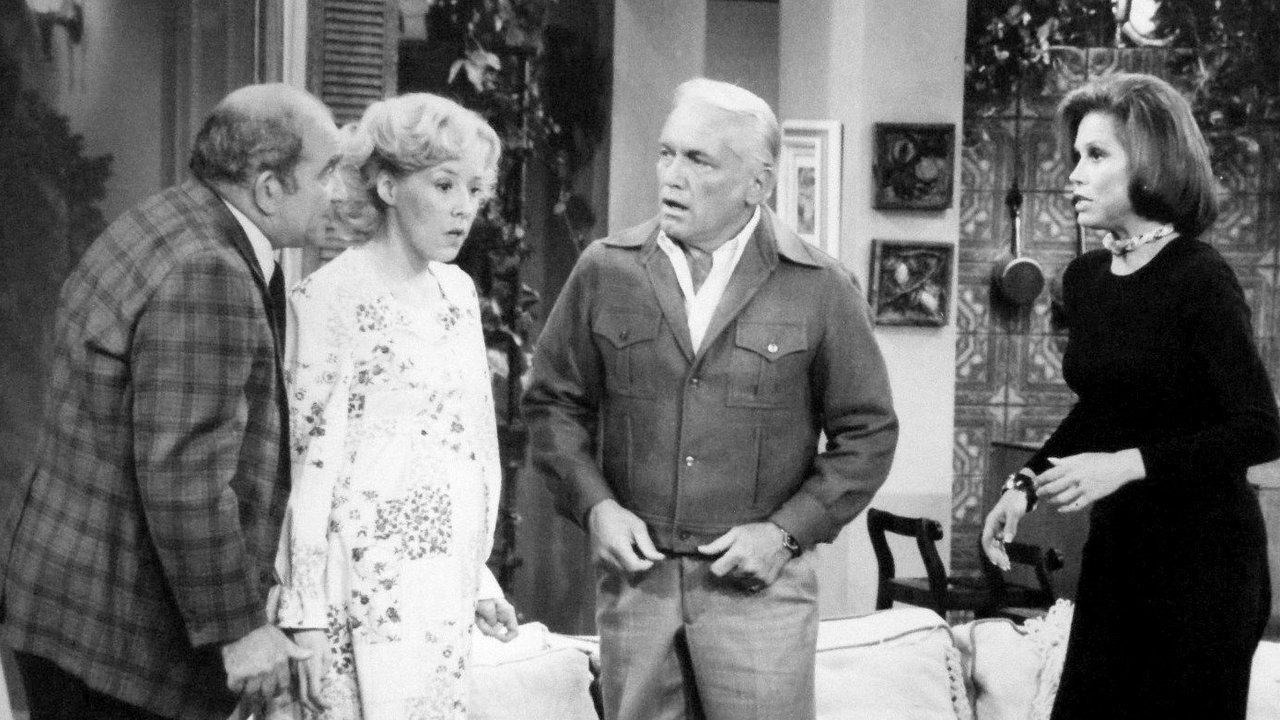

1970: The Mary Tyler Moore Show
The Paley archive lists The Mary Tyler Moore Show as a CBS series from 1970 to 1977. A revival could follow an experienced woman rebuilding her career inside a chaotic local newsroom. Office friendships, civic responsibility, and changing media habits would provide plenty of humor without copying the original characters.
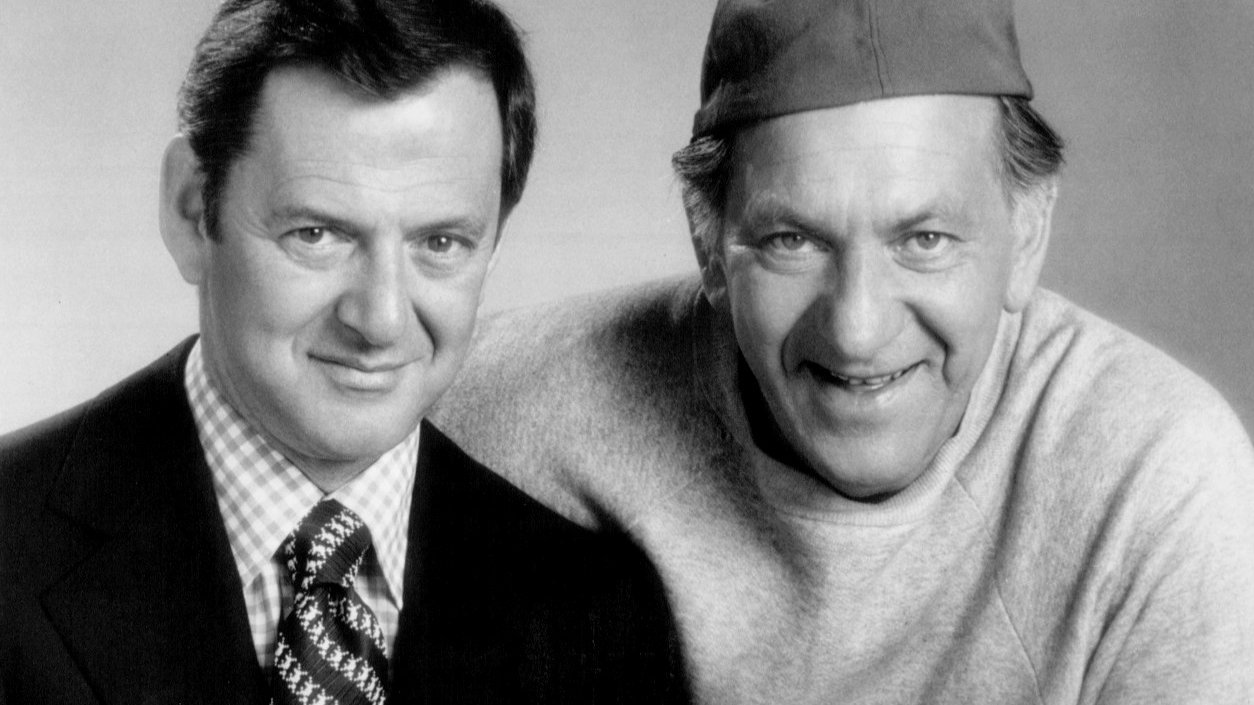

1970: The Odd Couple
The Odd Couple appears in Paley’s catalog as an ABC series from 1970 to 1975. A new mismatched pair could share an apartment because of high housing costs, retirement changes, or an unexpected family connection. Their habits should clash fiercely, but genuine affection must gradually emerge beneath the irritation.
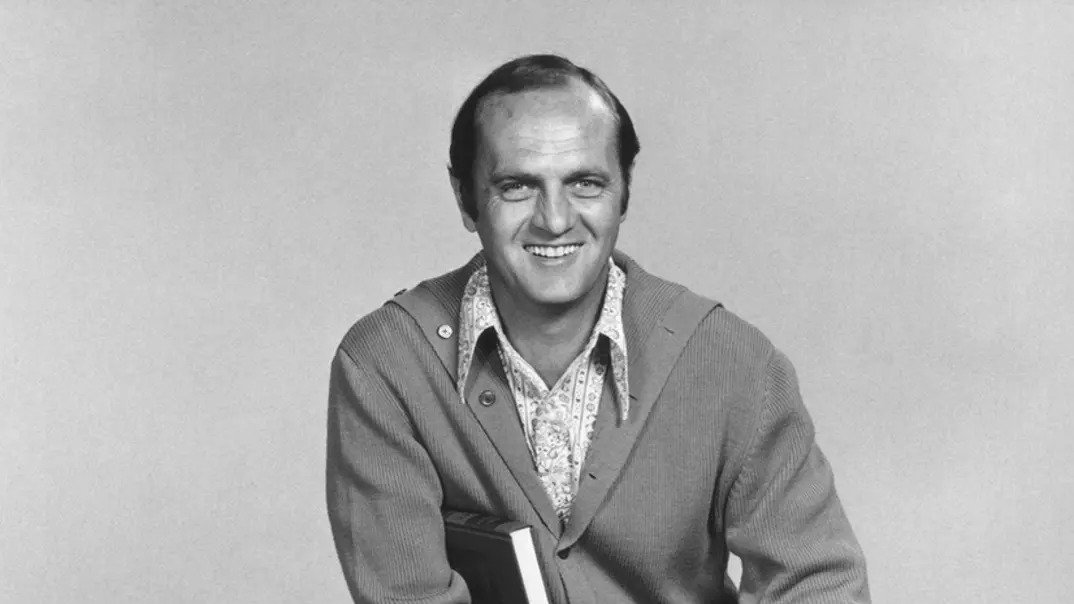

1972: The Bob Newhart Show
Paley records The Bob Newhart Show as a CBS series from 1972 to 1978. A comeback could build dry comedy around a calm professional surrounded by clients, colleagues, and neighbors who refuse to behave predictably. Understatement would distinguish it from louder sitcoms and give awkward pauses room to work.
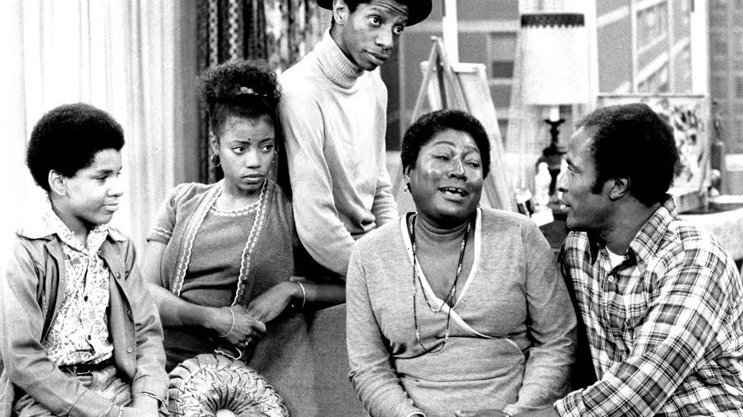

1974: Good Times
The Paley Center catalogs Good Times as a CBS series from 1974 to 1979. A thoughtful revival could portray a working family meeting housing costs, uncertain employment, and neighborhood change with humor and determination. Difficult circumstances should shape the stories without defining every character or crowding out ordinary joy.
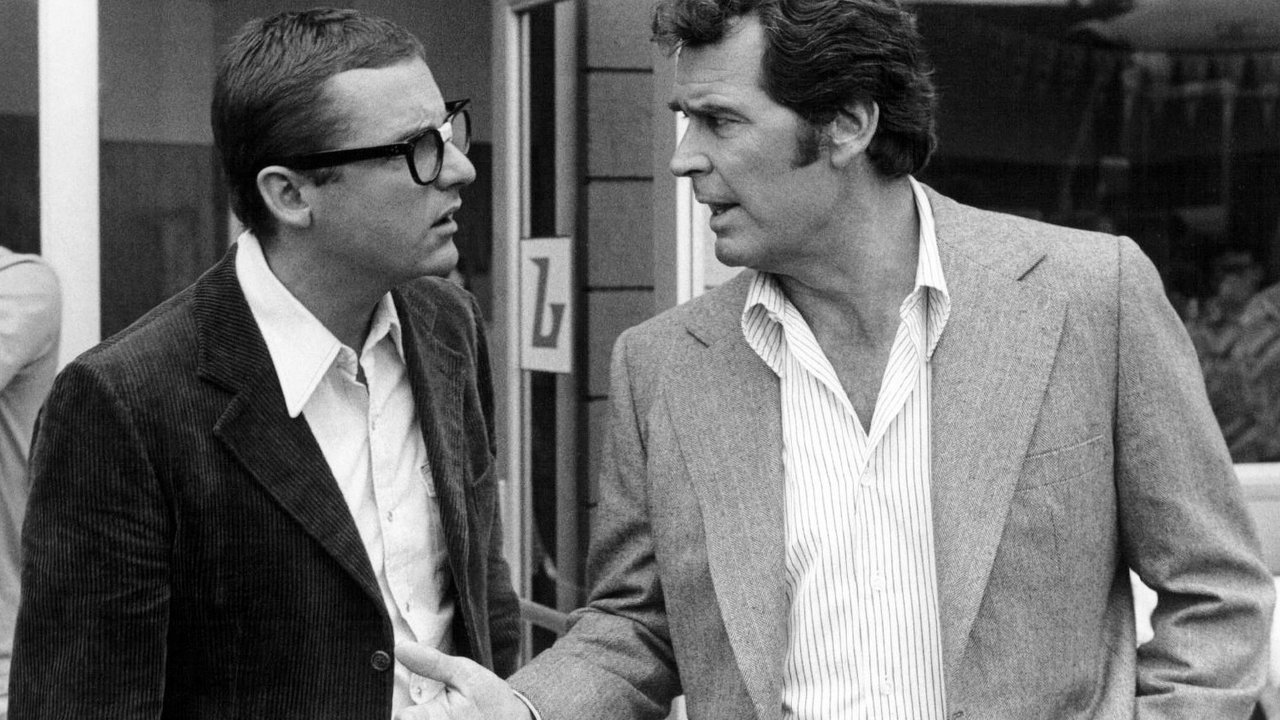

1974: The Rockford Files
The Rockford Files is listed by Paley as an NBC series from 1974 to 1980. A comeback could follow a private investigator who dislikes violence, watches expenses, and solves cases through persistence. Modest stakes, imperfect clients, and a lived-in coastal setting would separate it from glossier crime dramas.

1975: The Jeffersons
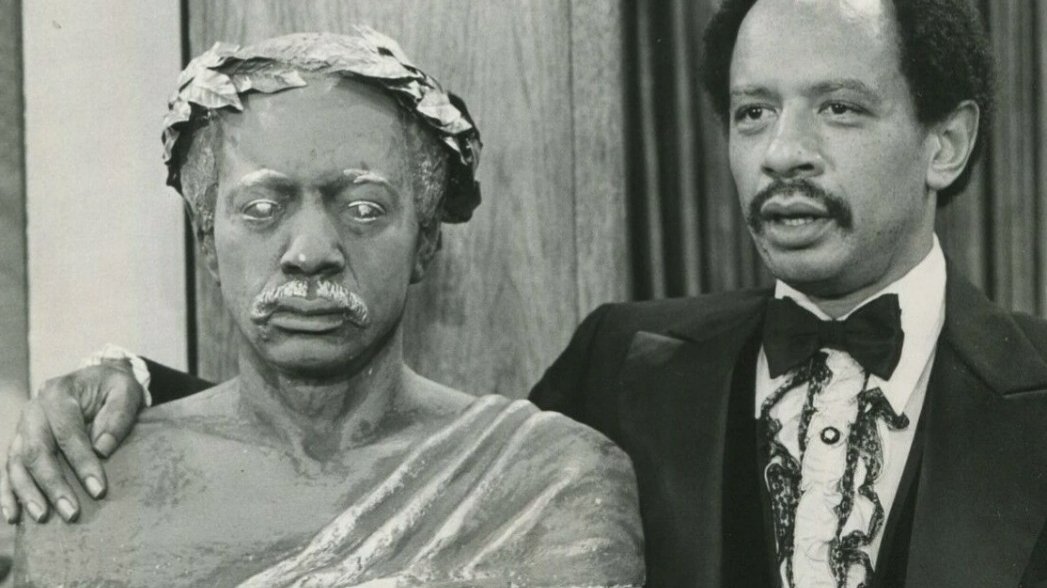
Paley’s archive records The Jeffersons as a CBS series from 1975 to 1985. A revival could examine what upward mobility means across several generations of one successful family. Class expectations, entrepreneurship, marriage, and changing neighborhoods could create pointed comedy while allowing arguments to end in recognition rather than easy agreement.
Which classic show would you most like to see return, and what should a new version preserve?
Sources:
- Paley Archive: I Love Lucy
- Paley Archive: The Honeymooners
- Paley Archive: Leave It to Beaver
- Paley Archive: The Donna Reed Show
- Paley Archive: The Twilight Zone
- Paley Archive: The Andy Griffith Show
- Paley Archive: The Dick Van Dyke Show
- Paley Archive: The Beverly Hillbillies
- Paley Archive: Bewitched
- Paley Archive: The Addams Family
- Paley Archive: Get Smart
- Paley Archive: Star Trek
- Paley Archive: The Carol Burnett Show
- Paley Archive: Columbo
- Paley Archive: The Mary Tyler Moore Show
- Paley Archive: The Odd Couple
- Paley Archive: The Bob Newhart Show
- Paley Archive: Good Times
- Paley Archive: The Rockford Files
- Paley Archive: The Jeffersons
- Wikimedia Commons: I Love Lucy
- Wikimedia Commons: The Honeymooners
- Wikimedia Commons: Leave It to Beaver
- Wikimedia Commons: The Donna Reed Show
- Wikimedia Commons: The Twilight Zone
- Wikimedia Commons: The Andy Griffith Show
- Wikimedia Commons: The Dick Van Dyke Show
- Wikimedia Commons: The Beverly Hillbillies
- Wikimedia Commons: Bewitched
- Wikimedia Commons: The Addams Family
- Wikimedia Commons: Get Smart
- Wikimedia Commons: Star Trek
- Wikimedia Commons: The Carol Burnett Show
- Wikimedia Commons: Columbo
- Wikimedia Commons: The Mary Tyler Moore Show
- Wikimedia Commons: The Odd Couple
- Wikimedia Commons: The Bob Newhart Show
- Wikimedia Commons: Good Times
- Wikimedia Commons: The Rockford Files
- Wikimedia Commons: George Jefferson