

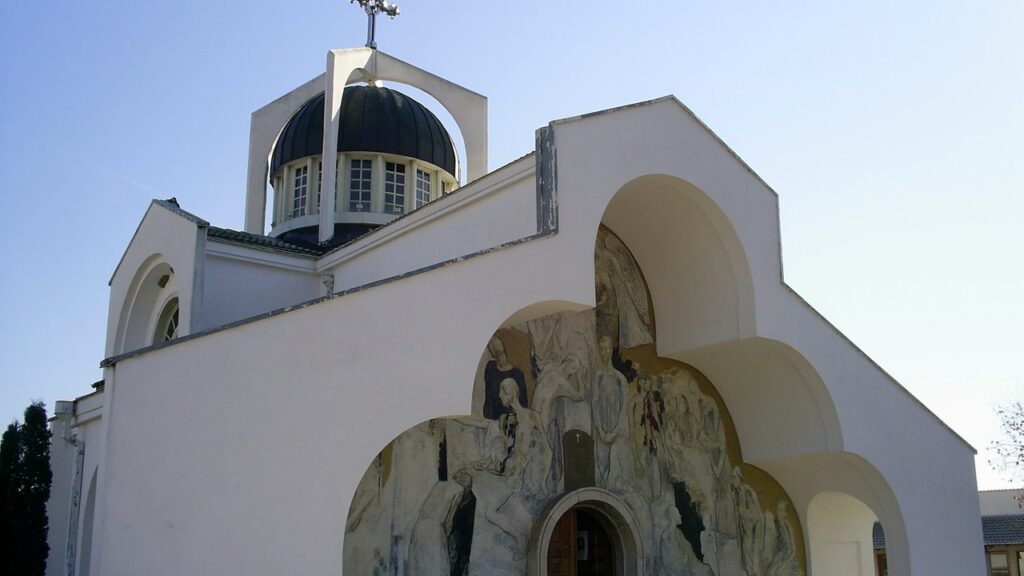

Have you wondered whether the unsettling headlines about Baba Vanga’s supposed predictions for 2027 are true?
The careful answer is that articles repeat several claims, but they do not present a dated recording, transcript, or publication proving that those words came from her.
Here is what is circulating, what reliable sources say about Baba Vanga, and how to examine prediction stories without letting them disturb your peace of mind.
Who Was Baba Vanga?
Vangeliya Gušterova lived from 1911 to 1996. She was born in Strumica, in what was then Ottoman Macedonia and is now North Macedonia.
A scholarly account says she lost her sight at age 13. By 1950, another academic account says she was widely known and drew people from across Bulgaria.
Her public profile continued to grow during the socialist era. In 1967, the Bulgarian state officially employed her, while state management included crowd control and waiting lists. That involvement demonstrates her prominence, but it does not prove the paranormal claims associated with her.
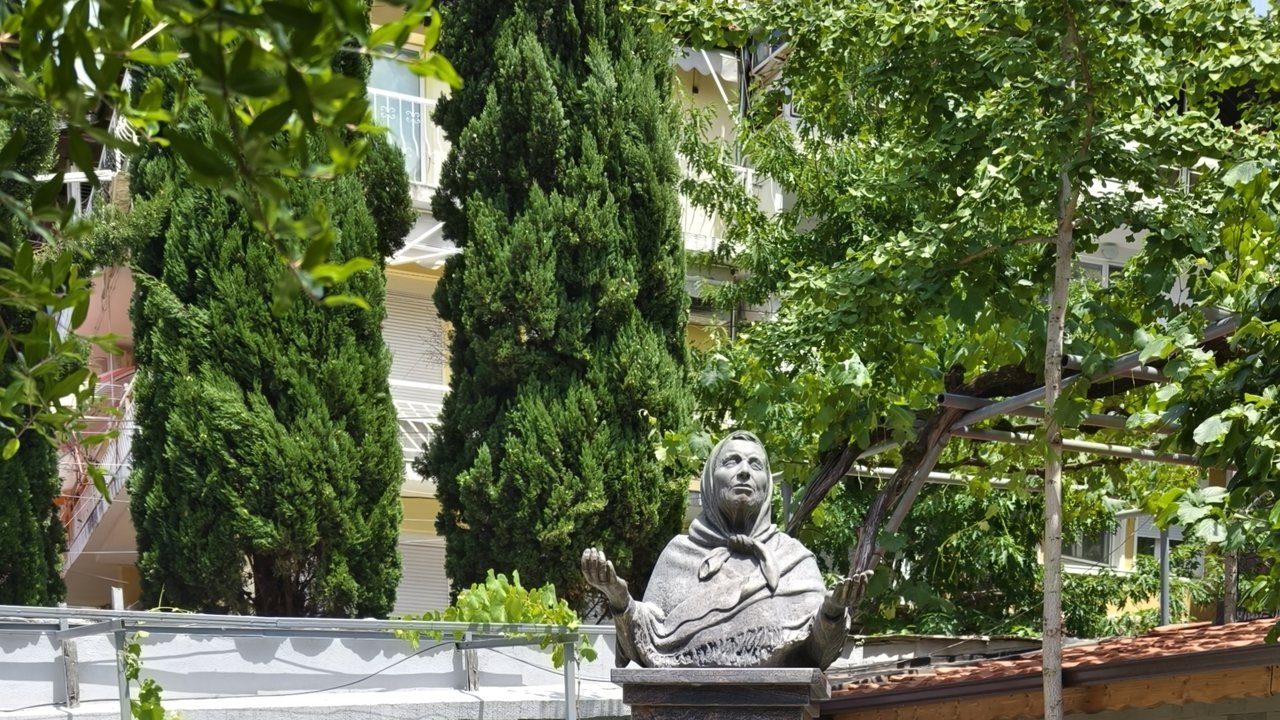

What Is Being Claimed for 2027?
A Sky History roundup presents three eye-catching ideas as alleged Baba Vanga predictions. The article does not provide an original recording or transcript for them, so they should be understood as claims reported by that publication.
- Human abilities. Sky History includes a claim about newfound “superhuman” abilities. It does not establish that Baba Vanga used those words.
- Gold prices. The same roundup says gold prices could increase by 25% to 40% in 2027. This is an alleged prediction reported by Sky History, not a verified statement from Baba Vanga or a sound basis for investment decisions.
- Russian leadership. Sky History also says Baba Vanga allegedly believed Vladimir Putin would no longer lead Russia by the start of 2027. The article offers no dated primary record from her.
When accounts disagree or lack an original record, compare their wording and trace each one back as far as possible. A precise date attached to a famous name does not make a prediction authentic.
Did She Leave a Written List of Predictions?
The sources reviewed here do not provide a comprehensive, authenticated list of predictions for 2027. Sky History says it is difficult to determine what Baba Vanga expected because she is not known to have written down many of her prophecies.
Many stories about her have instead reached readers through secondary accounts. That creates an attribution problem before anyone considers whether a prediction might come true. Without an original record, there is no dependable way to distinguish her words from later interpretations or additions.
What readers can examine now is the attribution. AFP says facts in a report need “clear and identified attribution.” In practical terms, a claim should lead to a named, traceable source rather than another article repeating the same story.


How Did Her Earlier Predictions Spread?
Academic researchers found that belief in Baba Vanga’s abilities and prophecies spread through word of mouth, newspapers, books, television, and the internet. They describe the online version of her legacy as “crowdsourced, reimagined, mediated, and unpredictable.”
That helps explain why these stories can appear convincing. Each retelling can remove context, sharpen vague language, or add a fresh interpretation. Repetition across several websites may look like independent confirmation even when every article traces back to the same uncertain account.
Sky History says much of the information about her comes from secondary accounts and that some predictions became popular only after the supposed event. Matching flexible language to a specific disaster or political development afterward is not the same as documenting a clear forecast beforehand.
How Can You Check a Prediction Story?
You do not need specialized research skills. A few calm, practical questions can reveal whether a dramatic headline rests on evidence or repetition.
- Find the earliest source. Look for a dated recording, transcript, or publication that appeared before the predicted event. A later article is not proof of an earlier statement.
- Follow the citations. Check where each article obtained its information. Several copies of one story still amount to a single uncertain source.
- Examine the wording. A testable prediction clearly identifies what is expected to happen, as well as where and when. Broad warnings can fit many outcomes after the fact.
- Compare different versions. Watch for names, dates, or dramatic details that appear in newer accounts but are missing from earlier ones.
- Protect important decisions. Do not change financial, travel, or family plans because of a prediction without reliable evidence. Decisions with real consequences deserve stronger support.
A frightening story can feel urgent, especially when it concerns money, family, or world events. Pause before sharing it or acting on it. Finding where the claim began can replace that urgency with useful perspective.
Baba Vanga’s story remains fascinating, but unverified predictions attached to her name need not shape how you approach 2027.
This article is for general information and isn’t a substitute for advice from your doctor.
Sources:
- Balcanica: From “Religion” to “Spirituality” in Socialist Bulgaria
- Max Planck Society Repository: Constructing the Bulgarian Pythia
- Sky HISTORY: What Does Baba Vanga Predict for 2027?
- Cambridge University Press: Mediums, Media, and Mediated “Post”-Truth
- Sky HISTORY: 6 Predictions Baba Vanga Got Wrong
- AFP Fact Check: AFP Fact-Checking Stylebook