


Do you keep waking up at 3 a.m. and wondering why it happens at nearly the same time every night?
For a woman in her 40s, perimenopause may be part of the explanation. Night sweats, bladder symptoms, mood changes, and evening habits can all make an uninterrupted night harder to come by.
Instead of focusing only on the hour, notice what woke you, what you did before bed, and how you feel the next day. Those details can help you decide what to try and what to discuss with your health care provider.
Why Can This Start in Your 40s?
Perimenopause is a good place to start. The Office on Women’s Health says, “Perimenopause usually begins in your mid- to late 40s.”
During this transition, the ovaries start making less estrogen and progesterone. Sleep changes may appear alongside other signs of menopause, so it helps to consider the full picture rather than one difficult night.
The Office on Women’s Health describes several common sleep disruptors: “Night sweats, bladder symptoms, and mood changes can disrupt your sleep.” You may wake feeling hot, need to use the bathroom, or begin worrying once you are awake.
Pay attention to whether these awakenings occur near changes in your periods or other symptoms. A brief record can make patterns easier to describe during a medical appointment.

What Should You Notice When You Wake?
Start with what you can observe. Are you sweaty, uncomfortable, worried, or in need of the bathroom? Can you return to sleep quickly, or do you remain awake for a long stretch?
Watching the minutes pass can add another layer of frustration. The National Heart, Lung, and Blood Institute says, “Worrying about whether you will get enough sleep and watching the clock can also raise your risk of insomnia or make it worse.”
Cortisol is part of the body’s normal waking process. As the institute explains, “Cortisol naturally prepares your body to wake up.” Rather than trying to diagnose a hormone problem from the clock, write down the symptoms and circumstances you can clearly identify.
Could Evening Habits Be Waking You?
Alcohol can make it harder to remain asleep. The National Institute on Aging warns, “Even small amounts make it harder to stay asleep.” If you regularly have an evening drink, try several alcohol-free nights and compare how you sleep.
Drinks late in the evening can also leave you needing the bathroom overnight. If nighttime urination is a problem, have most of your fluids during the day and limit drinks after dinner.
Look for patterns across several nights. Note whether an awakening followed alcohol, extra evening drinks, a warm bedroom, or an unusually demanding day. One night may not tell you much, but a simple record can help you spot what tends to happen together.
What Can You Try Tonight?
Begin with a few practical changes aimed at the interruption you notice most often. Choose a routine that feels comfortable and simple enough to repeat.
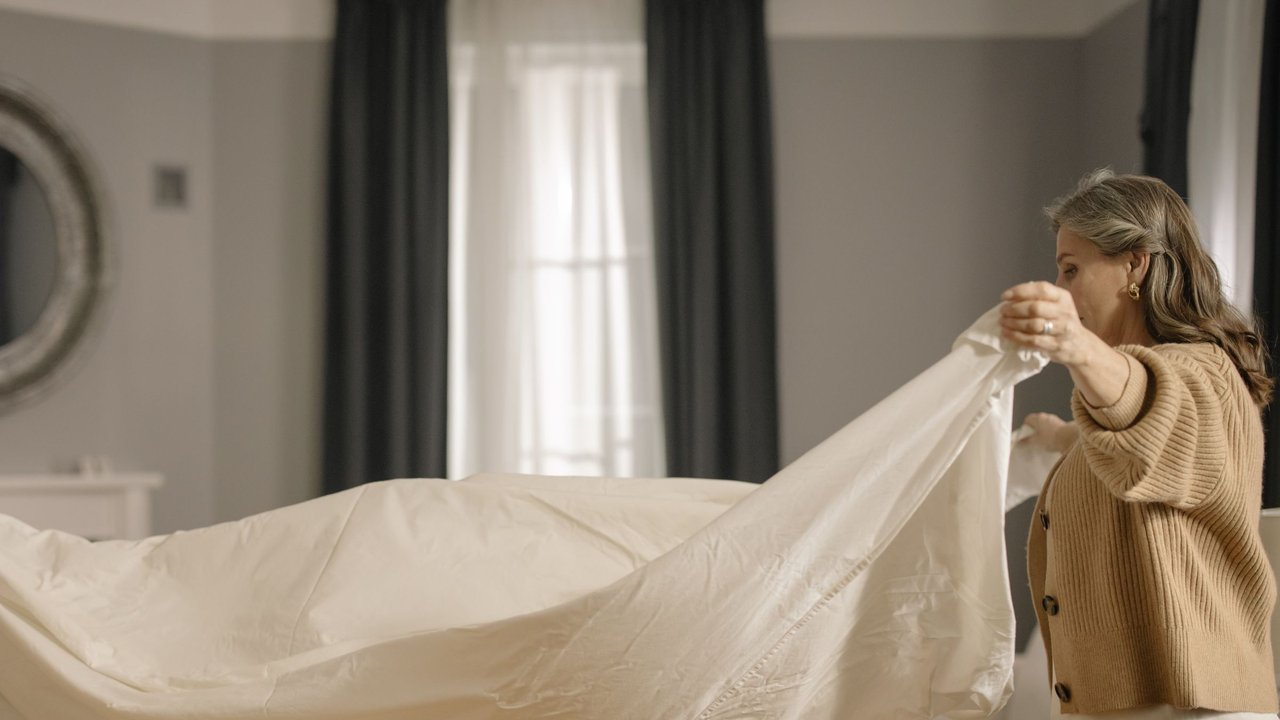
- Cool the room. Use light bedding, and keep the bedroom cool, quiet, and dark.
- Move drinks earlier. Have most of your fluids during the day, and reduce what you drink after dinner if nighttime urination is a problem.
- Skip the nightcap. Choose alcohol-free evenings for a while, and note whether you stay asleep longer.
- Hide the clock. Turn the display away from the bed so you are less tempted to count the remaining hours of sleep.
- Track the clues. Each morning, briefly note awakenings, sweating, bathroom trips, alcohol, mood, and menstrual changes. Keep the process easy so it does not become another source of pressure.
Give the routine enough time to reveal a pattern. If these steps do not help, bring your notes to your health care provider. A short, concrete record can help you explain when you wake, what you experience, and how the disrupted sleep affects your day.
When Should You Talk to a Doctor?
Make an appointment if insufficient sleep is affecting your daily activities. Do not wait until exhaustion has become your normal routine before asking for help.
Regular night sweats that wake you or cause concern should also be checked. Contact a health care provider if night sweats occur with unexplained weight loss.
Ask about sleep apnea even if nobody has heard you snore. The National Heart, Lung, and Blood Institute notes that women may not have snoring as an obvious symptom, which can make the condition less apparent.
Seek medical advice for any vaginal bleeding after you have gone 12 months without a period. Bring your sleep record and a list of other symptoms or recent changes to the appointment so you do not have to recall everything on the spot.
Careful observations and a few manageable changes can turn a frustrating nighttime pattern into a more useful conversation about your sleep and health. This article provides general information and is not a substitute for personal medical care. What do you notice most when you wake during the night?
This article is for general information and isn’t a substitute for advice from your doctor.
Follow Lilyon on MSN for more stories like this.
Sources: