

Is it normal to become constipated more often as you get older?
For many adults, the answer is yes. Constipation is more common after 65, but it is not an unavoidable part of aging or something you should simply put up with.
Often, more than one factor is involved. As the NIDDK puts it, “constipation may have more than one cause at a time.” Here is what may be behind the problem, what may bring relief, and when to call a doctor.
What Actually Counts as Constipation?
You do not need to match anyone else’s bathroom schedule. The National Institute on Aging says, “Being regular can be different for each person.” What matters is knowing your usual pattern.
Constipation can mean having fewer than three bowel movements a week, passing hard or lumpy stools, straining, or feeling that you have not completely emptied your bowels. A new change from your usual pattern also matters.
When stool moves too slowly through the colon, the body absorbs too much water from it. The stool can then become hard, dry, and difficult to pass.

Why Does It Become More Common With Age?
Age-related changes in the large intestine can contribute to constipation.
Thirst may become a less dependable reminder to drink. The National Institute on Aging notes, “With age, you might lose some of your sense of thirst.” Waiting until you feel thirsty may mean you drink less than you intended.
Too little fiber or fluid and not enough physical activity can contribute. So can repeatedly ignoring the urge to use the toilet, whether the timing is inconvenient or getting to a restroom takes longer.
Pelvic floor disorders can delay the emptying of the colon.
Which Medicines Can Cause Constipation?
The medicine cabinet is one of the first places to check. The American College of Gastroenterology lists opioids, iron and calcium supplements, certain blood-pressure medicines, and some antidepressants among common examples. These medicines may slow intestinal movement.
Antacids containing calcium or aluminum, diuretics, anticonvulsants, and medicines for Parkinson’s disease can also worsen constipation. That does not mean a medicine is wrong for you. The side effect may need to be managed.
Bring a complete list of your prescriptions, supplements, and over-the-counter medicines to your next appointment. The NIDDK advises, “Don’t change or stop any medicine or supplement without talking with a health care professional.”

What Can Help at Home?
Begin with small, practical steps, and change one thing at a time.
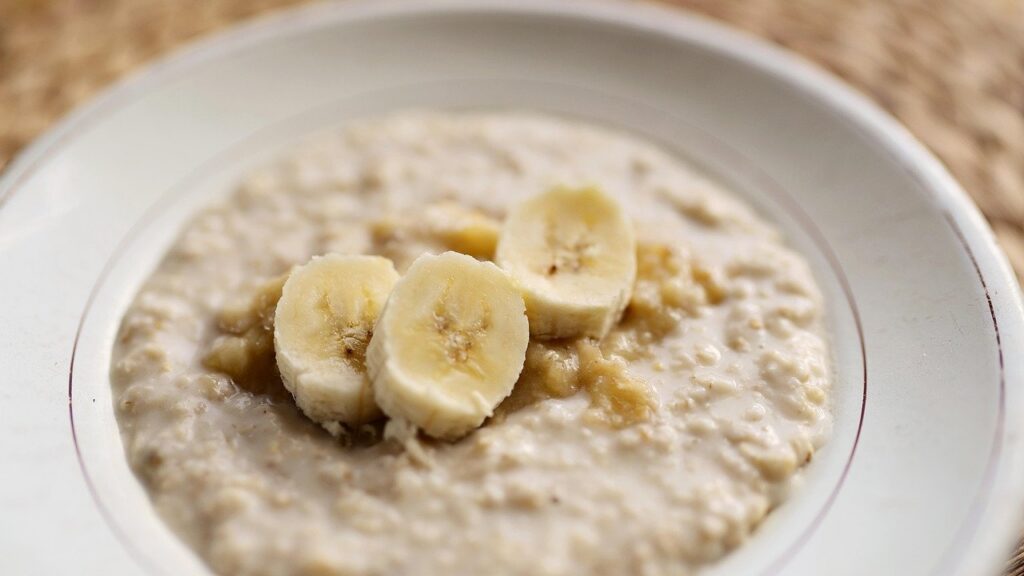
- Add fiber slowly. Work more oatmeal, whole grains, beans, fruit, and vegetables into meals a little at a time so your body can adjust.
- Pair fiber with fluids. Water and other liquids help fiber work better. Ask a health care professional how much fluid fits your health, activity level, and daily needs.
- Honor the urge. Use the toilet when you feel the need instead of waiting until later.
- Try a routine. Set aside unhurried toilet time at roughly the same time each day. After breakfast may be useful because eating helps the colon move stool.
- Get comfortable. Give yourself enough time, relax, and try resting your feet on a small stool.
- Keep moving. Regular physical activity may help relieve constipation. Ask a health care professional what kind of activity is appropriate for you.
- Ask about laxatives. If basic changes do not help, a health care professional may recommend an appropriate laxative for a short time.
Consider keeping a brief record of bowel movements, meals, fluids, and medicines. It can make patterns easier to describe at an appointment.
When Should You Call a Doctor?
Contact your health care professional if constipation is new, keeps returning, or does not improve with self-care. A sudden or persistent change in bowel habits deserves attention rather than being blamed on age.
The NIDDK advises seeing a doctor right away when constipation comes with any of these warning signs:
- Visible blood. This includes rectal bleeding or blood in the stool.
- Unexplained weight loss. Losing weight without trying should be checked.
- Constant pain. Constant abdominal pain needs prompt medical attention.
- Blocked feeling. Get help if you cannot pass gas, especially if you are also vomiting.
- Fever. Constipation accompanied by a fever needs prompt medical attention.
If you are unsure how urgent a symptom is, call your doctor’s office or an urgent-care service for guidance.
Constipation may feel awkward to discuss, but a changed habit, health condition, or medicine may point to the cause. This general information cannot replace advice from your health care professional, especially when symptoms are new or persistent. What have you found makes the biggest difference for you?
This article is for general information and isn’t a substitute for advice from your doctor.
Follow Lilyon on MSN for more stories like this.
Sources: